Paint House Exterior Yourself
Your Ultimate Guide to Successfully Paint House Exterior Yourself
Thinking about giving your home a fresh, vibrant look without hiring expensive contractors? You absolutely can! Deciding to paint house exterior yourself is a huge undertaking, but it's incredibly rewarding—and a fantastic way to save thousands of dollars.
This comprehensive guide will walk you through every stage, from meticulous preparation to the final brushstroke, ensuring your DIY exterior painting project results in a durable, professional finish. Let's get started on transforming your curb appeal!
Why Paint House Exterior Yourself? The Benefits of DIY
The primary driver for many homeowners is cost savings. Professional exterior painting can be very expensive, and doing the labor yourself immediately cuts that cost by more than half.
But beyond the money, tackling this job yourself gives you total control over the schedule, materials, and quality control. You can take the necessary time to ensure every detail is perfect, something hired crews often rush through.
Plus, there's a unique satisfaction that comes from completing such a large, visible project. When neighbors compliment your home, you can proudly say, "I did that!"
Essential Prep Work: The Foundation of Success
Ask any pro: preparation is 80% of the job. Skipping these steps guarantees early paint failure, sometimes within just a year or two. If you want your hard work to last a decade or more, dedicate serious time to the necessary preparation.
It can feel tedious, but flawless preparation is the secret weapon of successful DIY exterior painting.
Cleaning and Washing the Exterior
Dirt, dust, and mildew prevent new paint from adhering properly. You must wash the entire house thoroughly using a strong detergent solution designed for exterior use.
Use a pressure washer if you have experience, being careful not to damage the siding, especially around windows. If you're nervous about high pressure, a garden hose with a scrub brush and a TSP (Trisodium Phosphate) solution works perfectly well.
Crucially, allow 2-3 sunny days for the surfaces to dry completely before moving on. Moisture trapped beneath the paint will lead to bubbling and blistering down the road.
Scraping, Sanding, and Repairing Surfaces
Old, peeling paint must go. Use a sturdy paint scraper to remove any loose flakes, then follow up by sanding down the edges of the remaining paint to create a smooth transition. This feathering technique prevents visible lines beneath your new finish.
Check all surfaces for cracks, gaps, or rotten wood. Rotten sections must be cut out and replaced entirely. Small cracks and dings should be filled with quality exterior wood filler or patching compound, then sanded smooth after curing.
Finally, caulk all seams where dissimilar materials meet, such as around windows, doors, and trim. This critical step seals out water, drafts, and greatly improves the look of your final job.
Taping and Protecting Non-Paint Areas
Protecting what you don't want painted is always faster than scraping up dried mistakes later. Use quality painter's tape specifically designed for exterior use on windows, door hardware, and light fixtures. Drop cloths should cover landscaping, bushes, walkways, and patios.
While taping can be time-consuming, it ensures crisp, clean lines, which is the hallmark of a truly professional-looking DIY job.
Choosing Your Materials Wisely
Don't skimp on paint quality! The difference between cheap paint and premium exterior paint is immense, affecting longevity, fade resistance, and ease of application. Since you're going to paint house exterior yourself, make sure the materials support your immense effort.
High-quality paint covers better, requiring fewer coats and providing superior protection against weather elements.
Selecting the Right Paint Type (Latex vs. Oil)
For almost all exterior applications today, high-quality 100% acrylic latex paint is the industry standard. It breathes better, resists blistering, holds its color well, and cleans up easily with soap and water.
Oil-based (alkyd) paint is sometimes necessary for surfaces previously coated in oil or for specific metal surfaces, but it releases strong odors, requires mineral spirits for cleanup, and tends to fade and chalk faster in UV light.
Always consult your paint supplier about what works best for your specific siding material, whether it be wood, stucco, vinyl, or fiber cement.
Tools You'll Need
Having the right tools makes the job safer and significantly faster. If you have a very large, smooth-sided house, consider renting an airless paint sprayer, but be warned: spray painting requires extremely intensive masking beforehand.
Here is a list of essential tools for your DIY exterior painting project:
- Extension ladder (safely rated) or scaffolding
- High-quality synthetic brushes (for latex paint)
- Rollers and extension poles
- Paint trays and liners
- Caulking gun and exterior caulk (ensure it's paintable)
- Scrapers, sandpaper, and sanding blocks/orbital sander
- Safety gear (goggles, gloves, dust mask, and possibly a respirator)
- Plenty of drop cloths and painter's tape
The Painting Process Step-by-Step
Once the prep is complete and your tools are ready, the satisfying work begins. Remember the golden rule of painting: work from the top down to avoid getting drips on newly painted surfaces below.
Priming the Surface
Priming is absolutely non-negotiable, especially on any area where you have exposed bare wood, repaired patching, or if the existing surface is chalky. Primer seals the substrate, ensures uniform color absorption, and significantly improves the adhesion of the topcoat.
Use a high-quality exterior primer (sometimes called a bonding primer). If you are making a drastic color change (e.g., painting a very light color over a dark one), tinting the primer slightly toward your final topcoat color will help reduce the number of finish coats needed.
Application Techniques
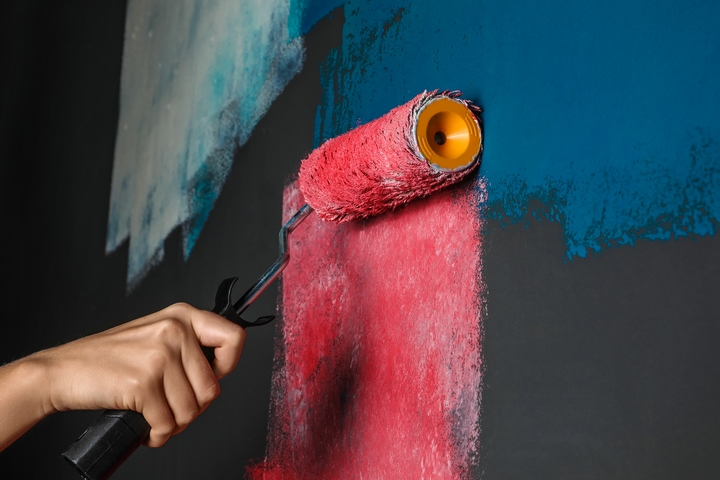
Whether you are rolling, brushing, or spraying, apply the paint in thin, even coats. Avoid applying paint too thick, which often leads to sagging, wrinkling, and poor curing. Aim for coverage, not thickness.
When rolling, work in small, manageable vertical sections, always maintaining a wet edge to blend the paint smoothly and prevent unsightly lap marks.
Here is the recommended order for painting the exterior of your house:
- Start with the eaves, soffits, and fascia (the highest horizontal elements).
- Paint the siding or primary wall surface.
- Finish with the windows, doors, and contrasting trim.
- Paint porches, decks, or railings last, as they are exposed to the most wear.
Dealing with Trim and Detail Work
Painting trim requires patience and a steady hand. Use an angled brush (2-inch or 3-inch) for the cleanest cut-in lines. Remember that even if you used tape, a small amount of brush control is still needed for perfection.
Allow the first coat of paint to dry completely (usually 4-8 hours, depending on humidity and temperature) before applying the second coat. Two thin coats are always superior to one thick, heavy coat, ensuring maximum durability.
Safety First: Working High and Handling Chemicals
Exterior painting inherently involves working at heights. Always use ladders safely, ensuring they are placed on solid, level ground. Have a spotter nearby if possible, especially when working above the first story.
Never lean too far to reach a spot; climb down and reposition the ladder instead—that extra minute of repositioning is worth avoiding a serious accident. Always wear appropriate eye and hand protection.
If your home was built before 1978, there is a serious risk of lead-based paint. If you suspect lead paint, you must research EPA guidelines, take special precautions (like wet sanding), use a NIOSH-approved respirator, and safely dispose of all debris. Prioritize safety above all else when you decide to paint house exterior yourself.
Conclusion: Enjoying Your New Curb Appeal
Taking on the task to paint house exterior yourself is a major accomplishment that dramatically enhances your home's value and protection against the elements. While the preparation steps require patience and muscle, they are the key difference between a job that fails quickly and one that lasts fifteen years or more.
By following these detailed steps—from thorough cleaning and patching to careful application of primer and two quality coats—you have successfully mastered DIY exterior painting. Step back, admire your beautiful work, and enjoy the impressive fruits of your labor!
Frequently Asked Questions (FAQ) About Exterior Painting
- How long does it take to paint house exterior yourself?
- For an average-sized home, the preparation (cleaning, scraping, sanding, caulking) often takes 50–70% of the total time. Depending on your dedication and the size of the house, expect 1 to 3 full weekends, or roughly 80–120 labor hours for the entire project, including necessary drying time between coats.
- What is the best weather for exterior painting?
- The ideal temperature range is generally between 50°F and 90°F (10°C and 32°C). Low humidity is helpful. Avoid painting in direct, scorching sunlight or when rain is expected within 24 hours, as extreme conditions can compromise paint curing and adhesion.
- Do I need to prime if I use a paint-and-primer-in-one product?
- While paint-and-primer-in-one products are good for surfaces in excellent condition or for light color changes, they are not a substitute for dedicated primer on highly damaged surfaces, bare wood, heavily patched areas, or highly chalky surfaces. Always use a standalone primer on porous or compromised materials.
- How many coats of paint are typically needed?
- Usually, two full coats of quality exterior paint are required for proper coverage, rich color depth, and maximum longevity. If you are painting a dark color over a very light color (or vice versa), or if using a lower-tier paint, you might need an extra coat.
Paint House Exterior Yourself
Paint House Exterior Yourself Wallpapers
Collection of paint house exterior yourself wallpapers for your desktop and mobile devices.

Vivid Paint House Exterior Yourself Scene for Desktop
Experience the crisp clarity of this stunning paint house exterior yourself image, available in high resolution for all your screens.
Lush Paint House Exterior Yourself Scene Collection
A captivating paint house exterior yourself scene that brings tranquility and beauty to any device.

Crisp Paint House Exterior Yourself Background Illustration
Immerse yourself in the stunning details of this beautiful paint house exterior yourself wallpaper, designed for a captivating visual experience.

Artistic Paint House Exterior Yourself Photo Collection
This gorgeous paint house exterior yourself photo offers a breathtaking view, making it a perfect choice for your next wallpaper.
Gorgeous Paint House Exterior Yourself Image Collection
A captivating paint house exterior yourself scene that brings tranquility and beauty to any device.
Captivating Paint House Exterior Yourself Capture in 4K
A captivating paint house exterior yourself scene that brings tranquility and beauty to any device.

Spectacular Paint House Exterior Yourself Background in 4K
This gorgeous paint house exterior yourself photo offers a breathtaking view, making it a perfect choice for your next wallpaper.
Serene Paint House Exterior Yourself Moment Art
Discover an amazing paint house exterior yourself background image, ideal for personalizing your devices with vibrant colors and intricate designs.

Stunning Paint House Exterior Yourself Background in HD
A captivating paint house exterior yourself scene that brings tranquility and beauty to any device.

Spectacular Paint House Exterior Yourself Artwork in HD
This gorgeous paint house exterior yourself photo offers a breathtaking view, making it a perfect choice for your next wallpaper.
Lush Paint House Exterior Yourself Background in 4K
Immerse yourself in the stunning details of this beautiful paint house exterior yourself wallpaper, designed for a captivating visual experience.

Serene Paint House Exterior Yourself Abstract Illustration
Experience the crisp clarity of this stunning paint house exterior yourself image, available in high resolution for all your screens.

Dynamic Paint House Exterior Yourself Image Art
Immerse yourself in the stunning details of this beautiful paint house exterior yourself wallpaper, designed for a captivating visual experience.
:max_bytes(150000):strip_icc()/brushes-and-oil-paint--messy-spectrum-of-colours-505898481-5a9dfdcbc06471003745a275.jpg "High-Quality Paint House Exterior Yourself Moment for Desktop")
High-Quality Paint House Exterior Yourself Moment for Desktop
Explore this high-quality paint house exterior yourself image, perfect for enhancing your desktop or mobile wallpaper.
Detailed Paint House Exterior Yourself Background in HD
Discover an amazing paint house exterior yourself background image, ideal for personalizing your devices with vibrant colors and intricate designs.

Lush Paint House Exterior Yourself Photo Photography
A captivating paint house exterior yourself scene that brings tranquility and beauty to any device.
High-Quality Paint House Exterior Yourself Background Illustration
Discover an amazing paint house exterior yourself background image, ideal for personalizing your devices with vibrant colors and intricate designs.
Spectacular Paint House Exterior Yourself View Digital Art
Immerse yourself in the stunning details of this beautiful paint house exterior yourself wallpaper, designed for a captivating visual experience.
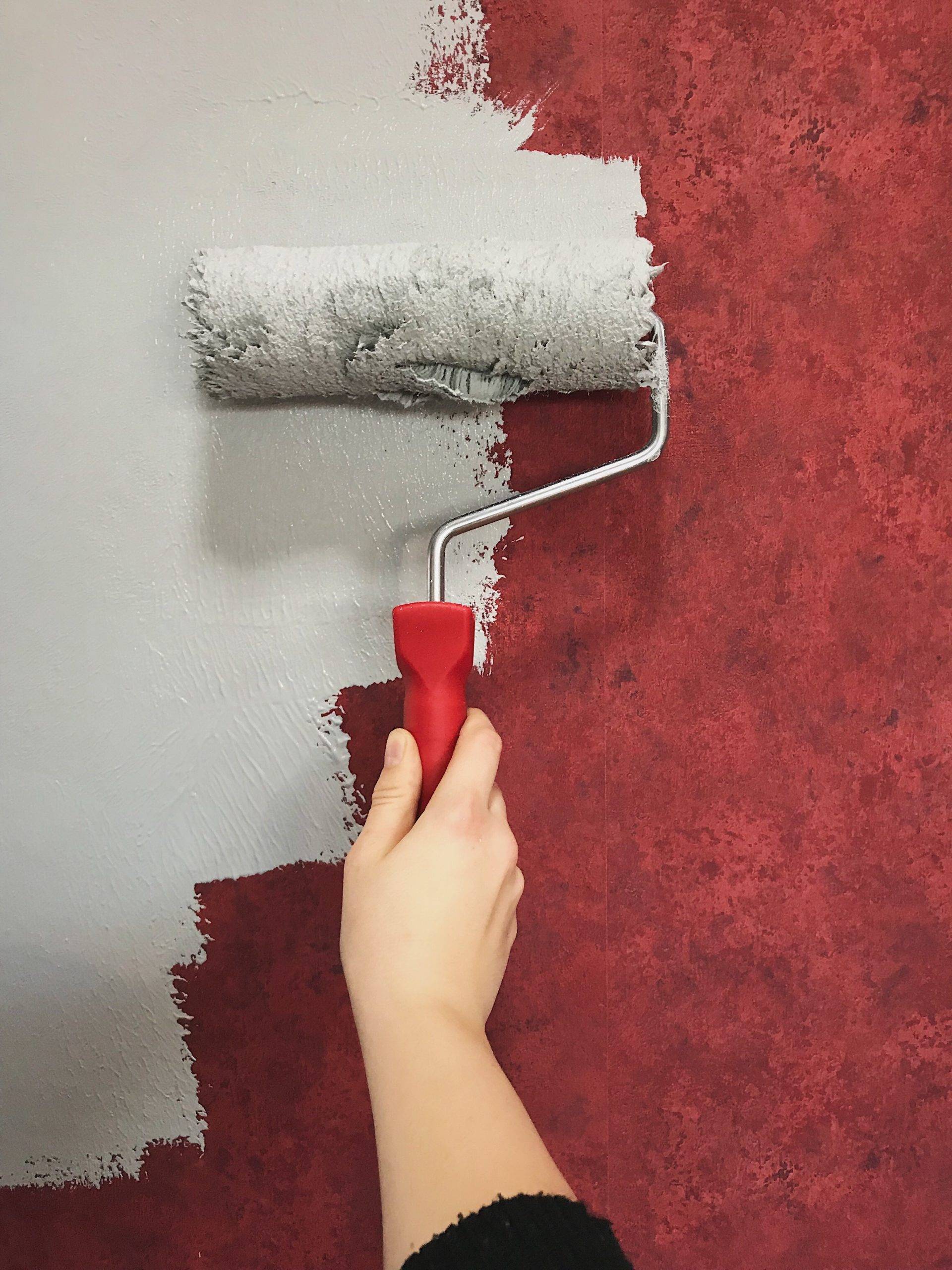
Gorgeous Paint House Exterior Yourself Background Art
Immerse yourself in the stunning details of this beautiful paint house exterior yourself wallpaper, designed for a captivating visual experience.

Exquisite Paint House Exterior Yourself Image for Mobile
A captivating paint house exterior yourself scene that brings tranquility and beauty to any device.
Download these paint house exterior yourself wallpapers for free and use them on your desktop or mobile devices.