Paint House Temperature
Paint House Temperature: The Ultimate Guide to Perfect Painting Conditions
Planning to give your home a fresh coat of paint? That's fantastic! But before you grab your brush and roller, there is one crucial factor often overlooked that can make or break your entire project: the ambient and surface temperature. Choosing the right Paint House Temperature is not just about comfort; it determines how well the paint adheres, cures, and ultimately, how long your beautiful new finish will last.
Ignoring temperature guidelines can lead to frustrating issues like cracking, peeling, and blistering, forcing you to redo the job sooner than expected. We are here to guide you through the ideal environmental conditions, ensuring your painting project achieves a professional and long-lasting result.
Let's dive into the science and practical tips needed to master the art of painting at the perfect temperature.
Why Does Temperature Matter So Much?
Temperature profoundly impacts the chemical process known as curing. Paint doesn't just "dry" when the solvents evaporate; it hardens and bonds to the surface through complex polymerization or coalescence processes.
If the temperature is too low, the paint components might fail to merge correctly. Conversely, if it's too hot, the solvents evaporate too quickly, leaving a weak, unstable film.
The Science Behind Paint Curing
When we talk about curing, especially with water-based (latex) paints, we are looking at coalescence. Coalescence is when the tiny resin particles in the wet paint film merge together as the water evaporates.
If the surface temperature drops too low—usually below 50°F (10°C)—these particles become too rigid and cannot flow together properly. Therefore, the resulting paint film will be chalky, brittle, and easily washed away, regardless of how great the initial Paint House Temperature felt.
The Dangers of Extreme Heat
While cold temperatures prevent coalescence, high heat causes the opposite problem: premature drying. If the air or surface temperature exceeds 90°F (32°C), the paint forms a "skin" on the surface before the deeper layers have a chance to release their solvents.
This rapid surface drying, often called "flash drying," leads to poor adhesion, brush marks, and potential blistering as trapped solvents try to escape the prematurely hardened film. You might also find that the coverage is reduced and the texture is uneven.
Ideal Paint House Temperature Ranges
The "sweet spot" for most major paint manufacturers typically falls within a comfortable range. However, this range changes slightly depending on whether you are painting the interior or exterior of your home.
Remember this golden rule: Always check the specific temperature recommendations printed on the back of your paint can, as specialized products might have unique requirements.
Exterior Painting Temperature Guidelines
For exterior work, the most critical factor is the surface temperature of the material you are painting, such as wood, stucco, or siding. This temperature is often much hotter or colder than the air temperature, especially if the surface is in direct sunlight.
The generally accepted ideal range for exterior painting is:
- **Minimum Temperature:** 50°F (10°C). Some low-temperature paints can handle down to 35°F (2°C), but 50°F is safer for standard products.
- **Maximum Temperature:** 85°F (29°C).
- **Nighttime Rule:** Crucially, the temperature must remain above the minimum required temperature (usually 50°F) for at least four hours after application, and ideally for the first 24 hours of curing.
Therefore, plan your painting sessions for mid-morning or early afternoon to give the paint plenty of time to set before the evening chill arrives. Avoid painting surfaces that have been baking in the sun all day.
Interior Painting Temperature Tips
Interior painting is generally more forgiving since you can control the environment much better. However, maintaining a consistent Paint House Temperature and proper ventilation is vital for fast, even drying.
We recommend aiming for a stable temperature between 60°F (15°C) and 80°F (27°C).
Here are a few quick tips for optimizing interior temperature:
- Keep the heating or cooling system set to a consistent temperature throughout the entire drying process.
- Open windows slightly (if humidity is low) to allow fresh air circulation and aid the evaporation process.
- Avoid using powerful dehumidifiers or extreme heating, which can dry the paint too fast and cause cracking.
- Ensure the area remains above the minimum temperature for several days to allow the paint film to fully cure and harden.
Tips for Painting in Less-Than-Ideal Weather
Life doesn't always deliver perfect 70-degree days when you are ready to paint. Sometimes, you have to manage conditions that are slightly outside the ideal range. Fortunately, there are strategies you can employ to mitigate the risks associated with cold, heat, or excessive moisture.
Dealing with Cold Temperatures
If you absolutely must paint when the thermometer is dropping, careful planning is essential. Cold slows down every chemical reaction, including paint curing, meaning longer waiting times between coats.
First, always opt for cold-weather formulated paints. These paints are specifically designed with additives that allow the resins to coalesce at lower temperatures, sometimes as low as 35°F (2°C).
Furthermore, if painting exteriors, focus on surfaces that receive direct sunlight early in the day. Start later in the morning after the surface has warmed up, and stop painting earlier in the afternoon (around 2 PM) to ensure the coating has time to set before nightfall.
Managing High Humidity
Humidity is the silent killer of perfect paint finishes, often acting hand-in-hand with temperature to complicate the drying process. High humidity levels—above 70%—significantly slow down the evaporation of water from latex paints, extending the drying time dramatically.
If the paint film remains wet for too long, it is vulnerable to dust, insects, and rain, and the curing process can be permanently compromised. When painting outdoors in humid conditions, make sure no rain is predicted for at least 24 hours.
For interior high-humidity situations, implement these three simple steps:
- Increase air circulation using fans positioned to blow air across the painted surface, not directly onto it.
- Use a climate control system (like AC) to lower the moisture content in the air before you even start applying the paint.
- Consider using oil-based paints, which are less sensitive to water content in the air compared to latex paints.
Conclusion: Mastering the Paint House Temperature
Achieving a flawless, durable finish is less about painting skill and more about environmental control. By carefully monitoring the Paint House Temperature—both the ambient air and the surface itself—you significantly increase the likelihood of a successful, professional-looking result that lasts for years.
Remember the critical range: generally 50°F to 85°F (10°C to 29°C) for the exterior, and a stable 60°F to 80°F (15°C to 27°C) for the interior. Always prioritize planning your project around the weather forecast, giving your paint film the perfect environment to cure fully and reach its maximum potential strength.
Frequently Asked Questions About Paint House Temperature
- What is surface temperature and why is it more important than air temperature?
- Surface temperature is the actual temperature of the wall, siding, or wood you are painting. It is crucial because it dictates the immediate conditions that the paint film encounters. A dark surface in direct sun on a 70°F day might easily reach 100°F, which is too hot for proper curing.
- Can I use a fan to speed up drying when the temperature is cool?
- While fans can help with air circulation, they should be used cautiously. If the Paint House Temperature is too cool, directing a fan directly onto the wet paint can cause the surface to skim over before the underlying paint dries, leading to wrinkles and poor adhesion. Focus on gentle, circulating air.
- What is the minimum temperature for latex paint?
- The standard minimum temperature for most quality exterior latex paints is 50°F (10°C). However, you must ensure the temperature does not drop below this minimum for at least 4 to 8 hours following the application. Always check the label, as low-temp products can go down to 35°F (2°C).
- Does the temperature affect how long I have to wait between coats?
- Absolutely. In ideal temperature conditions (around 70°F), paint dries relatively quickly. If the temperature drops, drying and curing times will extend significantly. Never apply a second coat until the first coat is completely dry to the touch, regardless of what the standard recoat time states.
Paint House Temperature
Paint House Temperature Wallpapers
Collection of paint house temperature wallpapers for your desktop and mobile devices.

Dynamic Paint House Temperature Wallpaper Concept
Immerse yourself in the stunning details of this beautiful paint house temperature wallpaper, designed for a captivating visual experience.

High-Quality Paint House Temperature Photo Concept
Explore this high-quality paint house temperature image, perfect for enhancing your desktop or mobile wallpaper.

Crisp Paint House Temperature Abstract for Mobile
Immerse yourself in the stunning details of this beautiful paint house temperature wallpaper, designed for a captivating visual experience.

Mesmerizing Paint House Temperature Artwork Digital Art
Discover an amazing paint house temperature background image, ideal for personalizing your devices with vibrant colors and intricate designs.

Amazing Paint House Temperature Image for Desktop
Explore this high-quality paint house temperature image, perfect for enhancing your desktop or mobile wallpaper.
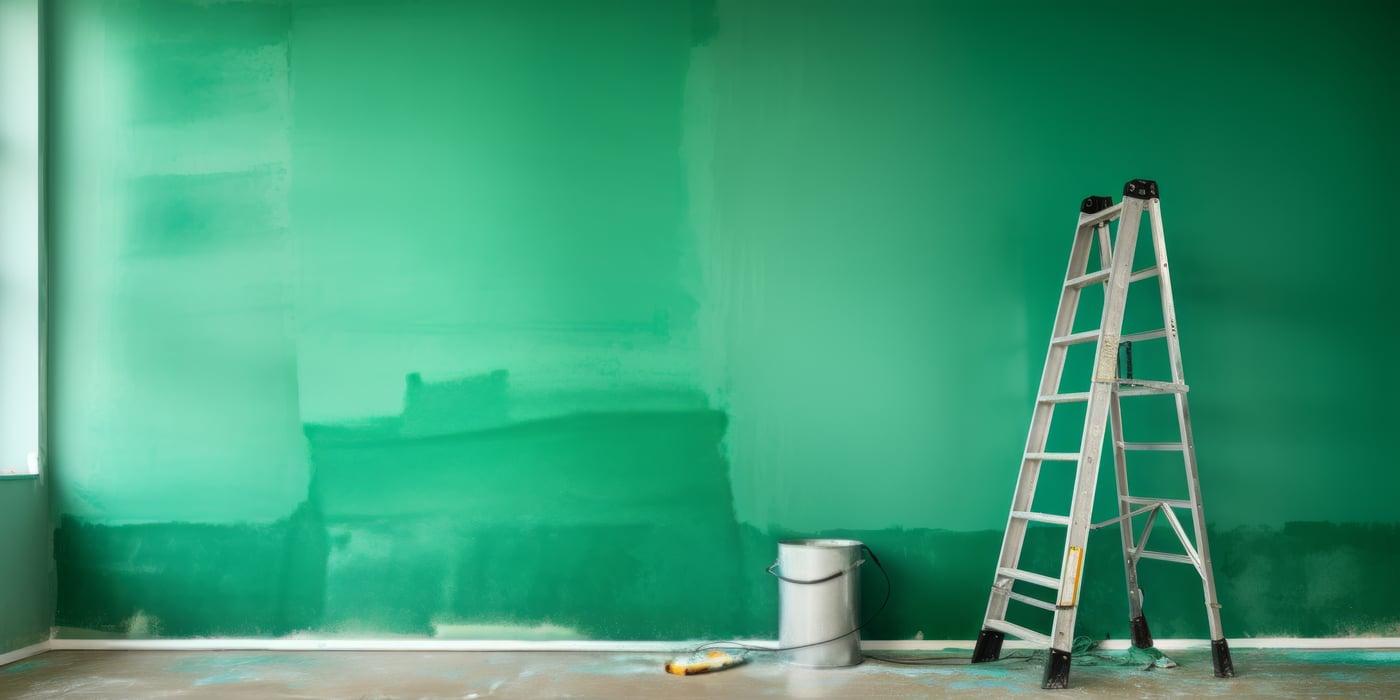
Captivating Paint House Temperature Design for Desktop
Immerse yourself in the stunning details of this beautiful paint house temperature wallpaper, designed for a captivating visual experience.

Vivid Paint House Temperature Picture Photography
Transform your screen with this vivid paint house temperature artwork, a true masterpiece of digital design.
Detailed Paint House Temperature View Photography
Experience the crisp clarity of this stunning paint house temperature image, available in high resolution for all your screens.

Spectacular Paint House Temperature Artwork Digital Art
Find inspiration with this unique paint house temperature illustration, crafted to provide a fresh look for your background.
:strip_icc()/Can-You-Paint-Over-Wallpaper-1331852257-066f01b6626c4b35bbc2cd68d7c30183.jpg "Breathtaking Paint House Temperature Background Nature")
Breathtaking Paint House Temperature Background Nature
Transform your screen with this vivid paint house temperature artwork, a true masterpiece of digital design.
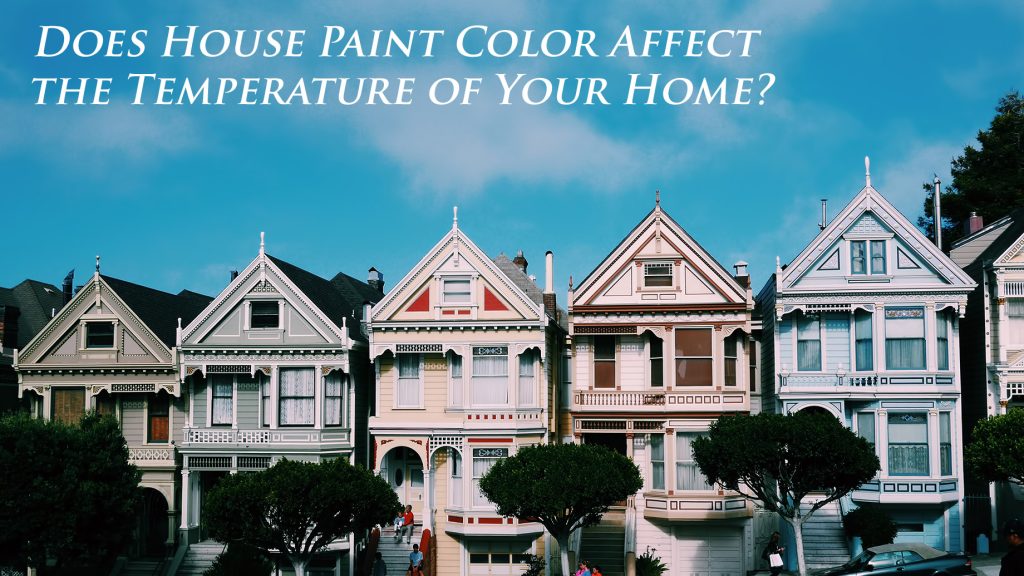
Breathtaking Paint House Temperature Moment Photography
Transform your screen with this vivid paint house temperature artwork, a true masterpiece of digital design.

Breathtaking Paint House Temperature Scene Nature
Explore this high-quality paint house temperature image, perfect for enhancing your desktop or mobile wallpaper.

Stunning Paint House Temperature Background Art
Find inspiration with this unique paint house temperature illustration, crafted to provide a fresh look for your background.
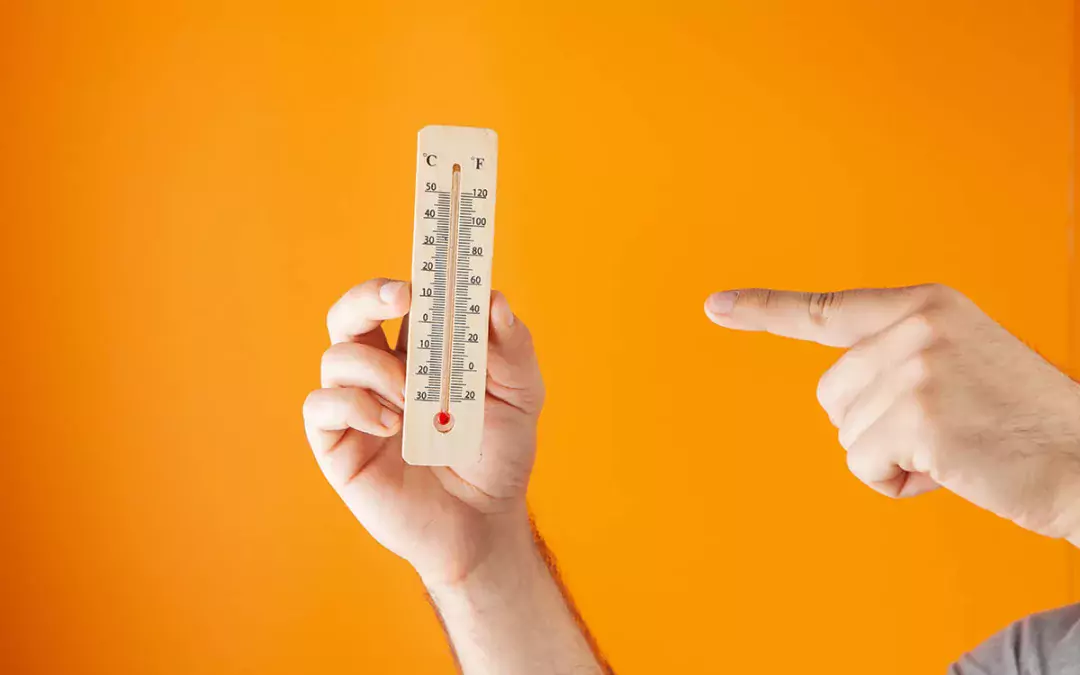
Exquisite Paint House Temperature Scene Art
This gorgeous paint house temperature photo offers a breathtaking view, making it a perfect choice for your next wallpaper.
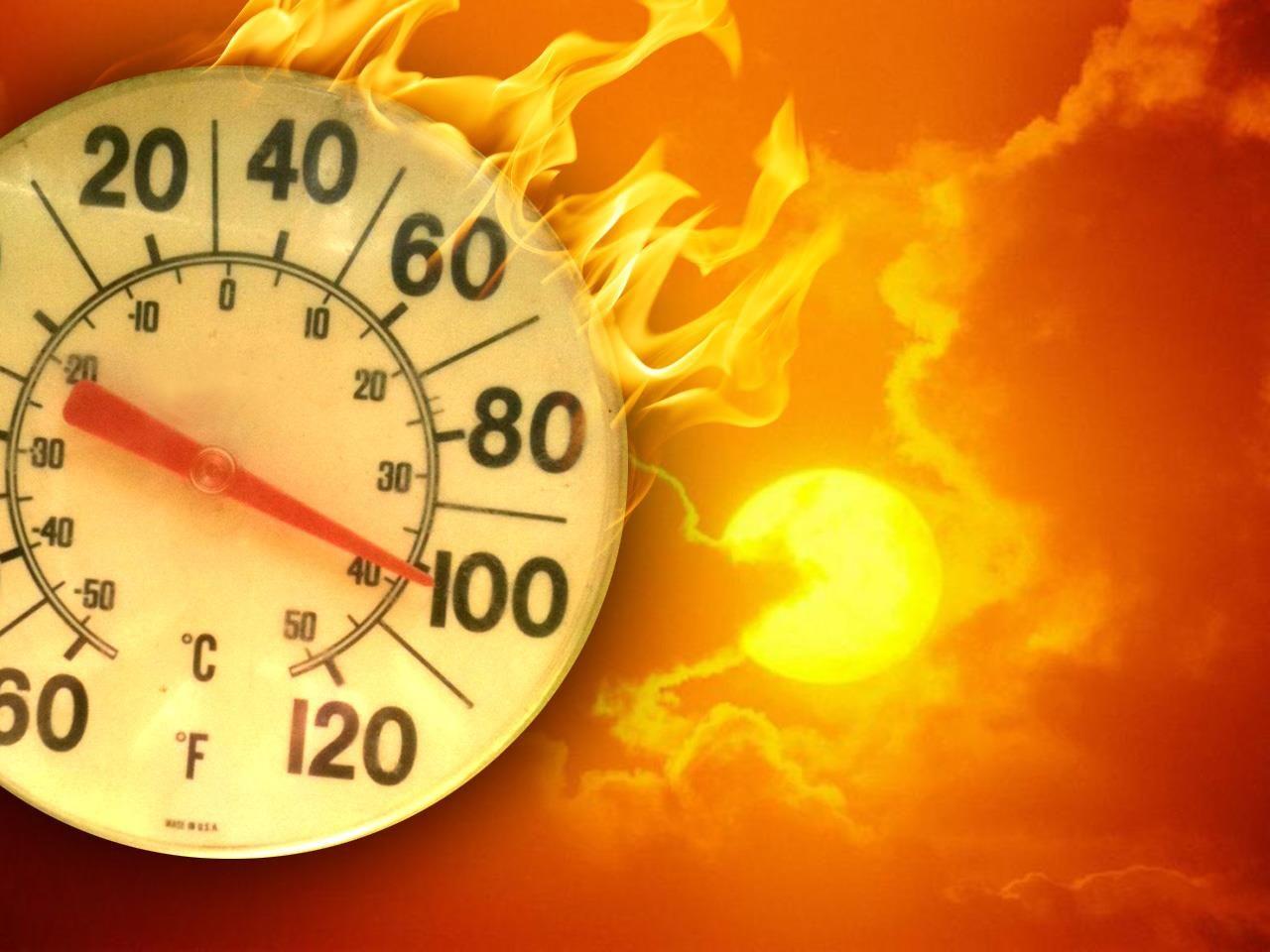
Gorgeous Paint House Temperature Abstract for Desktop
This gorgeous paint house temperature photo offers a breathtaking view, making it a perfect choice for your next wallpaper.
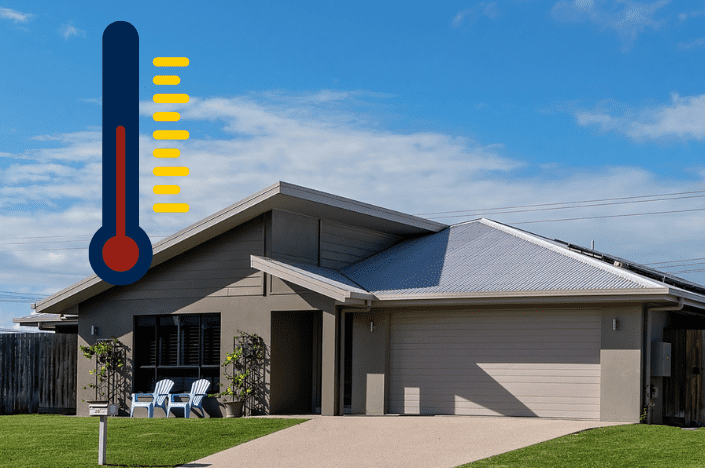
Mesmerizing Paint House Temperature Background in HD
Discover an amazing paint house temperature background image, ideal for personalizing your devices with vibrant colors and intricate designs.

Spectacular Paint House Temperature Photo for Desktop
A captivating paint house temperature scene that brings tranquility and beauty to any device.

Mesmerizing Paint House Temperature Image for Mobile
Explore this high-quality paint house temperature image, perfect for enhancing your desktop or mobile wallpaper.
Stunning Paint House Temperature Design for Your Screen
This gorgeous paint house temperature photo offers a breathtaking view, making it a perfect choice for your next wallpaper.
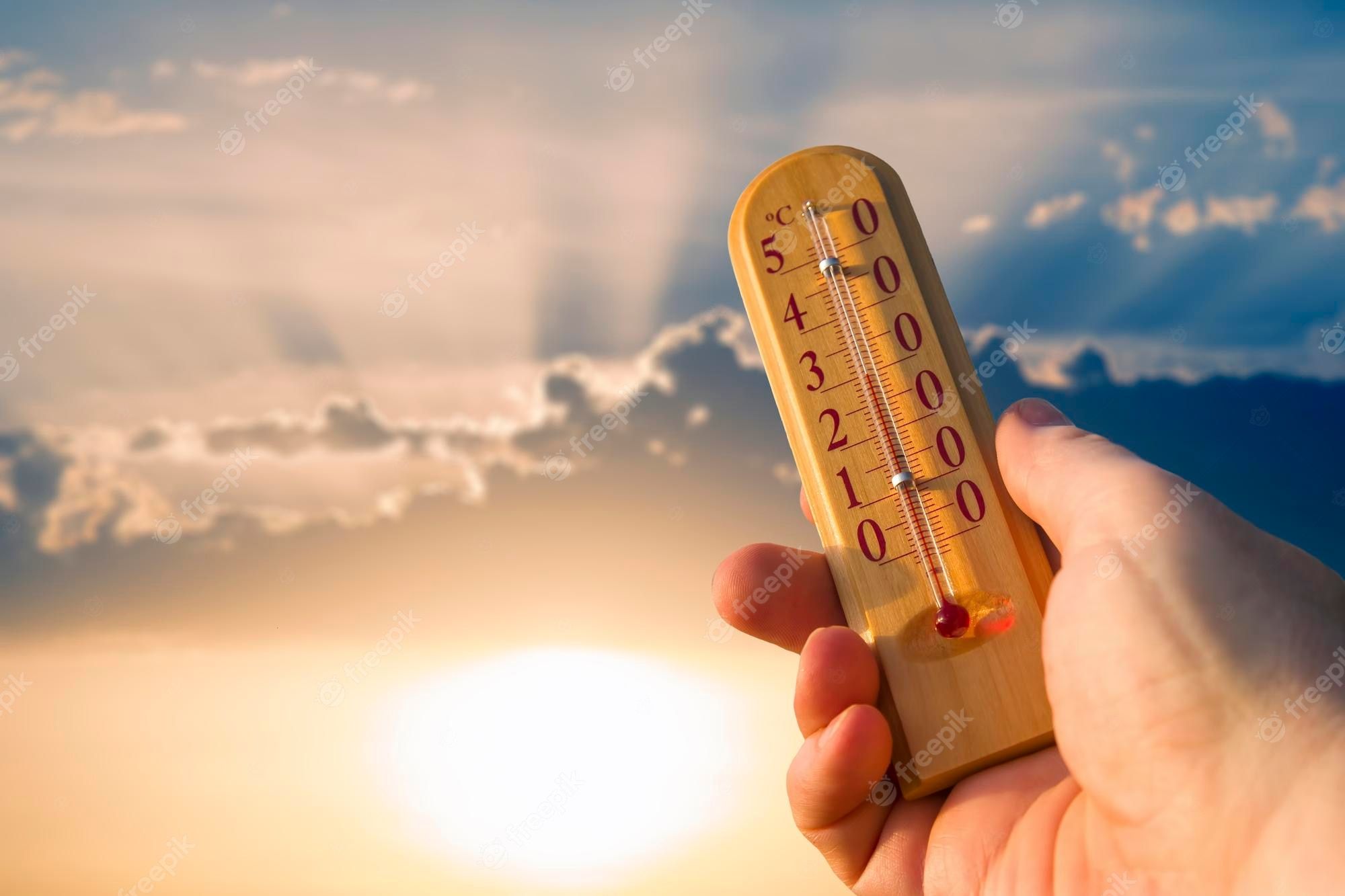
Lush Paint House Temperature Abstract Nature
Immerse yourself in the stunning details of this beautiful paint house temperature wallpaper, designed for a captivating visual experience.
Download these paint house temperature wallpapers for free and use them on your desktop or mobile devices.