Lead Paint Mitigation
Lead Paint Mitigation: Your Guide to a Safer Home
If you live in a charming older home, chances are you've encountered the phrase "lead paint." While these historic properties offer character and warmth, they can also hide a serious health hazard. Knowing how to deal with this issue isn't just about renovation; it's about protecting your family.
That's where effective Lead Paint Mitigation comes in. This isn't necessarily about tearing out walls, but about smart, strategic management to neutralize the risk. We're here to walk you through everything you need to know, making the process clear and stress-free.
Let's dive into the essential steps for keeping your home beautiful and, most importantly, safe from lead hazards.
Why We Still Talk About Lead Paint
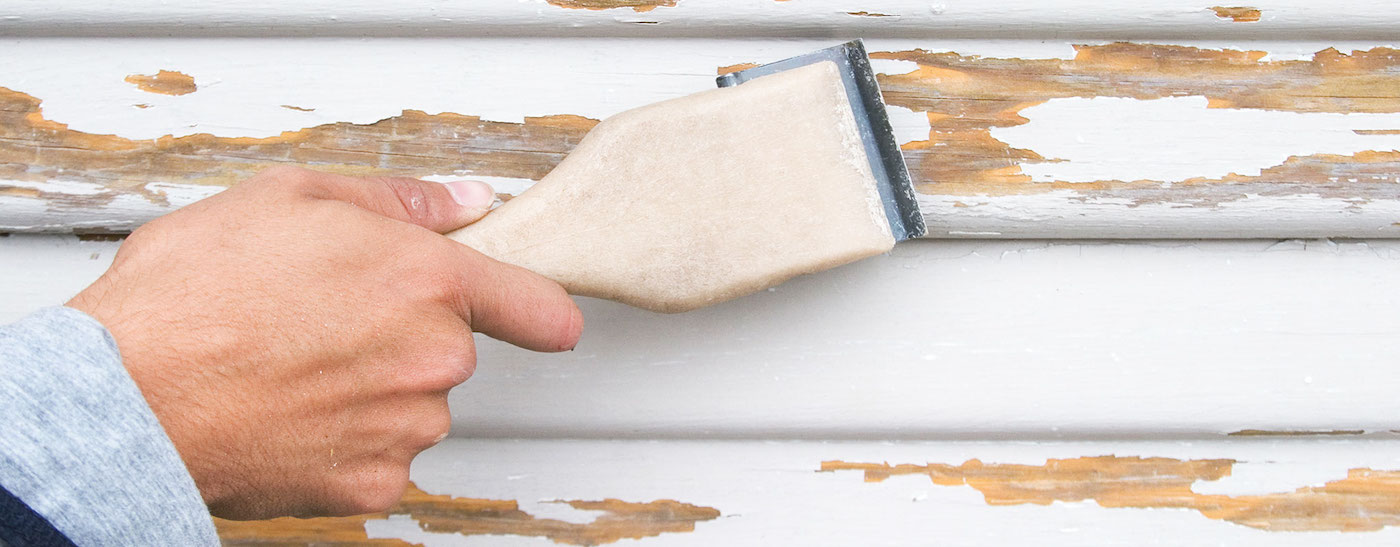
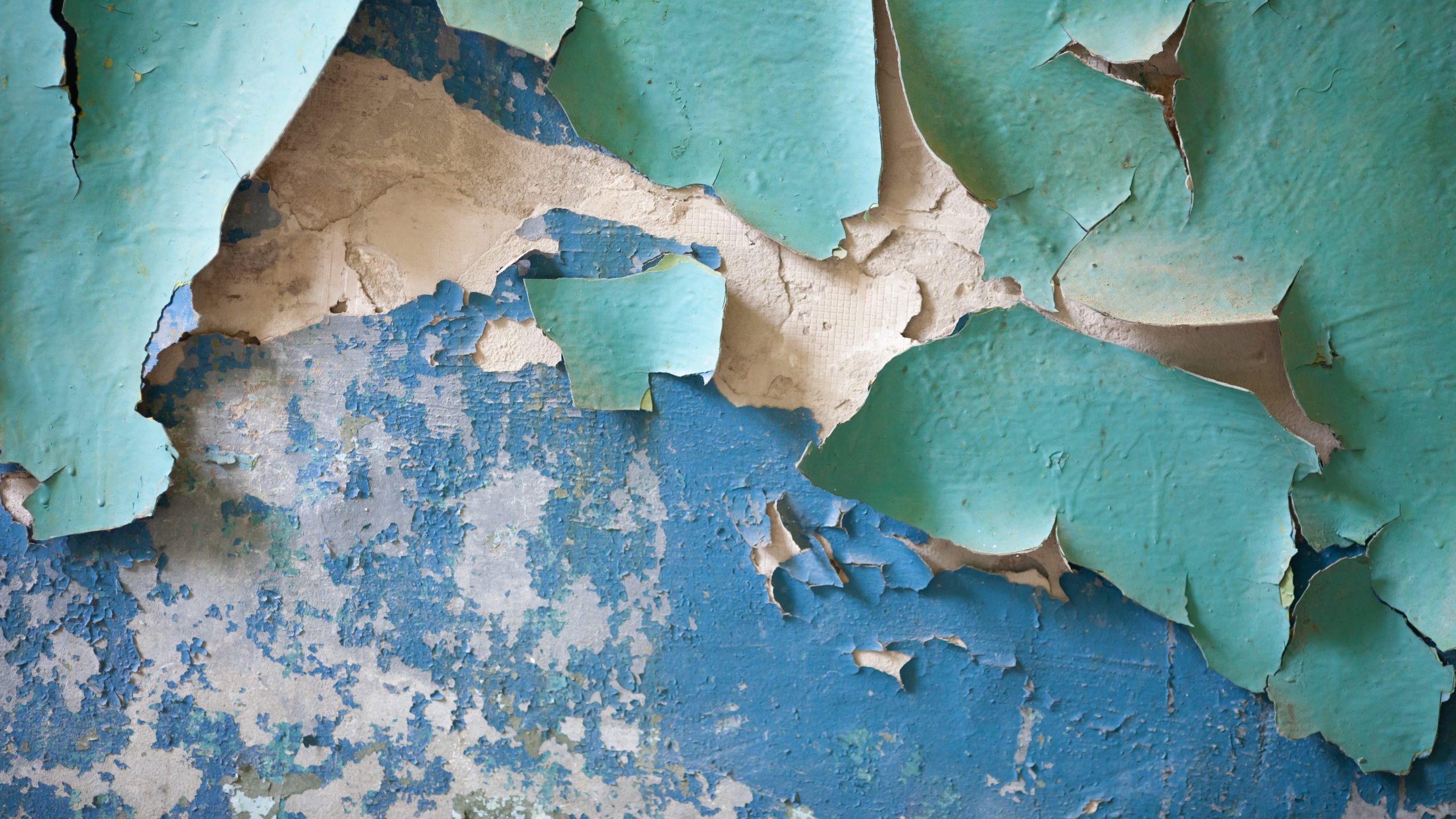
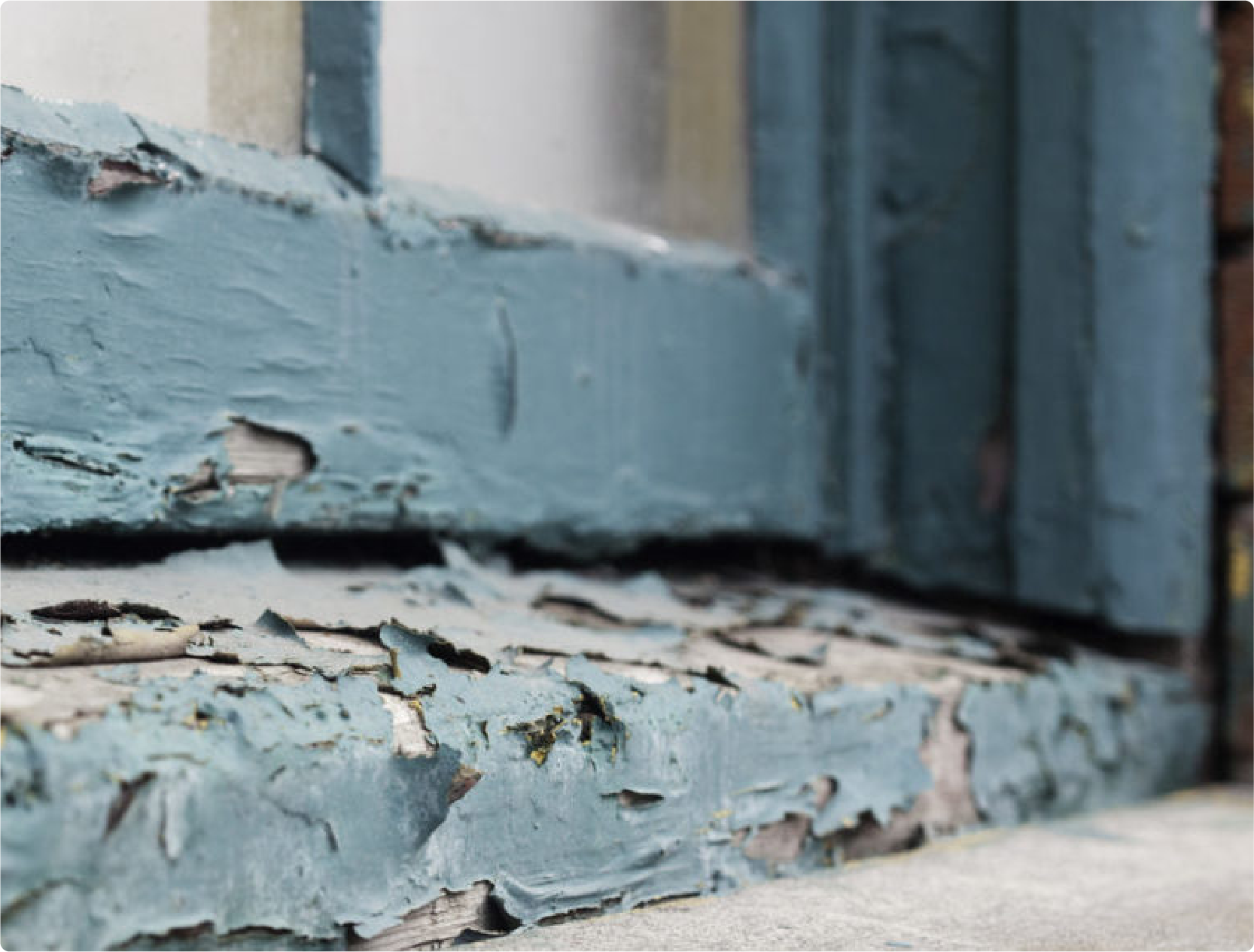
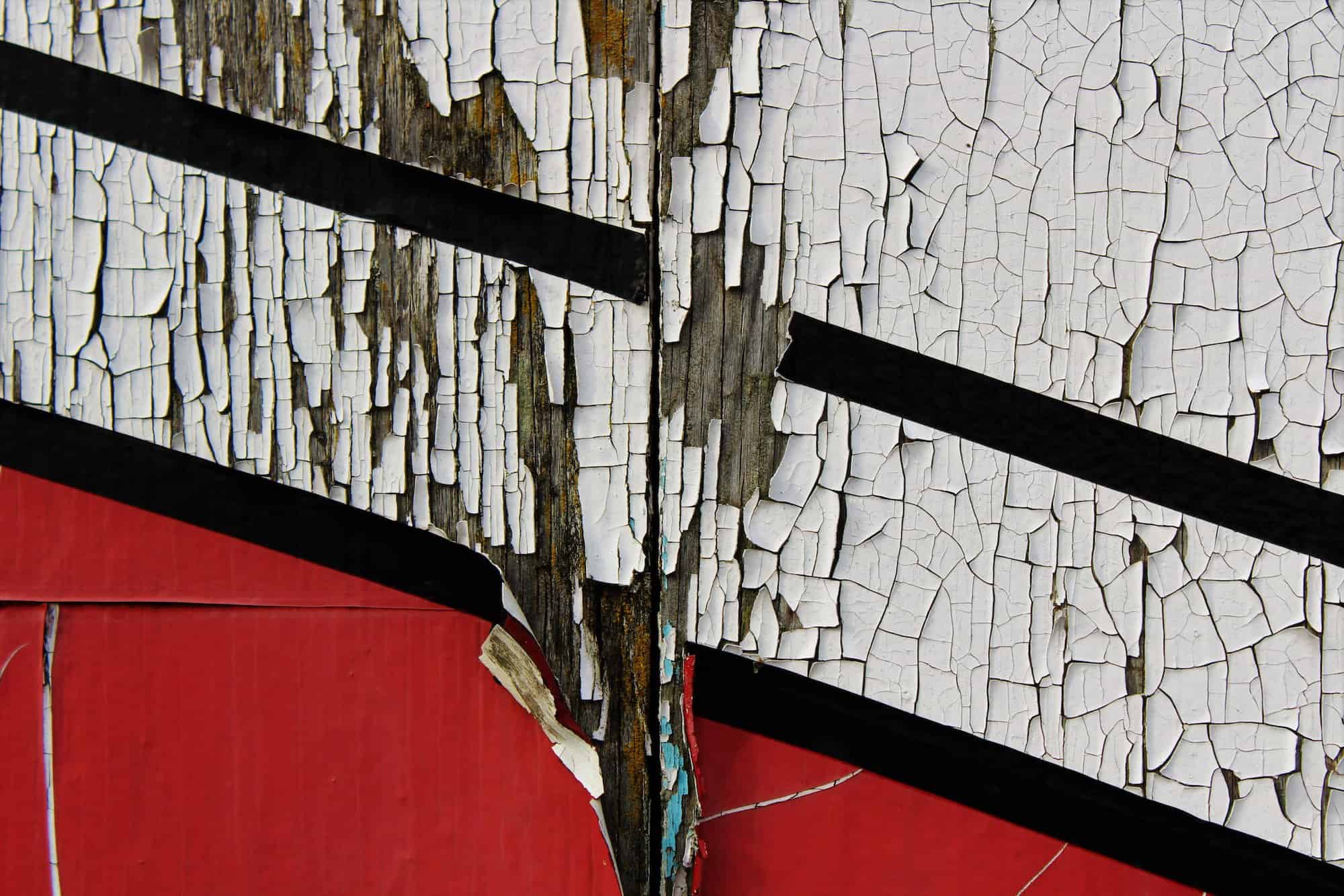
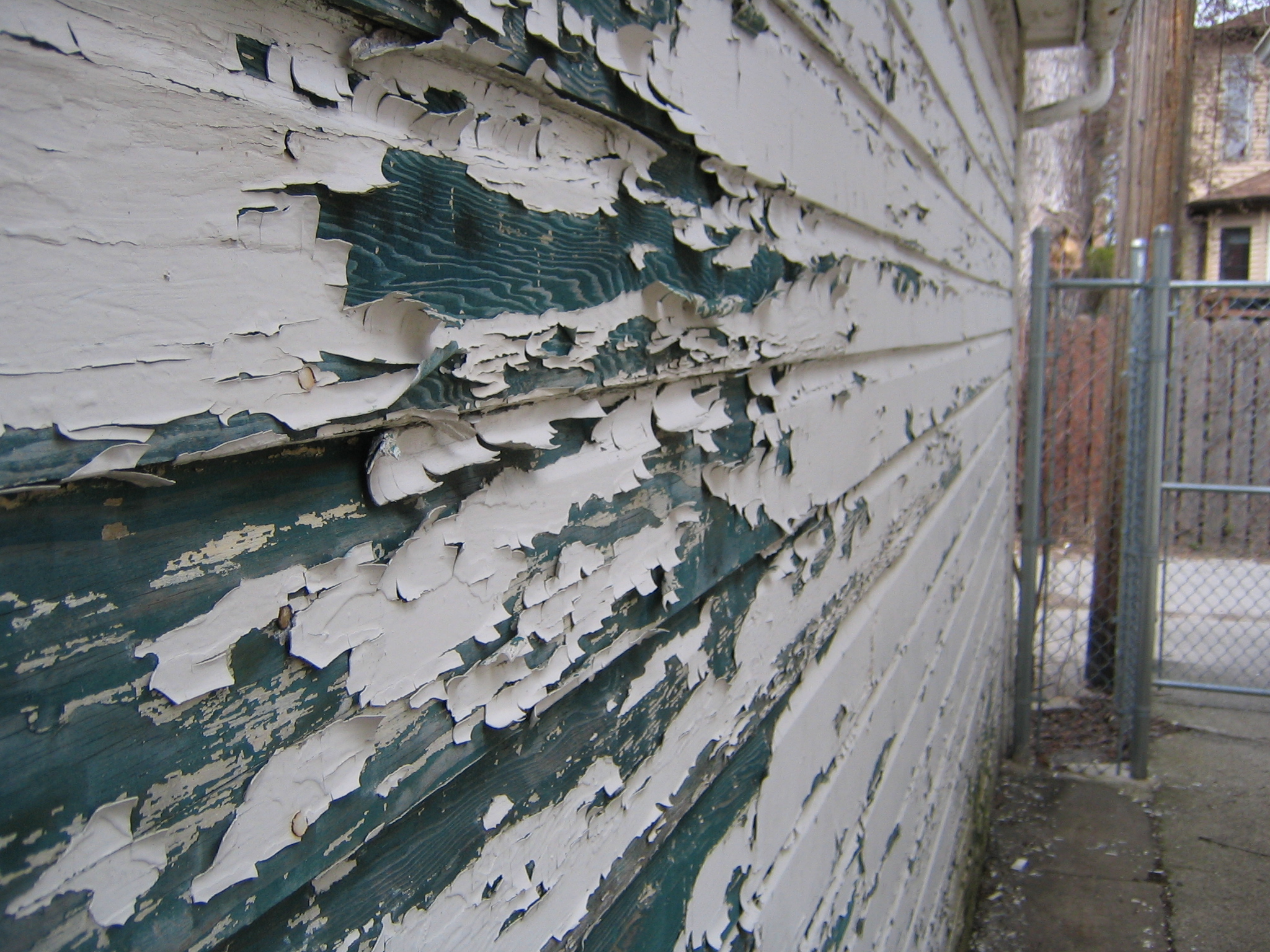
Lead-based paint was commonly used in homes built before 1978 because it was durable, washable, and offered a beautiful finish. However, as it chips, cracks, or is sanded, it releases toxic dust and particles. Ingesting or inhaling even small amounts of this lead dust can lead to severe health problems.
Children are especially vulnerable to lead poisoning, which can cause developmental delays, learning difficulties, and behavioral issues. Adults can also suffer from kidney damage and neurological problems. Therefore, ignoring flaking paint or dust build-up is simply not an option for homeowners with older properties.
Fortunately, you don't have to panic. Modern approaches to Lead Paint Mitigation are highly effective at controlling and containing the hazard, often without requiring massive construction projects.
Understanding Lead Paint Mitigation vs. Abatement
When you start researching, you will hear two main terms: mitigation and abatement. While they both address lead hazards, they involve very different scopes of work and costs. Understanding the distinction helps you choose the right strategy for your home and budget.
What is Lead Paint Abatement?
Abatement is the permanent removal of all lead-based paint and components. This usually involves scraping, chemical stripping, or the complete replacement of components like windows, doors, or trim. Abatement is typically the most expensive and disruptive option, but it offers a permanent solution.
Focusing on Lead Paint Mitigation
Mitigation, often called "interim control," focuses on controlling the existing hazard rather than total removal. It seals the lead paint layers, preventing them from creating dangerous dust. This is often more affordable, faster, and less intrusive than full abatement, making it ideal for many homeowners.
Mitigation is especially useful when the lead paint is intact but is located in high-traffic areas where degradation is likely.
The Essential Steps of Lead Paint Mitigation
Successful Lead Paint Mitigation follows a strict, systematic process to ensure the hazard is contained safely and legally. Here are the key phases you should expect.
Initial Assessment and Testing
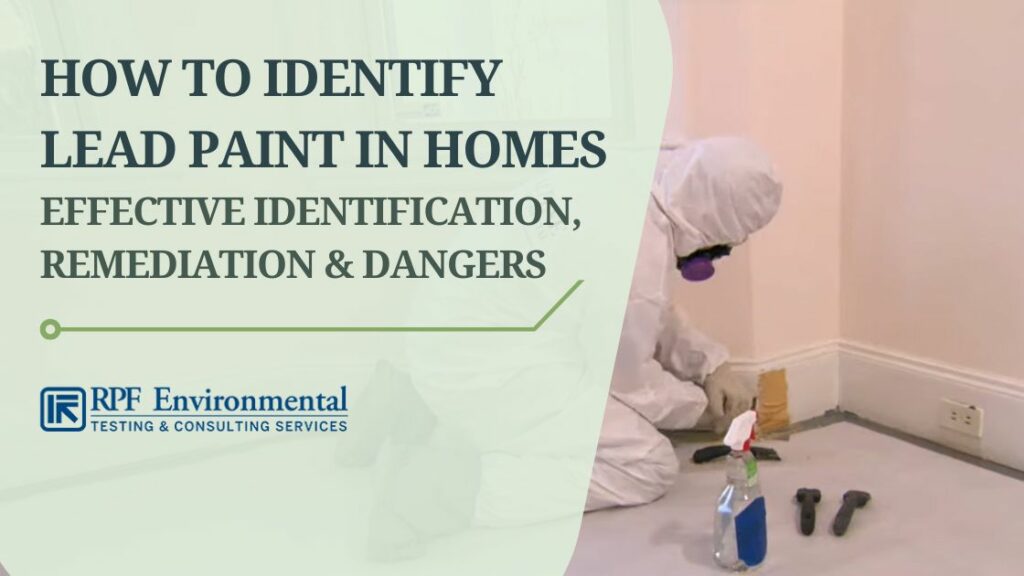
Before any work begins, a certified inspector must test your home. They will identify where lead paint is present and, more importantly, which areas are actively shedding dust or are prone to damage (like windowsills and railings). This assessment determines the scope of your mitigation plan.
The inspector may use an X-Ray Fluorescence (XRF) machine for non-destructive testing, or they might take paint chip samples for lab analysis. Once the hazard spots are mapped out, you can move on to containment.
Preparation and Safety Protocols
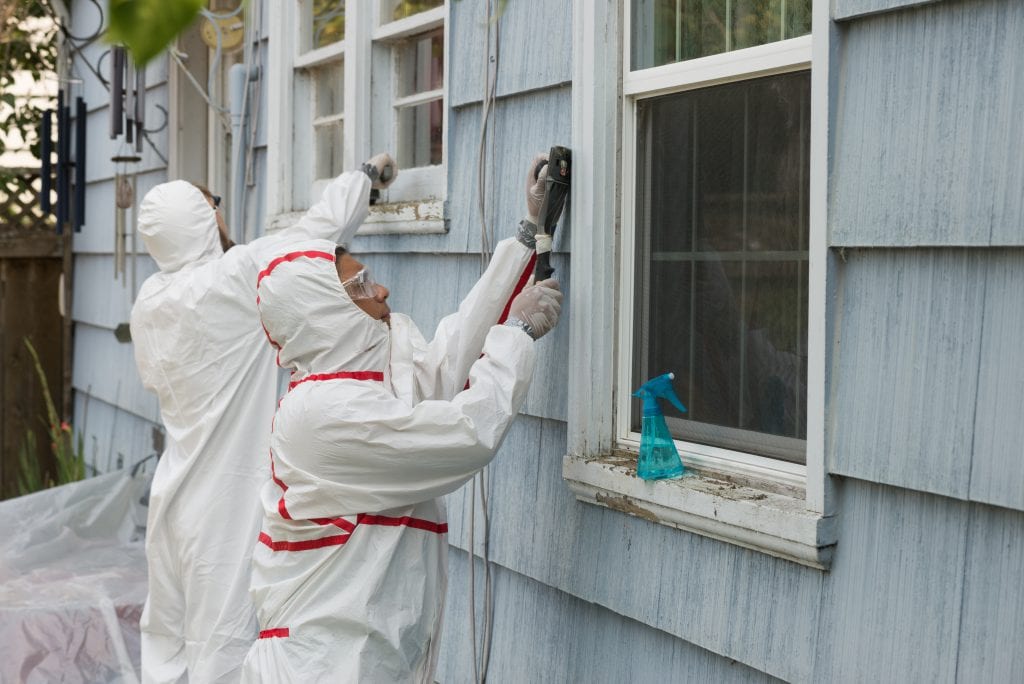
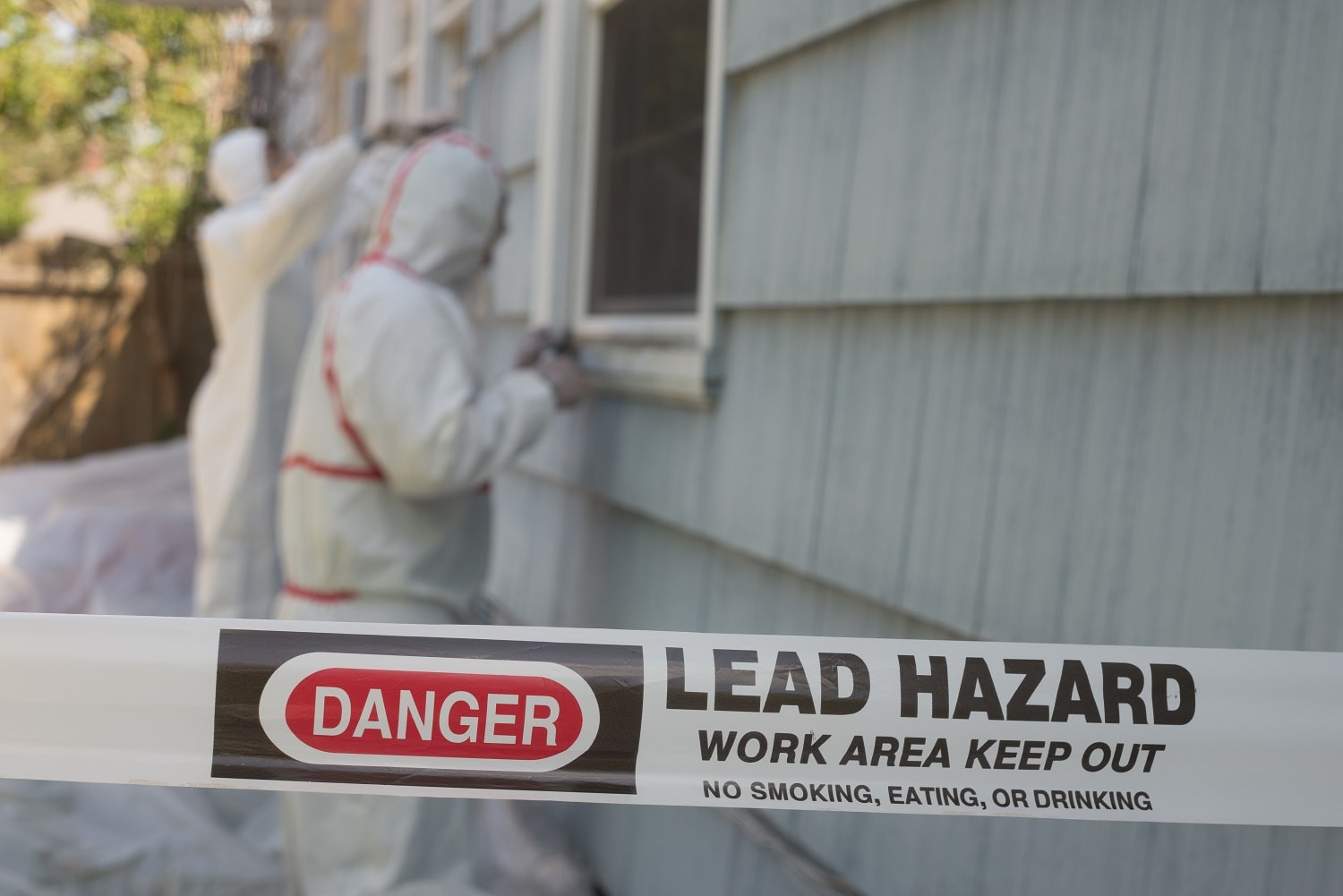
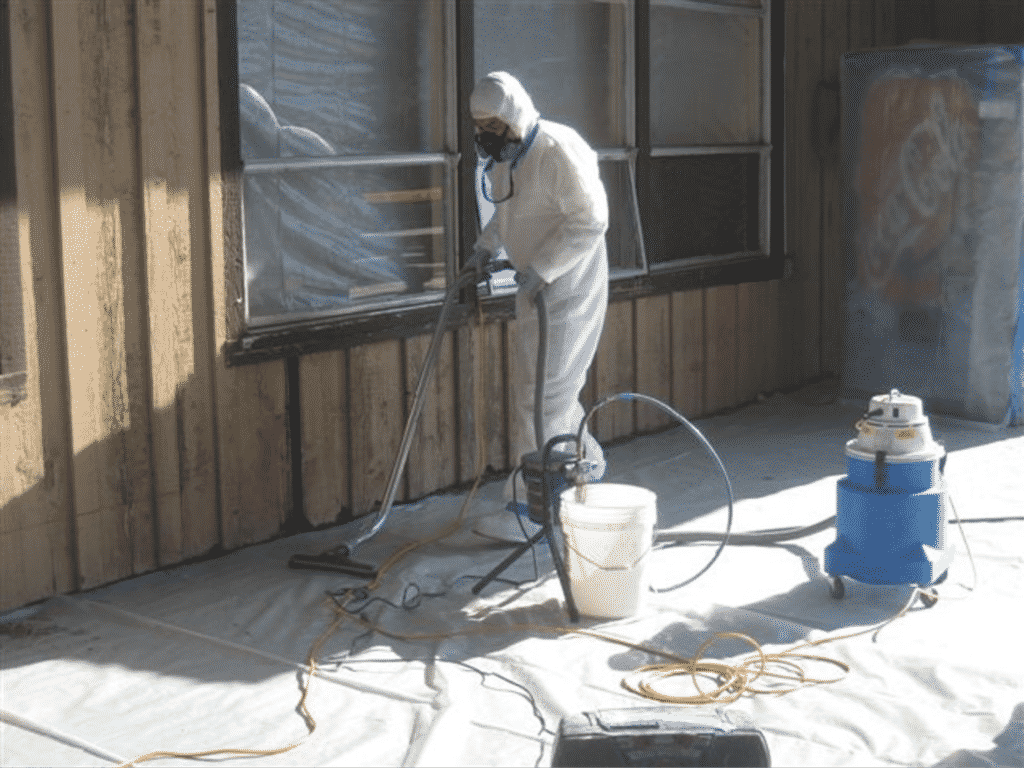
If mitigation is done incorrectly, it can release massive amounts of lead dust, making the situation worse. Professionals follow strict EPA protocols to isolate the work area and protect the rest of your home. You should always vacate the work area during this phase.
Key safety measures include:
- Sealing off vents and doorways with heavy plastic sheeting.
- Using HEPA vacuums specifically designed to capture fine lead particles.
- Maintaining negative air pressure in the work zone to prevent dust migration.
- Wearing specialized protective gear (respirators, disposable suits).
Choosing Your Mitigation Strategy (Encapsulation vs. Enclosure)
The most common forms of Lead Paint Mitigation involve physically covering the hazard. Your choice depends on the specific surface and its condition.
- Encapsulation: This involves applying a special liquid coating—an encapsulant—over the lead paint. This coating bonds to the surface, creating a durable, permanent barrier that seals the lead in place. Encapsulation is great for large, relatively smooth surfaces like walls and ceilings.
- Enclosure: This means covering the lead-painted surface with a new material, such as drywall, paneling, or vinyl siding. For example, if you have lead-painted trim, a contractor might cover it with new, non-leaded trim pieces.
Best Practices for Ongoing Maintenance
Mitigation is a highly effective, long-term solution, but it isn't "set it and forget it." Since the lead paint remains underneath the protective layers, regular monitoring is necessary. You need to keep an eye on the encapsulated or enclosed areas for signs of damage.
If the encapsulant film starts to peel, or if the enclosing layer gets heavily damaged, the lead hazard could reappear. Be sure to address any signs of damage immediately by contacting a lead-safe certified renovator for repairs.
Hiring the Right Professionals for Lead Paint Mitigation
This type of work is not a DIY project. Federal law requires that anyone working in a home built before 1978 that may be disturbing lead paint must be an EPA Lead-Safe Certified Renovator. Always ask for proof of certification and check references.
Choosing the right contractor ensures the job is done safely, legally, and effectively. They will handle the complex safety requirements, disposal procedures, and follow-up testing required after successful mitigation.
When interviewing contractors, ensure they clearly explain the difference between mitigation and abatement, and that they detail their dust control plan. A trustworthy professional prioritizes safety above all else.
Key Questions to Ask Your Contractor
Don't be afraid to ask tough questions before signing a contract. You are responsible for ensuring the work meets safety standards.
- Are you EPA Lead-Safe Certified? (They should provide the license.)
- What specific mitigation techniques do you recommend for my home (encapsulation vs. enclosure)?
- How will you contain the work area and dispose of contaminated materials?
- Will you conduct clearance testing after the project is complete?
Conclusion: Taking Control of Your Safety
Dealing with lead paint can feel overwhelming, but smart Lead Paint Mitigation strategies offer a practical, long-term solution. By choosing encapsulation or enclosure, you are effectively neutralizing the hazard without the massive cost and disruption of full abatement.
The crucial takeaways are clear: get tested, hire certified professionals, and stick to a reliable mitigation plan. Taking these steps ensures your beautiful older home remains a safe and healthy environment for everyone living there. Don't wait—take control of your home's safety today.
Frequently Asked Questions (FAQ) About Lead Paint Mitigation
- Is lead paint mitigation the same as getting rid of the lead paint entirely?
- No. Mitigation (or interim control) focuses on containment. It involves sealing or enclosing the lead paint to prevent exposure, while abatement is the permanent, physical removal of the lead-based materials.
- How long does lead paint mitigation usually last?
- When performed correctly using high-quality encapsulants or enclosure materials, mitigation can be effective for decades. However, its effectiveness relies heavily on proper ongoing maintenance and damage checks.
- Can I do lead paint mitigation myself?
- It is strongly discouraged. Federal and state laws require specialized training and certification (like the EPA RRP Rule) for disturbing lead paint in older homes. Improper techniques can release large amounts of toxic dust, creating a severe health hazard much worse than the original intact paint.
- How much does lead paint testing cost?
- The cost varies significantly based on location and home size, but a professional XRF inspection typically ranges from $300 to $600. This initial investment is vital to properly scoping the Lead Paint Mitigation project.
- What is "clearance testing" after mitigation?
- Clearance testing is the final check conducted by an inspector after the mitigation work is finished and the area is cleaned. They take dust wipe samples to ensure the remaining lead dust levels in the work area are below the safety standard set by the EPA.
Lead Paint Mitigation
Lead Paint Mitigation Wallpapers
Collection of lead paint mitigation wallpapers for your desktop and mobile devices.

Breathtaking Lead Paint Mitigation Background in HD
Discover an amazing lead paint mitigation background image, ideal for personalizing your devices with vibrant colors and intricate designs.
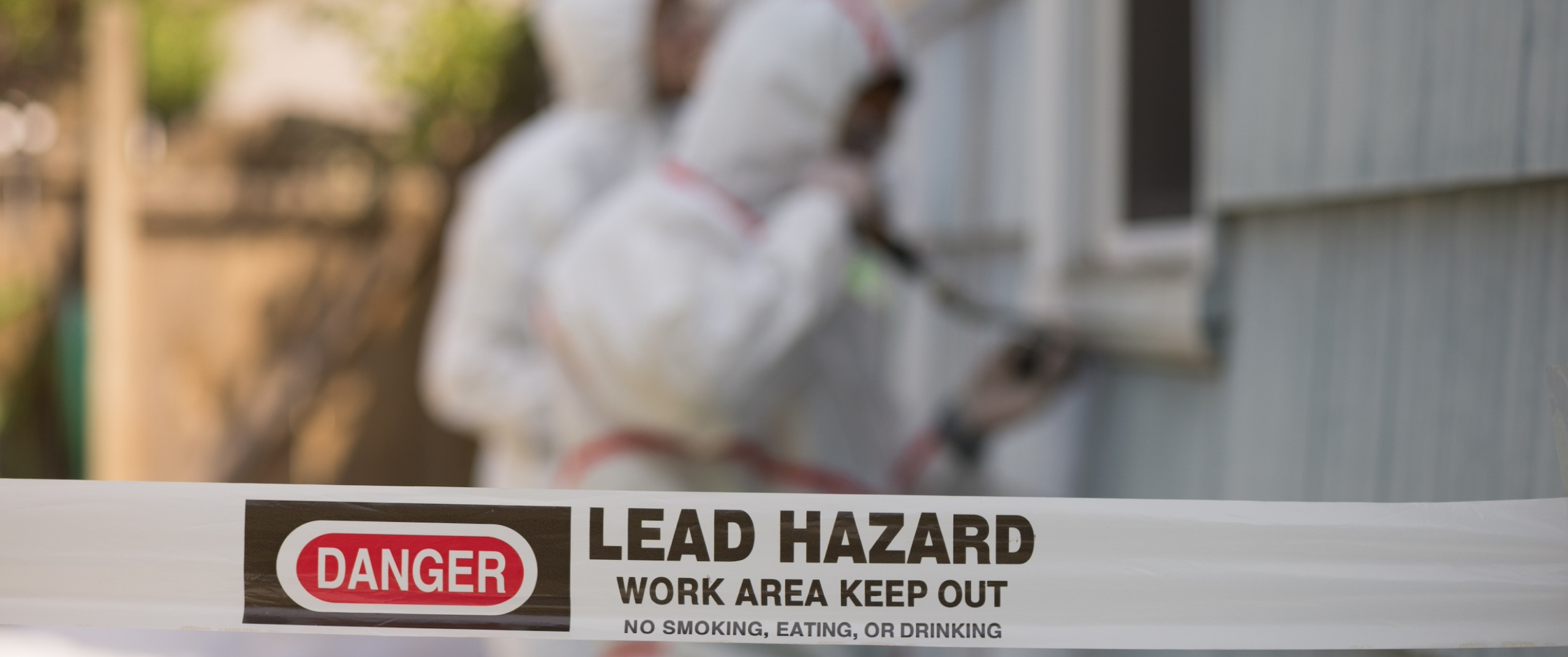
High-Quality Lead Paint Mitigation Picture for Mobile
Transform your screen with this vivid lead paint mitigation artwork, a true masterpiece of digital design.
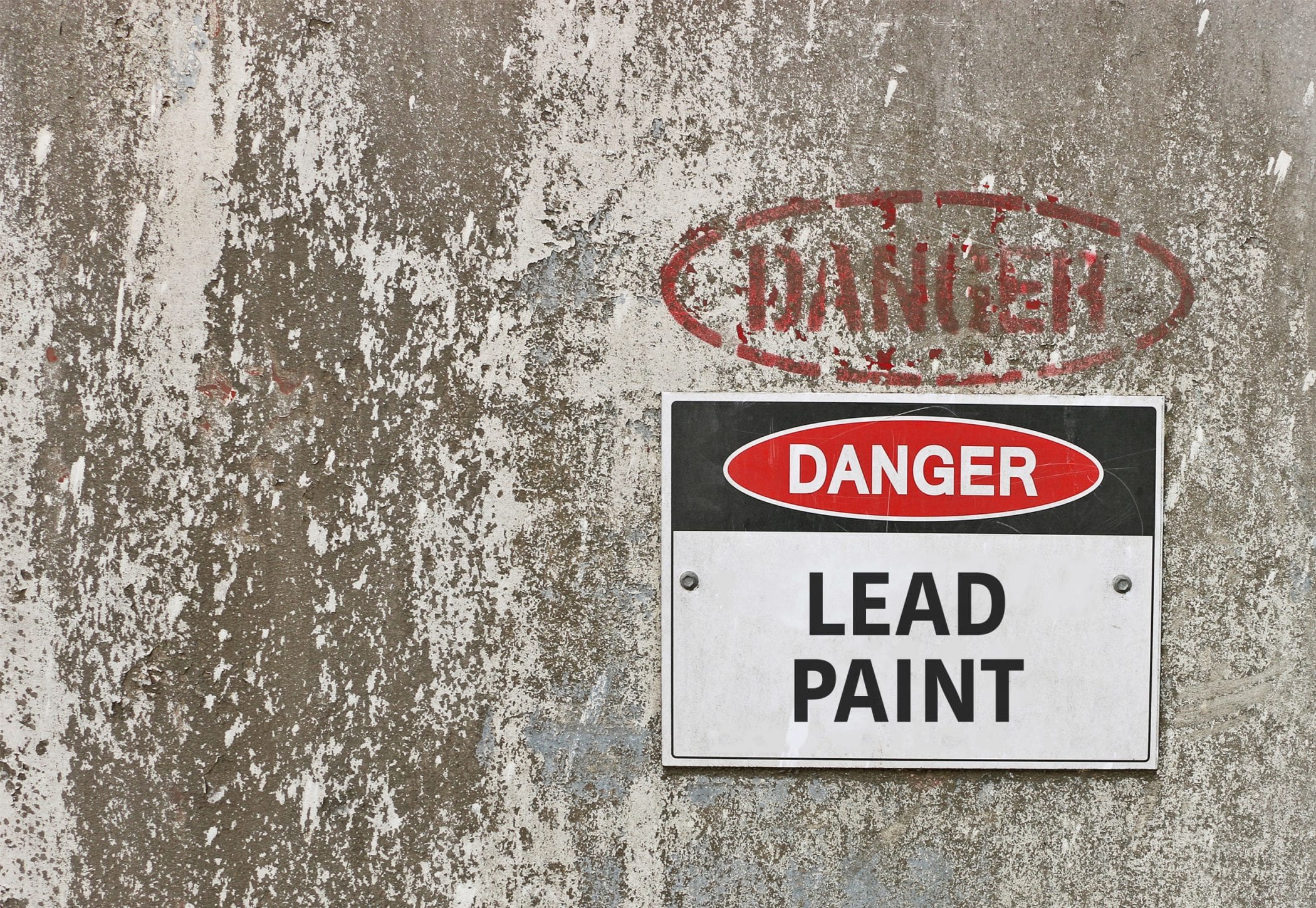
Breathtaking Lead Paint Mitigation Image Digital Art
Explore this high-quality lead paint mitigation image, perfect for enhancing your desktop or mobile wallpaper.

Exquisite Lead Paint Mitigation View Concept
A captivating lead paint mitigation scene that brings tranquility and beauty to any device.
Beautiful Lead Paint Mitigation View in HD
Transform your screen with this vivid lead paint mitigation artwork, a true masterpiece of digital design.

High-Quality Lead Paint Mitigation Landscape for Your Screen
Transform your screen with this vivid lead paint mitigation artwork, a true masterpiece of digital design.

Gorgeous Lead Paint Mitigation Landscape for Mobile
A captivating lead paint mitigation scene that brings tranquility and beauty to any device.

Mesmerizing Lead Paint Mitigation Landscape Digital Art
Discover an amazing lead paint mitigation background image, ideal for personalizing your devices with vibrant colors and intricate designs.
Mesmerizing Lead Paint Mitigation Abstract in HD
Experience the crisp clarity of this stunning lead paint mitigation image, available in high resolution for all your screens.
Crisp Lead Paint Mitigation Design for Desktop
A captivating lead paint mitigation scene that brings tranquility and beauty to any device.

Lush Lead Paint Mitigation Moment for Desktop
Find inspiration with this unique lead paint mitigation illustration, crafted to provide a fresh look for your background.
High-Quality Lead Paint Mitigation Moment in HD
Experience the crisp clarity of this stunning lead paint mitigation image, available in high resolution for all your screens.
Amazing Lead Paint Mitigation Picture Photography
Discover an amazing lead paint mitigation background image, ideal for personalizing your devices with vibrant colors and intricate designs.
Crisp Lead Paint Mitigation Scene for Your Screen
This gorgeous lead paint mitigation photo offers a breathtaking view, making it a perfect choice for your next wallpaper.
Vibrant Lead Paint Mitigation Design for Desktop
Experience the crisp clarity of this stunning lead paint mitigation image, available in high resolution for all your screens.
Artistic Lead Paint Mitigation Abstract for Desktop
This gorgeous lead paint mitigation photo offers a breathtaking view, making it a perfect choice for your next wallpaper.

Lush Lead Paint Mitigation Capture Art
Find inspiration with this unique lead paint mitigation illustration, crafted to provide a fresh look for your background.
Vibrant Lead Paint Mitigation Capture Nature
Experience the crisp clarity of this stunning lead paint mitigation image, available in high resolution for all your screens.

Artistic Lead Paint Mitigation Photo for Mobile
A captivating lead paint mitigation scene that brings tranquility and beauty to any device.
Crisp Lead Paint Mitigation Capture Concept
A captivating lead paint mitigation scene that brings tranquility and beauty to any device.
Download these lead paint mitigation wallpapers for free and use them on your desktop or mobile devices.