Mo Oil For Hair
Is "Mo Oil For Hair" the Secret to Ultimate Shine? The Deep Dive
If you've spent any time researching natural hair care or deep conditioning techniques, you've probably heard the call to action: "Use Mo Oil For Hair!" This isn't just a trend; it's a centuries-old practice rooted in maximizing moisture retention, promoting shine, and boosting scalp health.
But here's the million-dollar question: Are you using the right oil in the right way? Slathering a thick product on your strands might feel nourishing, but if the oil isn't chemically suited for your hair type, you might end up with a greasy mess instead of glossy perfection.
We're going beyond surface-level tips. As a Senior SEO Content Writer, my goal is to give you the expert, E-E-A-T approved knowledge on how to harness the power of oils effectively. Let's break down the science so you can get the best results.
Understanding the Science: Penetrating vs. Sealing Oils
The biggest mistake people make when seeking "mo oil for hair" results is treating all oils equally. They are not. Their effectiveness depends entirely on their molecular structure, specifically whether they can penetrate the hair shaft or whether they simply sit on the surface.
Penetrating Oils: The True Moisturizers
Penetrating oils have smaller molecules and a specific chemical structure (usually high in saturated and monounsaturated fatty acids). These tiny molecules can move past the outer cuticle layer and integrate into the hair cortex, reducing protein loss and truly moisturizing the hair from the inside out.
Example: Coconut Oil (high affinity for hair proteins) and Olive Oil.
Sealing Oils: Locking in the Goodness
Sealing oils, often rich in polyunsaturated fatty acids, have larger molecules. They are too big to penetrate the hair shaft effectively. Instead, they form a protective layer around the strand. They don't add moisture, but they are essential for preventing the moisture you've already applied (usually water or a conditioner) from escaping.
Example: Jojoba Oil, Castor Oil, Grapeseed Oil.
For more detailed information on how fatty acids affect the hair shaft, check out this academic research: The Role of Lipids and Fatty Acids in Hair Health (NCBI).
Why You Need "Mo Oil For Hair" (And When to Use Less)
The quest for using "mo oil" often comes from a place of chronic dryness. Dry hair means the cuticle is raised, allowing essential moisture to escape. Oils are crucial tools to combat this, provided they are integrated correctly into your routine.
Benefits Beyond Shine: Scalp Health
Oiling isn't just for the ends. Certain oils possess anti-inflammatory and antimicrobial properties that can soothe the scalp, reduce flakiness, and create a healthier environment for hair growth.
For instance, oils infused with rosemary or tea tree can naturally manage minor fungal overgrowth often associated with dandruff, offering a holistic approach to scalp care.
The Critical Mistake: Too Much, Too Often
While the goal is "mo oil," there is such a thing as too much of a good thing. Over-oiling, especially with sealing oils on dry hair, leads to product buildup and an oily film. This film prevents actual moisture (water) from entering the strand in the future, eventually leading to brittle hair.
The Rule: Never seal dry hair. Always ensure the hair is slightly damp or wet before applying a sealing oil to trap the existing moisture.
[Baca Juga: The Perfect Moisture Routine: L.O.C. vs. L.C.O. Method]Choosing Your Best Oil: A Practical Comparison
Different hair types respond better to different oils. Fine, low-porosity hair needs lighter, less viscous oils, while thick, high-porosity hair can handle the heaviest hitters.
| Oil Type | Primary Function | Hair Suitability | Best Usage |
|---|---|---|---|
| Coconut Oil | Penetrator (Reduces protein loss) | Most types, especially high-porosity | Pre-shampoo treatment |
| Jojoba Oil | Sealer/Closest to sebum | Oily scalp, fine hair | Scalp massage, daily light sealant |
| Argan Oil | Mid-range (Penetration + Sealing) | Dry, damaged, or brittle hair | Finishing shine, heat protection |
| Castor Oil | Heavy Sealer/Viscous | Thick, coily, or extremely dry hair | Edge treatment, deep sealing |
Pro Tip: Look for cold-pressed, unrefined oils. Refining processes often strip the oil of its vital nutrients and natural benefits.
Application Mastery: How to Get the Results, Not the Grease
The key to successful oiling is placement and timing. You should be strategic about where you apply your penetrating oils versus your sealing oils.
The Pre-Poo Treatment (Hot Oil Method)
This is where penetrating oils shine. Applying oil (especially coconut oil, warmed slightly) to dry hair 30 minutes to a few hours before shampooing acts as a powerful protector. The oil penetrates the cortex, preventing water from washing away essential proteins during the wash process.
Sealing Damp Hair (L.O.C. Method)
If you are applying oil after washing, use it as the final step in your routine (L.O.C. - Liquid, Oil, Cream, or Liquid, Cream, Oil). After your hair has been moisturized with water or leave-in conditioner, apply your sealing oil (like Argan or Jojoba) sparingly to the mid-shaft and ends. This locks the moisture in place.
Never apply a heavy sealing oil to the roots unless you are doing a targeted scalp massage (which should always be followed by a gentle clarifying shampoo).
Debunking Common Oil Myths
Let's clear the air on some persistent misinformation surrounding the use of "mo oil for hair."
Myth 1: Oil is a moisturizer.
Reality: Oil is an emollient or sealant. It softens and seals, but it does not add water (moisture). If your hair is dry, you must apply water or a water-based product before the oil to hydrate it properly. The basic chemistry of hair oiling confirms this distinction.
Myth 2: Applying oil every day promotes faster growth.
Reality: Growth happens at the follicle, inside the scalp. While a scalp massage with oil can stimulate blood flow (which may encourage growth), applying oil daily to the lengths simply increases buildup and requires harsher cleansing, potentially damaging the hair over time.
Myth 3: Mineral oil is toxic for hair.
Reality: Mineral oil (a sealing oil derived from petroleum) gets a bad rap. While it doesn't offer the nutrient benefits of natural oils, it is inert, non-comedogenic (won't clog pores), and an excellent sealant. It is particularly useful for protecting fragile ends and preventing water loss, but it should be used sparingly.
[Baca Juga: How To Balance Oil and Protein for Maximum Hair Strength]Conclusion
Embracing "Mo Oil For Hair" is a fantastic step toward healthier, stronger, and shinier strands. However, the true mastery lies not in using more, but in using smarter. Differentiate between your penetrating oils (like Coconut) and your sealing oils (like Castor). Use penetrating oils before you wash, and sealing oils after you moisturize. By understanding the molecular difference, you move from guesswork to guaranteed results, ensuring every drop counts.
Frequently Asked Questions (FAQ) About Hair Oiling
Q: Can I use olive oil on my fine hair without weighing it down?
A: Yes, but use it as a pre-poo treatment only. Because olive oil is a penetrating oil, it should be applied to dry hair before shampooing. This allows you to rinse away the excess while retaining the internal benefits, preventing heaviness.
Q: How often should I apply oil to my scalp?
A: If you have a normal or dry scalp, 1-2 times per week is sufficient, typically done the night before a wash day. If you have an oily scalp, you may only need targeted oiling (like Jojoba) on problem areas, or avoid scalp oiling altogether.
Q: Is heated oil treatment better than cold oil?
A: Warming the oil slightly (the 'hot oil method') can be beneficial, especially for thick or low-porosity hair. Heat helps temporarily lift the cuticle, allowing the penetrating oil molecules to enter the hair shaft more easily. Ensure the oil is warm, not hot, to avoid burning your scalp.
Q: Why does my hair still feel brittle even though I use oil?
A: This is usually a sign that you are sealing dry hair. Remember, oil is not moisture. If your hair is brittle, it needs water and conditioning first. You may also have a protein/moisture imbalance; oil won't fix a lack of protein.
Mo Oil For Hair
Mo Oil For Hair Wallpapers
Collection of mo oil for hair wallpapers for your desktop and mobile devices.

Lush Mo Oil For Hair Artwork Photography
A captivating mo oil for hair scene that brings tranquility and beauty to any device.
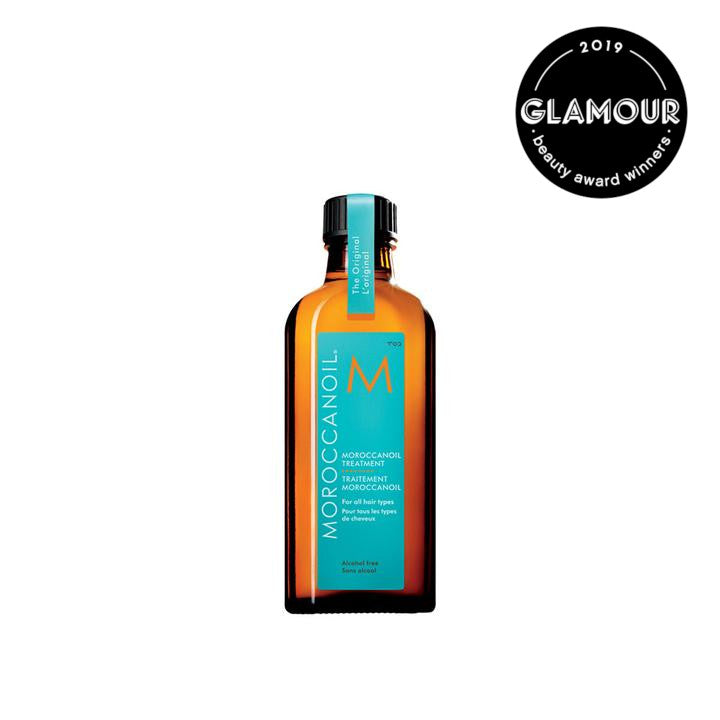
Breathtaking Mo Oil For Hair Abstract for Mobile
Explore this high-quality mo oil for hair image, perfect for enhancing your desktop or mobile wallpaper.
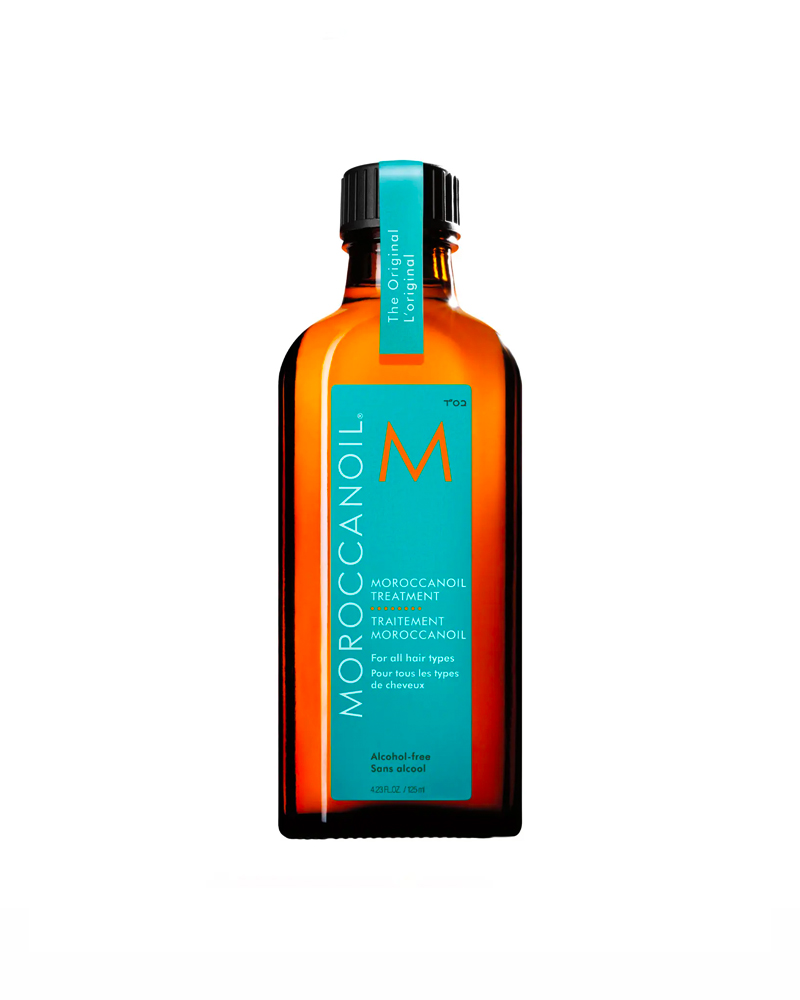
Vibrant Mo Oil For Hair Abstract for Your Screen
Discover an amazing mo oil for hair background image, ideal for personalizing your devices with vibrant colors and intricate designs.

Amazing Mo Oil For Hair Design for Mobile
Discover an amazing mo oil for hair background image, ideal for personalizing your devices with vibrant colors and intricate designs.

Dynamic Mo Oil For Hair Wallpaper Concept
Immerse yourself in the stunning details of this beautiful mo oil for hair wallpaper, designed for a captivating visual experience.
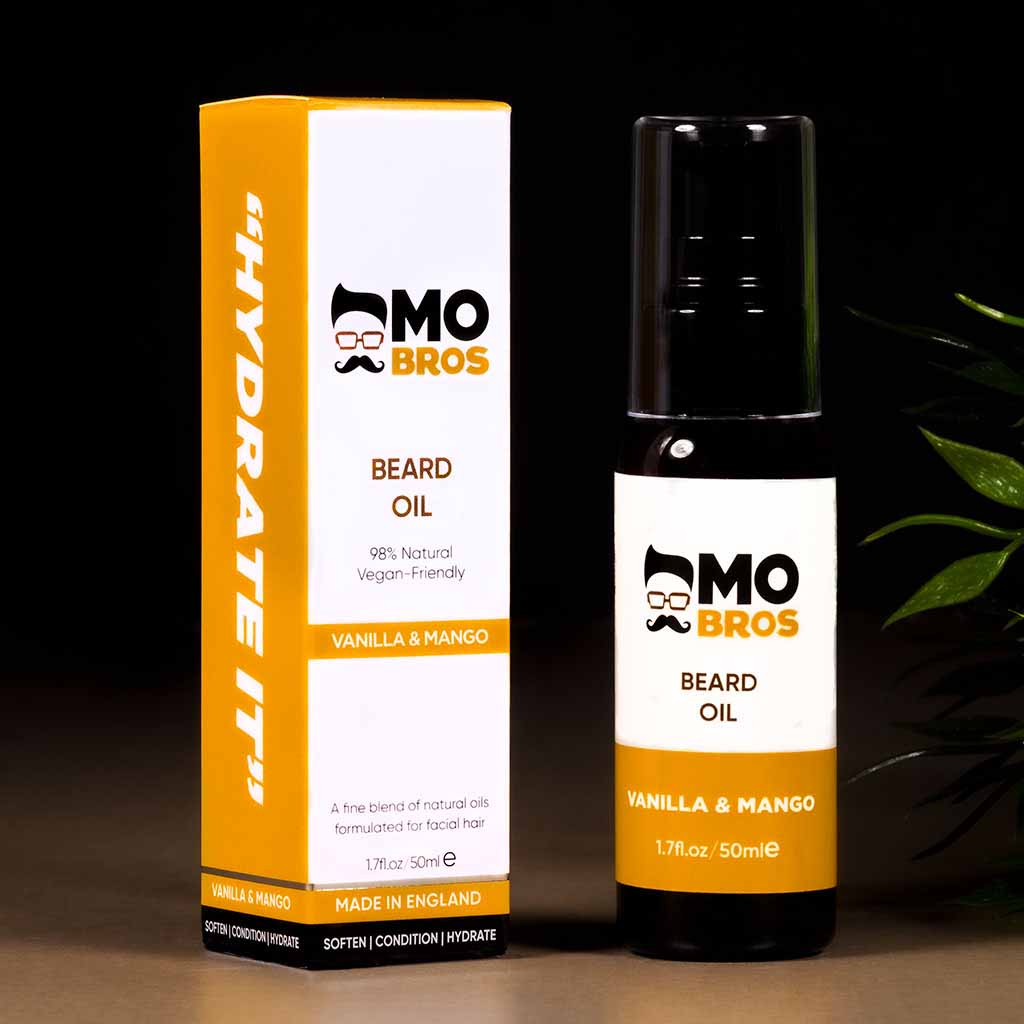
Captivating Mo Oil For Hair Landscape Digital Art
A captivating mo oil for hair scene that brings tranquility and beauty to any device.

Stunning Mo Oil For Hair View Photography
Immerse yourself in the stunning details of this beautiful mo oil for hair wallpaper, designed for a captivating visual experience.

Exquisite Mo Oil For Hair Image Concept
A captivating mo oil for hair scene that brings tranquility and beauty to any device.

Vibrant Mo Oil For Hair Photo for Mobile
Explore this high-quality mo oil for hair image, perfect for enhancing your desktop or mobile wallpaper.

Stunning Mo Oil For Hair Background for Desktop
Find inspiration with this unique mo oil for hair illustration, crafted to provide a fresh look for your background.
Serene Mo Oil For Hair Scene Digital Art
Explore this high-quality mo oil for hair image, perfect for enhancing your desktop or mobile wallpaper.
Vibrant Mo Oil For Hair Photo Art
Experience the crisp clarity of this stunning mo oil for hair image, available in high resolution for all your screens.

Vibrant Mo Oil For Hair Scene Illustration
Explore this high-quality mo oil for hair image, perfect for enhancing your desktop or mobile wallpaper.
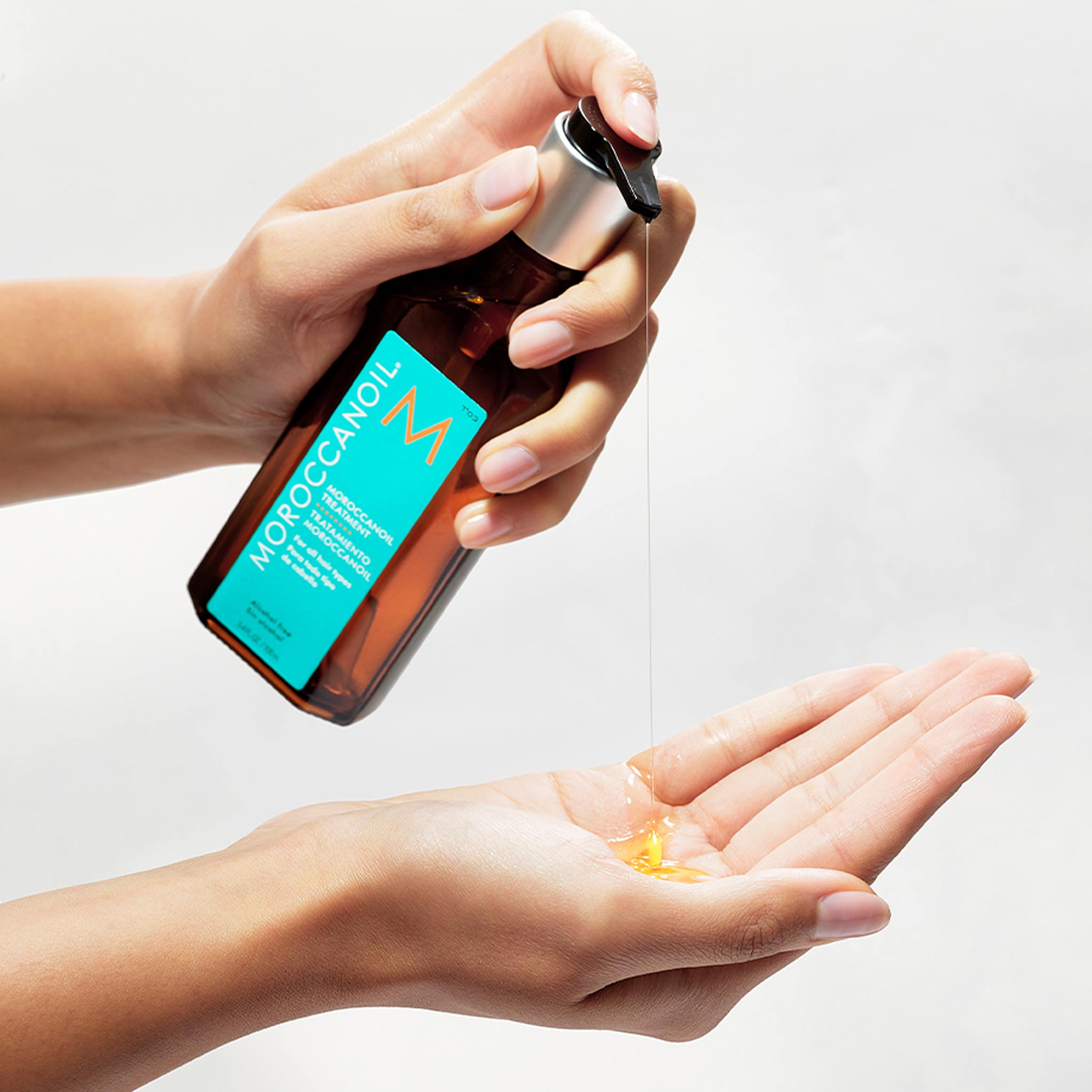
Stunning Mo Oil For Hair Moment Illustration
Immerse yourself in the stunning details of this beautiful mo oil for hair wallpaper, designed for a captivating visual experience.
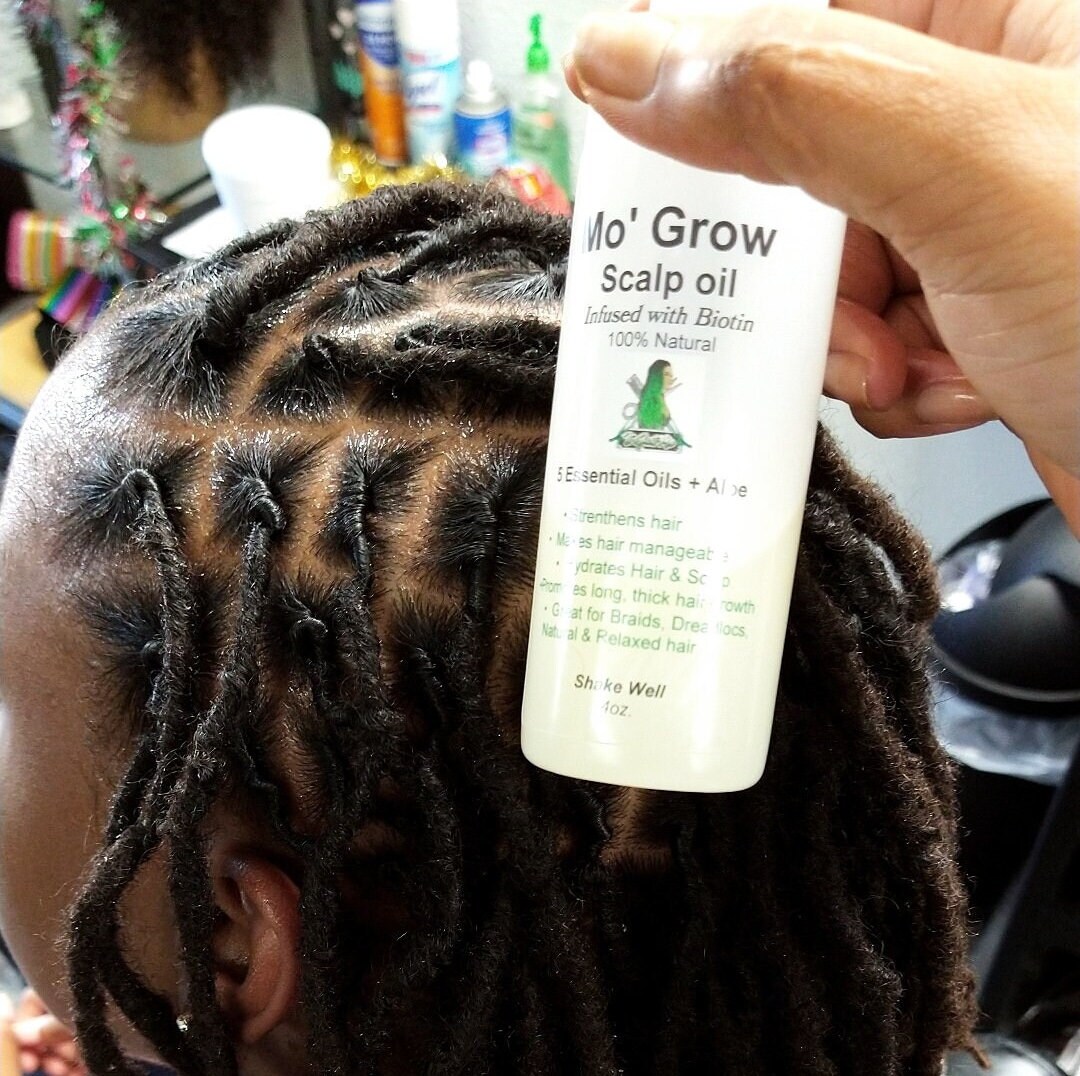
Amazing Mo Oil For Hair Capture Concept
Transform your screen with this vivid mo oil for hair artwork, a true masterpiece of digital design.
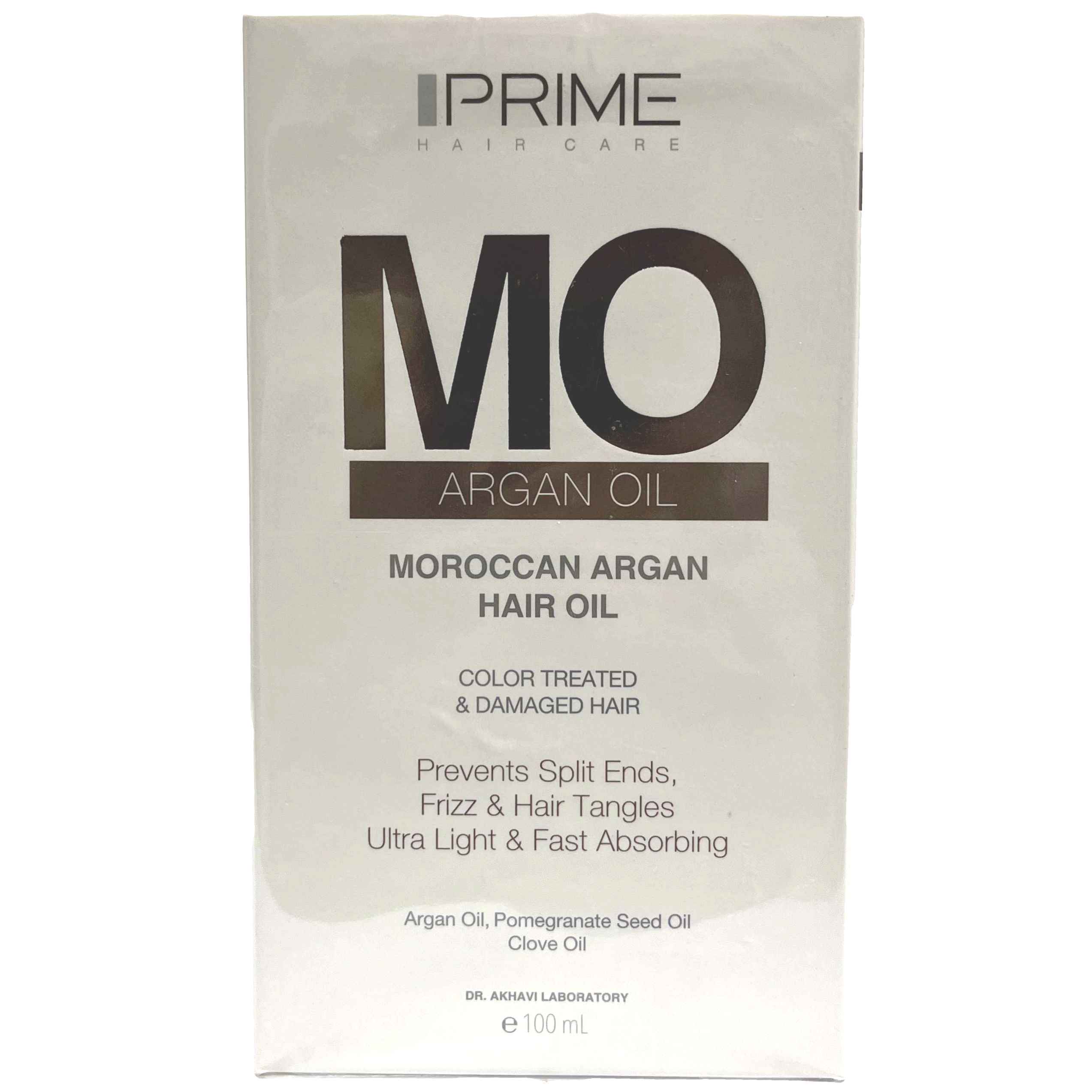
Exquisite Mo Oil For Hair Picture Art
A captivating mo oil for hair scene that brings tranquility and beauty to any device.

Vivid Mo Oil For Hair Wallpaper Digital Art
Discover an amazing mo oil for hair background image, ideal for personalizing your devices with vibrant colors and intricate designs.

Detailed Mo Oil For Hair Design in HD
Transform your screen with this vivid mo oil for hair artwork, a true masterpiece of digital design.

Artistic Mo Oil For Hair Photo Photography
Find inspiration with this unique mo oil for hair illustration, crafted to provide a fresh look for your background.

Captivating Mo Oil For Hair Wallpaper Photography
This gorgeous mo oil for hair photo offers a breathtaking view, making it a perfect choice for your next wallpaper.
Download these mo oil for hair wallpapers for free and use them on your desktop or mobile devices.