Piano Room Paint
The Ultimate Guide to Choosing the Perfect Piano Room Paint
Welcome! If you own a piano, you know that the space dedicated to practice and performance isn't just another room—it's a sanctuary. It's where creativity flows and emotions resonate. But have you ever considered how the walls themselves impact that experience? Choosing the right Piano Room Paint goes far beyond aesthetics; it influences mood, acoustics, and the overall longevity of your musical haven.
We're here to walk you through everything you need to know, from the psychology of color to the practical differences between matte and satin finishes. Let's make sure your piano room feels as magnificent as the music played within it.
Why Paint Matters in Your Piano Room: Acoustics & Mood
When decorating a dedicated music space, most people focus on soundproofing or heavy drapery. However, paint is the final layer that ties the entire atmosphere together. The color choice sets the tone for your emotional connection to the music, while the finish plays a subtle, but important, role in how sound behaves.
Think about how different colors make you feel. A bright yellow might feel energizing, but could it also be distracting during long practice sessions? Conversely, a deep navy might feel calming, but could it make the room feel too small? Getting the Piano Room Paint right is all about balance.
Color Psychology for Musicians
Different hues evoke different emotional responses, which is critical when focusing on detailed musical study or performance. Consider these common color recommendations for creative and focused spaces:
- Soft Greens and Blues: These colors are linked to calmness, concentration, and balance. They create an environment that encourages sustained focus without being boring.
- Warm Grays and Beiges: Neutral palettes are fantastic because they allow the piano itself (often a beautiful piece of furniture) to be the focal point. They feel sophisticated and are less likely to cause visual fatigue.
- Deep Reds or Purples (Used Sparingly): While these can be intense, a rich jewel tone on an accent wall can stimulate passion and creativity. They work best in larger rooms or as a backdrop for a concert grand piano.
Ultimately, the best color is the one that makes you feel most inspired and relaxed when sitting down to play.
Acoustic Considerations (Paint Finish)
While paint does not absorb sound like acoustic panels, the sheen can affect sound reflection. High-gloss paints are smooth and reflective, meaning sound waves will bounce off them sharply, potentially creating harsher echoes or excessive brightness in the sound.
For a dedicated music space, especially one housing a resonant instrument like a piano, you generally want to avoid finishes that maximize reflection. Therefore, the recommended Piano Room Paint finishes usually lean toward the lower end of the sheen scale.
Top Color Schemes for Inspiring Practice
Choosing a scheme often depends on the style of your piano (modern vs. traditional) and the amount of natural light the room receives. Here are some proven combinations that harmonize perfectly with a musical environment.
Classic and Timeless Choices
If your piano room is designed to feel elegant and enduring, these schemes are excellent choices. They provide a backdrop that respects the historical nature of the instrument.
- Charcoal Gray and Cream Trim: A sophisticated pairing that makes the keys and sheet music stand out vividly. The dark gray provides depth and reduces glare, perfect for long sessions.
- Muted Sage Green: This color is earthy and restful. It works beautifully with natural wood finishes on pianos and brings an element of the outdoors inside, promoting calmness.
- Off-White/Pearly White: Never underestimate the power of a carefully chosen white. Look for whites with subtle warm undertones (like a touch of yellow or pink) to prevent the room from feeling stark or cold.
Modern and Bold Statements
If your style leans contemporary or you have a modern baby grand, using a bolder color can inject energy and personality into the space. Just remember to keep the lighting balanced.
Consider painting one wall—perhaps the wall directly behind the piano—with an impactful color and keeping the remaining three walls neutral. This creates visual interest without overwhelming the entire space.
Examples of modern Piano Room Paint accents include:
- Terracotta or Rusty Orange
- Deep Teal or Petrol Blue
- Mustard Yellow (best used in rooms with abundant natural light)
Practical Tips for Applying Piano Room Paint
Painting around a piano is a task that requires careful planning. Unlike moving a sofa, a piano is incredibly heavy and sensitive to movement, temperature changes, and paint fumes. Safety and preparation are paramount to protect your valuable instrument.
Surface Preparation is Key
Before you even open a can of your chosen Piano Room Paint, ensure that the room is adequately protected. Use heavy-duty drop cloths that are securely taped down to the floor, especially underneath the piano. If possible, move the piano at least a few feet away from the walls you are painting to allow for smooth roller movement and to prevent accidental splatters.
Dealing with Wall Imperfections
Any paint job looks only as good as the wall underneath it. Because a piano room is a high-focus area, defects in the wall surface will be highly noticeable. Take time to fill small holes, sand down rough patches, and prime any areas that were patched or repaired.
A good quality primer is non-negotiable, especially when changing from a very dark color to a light one, or vice-versa. Primer ensures true color representation and a smooth, even finish for your beautiful new paint.
Choosing the Right Finish (Matte vs. Satin)
As discussed, lower sheen finishes are generally preferable for acoustic environments. But what are the practical differences?
- Flat/Matte Finish: This finish absorbs the most light, providing the deepest color and minimizing the visibility of wall imperfections. It is excellent for reducing glare, which is helpful when reading sheet music. However, matte paint is the least washable, so it is best used in low-traffic, dedicated music rooms.
- Eggshell/Satin Finish: These finishes offer slightly more sheen than matte but are significantly more durable and washable. If your piano room also serves as a multi-purpose living area, satin might be the practical choice, offering a nice balance between durability and minimal reflection.
We recommend avoiding Semi-Gloss or High-Gloss finishes entirely on the main wall surfaces of your piano room, reserving those for trim work only.
Conclusion: Harmonizing Your Space with Piano Room Paint
Selecting the ideal Piano Room Paint is about creating harmony—a balance between visual appeal and functional performance. By choosing colors that promote focus and calm (like muted blues, greens, or sophisticated neutrals), you ensure that the room supports your musical endeavors.
Remember to prioritize low-sheen finishes like matte or eggshell to minimize sound reflection and maximize the richness of your chosen hue. With careful preparation and the right palette, your piano room will transform into the inspired sanctuary it was meant to be, reflecting the beauty and depth of the music created there.
Frequently Asked Questions (FAQ) About Piano Room Paint
- What type of paint is best for minimizing sound reflection?
- The best choice is a flat or matte finish. Since these paints absorb the most light and have the least sheen, they reduce sharp sound reflection and minimize echoes compared to glossy finishes.
- Should I use VOC-free paint when painting near a piano?
- Absolutely. Pianos, particularly soundboards and internal mechanisms, are sensitive to temperature changes and strong fumes. Low or Zero-VOC (Volatile Organic Compound) paints are crucial to protect the instrument's components and your health while you play.
- Does the color of the paint affect how I read sheet music?
- Indirectly, yes. Extremely bright or high-contrast colors can cause visual fatigue and glare, making it harder to focus on sheet music over long periods. Neutral or deep, muted colors are easier on the eyes.
- Is it safe to move a large piano for painting?
- If your piano is a grand or baby grand, it is highly recommended that you hire professional piano movers. If it is a vertical or upright piano, you may be able to gently slide it a few feet from the wall, but be extremely cautious and use proper dollies or specialized slides to protect the floor and the internal mechanism.
Piano Room Paint
Piano Room Paint Wallpapers
Collection of piano room paint wallpapers for your desktop and mobile devices.

Lush Piano Room Paint Wallpaper Concept
Immerse yourself in the stunning details of this beautiful piano room paint wallpaper, designed for a captivating visual experience.

Mesmerizing Piano Room Paint Wallpaper Collection
Explore this high-quality piano room paint image, perfect for enhancing your desktop or mobile wallpaper.

Detailed Piano Room Paint Moment Collection
Explore this high-quality piano room paint image, perfect for enhancing your desktop or mobile wallpaper.

Spectacular Piano Room Paint Image for Your Screen
Immerse yourself in the stunning details of this beautiful piano room paint wallpaper, designed for a captivating visual experience.

Artistic Piano Room Paint Scene in 4K
This gorgeous piano room paint photo offers a breathtaking view, making it a perfect choice for your next wallpaper.
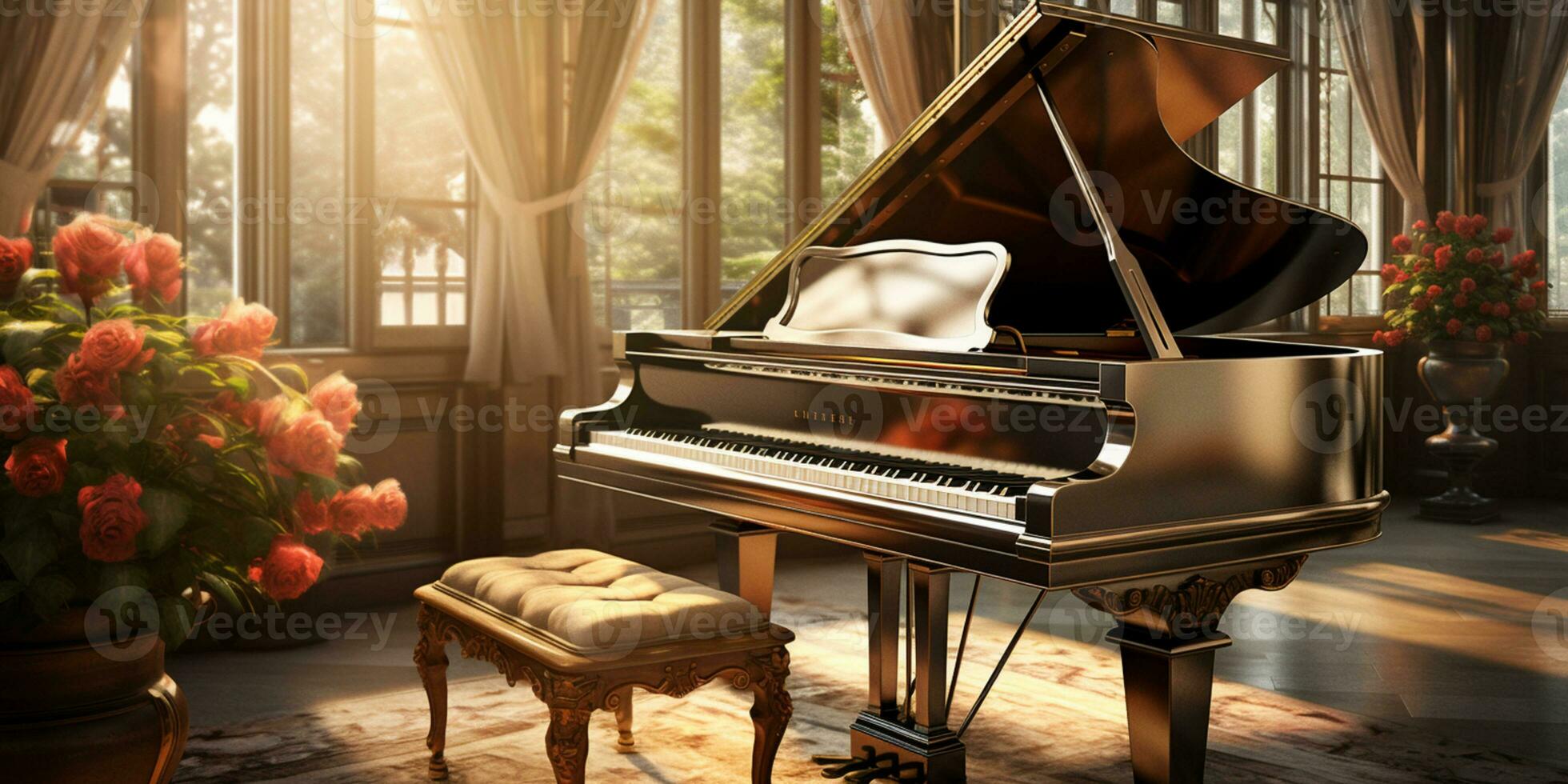
Vibrant Piano Room Paint Image for Mobile
Transform your screen with this vivid piano room paint artwork, a true masterpiece of digital design.
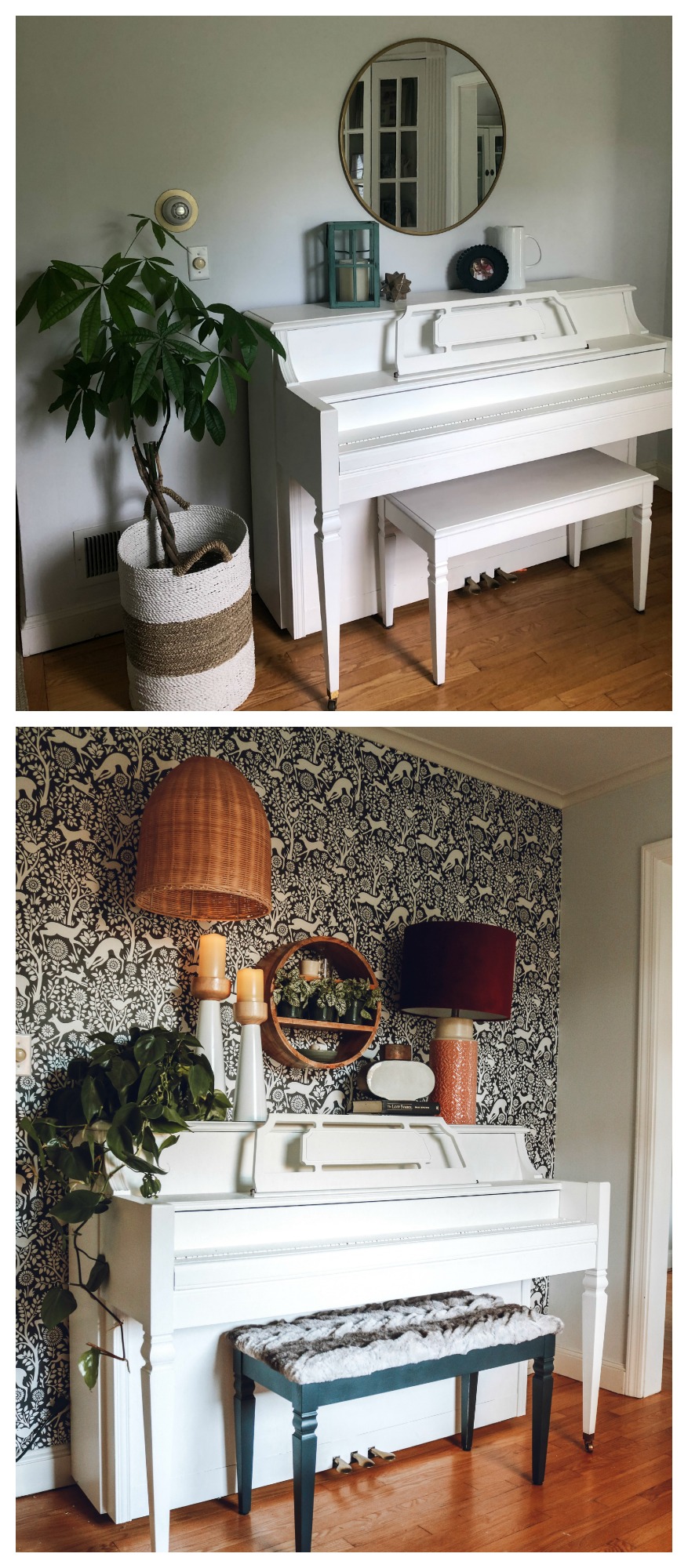
Vibrant Piano Room Paint Background Digital Art
Experience the crisp clarity of this stunning piano room paint image, available in high resolution for all your screens.
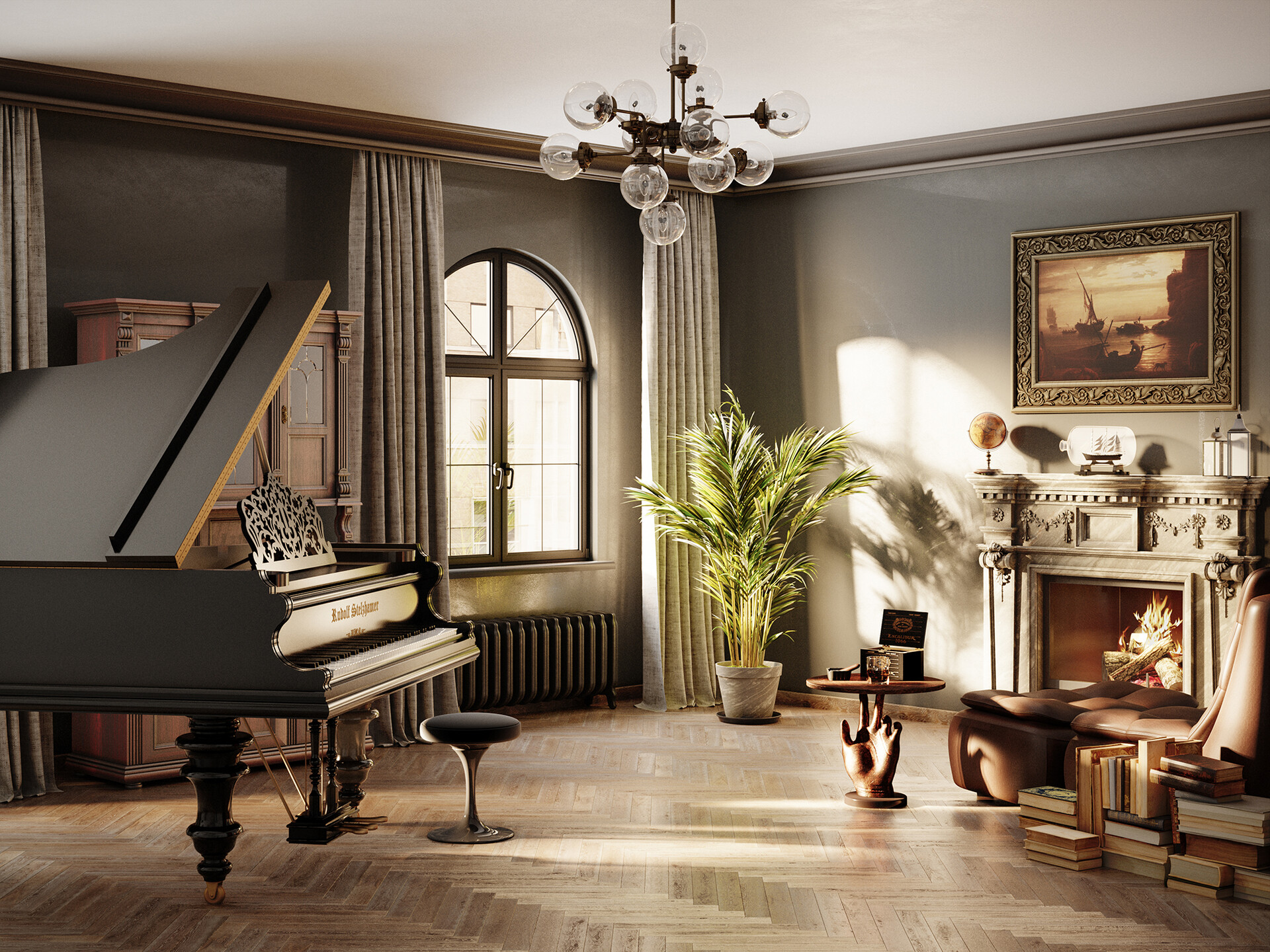
High-Quality Piano Room Paint Landscape for Mobile
Explore this high-quality piano room paint image, perfect for enhancing your desktop or mobile wallpaper.
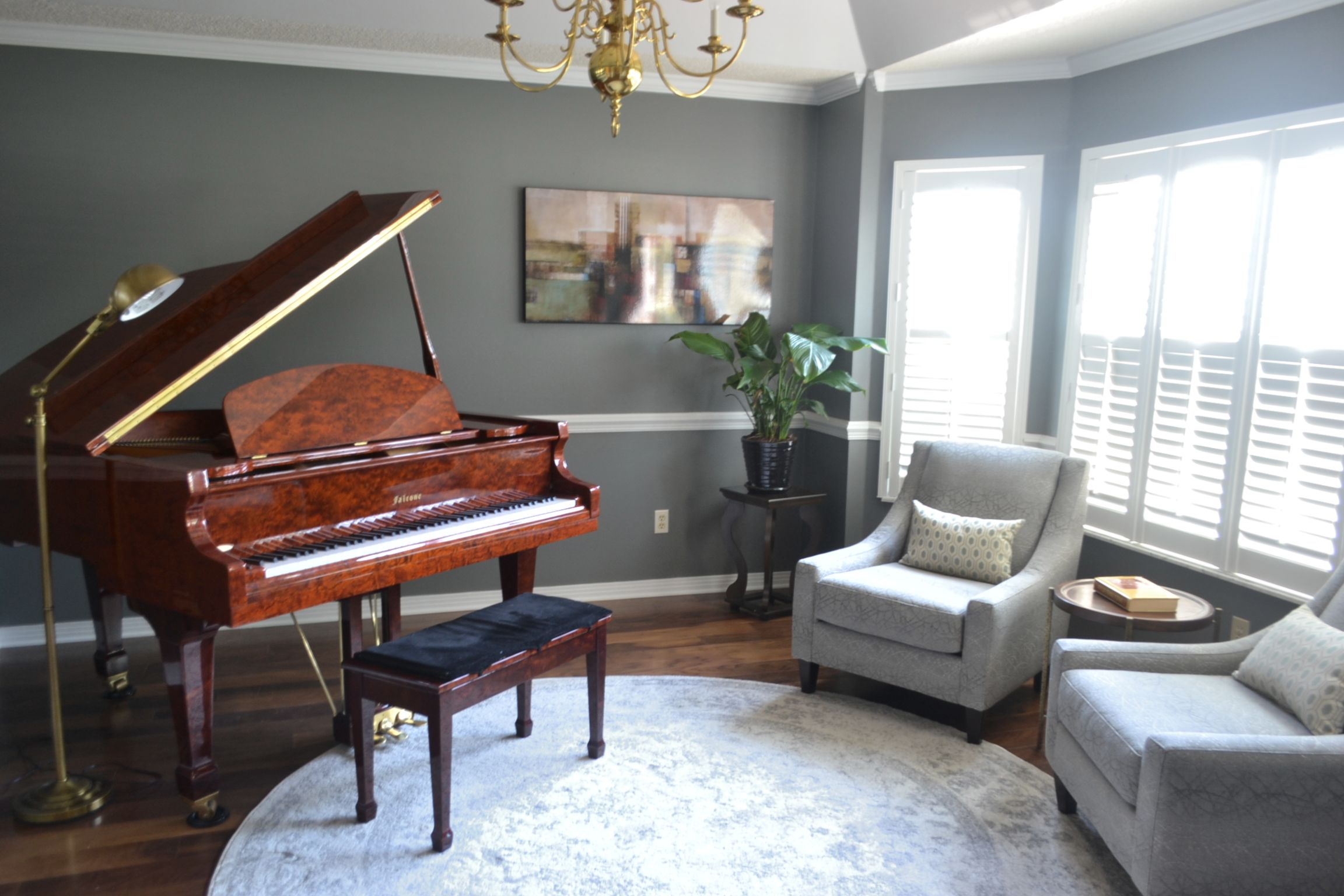
High-Quality Piano Room Paint Photo for Your Screen
Transform your screen with this vivid piano room paint artwork, a true masterpiece of digital design.

Mesmerizing Piano Room Paint Image for Desktop
Experience the crisp clarity of this stunning piano room paint image, available in high resolution for all your screens.

Dynamic Piano Room Paint Scene for Desktop
Immerse yourself in the stunning details of this beautiful piano room paint wallpaper, designed for a captivating visual experience.

Captivating Piano Room Paint Wallpaper Collection
Immerse yourself in the stunning details of this beautiful piano room paint wallpaper, designed for a captivating visual experience.

Amazing Piano Room Paint Background in HD
Transform your screen with this vivid piano room paint artwork, a true masterpiece of digital design.

Breathtaking Piano Room Paint Design for Mobile
Transform your screen with this vivid piano room paint artwork, a true masterpiece of digital design.

Captivating Piano Room Paint Photo Illustration
A captivating piano room paint scene that brings tranquility and beauty to any device.

Vibrant Piano Room Paint Design for Mobile
Explore this high-quality piano room paint image, perfect for enhancing your desktop or mobile wallpaper.

Vibrant Piano Room Paint Artwork for Desktop
Transform your screen with this vivid piano room paint artwork, a true masterpiece of digital design.

Dynamic Piano Room Paint Picture Illustration
Immerse yourself in the stunning details of this beautiful piano room paint wallpaper, designed for a captivating visual experience.

Vibrant Piano Room Paint Image for Your Screen
Transform your screen with this vivid piano room paint artwork, a true masterpiece of digital design.

Vibrant Piano Room Paint Wallpaper in 4K
Experience the crisp clarity of this stunning piano room paint image, available in high resolution for all your screens.
Download these piano room paint wallpapers for free and use them on your desktop or mobile devices.