Art Of Paint
The Ultimate Guide to the Art Of Paint: Unleash Your Inner Artist
Have you ever stood in front of a blank canvas, feeling a mix of excitement and intimidation? You're not alone. The journey into the beautiful realm of the Art Of Paint is both rewarding and challenging. Whether you aspire to create realistic portraits or abstract explosions of color, understanding the fundamentals is the first step.
This comprehensive guide is designed to cut through the confusion and provide you with the essential knowledge you need to start, improve, and master the Art Of Paint. We will explore mediums, techniques, and the critical mindset required for artistic growth.
What Exactly is the Art Of Paint?
At its core, the Art Of Paint is the process of applying pigment (color) to a solid surface, such as paper, canvas, or wood. However, it is far more than just chemicals on a surface; it's a powerful tool for communication, expression, and contemplation. It allows us to translate thoughts, emotions, and observations into a visual language.
Painting encompasses thousands of years of human history, evolving from cave drawings to the dynamic digital works we see today. Regardless of the medium chosen, the foundational principles—color theory, composition, and brush control—remain constant and crucial to mastering the Art Of Paint.
Diving Deep into Painting Mediums and Techniques
Choosing your medium is perhaps the most personal decision you will make when starting out. Each type of paint offers a unique experience, dictating drying time, blending capabilities, and final texture. Understanding these differences will help you choose the best fit for your artistic goals.
Exploring Classic Painting Mediums
The three most popular mediums dominate the field of painting today: oil, acrylics, and watercolor. Each has its own rhythm and learning curve, influencing how you approach composition and execution.
Oil Painting: The Timeless Classic
Oil paint is renowned for its rich color saturation and incredible blendability. It dries extremely slowly, sometimes taking days or weeks to fully cure. This characteristic makes it ideal for blending colors seamlessly, creating smooth transitions, and allowing for extensive reworking of the image.
However, oil painting requires special solvents (like turpentine or odorless mineral spirits) for cleanup, and adequate ventilation is often necessary. If patience is your virtue, oil paint offers unparalleled depth and luminosity.
Acrylics: Speed and Versatility
Acrylic paints are perhaps the most beginner-friendly medium. They are water-soluble, meaning you can clean them up with just water, and they dry incredibly quickly, often within minutes. This speed makes layering easy and fast-paced experimentation possible.
Once dry, acrylics are waterproof and highly durable. Their versatility allows them to mimic both the smooth appearance of oils or the layered washes of watercolors, depending on how much water you add. They are a staple in contemporary Art Of Paint practices.
Watercolor: Lightness and Transparency
Watercolor relies on the transparency of the pigment, allowing the white of the paper to reflect through the paint. This results in a distinctive luminosity and lightness that is difficult to replicate with opaque mediums. It is traditionally used on paper and requires a delicate touch.
Mastering watercolor involves controlling the ratio of water to pigment, known as 'washes.' Because it is difficult to hide mistakes, watercolor teaches precision and planning. Many artists appreciate its portable nature for plein air (outdoor) painting.
Mastering Essential Painting Techniques
Once you've chosen your medium, the next step is learning the techniques that turn a smear of color into a cohesive image. These techniques apply broadly across different types of paint, helping you structure your artwork effectively.
- **Layering (Glazing):** Applying thin, transparent layers of paint over dried layers. This technique builds depth and subtle color shifts without making the work muddy.
- **Impasto:** Applying paint thickly so that it stands out from the surface, creating visible brushstrokes and texture. This gives the work a three-dimensional quality.
- **Wet-on-Wet (Alla Prima):** Applying fresh paint onto a wet layer of paint. This is essential for soft blending, especially used heavily in oil painting and watercolor washes.
- **Scumbling:** Applying a thin, broken layer of opaque or semi-opaque color over a dry area. This allows the color beneath to show through, creating texture and atmospheric effects.
- **Blocking In:** The initial stage where large masses of color and tone are quickly applied to establish the composition and light source before details are added.
Essential Supplies for Starting Your Art Of Paint Journey
You don't need a professional studio to begin your Art Of Paint adventure. However, having the right basic tools can significantly improve your experience and the quality of your early work. Don't skimp entirely on quality; cheap materials can often lead to frustration.
- **Paints:** A primary set (red, yellow, blue, black, and white) is often enough to start exploring color mixing.
- **Brushes:** Invest in a few different shapes: a round brush for detail, a flat brush for broad strokes, and a filbert (oval shape) for blending. Natural hair brushes are great for oils, while synthetic brushes work well for acrylics.
- **Surface:** Canvas panels (for oil/acrylic) or heavy-weight watercolor paper (300gsm or 140lb) are ideal starting points.
- **Palette:** A simple plastic or wooden palette is crucial for mixing colors efficiently.
- **Solvents/Mediums:** Water for acrylics/watercolor, or odorless mineral spirits and linseed oil for oils.
The Mental Side of Art Of Paint: Embracing Mistakes
Often, the biggest hurdle to mastering the Art Of Paint is not technical skill, but fear. Fear of failure, fear of the blank canvas, and fear of judgment can paralyze budding artists. It is essential to shift your perspective and embrace the process over the perfect result.
Every "mistake" is actually valuable data. It shows you what combination of color or pressure doesn't work, guiding you toward what does. Dedicate time not just to painting finished pieces, but to practicing fundamental exercises, like value studies and color charts.
Remember that all master artists made countless poor paintings on their journey to greatness. Consistency and curiosity are your most important tools in developing your own style and truly mastering the Art Of Paint.
Another crucial tip is to stop comparing your beginning to someone else's middle or end. Focus on small, incremental improvements in your own work. This sustainable approach makes the creative journey much more enjoyable.
Conclusion: Your Journey with the Art Of Paint
The Art Of Paint is an expansive universe waiting to be explored. We've covered the core mediums—oil, acrylic, and watercolor—and detailed the techniques like impasto and glazing that bring your canvas to life. By understanding the fundamentals of composition and value, you lay a solid foundation for expressive work.
Ultimately, becoming proficient in the Art Of Paint requires practice, patience, and the willingness to learn from every attempt. Don't be afraid to experiment with your mediums and embrace the uniqueness of your vision. Grab your brush, trust the process, and let your creativity flow freely!
Frequently Asked Questions (FAQ) About the Art Of Paint
- What is the easiest type of paint for beginners to start with?
- Acrylic paint is generally considered the easiest for beginners. It is water-soluble, dries quickly (preventing muddy colors), and is forgiving because mistakes can be easily painted over.
- How important is color theory in the Art Of Paint?
- Color theory is extremely important. It teaches you how colors interact, how to mix vibrant hues, and how to use color temperature (warm vs. cool) to create depth and mood in your painting. Understanding the color wheel is foundational.
- What is the difference between hue, value, and saturation?
- Hue refers to the pure color (e.g., red, blue, green). Value refers to the lightness or darkness of a color. Saturation (or intensity) refers to the purity or brilliance of the color; highly saturated colors are vivid, while low-saturated colors are muted or grayed.
- How long does it take to get good at the Art Of Paint?
- Mastery takes a lifetime, but noticeable improvement can happen quickly with consistent, focused practice. Aim for dedicated practice sessions several times a week, focusing on specific elements like drawing or color mixing, rather than just finished pieces.
- Can I mix different types of paint together?
- Generally, no. You should not mix oil paints with water-based paints (acrylics or watercolors). However, you can safely layer different mediums, such as painting oil over dry acrylics, but never the reverse.
Art Of Paint
Art Of Paint Wallpapers
Collection of art of paint wallpapers for your desktop and mobile devices.

Mesmerizing Art Of Paint Design for Desktop
Experience the crisp clarity of this stunning art of paint image, available in high resolution for all your screens.
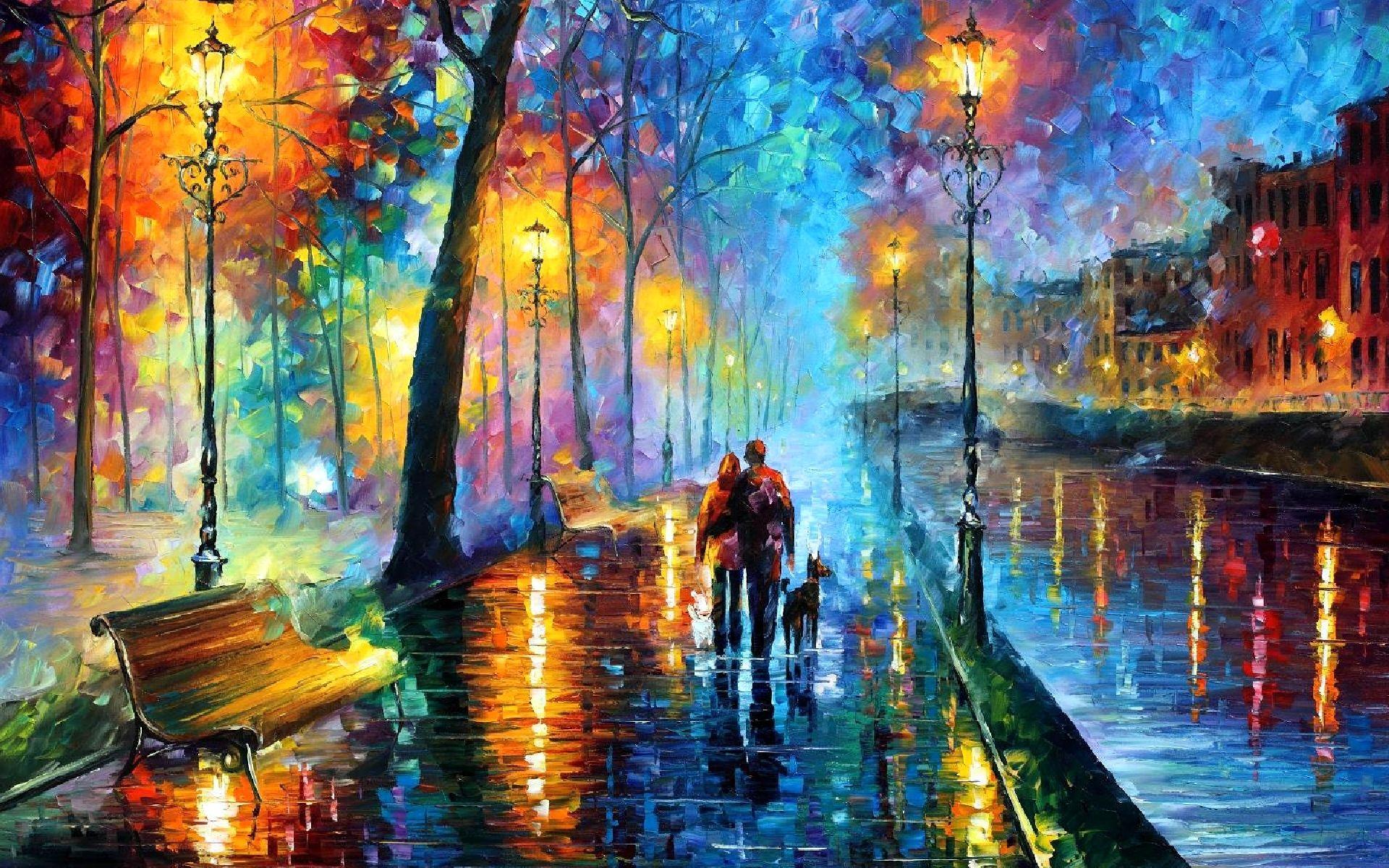
Exquisite Art Of Paint Photo Illustration
Find inspiration with this unique art of paint illustration, crafted to provide a fresh look for your background.
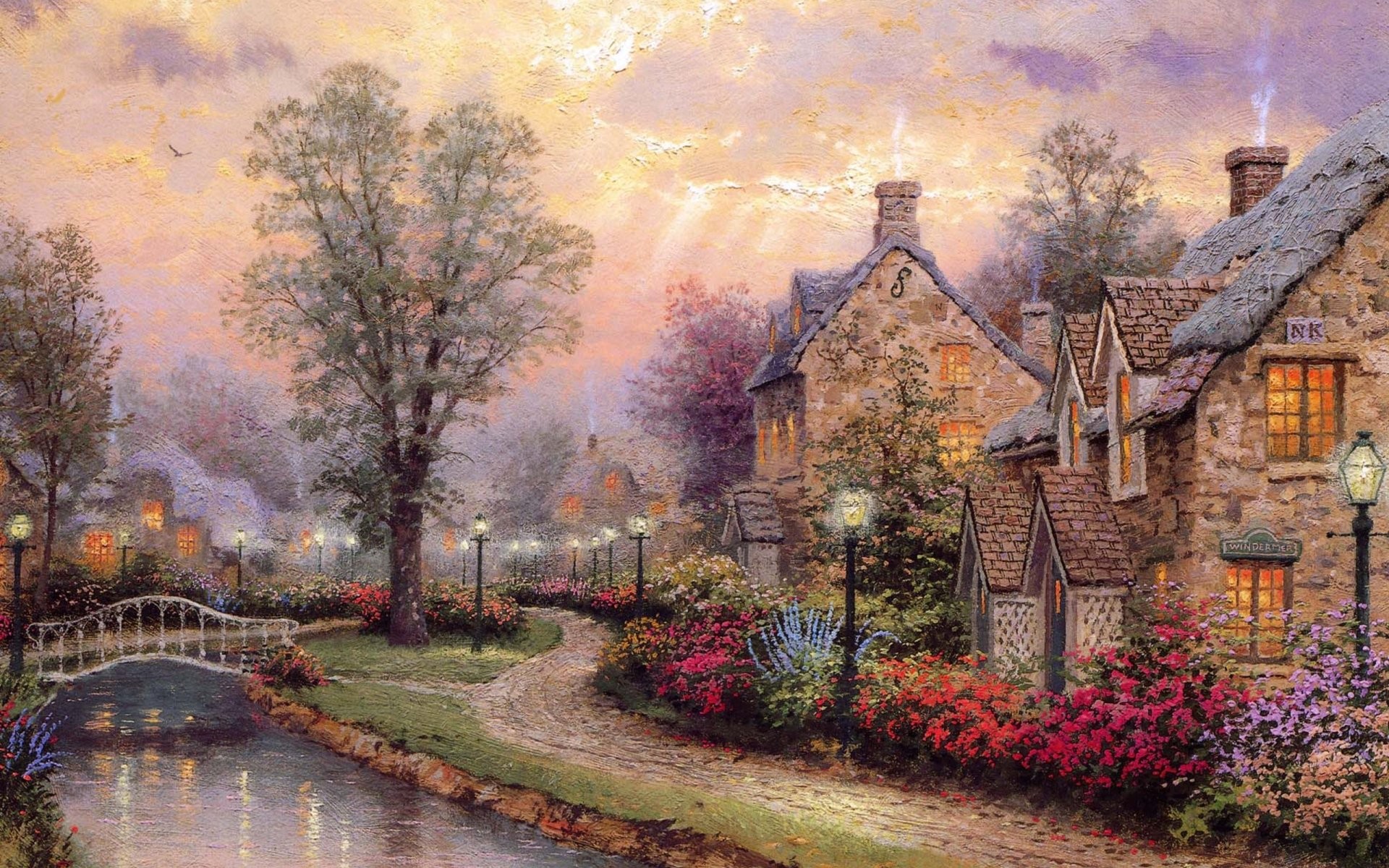
Beautiful Art Of Paint Abstract Digital Art
Experience the crisp clarity of this stunning art of paint image, available in high resolution for all your screens.
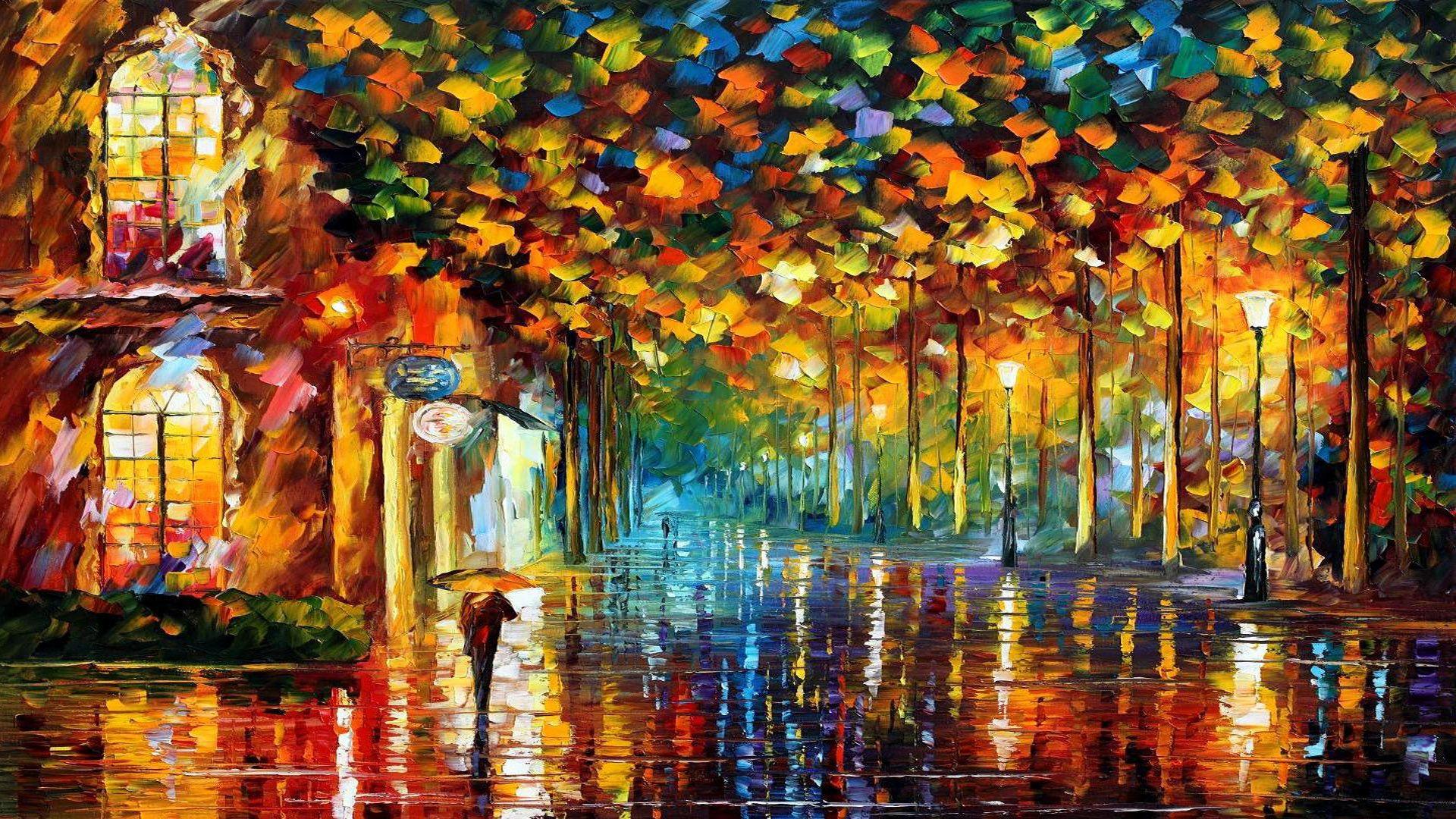
Breathtaking Art Of Paint Photo Collection
Discover an amazing art of paint background image, ideal for personalizing your devices with vibrant colors and intricate designs.
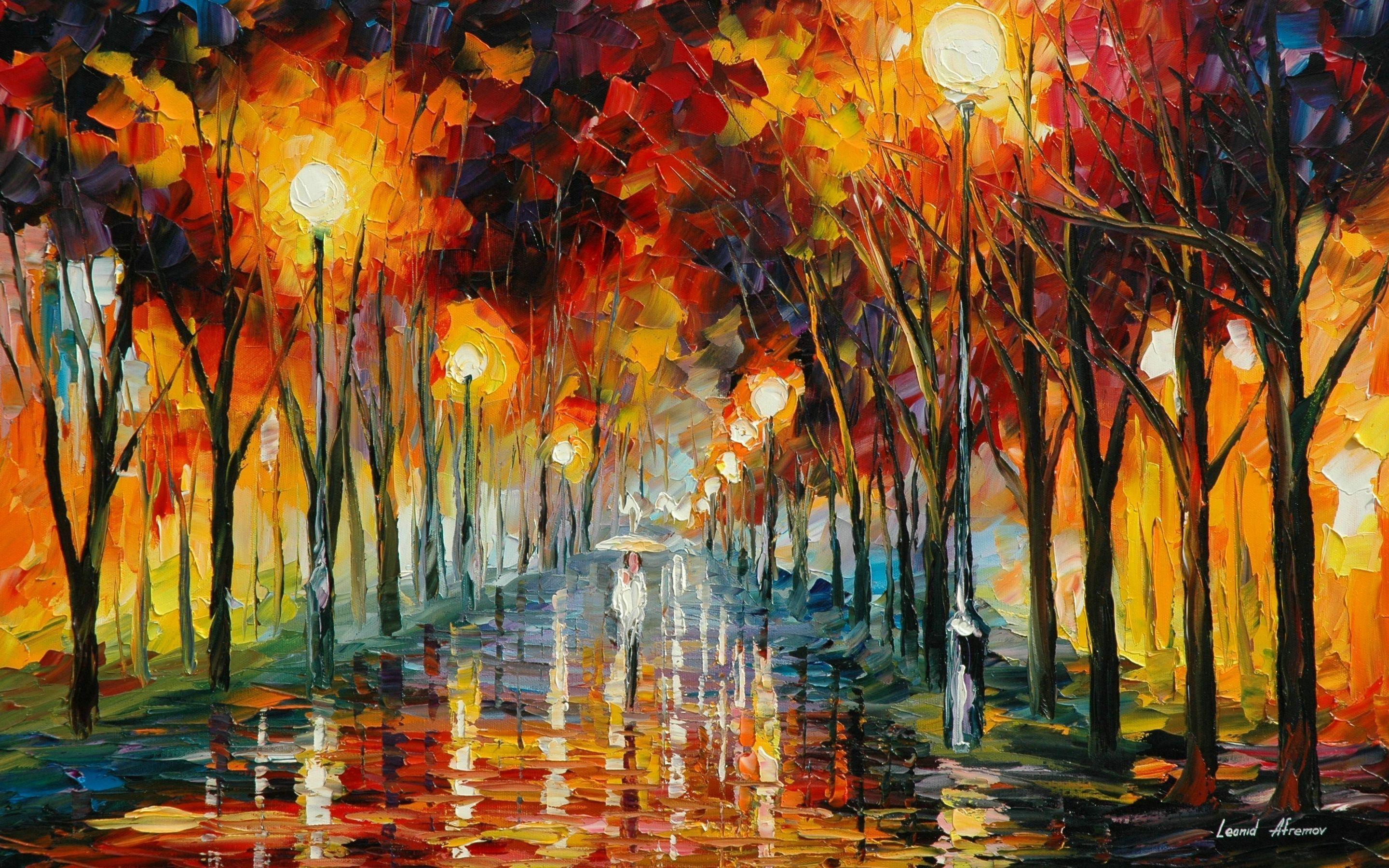
Breathtaking Art Of Paint View in 4K
Discover an amazing art of paint background image, ideal for personalizing your devices with vibrant colors and intricate designs.
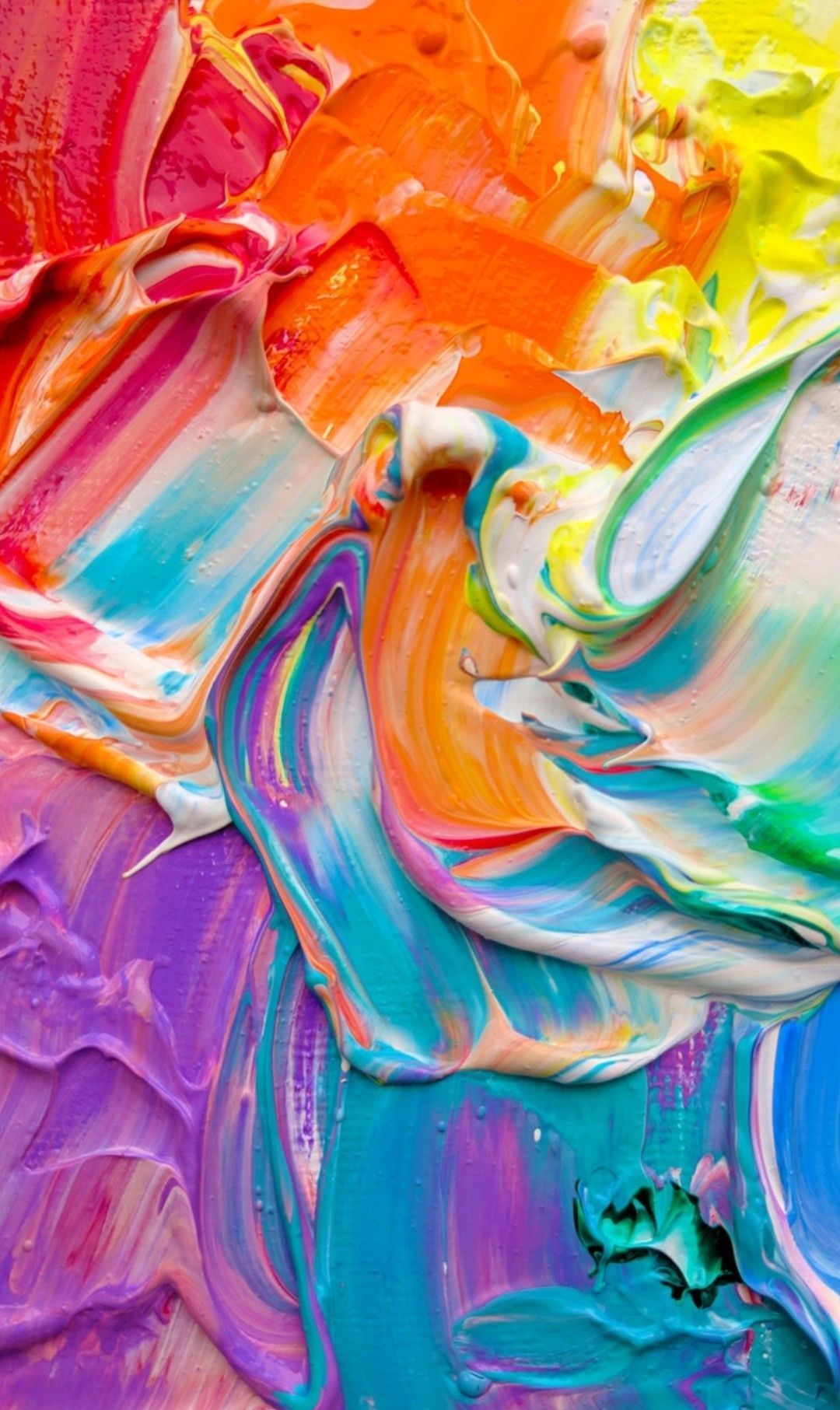
Detailed Art Of Paint Picture Digital Art
Experience the crisp clarity of this stunning art of paint image, available in high resolution for all your screens.
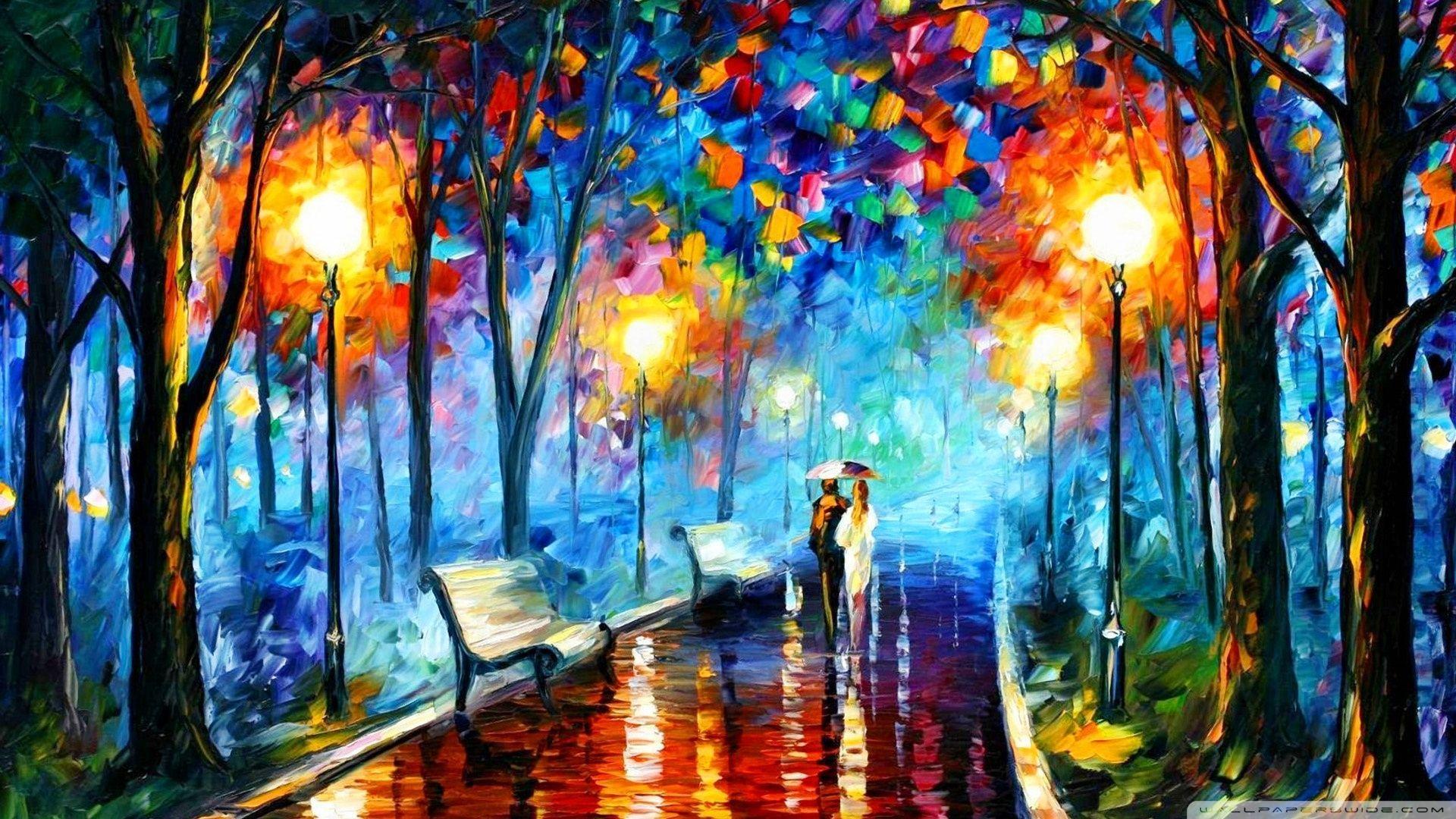
Stunning Art Of Paint Landscape Photography
This gorgeous art of paint photo offers a breathtaking view, making it a perfect choice for your next wallpaper.
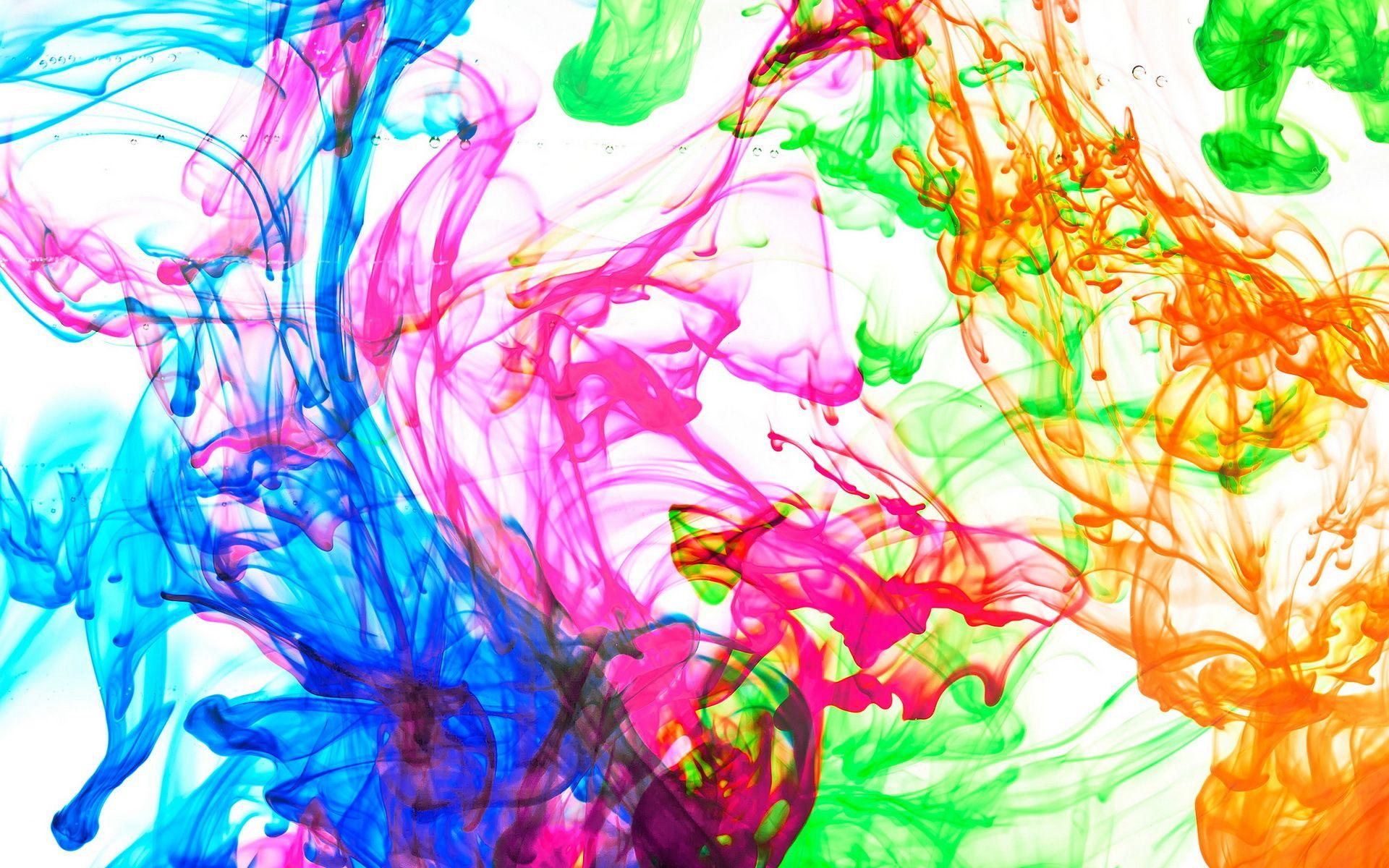
Gorgeous Art Of Paint Abstract in 4K
Immerse yourself in the stunning details of this beautiful art of paint wallpaper, designed for a captivating visual experience.
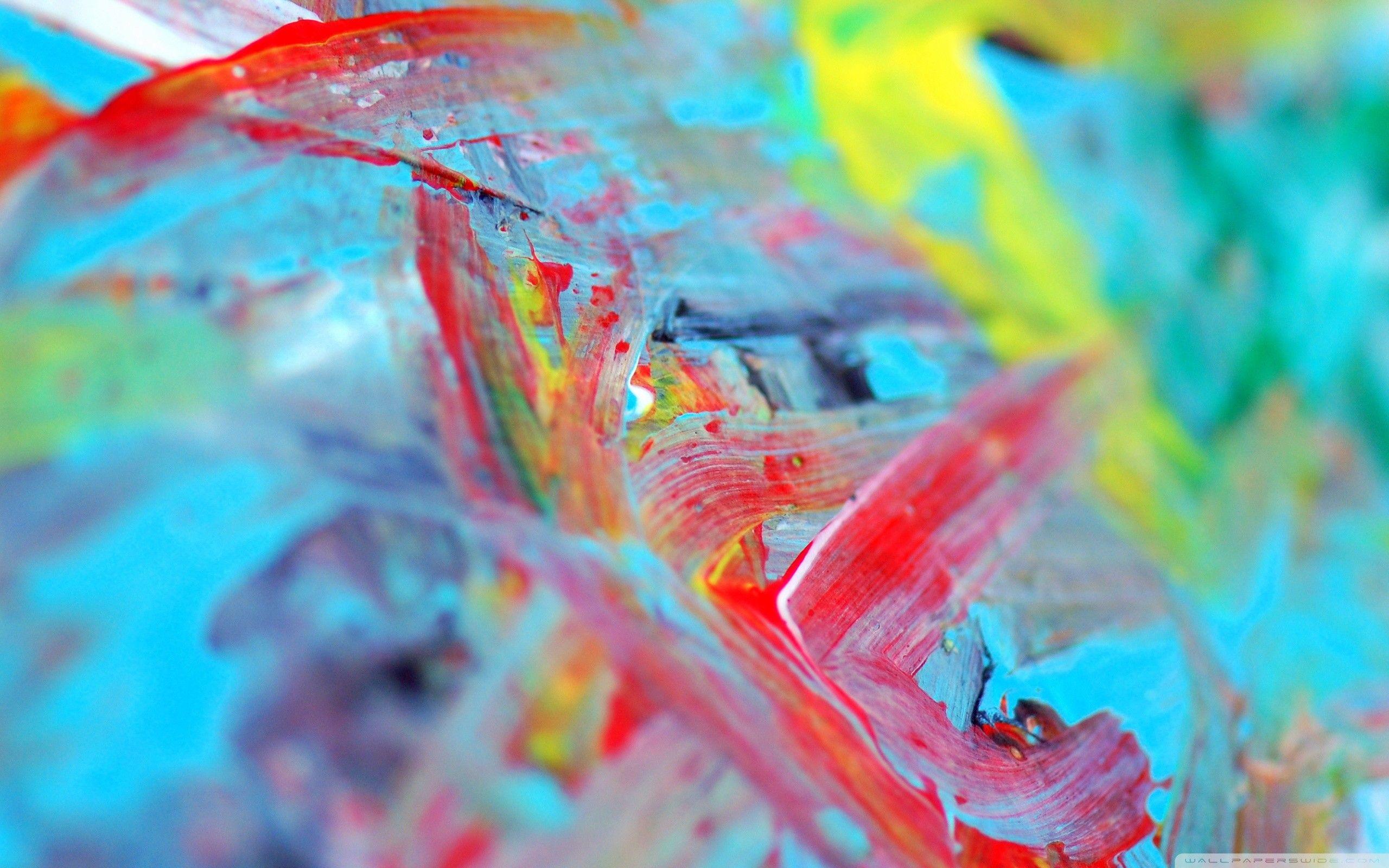
Gorgeous Art Of Paint Scene for Desktop
Immerse yourself in the stunning details of this beautiful art of paint wallpaper, designed for a captivating visual experience.
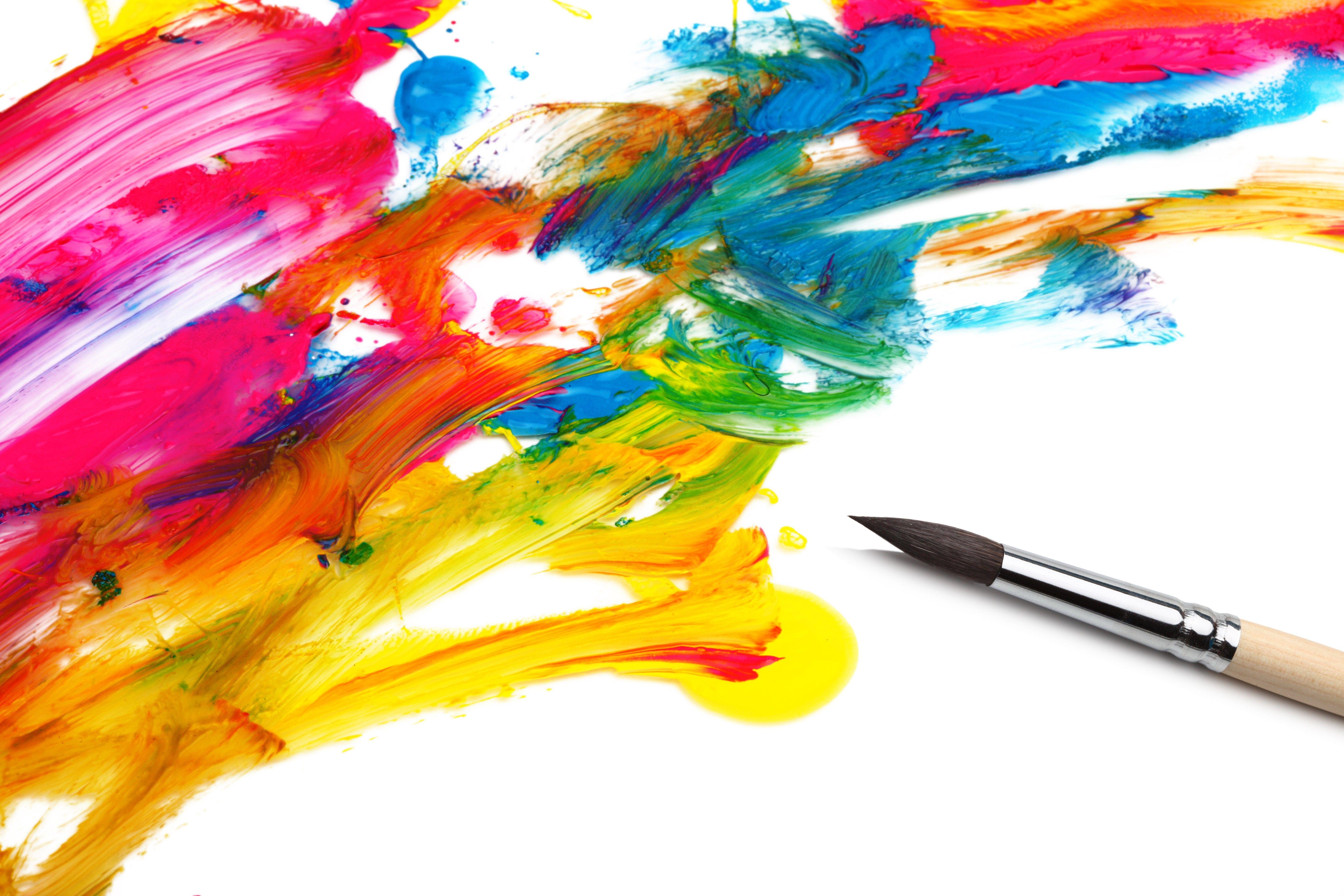
Mesmerizing Art Of Paint Background Digital Art
Discover an amazing art of paint background image, ideal for personalizing your devices with vibrant colors and intricate designs.
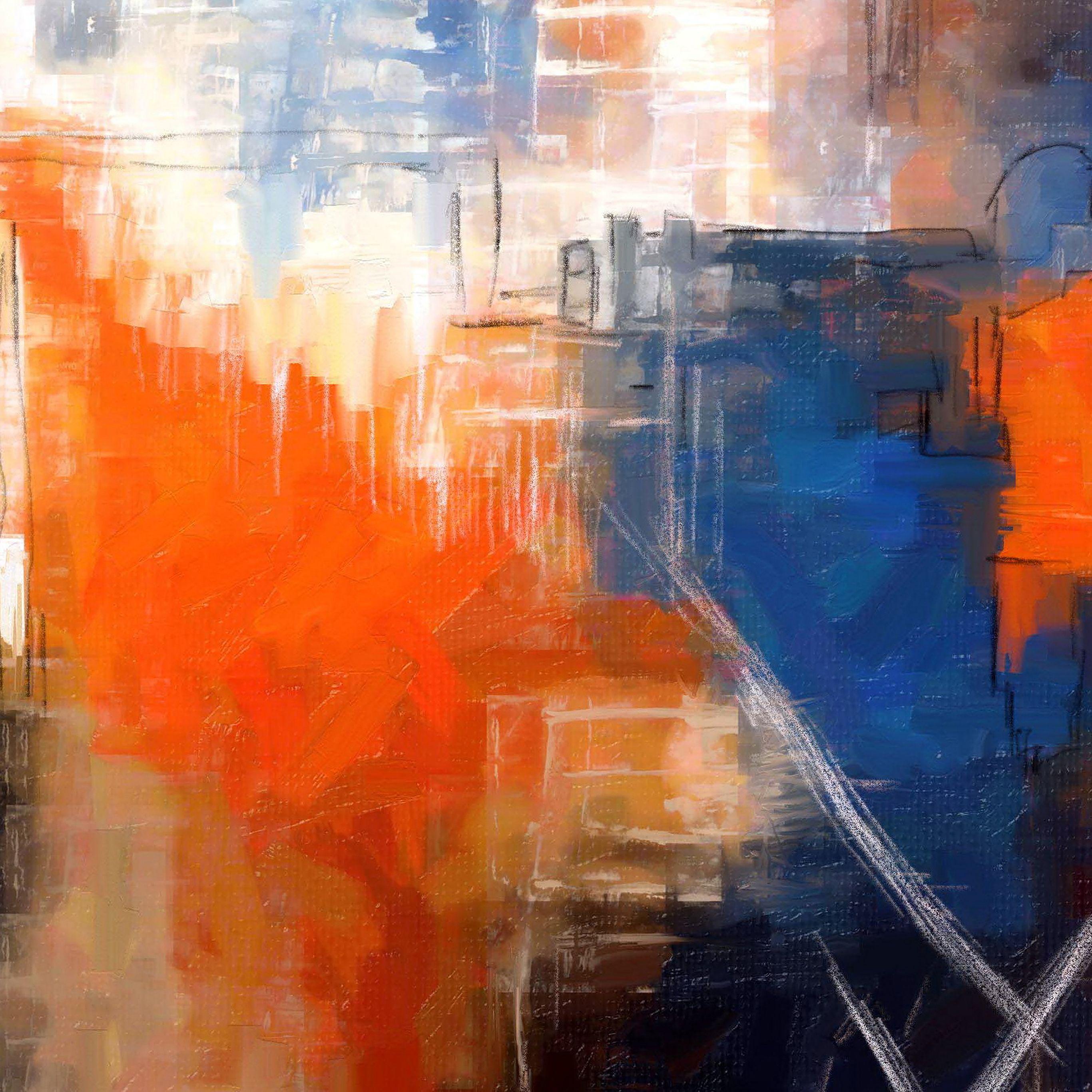
Breathtaking Art Of Paint Scene for Your Screen
Explore this high-quality art of paint image, perfect for enhancing your desktop or mobile wallpaper.
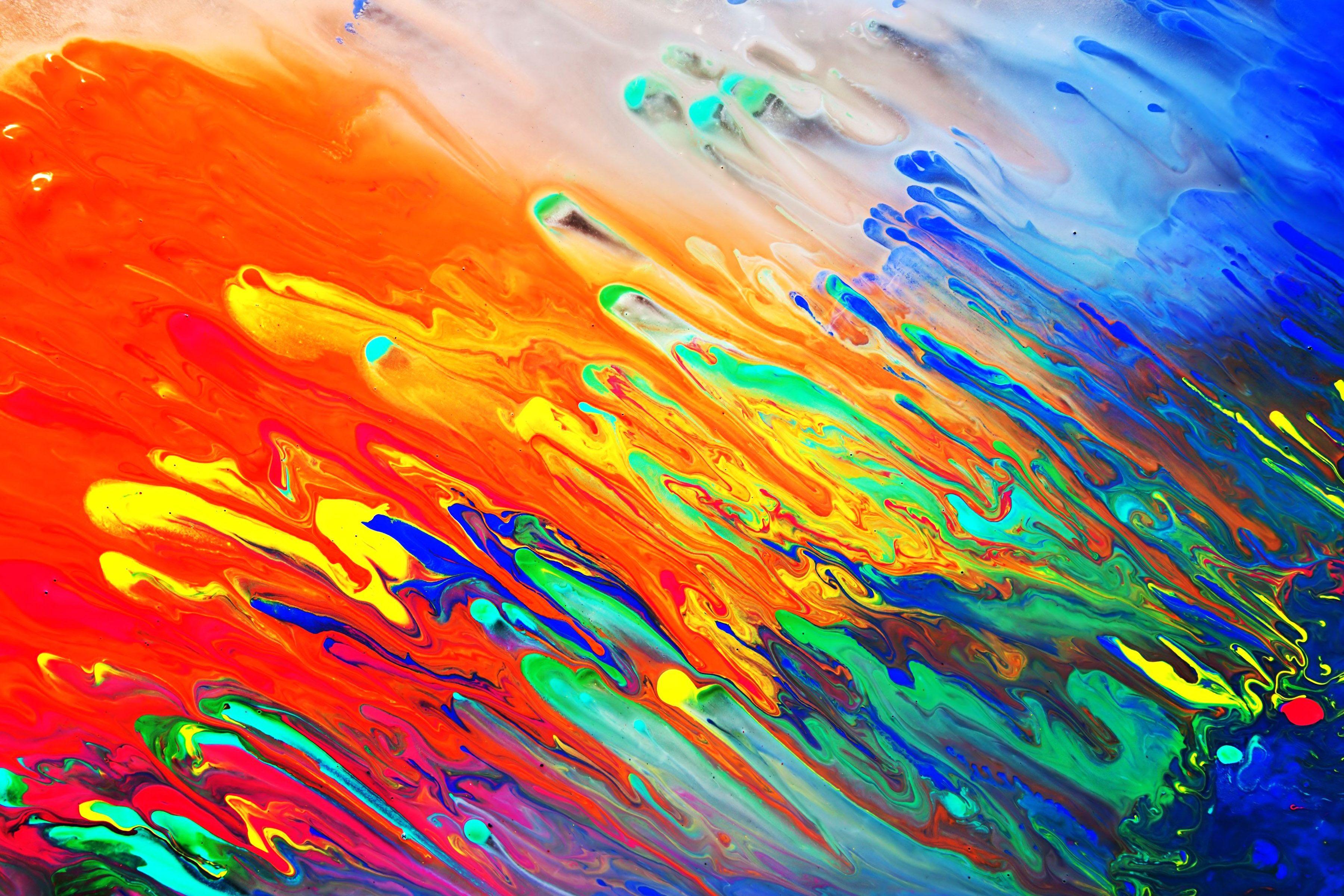
Vibrant Art Of Paint Abstract in HD
Transform your screen with this vivid art of paint artwork, a true masterpiece of digital design.
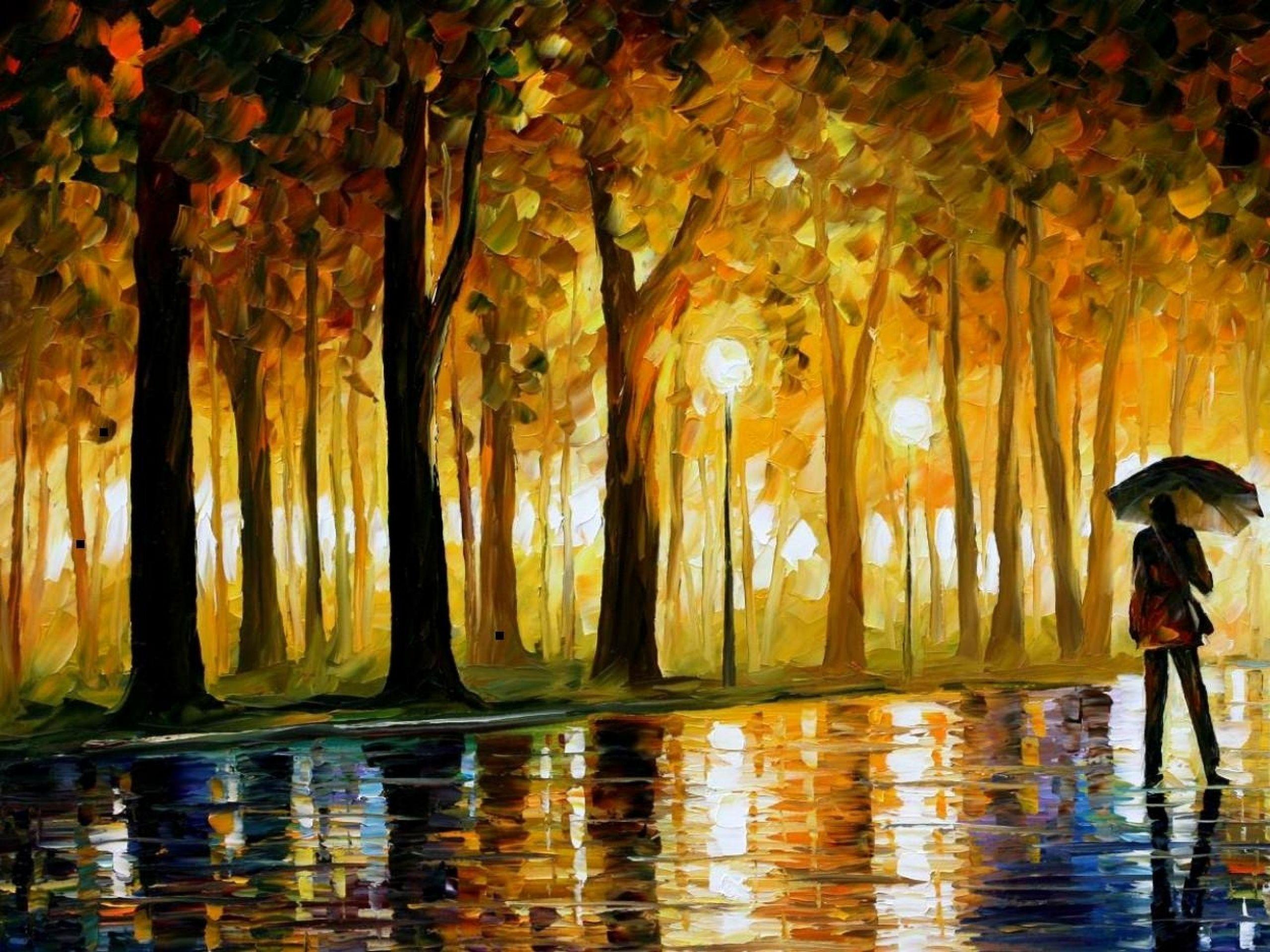
Gorgeous Art Of Paint Picture Nature
Find inspiration with this unique art of paint illustration, crafted to provide a fresh look for your background.
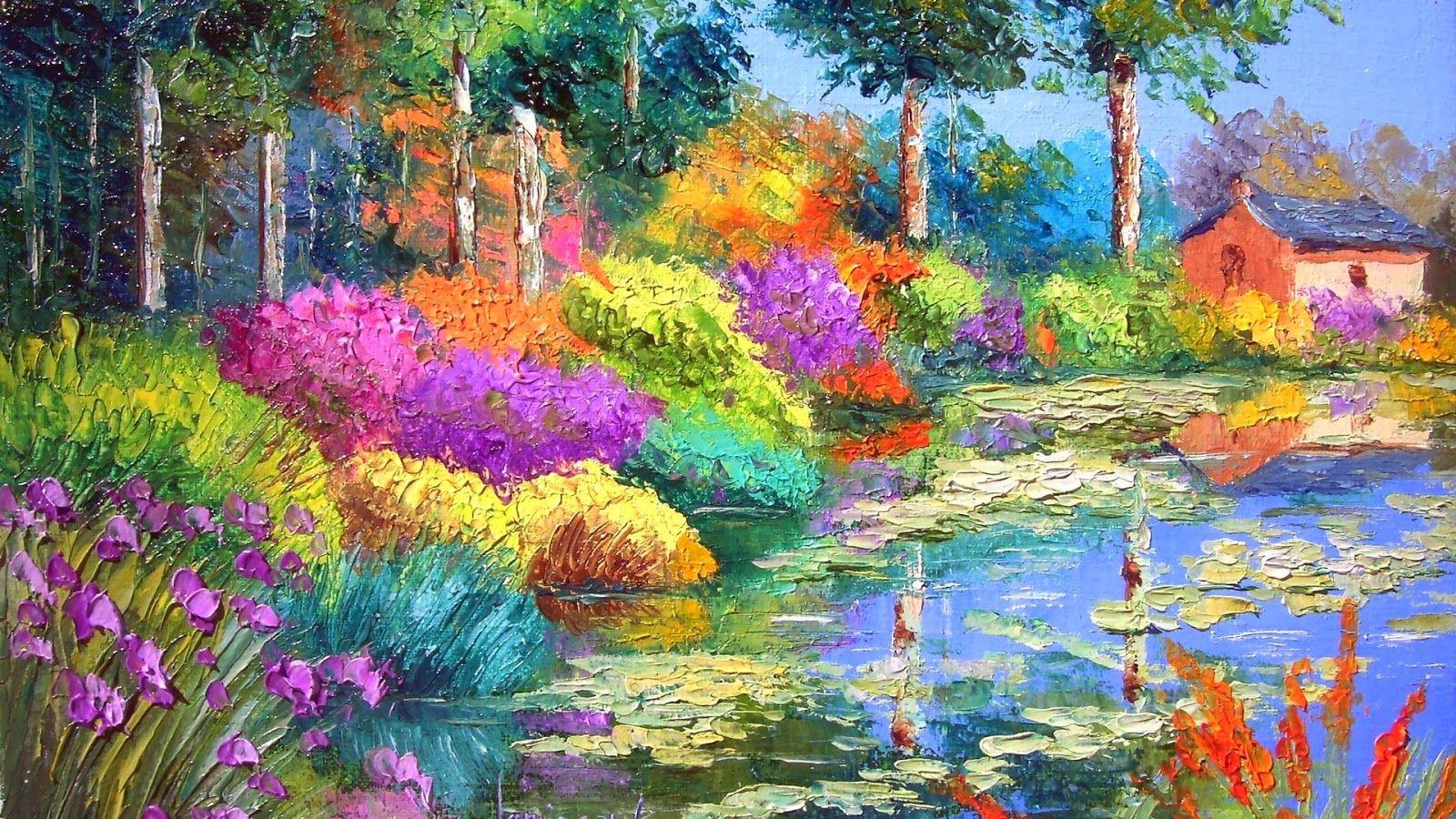
Lush Art Of Paint Background Nature
A captivating art of paint scene that brings tranquility and beauty to any device.
Beautiful Art Of Paint Landscape for Desktop
Transform your screen with this vivid art of paint artwork, a true masterpiece of digital design.
Vivid Art Of Paint Background in 4K
Transform your screen with this vivid art of paint artwork, a true masterpiece of digital design.
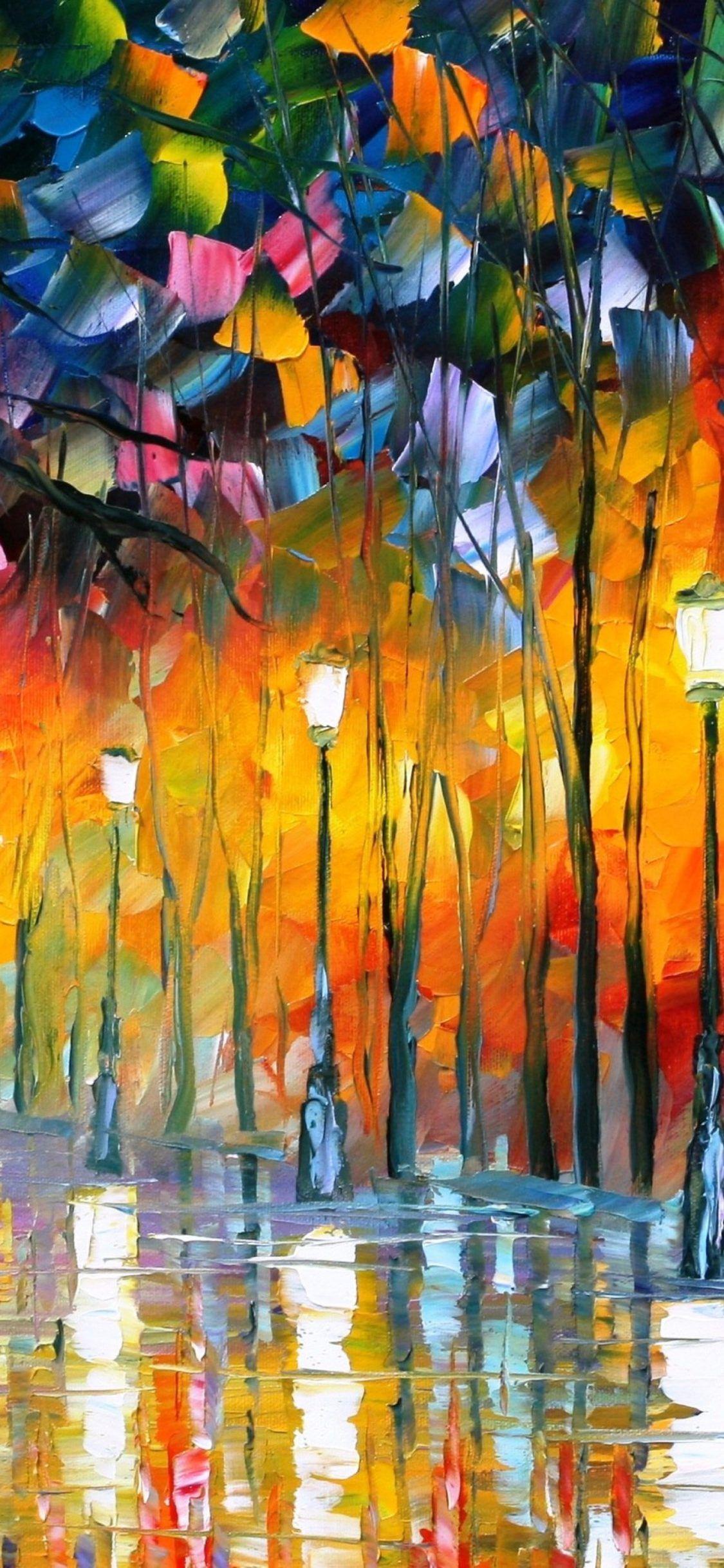
Lush Art Of Paint Scene Digital Art
Immerse yourself in the stunning details of this beautiful art of paint wallpaper, designed for a captivating visual experience.
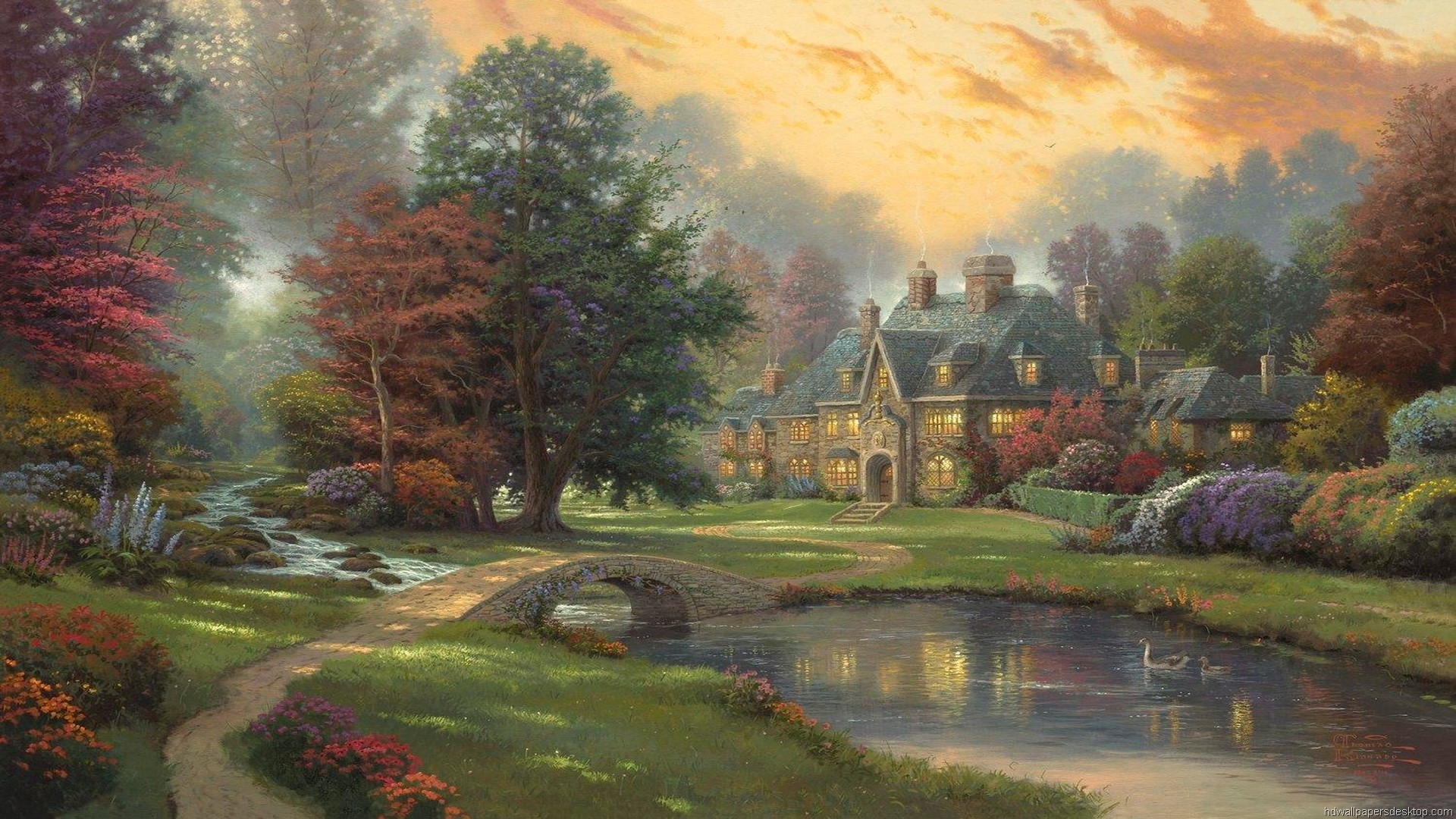
Exquisite Art Of Paint Background Art
This gorgeous art of paint photo offers a breathtaking view, making it a perfect choice for your next wallpaper.
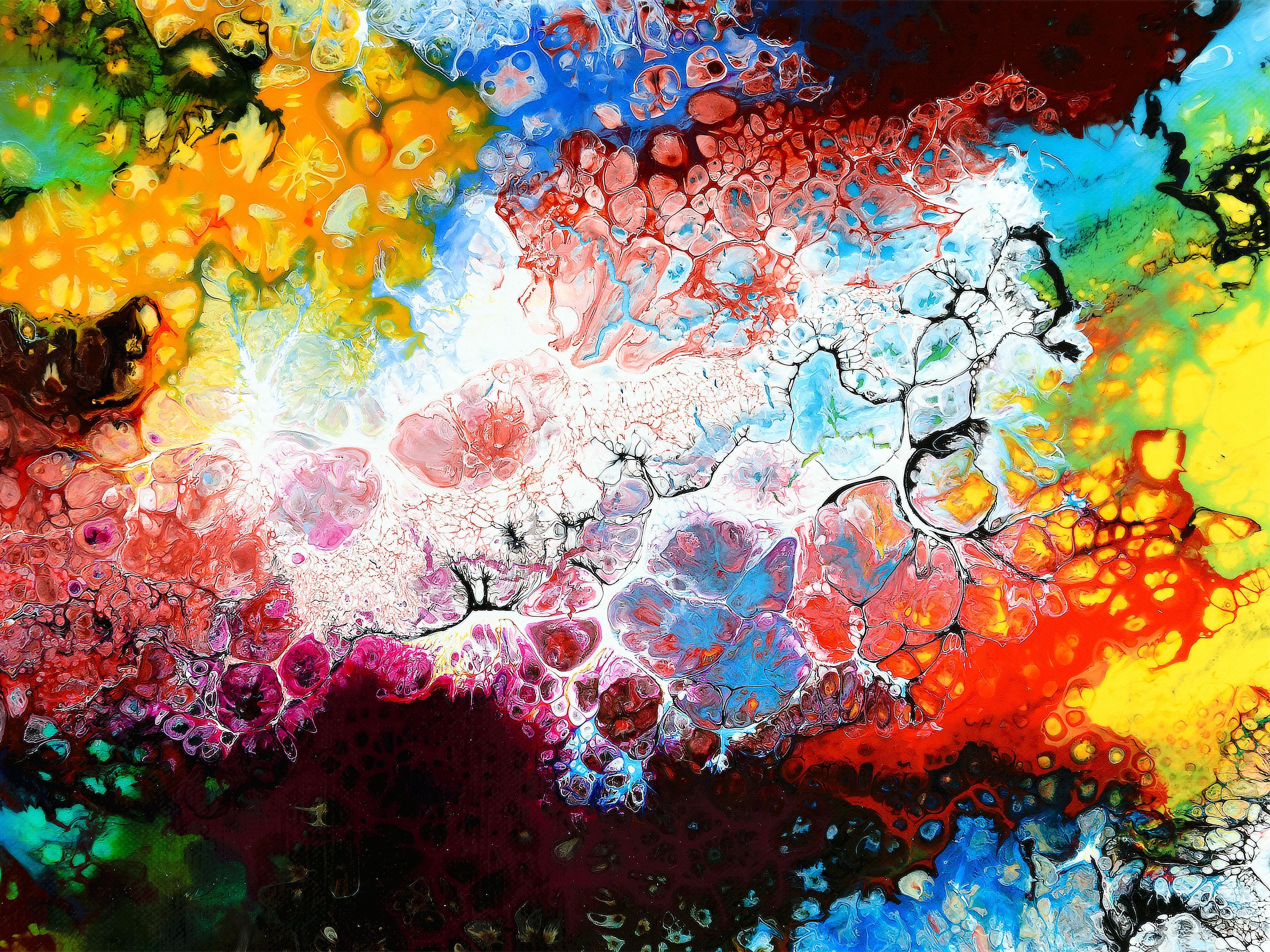
Amazing Art Of Paint Image Concept
Transform your screen with this vivid art of paint artwork, a true masterpiece of digital design.
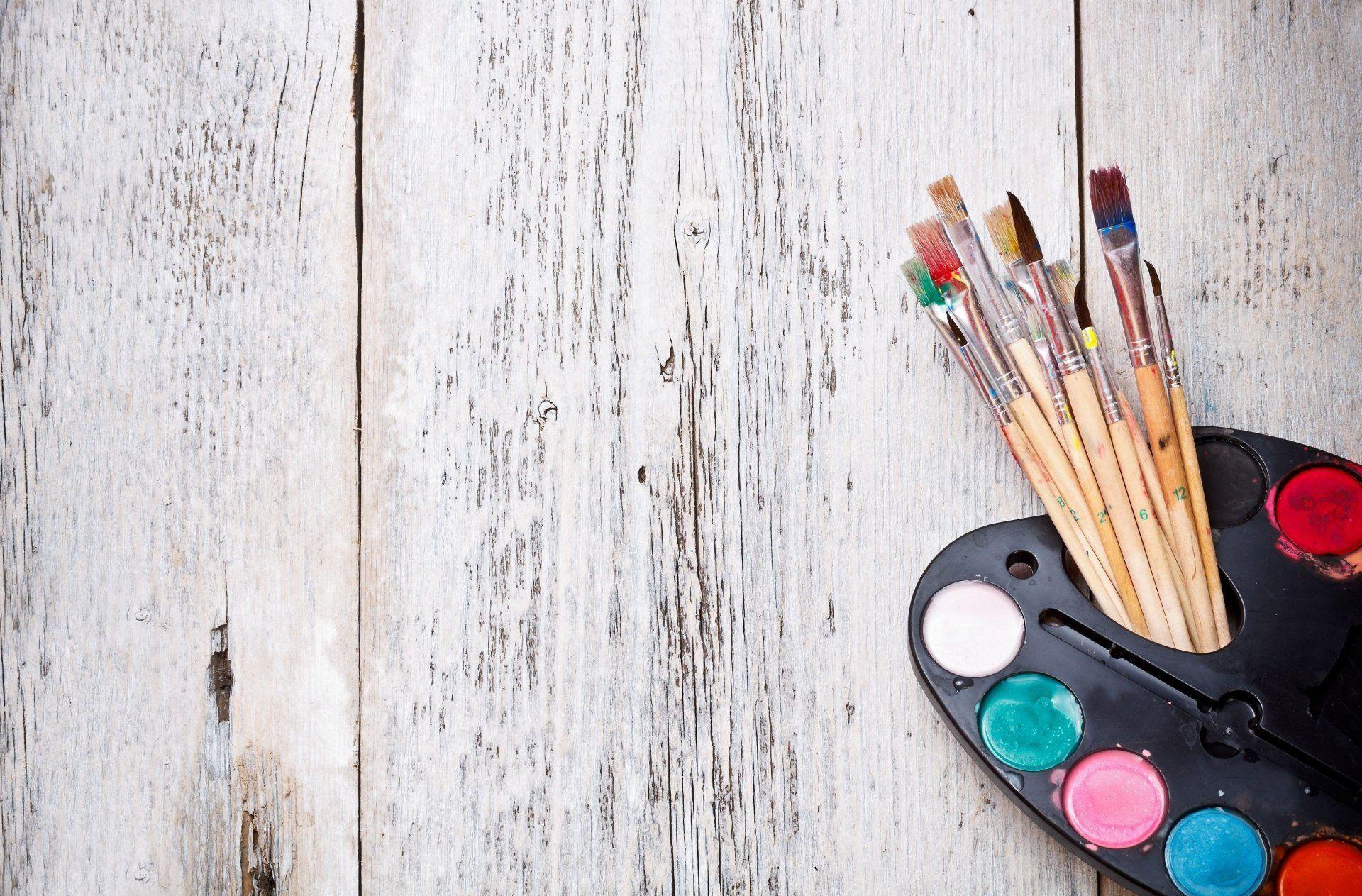
Captivating Art Of Paint Picture for Desktop
This gorgeous art of paint photo offers a breathtaking view, making it a perfect choice for your next wallpaper.
Download these art of paint wallpapers for free and use them on your desktop or mobile devices.