Can You Paint Your Car
Can You Paint Your Car Yourself? The Ultimate DIY Guide to a Fresh Finish
So, you're staring at your aging ride, noticing those unsightly scratches, fading clear coat, or perhaps you're just itching for a color change. The big question pops into your head: Can You Paint Your Car without breaking the bank at a professional body shop? We hear you!
Well, the short answer is a resounding yes! Painting your own car is absolutely possible and can be an incredibly rewarding DIY project. However, achieving a professional-looking finish requires meticulous planning, the right equipment, and a serious amount of patience. This guide will walk you through everything you need to know, from preparation to the final buff.
Absolutely! But Should You?
Just because you Can You Paint Your Car doesn't always mean you should jump straight into it. The decision often boils down to two things: your expectations and your available workspace. If you are aiming for a show-car quality, mirror-like finish, professional services are usually the best route.
However, if you are working on a daily driver, a project car, or simply want to protect the body from further rust and deterioration, DIY painting can save you thousands of dollars. It requires commitment, as a proper paint job is 90% preparation and 10% spraying.
The Pros and Cons of DIY Car Painting
Before investing in equipment and supplies, take a realistic look at the advantages and disadvantages of taking on this massive project yourself.
Pros:
- Cost Savings: You dramatically cut labor costs, which are often the largest expense at a professional shop.
- Satisfaction: There's huge pride in driving around in a car you personally refreshed.
- Control: You have complete control over the color, product quality, and finish type.
- Flexibility: You can work at your own pace, fitting the project around your schedule.
Cons:
- Quality Risk: Achieving a flawless finish without professional booth conditions is extremely difficult. Dust and humidity are major enemies.
- Time Commitment: The preparation alone can take weeks, not days.
- Equipment Cost: Initial investment in compressors, spray guns, and safety gear can be high.
- Safety Hazards: Automotive paints contain potent chemicals; proper respiratory protection is non-negotiable.
Preparation is 90% of the Job
Ask any successful DIY painter, and they will tell you that the magic happens long before the spray gun comes out. If the surface isn't perfect, the paint job won't be either. Period.
Essential Prep Steps You Can't Skip
Thorough preparation ensures adhesion and smoothness. Cutting corners here means guaranteeing a substandard result.
Surface Cleaning and Degreasing
The first step is washing the car meticulously. Use soap designed for cars and remove any residual wax, oil, or tar. After the initial wash, you must use a specialized degreaser or wax and grease remover recommended by your paint manufacturer. Silicone or wax residue will cause the paint to fisheye, which is a nightmare to fix.
Bodywork and Filling Imperfections
Dents and scratches must be filled with automotive body filler (Bondo) and sanded smooth. Even the smallest imperfection will be magnified tenfold once the glossy paint is applied. Take your time masking off areas like windows, trim, and lights. Use high-quality masking tape and plenty of paper or plastic sheeting.
Sanding Techniques Explained
Sanding creates the mechanical bond necessary for paint adhesion. If you are going down to bare metal, primer is essential. If you are painting over the existing finish, you need to scuff the entire surface until it's dull.
Here is a basic sanding schedule for prepping a car for primer and paint:
- Stripping (If needed): Start with 80-grit paper to remove old paint or rust areas.
- Body Filler Shaping: Use 180-grit to shape the filler until smooth.
- Priming Prep: Sand the entire car surface with 320-grit paper (or 400-grit for high-quality work).
- Primer Finishing: Once the primer is applied, block sand the primer coat using 600-grit wet sandpaper to ensure a perfectly flat surface for the color coat.
Choosing the Right Paint System
The type of paint you select drastically impacts the final result, cost, and complexity of application. Understanding the differences is key when you ask yourself, "Can You Paint Your Car effectively?"
Different Types of Automotive Paint
- Single Stage Urethane: This is the easiest DIY option. The color and the clear coat are mixed together, meaning you spray only one product. It's durable and offers a good gloss, perfect for beginners.
- Basecoat/Clearcoat (Two Stage): This is the professional standard. You spray the color (basecoat) first, which dries flat, and then you spray the clear coat over it for protection and gloss. This system offers superior shine and durability but requires more precise application.
- Acrylic Enamel: While cheaper, these paints often take a long time to cure and do not offer the same longevity or chip resistance as urethanes.
Essential Tools for the Home Painter
A successful paint job hinges on high-quality equipment, particularly the compressor and the spray gun.
- Air Compressor: Needs to be powerful enough (minimum 20-30 gallon tank, 5-6 CFM at 90 PSI) to maintain consistent pressure without dropping mid-spray.
- HVLP Spray Gun: High Volume Low Pressure guns are essential for minimizing overspray and maximizing paint transfer efficiency.
- Respirator: A professional, NIOSH-approved respirator is mandatory. Isocyanates found in hardeners are toxic and can cause long-term health issues.
- Air Filter/Water Trap: Essential for preventing moisture and oil from your compressor line from contaminating the paint.
The Painting Process: Step-by-Step
Once your area is clean (wet the floor to keep dust down!) and your primer is sanded smooth, you are ready to apply color. Always test your spray pattern and settings on a scrap panel first!
- Tack Rag Wipe: Just before spraying, gently wipe the entire car with a tack cloth to pick up any last dust particles.
- Apply the First Coat (Mist Coat): Spray a very light, almost dry coat. This helps adhesion and ensures subsequent coats stick well without running.
- Apply Full Coats: Following the manufacturer's specified flash time (usually 10-20 minutes between coats), apply medium wet coats, overlapping each pass by 50%. Keep the gun moving at a consistent speed and distance.
- Apply Clear Coat (Two-Stage Systems): Once the basecoat has flashed (it will look dull), apply 2-3 coats of clear coat, ensuring the last coat is applied wet for maximum gloss.
- Curing: Allow the paint to dry and cure according to the product guidelines. This can take several days to a week before wet sanding and buffing can begin.
Conclusion
So, Can You Paint Your Car? Absolutely, yes, but it's a commitment that demands respect for the process. If you follow the detailed preparation steps—sanding, filling, and cleaning—and invest in proper safety gear and decent tools, you can achieve a very impressive finish right in your garage.
Remember, patience is your best friend throughout this DIY project. Don't rush the flash times, don't skimp on the clear coat, and always prioritize a clean environment. Good luck with your fresh paint job!
Frequently Asked Questions (FAQ)
- Can I paint my car with spray cans?
- While you technically can, aerosol cans do not provide the durable finish, precise fan pattern, or long-term UV resistance of professional automotive paint systems. They are best reserved for small parts or minor touch-ups, not for painting an entire car.
- How long does a DIY car paint job last?
- If you use high-quality 2K urethane paint (basecoat/clearcoat or single stage) and prep the surface correctly, a DIY paint job can easily last 5 to 10 years, comparable to factory paint longevity.
- How much does it cost to paint a car myself?
- The cost varies widely based on the quality of materials and existing equipment. Expect to spend between $500 and $1500 just on materials (primer, paint, clear coat, thinners, body filler, sandpaper, tape) for an average-sized car.
- Do I need a special paint booth?
- While a professional paint booth offers the best results, many successful DIY jobs are done in a well-ventilated garage. The key is controlling dust. You can minimize dust by hanging plastic sheeting and wetting the floor before spraying.
Can You Paint Your Car
Can You Paint Your Car Wallpapers
Collection of can you paint your car wallpapers for your desktop and mobile devices.
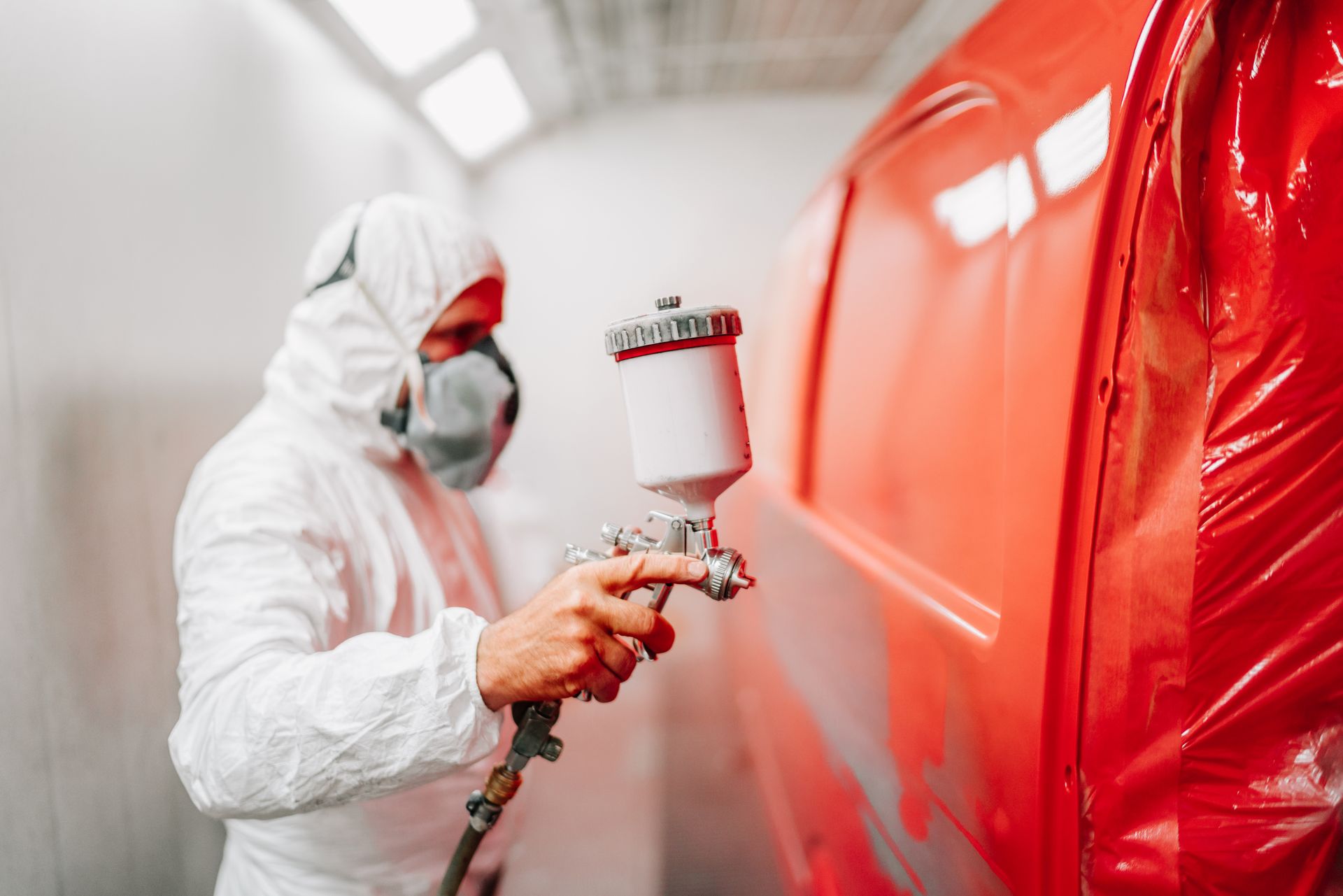
Amazing Can You Paint Your Car Design Nature
Experience the crisp clarity of this stunning can you paint your car image, available in high resolution for all your screens.
Spectacular Can You Paint Your Car Photo Collection
Immerse yourself in the stunning details of this beautiful can you paint your car wallpaper, designed for a captivating visual experience.

Detailed Can You Paint Your Car Photo Digital Art
Transform your screen with this vivid can you paint your car artwork, a true masterpiece of digital design.

Breathtaking Can You Paint Your Car Scene for Your Screen
Transform your screen with this vivid can you paint your car artwork, a true masterpiece of digital design.
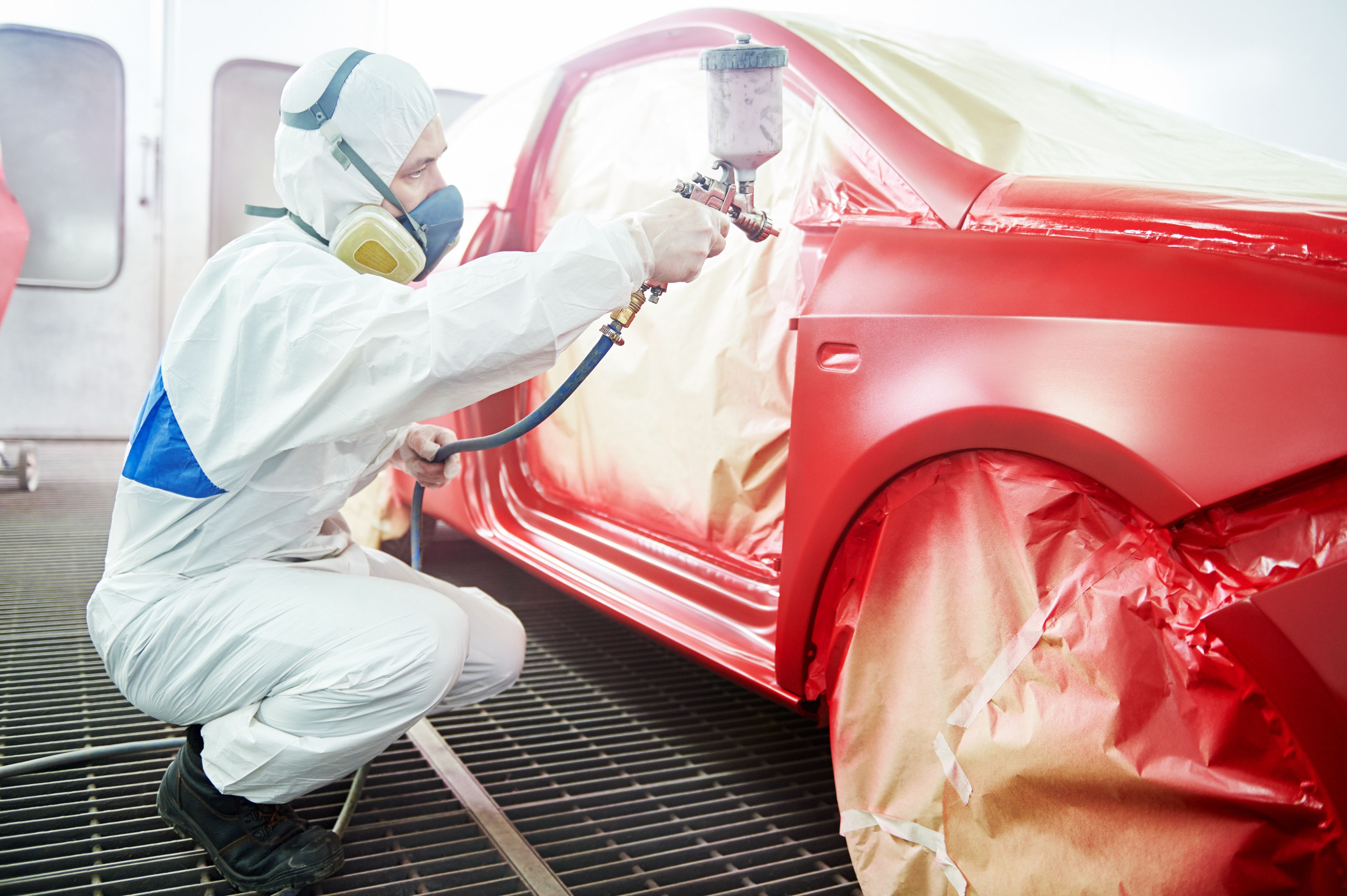
Stunning Can You Paint Your Car Image Art
Find inspiration with this unique can you paint your car illustration, crafted to provide a fresh look for your background.
Vibrant Can You Paint Your Car Landscape Illustration
Transform your screen with this vivid can you paint your car artwork, a true masterpiece of digital design.

Vivid Can You Paint Your Car Image Art
Experience the crisp clarity of this stunning can you paint your car image, available in high resolution for all your screens.

Spectacular Can You Paint Your Car Scene Nature
Immerse yourself in the stunning details of this beautiful can you paint your car wallpaper, designed for a captivating visual experience.

Mesmerizing Can You Paint Your Car Abstract for Mobile
Transform your screen with this vivid can you paint your car artwork, a true masterpiece of digital design.

Lush Can You Paint Your Car Artwork Collection
A captivating can you paint your car scene that brings tranquility and beauty to any device.
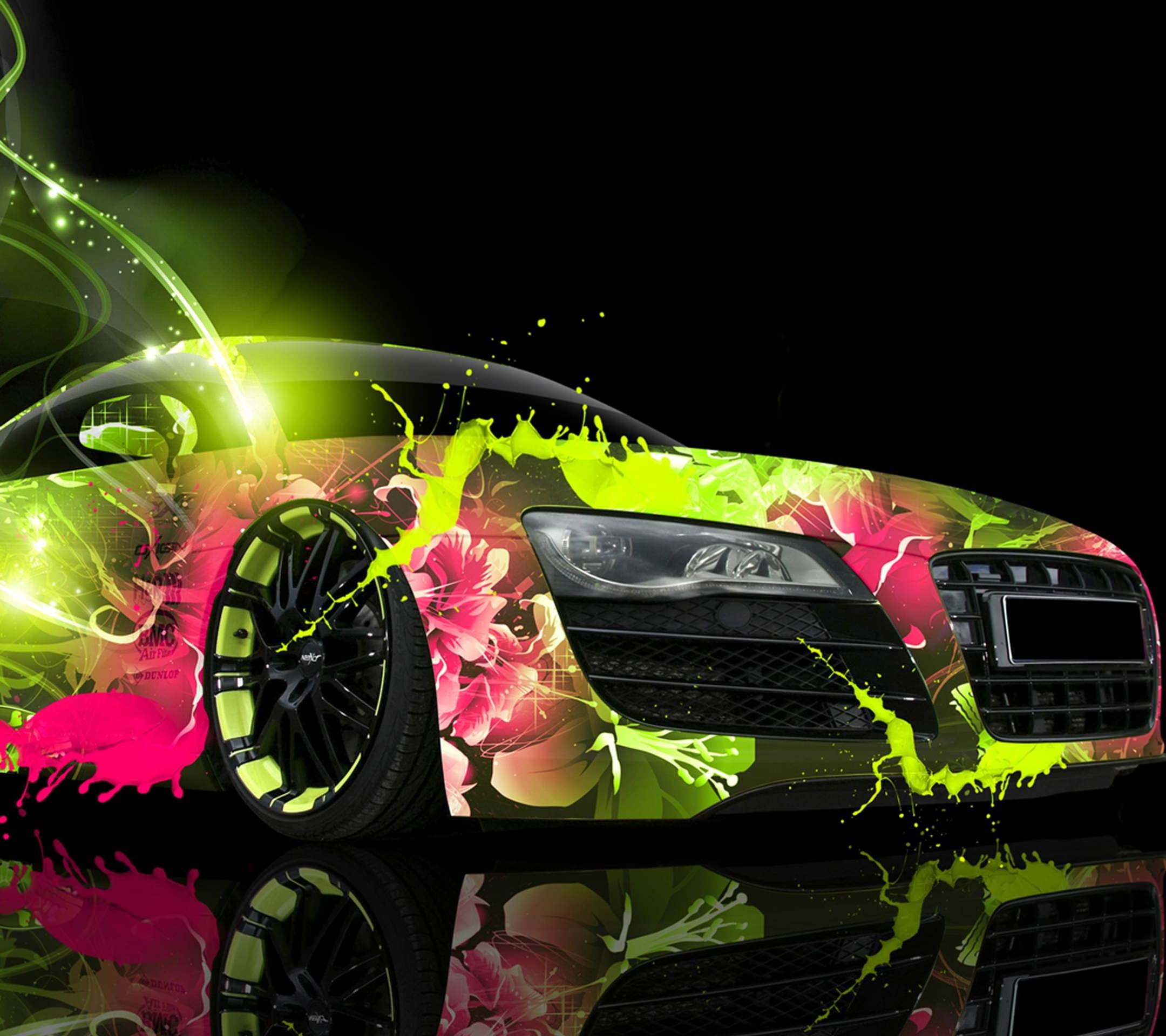
Gorgeous Can You Paint Your Car View in 4K
Find inspiration with this unique can you paint your car illustration, crafted to provide a fresh look for your background.
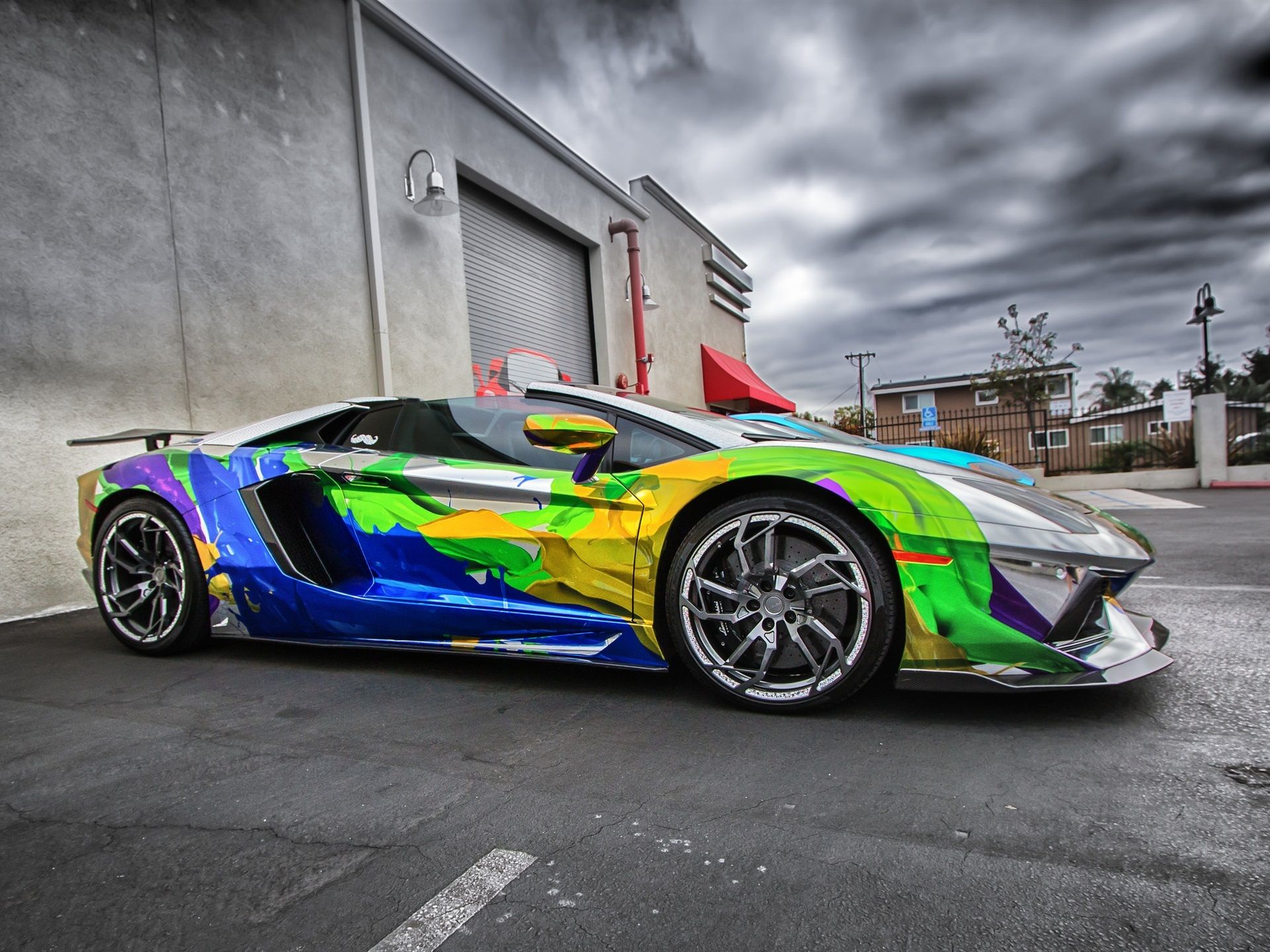
Dynamic Can You Paint Your Car Scene Digital Art
This gorgeous can you paint your car photo offers a breathtaking view, making it a perfect choice for your next wallpaper.
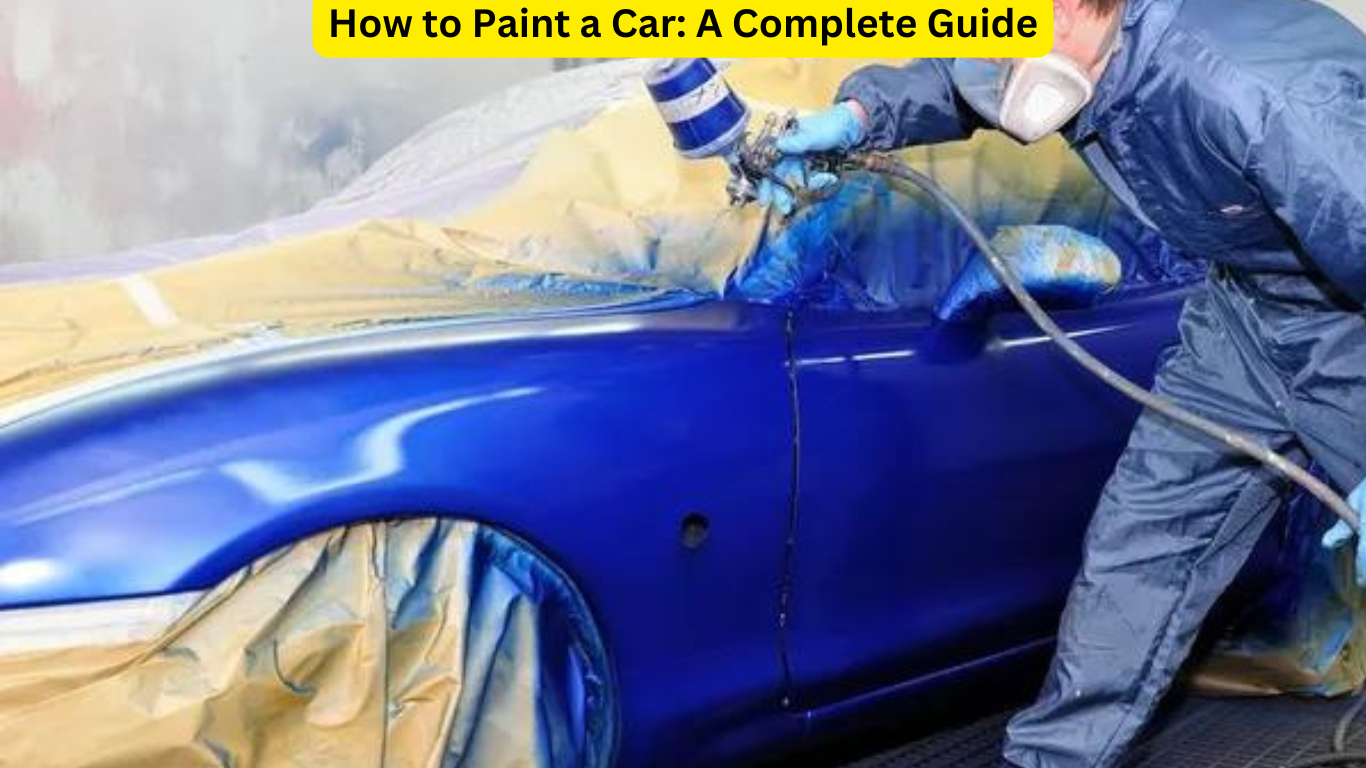
Stunning Can You Paint Your Car Wallpaper Collection
This gorgeous can you paint your car photo offers a breathtaking view, making it a perfect choice for your next wallpaper.

Detailed Can You Paint Your Car Moment for Desktop
Explore this high-quality can you paint your car image, perfect for enhancing your desktop or mobile wallpaper.

Serene Can You Paint Your Car Scene in HD
Transform your screen with this vivid can you paint your car artwork, a true masterpiece of digital design.

Mesmerizing Can You Paint Your Car Picture for Your Screen
Transform your screen with this vivid can you paint your car artwork, a true masterpiece of digital design.

Detailed Can You Paint Your Car View for Your Screen
Experience the crisp clarity of this stunning can you paint your car image, available in high resolution for all your screens.
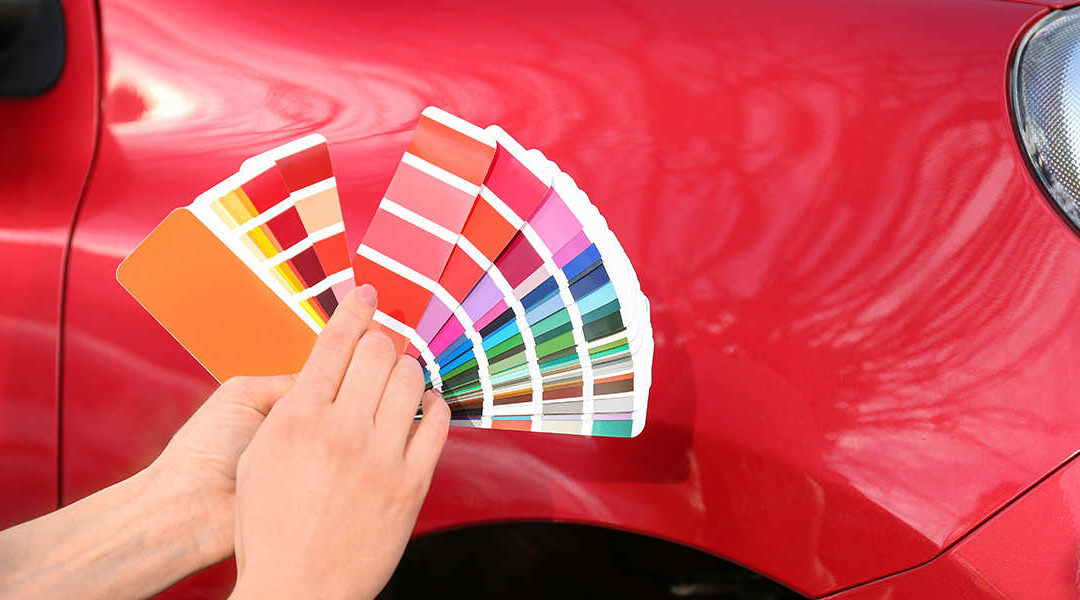
Serene Can You Paint Your Car View Digital Art
Explore this high-quality can you paint your car image, perfect for enhancing your desktop or mobile wallpaper.

Spectacular Can You Paint Your Car Photo Art
This gorgeous can you paint your car photo offers a breathtaking view, making it a perfect choice for your next wallpaper.
Dynamic Can You Paint Your Car Image in HD
Immerse yourself in the stunning details of this beautiful can you paint your car wallpaper, designed for a captivating visual experience.
Download these can you paint your car wallpapers for free and use them on your desktop or mobile devices.