Car Paint Application
Master the Art of Car Paint Application: Your Comprehensive Guide
Thinking about giving your ride a stunning makeover? Whether you are repairing a small scratch or embarking on a full restoration, understanding professional Car Paint Application is essential. It's more than just spraying color; it's a careful, multi-step process that determines durability, shine, and overall aesthetic appeal.
This guide will walk you through every critical stage, ensuring you have the knowledge to achieve that coveted factory-finish look. Get ready to dive deep into primers, base coats, and the all-important clear coat. Let's get that paint job looking flawless!
Why Understanding Car Paint Application Matters
Many DIY mistakes happen simply because people underestimate the complexity of modern automotive painting. A great finish isn't achieved by accident; it requires patience, precision, and adherence to specific technical requirements. If you skip steps, you risk issues like peeling, fading, or poor adhesion down the road.
Learning the proper techniques ensures longevity and maximizes the visual impact of your chosen color. Moreover, professional-grade Car Paint Application significantly boosts the resale value of your vehicle.
The Critical First Step: Surface Preparation
Ask any expert, and they will tell you that preparation is 80% of the job. You cannot apply new paint successfully over dirt, rust, old flaky coatings, or grease. Proper surface preparation guarantees that the new paint adheres strongly and evenly.
Here are the key stages for prepping the surface:
- Sanding: Remove all imperfections, existing clear coat, and rust. Start with coarse sandpaper and gradually move to a finer grit (usually ending around 320 to 400 grit before priming).
- Cleaning: Use a specialized degreaser or wax and grease remover. This step eliminates contaminants that could cause "fish eyes" or bubbling in the final finish.
- Masking: Carefully tape off windows, trims, rubber seals, and any area you do not want painted. High-quality masking tape is essential for sharp lines.
Decoding the Stages of Car Paint Application
Modern automotive painting systems are typically composed of three distinct layers, each serving a vital purpose. Understanding this process is fundamental to proper Car Paint Application.
Primer Application: The Foundation
The primer layer acts as a crucial bonding agent between the bare metal or existing filler and the new color coat. It also fills in minor sanding scratches and provides corrosion resistance. There are different types of primers, like epoxy (best for bare metal) and high-build (great for filling small imperfections).
When applying primer, aim for two to three medium coats, allowing adequate flash time between each one. After the primer cures, it must be finely sanded, usually with 600 to 800 grit, to create a perfectly smooth, receptive surface for the base coat.
Base Coat Application: Bringing the Color
The base coat is where the magic truly happens; this layer provides the color and effect (e.g., metallic, pearl). Applying the base coat evenly is critical to avoid "striping" or dark patches, especially with metallic colors.
You generally need two to four coats of base color to achieve full coverage. Consistency is key here. Hold the spray gun at a constant distance and move your arm at a steady speed across the panel. Wait for the paint to become fully matte (the flash time) before applying the next coat.
Clear Coat Application: Protection and Shine
The clear coat is arguably the most important step for aesthetics and protection. This transparent layer provides UV resistance, scratch protection, and that deep, glossy shine we all love. High-quality 2K (two-component) clear coats offer superior durability.
Clear coat is typically applied in two to three "wet" coats. Unlike the base coat, you want the clear coat to flow out smoothly, but you must be careful not to apply too much too quickly, which leads to runs or sags. Proper clear coat application requires practice and a keen eye on the material flow.
Essential Tools and Environment for a Flawless Finish
Even the best paint in the world will look terrible if applied with the wrong equipment or in a dusty environment. Investing in the right tools and controlling your surroundings are non-negotiable parts of successful Car Paint Application.
Choosing the Right Spray Gun Setup
Your spray gun is the main instrument. For automotive use, HVLP (High Volume Low Pressure) guns are standard because they maximize transfer efficiency and minimize overspray. You will need different nozzle sizes for different materials.
Here is a guide for tip sizes:
- Primer: 1.7mm to 2.0mm (Requires a wider opening for thicker material).
- Base Coat: 1.2mm to 1.4mm (A finer mist is needed for metallic effects).
- Clear Coat: 1.3mm to 1.5mm (Allows for good flow and depth).
Maintaining the Ideal Painting Environment
Dust and temperature fluctuations are the enemies of a perfect paint job. Ideally, painting should be done in a dedicated, sealed booth with filtered air intake and extraction. If you are painting at home, minimize dust by wetting the floor and ensuring good ventilation.
Maintain temperatures between 65°F and 75°F (18°C and 24°C). If it is too cold, the paint will be thick and cure slowly; if it is too hot, it will flash too quickly, leading to uneven drying and poor flow.
Common Pitfalls and Troubleshooting
Even experienced painters encounter issues. Knowing how to spot and fix these problems can save your project. Most common issues stem from poor surface preparation or improper gun technique.
- Orange Peel: This textured, bumpy appearance usually means the paint was too thick, the air pressure was too low, or you did not apply enough clear coat for it to flow out smoothly. Sanding and polishing can often fix minor orange peel.
- Runs and Sags: These occur when too much paint is applied in one spot or the paint is too thin. This is a common issue with clear coats. Catch them early; if cured, they must be sanded down completely and reapplied.
- Fish Eyes: Small circular craters caused by silicone, wax, or oil contaminants on the surface. Thorough cleaning before painting is the only prevention. If they appear, you might need a specialized "fish eye eliminator" additive, or in severe cases, the panel must be sanded back down.
Remember that mastering professional Car Paint Application takes time. Don't be discouraged by mistakes; view them as learning opportunities.
Wrapping Up Your Car Paint Application Journey
Achieving a professional finish through careful Car Paint Application is incredibly rewarding. We've covered everything from the crucial preparatory steps—which ensure paint adhesion and durability—to the detailed layering of primer, base coat, and clear coat. Always prioritize a clean environment and use the correct spray gun settings for each material.
While the process is detailed, patience and attention to detail will transform your vehicle. Take your time, focus on consistent technique, and soon you'll be admiring a deep, lustrous finish that looks factory fresh. Happy painting!
Frequently Asked Questions (FAQ) About Car Paint Application
- What is the difference between single-stage and two-stage paint?
- Single-stage paint combines the color pigment and the protective clear coat into one product. Two-stage (or three-stage) involves a separate base coat for color and a separate clear coat for gloss and protection. Two-stage systems are standard today because they provide superior depth and durability.
- How long should I wait between coats of paint?
- The waiting time, known as "flash time," depends heavily on the type of paint, thinner, humidity, and temperature. For base coats, typically wait until the surface turns matte (usually 5 to 15 minutes). For clear coats, follow the product datasheet, but generally 10 to 20 minutes is common between wet coats.
- Do I need to sand the base coat before applying the clear coat?
- No, sanding the base coat is generally discouraged, especially with metallic colors, as it can disrupt the metallic flake orientation and cause dull spots. The clear coat should be applied directly over the fully flashed but uncured base coat to ensure a strong chemical bond.
- What is the best way to achieve a high gloss after Car Paint Application?
- The high gloss comes primarily from the quality and proper application of the clear coat. After the clear coat is fully cured (which can take 24 hours to several days), you can enhance the depth and shine by wet sanding (using very fine grit, 1500 to 3000) and then machine polishing the surface.
Car Paint Application
Car Paint Application Wallpapers
Collection of car paint application wallpapers for your desktop and mobile devices.
Captivating Car Paint Application Design in 4K
A captivating car paint application scene that brings tranquility and beauty to any device.
Spectacular Car Paint Application Photo Collection
Immerse yourself in the stunning details of this beautiful car paint application wallpaper, designed for a captivating visual experience.

Dynamic Car Paint Application Landscape for Desktop
Find inspiration with this unique car paint application illustration, crafted to provide a fresh look for your background.
Gorgeous Car Paint Application View in 4K
Find inspiration with this unique car paint application illustration, crafted to provide a fresh look for your background.
Dynamic Car Paint Application Scene in HD
A captivating car paint application scene that brings tranquility and beauty to any device.

Captivating Car Paint Application Capture Digital Art
Find inspiration with this unique car paint application illustration, crafted to provide a fresh look for your background.

Artistic Car Paint Application Picture in 4K
This gorgeous car paint application photo offers a breathtaking view, making it a perfect choice for your next wallpaper.
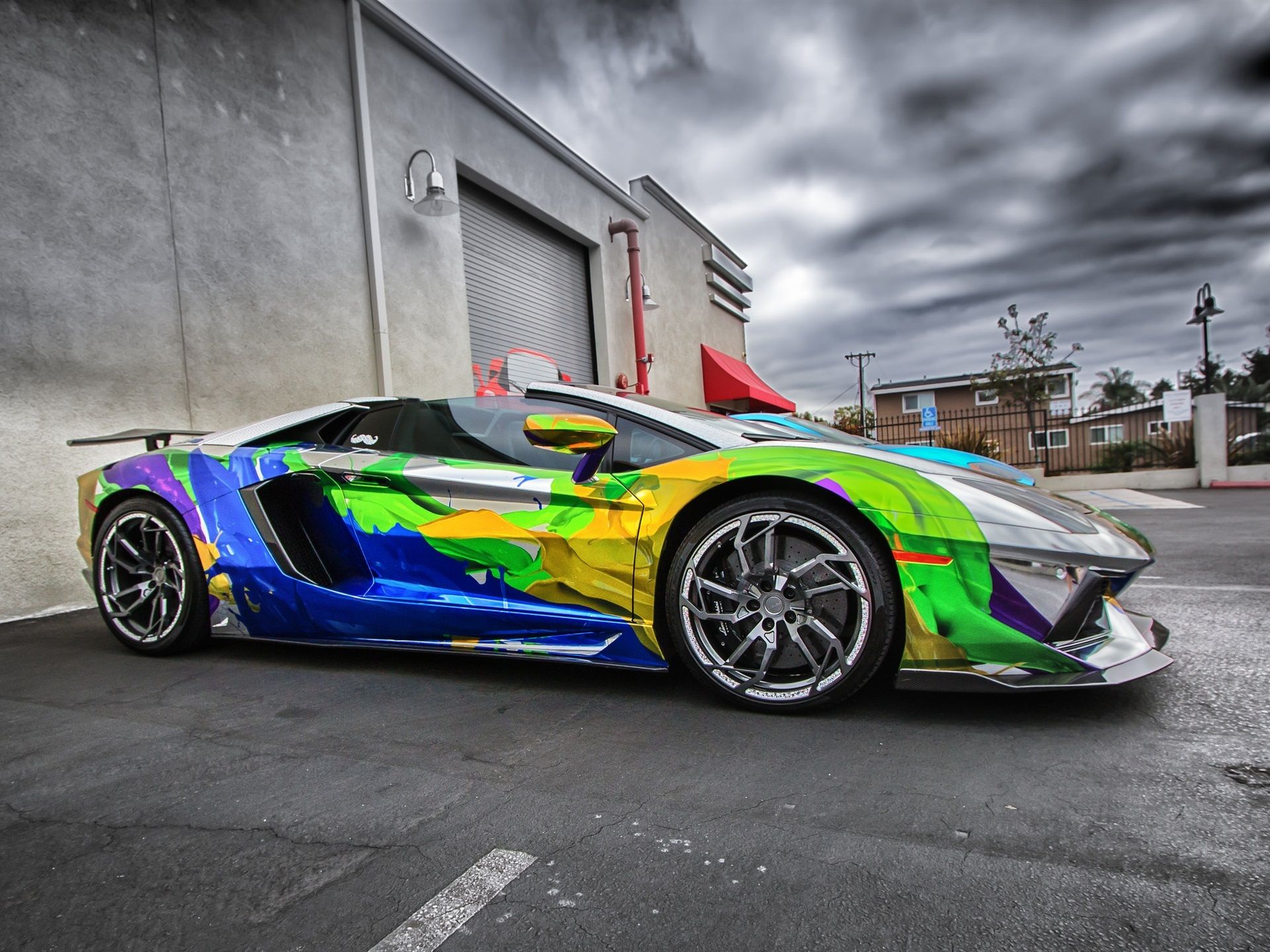
Dynamic Car Paint Application Scene Digital Art
This gorgeous car paint application photo offers a breathtaking view, making it a perfect choice for your next wallpaper.
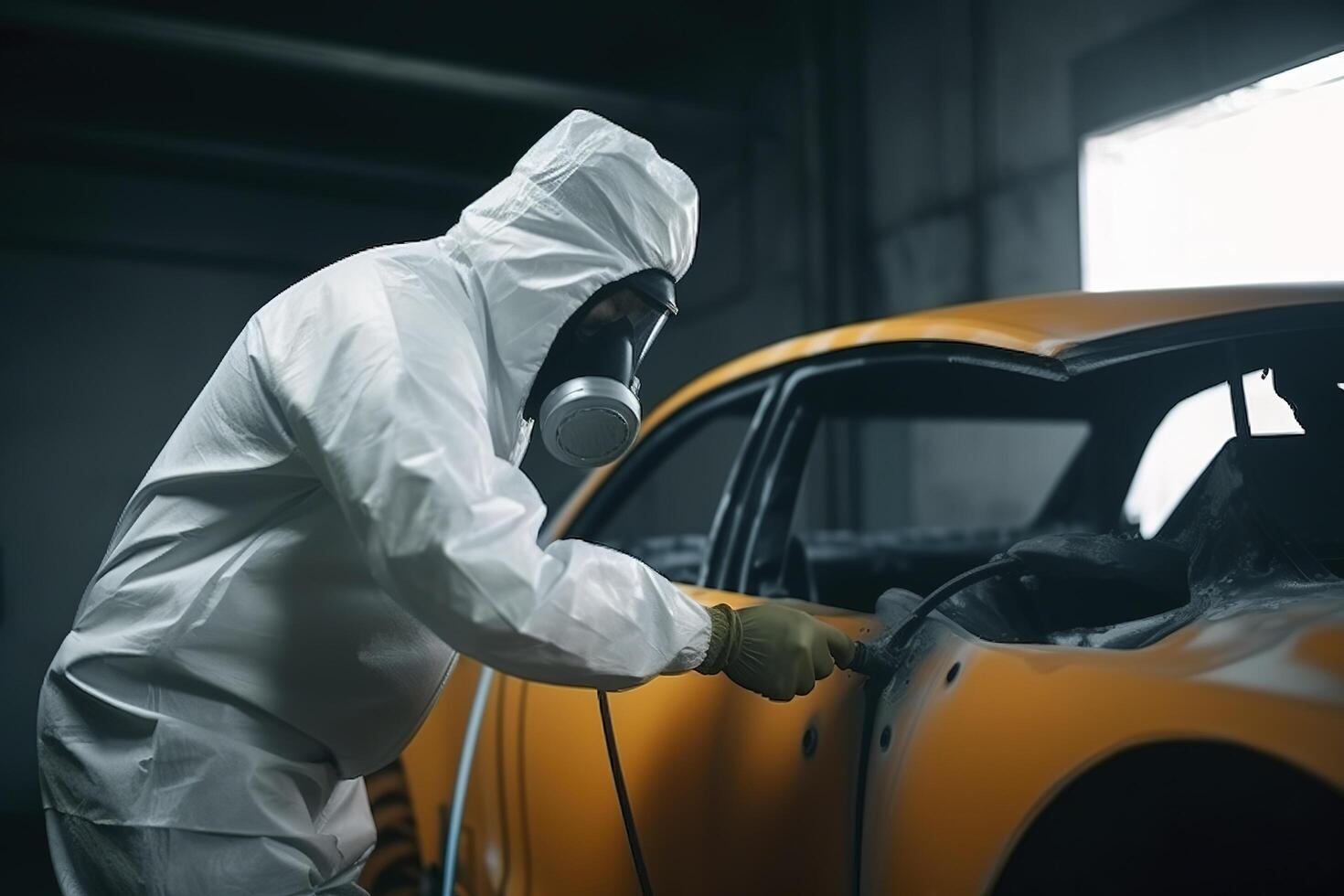
Lush Car Paint Application Moment Illustration
A captivating car paint application scene that brings tranquility and beauty to any device.

Artistic Car Paint Application Photo for Your Screen
Find inspiration with this unique car paint application illustration, crafted to provide a fresh look for your background.
Vibrant Car Paint Application Picture Digital Art
Experience the crisp clarity of this stunning car paint application image, available in high resolution for all your screens.

Exquisite Car Paint Application Artwork for Mobile
A captivating car paint application scene that brings tranquility and beauty to any device.
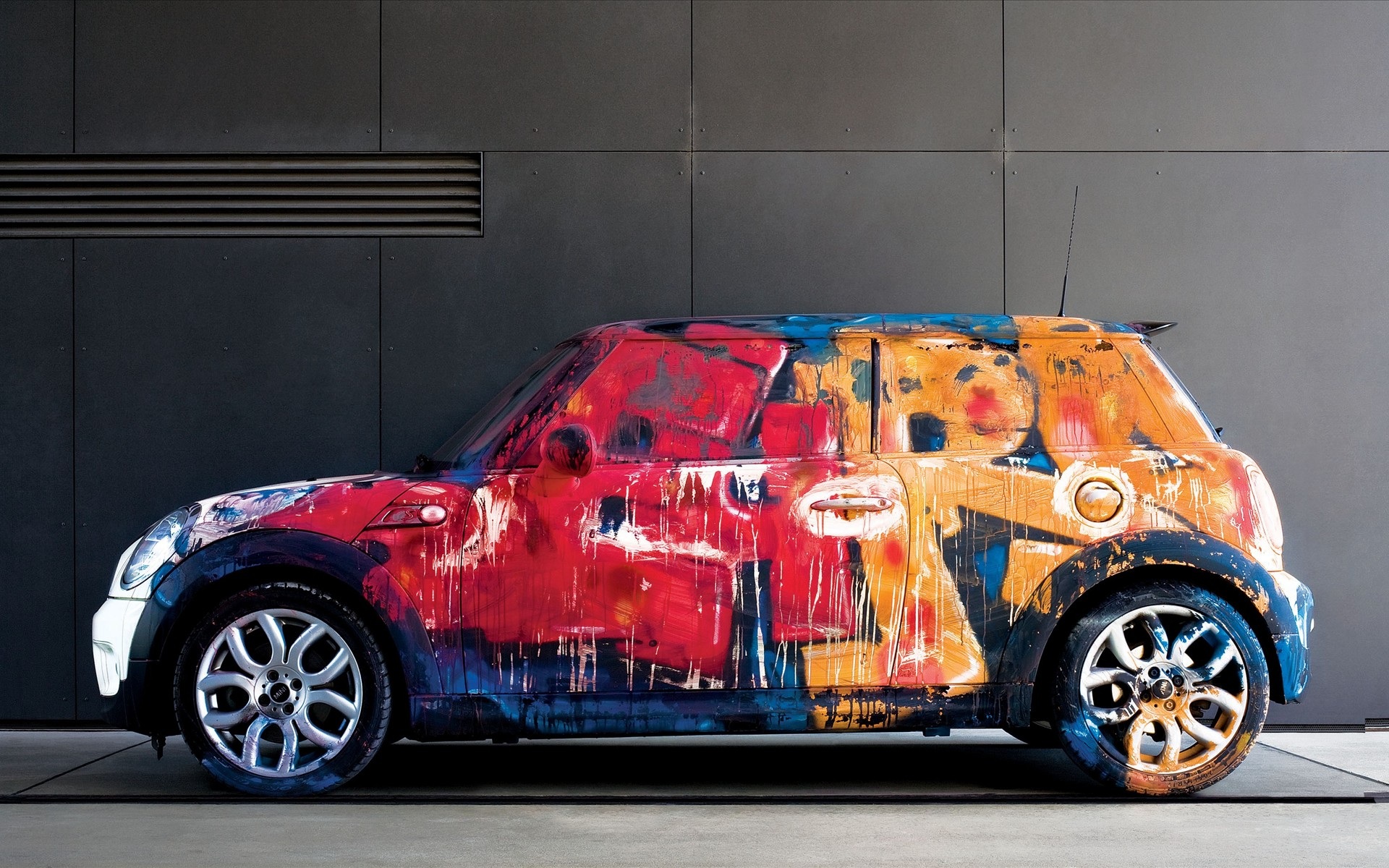
Exquisite Car Paint Application Design in HD
This gorgeous car paint application photo offers a breathtaking view, making it a perfect choice for your next wallpaper.
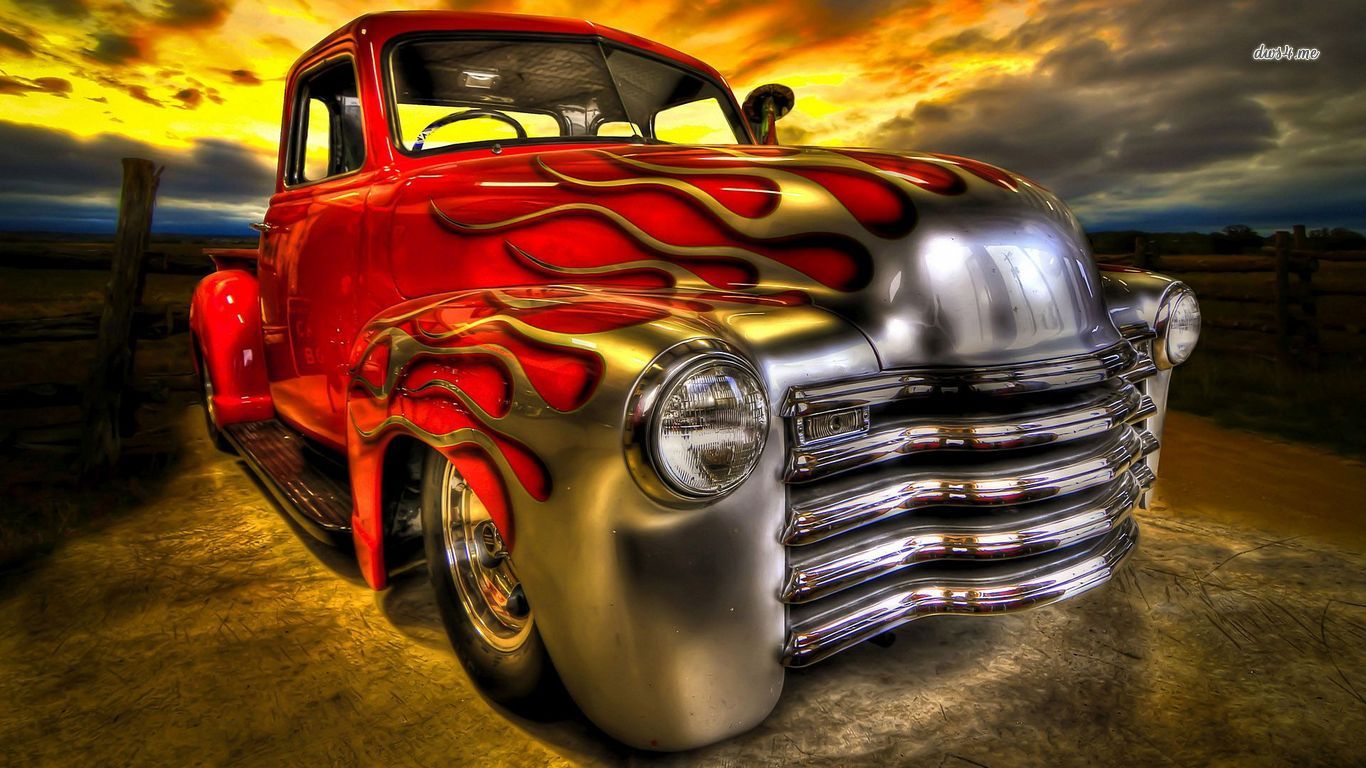
Artistic Car Paint Application Capture Nature
Immerse yourself in the stunning details of this beautiful car paint application wallpaper, designed for a captivating visual experience.
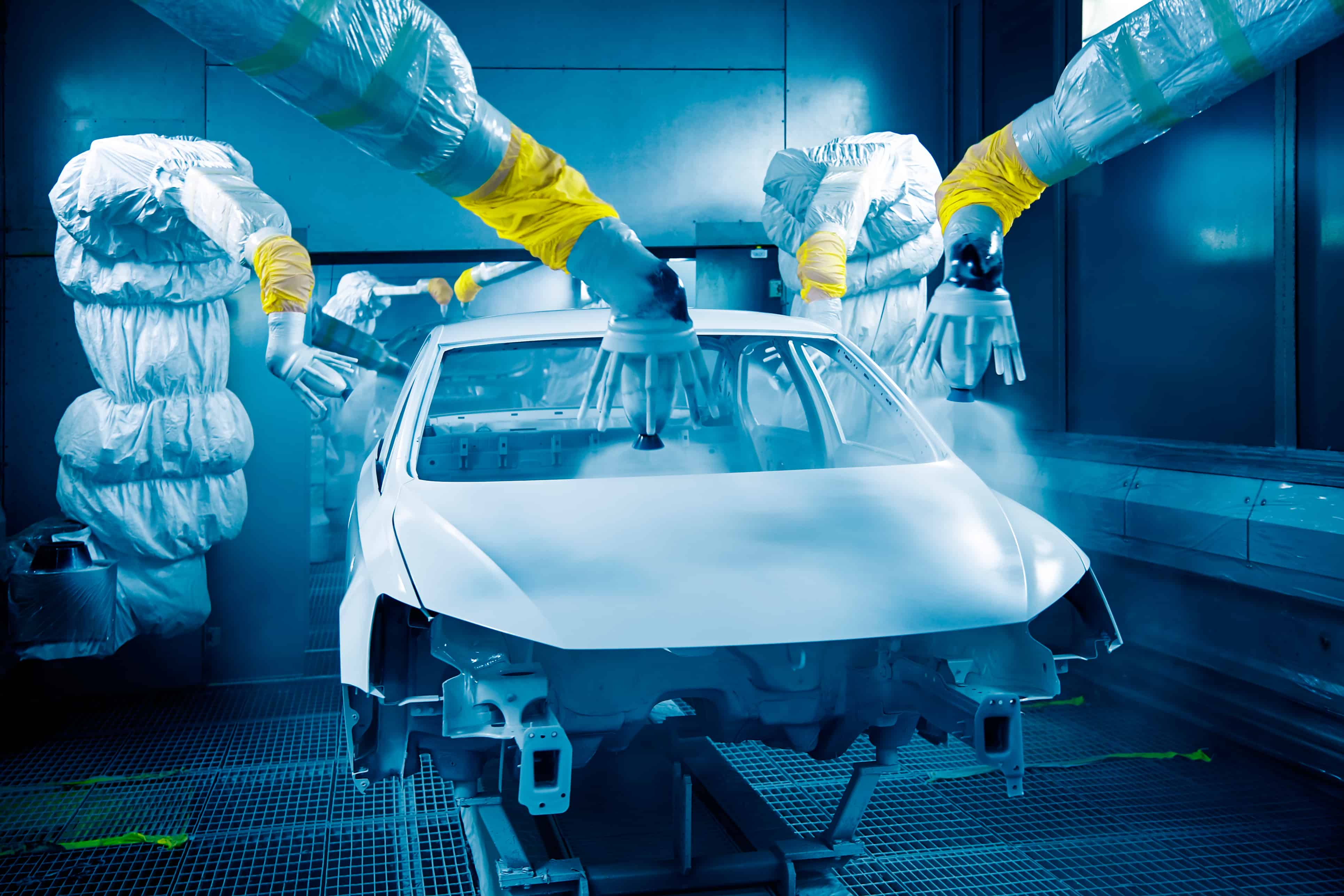
Stunning Car Paint Application Photo Art
Find inspiration with this unique car paint application illustration, crafted to provide a fresh look for your background.
Dynamic Car Paint Application Capture in 4K
This gorgeous car paint application photo offers a breathtaking view, making it a perfect choice for your next wallpaper.
Artistic Car Paint Application Picture Illustration
A captivating car paint application scene that brings tranquility and beauty to any device.
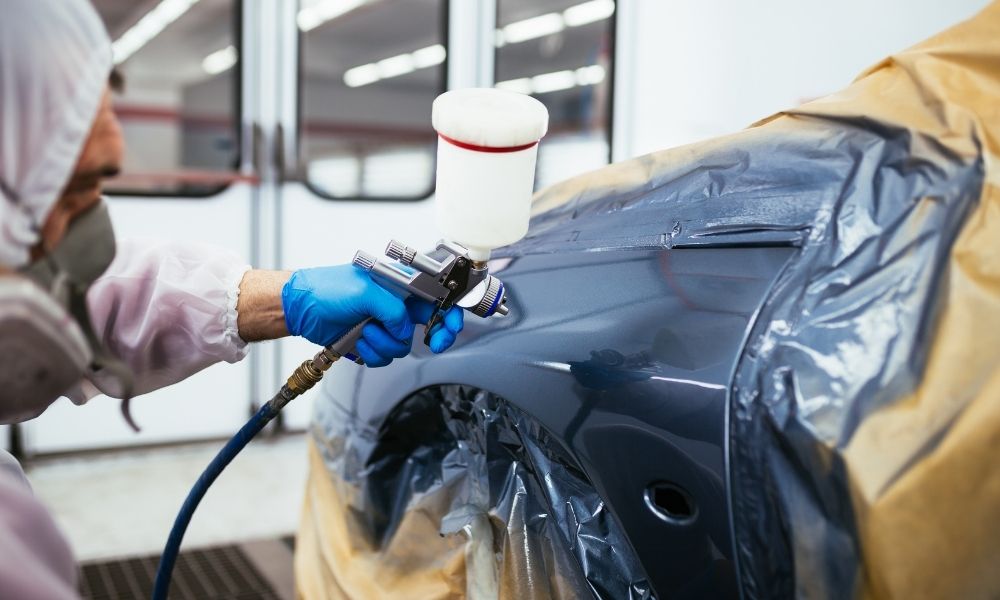
Detailed Car Paint Application Landscape in 4K
Transform your screen with this vivid car paint application artwork, a true masterpiece of digital design.
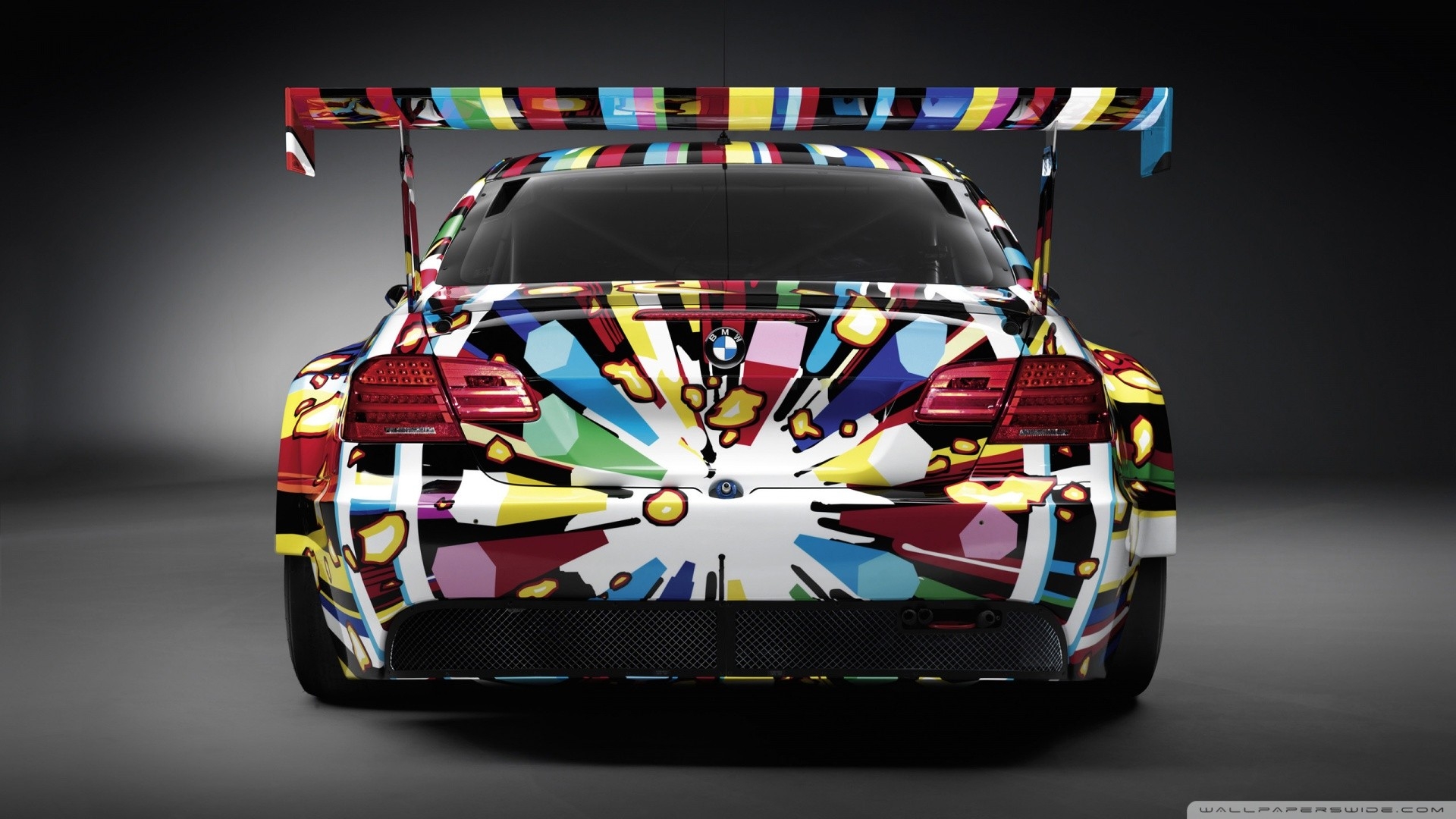
Serene Car Paint Application Abstract for Desktop
Discover an amazing car paint application background image, ideal for personalizing your devices with vibrant colors and intricate designs.
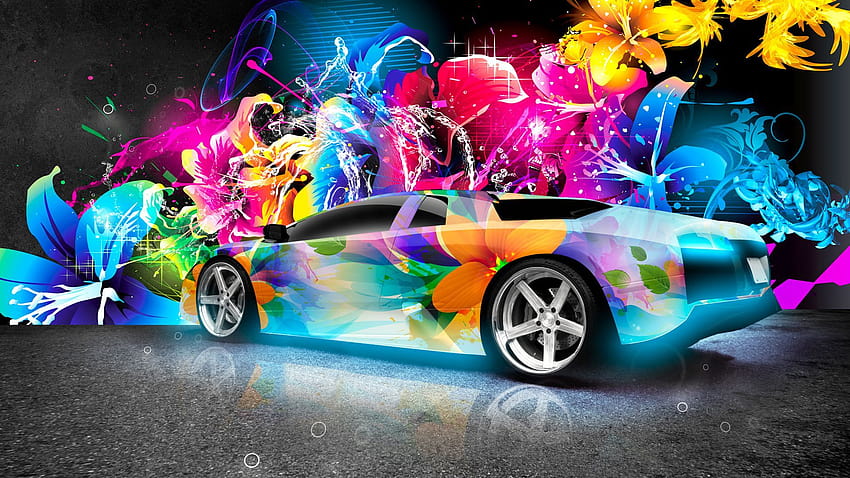
Crisp Car Paint Application Picture for Your Screen
Find inspiration with this unique car paint application illustration, crafted to provide a fresh look for your background.
Download these car paint application wallpapers for free and use them on your desktop or mobile devices.