Hospitals may implement surge capacity if more turn to public healthcare options after IP rider changes: MOH
Hospitals May Implement Surge Capacity If More Turn to Public Healthcare Options After IP Rider Changes: MOH
The landscape of Singapore's healthcare financing is undergoing a profound transformation. The Ministry of Health (MOH) recently issued a crucial alert, signalling that public hospitals might be forced to activate "surge capacity" protocols should a significant number of patients shift their preference towards subsidised public healthcare options. This potential shift is directly linked to the widespread changes being implemented across Integrated Shield Plan (IP) riders, moving away from 100% 'zero deductible' coverage.
For many Singaporeans, the convenience and assurance of full private coverage have been standard for years. Take, for instance, Mr. Tan, a 55-year-old manager, who recently received notice about changes to his IP rider. "I've been paying for premium coverage for two decades so I wouldn't have to worry about bills," he shares. "Now, with the introduction of deductibles and co-payment, that choice is becoming expensive. If I have a major surgery, paying 5% of a huge bill is still a substantial amount. It makes me seriously consider opting for a B1 ward in a public hospital, which I previously avoided."
Mr. Tan's contemplation is mirrored by thousands across the island. The central concern for MOH is the sudden influx of patients who, seeking to minimize their new out-of-pocket expenses, bypass private healthcare in favour of the public system, particularly the subsidised Class B2 or C wards. This movement could place immense strain on the existing infrastructure, impacting waiting times and resource allocation across the board.
The Rider Rework: Understanding the Policy Shift
The core issue stems from the evolution of Integrated Shield Plans (IPs). These plans, offered by private insurers, supplement the compulsory government-run MediShield Life scheme, providing coverage for private hospitals or higher-class wards in public institutions. For years, 'full riders' were popular, covering the deductible and co-insurance components entirely, meaning policyholders paid virtually nothing for their treatment.
However, the unlimited coverage model proved unsustainable. It incentivised over-treatment and inflated claims, leading to rapidly rising premiums. In response, regulators mandated standardisation, focusing on encouraging shared responsibility in healthcare costs.
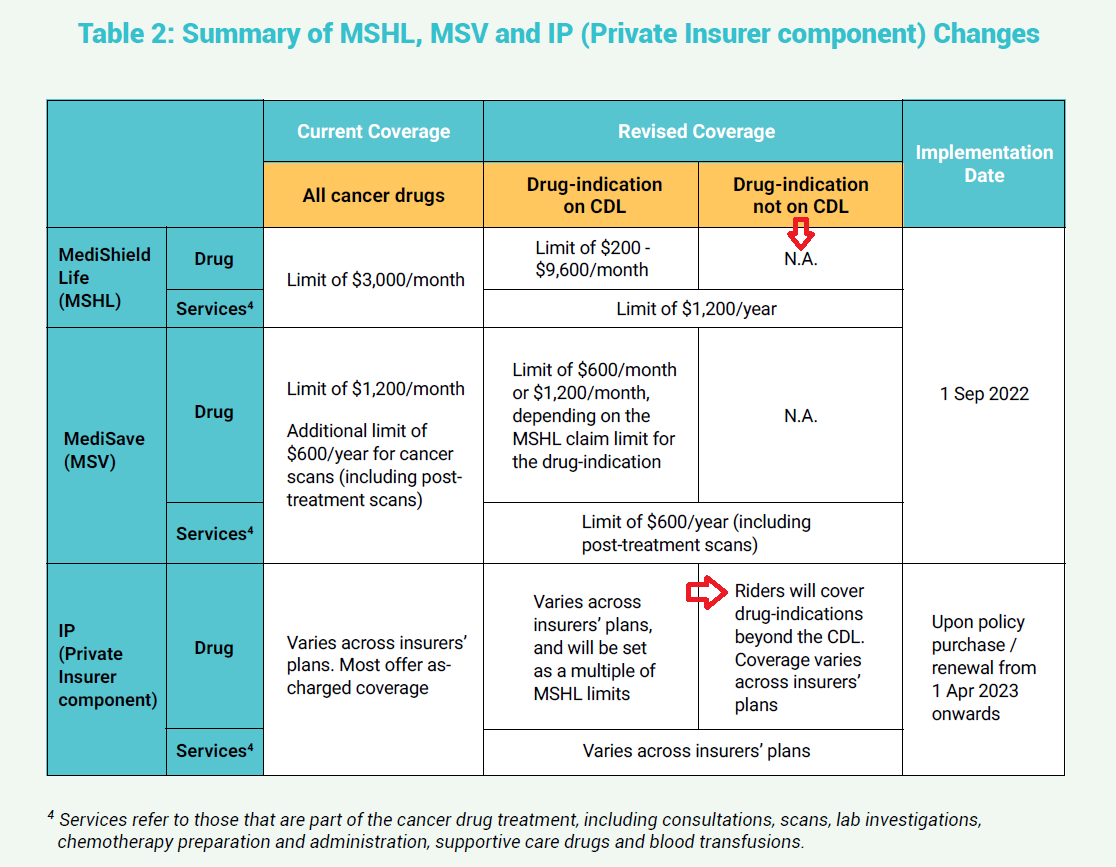
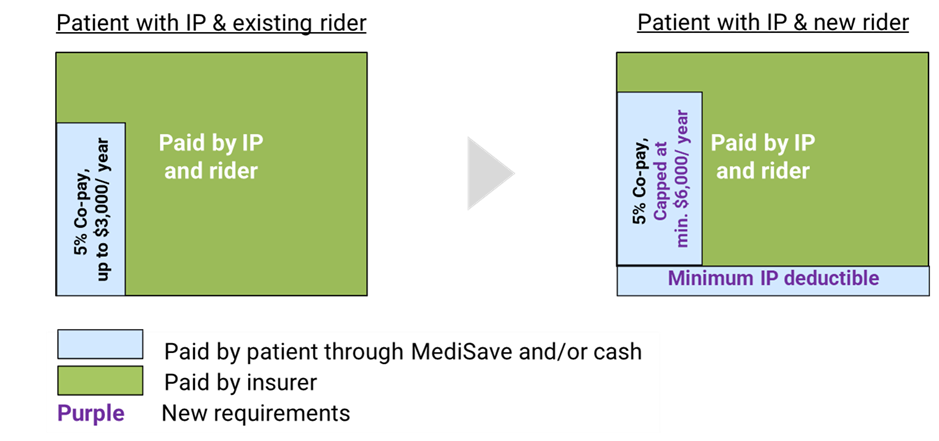
The new structure for IP riders requires a mandatory co-payment component, typically 5% of the bill, regardless of the hospital setting, capped at certain annual limits. This forces patients to bear some financial responsibility, promoting more judicious use of medical services.
This financial realignment is the direct catalyst for the potential shift in patient behaviour. If the financial difference between accessing a highly subsidised ward (where MediShield Life and standard subsidies cover the majority) and an unsubsidised private ward (even with an IP) narrows, many will choose the cheaper public option.
Key aspects of the IP rider changes driving patient decisions include:
- Mandatory Co-Payment: Introduction of a minimum 5% co-payment for all treatments.
- Deductibles: Patients must first pay the deductible amount before co-insurance kicks in, increasing initial out-of-pocket expenses.
- Premium Increases: The cost of maintaining comprehensive riders continues to rise significantly, making premium downgrades attractive.
- Focus on Subsidised Care: The shift encourages policyholders to leverage the generous government subsidies available in B2 and C class wards.
This change, while necessary for the long-term sustainability of Singapore's healthcare financing, has immediate implications for capacity management within public hospitals.
Pressure Points: Why Surge Capacity Becomes Necessary
If public healthcare utilisation rates climb sharply, the current infrastructure designed to manage existing population demands will be stretched thin. MOH's concern about implementing 'surge capacity' is not an abstract threat; it details specific, immediate operational adjustments public hospitals must be prepared to make.
Surge capacity is a critical operational response traditionally reserved for emergencies like pandemics or major mass casualty incidents. Applying it to routine patient flow suggests a serious elevation in day-to-day strain.
What does the implementation of surge capacity entail for public hospitals?
Firstly, it means the immediate creation of temporary bed spaces. This often involves converting non-clinical areas, such as rehabilitation gyms or common lounges, into temporary wards. While crucial for accommodating patient overflow, this impacts the quality of environment and staff efficiency.
Secondly, it necessitates workforce redeployment. Nurses, doctors, and support staff who typically focus on administrative tasks, training, or specialised clinics are pulled onto the main ward floors to manage the increased patient volume. This reallocation directly impacts scheduled appointments and non-urgent procedures.
Thirdly, there is the inevitable lengthening of waiting times. Emergency departments (EDs) become bottlenecked, and elective surgeries—those deemed non-urgent but necessary—may be deferred to free up operating theatres and post-operative beds. This ripple effect impacts the entire healthcare ecosystem.
The issue is compounded by the high complexity of cases often managed by public institutions. If more patients shift from private to public hospitals, the severity and volume of conditions requiring acute care will rise, further taxing resources like Intensive Care Units (ICUs) and high-dependency wards. Public hospitals are the primary safety net, and reinforcing this net requires substantial resources, which are finite in the short term.
Navigating the Future: Government Strategies and Patient Choices
MOH has confirmed that it is closely monitoring the effects of the IP rider restructuring on patient flow. The goal remains twofold: to ensure the sustainability of healthcare financing while maintaining accessible and high-quality care for all citizens.
To mitigate the need for prolonged surge capacity implementation, the government is focusing on proactive strategies. The expansion of healthcare infrastructure is a long-term plan, with new facilities and integrated regional health systems being developed. However, these solutions take years to materialize.
In the near term, the focus is on optimizing existing capacity and strengthening primary care. By encouraging stable patients to seek treatment at polyclinics or General Practitioners (GPs), the pressure on acute hospital beds can be reduced.
For patients, the IP rider changes require a critical review of personal healthcare strategy. It is no longer sufficient to assume zero costs. Patients must now weigh convenience and speed against cost savings and potential waiting times in the public sector.
Here are considerations for policyholders moving forward:
- Review Current Coverage: Understand the exact deductible and co-payment obligations under the revised Integrated Shield Plan.
- Calculate Risk Tolerance: Determine if the annual cap on out-of-pocket expenses is manageable for your financial situation.
- Primary Care First: Utilize the strong network of GPs and polyclinics for non-urgent care, reserving hospitals for acute needs.
- Public Ward Options: Be prepared to utilise B1 or B2 class wards in public hospitals to benefit from subsidies while still enjoying improved amenities compared to C wards.
- Emergency Protocol: Know where to go for true emergencies versus conditions that can be managed outside the hospital ED.
The government's statement serves as both a warning and a call to action. While the Ministry of Health assures the public that preparations are underway to manage high patient volume, the implementation of surge capacity is a clear signal of the operational stresses anticipated.
Ultimately, the successful navigation of this transition requires cooperation between policymakers, insurers, hospitals, and most importantly, patients. Understanding the new rules of healthcare financing is paramount to ensuring that Singapore's healthcare system remains robust, accessible, and sustainable for future generations, preventing a permanent state of overload on the public sector.
Hospitals may implement surge capacity if more turn to public healthcare options after IP rider changes: MOH
Hospitals may implement surge capacity if more turn to public healthcare options after IP rider changes: MOH Wallpapers
Collection of hospitals may implement surge capacity if more turn to public healthcare options after ip rider changes: moh wallpapers for your desktop and mobile devices.

Vivid Hospitals May Implement Surge Capacity If More Turn To Public Healthcare Options After Ip Rider Changes: Moh Capture for Mobile
Transform your screen with this vivid hospitals may implement surge capacity if more turn to public healthcare options after ip rider changes: moh artwork, a true masterpiece of digital design.
Detailed Hospitals May Implement Surge Capacity If More Turn To Public Healthcare Options After Ip Rider Changes: Moh Background in 4K
Experience the crisp clarity of this stunning hospitals may implement surge capacity if more turn to public healthcare options after ip rider changes: moh image, available in high resolution for all your screens.
Serene Hospitals May Implement Surge Capacity If More Turn To Public Healthcare Options After Ip Rider Changes: Moh Background Nature
Explore this high-quality hospitals may implement surge capacity if more turn to public healthcare options after ip rider changes: moh image, perfect for enhancing your desktop or mobile wallpaper.

Stunning Hospitals May Implement Surge Capacity If More Turn To Public Healthcare Options After Ip Rider Changes: Moh Wallpaper in 4K
This gorgeous hospitals may implement surge capacity if more turn to public healthcare options after ip rider changes: moh photo offers a breathtaking view, making it a perfect choice for your next wallpaper.
High-Quality Hospitals May Implement Surge Capacity If More Turn To Public Healthcare Options After Ip Rider Changes: Moh Scene in HD
Explore this high-quality hospitals may implement surge capacity if more turn to public healthcare options after ip rider changes: moh image, perfect for enhancing your desktop or mobile wallpaper.

Beautiful Hospitals May Implement Surge Capacity If More Turn To Public Healthcare Options After Ip Rider Changes: Moh Abstract Illustration
Explore this high-quality hospitals may implement surge capacity if more turn to public healthcare options after ip rider changes: moh image, perfect for enhancing your desktop or mobile wallpaper.

Mesmerizing Hospitals May Implement Surge Capacity If More Turn To Public Healthcare Options After Ip Rider Changes: Moh Image for Mobile
Experience the crisp clarity of this stunning hospitals may implement surge capacity if more turn to public healthcare options after ip rider changes: moh image, available in high resolution for all your screens.

Detailed Hospitals May Implement Surge Capacity If More Turn To Public Healthcare Options After Ip Rider Changes: Moh Capture for Desktop
Discover an amazing hospitals may implement surge capacity if more turn to public healthcare options after ip rider changes: moh background image, ideal for personalizing your devices with vibrant colors and intricate designs.
Vibrant Hospitals May Implement Surge Capacity If More Turn To Public Healthcare Options After Ip Rider Changes: Moh Capture in 4K
Experience the crisp clarity of this stunning hospitals may implement surge capacity if more turn to public healthcare options after ip rider changes: moh image, available in high resolution for all your screens.
Stunning Hospitals May Implement Surge Capacity If More Turn To Public Healthcare Options After Ip Rider Changes: Moh Capture for Mobile
Find inspiration with this unique hospitals may implement surge capacity if more turn to public healthcare options after ip rider changes: moh illustration, crafted to provide a fresh look for your background.
Beautiful Hospitals May Implement Surge Capacity If More Turn To Public Healthcare Options After Ip Rider Changes: Moh Moment Illustration
Explore this high-quality hospitals may implement surge capacity if more turn to public healthcare options after ip rider changes: moh image, perfect for enhancing your desktop or mobile wallpaper.

Vivid Hospitals May Implement Surge Capacity If More Turn To Public Healthcare Options After Ip Rider Changes: Moh Design for Your Screen
Experience the crisp clarity of this stunning hospitals may implement surge capacity if more turn to public healthcare options after ip rider changes: moh image, available in high resolution for all your screens.
Exquisite Hospitals May Implement Surge Capacity If More Turn To Public Healthcare Options After Ip Rider Changes: Moh Artwork Collection
This gorgeous hospitals may implement surge capacity if more turn to public healthcare options after ip rider changes: moh photo offers a breathtaking view, making it a perfect choice for your next wallpaper.

Amazing Hospitals May Implement Surge Capacity If More Turn To Public Healthcare Options After Ip Rider Changes: Moh Design in HD
Transform your screen with this vivid hospitals may implement surge capacity if more turn to public healthcare options after ip rider changes: moh artwork, a true masterpiece of digital design.

Vivid Hospitals May Implement Surge Capacity If More Turn To Public Healthcare Options After Ip Rider Changes: Moh Picture in 4K
Transform your screen with this vivid hospitals may implement surge capacity if more turn to public healthcare options after ip rider changes: moh artwork, a true masterpiece of digital design.

Serene Hospitals May Implement Surge Capacity If More Turn To Public Healthcare Options After Ip Rider Changes: Moh Design in 4K
Explore this high-quality hospitals may implement surge capacity if more turn to public healthcare options after ip rider changes: moh image, perfect for enhancing your desktop or mobile wallpaper.

Vivid Hospitals May Implement Surge Capacity If More Turn To Public Healthcare Options After Ip Rider Changes: Moh Moment for Your Screen
Explore this high-quality hospitals may implement surge capacity if more turn to public healthcare options after ip rider changes: moh image, perfect for enhancing your desktop or mobile wallpaper.

Lush Hospitals May Implement Surge Capacity If More Turn To Public Healthcare Options After Ip Rider Changes: Moh Landscape Digital Art
Find inspiration with this unique hospitals may implement surge capacity if more turn to public healthcare options after ip rider changes: moh illustration, crafted to provide a fresh look for your background.

Stunning Hospitals May Implement Surge Capacity If More Turn To Public Healthcare Options After Ip Rider Changes: Moh Background for Mobile
Find inspiration with this unique hospitals may implement surge capacity if more turn to public healthcare options after ip rider changes: moh illustration, crafted to provide a fresh look for your background.
Beautiful Hospitals May Implement Surge Capacity If More Turn To Public Healthcare Options After Ip Rider Changes: Moh Capture in HD
Transform your screen with this vivid hospitals may implement surge capacity if more turn to public healthcare options after ip rider changes: moh artwork, a true masterpiece of digital design.
Download these hospitals may implement surge capacity if more turn to public healthcare options after ip rider changes: moh wallpapers for free and use them on your desktop or mobile devices.