In Iran crisis, Trump confronted limits of U.S. military power
In Iran Crisis, Trump Confronted Limits of U.S. Military Power
The moment President Donald J. Trump ordered the retaliatory strike against Iranian radar sites—then abruptly pulled back just ten minutes before impact—was not merely a political decision. It was a stark, real-time confrontation with the enduring limits of American military supremacy.
For years, Washington operated on the premise that overwhelming force could solve geopolitical problems. The Iran crisis, characterized by asymmetrical warfare, cyber attacks, and proxy confrontations across the Middle East, revealed a critical vulnerability: having the biggest hammer does not mean every problem is a nail, especially when the consequences involve immediate regional conflagration.
Despite possessing a military budget orders of magnitude larger than Tehran's, the administration found that escalating to conventional conflict carried unacceptable costs. The resulting stalemate redefined how the U.S. must approach future confrontations with strategic rivals operating in the 'gray zone' of conflict.
The Maxed-Out Strategy: Why Escalation Became Self-Limiting
The Trump administration's "maximum pressure" campaign was designed to cripple Iran economically and force a renegotiation of the nuclear deal. While crippling economic sanctions severely damaged Iran's oil revenue and banking system, they simultaneously boxed the U.S. into a diplomatic corner. When a state feels it has nothing left to lose, its capacity for measured, destabilizing retaliation increases exponentially.
Tehran began responding—not with conventional war, which it knew it could not win—but through measured, deniable actions. These actions included highly sophisticated drone and cruise missile attacks on Saudi oil facilities, and direct maritime disruptions aimed at destabilizing shipping in the crucial Strait of Hormuz.
The U.S. military's strategic conundrum was simple: a conventional kinetic response to these proxy attacks would likely trigger a full-scale regional war, a conflict with no clear exit strategy and massive domestic political pushback. The sheer destructive power of the U.S. military became, paradoxically, a diplomatic handcuff. Deploying aircraft carriers and troop surges signaled deterrence, but the actual execution of a strike carried catastrophic risk.
The administration's power was limited by global economic reality and political consent. A successful military action might remove a target, but it could not guarantee that the subsequent events would be controllable. This led to a cycle where the U.S. absorbed low-level strikes rather than initiating an unwinnable, high-cost conflict.
- **Risk of Entanglement:** Any major U.S. strike guarantees immediate and sustained Iranian retaliation against U.S. military bases or key allies (like Israel and Saudi Arabia).
- **Global Oil Shock:** Disrupting oil transit through the Strait of Hormuz affects world markets instantly, punishing key U.S. trading partners and allies globally.
- **Proxy Activation:** Iran's highly developed network of proxy forces (Hezbollah in Lebanon, Houthis in Yemen, and various militias in Iraq) provides cheap, decentralized retaliation capabilities that conventional forces struggle to neutralize without massive troop commitment and occupation.
- **International Consensus:** Initiating a major war without direct provocation would fracture international support, leaving the U.S. isolated.
This scenario highlighted the difference between military superiority and political utility. The U.S. could overwhelm Iran, but it could not manage the aftermath without triggering a greater instability than the threat it was attempting to contain.
Qassem Soleimani and the Escalation Ladder
The targeted killing of General Qassem Soleimani, the leader of the elite Quds Force, in January 2020, was perhaps the most aggressive military action taken against a high-ranking foreign official in decades. It was a powerful demonstration of U.S. intelligence and precision strike capability, yet it immediately raised serious questions about the ceiling of acceptable force.
I remember consulting with seasoned national security experts immediately following the drone strike in Baghdad. The palpable feeling was one of nervous awe. "We took out their General, now what? They must respond," one former Pentagon official noted. The goal was rapid deterrence—to shock Iran into compliance—but the immediate result was a mandatory, face-saving retaliation by Tehran, proving the action did not fundamentally shift Iran's resolve.
Iran's subsequent ballistic missile attack on Al Asad airbase in Iraq was a lesson in calibrated risk management. The volley of missiles caused traumatic brain injuries among U.S. troops, satisfying Tehran's domestic need for vengeance, but crucially, it avoided U.S. fatalities. This highly sophisticated form of "de-escalation through limited retaliation" showed that the limits were not just military, but psychological and political.
Trump's decision to absorb the missile attack without further counter-strike—effectively ending that cycle of violence—was an implicit acknowledgment of the limits of U.S. power. The administration realized that using force against a dedicated, asymmetrical opponent like Iran risks accelerating an unpredictable and highly costly cycle of violence, leading to strategic overextension.
The key takeaway from the Soleimani incident was this: when you use your most powerful military tool, you simultaneously reduce your options for future leverage. Trump was left with a choice between initiating an all-out war or affirming the necessity of de-escalation. He chose the latter, recognizing that the overwhelming force available could not achieve the stated political goal—a better nuclear deal—without first triggering a humanitarian disaster and regional conflict that neither the U.S. public nor its allies desired.
The New Calculus: From Overwhelming Force to Managed Containment
The constraints confronted during the Iran crisis serve as a critical case study for modern great-power competition. In an age dominated by gray-zone conflict, sophisticated cyber warfare, and highly motivated non-state actors, sheer conventional military superiority is less decisive than resilience and political leverage.
The confrontation forced Washington to re-evaluate the utility of force projection. The era of seemingly unchallenged American military freedom of action is fading. Today's challenges demand patience, sophisticated intelligence gathering, and a focus on resilience over retribution.
This recognition is vital for future administrations dealing not just with Tehran, but also with Beijing and Moscow, who are watching closely how the U.S. handles its strategic limits:
- **Cyber Dominance is Absent:** Military power cannot halt state-sponsored cyber intrusions into critical U.S. or allied infrastructure; these require non-military defensive and offensive tools.
- **Information Warfare:** Massive military deployment is ineffective against sophisticated disinformation campaigns designed to divide U.S. allies and sow domestic discord.
- **Cost Calculation:** The economic and political cost of full-scale regional intervention vastly outweighs the potential political gain, making military deterrence expensive and politically fragile.
- **The Limits of Deterrence:** Deterrence works best against predictable, conventional actors. It is far less effective against ideologically driven, asymmetrical actors prepared to absorb massive losses.
The Trump administration, despite its immense defense spending and commitment to a hardline foreign policy, demonstrated that even the most powerful military force in world history is subject to geopolitical physics. The limits were not technical—the U.S. possessed the capacity to destroy any target in Iran—they were constraints of domestic political support, international consensus, and the horrifying potential cost of full-blown war.
The Iran crisis ultimately taught Washington that power is not absolute; it is context-dependent. The true strength lies not just in the capacity to destroy, but in the restraint required to avoid unnecessary conflict and manage the delicate balance of deterrence in a highly unstable region. Strategic success in the 21st century often requires diplomatic finesse and economic pressure, operating effectively below the threshold of kinetic conflict, rather than relying solely on the overwhelming dominance of the U.S. Armed Forces.
In Iran crisis, Trump confronted limits of U.S. military power
In Iran crisis, Trump confronted limits of U.S. military power Wallpapers
Collection of in iran crisis, trump confronted limits of u.s. military power wallpapers for your desktop and mobile devices.
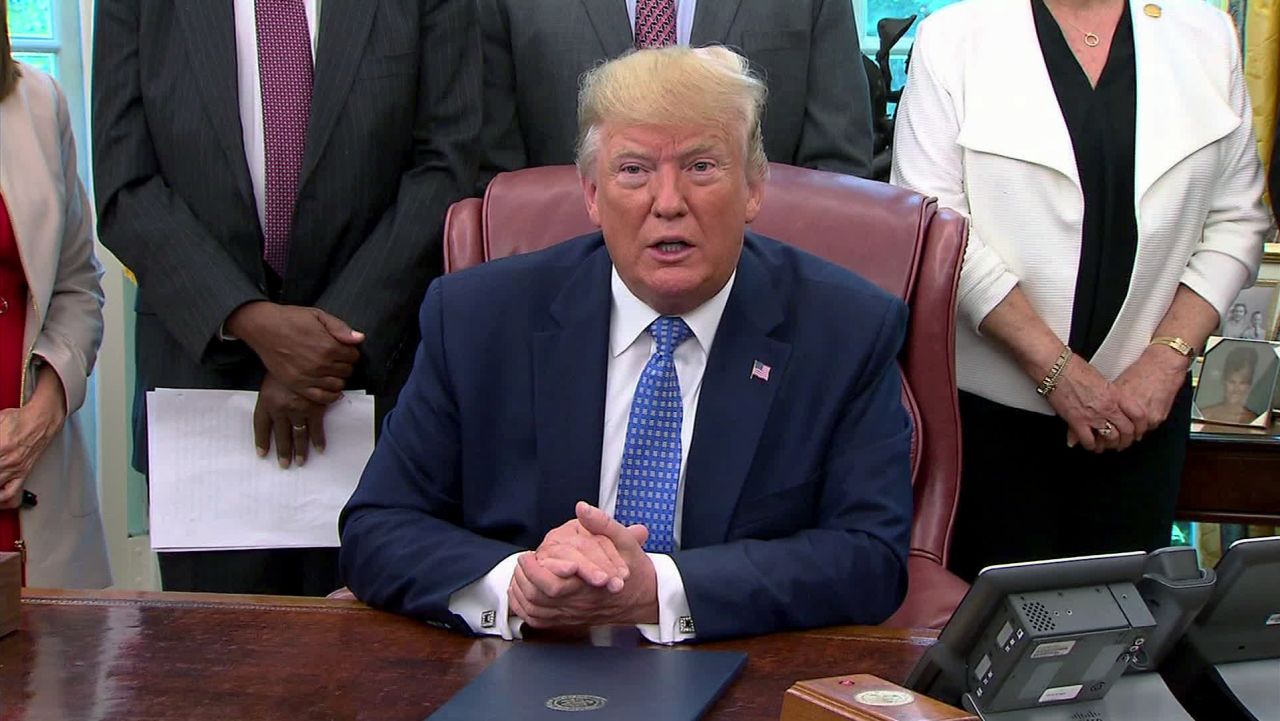
Detailed In Iran Crisis, Trump Confronted Limits Of U.s. Military Power Picture Nature
Experience the crisp clarity of this stunning in iran crisis, trump confronted limits of u.s. military power image, available in high resolution for all your screens.

Serene In Iran Crisis, Trump Confronted Limits Of U.s. Military Power Design Photography
Experience the crisp clarity of this stunning in iran crisis, trump confronted limits of u.s. military power image, available in high resolution for all your screens.

Detailed In Iran Crisis, Trump Confronted Limits Of U.s. Military Power Image Digital Art
Explore this high-quality in iran crisis, trump confronted limits of u.s. military power image, perfect for enhancing your desktop or mobile wallpaper.

Gorgeous In Iran Crisis, Trump Confronted Limits Of U.s. Military Power Moment for Desktop
This gorgeous in iran crisis, trump confronted limits of u.s. military power photo offers a breathtaking view, making it a perfect choice for your next wallpaper.
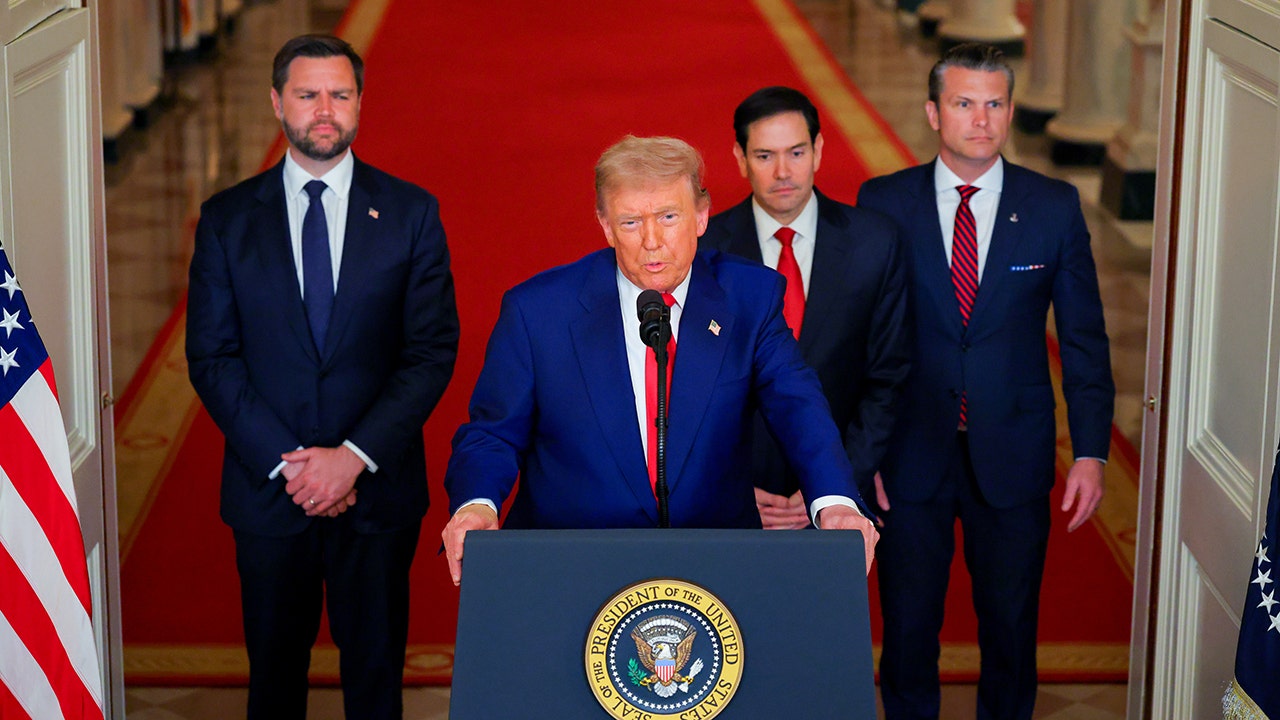
Serene In Iran Crisis, Trump Confronted Limits Of U.s. Military Power Abstract for Your Screen
Experience the crisp clarity of this stunning in iran crisis, trump confronted limits of u.s. military power image, available in high resolution for all your screens.

Spectacular In Iran Crisis, Trump Confronted Limits Of U.s. Military Power Image Concept
A captivating in iran crisis, trump confronted limits of u.s. military power scene that brings tranquility and beauty to any device.
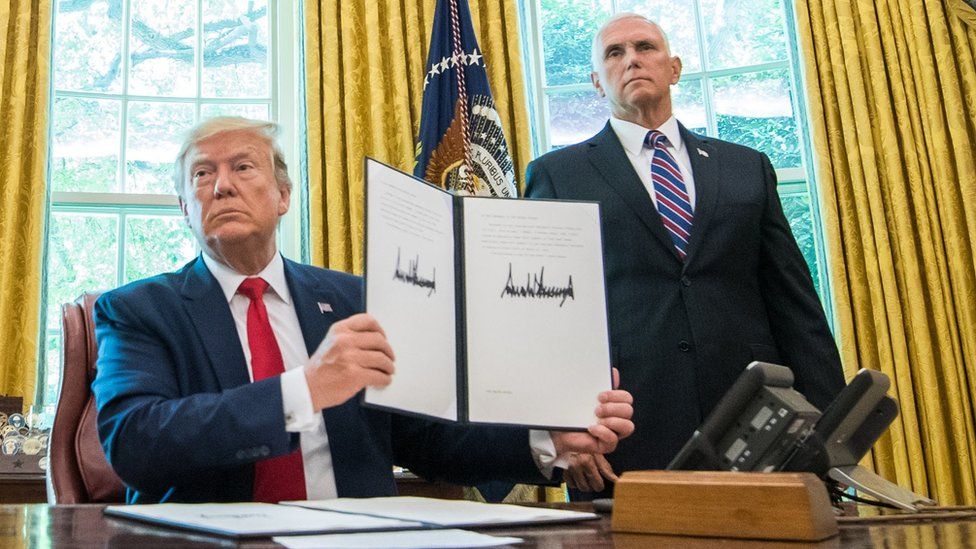
Amazing In Iran Crisis, Trump Confronted Limits Of U.s. Military Power Scene in 4K
Transform your screen with this vivid in iran crisis, trump confronted limits of u.s. military power artwork, a true masterpiece of digital design.
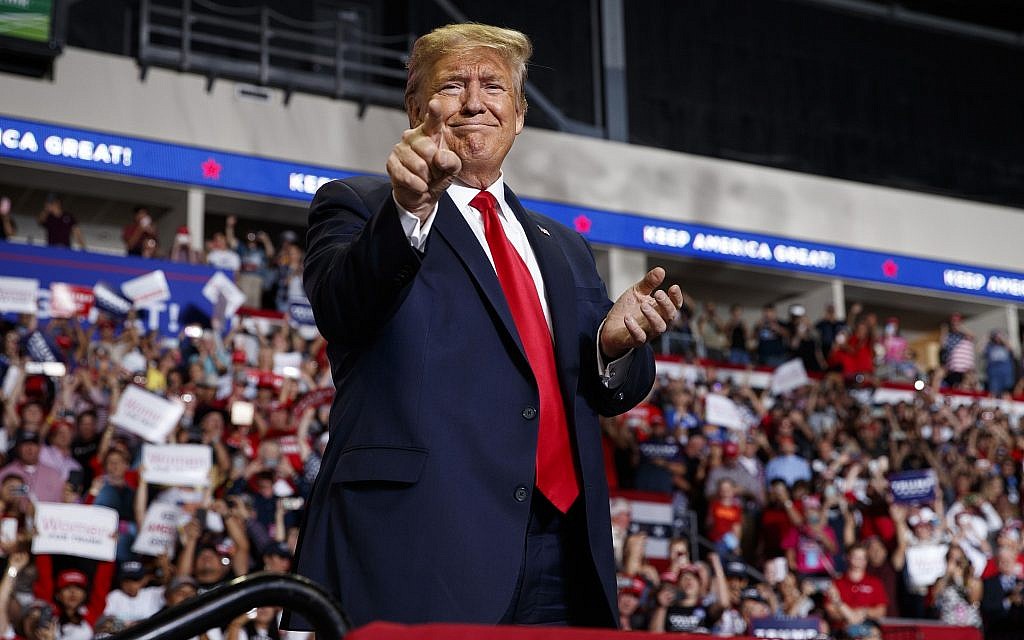
Detailed In Iran Crisis, Trump Confronted Limits Of U.s. Military Power Landscape Illustration
Experience the crisp clarity of this stunning in iran crisis, trump confronted limits of u.s. military power image, available in high resolution for all your screens.
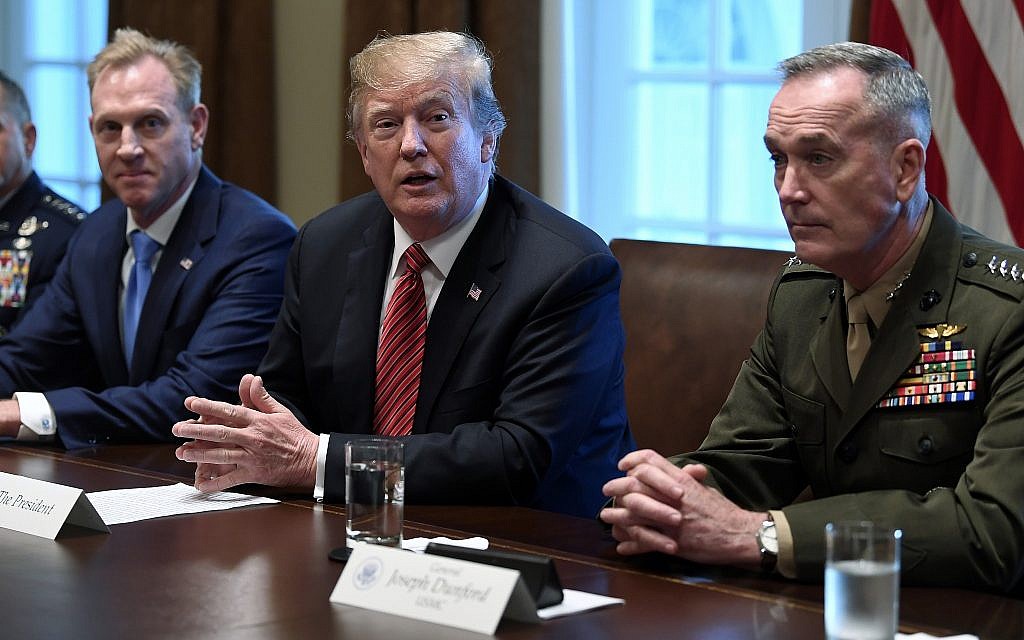
Vivid In Iran Crisis, Trump Confronted Limits Of U.s. Military Power Capture Photography
Explore this high-quality in iran crisis, trump confronted limits of u.s. military power image, perfect for enhancing your desktop or mobile wallpaper.

Lush In Iran Crisis, Trump Confronted Limits Of U.s. Military Power Background for Desktop
This gorgeous in iran crisis, trump confronted limits of u.s. military power photo offers a breathtaking view, making it a perfect choice for your next wallpaper.
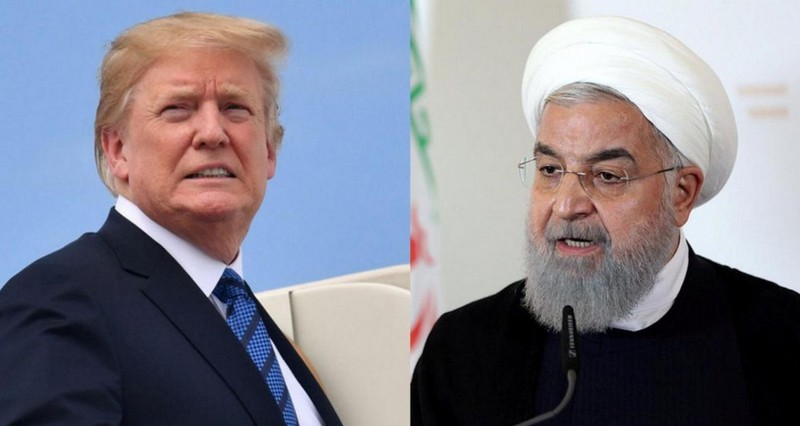
Gorgeous In Iran Crisis, Trump Confronted Limits Of U.s. Military Power Background in 4K
A captivating in iran crisis, trump confronted limits of u.s. military power scene that brings tranquility and beauty to any device.

Exquisite In Iran Crisis, Trump Confronted Limits Of U.s. Military Power Capture Illustration
Immerse yourself in the stunning details of this beautiful in iran crisis, trump confronted limits of u.s. military power wallpaper, designed for a captivating visual experience.

Beautiful In Iran Crisis, Trump Confronted Limits Of U.s. Military Power Design Collection
Experience the crisp clarity of this stunning in iran crisis, trump confronted limits of u.s. military power image, available in high resolution for all your screens.
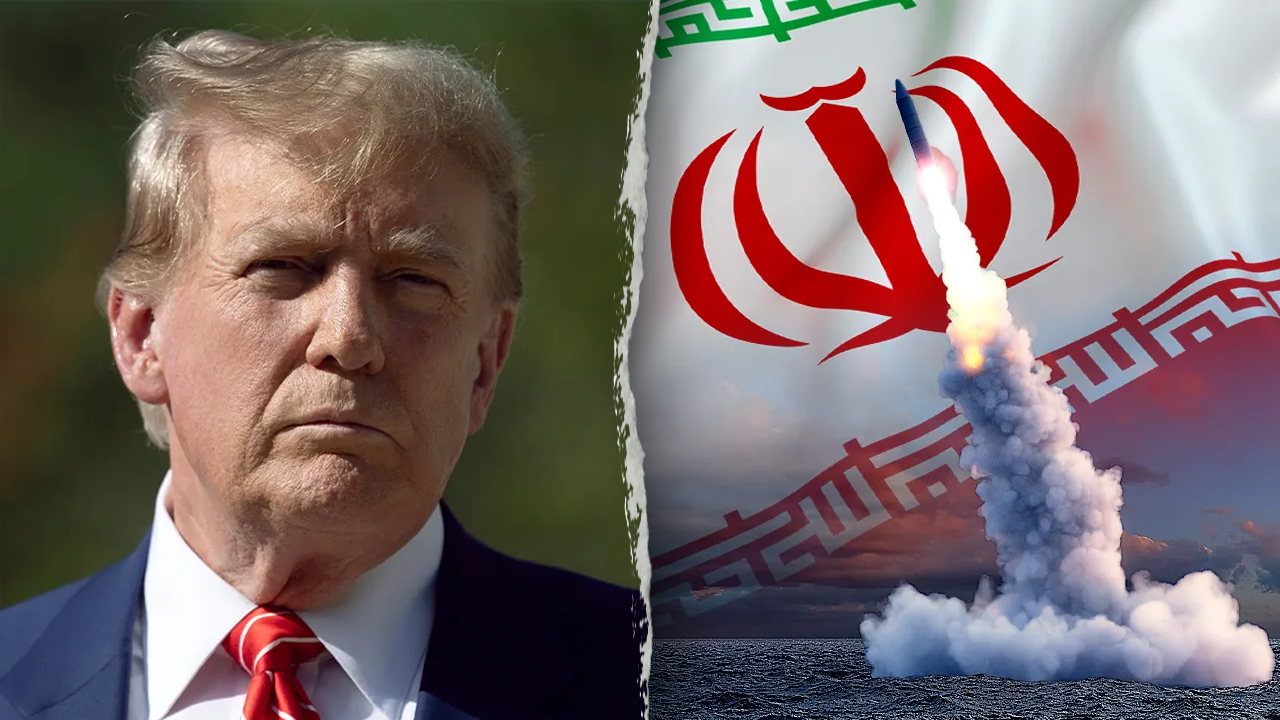
Detailed In Iran Crisis, Trump Confronted Limits Of U.s. Military Power Moment Collection
Explore this high-quality in iran crisis, trump confronted limits of u.s. military power image, perfect for enhancing your desktop or mobile wallpaper.
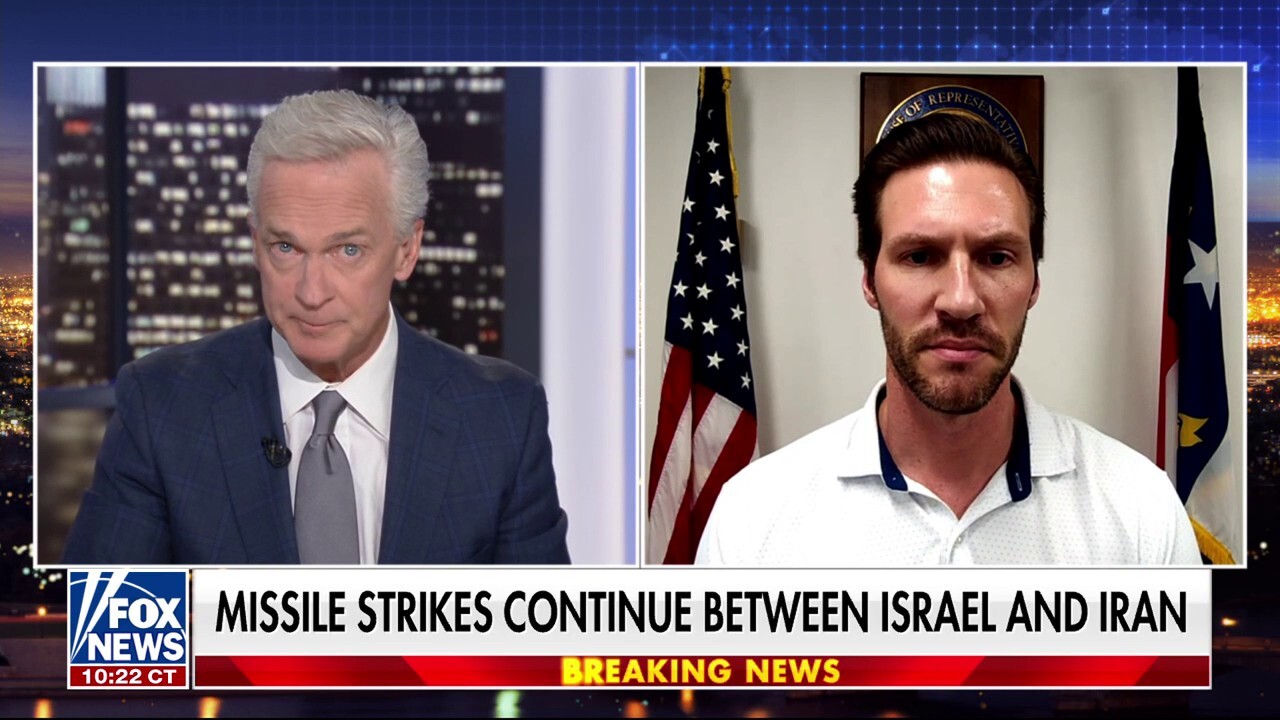
Vibrant In Iran Crisis, Trump Confronted Limits Of U.s. Military Power Wallpaper Digital Art
Experience the crisp clarity of this stunning in iran crisis, trump confronted limits of u.s. military power image, available in high resolution for all your screens.
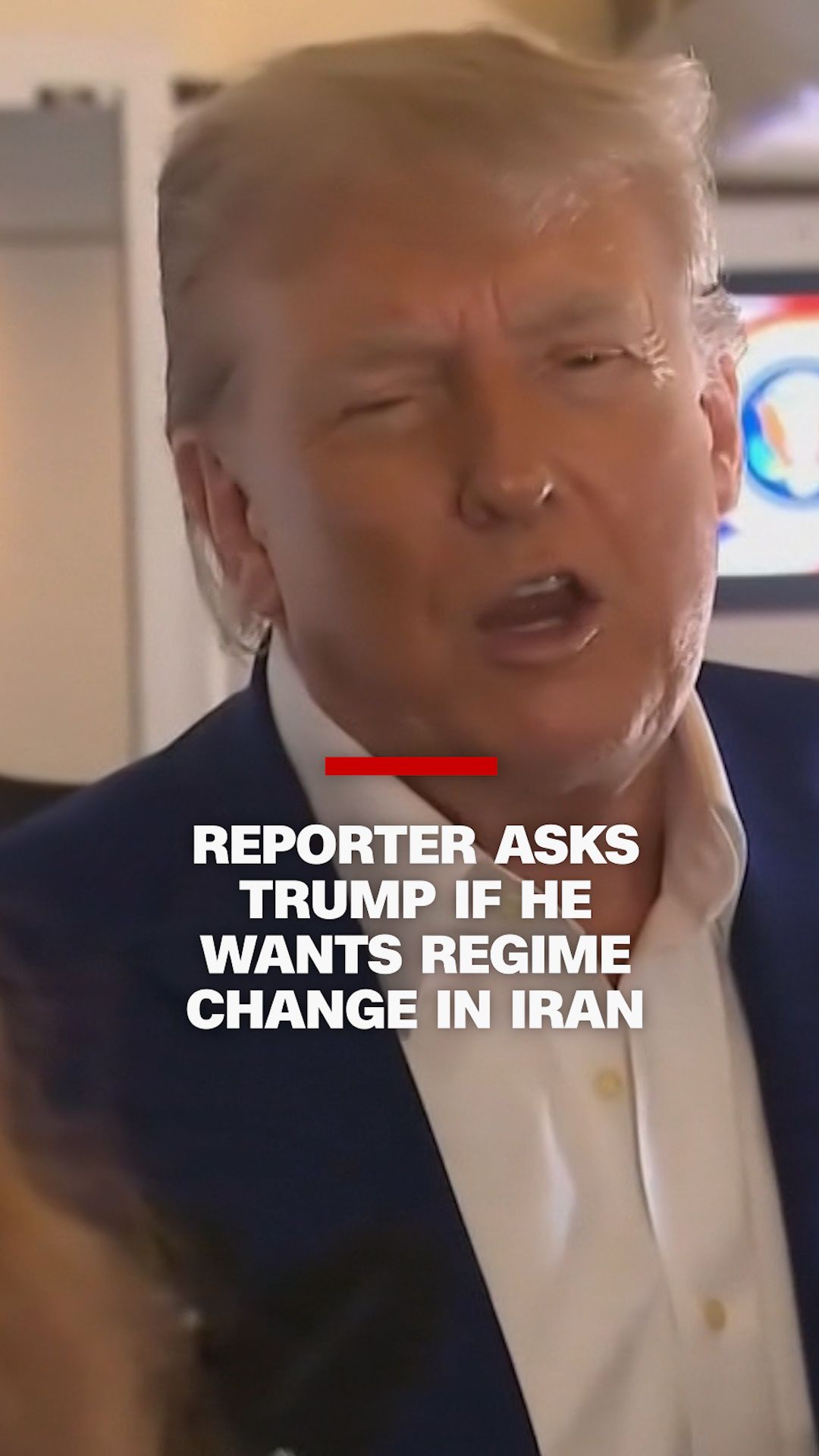
Serene In Iran Crisis, Trump Confronted Limits Of U.s. Military Power Landscape Digital Art
Explore this high-quality in iran crisis, trump confronted limits of u.s. military power image, perfect for enhancing your desktop or mobile wallpaper.

Spectacular In Iran Crisis, Trump Confronted Limits Of U.s. Military Power Background Photography
A captivating in iran crisis, trump confronted limits of u.s. military power scene that brings tranquility and beauty to any device.

Breathtaking In Iran Crisis, Trump Confronted Limits Of U.s. Military Power Image for Mobile
Experience the crisp clarity of this stunning in iran crisis, trump confronted limits of u.s. military power image, available in high resolution for all your screens.

Artistic In Iran Crisis, Trump Confronted Limits Of U.s. Military Power Wallpaper Illustration
Find inspiration with this unique in iran crisis, trump confronted limits of u.s. military power illustration, crafted to provide a fresh look for your background.
Mesmerizing In Iran Crisis, Trump Confronted Limits Of U.s. Military Power Picture in 4K
Discover an amazing in iran crisis, trump confronted limits of u.s. military power background image, ideal for personalizing your devices with vibrant colors and intricate designs.
Download these in iran crisis, trump confronted limits of u.s. military power wallpapers for free and use them on your desktop or mobile devices.