Iran's traders, frustrated by economic losses, turn against clerics
Iran's Traders, Frustrated by Economic Losses, Turn Against Clerics: A Pivotal Shift
Ahmad, who runs a bustling carpet stall deep within the historic Tehran Grand Bazaar, has always been a pillar of the Islamic Republic. His family supported the 1979 revolution; his business thrived under the protection of the clerical rule. But today, Ahmad's loyalty is gone. "My inventory costs double every six months. My savings are worthless. The sanctions hurt, yes, but the corruption inside our own country kills us faster," he explains, leaning against a stack of depreciating stock.
This sentiment—a profound and often sudden reversal of allegiance—is now echoing throughout Iran's vital commercial networks. The historically conservative and economically powerful class of Iran's traders, long considered the foundational support for the ruling political elite, are turning against the clerics. This trending update details the deepening rift fueled by devastating economic losses and mounting systemic frustration that threaten to destabilize the nation's core structure.
The alliance between the merchants (known as Bazaaris) and the religious establishment was once the unbreakable backbone of revolutionary power. Its disintegration signals that the economic crisis is not merely a problem of inflation, but a full-blown crisis of faith and governance.
The Economic Breaking Point: Why Traders Are Suffering Unprecedented Losses
The symbiotic relationship between the Bazaaris and the clerical establishment allowed the revolutionary government to function for over four decades. The merchants provided critical funding and logistical support; in return, they received economic protections, preferential access, and tax advantages. That compact, built on shared ideology and mutual financial benefit, is now fundamentally broken.
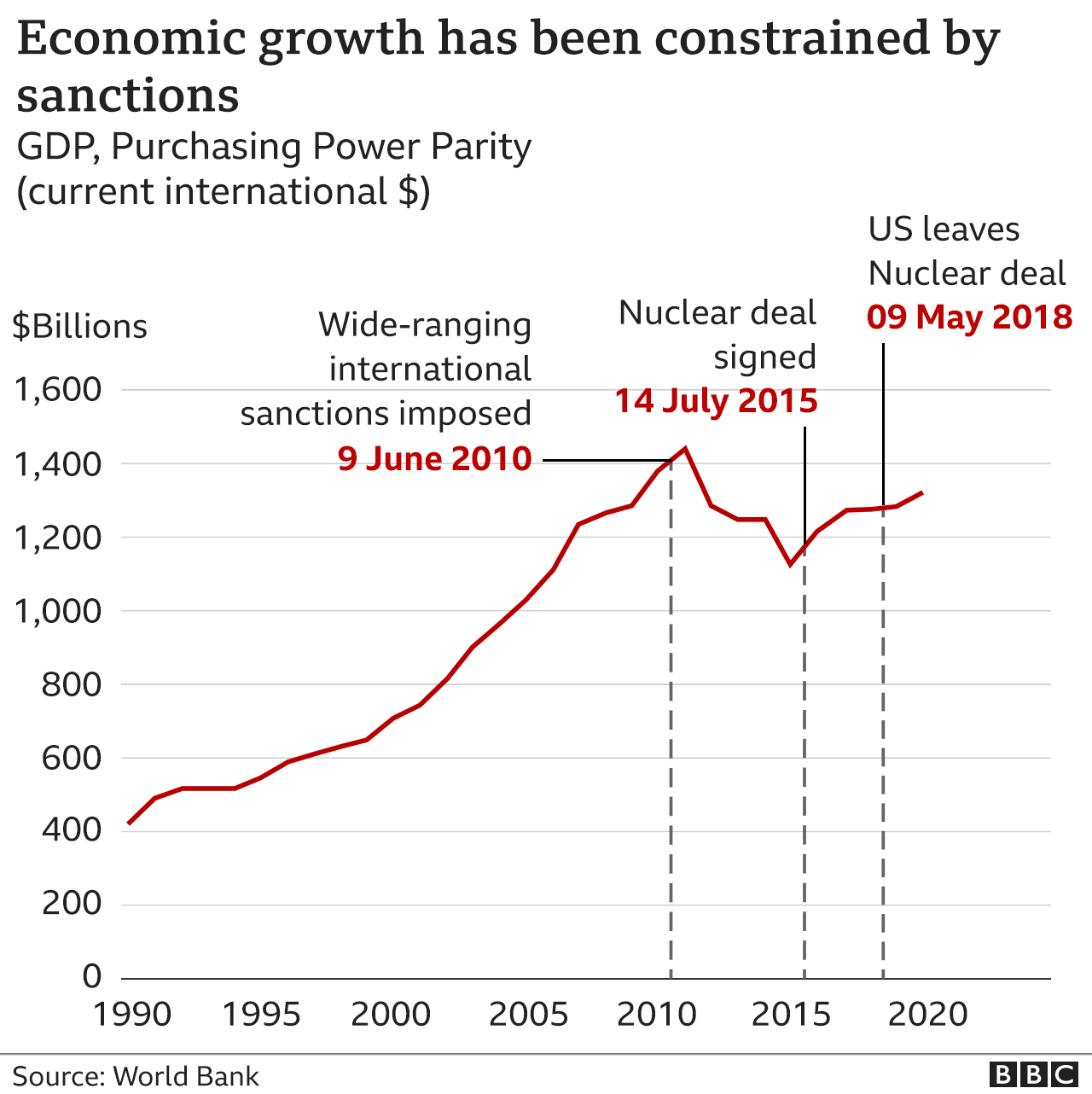
The primary driver of this discontent among Iran's traders is the relentless, systemic economic decay. While external US sanctions have undoubtedly choked oil exports and access to foreign markets, merchants argue that internal mismanagement and widespread institutionalized corruption have amplified the damage exponentially.
The Bazaaris operate on thin margins, and they are uniquely sensitive to currency fluctuations. The current economic environment has made sustainable business nearly impossible.
Key economic pain points leading to the fallout include:
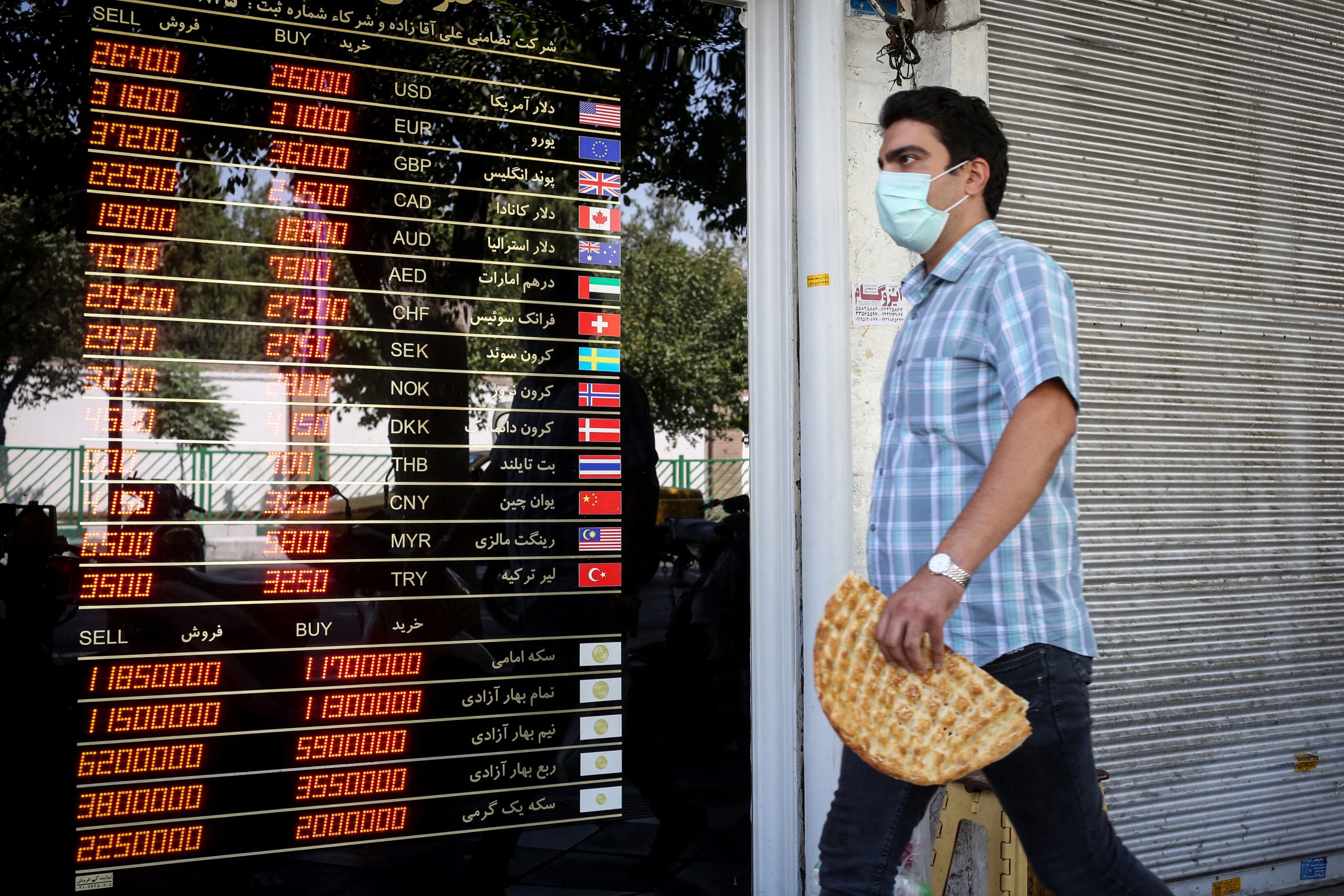
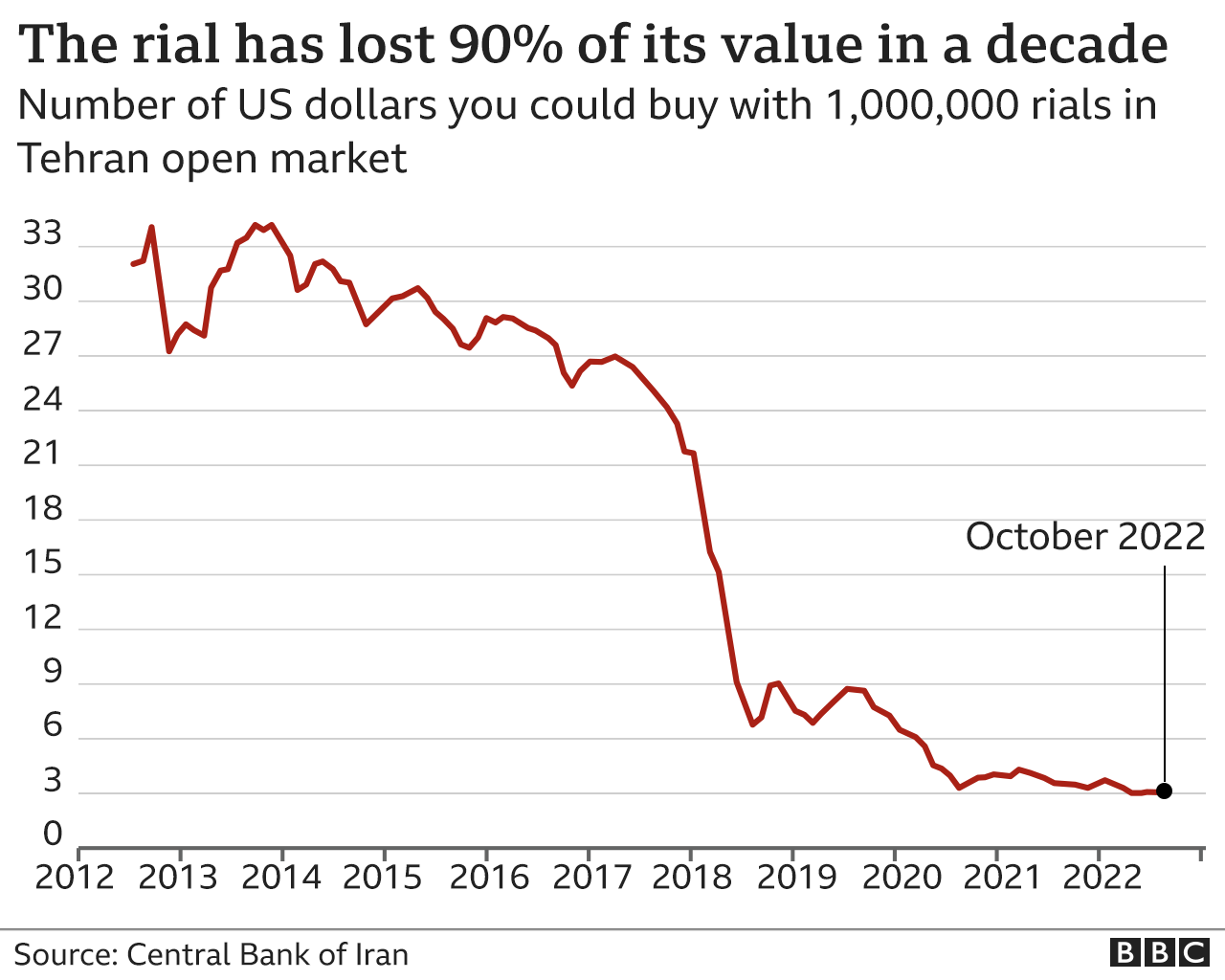
- Hyperinflation and Currency Collapse: The dramatic and continued depreciation of the Iranian Rial has obliterated profit margins. Imported goods become unaffordable overnight, leading to cycles of price speculation and reduced consumer demand.
- Liquidity Crisis and Banking Restrictions: Access to foreign currency is severely restricted, hindering legitimate international trade and the procurement necessary for manufacturing and selling essential goods.
- Systemic Corruption and Insider Dealing: Traders report that government-linked institutions and powerful foundations (known as Bonyads) receive preferential import rates, tax exemptions, and exclusive licenses, creating an unfair and impossible competitive environment for independent merchants.
- Regulatory and Tax Burden: In attempts to stabilize state revenues, the government has recently imposed aggressive new taxes and complex regulatory hurdles on small and medium-sized enterprises (SMEs), further squeezing businesses already struggling to afford basic inventory.
For decades, the Bazaaris internalized the regime's narrative: economic hardship was the fault of external enemies. Now, they are directing their anger inward, recognizing that the failures are structural and rooted deeply in the political system they once loyally supported. The increasing economic losses have finally overridden their traditional political conservatism.
Experts specializing in Iranian affairs note that when the Bazaaris—who represent immense wealth, control essential distribution networks, and employ millions—begin to withdraw their support, the economic ramifications extend far beyond localized protests. Their actions threaten the supply chain stability across the entire nation and complicate the regime's ability to manage commodity prices.
A Political Awakening: The Shift from Historical Loyalty to Open Dissent
The decision by Iran's traders to actively distance themselves from the ruling clerics is far more than a momentary expression of frustration; it signifies a fundamental political turning point. The Bazaaris have always prioritized stability, preferring predictable profit over political upheaval. Their current unified stance signals that the cost of compliance with the current regime now tragically outweighs the potential risk of opposition.
The sense of betrayal runs deep. The merchants sacrificed their economic interests during the turbulent early years of the revolution, genuinely believing in the promises of economic justice and religious governance. Instead, they now witness unprecedented wealth accumulation by those linked directly to the ruling circles—the political elite and certain military commanders—while their own multi-generational businesses crumble.
Evidence of this profound political shift has become undeniable in major commercial hubs across the country:
- Widespread Bazaar Strikes: Major commercial centers, especially concentrated areas within the Tehran Bazaar, as well as markets in regional powerhouses like Isfahan, Tabriz, and Mashhad, have witnessed organized work stoppages and shop closures. These are not loud political rallies but silent, powerful business closures intended to exert maximum economic pressure on government policy.
- Funding Withdrawal: Traditionally, Bazaaris channeled significant charitable funds and financial support to specific clerical foundations (Bonyads) and organizations affiliated with the Islamic Revolutionary Guard Corps (IRGC). Reports indicate a sharp, sustained decline in these donations, starving regime-affiliated institutions of vital, non-state resources.
- Unprecedented Public Criticism: Though few are openly calling for regime change, an increasing number of prominent trade guild leaders have issued unprecedented public criticisms directed specifically at governmental incompetence, financial mismanagement, and the opaque business practices of the ruling political class.
One veteran spice merchant, who insisted on anonymity for security reasons, captured the pervasive hopelessness: "We are told repeatedly to sacrifice for the nation and endure the pressure of sanctions. Yet, the sons and daughters of the commanders and high clerics are living lavishly in Dubai, London, and Canada. We pay the price, they reap the rewards. This is no longer governance; this is organized economic betrayal."
This failure to maintain the loyalty of the conservative, foundational business class means the internal discontent that was once isolated to students or segments of the urban middle class has now infected the very heart of the traditional support base.
Strategic Fallout: What the Traders' Defection Means for Regime Stability
The turning of the Bazaaris against the clerical leadership is strategically critical because it directly attacks the regime's deepest vulnerabilities: legitimacy and core finance. A government can potentially weather popular street protests for a time, but it cannot survive indefinitely when its economic engine actively refuses to cooperate.
If Iran's traders continue to withhold cooperation, the regime faces two immediate and existential threats:
1. Financial Pressure Cooker: The government relies heavily on indirect taxes, customs duties, and the immense wealth managed by the Bazaaris and related commercial entities. Widespread tax resistance, coupled with organized commercial strikes, drastically reduces the state's liquid capital. This makes it increasingly harder to fund essential domestic services, maintain the bloated security apparatus, and continue funding regional foreign policy proxies.
2. Erosion of Traditional Legitimacy: The Bazaaris historically offered a crucial stamp of moral and religious approval. Their traditional piety and commercial success lent immense moral weight to the Islamic Republic's revolutionary narrative. Losing their economic cooperation and trust fundamentally undermines the narrative that the regime serves the interests of the faithful, conservative population.
International and geopolitical observers are closely monitoring the situation. A sustained disruption originating from the Tehran Bazaar has historically been a critical precursor to major political transitions in Iran, dating back even before the 1979 revolution. The withdrawal of merchant class support signals a phase of deep internal fracture.
Furthermore, the current economic frustration complicates the issue of political succession. As the aged regime leadership contemplates inevitable transitions, maintaining internal stability is paramount. The internal dissent from the merchant class weakens the hardliners' ability to maintain absolute financial and political control during any potential shift in power.
The clerical response has been inconsistent, ranging from rhetorical denunciations of "economic saboteurs" and foreign agents to promises of minor regulatory relief. However, deep-seated economic challenges tied directly to global sanctions, coupled with undeniable internal corruption, make any genuine, lasting solution difficult without major, systemic policy changes that the ruling elite appear unwilling or unable to implement.
The message delivered by Iran's traders is crystal clear and stark: they are no longer willing to underwrite the regime's economic failures with their own financial ruin. Their frustration has translated into a powerful, passive form of economic warfare, signaling that the traditional pillars of the Islamic Republic are rapidly crumbling under the overwhelming weight of financial loss and political disappointment.
This pivotal shift confirms that for a significant portion of Iran's wealthiest class, survival has replaced solidarity.
Iran's traders, frustrated by economic losses, turn against clerics
Iran's traders, frustrated by economic losses, turn against clerics Wallpapers
Collection of iran's traders, frustrated by economic losses, turn against clerics wallpapers for your desktop and mobile devices.
Captivating Iran's Traders, Frustrated By Economic Losses, Turn Against Clerics Moment Photography
This gorgeous iran's traders, frustrated by economic losses, turn against clerics photo offers a breathtaking view, making it a perfect choice for your next wallpaper.

Gorgeous Iran's Traders, Frustrated By Economic Losses, Turn Against Clerics View for Desktop
This gorgeous iran's traders, frustrated by economic losses, turn against clerics photo offers a breathtaking view, making it a perfect choice for your next wallpaper.
Spectacular Iran's Traders, Frustrated By Economic Losses, Turn Against Clerics Abstract Collection
Find inspiration with this unique iran's traders, frustrated by economic losses, turn against clerics illustration, crafted to provide a fresh look for your background.
High-Quality Iran's Traders, Frustrated By Economic Losses, Turn Against Clerics Picture for Your Screen
Explore this high-quality iran's traders, frustrated by economic losses, turn against clerics image, perfect for enhancing your desktop or mobile wallpaper.

Captivating Iran's Traders, Frustrated By Economic Losses, Turn Against Clerics Wallpaper for Desktop
Immerse yourself in the stunning details of this beautiful iran's traders, frustrated by economic losses, turn against clerics wallpaper, designed for a captivating visual experience.
Gorgeous Iran's Traders, Frustrated By Economic Losses, Turn Against Clerics Design Concept
Find inspiration with this unique iran's traders, frustrated by economic losses, turn against clerics illustration, crafted to provide a fresh look for your background.

Serene Iran's Traders, Frustrated By Economic Losses, Turn Against Clerics Artwork Collection
Explore this high-quality iran's traders, frustrated by economic losses, turn against clerics image, perfect for enhancing your desktop or mobile wallpaper.

Captivating Iran's Traders, Frustrated By Economic Losses, Turn Against Clerics Artwork Photography
This gorgeous iran's traders, frustrated by economic losses, turn against clerics photo offers a breathtaking view, making it a perfect choice for your next wallpaper.

Captivating Iran's Traders, Frustrated By Economic Losses, Turn Against Clerics Abstract Photography
A captivating iran's traders, frustrated by economic losses, turn against clerics scene that brings tranquility and beauty to any device.

Spectacular Iran's Traders, Frustrated By Economic Losses, Turn Against Clerics Background for Your Screen
A captivating iran's traders, frustrated by economic losses, turn against clerics scene that brings tranquility and beauty to any device.
Gorgeous Iran's Traders, Frustrated By Economic Losses, Turn Against Clerics Moment in 4K
A captivating iran's traders, frustrated by economic losses, turn against clerics scene that brings tranquility and beauty to any device.

Dynamic Iran's Traders, Frustrated By Economic Losses, Turn Against Clerics Moment Collection
This gorgeous iran's traders, frustrated by economic losses, turn against clerics photo offers a breathtaking view, making it a perfect choice for your next wallpaper.

Vivid Iran's Traders, Frustrated By Economic Losses, Turn Against Clerics Image Photography
Explore this high-quality iran's traders, frustrated by economic losses, turn against clerics image, perfect for enhancing your desktop or mobile wallpaper.

Crisp Iran's Traders, Frustrated By Economic Losses, Turn Against Clerics Capture Art
Immerse yourself in the stunning details of this beautiful iran's traders, frustrated by economic losses, turn against clerics wallpaper, designed for a captivating visual experience.

Beautiful Iran's Traders, Frustrated By Economic Losses, Turn Against Clerics Landscape Art
Transform your screen with this vivid iran's traders, frustrated by economic losses, turn against clerics artwork, a true masterpiece of digital design.
Artistic Iran's Traders, Frustrated By Economic Losses, Turn Against Clerics Picture Nature
This gorgeous iran's traders, frustrated by economic losses, turn against clerics photo offers a breathtaking view, making it a perfect choice for your next wallpaper.
Serene Iran's Traders, Frustrated By Economic Losses, Turn Against Clerics Photo Nature
Transform your screen with this vivid iran's traders, frustrated by economic losses, turn against clerics artwork, a true masterpiece of digital design.
Dynamic Iran's Traders, Frustrated By Economic Losses, Turn Against Clerics Landscape Illustration
This gorgeous iran's traders, frustrated by economic losses, turn against clerics photo offers a breathtaking view, making it a perfect choice for your next wallpaper.
Lush Iran's Traders, Frustrated By Economic Losses, Turn Against Clerics Artwork for Mobile
A captivating iran's traders, frustrated by economic losses, turn against clerics scene that brings tranquility and beauty to any device.

Gorgeous Iran's Traders, Frustrated By Economic Losses, Turn Against Clerics Landscape Nature
Immerse yourself in the stunning details of this beautiful iran's traders, frustrated by economic losses, turn against clerics wallpaper, designed for a captivating visual experience.
Download these iran's traders, frustrated by economic losses, turn against clerics wallpapers for free and use them on your desktop or mobile devices.