Paint Instructor
Paint Instructor: Your Guide to Mastering the Canvas
Have you ever been captivated by the idea of creating beautiful art but felt intimidated by a blank canvas? That's where a great Paint Instructor steps in. They are more than just experienced artists; they are mentors, motivators, and technical guides dedicated to helping others unlock their creative potential.
Whether you dream of teaching others how to blend colors, host fun paint-and-sip events, or simply want to understand the career path of professional art education, this comprehensive guide is for you. We'll explore what it takes to become a successful Paint Instructor and why this job is so rewarding.
What Exactly Does a Paint Instructor Do?
At its core, the job of a Paint Instructor is to transmit knowledge, technique, and passion to their students. Their daily tasks can vary widely depending on the environment—be it a formal classroom, a private studio, or an online course—but the goal remains the same: facilitating artistic growth.
A good instructor doesn't just show students what to paint; they teach them *how* to see. They break down complex processes into manageable steps, making the world of painting accessible even to complete novices. They are essential in building foundational skills.
Typical duties of a Paint Instructor include:
- Designing curriculum and lesson plans tailored to various skill levels.
- Demonstrating techniques such as brushwork, color mixing, and composition.
- Providing constructive and supportive feedback on student work.
- Managing classroom supplies and ensuring a safe, inspiring environment.
- Inspiring creativity and helping students overcome artistic blocks.
The Essential Skills and Qualities of a Great Paint Instructor
While being a proficient artist is non-negotiable, technical skill is only half the battle. To truly excel, a Paint Instructor needs a robust set of interpersonal and pedagogical skills. Teaching art requires patience, enthusiasm, and the ability to communicate abstract ideas clearly.
A true master of instruction understands that every student learns differently. They adapt their teaching style—from hands-on demonstrations to verbal explanations—to meet diverse needs. This adaptability is key when dealing with students of all ages and abilities.
Technical Painting Proficiency
A foundational requirement is deep expertise in one or more mediums. Students expect their instructor to be a walking encyclopedia of techniques and materials. You need to know your oils from your acrylics and your watercolor washes from your impasto techniques.
It's important to keep practicing your own craft. A great instructor constantly refines their skills and stays current with new trends and materials in the art world. This professional development keeps your lessons fresh and relevant.
Communication and Empathy
Teaching involves more listening than talking. Instructors must be able to listen to a student's vision and guide them without imposing their own style. Empathy helps an instructor understand a student's frustrations and fears.
Strong communication skills mean providing feedback that is constructive yet encouraging. Nobody wants to hear their work is "bad"; they need actionable advice on how to improve brush control or color temperature. Positive reinforcement goes a long way in fostering confidence.
Different Paths for a Professional Paint Instructor
The role of a Paint Instructor is highly versatile. Depending on your background, desired income, and preferred work environment, you can choose from several exciting career paths. Many instructors choose a hybrid model, balancing several types of teaching simultaneously.
This flexibility allows artists to monetize their skills while maintaining a high degree of creative freedom. Let's look at the most common environments where you can find employment or start your own teaching business.
Teaching Studio Classes and Workshops
This is often the most traditional route. You might work for a local community center, a dedicated art school, or run your own independent studio. These classes typically involve structured learning over several weeks, focusing on mastery of a specific skill or medium.
Workshops, on the other hand, are intensive, shorter events—perhaps a weekend focused solely on portrait painting or landscape composition. These require excellent time management and the ability to deliver high-value content efficiently.
The Rise of Online Paint Instruction
The digital age has exploded the opportunities for teaching art globally. Many professional instructors now create online courses, conduct live virtual lessons via video conferencing, or develop instructional content for platforms like YouTube or Patreon.
Teaching online requires strong video presence, quality recording equipment, and excellent organizational skills to manage students across time zones. The benefit is scalability; you can teach hundreds of students simultaneously, dramatically increasing your potential income.
Corporate and Social Painting Events (Paint-and-Sip)
These fun, high-energy sessions focus less on technical mastery and more on having a creative experience. The Paint Instructor acts as an entertainer and guide, leading a large group through a single painting project step-by-step.
This path requires charisma, loud and clear instruction, and the ability to keep the atmosphere light and enjoyable. It is an excellent way to supplement income and introduce painting to a broader, casual audience.
Becoming a Certified Paint Instructor: Steps to Take
While formal certification isn't always strictly required, having verifiable credentials significantly increases your credibility and job prospects. Most established institutions prefer instructors who have gone through some level of formal training or have a documented portfolio demonstrating expertise.
The journey to becoming a professional Paint Instructor usually follows a structured progression of education, skill development, and practical experience.
- Formal Education (Optional but Recommended): Obtaining a Bachelor of Fine Arts (BFA) or a Master of Fine Arts (MFA) is often the standard, especially if you aim to teach at colleges or universities.
- Develop Pedagogical Skills: Seek workshops or courses specifically focused on teaching methodology. Understanding adult learning theory or classroom management is just as crucial as knowing how to paint a perfect reflection.
- Gain Practical Teaching Experience: Start small. Volunteer to teach classes at a local library or community center. This hands-on experience is invaluable for honing your delivery and adapting to student needs.
- Obtain Certification or Licensure (If Applicable): If teaching K-12 public school art, state licensure is mandatory. For private instruction, look into certificates offered by professional art associations that validate your expertise.
Building Your Portfolio and Experience
Your portfolio serves two main purposes. First, it showcases your mastery as an artist, proving your technical abilities. Second, when applying for teaching positions, you need a portfolio that shows you understand how to *teach*.
Consider including examples of student work, lesson plans you've developed, and testimonials from past students. This evidence demonstrates your effectiveness as an educator, not just your talent as a painter. A well-rounded portfolio is essential for any aspiring Paint Instructor.
Is Being a Paint Instructor Right for You? (Career Outlook and Benefits)
If you love painting and find genuine joy in helping others achieve their "aha!" moment, becoming a Paint Instructor is incredibly fulfilling. This career allows you to monetize your artistic passion while contributing positively to the lives of others.
The job market for art instructors remains stable, driven by continuous interest in creative hobbies and adult enrichment classes. Instructors who specialize in niche techniques or offer flexible online learning often find the most success and best earning potential.
Key benefits of this career include:
- Maintaining a connection to the artistic community.
- The flexibility to set your own hours (especially if self-employed).
- The constant satisfaction of seeing student progress and confidence soar.
- The necessity to continuously practice and improve your own artistic skills.
While the initial income might be variable, especially when starting out, dedicated instructors who market themselves well and build a strong reputation can create a thriving and rewarding business around their love for painting.
Conclusion: The Rewarding Journey of a Paint Instructor
Becoming a Paint Instructor is an excellent career choice for artists who possess a strong desire to share their knowledge and inspire creativity in others. This role demands both artistic mastery and excellent teaching capabilities, blending technical skill with genuine interpersonal connection.
Whether you choose to lead boisterous paint-and-sip parties or guide advanced students through complex oil techniques, the impact you have on an individual's creative journey is profound. If you are ready to trade your solo studio time for the vibrant energy of a classroom, the path to becoming a successful Paint Instructor is waiting for you.
Frequently Asked Questions (FAQ)
- What is the typical salary range for a Paint Instructor?
- The salary widely varies based on location, experience, and setting. Instructors in K-12 schools generally follow standard teacher pay scales. Freelance instructors often charge hourly rates ($30–$75 per hour) or per student for workshops. Online course creators have the highest scalability potential.
- Do I need a college degree to be a Paint Instructor?
- Not always, but it helps significantly. For private studios or community classes, a strong, demonstrable portfolio and teaching experience often outweigh formal degrees. However, university positions nearly always require an MFA (Master of Fine Arts).
- What is the best type of painting medium to specialize in?
- It depends on demand. Acrylics and watercolors are often popular for beginners and casual classes due to their quick drying time and low toxicity. However, instructors specialized in high-demand niche areas like traditional oil portraiture or botanical illustration can command higher rates.
- How do I find my first teaching gig as a Paint Instructor?
- Start by contacting local community centers, libraries, and art supply stores. Offer introductory workshops or volunteer your time. Online, begin by creating short instructional videos on platforms like YouTube to build credibility and a teaching portfolio.
Paint Instructor
Paint Instructor Wallpapers
Collection of paint instructor wallpapers for your desktop and mobile devices.

Breathtaking Paint Instructor View Illustration
Experience the crisp clarity of this stunning paint instructor image, available in high resolution for all your screens.
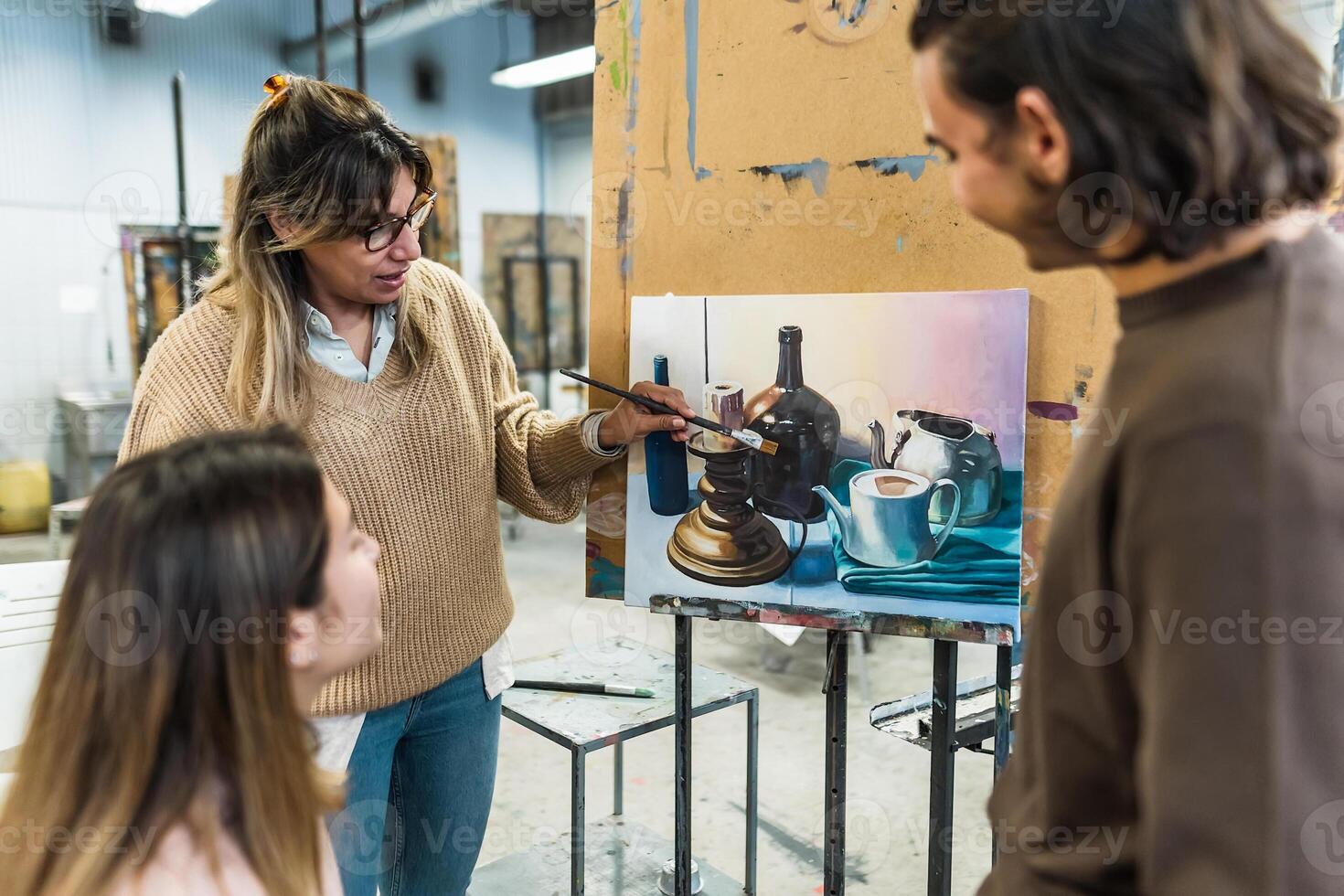
Exquisite Paint Instructor Image for Mobile
Find inspiration with this unique paint instructor illustration, crafted to provide a fresh look for your background.

Beautiful Paint Instructor Scene for Desktop
Explore this high-quality paint instructor image, perfect for enhancing your desktop or mobile wallpaper.

Amazing Paint Instructor Artwork for Your Screen
Experience the crisp clarity of this stunning paint instructor image, available in high resolution for all your screens.

Crisp Paint Instructor Artwork in HD
Find inspiration with this unique paint instructor illustration, crafted to provide a fresh look for your background.
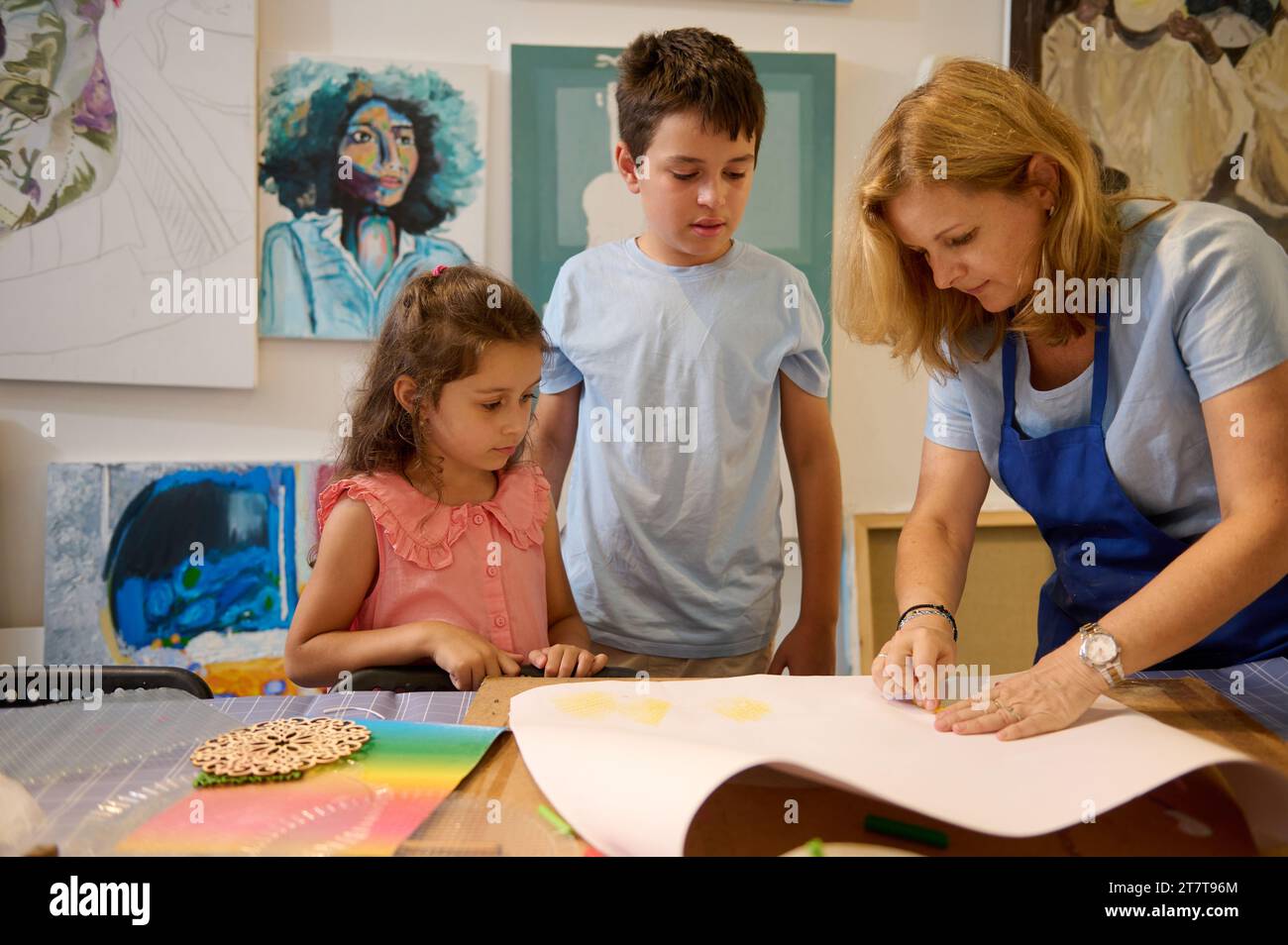
Exquisite Paint Instructor Picture for Desktop
A captivating paint instructor scene that brings tranquility and beauty to any device.

Exquisite Paint Instructor Photo in HD
A captivating paint instructor scene that brings tranquility and beauty to any device.

Spectacular Paint Instructor Landscape Collection
Immerse yourself in the stunning details of this beautiful paint instructor wallpaper, designed for a captivating visual experience.

Beautiful Paint Instructor Background for Your Screen
Discover an amazing paint instructor background image, ideal for personalizing your devices with vibrant colors and intricate designs.

Vivid Paint Instructor Background Photography
Explore this high-quality paint instructor image, perfect for enhancing your desktop or mobile wallpaper.

Captivating Paint Instructor Wallpaper for Your Screen
A captivating paint instructor scene that brings tranquility and beauty to any device.
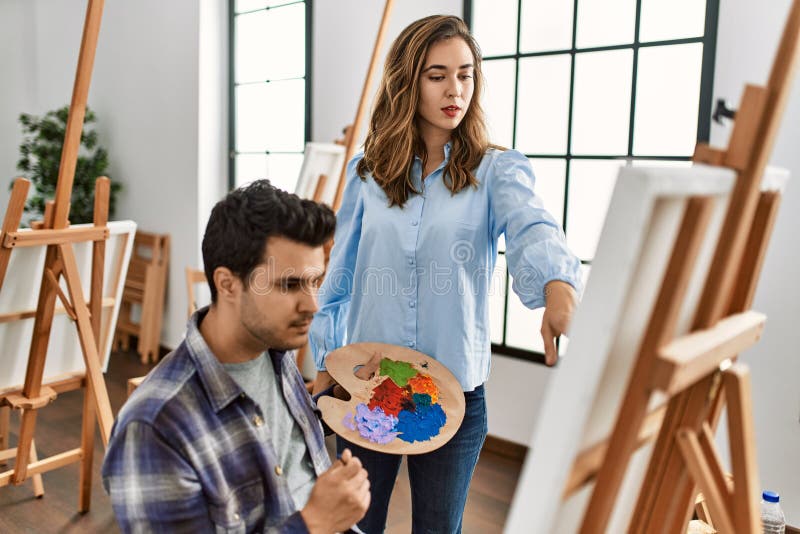
Crisp Paint Instructor Moment Art
Find inspiration with this unique paint instructor illustration, crafted to provide a fresh look for your background.

Lush Paint Instructor Abstract in 4K
Immerse yourself in the stunning details of this beautiful paint instructor wallpaper, designed for a captivating visual experience.

Amazing Paint Instructor Background Art
Explore this high-quality paint instructor image, perfect for enhancing your desktop or mobile wallpaper.

Lush Paint Instructor Capture Collection
Immerse yourself in the stunning details of this beautiful paint instructor wallpaper, designed for a captivating visual experience.

Dynamic Paint Instructor Design Nature
A captivating paint instructor scene that brings tranquility and beauty to any device.

Exquisite Paint Instructor Photo Digital Art
Immerse yourself in the stunning details of this beautiful paint instructor wallpaper, designed for a captivating visual experience.
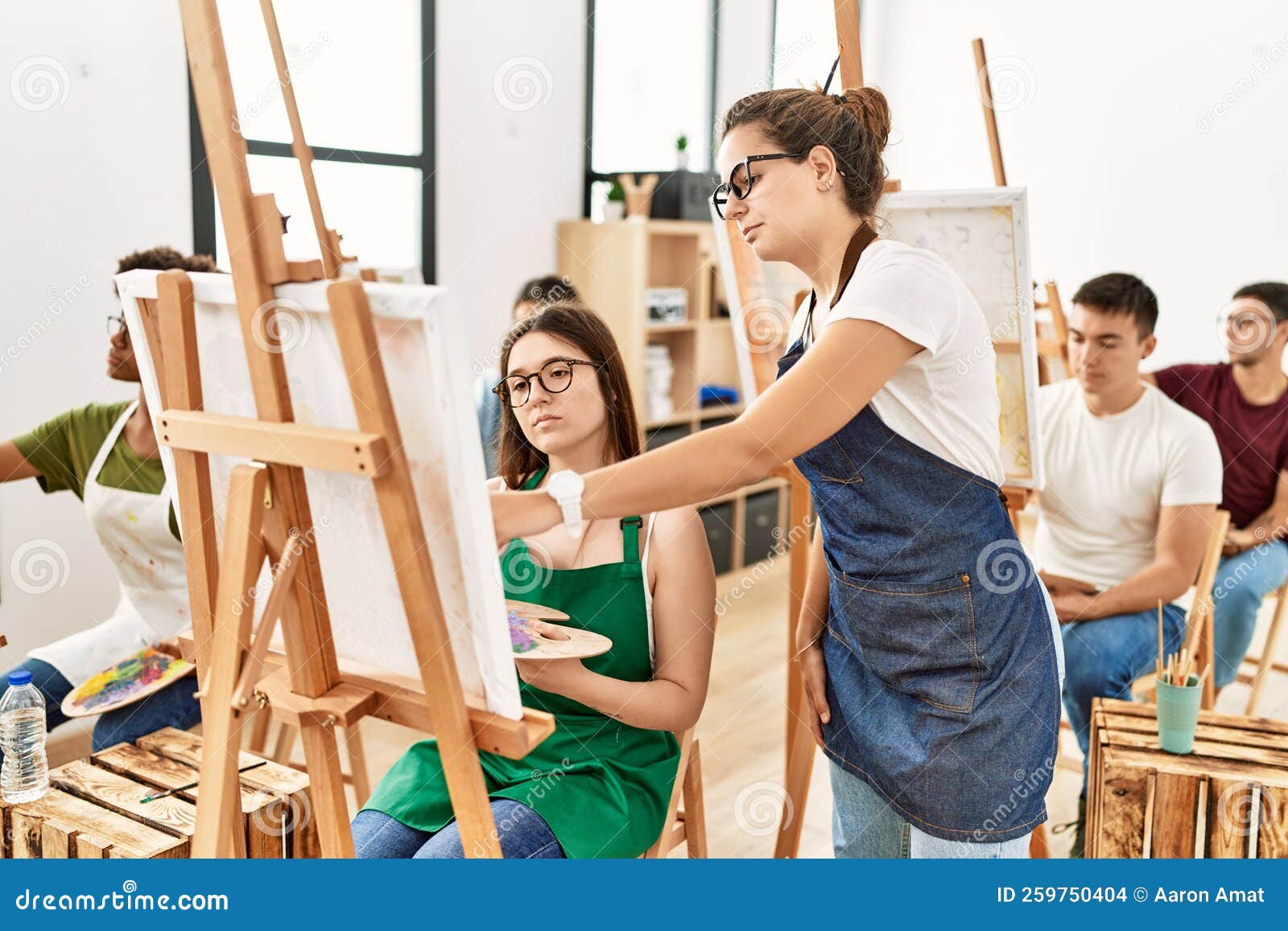
Artistic Paint Instructor Background Illustration
Find inspiration with this unique paint instructor illustration, crafted to provide a fresh look for your background.

Mesmerizing Paint Instructor Photo Digital Art
Discover an amazing paint instructor background image, ideal for personalizing your devices with vibrant colors and intricate designs.

Spectacular Paint Instructor Wallpaper Nature
Find inspiration with this unique paint instructor illustration, crafted to provide a fresh look for your background.
Download these paint instructor wallpapers for free and use them on your desktop or mobile devices.