Paint Sound Effects
Paint Sound Effects: Your Ultimate Guide to Audio Artistry
If you've ever watched a movie or animation where an artist is at work, you know that the visual act of painting is only half the magic. The other, often overlooked, half is the sound! Authentic and detailed Paint Sound Effects are crucial for bringing realism, texture, and emotion to any scene involving creativity.
We're not just talking about a simple "swish." Sound designers go deep, capturing the subtle friction of bristles against canvas, the squelch of thick oils, or the faint metallic rattle of shaking a spray can. If you are creating content—whether for film, games, or even relaxing ASMR tracks—mastering these sounds is a game-changer. Let's dive into how you can utilize, classify, and even record fantastic paint sounds.
Why Paint Sound Effects Matter in Digital Storytelling
Think about a documentary focusing on a meticulous watercolor artist. If the scene is silent, it feels sterile. Add the delicate whisper of a damp brush gliding over fine paper, and suddenly, you are sitting right there next to the artist. Sound creates immersion.
Foley artists understand that every physical action needs audio representation to ground the visuals in reality. Without specific Paint Sound Effects, the viewer's brain registers the action as fake or incomplete. These sounds are not just filler; they are vital narrative cues that enhance the quality and professionalism of your final product.
The Psychology of the Brushstroke Sound
The sound of a brushstroke can communicate the artist's emotional state or technique immediately. A sharp, scratchy sound suggests frustration or intense pressure, perhaps utilizing a dry brush technique. Conversely, a smooth, wet, and flowing sound implies confidence and calm, typical of fluid acrylics or soft oil applications.
When selecting your Paint Sound Effects, always consider what emotion you want the audience to feel. Are the strokes aggressive and fast, needing sharp "swooshes" and "scrapes"? Or are they gentle and meditative, requiring soft, almost silent "whispers" of sound?
Classifying Different Types of Paint Sound Effects
The world of paint sounds is vast! It doesn't just involve the act of applying paint, but everything that leads up to and follows the creation process. Knowing the different categories helps you organize your sound library and ensure you haven't missed a crucial detail in your sound design.
Here are the primary classifications we look for when sourcing or recording high-quality Paint Sound Effects:
- Application Sounds: The most common category, including strokes, rolls, stipples, and sprays.
- Preparation Sounds: All the actions before the brush touches the surface, such as mixing, shaking, and opening containers.
- Tool Sounds: Unique sounds made by specific instruments, like the click of an airbrush nozzle, the tap of a palette knife, or the rustle of cleaning rags.
- Surface Interaction Sounds: The unique audio texture created when the paint meets different materials (canvas, wood, paper, metal).
Sounds of Application: From Swish to Splatter
When you visualize someone painting, you often hear the characteristic sound of the brush moving quickly across the surface. However, depending on the medium—oil, acrylic, watercolor, or house paint—that sound changes dramatically.
For instance, a house painter using a roller provides a rich, wet 'squishing' sound followed by a low rumble. A fine artist working with oils creates a quieter, almost chewy sound as the thick pigment resists the movement of the bristles. These subtleties make the difference between generic background noise and truly compelling sound design.
Essential application sounds to capture include:
- The dry "scrape" of a nearly empty brush.
- The wet "swoosh" of a full, loaded brush.
- The rhythmic "thud" of a sponge or stippling action.
- The sharp "psst" and hiss of spray paint.
- The gentle "rip" as masking tape is removed from a wall.
Mixing and Preparation Sounds
Preparation sounds often provide excellent sonic texture and fill moments of silence beautifully. These small audio cues tell the audience that work is about to begin, building anticipation. Think about the iconic sound of shaking a spray paint can—that little metal ball rattling inside instantly signifies urban art or quick, decisive action.
Similarly, the gentle scrape of a palette knife mixing colors on a wooden palette is meditative and grounding. Always layer these sounds under dialogue or score to enhance the atmosphere without distracting the listener from the main action.
Tips for Recording High-Quality Paint Sound Effects (Foley)
While sound libraries offer many pre-recorded Paint Sound Effects, nothing beats custom foley. Recording your own sounds gives you complete creative control and ensures the audio matches the specific action on screen.
To record great foley, start in a quiet environment—ideally a dedicated studio or closet padded with blankets to minimize room reverberation. Use high-quality condenser microphones, which are sensitive enough to capture the minute details of paint friction and liquid movement.
Choosing the Right Medium for Authentic Audio
The trick to recording excellent Paint Sound Effects is knowing what materials produce the desired frequency range. If you need a high-frequency scrape, use a stiff, dry bristle brush on rough canvas. If you need a lower, wetter frequency, use heavily thinned acrylics on a smooth, primed wood panel.
Sometimes you need to fake the materials entirely. For example, the sound of thick, gooey paint can sometimes be created more effectively by mixing cornstarch and water rather than using expensive oils. Experimentation is key to achieving that perfect auditory texture!
Post-Production Magic: Editing Your Paint Sound Effects
Raw recordings are just the starting point. Post-production allows you to sculpt your Paint Sound Effects perfectly. Use equalization (EQ) to remove unwanted low-end rumble or boost the high-frequency friction that gives the sound its detail.
Compression and limiting ensure that the paint sounds sit well within your overall mix, neither drowning out dialogue nor disappearing entirely. Don't be afraid to layer multiple sounds—a light wet squish, combined with a slight bristle scratch, often creates a much richer, more believable effect than a single sound clip.
Conclusion: Mastering the Audio Canvas
Whether you are a filmmaker, game developer, or content creator, integrating high-quality Paint Sound Effects is a fundamental step toward creating fully immersive and believable experiences. We've explored the importance of these sounds, categorized the various actions involved, and provided essential tips for foley recording and post-production refinement.
By paying attention to the details—the whisper of watercolor, the squelch of a roller, or the rattle of the can—you transform a silent visual act into a vibrant auditory scene. Go forth and paint your audio canvas with passion and precision!
Frequently Asked Questions (FAQ) About Paint Sound Effects
- Can I use household items to create paint sound effects?
- Absolutely! Foley often relies on creative alternatives. For instance, the sound of thick oil paint can be simulated using yogurt or oatmeal for a similar gooey texture. Using damp sponges on different surfaces can mimic wet brushes effectively.
- How do I make my paint sound effects louder without distortion?
- If your original recording is too quiet, try applying gentle compression and normalization. Avoid excessive gain, as this brings up unwanted background noise. If possible, re-record the foley action closer to the microphone for a better signal-to-noise ratio.
- Are the sounds for watercolor different from oil paint?
- Yes, dramatically so. Watercolor sounds are generally high-frequency, delicate, and often include the rustling of paper, as the medium is thin and non-viscous. Oil paint sounds are lower in frequency, featuring thick, "chewy" resistance and audible separation when the brush leaves the canvas, due to its high viscosity.
- What is the key to realistic spray paint sound effects?
- Realism comes from layering. You need the initial sharp "click" of the nozzle, the immediate "hiss" of the spray (which can be synthesized or recorded), and crucially, the rattling sound of the internal mixing ball within the can, which should be recorded separately and timed correctly.
Paint Sound Effects
Paint Sound Effects Wallpapers
Collection of paint sound effects wallpapers for your desktop and mobile devices.

Spectacular Paint Sound Effects Wallpaper in HD
This gorgeous paint sound effects photo offers a breathtaking view, making it a perfect choice for your next wallpaper.
Beautiful Paint Sound Effects Design for Your Screen
Transform your screen with this vivid paint sound effects artwork, a true masterpiece of digital design.

Artistic Paint Sound Effects View for Desktop
This gorgeous paint sound effects photo offers a breathtaking view, making it a perfect choice for your next wallpaper.

High-Quality Paint Sound Effects Artwork Nature
Experience the crisp clarity of this stunning paint sound effects image, available in high resolution for all your screens.

Artistic Paint Sound Effects Landscape for Desktop
This gorgeous paint sound effects photo offers a breathtaking view, making it a perfect choice for your next wallpaper.
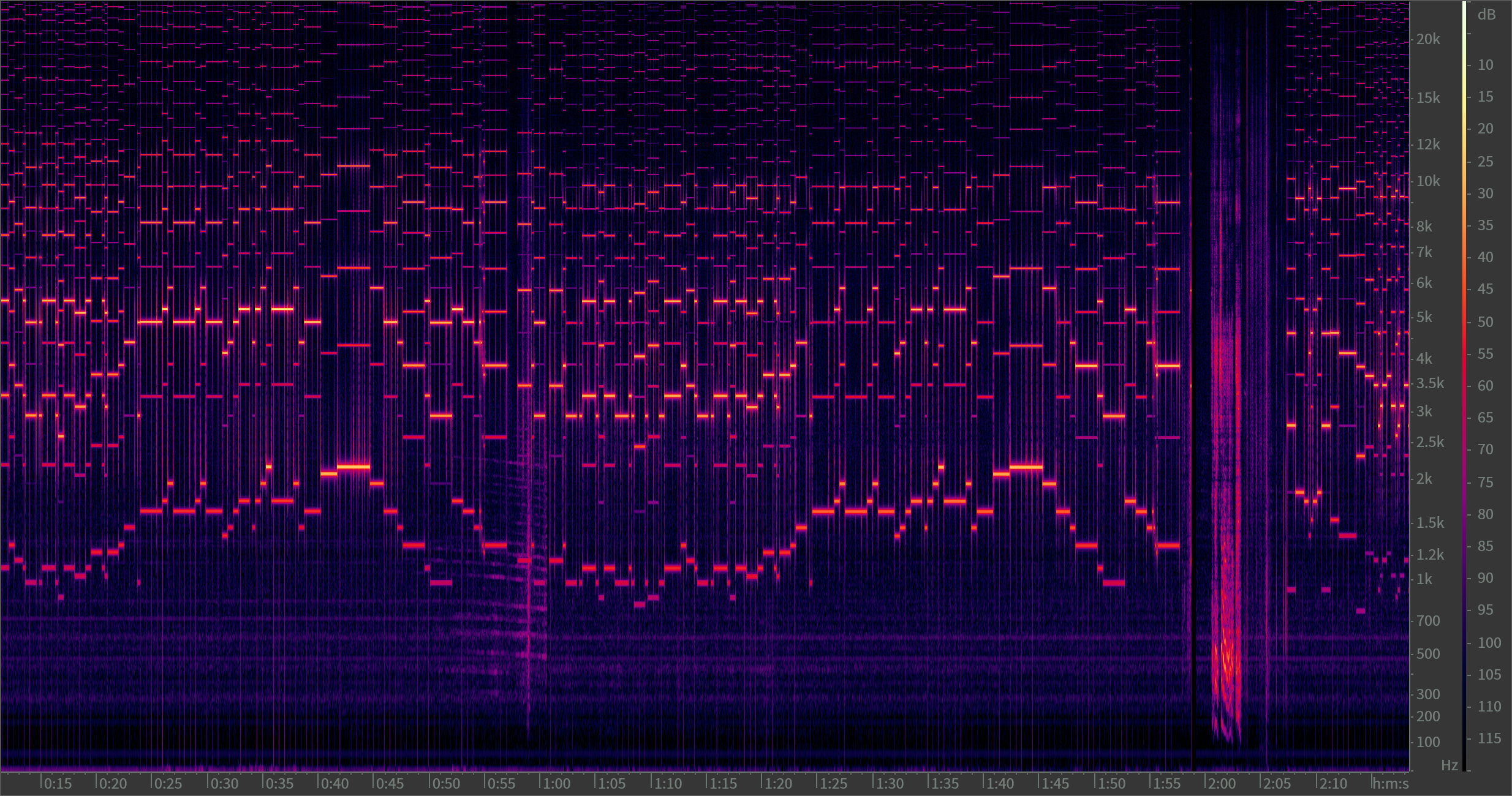
Vibrant Paint Sound Effects Picture Digital Art
Experience the crisp clarity of this stunning paint sound effects image, available in high resolution for all your screens.
Vivid Paint Sound Effects View for Mobile
Transform your screen with this vivid paint sound effects artwork, a true masterpiece of digital design.

Exquisite Paint Sound Effects Capture Collection
Immerse yourself in the stunning details of this beautiful paint sound effects wallpaper, designed for a captivating visual experience.
Spectacular Paint Sound Effects Abstract for Your Screen
Immerse yourself in the stunning details of this beautiful paint sound effects wallpaper, designed for a captivating visual experience.
Spectacular Paint Sound Effects Artwork Photography
Immerse yourself in the stunning details of this beautiful paint sound effects wallpaper, designed for a captivating visual experience.
Mesmerizing Paint Sound Effects View Art
Experience the crisp clarity of this stunning paint sound effects image, available in high resolution for all your screens.

Crisp Paint Sound Effects Design Illustration
Find inspiration with this unique paint sound effects illustration, crafted to provide a fresh look for your background.

Breathtaking Paint Sound Effects Moment in HD
Experience the crisp clarity of this stunning paint sound effects image, available in high resolution for all your screens.

Stunning Paint Sound Effects Abstract for Your Screen
Immerse yourself in the stunning details of this beautiful paint sound effects wallpaper, designed for a captivating visual experience.

Vibrant Paint Sound Effects Scene Digital Art
Experience the crisp clarity of this stunning paint sound effects image, available in high resolution for all your screens.

Amazing Paint Sound Effects Artwork Art
Transform your screen with this vivid paint sound effects artwork, a true masterpiece of digital design.

Spectacular Paint Sound Effects View Nature
Immerse yourself in the stunning details of this beautiful paint sound effects wallpaper, designed for a captivating visual experience.
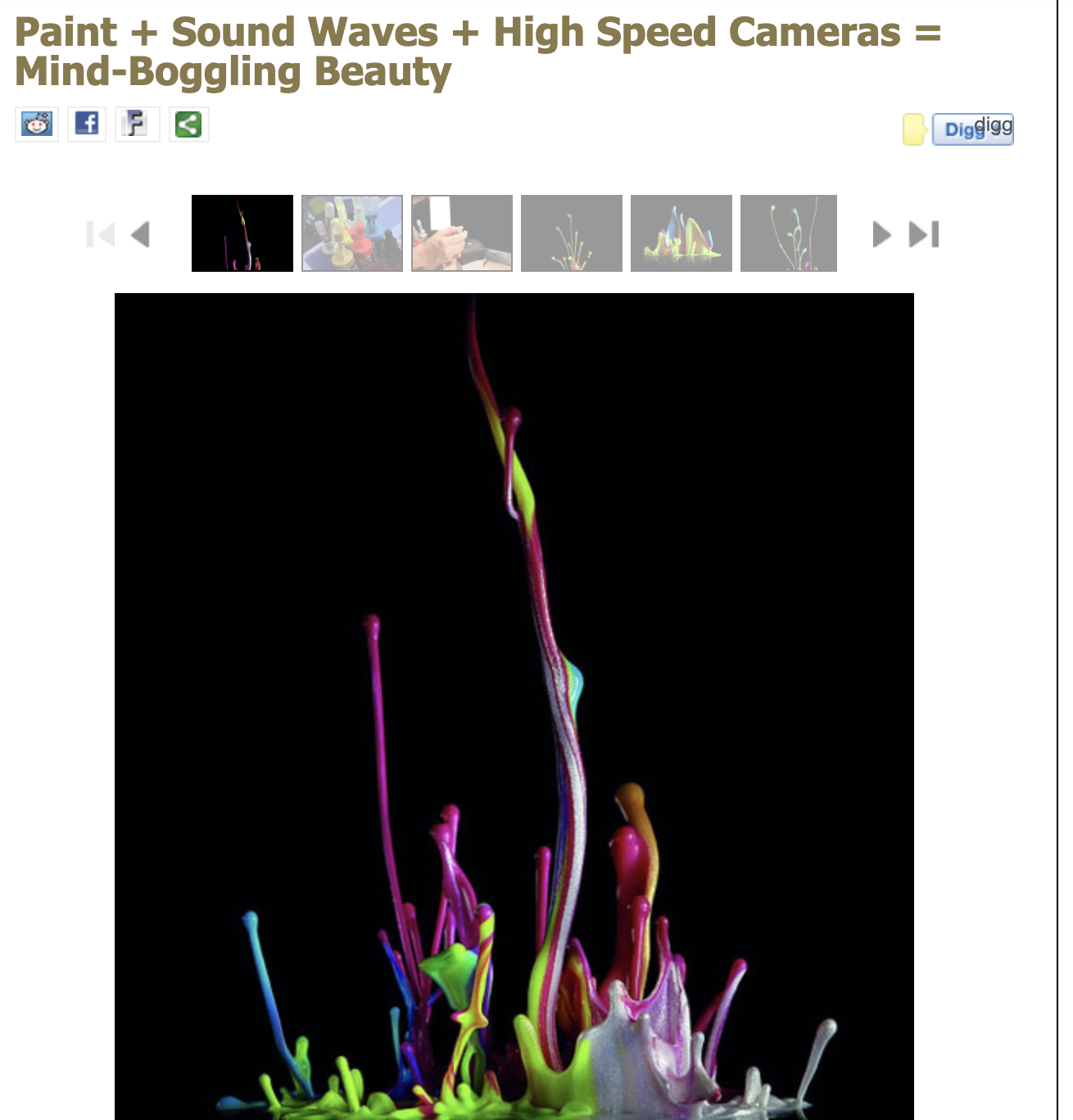
Vibrant Paint Sound Effects Design Photography
Transform your screen with this vivid paint sound effects artwork, a true masterpiece of digital design.
Beautiful Paint Sound Effects Abstract for Desktop
Experience the crisp clarity of this stunning paint sound effects image, available in high resolution for all your screens.

Gorgeous Paint Sound Effects Landscape in HD
Immerse yourself in the stunning details of this beautiful paint sound effects wallpaper, designed for a captivating visual experience.
Download these paint sound effects wallpapers for free and use them on your desktop or mobile devices.