Trump admin drops childhood vaccination reporting requirement
Trump Admin Drops Childhood Vaccination Reporting Requirement, Sparking National Health Data Debate
A recent administrative action by the Trump administration has resulted in the elimination of a critical, long-standing federal requirement for states to report detailed childhood immunization data to the Centers for Disease Control and Prevention (CDC). This decision, which mandates less transparency regarding national immunization coverage, has immediately ignited a fierce debate among public health officials, healthcare providers, and parents nationwide.
For decades, the centralized tracking of childhood vaccination rates has served as the backbone of America's defense against vaccine-preventable diseases. This data provided the earliest warning signs of declining herd immunity, allowing health departments to quickly mobilize resources in vulnerable communities. Now, that national safety net of transparent data tracking faces unprecedented gaps.
Think back to the localized measles outbreaks that plagued several states in 2019. Local health officials depended entirely on the immediate, reliable, and standardized federal reporting systems to map infection pathways and identify areas where vaccination compliance was critically low. Without this centralized reporting requirement, the ability to rapidly assess and respond to future infectious disease threats is significantly compromised, pushing data collection back to a fragmented state-by-state effort.
The End of Centralized Data: Detailing the Policy Shift and Its Immediate Scope
The policy change was implemented quietly, often framed as part of a broader deregulation push aimed at granting states greater autonomy and reducing administrative burdens placed on local health departments. However, public health experts argue that while deregulation can be beneficial in certain areas, centralized immunization tracking is a matter of national security and coordinated disease prevention.
Specifically, the requirement that was dropped involved the standardized submission of data related to children meeting the recommended immunization schedules, particularly those crucial vaccines covering MMR (measles, mumps, rubella), Polio, and DTaP (diphtheria, tetanus, and pertussis). The reporting mandate ensured that the CDC could aggregate this information, identify demographic weak spots, and project risks across state borders.
The administration's defense of the decision centered on redundancy, suggesting that states already collect this data for their own local registries. While true, local registries often use varying definitions, data collection standards, and lag times. The federal requirement standardized these inputs, making cross-state comparisons reliable and instantaneous for national epidemiological surveillance.
This removal means the CDC must now rely on voluntary reporting or outdated aggregated surveys, significantly diminishing the timeliness and granularity of the information. According to epidemiologists, even a slight delay in recognizing a national drop in coverage can translate into hundreds or thousands of unnecessary infections when dealing with highly contagious pathogens like measles.
The immediate scope of this shift includes:
- Loss of granular, timely data necessary for calculating national herd immunity thresholds.
- Increased difficulty in identifying interstate migration of unvaccinated populations.
- A potential decline in accountability for states failing to meet vaccination targets.
- Greater dependence on small-scale surveys, which are more susceptible to sampling errors than comprehensive state-wide mandatory reports.
Healthcare advocacy groups have voiced concerns that this move contributes to a climate of distrust toward immunization programs, even if the intent was purely administrative. The lack of transparency in reporting may inadvertently fuel misinformation campaigns that already challenge public confidence in vaccine efficacy and safety.
Critics also highlight that reducing administrative burden is a poor trade-off for increased public health risk. The cost of a major outbreak—in terms of human life, healthcare expenditures, and disruption to schooling and commerce—far outweighs the cost associated with mandatory data reporting. The financial implications alone, especially regarding contact tracing and emergency response, present a compelling argument against the policy reversal.
The Public Health Impact: Why Immunization Tracking is Crucial for National Safety
The primary concern following the dropping of the childhood vaccination reporting requirement is the inevitable degradation of national immunization transparency. Immunization tracking is not merely bureaucratic paperwork; it is the cornerstone of preventative public health measures. It tells us exactly where the vulnerable populations are and whether specific intervention strategies (like school requirements or local campaigns) are working.
When tracking data becomes fragmented, the concept of "herd immunity" is placed at risk. Herd immunity requires a significant majority (often 90% or higher for diseases like measles) of the population to be immune to prevent widespread transmission. If federal agencies cannot accurately and quickly track compliance rates, they cannot confirm whether national or regional thresholds are being maintained.
The previous administration's approach emphasized proactive monitoring. If a state dipped below 85% coverage for a specific vaccine, the CDC could immediately engage with state health officials, offering resources or launching awareness campaigns. This proactive capability is now severely hampered, shifting the response dynamic from prevention to reaction.
Increased Vulnerability to Vaccine-Preventable Diseases
The LSI keyword "vaccine-preventable diseases" becomes painfully relevant in this context. Diseases once thought eradicated in the U.S., like measles, have already shown signs of resurgence. These outbreaks are almost always linked to pockets of under-vaccinated communities.
Measles, for instance, requires an extremely high level of population immunity due to its airborne transmission and high contagiousness. If we lose the ability to pinpoint these vulnerable pockets accurately, the country is essentially blindfolded while navigating a potential epidemic threat. This policy shift means health officials may only realize coverage has dropped critically when the first serious cases begin appearing in emergency rooms—a catastrophic delay.
Furthermore, this data is crucial for assessing equity. Low vaccination rates often correlate with specific socioeconomic challenges, including lack of access to healthcare, transportation difficulties, or language barriers. Centralized data helps health departments target these disparities effectively. Without federal oversight, these equity gaps may widen, leaving already marginalized communities more susceptible to illness.
The scientific community universally emphasizes that continuous, standardized data collection is necessary for effective public health management. Retreating from this standard is seen as a major step backward, potentially reversing decades of progress made in controlling infectious diseases in the United States.
Political Context, Public Reaction, and the Future of Immunization Data
The decision to drop the reporting requirement did not occur in a vacuum. It was interpreted by many as aligning with a broader political ideology that favors extreme state autonomy over federal standardization, often prioritizing deregulation above centralized data collection, even when public health is at stake.
The reaction has been sharp and largely divided. On one side, states' rights advocates and some conservative groups praised the move as reducing federal overreach and respecting state-level data privacy protocols. They argue that state immunization tracking systems (IIS) are robust enough to manage local risks without duplicating efforts at the federal level.
On the other side, the consensus among major medical associations—including the American Academy of Pediatrics and the Infectious Diseases Society of America—has been overwhelmingly negative. They stress that viruses do not recognize state lines, making fragmented data collection inherently dangerous.
"This is not merely an administrative shuffle; it's a direct threat to public health surveillance," stated one leading epidemiologist, emphasizing that national transparency is non-negotiable in an era of global travel and heightened risk of importation of diseases.
The Road Ahead: Navigating Data Gaps
Moving forward, the challenge for the CDC will be finding creative ways to fill the resulting data gaps. Potential compensatory strategies include:
- Developing new, voluntary Memorandums of Understanding (MOUs) with individual states, which lack the regulatory force of a federal mandate.
- Relying more heavily on the National Immunization Survey (NIS), which is sample-based and does not provide the comprehensive, real-time coverage required for rapid outbreak response.
- Increased reliance on private healthcare system data, which introduces complexity regarding privacy and standardization across different hospital and clinic networks.
The long-term fear is that without robust, standardized federal data, public health resources will be allocated inefficiently, responding to perceived risks rather than confirmed data-driven threats. This inefficiency wastes taxpayer dollars and increases the time individuals spend exposed to preventable risks.
The policy change serves as a potent reminder of the fragility of public health infrastructure. Systems that seem mundane—like data reporting requirements—are often the quiet, invisible levers that protect millions. When those levers are removed, the potential consequences, especially concerning the health of America's children, demand serious national scrutiny.
Ultimately, the burden of comprehensive tracking now falls disproportionately onto state and local health departments, many of which are already grappling with budget cuts and staffing shortages. Their ability to maintain both local tracking and effective national communication, without a federal mandate, remains a major question mark whose answer could define the success or failure of U.S. infectious disease control efforts for the coming decade.
Trump admin drops childhood vaccination reporting requirement
Trump admin drops childhood vaccination reporting requirement Wallpapers
Collection of trump admin drops childhood vaccination reporting requirement wallpapers for your desktop and mobile devices.

Serene Trump Admin Drops Childhood Vaccination Reporting Requirement Wallpaper Collection
Transform your screen with this vivid trump admin drops childhood vaccination reporting requirement artwork, a true masterpiece of digital design.

Beautiful Trump Admin Drops Childhood Vaccination Reporting Requirement View Illustration
Explore this high-quality trump admin drops childhood vaccination reporting requirement image, perfect for enhancing your desktop or mobile wallpaper.

Gorgeous Trump Admin Drops Childhood Vaccination Reporting Requirement Background in 4K
Immerse yourself in the stunning details of this beautiful trump admin drops childhood vaccination reporting requirement wallpaper, designed for a captivating visual experience.

High-Quality Trump Admin Drops Childhood Vaccination Reporting Requirement Capture in HD
Explore this high-quality trump admin drops childhood vaccination reporting requirement image, perfect for enhancing your desktop or mobile wallpaper.

Stunning Trump Admin Drops Childhood Vaccination Reporting Requirement Landscape Illustration
This gorgeous trump admin drops childhood vaccination reporting requirement photo offers a breathtaking view, making it a perfect choice for your next wallpaper.

High-Quality Trump Admin Drops Childhood Vaccination Reporting Requirement Landscape for Mobile
Explore this high-quality trump admin drops childhood vaccination reporting requirement image, perfect for enhancing your desktop or mobile wallpaper.

Vibrant Trump Admin Drops Childhood Vaccination Reporting Requirement View in HD
Experience the crisp clarity of this stunning trump admin drops childhood vaccination reporting requirement image, available in high resolution for all your screens.

Exquisite Trump Admin Drops Childhood Vaccination Reporting Requirement Abstract Collection
Immerse yourself in the stunning details of this beautiful trump admin drops childhood vaccination reporting requirement wallpaper, designed for a captivating visual experience.

Spectacular Trump Admin Drops Childhood Vaccination Reporting Requirement Capture Collection
Find inspiration with this unique trump admin drops childhood vaccination reporting requirement illustration, crafted to provide a fresh look for your background.

Vivid Trump Admin Drops Childhood Vaccination Reporting Requirement View Nature
Discover an amazing trump admin drops childhood vaccination reporting requirement background image, ideal for personalizing your devices with vibrant colors and intricate designs.
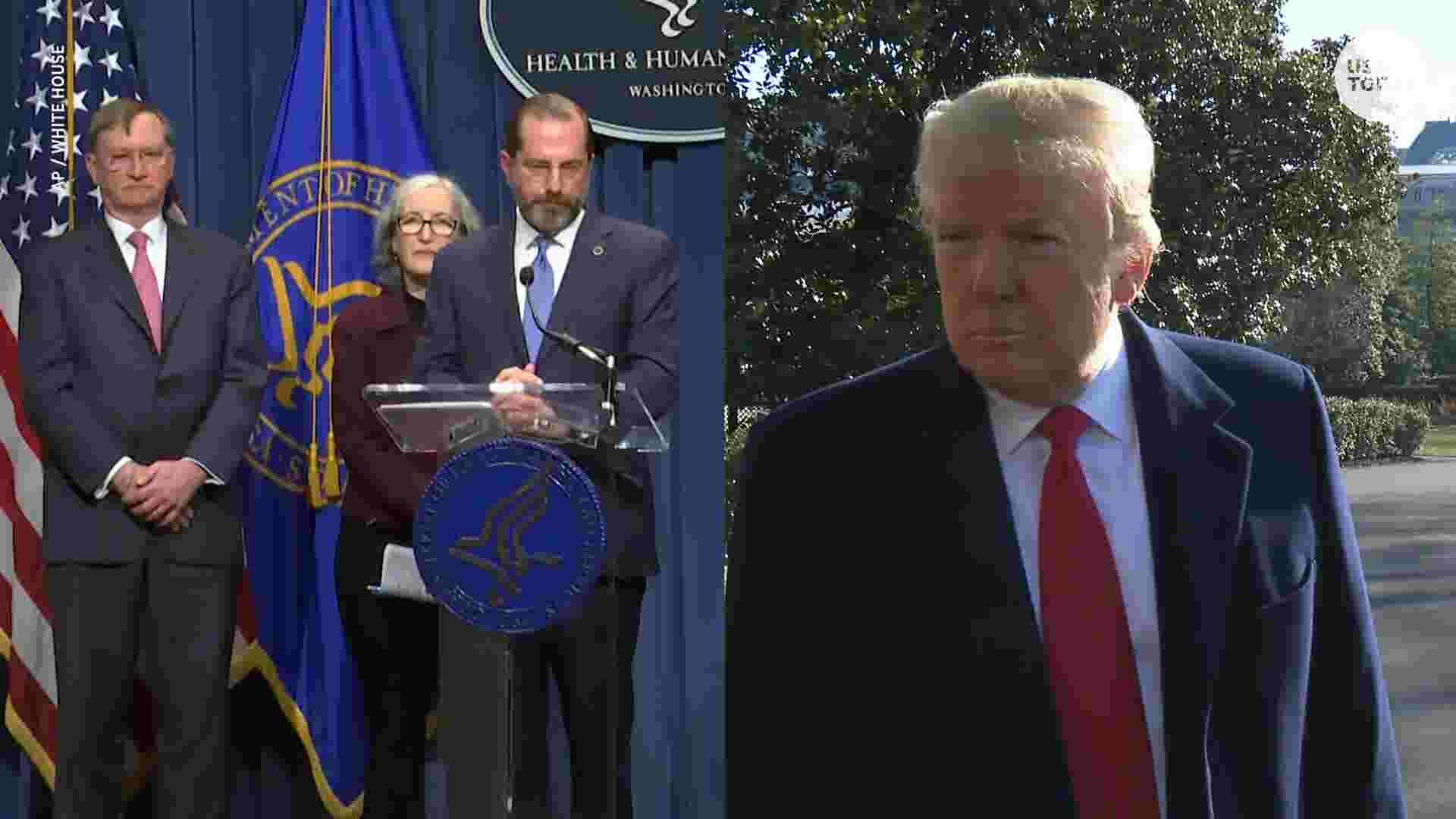
Crisp Trump Admin Drops Childhood Vaccination Reporting Requirement Photo Collection
This gorgeous trump admin drops childhood vaccination reporting requirement photo offers a breathtaking view, making it a perfect choice for your next wallpaper.

Gorgeous Trump Admin Drops Childhood Vaccination Reporting Requirement Moment in 4K
Immerse yourself in the stunning details of this beautiful trump admin drops childhood vaccination reporting requirement wallpaper, designed for a captivating visual experience.

Vibrant Trump Admin Drops Childhood Vaccination Reporting Requirement Background in HD
Explore this high-quality trump admin drops childhood vaccination reporting requirement image, perfect for enhancing your desktop or mobile wallpaper.

Vivid Trump Admin Drops Childhood Vaccination Reporting Requirement Wallpaper Art
Discover an amazing trump admin drops childhood vaccination reporting requirement background image, ideal for personalizing your devices with vibrant colors and intricate designs.

Crisp Trump Admin Drops Childhood Vaccination Reporting Requirement Photo for Mobile
This gorgeous trump admin drops childhood vaccination reporting requirement photo offers a breathtaking view, making it a perfect choice for your next wallpaper.

Amazing Trump Admin Drops Childhood Vaccination Reporting Requirement Wallpaper in 4K
Transform your screen with this vivid trump admin drops childhood vaccination reporting requirement artwork, a true masterpiece of digital design.

Lush Trump Admin Drops Childhood Vaccination Reporting Requirement Abstract in HD
Find inspiration with this unique trump admin drops childhood vaccination reporting requirement illustration, crafted to provide a fresh look for your background.

Amazing Trump Admin Drops Childhood Vaccination Reporting Requirement Wallpaper for Desktop
Transform your screen with this vivid trump admin drops childhood vaccination reporting requirement artwork, a true masterpiece of digital design.
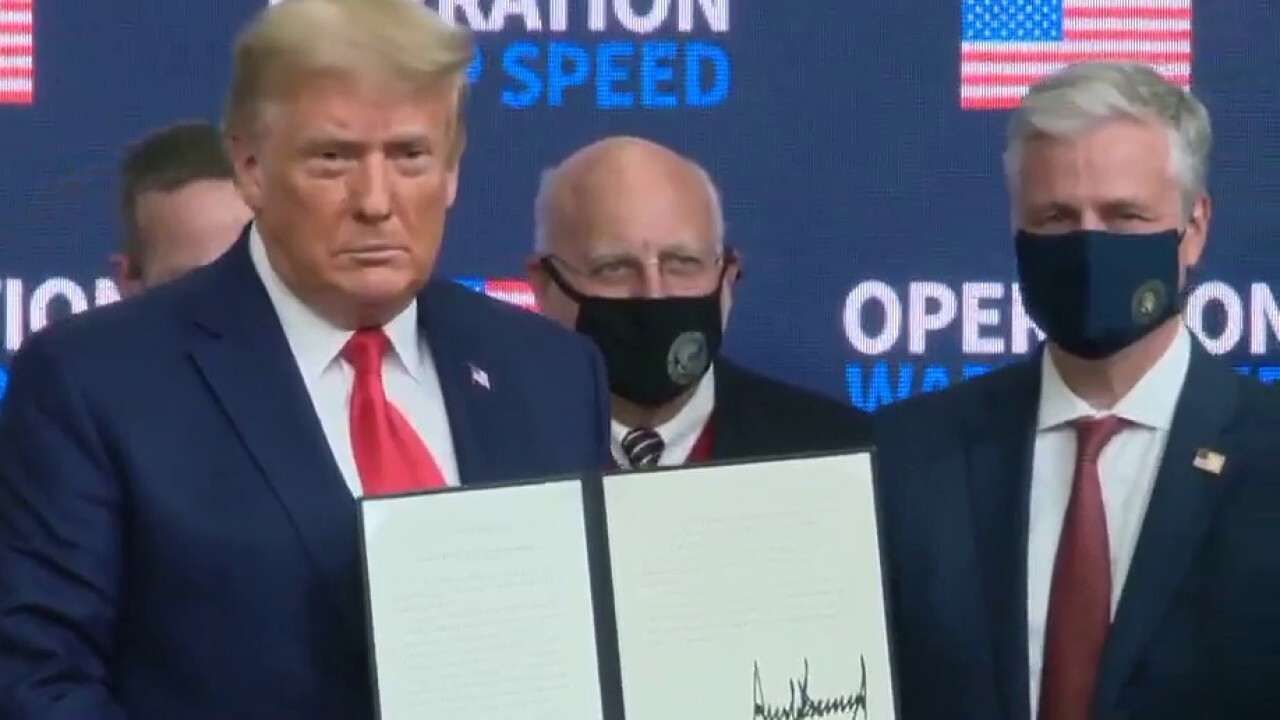
Dynamic Trump Admin Drops Childhood Vaccination Reporting Requirement Picture Collection
This gorgeous trump admin drops childhood vaccination reporting requirement photo offers a breathtaking view, making it a perfect choice for your next wallpaper.

Beautiful Trump Admin Drops Childhood Vaccination Reporting Requirement Artwork for Desktop
Transform your screen with this vivid trump admin drops childhood vaccination reporting requirement artwork, a true masterpiece of digital design.
Download these trump admin drops childhood vaccination reporting requirement wallpapers for free and use them on your desktop or mobile devices.