Vintage Car Wash
The Ultimate Guide to a Vintage Car Wash: Preserving Patina and Shine
There's nothing quite like the sight and sound of a classic automobile rolling down the street. Maybe it's a shiny 1957 Chevy Bel Air, or perhaps a rugged pre-war Ford. These vehicles are rolling pieces of history, and treating them right—especially when it comes to cleaning—is crucial.
I learned this lesson the hard way. Years ago, I inherited my grandfather's beautiful 1965 Mustang. Excitedly, I drove it straight through a modern automated car wash. The high-pressure jets chipped a piece of the delicate chrome trim, and the harsh brushes left micro-scratches (swirl marks) that looked terrible in direct sunlight. It was an expensive, heartbreaking mistake.
A vintage car wash isn't just about rinsing dirt; it's a careful preservation ritual. If you own a piece of automotive history, ditch the automatic washes immediately. We need a methodology that respects the fragile paint, the old rubber seals, and the irreplaceable brightwork. This guide will walk you through the essential techniques and tools for a safe, satisfying hand wash that achieves a concours-ready shine.
Why Classic Automobiles Demand Special Care
When dealing with classic automobiles, the rules of detailing change dramatically. Modern cars use clear coats and durable polyurethane finishes. Vintage cars often rely on single-stage paint—thinner, softer, and far more prone to scratching and oxidation.
The core challenge is the age of the materials. Every component on a vintage vehicle has had decades to become brittle, faded, or delicate. Ignoring these factors can lead to permanent damage that significantly reduces the car's value and aesthetic appeal.
Here are the key factors that make a standard wash dangerous for your classic:
- Single-Stage Paint Systems: Older paints (especially reds and blacks) are extremely soft. High-pressure washing or abrasive sponges will quickly induce swirl marks and may even remove pigment, dulling the finish or ruining the coveted 'patina' look.
- Chrome and Brightwork: Vintage chrome bumpers and trim are often thin or pitted. They require specific, non-abrasive polishes. Automated washers can snag loose trim or blast away protective layers, leading to rapid corrosion.
- Rubber Seals and Weatherstripping: After decades of sun exposure, door and window seals become hard and brittle. Harsh detergents or aggressive scrubbing will crack or tear these seals, leading to leaks and interior damage. Finding OEM replacements can be nearly impossible or incredibly expensive.
- Lead-Based Fillers: Many older repairs or body panels contained lead. We must avoid excessive heat or chemicals that might react poorly with these traditional materials.
The goal is preservation. We wash to clean, but primarily to maintain the integrity of the original factory finish or the hard-earned charm of the patina. This requires patience, gentle hands, and the right pH-neutral products.
Mastering the Art of the Gentle Hand Wash
The foundation of any successful vintage car wash is the two-bucket method. This technique drastically reduces the risk of scratches caused by dirt particles being dragged across the paint surface. Never attempt to wash a classic in direct sunlight, as the heat accelerates drying, guaranteeing hard water spots.
Step 1: The Pre-Rinse and Initial Decontamination
Before any contact, we need to remove loose dirt. Use a low-pressure hose (or a pressure washer set to a very wide, gentle fan pattern) to spray down the entire vehicle, starting from the top. Focus especially on wheel wells and rocker panels, where the most abrasive grime collects.
For truly delicate or extremely dusty surfaces, consider using a foam cannon with a pH-neutral snow foam. Let the foam dwell for five minutes. This encapsulation process pulls dirt away from the surface before you even touch it.
Step 2: The Two-Bucket Method Protocol
This is non-negotiable for classic detailing. You need two buckets—one labeled "Wash" (containing diluted car shampoo) and one labeled "Rinse" (containing only clean water).
- The Wash Bucket: Fill with warm water and high-quality, pH-neutral car soap. Look for products designed for wax preservation.
- The Rinse Bucket: This is where you clean your wash mitt after every single panel. Installing a Grit Guard insert in the rinse bucket is essential; this keeps the dirt settled at the bottom, ensuring your mitt is clean before it goes back into the soap bucket.
Step 3: The Washing Technique
Always work from the top down. Gravity works for you, ensuring dirty water runs off areas you haven't yet washed.
Use a premium wash media—a genuine sheepskin mitt or a plush microfiber wash mitt is ideal. Avoid sponges or traditional towels, as they trap abrasive dirt particles.
- Dip the mitt into the Wash bucket.
- Wash one small section (e.g., the roof, then the hood half). Use straight lines, not circular motions, as straight scratches are less visible than swirl marks.
- Immediately dunk the mitt into the Rinse bucket, scrubbing it against the Grit Guard to release contamination.
- Wring out the mitt and return it to the Wash bucket to reload with clean, soapy water.
- Repeat this process, panel by panel, until the entire vehicle body is clean. Save the wheels and tires for last, using a separate, designated wash media.
Step 4: Rinsing and Drying (Crucial for Finish)
Rinsing should be done thoroughly and quickly. Use a sheeting technique: remove the nozzle from the hose and let the water flow freely over the surface from top to bottom. The lack of spray pressure allows the water to sheet off, minimizing the water left behind.
Drying is perhaps the most critical stage. Never let a vintage car air dry. Water spots, especially on older paint, can etch the finish quickly.
- Use a dedicated, large microfiber drying towel (like a waffle weave) or a professional blower/air dryer.
- Blot the water rather than dragging the towel aggressively.
- Pay special attention to door jambs, engine bays (if cleaned), and all chrome trim, ensuring no moisture remains trapped where rust can begin.
Essential Tools for a Concours-Ready Shine
A standard bucket and sponge won't cut it. Investing in the right tools is protecting your investment. High-quality detailing products ensure the classic finish remains safe while achieving that deep, rewarding luster.
The Must-Have Cleaning Arsenal:
1. Specialized Wash Media:
Ditch the cheap mitts. A quality wash media is the difference between a pristine finish and swirl marks. Look for extremely deep pile microfiber or natural lambswool mitts. They lift dirt away from the surface, rather than pushing it.
2. pH-Neutral Shampoo:
Chemicals matter significantly. Your soap must be gentle. It should not strip existing wax or sealant, nor should it contain strong degreasers that could degrade rubber or brittle vinyl tops. High-lubricity formulas help the wash mitt glide easily.
3. Chrome-Specific Polish and Protectant:
Modern paint wax isn't meant for chrome. Invest in a dedicated chrome polish to remove tarnish and light surface rust without scratching the underlying metal. Follow up with a dedicated chrome sealant to protect against environmental damage.
4. Detail Brushes and Swabs:
Vintage cars have notoriously difficult areas to clean: wire wheels, intricate grilles, badges, and ventilation slots. A set of soft, natural-hair detailing brushes (often called "boar's hair" brushes) allows you to gently agitate dirt in these small crevices without scratching the delicate paint around them.
5. Clay Bar (with caution):
If your car has baked-on contaminants (like tree sap or industrial fallout), a mild clay bar treatment may be necessary. However, on true single-stage lacquer paint, proceed with extreme caution and test a small, inconspicuous area first. Always use adequate lubrication to prevent marring.
6. Tire and Wheel Cleaner (Non-Acidic):
Never use acid-based cleaners on vintage alloy or wire wheels, as they can cause irreversible damage or staining. Opt for iron-dissolving, color-changing cleaners that are pH-neutral and gentle enough for the surrounding rubber and wheel coatings.
The dedication required for a proper vintage car wash might seem excessive, but remember what you are cleaning: a historical artifact. The slow, methodical process ensures longevity, maintains aesthetic integrity, and, frankly, is a deeply satisfying way to bond with your classic car.
After the wash, the process should conclude with a high-quality carnauba wax or a modern synthetic sealant application. This protective layer is the final barrier against the elements, ensuring that your beautiful vintage vehicle looks its absolute best, ready for the next cruise or show.
Vintage Car Wash#
Vintage Car Wash Wallpapers
Collection of vintage car wash wallpapers for your desktop and mobile devices.

Breathtaking Vintage Car Wash View Collection
Transform your screen with this vivid vintage car wash artwork, a true masterpiece of digital design.

Spectacular Vintage Car Wash View Photography
A captivating vintage car wash scene that brings tranquility and beauty to any device.

Lush Vintage Car Wash Photo in 4K
Immerse yourself in the stunning details of this beautiful vintage car wash wallpaper, designed for a captivating visual experience.

Artistic Vintage Car Wash Picture Art
This gorgeous vintage car wash photo offers a breathtaking view, making it a perfect choice for your next wallpaper.

Vivid Vintage Car Wash Wallpaper Photography
Transform your screen with this vivid vintage car wash artwork, a true masterpiece of digital design.

Spectacular Vintage Car Wash Abstract Nature
Find inspiration with this unique vintage car wash illustration, crafted to provide a fresh look for your background.
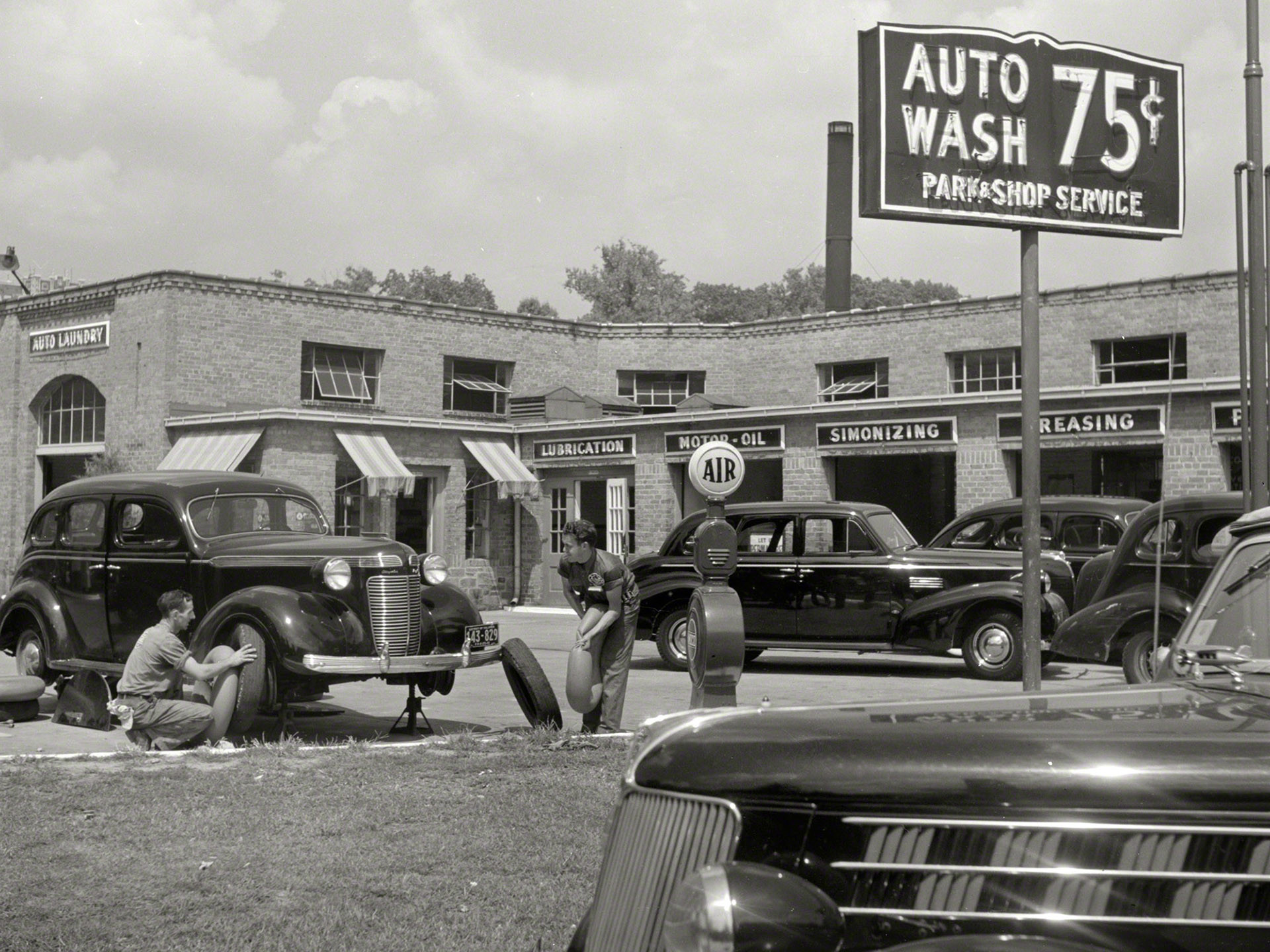
Artistic Vintage Car Wash Background Art
A captivating vintage car wash scene that brings tranquility and beauty to any device.

Lush Vintage Car Wash Picture in HD
Immerse yourself in the stunning details of this beautiful vintage car wash wallpaper, designed for a captivating visual experience.
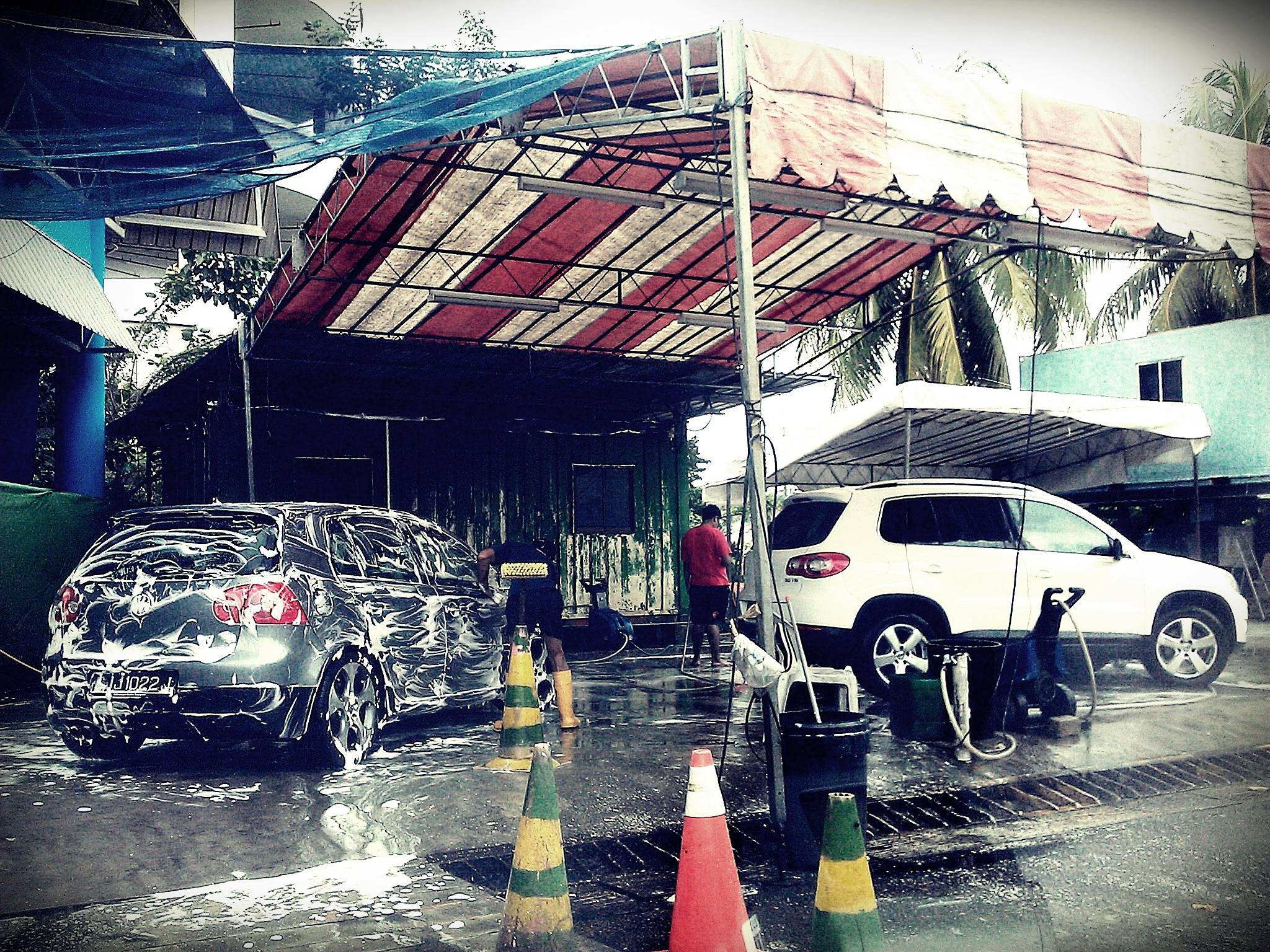
Exquisite Vintage Car Wash Capture in 4K
Find inspiration with this unique vintage car wash illustration, crafted to provide a fresh look for your background.

Spectacular Vintage Car Wash Design Illustration
Find inspiration with this unique vintage car wash illustration, crafted to provide a fresh look for your background.

Captivating Vintage Car Wash Artwork in HD
Immerse yourself in the stunning details of this beautiful vintage car wash wallpaper, designed for a captivating visual experience.

Captivating Vintage Car Wash Wallpaper Art
This gorgeous vintage car wash photo offers a breathtaking view, making it a perfect choice for your next wallpaper.

Mesmerizing Vintage Car Wash Scene Nature
Discover an amazing vintage car wash background image, ideal for personalizing your devices with vibrant colors and intricate designs.
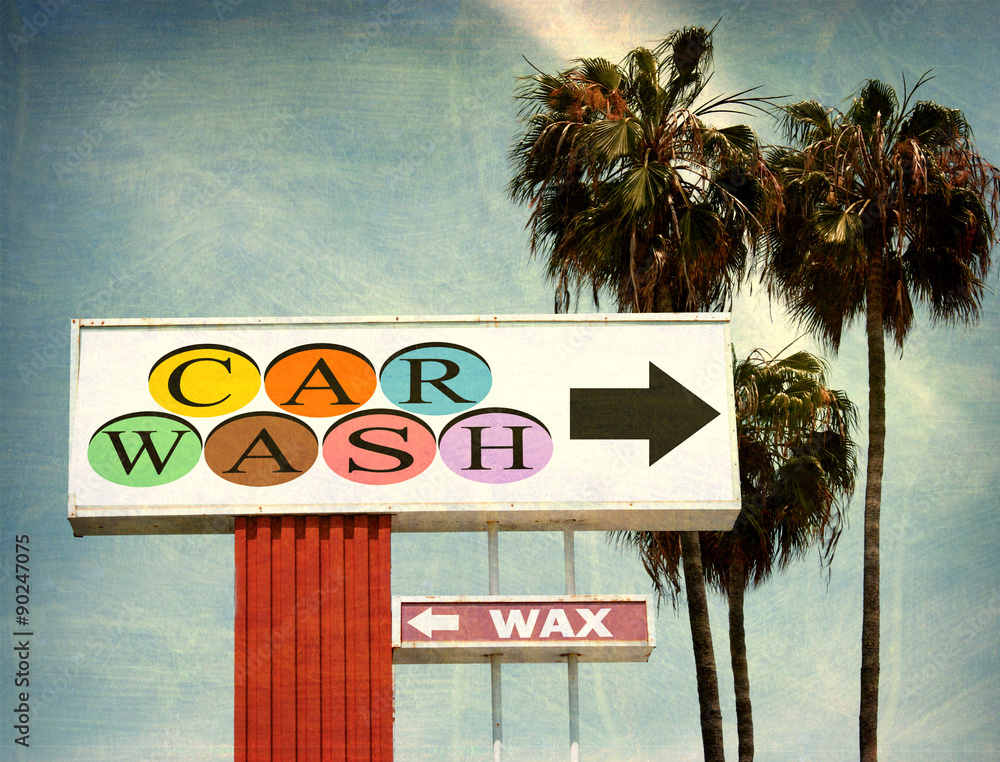
Detailed Vintage Car Wash Design Illustration
Experience the crisp clarity of this stunning vintage car wash image, available in high resolution for all your screens.

Exquisite Vintage Car Wash View Digital Art
Immerse yourself in the stunning details of this beautiful vintage car wash wallpaper, designed for a captivating visual experience.

Crisp Vintage Car Wash Design for Your Screen
This gorgeous vintage car wash photo offers a breathtaking view, making it a perfect choice for your next wallpaper.
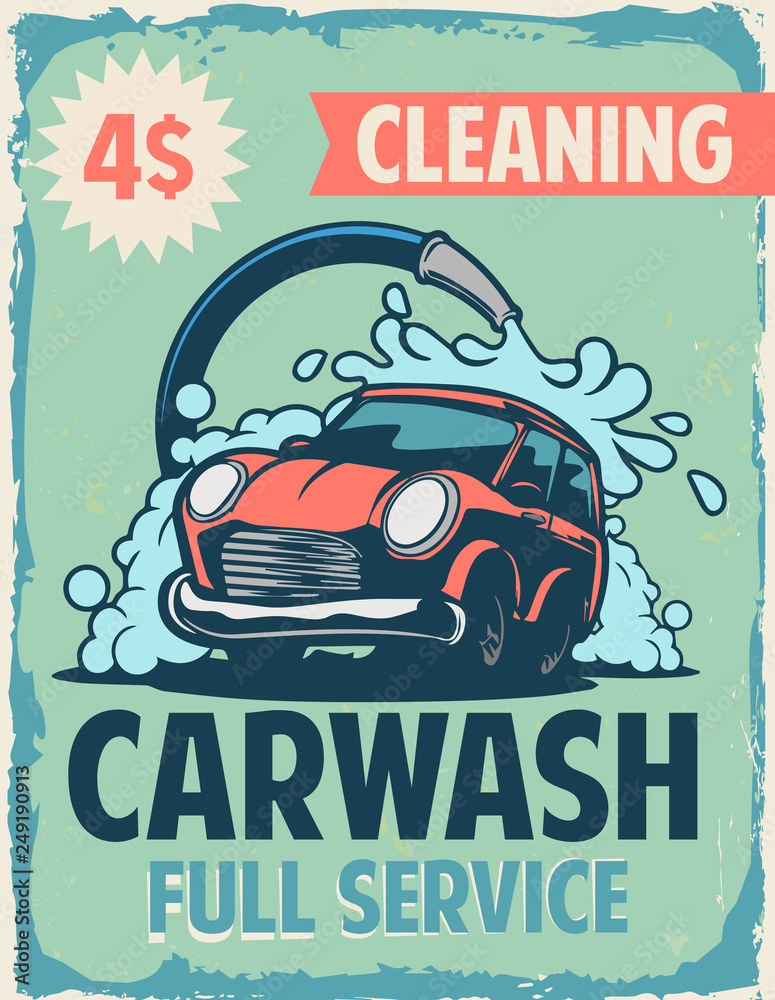
Dynamic Vintage Car Wash Moment for Your Screen
This gorgeous vintage car wash photo offers a breathtaking view, making it a perfect choice for your next wallpaper.
Captivating Vintage Car Wash Abstract Nature
A captivating vintage car wash scene that brings tranquility and beauty to any device.

Gorgeous Vintage Car Wash Scene Collection
Find inspiration with this unique vintage car wash illustration, crafted to provide a fresh look for your background.
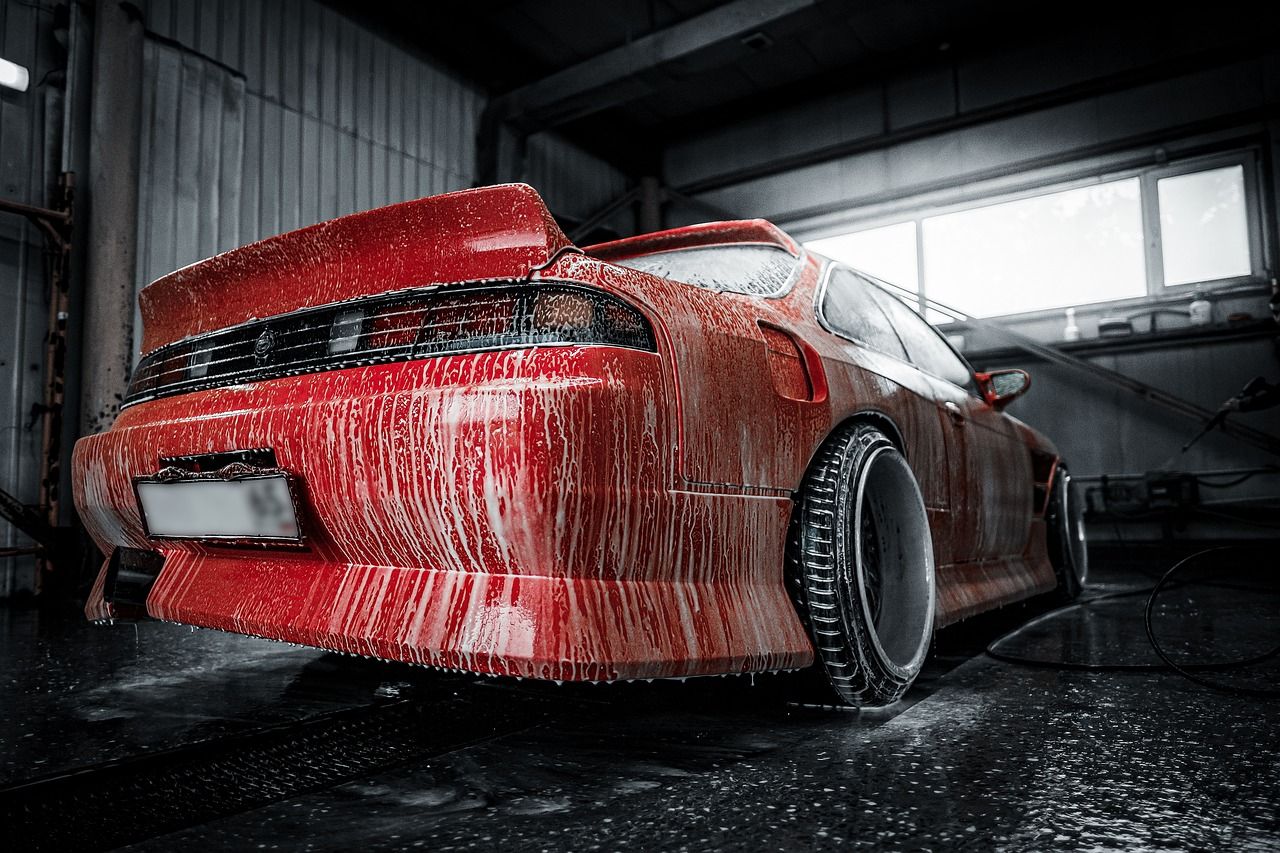
Breathtaking Vintage Car Wash Landscape for Mobile
Transform your screen with this vivid vintage car wash artwork, a true masterpiece of digital design.
Download these vintage car wash wallpapers for free and use them on your desktop or mobile devices.