What is a weather bomb and how often do they affect the UK?
What is a Weather Bomb and How Often Do These Explosive Storms Affect the UK?
When the winter winds begin to howl across the North Atlantic, few phrases capture the dread and destructive potential of a major storm system quite like "weather bomb." You may remember that feeling a few years ago: the sudden, intense drop in temperature, the relentless, structural-shaking winds, and the emergency alerts buzzing on your phone.
In the UK, we are no strangers to deep depressions, but a true weather bomb is a phenomenon that transcends a typical winter gale. It represents a frighteningly rapid intensification of low pressure—a process known to meteorologists as *explosive cyclogenesis*. This isn't just a big storm; it's a storm that forms with terrifying speed, catching many off guard.
As extreme weather events become increasingly prominent in news cycles, understanding the science and frequency of these "bombs" hitting our shores is crucial for preparedness and safety. So, what exactly is this dramatic weather event, and how often do we really see its effects washing over the British Isles?
The Science Behind the Storm: Defining Explosive Cyclogenesis
The dramatic term "weather bomb" was originally coined by American and Canadian meteorologists Fred Sanders and John Gyakum in the late 1970s. While it sounds sensational, the term has a strict, scientific definition tied directly to the rate of pressure drop within a mid-latitude cyclone.
A storm system officially qualifies as a weather bomb when its central atmospheric pressure falls by at least 24 millibars (mB) in a 24-hour period. This "24-in-24" rule is the gold standard for defining *explosive cyclogenesis*.
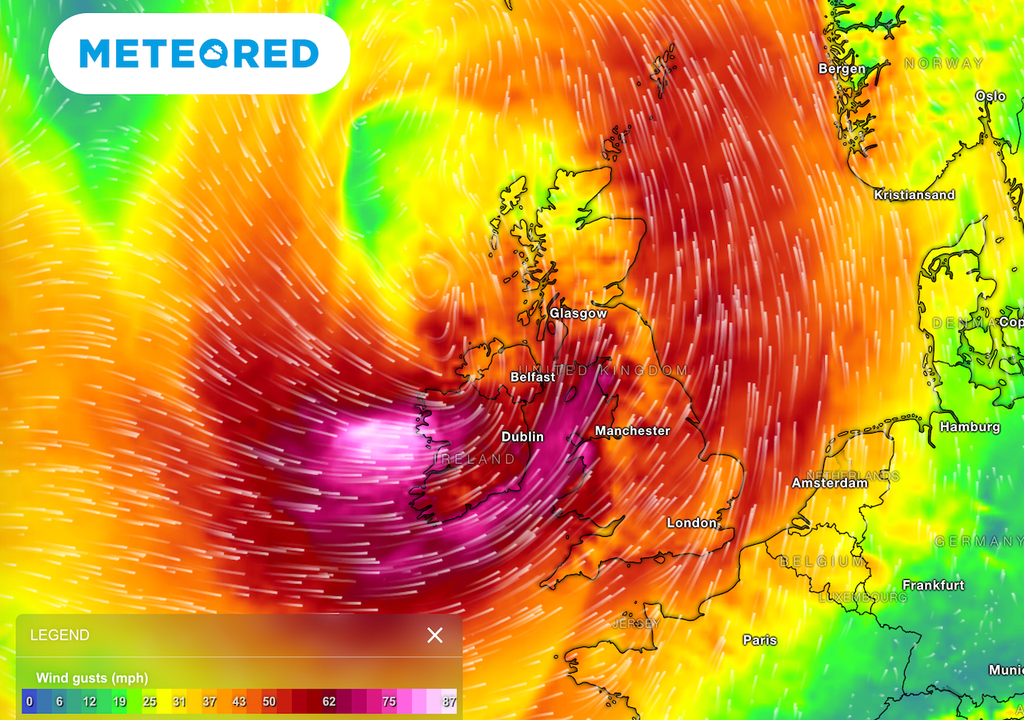
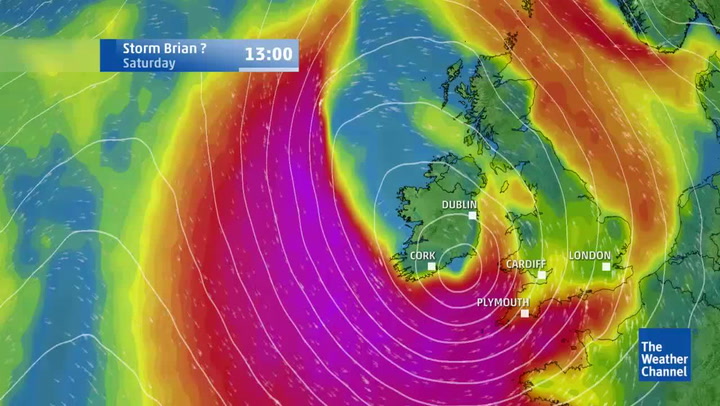
To put that in perspective, a typical deep depression might drop 10 to 15 millibars over the same timeframe. A weather bomb is characterized by an almost vertical plunge in pressure, which translates directly into extreme energy, resulting in hurricane-force winds and torrential rainfall.
This rapid intensification requires a perfect—or perhaps, catastrophic—confluence of atmospheric ingredients:
- The Jet Stream: The storm must be positioned beneath a powerful, curving segment of the jet stream, which acts like a massive atmospheric vacuum cleaner, helping to pull air rapidly upward from the surface low.
- Temperature Contrast: A sharp boundary between very warm, moist air (often originating from the tropics or the Gulf Stream) and frigid polar air (often from the Arctic) provides the immense energy needed to fuel the cyclogenesis.
- Upper Atmospheric Disturbances: Specific disturbances high in the atmosphere can trigger the initial rapid lifting and rotation necessary to kickstart the pressure drop.
When these elements align, the resulting low-pressure system accelerates its rotation, creating a vortex of extreme intensity. These storms are not classified by their final strength, but by the sheer speed of their formation.
The danger is compounded by the limited time weather services have to issue accurate warnings. While the Met Office and other services are highly skilled in tracking these systems, rapid intensification means the window for preparation is dangerously narrow.
Historical Impact: How Frequent are Weather Bombs in UK Waters?
The question of frequency is complex because while *explosive cyclogenesis* occurs quite regularly in the North Atlantic, the number of systems that track directly over or close enough to the UK to cause widespread, catastrophic impacts is significantly lower.
Due to the UK's geographical position, sitting directly downwind of the Atlantic storm track—where the warm waters of the Gulf Stream meet the cold Labrador current—we are exceptionally vulnerable to these phenomena. The North Atlantic is, in fact, one of the primary global hotspots for explosive cyclogenesis, especially during the winter months (October through March).
Meteorological data suggests that while systems meeting the 24-in-24 criteria form in the wider North Atlantic almost every year, perhaps several times a year, the number that directly and severely impact populated areas of the British Isles is fewer.
We must differentiate between a deep depression and a storm that achieved 'weather bomb' status. Many named storms that cause high winds (like Storm Eunice or Storm Ciara) are powerful, but not all of them met the strict 24 millibar intensification rule within 24 hours.
The Annual Reality of Extreme Intensification
While the term "weather bomb" spiked in popular usage around the intense storms of the 2013-2014 winter, the reality is that the conditions for rapid intensification exist frequently off the coast of Ireland and Scotland.
The majority of these systems tend to track northwards, impacting the Faroe Islands, Iceland, or Norway more directly, but their expansive wind fields often graze or severely affect the northern and western coasts of the UK.
Notable instances where the UK felt the full wrath of storms classified by meteorologists as having undergone explosive cyclogenesis include:
- The Great Storm of 1987 (Before Naming Conventions): Famous for catching forecasters off guard, this event displayed all the hallmarks of a rapidly intensifying low, though it occurred primarily over the English Channel.
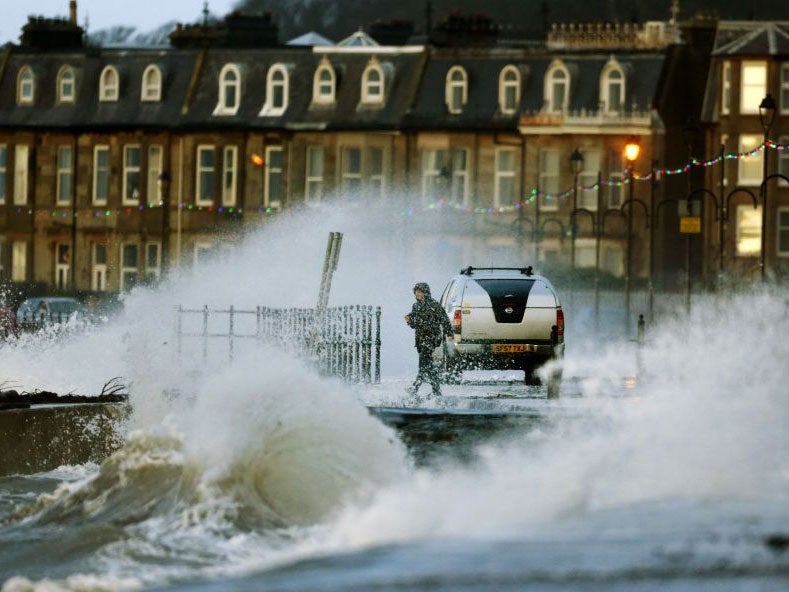
- Winter 2013/2014 Storm Sequence: A relentless series of depressions, several of which qualified as weather bombs, caused widespread coastal damage and flooding, demonstrating the cumulative effect of these intense systems.
- Storm Dennis (February 2020): While Storm Ciara preceded it, Dennis was cited by many as undergoing true explosive cyclogenesis, leading to significant disruption across England and Wales with record-breaking rainfall.
In summary, while the *mechanism* of explosive cyclogenesis is annual, the *major, headline-grabbing UK impact* typically occurs perhaps once every 2–5 years, depending on the precise track and intensity relative to densely populated areas.
Recognizing the Warning Signs and Staying Safe
As Senior SEO Content Writer for a news platform, my aim is always to provide actionable information. When the Met Office issues severe weather warnings, particularly during the high season for Atlantic storms, the potential for rapid pressure drops is always assessed.
The shift to a formal storm-naming convention (a joint effort between the UK, Ireland, and the Netherlands) has significantly improved public engagement and preparation. However, it's the underlying scientific analysis that determines the level of threat.
If forecasters highlight a system undergoing *rapid intensification*, the public should immediately elevate their level of preparedness, even if the storm's path is still uncertain.
What to Look For and How to Prepare
In the context of a potential weather bomb approaching, the risks extend beyond high winds; rapid pressure changes can also lead to storm surges and coastal flooding, especially when coinciding with high tides.
The key warning indicators include:
- Met Office Red or Amber Warnings: These are immediate indicators that life and property are at risk due to expected severe gale or hurricane-force winds (typically above 70 mph inland).
- Pressure Readings: While most people don't track barometers, rapid drops (especially below 950 millibars) are characteristic of the deepest, most energetic extratropical cyclones.
- Flash Flood Alerts: Rapidly intensifying systems often pull vast amounts of moisture, leading to extremely high precipitation rates, increasing the risk of river and surface water flooding.
Safety Checklist for High-Intensity Storms
Preparation is the best defense against the unpredictable nature of an explosive cyclone:
- Secure all garden furniture, trampolines, and any loose items outside that could become dangerous projectiles in high winds.
- Check in on vulnerable neighbors, particularly the elderly or those in low-lying coastal areas susceptible to flooding.
- Avoid unnecessary travel. High winds make driving extremely hazardous, especially for high-sided vehicles, and debris is a constant risk.
- Ensure electronic devices are charged in case of power outages caused by structural damage or downed lines.
- Listen only to official guidance from the Met Office and local authorities; disregard sensationalized social media rumors.
The term "weather bomb" is dramatic, but it serves a vital purpose: to accurately describe the immense speed and power generated by extreme atmospheric dynamics. While the UK sees the formation of these systems regularly in the North Atlantic, our robust warning systems and historical experience mean we are better prepared than ever to weather the intensity of these explosive events when they do hit our shores.
What is a weather bomb and how often do they affect the UK?
What is a weather bomb and how often do they affect the UK? Wallpapers
Collection of what is a weather bomb and how often do they affect the uk? wallpapers for your desktop and mobile devices.

Breathtaking What Is A Weather Bomb And How Often Do They Affect The Uk? Abstract Digital Art
Transform your screen with this vivid what is a weather bomb and how often do they affect the uk? artwork, a true masterpiece of digital design.
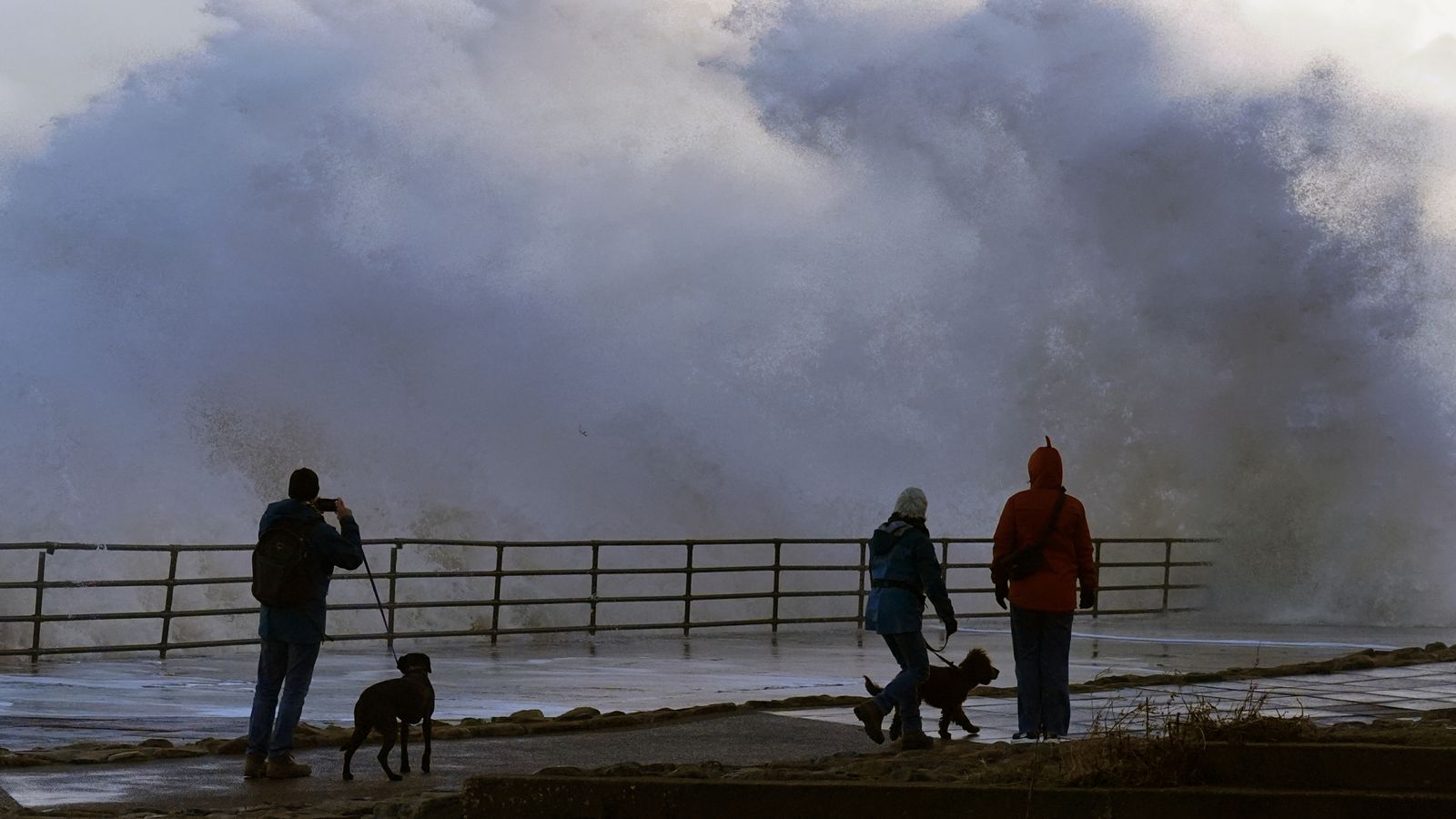
Spectacular What Is A Weather Bomb And How Often Do They Affect The Uk? Capture Illustration
A captivating what is a weather bomb and how often do they affect the uk? scene that brings tranquility and beauty to any device.
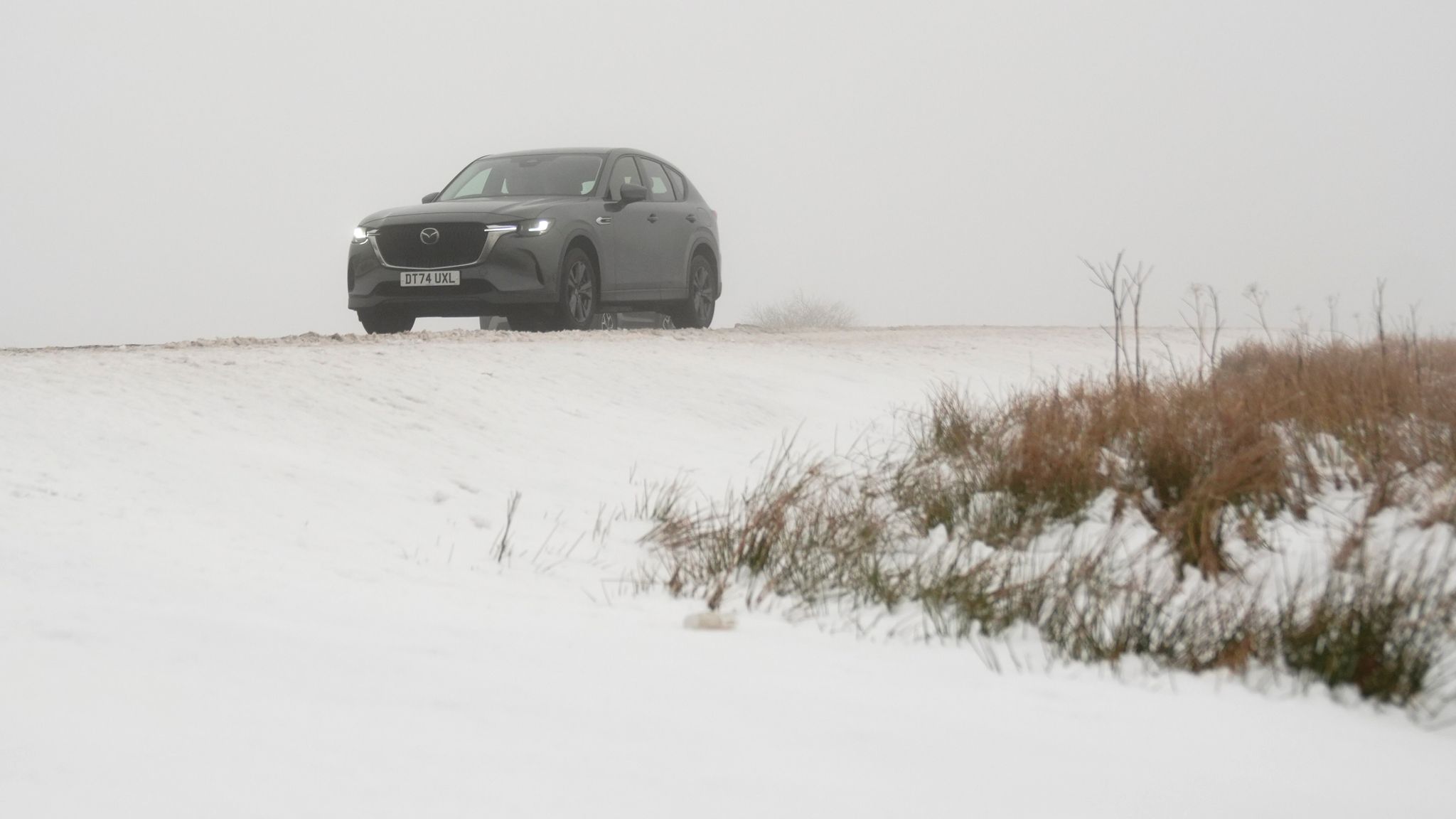
Exquisite What Is A Weather Bomb And How Often Do They Affect The Uk? Artwork Photography
A captivating what is a weather bomb and how often do they affect the uk? scene that brings tranquility and beauty to any device.

Breathtaking What Is A Weather Bomb And How Often Do They Affect The Uk? Design Illustration
Explore this high-quality what is a weather bomb and how often do they affect the uk? image, perfect for enhancing your desktop or mobile wallpaper.
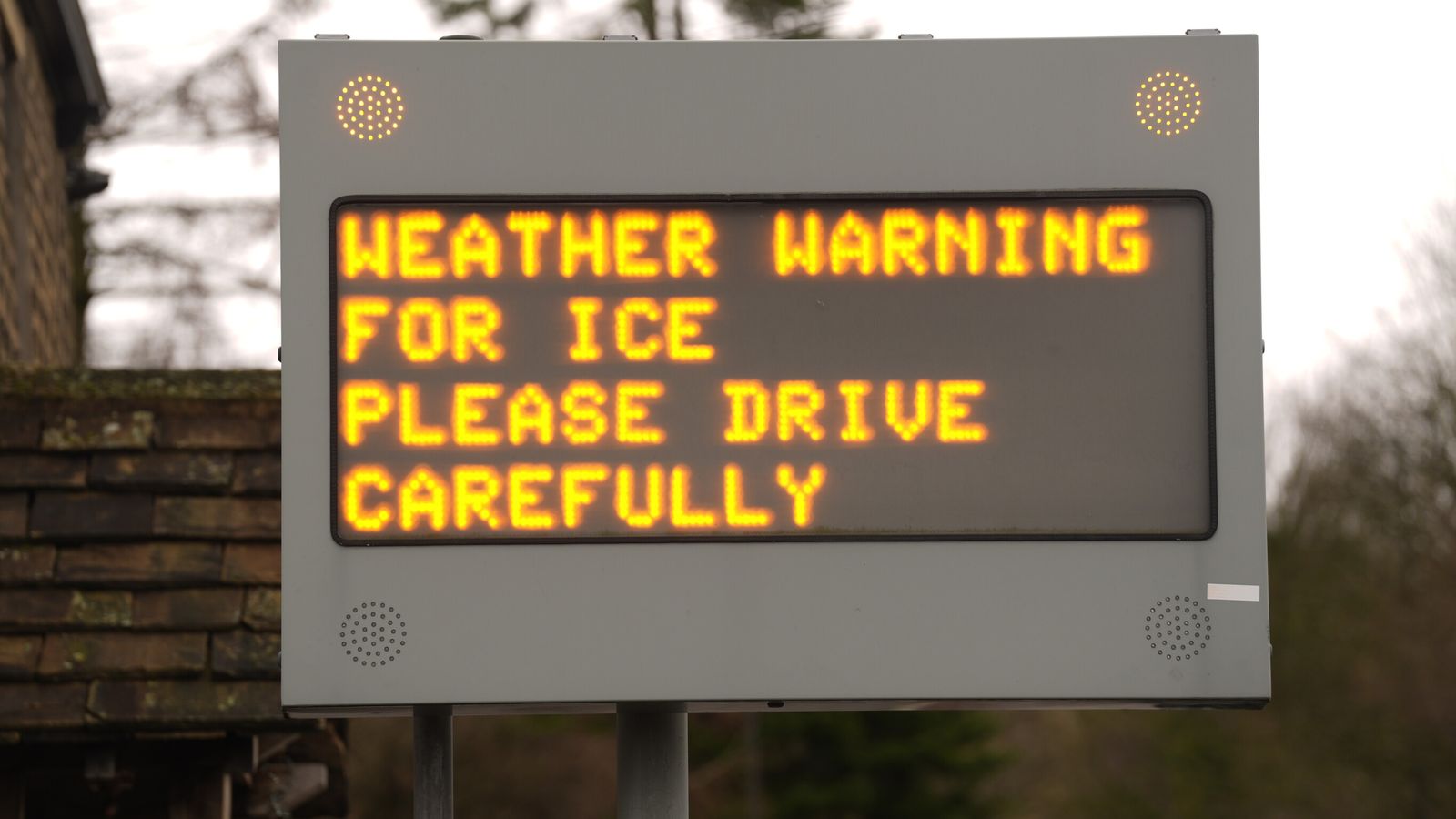
Mesmerizing What Is A Weather Bomb And How Often Do They Affect The Uk? Photo Nature
Explore this high-quality what is a weather bomb and how often do they affect the uk? image, perfect for enhancing your desktop or mobile wallpaper.

Vibrant What Is A Weather Bomb And How Often Do They Affect The Uk? Moment Photography
Explore this high-quality what is a weather bomb and how often do they affect the uk? image, perfect for enhancing your desktop or mobile wallpaper.

Vivid What Is A Weather Bomb And How Often Do They Affect The Uk? Abstract Concept
Experience the crisp clarity of this stunning what is a weather bomb and how often do they affect the uk? image, available in high resolution for all your screens.
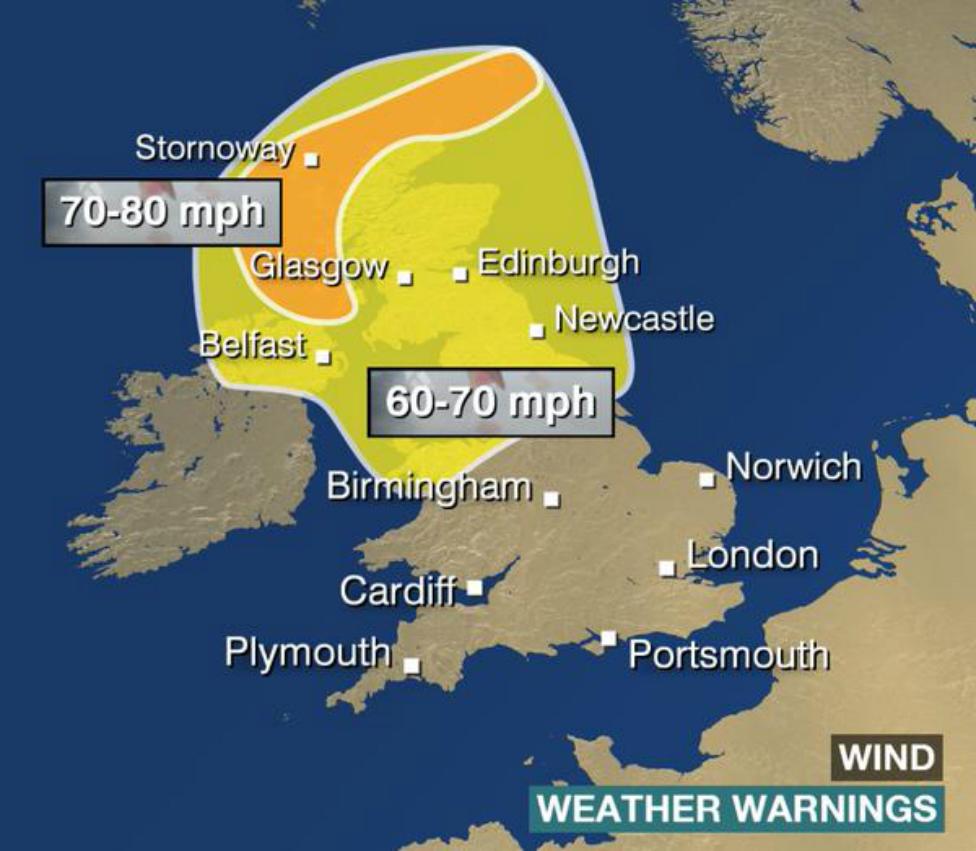
Amazing What Is A Weather Bomb And How Often Do They Affect The Uk? Moment for Desktop
Discover an amazing what is a weather bomb and how often do they affect the uk? background image, ideal for personalizing your devices with vibrant colors and intricate designs.

Beautiful What Is A Weather Bomb And How Often Do They Affect The Uk? Image Photography
Transform your screen with this vivid what is a weather bomb and how often do they affect the uk? artwork, a true masterpiece of digital design.

Beautiful What Is A Weather Bomb And How Often Do They Affect The Uk? Landscape in 4K
Experience the crisp clarity of this stunning what is a weather bomb and how often do they affect the uk? image, available in high resolution for all your screens.

Amazing What Is A Weather Bomb And How Often Do They Affect The Uk? Picture Collection
Explore this high-quality what is a weather bomb and how often do they affect the uk? image, perfect for enhancing your desktop or mobile wallpaper.
Vibrant What Is A Weather Bomb And How Often Do They Affect The Uk? Photo for Mobile
Explore this high-quality what is a weather bomb and how often do they affect the uk? image, perfect for enhancing your desktop or mobile wallpaper.
Detailed What Is A Weather Bomb And How Often Do They Affect The Uk? Moment Digital Art
Experience the crisp clarity of this stunning what is a weather bomb and how often do they affect the uk? image, available in high resolution for all your screens.

Beautiful What Is A Weather Bomb And How Often Do They Affect The Uk? Picture Art
Experience the crisp clarity of this stunning what is a weather bomb and how often do they affect the uk? image, available in high resolution for all your screens.

Artistic What Is A Weather Bomb And How Often Do They Affect The Uk? Scene Collection
Find inspiration with this unique what is a weather bomb and how often do they affect the uk? illustration, crafted to provide a fresh look for your background.

Lush What Is A Weather Bomb And How Often Do They Affect The Uk? Photo Illustration
A captivating what is a weather bomb and how often do they affect the uk? scene that brings tranquility and beauty to any device.

Vivid What Is A Weather Bomb And How Often Do They Affect The Uk? View for Mobile
Transform your screen with this vivid what is a weather bomb and how often do they affect the uk? artwork, a true masterpiece of digital design.
Stunning What Is A Weather Bomb And How Often Do They Affect The Uk? Capture Nature
A captivating what is a weather bomb and how often do they affect the uk? scene that brings tranquility and beauty to any device.

Lush What Is A Weather Bomb And How Often Do They Affect The Uk? Moment Illustration
A captivating what is a weather bomb and how often do they affect the uk? scene that brings tranquility and beauty to any device.
Dynamic What Is A Weather Bomb And How Often Do They Affect The Uk? Image for Mobile
Find inspiration with this unique what is a weather bomb and how often do they affect the uk? illustration, crafted to provide a fresh look for your background.
Download these what is a weather bomb and how often do they affect the uk? wallpapers for free and use them on your desktop or mobile devices.