Words That Paint Pictures
Words That Paint Pictures: Mastering the Art of Vivid Descriptions
Have you ever read a passage that made you stop, close your eyes, and truly see the scene described? That powerful feeling is the result of using Words That Paint Pictures. These aren't just adjectives and flowery language; they are the tools master storytellers use to transport us directly into their world.
If you want your writing—whether it's fiction, marketing copy, or even a simple email—to leap off the page and resonate deeply with your audience, mastering descriptive language is essential. We are here to guide you through the techniques, devices, and practical steps needed to turn bland text into brilliant imagery.
Let's unlock the secrets behind crafting compelling, visual narratives using effective Words That Paint Pictures.
What Exactly Are Words That Paint Pictures?
In essence, Words That Paint Pictures refer to language that appeals primarily to the five senses, creating a clear and detailed mental image or sensory experience for the reader. They are the opposite of abstract terms; they are concrete, specific, and often evocative.
Think of writing as cinematography. If the plot is the action, then descriptive imagery is the set design, the lighting, and the soundtrack. Without strong imagery, your story or message remains fuzzy and forgettable.
The goal is not just to describe something, but to allow the reader to experience it firsthand. You want them to feel the chill in the air or smell the coffee brewing. This involves moving beyond simple, generic descriptors.
The Power of Sensory Language
The core ingredient of vivid imagery is sensory language. Truly effective writing rarely relies on sight alone; it engages all the reader's senses simultaneously. When you engage multiple senses, the description becomes fully immersive and believable.
Consider how different types of sensory input can elevate your use of Words That Paint Pictures:
- Visual Imagery: Focuses on what the reader can see (colors, shapes, patterns, light, shadows). Instead of "a big dog," try "a shaggy, soot-black Newfoundland with eyes the color of dark molasses."
- Auditory Imagery: Describes sounds, ranging from loud, chaotic noises to soft, subtle whispers. Examples include the "hiss and sputter of the frying pan" or the "low, resonant thrum of the cello."
- Olfactory Imagery: Engages the sense of smell. Odors are incredibly powerful triggers for memory and emotion (the sharp scent of pine needles, the sickly sweet perfume of decaying fruit).
- Gustatory Imagery: Appeals to the sense of taste (sweet, sour, bitter, salty, savory). This is crucial in food writing but can also describe sensations like a "metallic tang of fear" on the tongue.
- Tactile Imagery (Kinesthetic): Focuses on touch, temperature, texture, and movement. This includes the feeling of "rough-spun wool," the "slick, icy grip" of the steering wheel, or the "bone-deep weariness" after a long hike.
By intentionally varying the sensory details you include, you ensure that the mental picture your reader develops is three-dimensional and realistic.
Techniques for Crafting Imagery: Beyond the Adjective
While specific adjectives and strong verbs are helpful, literary devices are the secret weapons that transform simple sentences into profound visual statements. These techniques help establish powerful connections between seemingly unrelated things, solidifying the imagery.
The most common and effective ways to use Words That Paint Pictures include:
- Simile: A direct comparison between two unlike things using "like" or "as." (E.g., "The silence in the room was as thick as mud.") Similes instantly clarify a complex emotion or description.
- Metaphor: A direct comparison stating that one thing *is* another. This creates a deeper connection and often requires more imaginative interpretation. (E.g., "The moon was a polished silver coin dropped into the dark pool of the sky.")
- Personification: Giving human qualities or actions to inanimate objects or abstract ideas. This brings the setting to life and adds dynamic movement. (E.g., "The old house groaned under the weight of the heavy snow.")
- Hyperbole: Exaggeration used for emphasis or effect. While not always strictly visual, it heightens the scale of the imagery. (E.g., "His suitcase weighed a ton.")
Using these devices thoughtfully ensures that your writing is engaging, surprising, and visually stimulating. They are essential tools for anyone serious about mastering Words That Paint Pictures.
Why Imagery Matters in Writing
The relevance of strong imagery extends far beyond literary prose. Whether you are writing a product description or an academic essay, using vivid language is fundamentally about communication efficiency and impact.
Effective imagery ensures that your message is not just read, but felt and remembered. It transforms passive reading into an active, immersive experience for the audience. Imagery provides the necessary scaffolding for abstract ideas, grounding them in tangible reality.
Boosting Reader Engagement
In today's fast-paced digital environment, readers have incredibly short attention spans. If your writing is vague or generic, they will quickly move on. Imagery acts as an immediate engagement hook.
When you use specific, powerful Words That Paint Pictures, you force the reader's brain to work harder—in a good way. Their mind automatically starts filling in the blanks and building the visual scene, making them an active participant rather than a passive recipient of information.
This increased engagement results in readers spending more time consuming your content, improving retention rates, and generally enjoying the process more.
Building Emotional Connection
Emotion is the backbone of all memorable writing. Facts tell, but imagery sells, convinces, and connects. Concrete sensory details bypass the purely logical part of the brain and speak directly to our emotions.
For example, describing a villain's actions with cold, clinical language creates distance. However, describing the "slick, sickly sweat pooling beneath his collar" immediately evokes disgust and tension. These carefully chosen Words That Paint Pictures establish immediate empathy or antipathy.
This emotional resonance is critical for persuasion in marketing and fundamental for character development in storytelling. It's what makes readers care about the outcome.
Practical Tips for Using Vivid Language
Improving your descriptive skills is a matter of practice and conscious effort. Here are several actionable steps you can take to integrate more powerful Words That Paint Pictures into your daily writing:
- Show, Don't Tell: This is the golden rule. Instead of telling the reader, "She was angry," show them: "Her lips were pressed into a thin, white line, and she gripped the porcelain mug until her knuckles shone." Use actions and sensory input to convey internal states.
- Be Specific, Always: Replace generic nouns and verbs with precise choices. Instead of "walked slowly," use "ambled," "meandered," or "trudged." Instead of "flower," use "a drooping, bruised peony."
- Use Strong Verbs: Verbs carry the energy and movement of the sentence. Avoid weak verbs like "was" or "is." A powerful verb can often replace an entire phrase of adverbs and weak adjectives.
- Cut Clichés: Avoid phrases that have lost their impact, such as "as white as snow" or "sharp as a tack." Your imagery should feel fresh and original.
- Read Aloud: When editing, read your descriptive paragraphs aloud. If the language stumbles or feels awkward, the imagery is likely not clear enough. Reading aloud helps you catch the rhythm and flow necessary for powerful prose.
- Write from Observation: Spend time actively observing the world around you, focusing on non-visual senses. Describe the sound of the wind, the feel of your chair, or the taste of your morning coffee using the five sensory categories listed above.
By applying these steps, you will naturally start incorporating sophisticated Words That Paint Pictures without resorting to unnecessary fluff.
Conclusion: The Lasting Impact of Descriptive Writing
Mastering the use of Words That Paint Pictures is perhaps the most significant skill a writer can develop. It is the difference between writing that is merely consumed and writing that is experienced, cherished, and remembered.
By consistently applying sensory details, utilizing figurative language, and prioritizing the principle of "showing," you move your audience from passive viewing to active participation. Start small, focus on specificity, and watch as your prose begins to truly paint vivid, unforgettable pictures in the minds of your readers.
The path to becoming a master visual writer is simply the courage to observe the world more closely and the willingness to choose the most powerful, resonant words available.
Frequently Asked Questions About Words That Paint Pictures
- What is the main difference between telling and showing?
- Telling summarizes information (e.g., "She was rich"). Showing uses sensory details and actions to allow the reader to deduce the information (e.g., "She dipped her hand into the crystal bowl, scattering a shower of loose gold coins onto the polished marble floor").
- How often should I use highly descriptive language?
- Use descriptive language strategically. Overuse can lead to flowery, slow writing (purple prose). Focus your vivid descriptions on key moments, character introductions, or crucial setting details. Not every tree needs a paragraph of description.
- Are adverbs considered bad when using imagery?
- Adverbs (words ending in -ly) can sometimes weaken imagery because they modify a weak verb instead of using a strong, precise verb. For example, instead of "He ran quickly," use "He sprinted" or "He bolted." However, they are not inherently bad and can be used effectively when necessary.
- Does descriptive writing only apply to fiction?
- Absolutely not. Using Words That Paint Pictures is vital in non-fiction, marketing, and journalism. Strong imagery helps complex concepts feel tangible (e.g., describing economic decline as a "slow, chilling erosion of confidence") or makes a product instantly desirable.
Words That Paint Pictures
Words That Paint Pictures Wallpapers
Collection of words that paint pictures wallpapers for your desktop and mobile devices.

Crisp Words That Paint Pictures Image Digital Art
This gorgeous words that paint pictures photo offers a breathtaking view, making it a perfect choice for your next wallpaper.
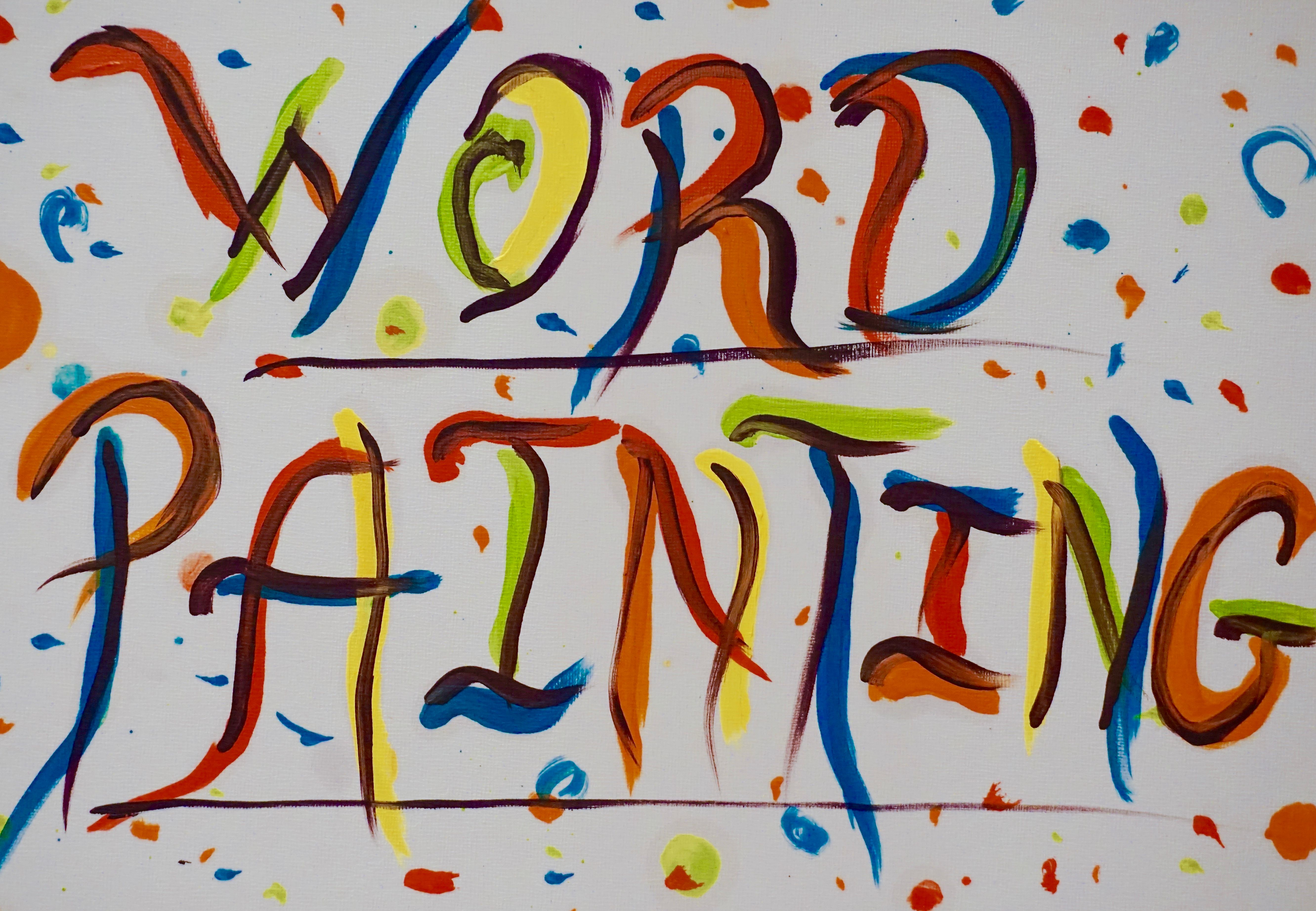
Lush Words That Paint Pictures Wallpaper Illustration
A captivating words that paint pictures scene that brings tranquility and beauty to any device.

Dynamic Words That Paint Pictures Design Digital Art
This gorgeous words that paint pictures photo offers a breathtaking view, making it a perfect choice for your next wallpaper.
Spectacular Words That Paint Pictures Artwork Illustration
Find inspiration with this unique words that paint pictures illustration, crafted to provide a fresh look for your background.
Amazing Words That Paint Pictures Artwork Illustration
Discover an amazing words that paint pictures background image, ideal for personalizing your devices with vibrant colors and intricate designs.
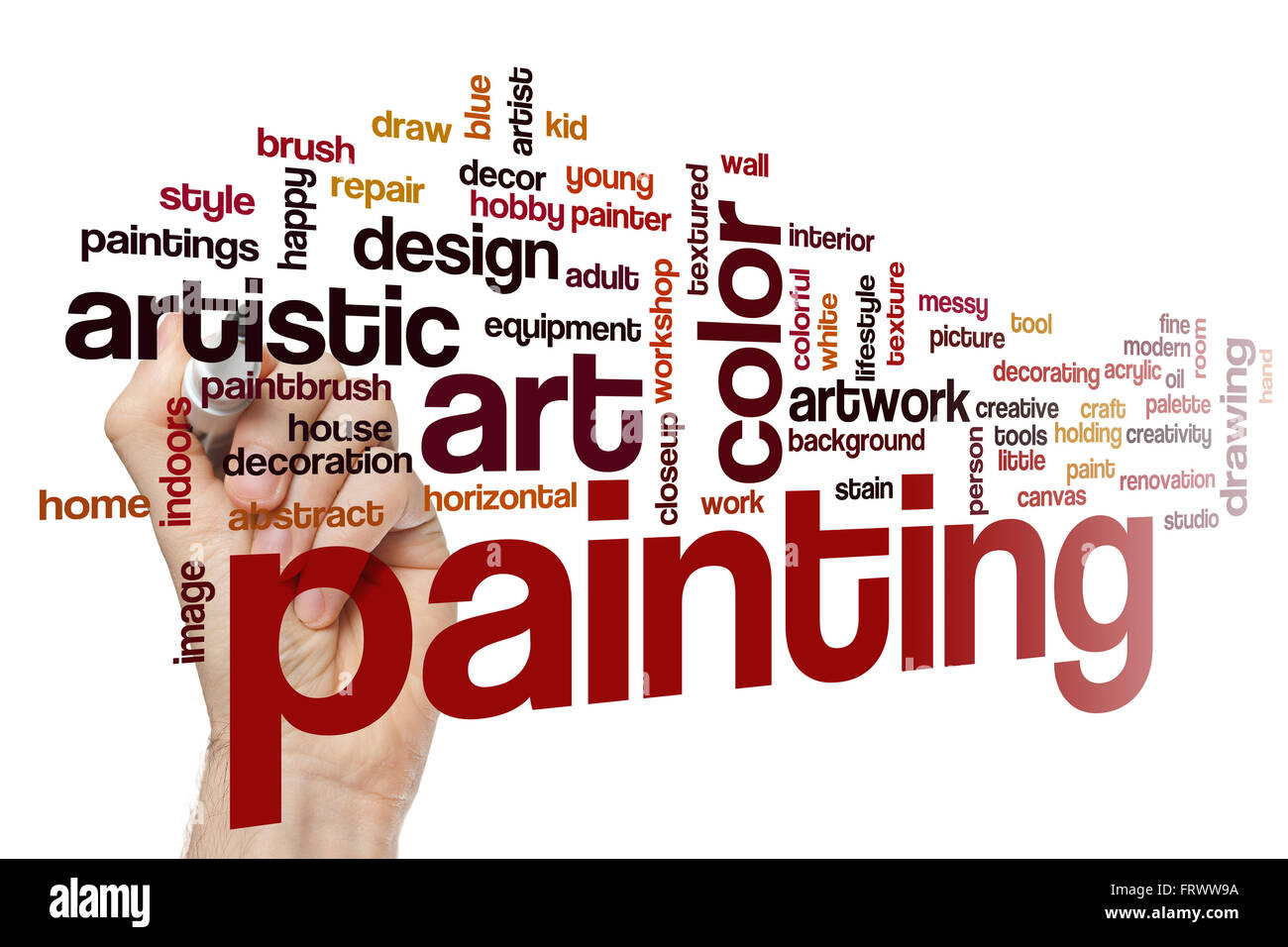
Breathtaking Words That Paint Pictures Landscape Nature
Explore this high-quality words that paint pictures image, perfect for enhancing your desktop or mobile wallpaper.
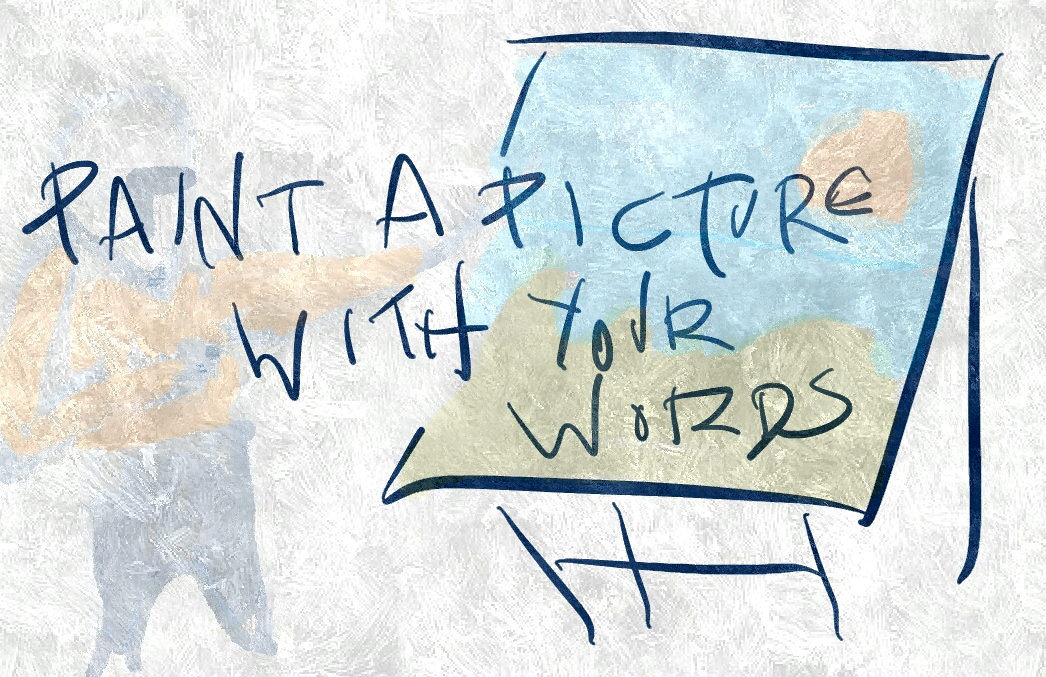
Crisp Words That Paint Pictures Artwork Photography
Find inspiration with this unique words that paint pictures illustration, crafted to provide a fresh look for your background.
Stunning Words That Paint Pictures Capture Illustration
This gorgeous words that paint pictures photo offers a breathtaking view, making it a perfect choice for your next wallpaper.
Artistic Words That Paint Pictures Design Art
A captivating words that paint pictures scene that brings tranquility and beauty to any device.
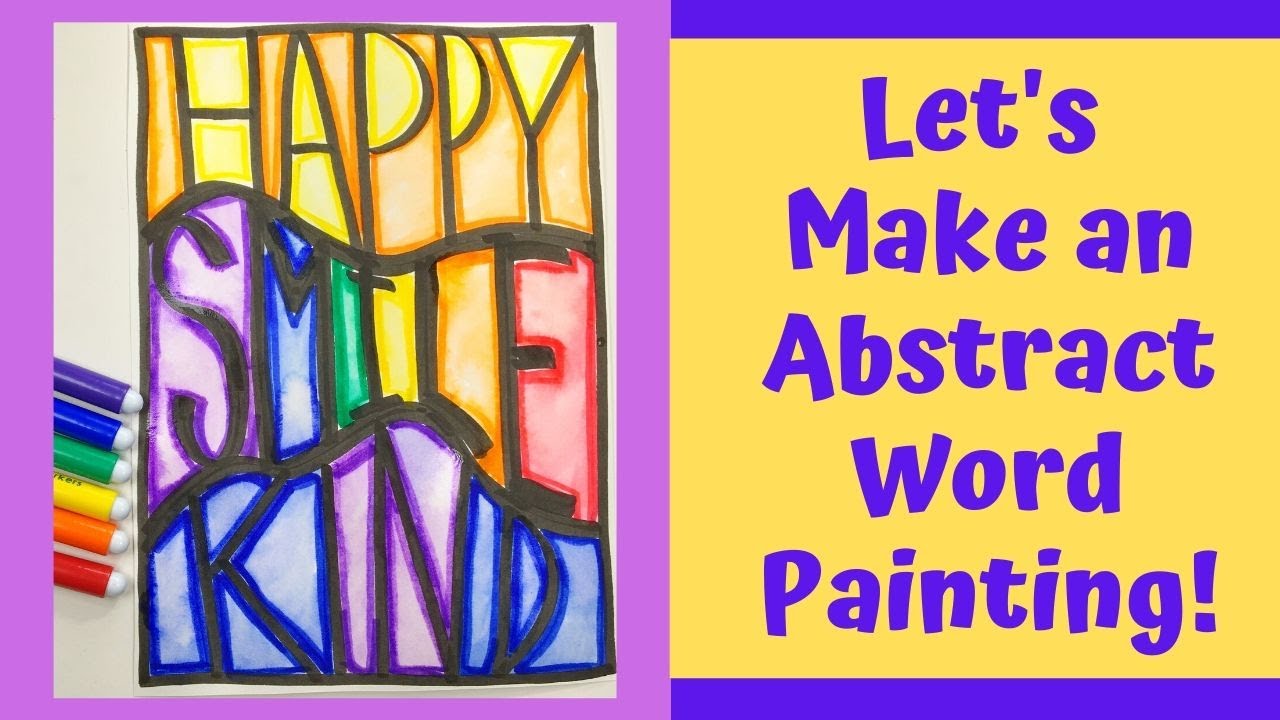
Gorgeous Words That Paint Pictures Photo for Desktop
This gorgeous words that paint pictures photo offers a breathtaking view, making it a perfect choice for your next wallpaper.
Beautiful Words That Paint Pictures Design in 4K
Experience the crisp clarity of this stunning words that paint pictures image, available in high resolution for all your screens.
Vivid Words That Paint Pictures Landscape in 4K
Explore this high-quality words that paint pictures image, perfect for enhancing your desktop or mobile wallpaper.

Vivid Words That Paint Pictures Scene Photography
Explore this high-quality words that paint pictures image, perfect for enhancing your desktop or mobile wallpaper.
Crisp Words That Paint Pictures Background Art
A captivating words that paint pictures scene that brings tranquility and beauty to any device.

Vibrant Words That Paint Pictures Landscape in HD
Explore this high-quality words that paint pictures image, perfect for enhancing your desktop or mobile wallpaper.
Stunning Words That Paint Pictures Moment Photography
Find inspiration with this unique words that paint pictures illustration, crafted to provide a fresh look for your background.

Detailed Words That Paint Pictures Photo in HD
Discover an amazing words that paint pictures background image, ideal for personalizing your devices with vibrant colors and intricate designs.

Exquisite Words That Paint Pictures Background for Your Screen
Immerse yourself in the stunning details of this beautiful words that paint pictures wallpaper, designed for a captivating visual experience.
Detailed Words That Paint Pictures Scene Art
Discover an amazing words that paint pictures background image, ideal for personalizing your devices with vibrant colors and intricate designs.

Beautiful Words That Paint Pictures Picture Art
Transform your screen with this vivid words that paint pictures artwork, a true masterpiece of digital design.
Download these words that paint pictures wallpapers for free and use them on your desktop or mobile devices.