Nasa Has No Way to Stop City-Killer Asteroids: ‘It Keeps Me Up at Night’
Nasa Has No Way to Stop City-Killer Asteroids: ‘It Keeps Me Up at Night’
The cosmic truth is far more terrifying than any Hollywood blockbuster: NASA, the world leader in space exploration and planetary defense, currently lacks the technology and preparation to halt a catastrophic "city-killer" asteroid discovered on short notice. This stark warning comes directly from experts within the space agency, acknowledging a glaring gap in humanity’s planetary defenses.
The headline-grabbing quote, "It keeps me up at night," attributed to a senior figure involved in Near-Earth Object (NEO) tracking, encapsulates the silent dread permeating the scientific community. While efforts are underway to track and catalogue objects, the reality is that an object large enough to wipe out a metropolitan area could still blindside us.
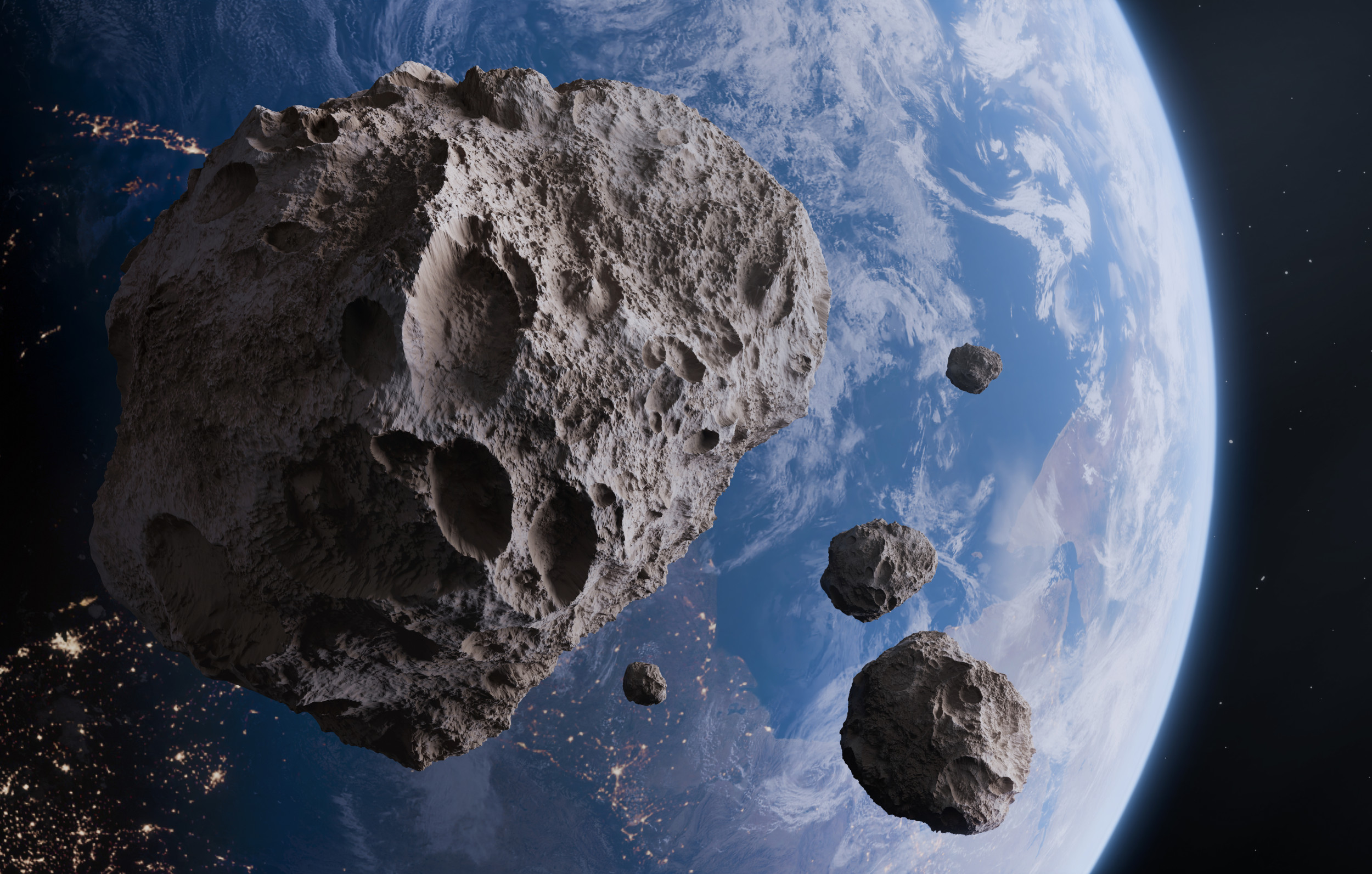
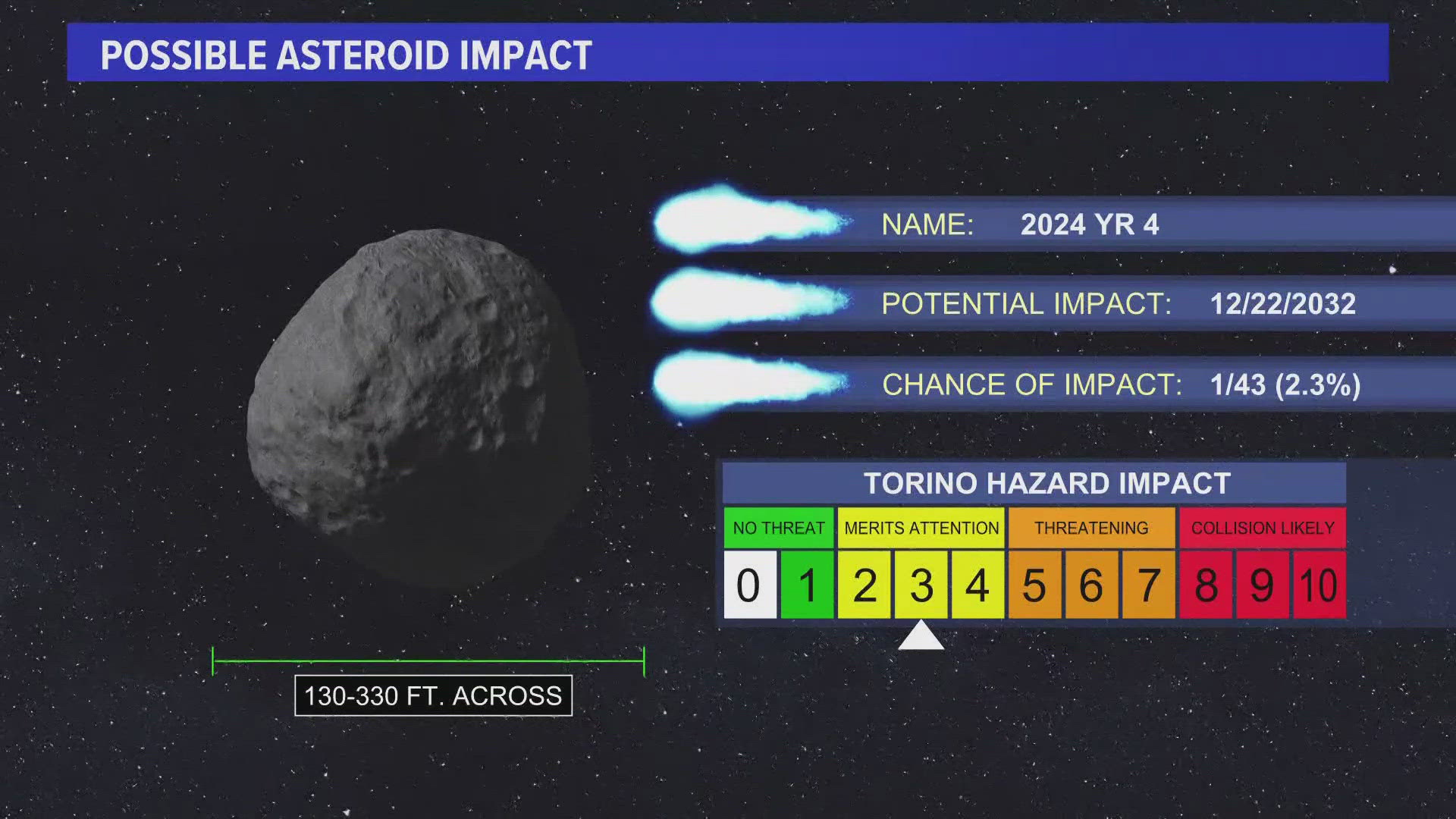
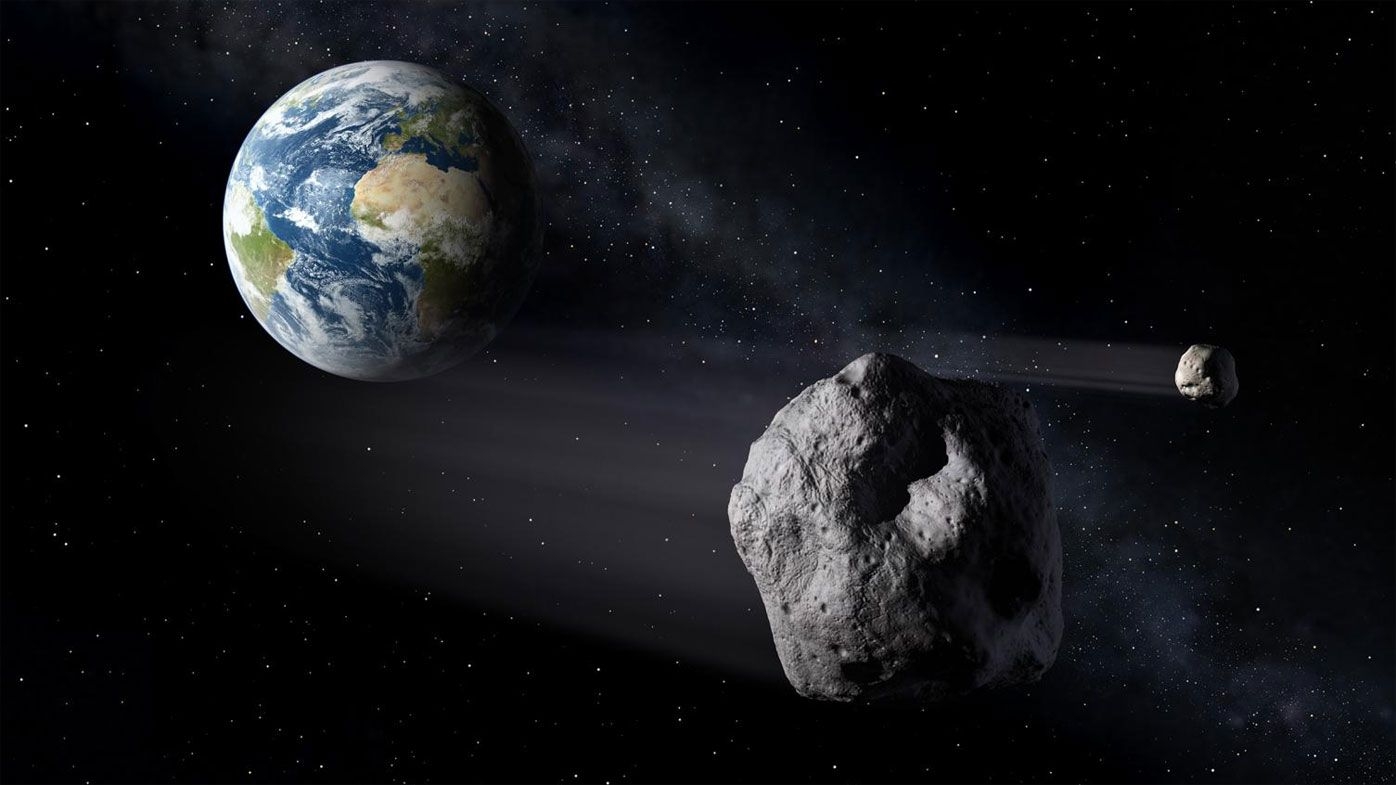
If a 140-meter class asteroid—large enough to cause regional, even continental devastation—were discovered heading toward Earth with only months of warning, there is currently no mission ready to launch, deflect, or destroy the threat in time. The consequences of this vulnerability are existential.
The Terrifying Reality of the Short-Notice Impact Event
I remember attending a closed-door briefing years ago where the simulation was presented. It wasn't about the extinction-level threat (the multi-kilometer rocks we mostly know about). It was about a much smaller, yet still devastating, object. The experts modeled a 160-meter asteroid impacting the Atlantic Ocean. The resulting tsunamis, combined with the atmospheric blast wave and widespread infrastructure collapse, led to a projected multi-state disaster zone and an economic collapse measured in the trillions. The chilling takeaway? We found that particular simulated asteroid just four months before impact.
This is the nightmare scenario keeping NASA officials awake. The term "city-killer" refers to asteroids generally exceeding 140 meters in diameter. While smaller than the object that wiped out the dinosaurs, these stones travel at tens of thousands of miles per hour, packing the energy equivalent of thousands of megatons of TNT. An impact event of this scale would not just destroy one city; it would render entire regions uninhabitable through seismic shockwaves, massive firestorms, and atmospheric disturbances.
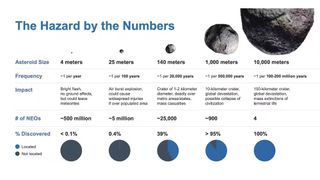
The fundamental issue isn't detection of the truly giant rocks—NASA's Planetary Defense Coordination Office (PDCO) has done an excellent job identifying over 90% of the massive, kilometer-sized NEOs. The problem lies squarely in the population of medium-sized threats, the very city-killers that cross Earth's orbit with unnerving regularity.
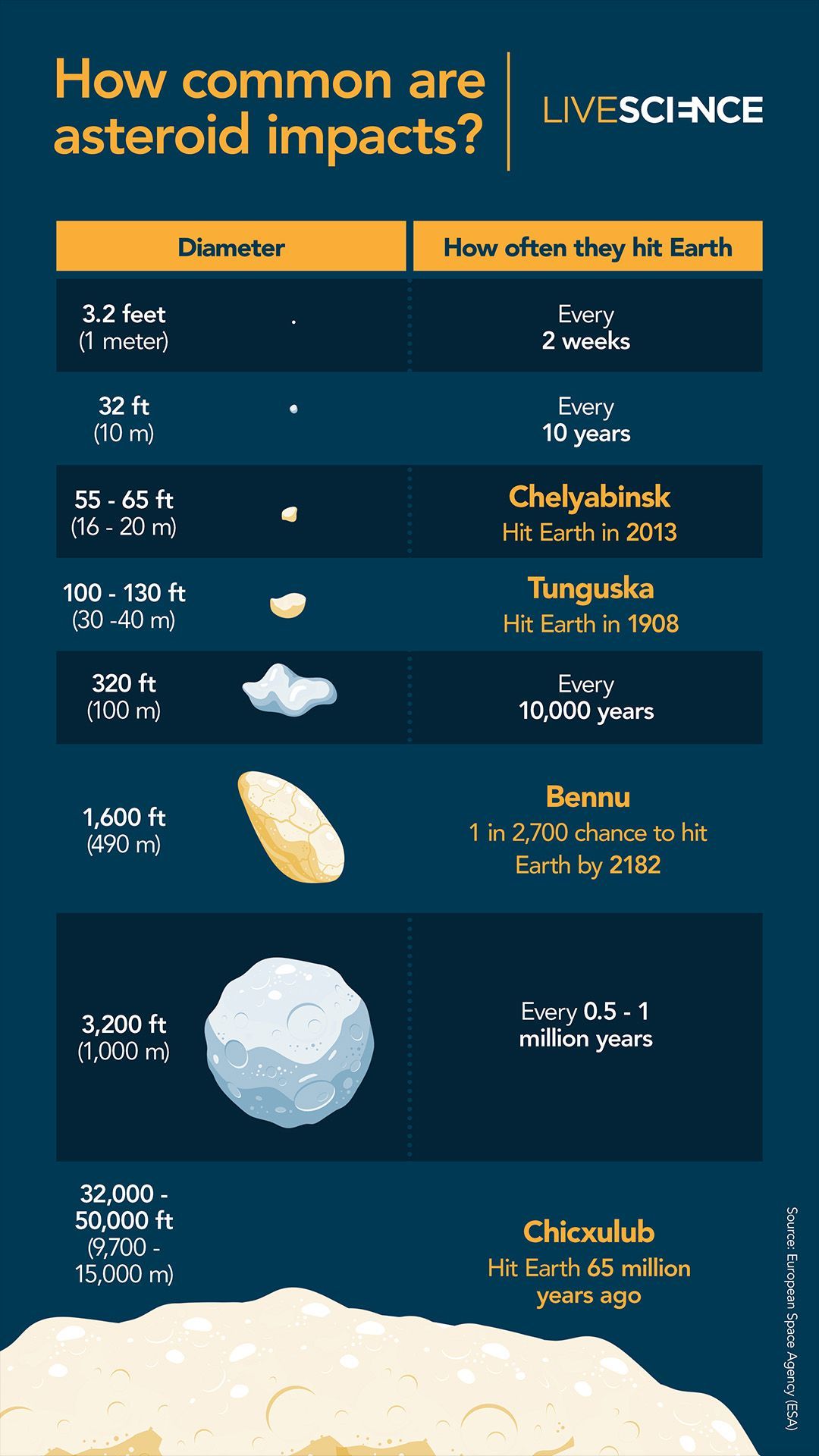
- The Chelyabinsk Reminder: In 2013, an object barely 20 meters wide exploded over Chelyabinsk, Russia, injuring over 1,500 people and causing widespread damage. Critically, this object was completely undetected until it entered the atmosphere.
- The Population Gap: Estimates suggest that we have currently only identified about 40% of NEOs larger than 140 meters. The remaining 60% are invisible threats, orbiting the sun until they potentially cross our path.
- The Blind Spot: Many asteroids approach Earth from the direction of the Sun, making them impossible to spot with ground-based telescopes until they are dangerously close. This dramatically reduces the critical "warning time."
The time needed to design, secure funding, build, launch, and travel to an asteroid for a deflection mission requires years, ideally decades. When a threat is detected with only months to spare, current capabilities offer little recourse beyond mass evacuation and praying for a relatively harmless deep-ocean splashdown.
The Limits of Current Planetary Defense Strategies
NASA has made significant strides in proving the *concept* of planetary defense. The highly successful Double Asteroid Redirection Test (DART) mission, which deliberately slammed a spacecraft into the asteroid Dimorphos, confirmed that a kinetic impactor can successfully alter an asteroid's trajectory. This was a triumph of engineering and a beacon of hope.
However, DART was a test run under ideal circumstances. The target, Dimorphos, was known for decades and posed no threat. The mission was planned years in advance. The deflection only needed to be a minor nudge—just enough to change its orbital period by a few minutes. If we were faced with an incoming threat on a collision course, the requirements would be drastically different.
Why DART's Success Doesn't Solve the Short-Notice Crisis:
The kinetic impactor method—hitting the rock with a high-speed projectile—is the leading deflection strategy. But its effectiveness is entirely dependent on the advance notice we receive. To shift a 140-meter rock enough to miss Earth, the deflection maneuver must happen many years out. Even a small change in velocity translates to a huge change in position millions of miles later, allowing the asteroid to safely sail past our planet.
If the warning window shrinks to just 12 to 24 months, the required velocity change becomes so large that a single impactor might not be enough. This would necessitate a fleet of spacecraft or a much larger, more powerful device—neither of which is currently in a state of readiness or rapid production.
Furthermore, while nuclear options have been discussed as a last resort for imminent threats, international treaties and the complexities of deploying such a device make it politically and technically fraught. Crucially, blowing up the asteroid might only trade one large threat for thousands of radioactive, still-lethal fragments, guaranteeing a multi-point impact event instead of a single, localized one.
The current lack of a "quick response" system—a standardized vehicle stack ready to be fitted with necessary guidance and defense payloads and launched within weeks—is the primary bottleneck preventing effective defense against a rapid-approaching city-killer.
Time is the True Weapon: The Need for Rapid Response Systems
The only viable defense against an asteroid impact is time. And to buy time, we need advanced detection capabilities that can spot these elusive space rocks far earlier.
NASA is championing the development of the Near-Earth Object Surveyor (NEO Surveyor) mission. This specialized infrared space telescope, scheduled for launch later this decade, is designed to locate the vast majority of the remaining 140-meter class asteroids. By observing in infrared, it can spot dark, low-reflectivity objects that are invisible to optical ground telescopes, effectively eliminating the current blind spot.
However, detection alone is not enough. The global focus must shift toward establishing "shelf-ready" rapid response infrastructure. This means pre-positioning booster rockets and standardized deflection payloads so that if NEO Surveyor finds an imminent threat, mission control can initiate a launch sequence within months, not years.
The future of planetary defense relies on key technological advancements and international coordination:
- Dedicated Observatories: Completing the survey of NEOs down to the 140-meter class is paramount. Every year the deployment of instruments like NEO Surveyor is delayed increases the risk of a short-notice discovery.
- Advanced Warning Systems: Developing AI-driven systems to rapidly calculate orbital mechanics and potential risk profiles, speeding up the assessment phase from weeks to hours.
- Rapid Deployment Architecture: Funding and maintaining a permanent, ready-to-launch defense fleet, potentially managed under a globally shared space security mandate, allowing for immediate mobilization against detected threats.
- Gravity Tractor Technology: While slower, exploring non-kinetic deflection methods like the gravity tractor (using the spacecraft's mass to gently pull the asteroid off course) provides an alternative for scenarios requiring slow, precise alteration over a long period.
As long as the world remains vulnerable to the 60% of city-killer asteroids still lurking undiscovered in the cosmic void, the worry of senior scientists will continue to be justified. The admission that NASA currently has no way to stop a short-notice impact should serve as a wake-up call, demanding immediate and substantial governmental investment into securing humanity's future against this inevitable threat from above.
Nasa has no way to stop city-killer asteroids: ‘It keeps me up at night’
Nasa has no way to stop city-killer asteroids: ‘It keeps me up at night’ Wallpapers
Collection of nasa has no way to stop city-killer asteroids: ‘it keeps me up at night’ wallpapers for your desktop and mobile devices.

Vivid Nasa Has No Way To Stop City-killer Asteroids: ‘it Keeps Me Up At Night’ Picture for Mobile
Transform your screen with this vivid nasa has no way to stop city-killer asteroids: ‘it keeps me up at night’ artwork, a true masterpiece of digital design.
Breathtaking Nasa Has No Way To Stop City-killer Asteroids: ‘it Keeps Me Up At Night’ Artwork Illustration
Transform your screen with this vivid nasa has no way to stop city-killer asteroids: ‘it keeps me up at night’ artwork, a true masterpiece of digital design.
Lush Nasa Has No Way To Stop City-killer Asteroids: ‘it Keeps Me Up At Night’ Design Collection
A captivating nasa has no way to stop city-killer asteroids: ‘it keeps me up at night’ scene that brings tranquility and beauty to any device.
Dynamic Nasa Has No Way To Stop City-killer Asteroids: ‘it Keeps Me Up At Night’ Picture for Your Screen
Find inspiration with this unique nasa has no way to stop city-killer asteroids: ‘it keeps me up at night’ illustration, crafted to provide a fresh look for your background.

Lush Nasa Has No Way To Stop City-killer Asteroids: ‘it Keeps Me Up At Night’ View Collection
A captivating nasa has no way to stop city-killer asteroids: ‘it keeps me up at night’ scene that brings tranquility and beauty to any device.

Mesmerizing Nasa Has No Way To Stop City-killer Asteroids: ‘it Keeps Me Up At Night’ Abstract for Mobile
Explore this high-quality nasa has no way to stop city-killer asteroids: ‘it keeps me up at night’ image, perfect for enhancing your desktop or mobile wallpaper.

Vivid Nasa Has No Way To Stop City-killer Asteroids: ‘it Keeps Me Up At Night’ Abstract Collection
Transform your screen with this vivid nasa has no way to stop city-killer asteroids: ‘it keeps me up at night’ artwork, a true masterpiece of digital design.
Breathtaking Nasa Has No Way To Stop City-killer Asteroids: ‘it Keeps Me Up At Night’ Image for Your Screen
Experience the crisp clarity of this stunning nasa has no way to stop city-killer asteroids: ‘it keeps me up at night’ image, available in high resolution for all your screens.

Beautiful Nasa Has No Way To Stop City-killer Asteroids: ‘it Keeps Me Up At Night’ Landscape Photography
Transform your screen with this vivid nasa has no way to stop city-killer asteroids: ‘it keeps me up at night’ artwork, a true masterpiece of digital design.
Breathtaking Nasa Has No Way To Stop City-killer Asteroids: ‘it Keeps Me Up At Night’ Landscape for Desktop
Discover an amazing nasa has no way to stop city-killer asteroids: ‘it keeps me up at night’ background image, ideal for personalizing your devices with vibrant colors and intricate designs.

Stunning Nasa Has No Way To Stop City-killer Asteroids: ‘it Keeps Me Up At Night’ Scene for Mobile
This gorgeous nasa has no way to stop city-killer asteroids: ‘it keeps me up at night’ photo offers a breathtaking view, making it a perfect choice for your next wallpaper.

Vibrant Nasa Has No Way To Stop City-killer Asteroids: ‘it Keeps Me Up At Night’ Capture Concept
Explore this high-quality nasa has no way to stop city-killer asteroids: ‘it keeps me up at night’ image, perfect for enhancing your desktop or mobile wallpaper.
Lush Nasa Has No Way To Stop City-killer Asteroids: ‘it Keeps Me Up At Night’ Capture in 4K
A captivating nasa has no way to stop city-killer asteroids: ‘it keeps me up at night’ scene that brings tranquility and beauty to any device.
Stunning Nasa Has No Way To Stop City-killer Asteroids: ‘it Keeps Me Up At Night’ Design for Desktop
A captivating nasa has no way to stop city-killer asteroids: ‘it keeps me up at night’ scene that brings tranquility and beauty to any device.

Exquisite Nasa Has No Way To Stop City-killer Asteroids: ‘it Keeps Me Up At Night’ Landscape Collection
Immerse yourself in the stunning details of this beautiful nasa has no way to stop city-killer asteroids: ‘it keeps me up at night’ wallpaper, designed for a captivating visual experience.

Lush Nasa Has No Way To Stop City-killer Asteroids: ‘it Keeps Me Up At Night’ View for Mobile
A captivating nasa has no way to stop city-killer asteroids: ‘it keeps me up at night’ scene that brings tranquility and beauty to any device.
Serene Nasa Has No Way To Stop City-killer Asteroids: ‘it Keeps Me Up At Night’ Wallpaper for Your Screen
Discover an amazing nasa has no way to stop city-killer asteroids: ‘it keeps me up at night’ background image, ideal for personalizing your devices with vibrant colors and intricate designs.

Amazing Nasa Has No Way To Stop City-killer Asteroids: ‘it Keeps Me Up At Night’ Image Photography
Discover an amazing nasa has no way to stop city-killer asteroids: ‘it keeps me up at night’ background image, ideal for personalizing your devices with vibrant colors and intricate designs.

Gorgeous Nasa Has No Way To Stop City-killer Asteroids: ‘it Keeps Me Up At Night’ Photo Illustration
This gorgeous nasa has no way to stop city-killer asteroids: ‘it keeps me up at night’ photo offers a breathtaking view, making it a perfect choice for your next wallpaper.
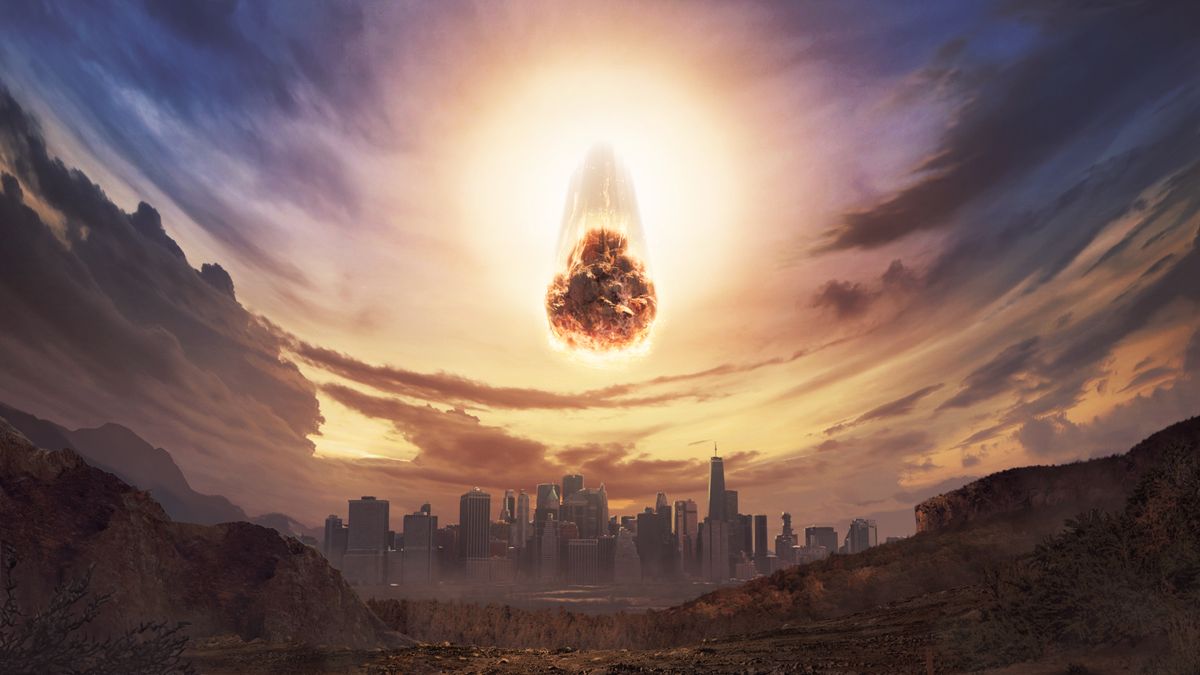
Mesmerizing Nasa Has No Way To Stop City-killer Asteroids: ‘it Keeps Me Up At Night’ Design in 4K
Discover an amazing nasa has no way to stop city-killer asteroids: ‘it keeps me up at night’ background image, ideal for personalizing your devices with vibrant colors and intricate designs.
Download these nasa has no way to stop city-killer asteroids: ‘it keeps me up at night’ wallpapers for free and use them on your desktop or mobile devices.