Winter Olympics 2026: What is the difference between bobsleigh, skeleton and luge?
Winter Olympics 2026: What is the difference between bobsleigh, skeleton and luge?
The roar of the crowd, the shriek of metal runners on ice, and a blur of athletes flashing past at speeds nearing 90 mph—these are the hallmarks of the thrilling "sliding sports" at the Winter Olympics. As we look ahead to Milano Cortina 2026, the trio of Bobsleigh, Skeleton, and Luge once again promises high-speed drama and G-forces that defy belief.
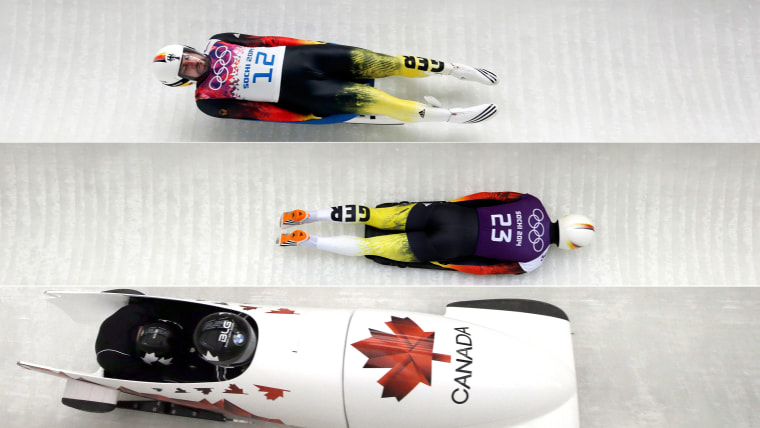
For the casual viewer, these events often blend into one terrifying spectacle of human endurance against gravity. They all use the same refrigerated track—a winding labyrinth of banked curves and icy straightaways—but the similarities end there. The fundamental difference lies in three critical areas: starting technique, body position, and how the sled is steered.
I remember visiting the track in Whistler during the lead-up to the 2010 games. Standing at curve 11, the speed was incomprehensible. The athletes seemed more like human missiles than competitors. It was only after speaking with an Olympic veteran that I truly understood that these aren't just three variations on a theme; they are three entirely separate engineering and physical disciplines.
Understanding these subtle but crucial distinctions is key to fully appreciating the dedication of the Olympians competing in Italy.
Bobsleigh: The Aerodynamic Powerhouse
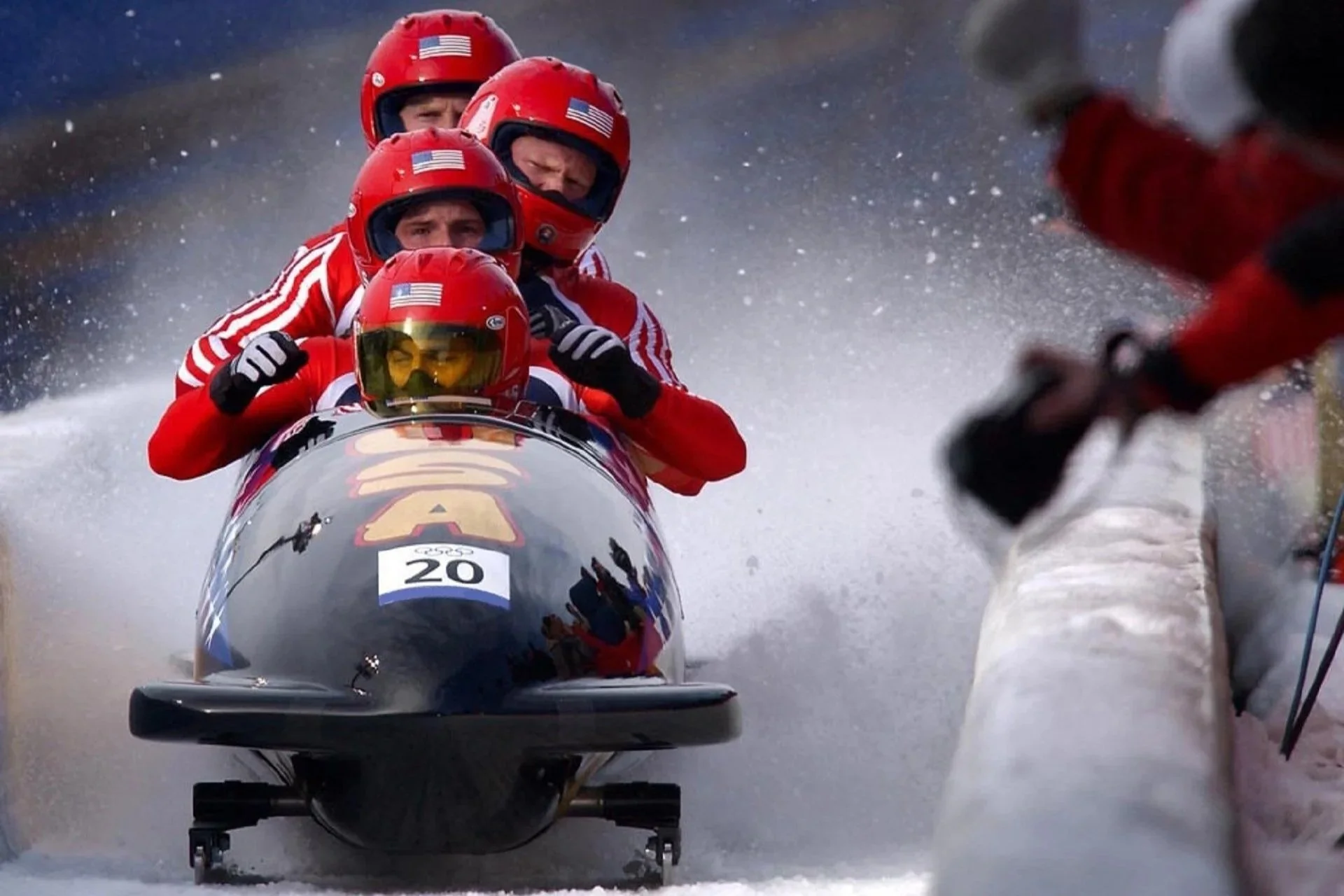

Bobsleigh, often called the "Formula 1 of the ice track," is instantly recognizable due to its size and team element. It is the only sliding sport that involves multiple athletes working in synchronization.
The bobsleigh vehicle itself is a high-tech, aerodynamic shell built on two sets of independent runners. It features a steering mechanism, usually a system of ropes and pulleys connected to the front runners, controlled by the driver (the pilot).
The race begins with an explosion of athletic power. The two-person or four-person crews push the sled down the ice track for the first 50 meters—a critical phase of propulsion that builds initial velocity. This push is vital, often determining the outcome of the run. Once inside, the athletes assume the low-profile position, and the pilot takes control.
The large mass of the bobsleigh means it generates incredible momentum, hitting speeds well over 85 mph (135 km/h). The driver navigates the track, often enduring 4-5 Gs of centrifugal force on the tight curves.
Key Facts about Bobsleigh:
- Team Size: 2 or 4 people.
- Starting Position: Athletes run alongside the sled, pushing it before loading inside.
- Rider Position: Seated, fully enclosed or protected by the aerodynamic cowl.
- Steering: Mechanical steering mechanism (ropes/wheel) controlled by the pilot.
- Speed Factor: Relies on initial explosive push and sheer mass/momentum.
While the pilot is crucial, the brakeman's job is not just to stop the sled safely past the finish line; they are responsible for providing the precise timing for the push start and remaining perfectly still to maintain aerodynamics during the high-speed run.
The Head-First Thrill vs. The Feet-First Precision: Skeleton and Luge
When Bobsleigh is removed from the equation, the confusion between Skeleton and Luge often intensifies. Both are predominantly single-person sports, and both involve athletes lying flat on small, simple sleds, relying purely on gravity and technical mastery to navigate the course. However, their methods of travel and control are polar opposites.
Luge: Feet First, Face Up
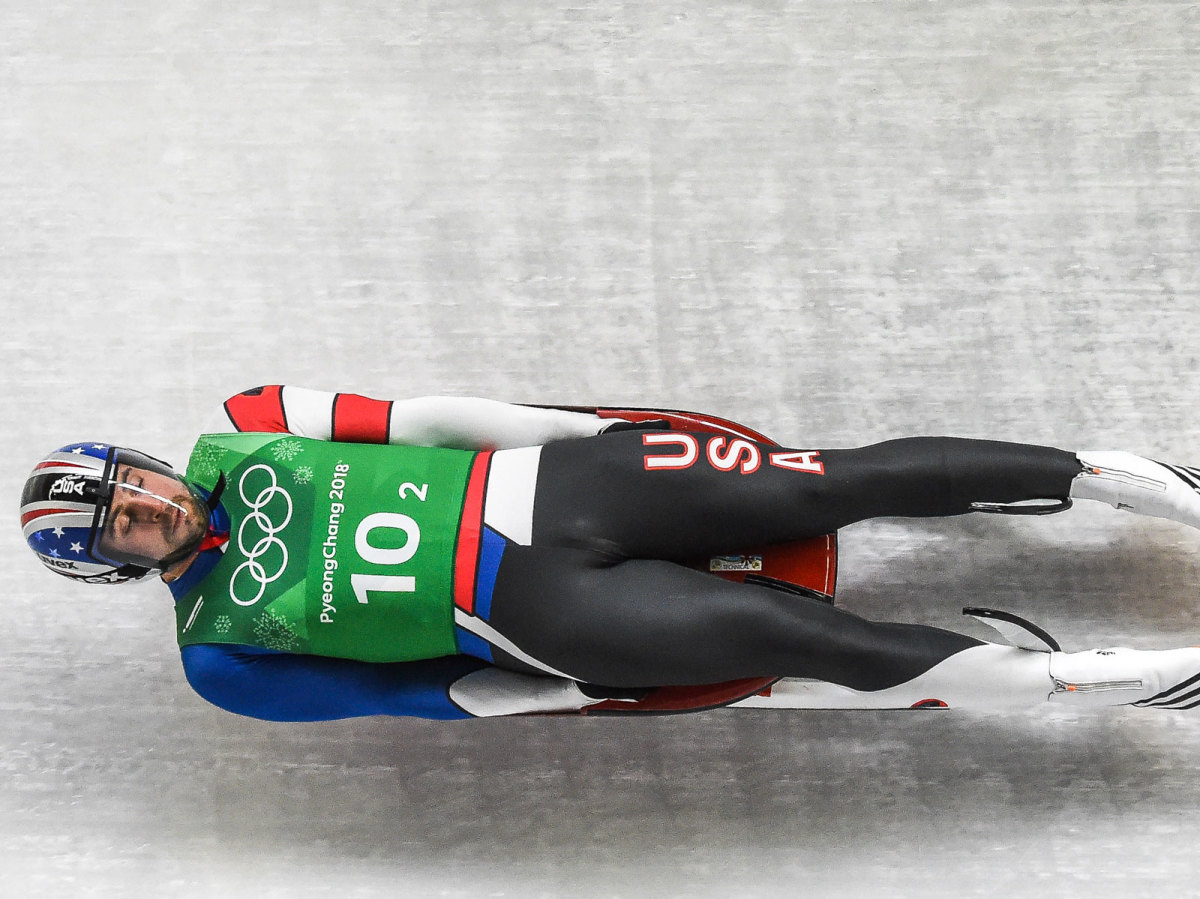
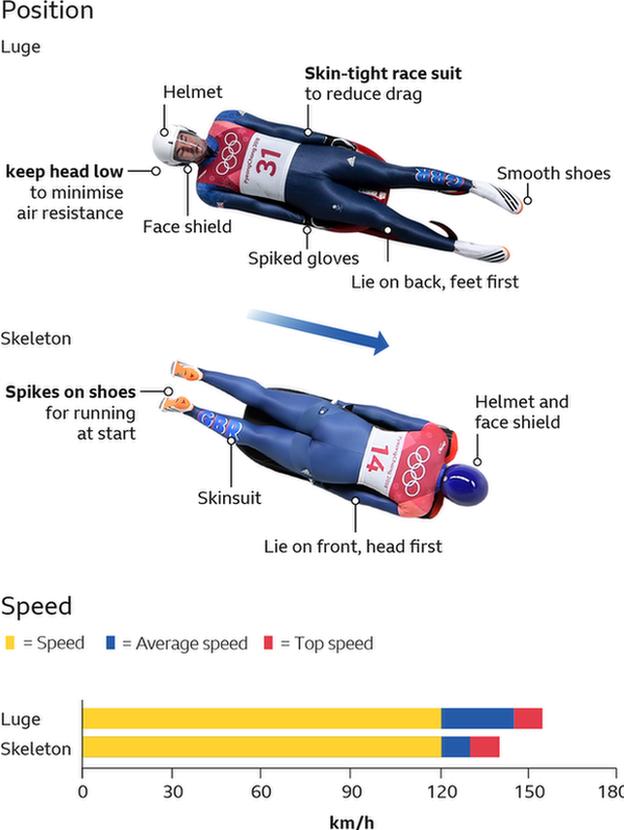
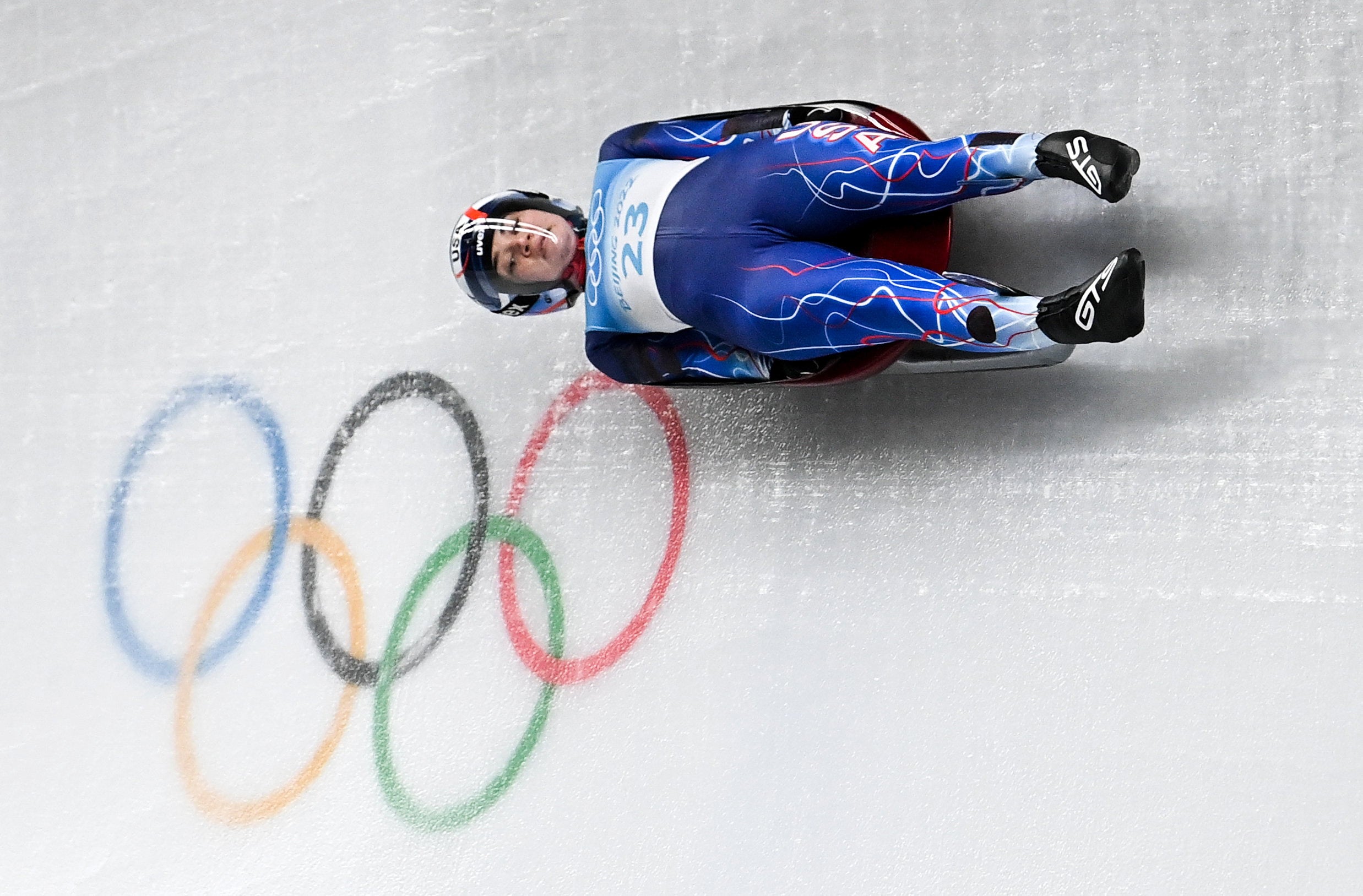
Luge is French for "sled" and is often considered the most technically challenging and fastest of all sliding sports. Luge athletes begin the race by sitting on their sled, gripping handles, and rocking back and forth before pushing off the start block using spiked gloves.
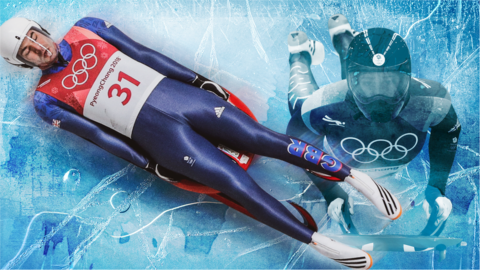
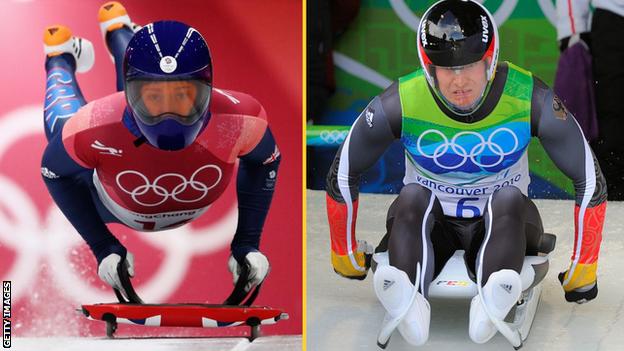
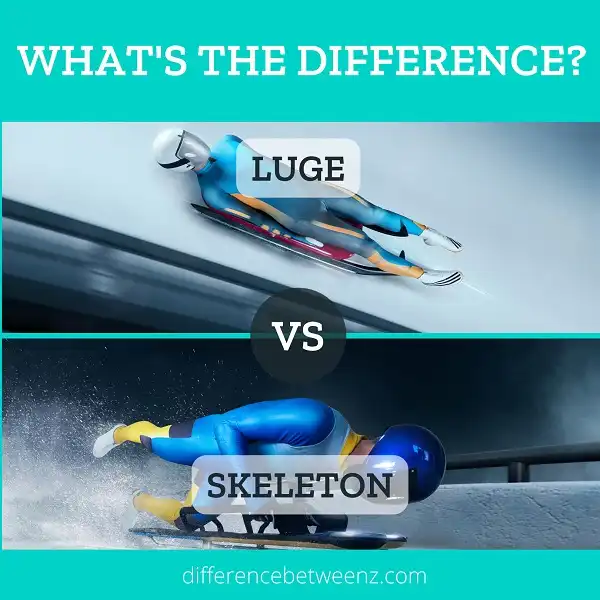
The fundamental rule of Luge is the body position: feet first, face up (supine). This position makes steering exceptionally delicate. The athlete has no mechanical steering wheel or ropes. Instead, they steer by shifting their weight, using subtle pressure from their calves and shoulders on the sled runners, or applying pressure with their feet on the front cowl (called the "dolly").
Because the body is facing up, the athlete's visibility of the upcoming curves is limited, demanding a pre-programmed, flawless run. Luge sleds achieve the highest top speeds among the three, sometimes exceeding 95 mph (150 km/h), making the minute weight shifts critically sensitive.
Skeleton: Head First, Face Down
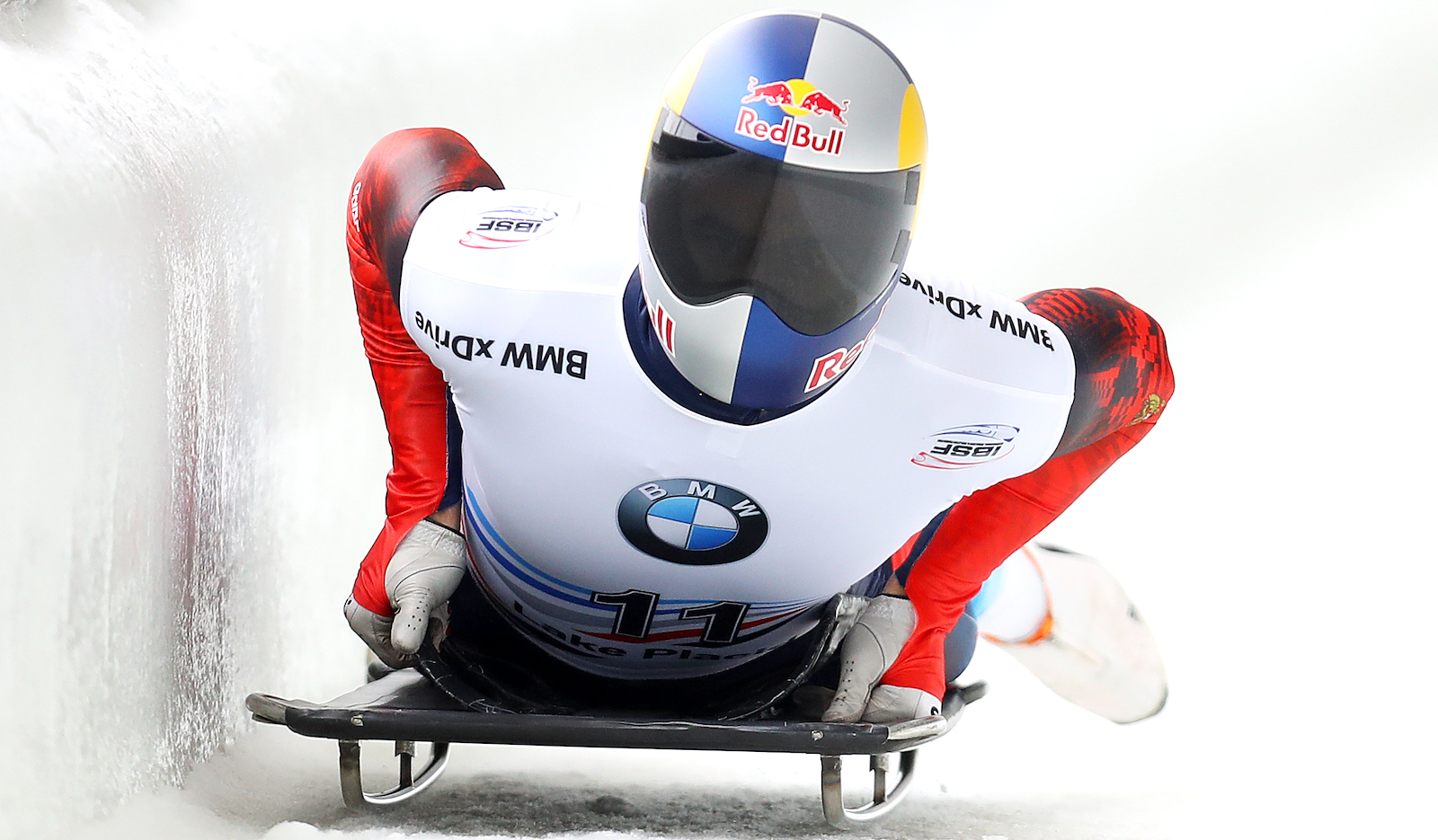
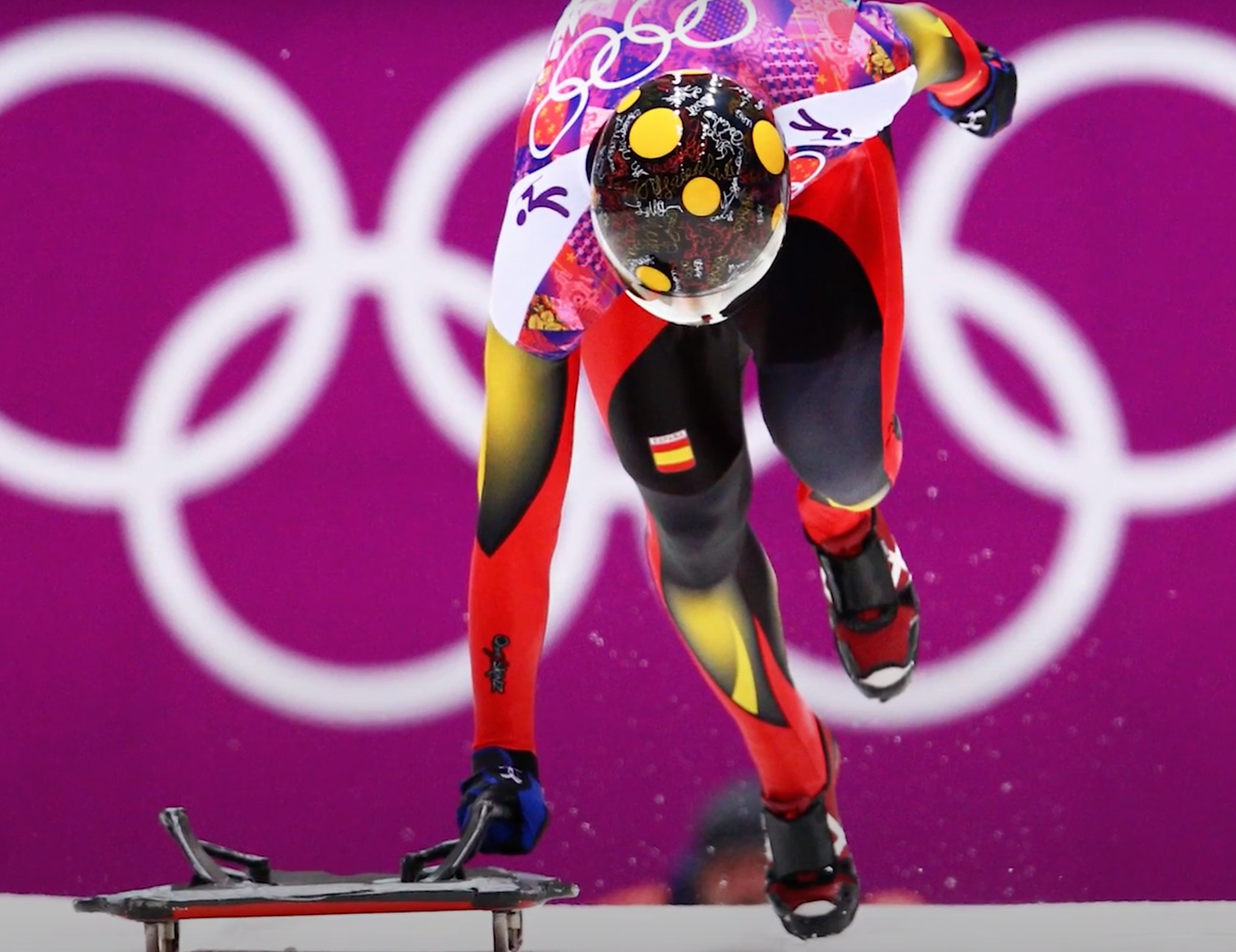
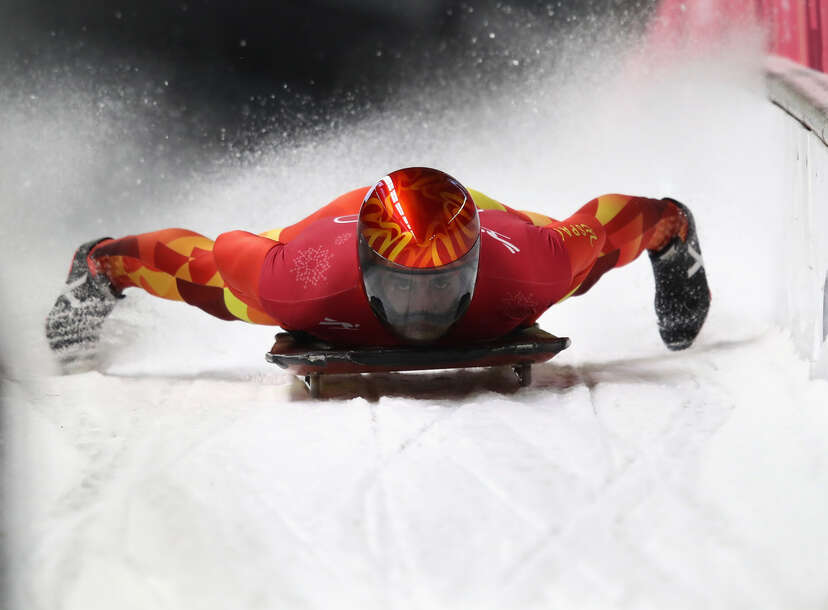
Skeleton is arguably the most intimidating of the three. It involves the rider lying on their stomach, moving head first, face down (prone).
Like bobsleigh, the athlete starts the race with a running push, launching their body onto the small, heavy sled after building momentum. The head-first position gives the Skeleton athlete a clear, albeit terrifying, view of the track rushing towards them.
Steering in Skeleton is achieved by using micro-shifts in weight, often utilizing subtle pressure with the knees and shoulders. Because the sled is relatively heavy and the track visibility is excellent, Skeleton athletes can be highly reactive, making small, immediate corrections throughout the run. This close proximity to the ice and the exposed position requires immense core strength and neck stability to endure the relentless G-forces.
Why the name Skeleton?
There are conflicting historical accounts, but the most popular theory suggests that the earliest all-metal sled used in the late 19th century looked like a bare skeleton, differentiating it from the wooden toboggans prevalent at the time. The sport was first introduced to the Olympics in 1928, long before the modern fiberglass luge sleds were developed.
Beyond Position: Comparing Sled Design, Steering, and Safety
While body position is the easiest differentiator, the sled technology and steering mechanics truly separate these high-octane events.
Steering Mechanics and Technology
- Bobsleigh: Uses a sophisticated mechanism (ropes/wheel) allowing mechanical input to turn the runners. The sled is relatively flexible and enclosed.
- Luge: Steering is purely biomechanical. The rigid, low-profile sled relies entirely on the athlete's muscle control (primarily calves and shoulder pressure) to flex the runners minimally and guide the vehicle. This precision requires years of mastery.
- Skeleton: Steering is also biomechanical but utilizes shifts in body weight and minor knee pressure. The runners are fixed, and the athlete’s body acts as the key rudder, dragging a toe or shoulder lightly on the ice if a significant correction is needed (though this drastically increases friction and slows the run).
The Speed and G-Force Factor
All three sports rely on gravitational pull and minimize friction through specialized steel runners. However, their speeds differ:
Luge generally achieves the highest velocity because the athlete lies flat (the most aerodynamic position) and the sled is designed to be the fastest possible gravity-fueled vehicle. The forces exerted on the athletes in Luge are tremendous due to the combination of speed and the exposed body position.
Bobsleigh uses its mass to maintain speed but is slightly less aerodynamic than Luge due to the sled's larger frontal area. Skeleton sits between the two, providing extreme visceral speed sensation because the athlete is staring directly down the track.
Safety and Risk
While all sliding sports are inherently dangerous—a mistake at 90 mph results in a spectacular crash—modern tracks and safety gear have made them remarkably safe.
However, Luge carries a perception of high risk due to the speeds achieved and the athlete's limited control and ability to brace for impact. The helmet protection is robust across all three sports, but the necessity for total relaxation and precision in Luge means protective gear cannot impede movement.
Conclusion: Three Paths to Olympic Glory
As the countdown to Milano Cortina 2026 continues, knowing the difference between these sliding sports transforms them from mere speed runs into complex contests of physics, engineering, and sheer nerve.
The next time you watch the action, remember the fundamental difference: If they are working in a team, seated, and steering with a wheel, it’s Bobsleigh. If they are alone, traveling feet first, and using calf pressure to steer, it’s Luge. And if they are hurtling down the track head first, embracing the ice a mere few inches from their visor, it’s Skeleton.
Each discipline demands a unique form of physical and mental resilience, guaranteeing that the battles for the gold medals will be among the most electrifying events of the Winter Olympics.
Winter Olympics 2026: What is the difference between bobsleigh, skeleton and luge?
Winter Olympics 2026: What is the difference between bobsleigh, skeleton and luge? Wallpapers
Collection of winter olympics 2026: what is the difference between bobsleigh, skeleton and luge? wallpapers for your desktop and mobile devices.
Captivating Winter Olympics 2026: What Is The Difference Between Bobsleigh, Skeleton And Luge? Image Art
This gorgeous winter olympics 2026: what is the difference between bobsleigh, skeleton and luge? photo offers a breathtaking view, making it a perfect choice for your next wallpaper.
Dynamic Winter Olympics 2026: What Is The Difference Between Bobsleigh, Skeleton And Luge? Photo Digital Art
This gorgeous winter olympics 2026: what is the difference between bobsleigh, skeleton and luge? photo offers a breathtaking view, making it a perfect choice for your next wallpaper.

Vivid Winter Olympics 2026: What Is The Difference Between Bobsleigh, Skeleton And Luge? Photo Photography
Explore this high-quality winter olympics 2026: what is the difference between bobsleigh, skeleton and luge? image, perfect for enhancing your desktop or mobile wallpaper.

High-Quality Winter Olympics 2026: What Is The Difference Between Bobsleigh, Skeleton And Luge? View in 4K
Experience the crisp clarity of this stunning winter olympics 2026: what is the difference between bobsleigh, skeleton and luge? image, available in high resolution for all your screens.
Detailed Winter Olympics 2026: What Is The Difference Between Bobsleigh, Skeleton And Luge? Picture for Mobile
Discover an amazing winter olympics 2026: what is the difference between bobsleigh, skeleton and luge? background image, ideal for personalizing your devices with vibrant colors and intricate designs.
High-Quality Winter Olympics 2026: What Is The Difference Between Bobsleigh, Skeleton And Luge? View in HD
Experience the crisp clarity of this stunning winter olympics 2026: what is the difference between bobsleigh, skeleton and luge? image, available in high resolution for all your screens.
Vibrant Winter Olympics 2026: What Is The Difference Between Bobsleigh, Skeleton And Luge? Landscape Art
Transform your screen with this vivid winter olympics 2026: what is the difference between bobsleigh, skeleton and luge? artwork, a true masterpiece of digital design.

Lush Winter Olympics 2026: What Is The Difference Between Bobsleigh, Skeleton And Luge? Capture Art
Immerse yourself in the stunning details of this beautiful winter olympics 2026: what is the difference between bobsleigh, skeleton and luge? wallpaper, designed for a captivating visual experience.
Amazing Winter Olympics 2026: What Is The Difference Between Bobsleigh, Skeleton And Luge? Landscape in HD
Discover an amazing winter olympics 2026: what is the difference between bobsleigh, skeleton and luge? background image, ideal for personalizing your devices with vibrant colors and intricate designs.
Beautiful Winter Olympics 2026: What Is The Difference Between Bobsleigh, Skeleton And Luge? Artwork Concept
Transform your screen with this vivid winter olympics 2026: what is the difference between bobsleigh, skeleton and luge? artwork, a true masterpiece of digital design.
Spectacular Winter Olympics 2026: What Is The Difference Between Bobsleigh, Skeleton And Luge? Scene Photography
Find inspiration with this unique winter olympics 2026: what is the difference between bobsleigh, skeleton and luge? illustration, crafted to provide a fresh look for your background.
Vivid Winter Olympics 2026: What Is The Difference Between Bobsleigh, Skeleton And Luge? Moment Photography
Explore this high-quality winter olympics 2026: what is the difference between bobsleigh, skeleton and luge? image, perfect for enhancing your desktop or mobile wallpaper.

Stunning Winter Olympics 2026: What Is The Difference Between Bobsleigh, Skeleton And Luge? Image Photography
Immerse yourself in the stunning details of this beautiful winter olympics 2026: what is the difference between bobsleigh, skeleton and luge? wallpaper, designed for a captivating visual experience.
Dynamic Winter Olympics 2026: What Is The Difference Between Bobsleigh, Skeleton And Luge? Capture Digital Art
This gorgeous winter olympics 2026: what is the difference between bobsleigh, skeleton and luge? photo offers a breathtaking view, making it a perfect choice for your next wallpaper.
/origin-imgresizer.tntsports.io/2022/02/11/3312464-67729548-2560-1440.jpg "High-Quality Winter Olympics 2026: What Is The Difference Between Bobsleigh, Skeleton And Luge? Moment in 4K")
High-Quality Winter Olympics 2026: What Is The Difference Between Bobsleigh, Skeleton And Luge? Moment in 4K
Discover an amazing winter olympics 2026: what is the difference between bobsleigh, skeleton and luge? background image, ideal for personalizing your devices with vibrant colors and intricate designs.
Beautiful Winter Olympics 2026: What Is The Difference Between Bobsleigh, Skeleton And Luge? Picture Art
Experience the crisp clarity of this stunning winter olympics 2026: what is the difference between bobsleigh, skeleton and luge? image, available in high resolution for all your screens.

Vibrant Winter Olympics 2026: What Is The Difference Between Bobsleigh, Skeleton And Luge? View Illustration
Discover an amazing winter olympics 2026: what is the difference between bobsleigh, skeleton and luge? background image, ideal for personalizing your devices with vibrant colors and intricate designs.
/origin-imgresizer.tntsports.io/2022/02/05/3304257-67565408-2560-1440.jpg "Serene Winter Olympics 2026: What Is The Difference Between Bobsleigh, Skeleton And Luge? Capture Collection")
Serene Winter Olympics 2026: What Is The Difference Between Bobsleigh, Skeleton And Luge? Capture Collection
Experience the crisp clarity of this stunning winter olympics 2026: what is the difference between bobsleigh, skeleton and luge? image, available in high resolution for all your screens.

Lush Winter Olympics 2026: What Is The Difference Between Bobsleigh, Skeleton And Luge? Abstract in HD
Find inspiration with this unique winter olympics 2026: what is the difference between bobsleigh, skeleton and luge? illustration, crafted to provide a fresh look for your background.
Serene Winter Olympics 2026: What Is The Difference Between Bobsleigh, Skeleton And Luge? Background Nature
Experience the crisp clarity of this stunning winter olympics 2026: what is the difference between bobsleigh, skeleton and luge? image, available in high resolution for all your screens.
Download these winter olympics 2026: what is the difference between bobsleigh, skeleton and luge? wallpapers for free and use them on your desktop or mobile devices.