Can You Get Invisalign While Pregnant The journey of pregnancy is a transformative time filled with excitement, anticipation, and a fair share of questions regarding health and wellness. For many expectant mothers, maintaining self-care and personal confidence is a top priority, leading to the common question of whether orthodontic treatments like clear aligners are feasible during these nine months. The pursuit of a straighter, healthier smile does not necessarily have to be put on hold just because you are expecting a baby. In fact, many women find that the flexibility and non-invasive nature of clear aligners make them a viable option for improving dental health while preparing for motherhood. Understanding the safety, benefits, and practical considerations of starting or continuing this dental journey is essential for any mother-to-be who wants to balance prenatal health with her aesthetic goals. 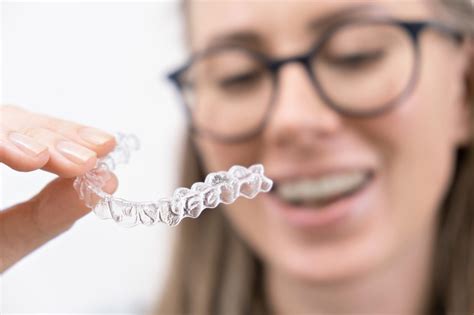
The Safety of Clear Aligners During Pregnancy
One of the primary concerns for any pregnant woman is the safety of materials and procedures. Fortunately, the materials used in modern clear aligners are specifically designed to be biocompatible and non-toxic. These aligners are typically made from medical-grade, BPA-free plastic that is FDA-approved for long-term use. This means they do not leach harmful chemicals into your bloodstream, making them safe for both the mother and the developing fetus. Unlike traditional metal braces, there are no wires or brackets that might cause cuts or require specialized dental cements that some patients worry about during pregnancy. Furthermore, the process of wearing aligners is entirely non-invasive. There is no need for local anesthesia, sedation, or systemic medications to move the teeth. The aligners work by applying gentle, controlled pressure to the teeth, which is a localized physical process that does not interfere with the biological development of the baby. Because the treatment is purely mechanical and topical to the dental arches, it is widely considered one of the safest elective health improvements one can undertake during pregnancy. However, the safety of the treatment also extends to the diagnostic phase. Traditionally, orthodontics required several X-rays to map out the jaw and tooth roots. While modern dental X-rays use extremely low doses of radiation and are considered safe with proper lead shielding, many expectant mothers still prefer to avoid them, especially during the first trimester. The good news is that many orthodontic offices now utilize advanced 3D digital scanners, such as the iTero scanner. These scanners use optical technology to create a digital model of the teeth without any radiation, ensuring that the planning phase is completely risk-free for the baby. Hormonal Changes and Their Impact on Dental Health
Pregnancy is a period characterized by significant fluctuations in hormones, particularly estrogen and progesterone. These hormonal shifts have a direct impact on the body's inflammatory response, which often manifests in the mouth as "pregnancy gingivitis." This condition causes the gums to become more sensitive, swollen, and prone to bleeding during brushing or flossing. Because aligners sit closely against the gum line, it is important to monitor how your soft tissues react to the trays. In addition to gum sensitivity, hormonal changes can temporarily affect the ligaments and bone that support the teeth. Some women report a sensation of "loose teeth" due to the hormone relaxin, which prepares the body for childbirth by loosening ligaments. While this does not usually cause teeth to fall out, it can subtly influence how quickly or easily teeth move during orthodontic treatment. An experienced orthodontist can monitor these changes and adjust the treatment plan to ensure the movement remains steady and safe. Maintaining impeccable oral hygiene is the best defense against pregnancy-related dental issues. When wearing clear aligners, food particles and bacteria can easily become trapped between the tray and the teeth. If the gums are already inflamed due to pregnancy, this can accelerate the development of plaque and tartar. Expectant mothers are encouraged to be extra diligent with their cleaning routines, using soft-bristled brushes and alcohol-free mouthwashes to keep the environment around the aligners clean and healthy. Managing Morning Sickness with Aligners
Morning sickness, or nausea and vomiting, is a common challenge during the first trimester and sometimes beyond. For those undergoing clear aligner treatment, this requires a specific strategy. The primary concern with vomiting is the introduction of stomach acid into the mouth. If aligners are worn immediately after an episode of sickness, the acid can become trapped against the tooth enamel, leading to erosion and increased sensitivity. If you experience morning sickness, the recommended protocol is to remove your aligners immediately. After the episode, rinse your mouth thoroughly with water or a solution of water and baking soda to neutralize the acid. It is often advised to wait about 30 minutes before brushing your teeth, as the acid temporarily softens the enamel and immediate brushing can cause abrasive damage. Once the mouth is clean and neutralized, the aligners should also be cleaned before being reinserted. While aligners should ideally be worn for 20 to 22 hours a day, orthodontists understand that severe nausea might make this difficult. If you find yourself unable to meet the wear-time requirements during a particularly rough week of pregnancy, it is important to communicate with your dental provider. They may suggest wearing a specific set of trays for an extra few days to ensure the teeth have properly moved before progressing to the next stage of the treatment plan.
| Trimester Consideration | Impact on Invisalign Treatment |
| First Trimester | Focus on managing nausea and avoiding trapped acid; ideal for those with existing scans. |
| Second Trimester | The "Golden Period" where energy is high and nausea is low; best time to start or progress quickly. |
| Third Trimester | Focus on comfort; adjustments may be needed if lying flat in the dental chair becomes difficult. |
| Postpartum | Flexibility of aligners allows for easy maintenance even with a busy newborn schedule. |
Nutrition, Snacking, and Hygiene Habits
Expectant mothers often find themselves eating smaller, more frequent meals or snacks throughout the day to manage energy levels or cravings. Since aligners must be removed every time you eat or drink anything other than plain water, this can lead to a cycle of constant removal and reinsertion. This habit requires a high level of discipline to ensure that teeth are cleaned before the aligners go back in. If a mother-to-be is snacking frequently and fails to brush, the risk of cavities increases significantly. Pregnancy already puts a strain on the body's minerals, and the last thing a new mom needs is a series of dental fillings. Carrying a travel-sized hygiene kit with a toothbrush, fluoride toothpaste, and floss is a practical way to manage this. If brushing isn't possible in a specific moment, rinsing the mouth vigorously with water is a temporary measure until a thorough cleaning can be performed. Staying hydrated is another vital component of both prenatal health and orthodontic success. Many pregnant women experience dry mouth, which can make the plastic trays feel more noticeable or irritating. Drinking plenty of water throughout the day helps maintain saliva flow, which is the body's natural defense against tooth decay. It also keeps the tissues hydrated and less prone to the irritation that can occur from the edges of the aligners.
The Convenience of Aligners for Busy Mothers
One of the biggest advantages of clear aligners during pregnancy is the reduced number of office visits compared to traditional braces. Most aligner systems involve receiving several sets of trays at once, with check-ups spaced six to ten weeks apart. This is particularly beneficial for pregnant women who already have a full schedule of OB-GYN appointments, ultrasounds, and prenatal classes. Furthermore, the appointments for clear aligners are generally quick and non-invasive. There are no "emergencies" like broken wires or poking brackets that require immediate, unscheduled trips to the orthodontist. This predictability allows mothers to plan their dental care around their due dates and energy levels. If the baby arrives early, the treatment can easily be managed at home by continuing to wear the current set of trays until life settles down enough for the next check-up. For many women, the second trimester is the ideal "sweet spot" to focus on their smile. During this time, energy levels usually return, and the initial discomfort of morning sickness has often passed. Taking this time to invest in self-improvement can provide a significant confidence boost, ensuring that when those first photos with the newborn are taken, the mother feels proud of her healthy, straight smile.
FAQ about Can You Get Invisalign While Pregnant
Is it safe to get dental X-rays for my treatment while pregnant?
While modern digital X-rays are low-radiation and generally safe with a lead apron, many orthodontists prefer to use radiation-free 3D digital scanners like iTero for pregnant patients. If X-rays are absolutely necessary, they are usually postponed until the second trimester or after delivery.
Will the aligners fit differently because of pregnancy swelling?
In some cases, the hormonal changes and increased blood volume during pregnancy can cause the gums to swell slightly. While this rarely affects the fit of the aligners on the teeth themselves, it may make the edges of the trays feel a bit more snug. Your orthodontist can easily smooth or adjust any areas that cause irritation.
Can I start the treatment in my third trimester?
Yes, you can start at any time, but some women find the third trimester more challenging due to the discomfort of lying flat in a dental chair for the initial fitting. Many providers will adjust the chair's position to keep you comfortable. Starting in the third trimester means you will be wearing aligners during the early weeks of motherhood, which is perfectly fine as long as you are prepared for the hygiene routine.
What happens if I can't wear my aligners for the full 22 hours due to sickness?
Communication is key. If you have a period where you can only wear them for 15-18 hours, let your orthodontist know. They may advise you to wear that specific tray for a few extra days to compensate for the lost time, ensuring your treatment stays on track without compromising the health of your teeth.
Are there any dietary restrictions for aligners while pregnant?
One of the best parts of clear aligners is that there are no food restrictions! You remove them to eat, so you can enjoy all your pregnancy cravings, whether they are crunchy, sticky, or hard. You just need to be diligent about brushing before putting the trays back in.
Conclusion
In summary, choosing to pursue clear aligner treatment during pregnancy is not only possible but often a very positive experience for many women. The combination of safe, BPA-free materials, non-invasive procedures, and the convenience of fewer dental appointments makes it a suitable option for the modern expectant mother. While there are unique considerations—such as managing gum sensitivity, navigating morning sickness, and maintaining a strict hygiene routine amidst frequent snacking—these challenges are easily manageable with a bit of planning and open communication with your orthodontist. By taking care of your dental health during this time, you are not only improving your own confidence and well-being but also setting a foundation for a healthy smile as you enter the rewarding journey of parenthood. Always consult with both your dental professional and your prenatal care provider to ensure that your specific treatment plan is tailored perfectly to your health needs.