Can You Get Invisalign With Veneers Many people who have already invested in a high-quality smile through porcelain veneers find themselves later wondering if they can further improve their dental alignment. The common concern is whether the clear aligners used in Invisalign treatment will damage, dislodge, or simply not fit over existing cosmetic work. As we look toward dental trends in 2026, the integration of different cosmetic and orthodontic treatments is becoming more streamlined. If you are asking yourself, Can You Get Invisalign With Veneers, the short answer is a resounding yes, though the process requires careful planning and a deep understanding of how both systems interact. 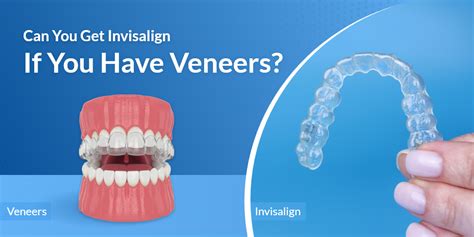
The Compatibility of Invisalign and Porcelain Veneers
The primary reason Invisalign is often compatible with veneers is the way the aligners apply pressure. Unlike traditional metal braces, which require brackets to be glued directly to the surface of the teeth, Invisalign uses custom-fitted plastic trays that encapsulate the entire tooth. Because porcelain is a non-porous material, traditional orthodontic adhesives used for metal brackets often struggle to create a strong bond, making braces a risky choice for veneered teeth. Invisalign avoids this complication entirely by relying on the mechanical fit of the tray over the tooth's shape. However, the success of the treatment depends heavily on the health and stability of the existing veneers. Before beginning the alignment process, a dentist must evaluate the bond strength of each veneer. If a veneer is old, loose, or has underlying decay, the orthodontic forces—even the gentle ones applied by clear aligners—could potentially dislodge it. In 2026, advanced digital scanning technology allows practitioners to map out tooth movements with extreme precision, ensuring that the pressure exerted on veneered teeth remains within safe limits. Another consideration is the use of attachments. In some Invisalign cases, small tooth-colored bumps called attachments are placed on the teeth to help the aligners grip better and guide complex movements. These attachments typically do not bond well to the smooth surface of porcelain. If your treatment plan requires attachments, your orthodontist will likely place them on your natural teeth rather than the veneered ones to ensure stability and prevent surface damage to the porcelain. How Veneers Affect the Invisalign Treatment Plan
When a patient has veneers, the Invisalign treatment plan must be customized to accommodate the unique properties of the porcelain. Natural teeth have a certain amount of flexibility and a specific texture that helps aligners work effectively. Veneers, while durable, are rigid shells. This means that while the tooth underneath can be moved, the veneer itself does not change shape or flex. Your dental professional will use a 3D model of your mouth to simulate the movement of your teeth. For patients with veneers, the goal is often to move the underlying natural structure without putting undue stress on the bond between the tooth and the porcelain. If the movement required is significant—such as rotating a tooth or correcting a severe bite issue—the risk to the veneer increases. In such cases, the dentist might plan for more gradual movements over a longer period to ensure the safety of your cosmetic investment.
| Consideration | Impact on Treatment |
| Bond Strength | Weak bonds may lead to veneer detachment during aligner removal. |
| Attachment Placement | Attachments are usually avoided on porcelain surfaces to prevent bonding issues. |
| Degree of Movement | Significant rotations may require specialized planning to protect the veneer. |
| Veneer Condition | Older or cracked veneers may need replacement before or after treatment. |
Benefits of Choosing Invisalign When You Have Veneers
Choosing Invisalign over traditional orthodontics offers several distinct advantages for those with existing cosmetic work. One of the most significant benefits is the preservation of the veneer's aesthetic. Because there are no wires or brackets, there is no risk of scratching the porcelain or leaving behind permanent stains that can occur when metal hardware is removed. Furthermore, Invisalign allows for superior oral hygiene. Patients can remove the aligners to brush and floss, which is critical for maintaining the health of the teeth underneath the veneers. Plaque buildup around the margins of a veneer can lead to gum recession or decay, both of which would compromise the cosmetic result. By keeping the teeth and gums healthy throughout the straightening process, patients ensure that their smile looks its best once the alignment is complete. Finally, Invisalign provides a level of predictability that is essential for complex cases. The digital planning software allows the patient to see a virtual representation of their final results before the first tray is even manufactured. This is particularly helpful for those with veneers, as they can visualize how their existing cosmetic work will sit within the new, straightened arc of their smile.
FAQ about Can You Get Invisalign With Veneers
Will the Invisalign trays scratch my porcelain veneers?
No, the medical-grade plastic used in Invisalign aligners is designed to be smooth and gentle. It does not have the abrasive qualities necessary to scratch or damage high-quality dental porcelain.
What happens if a veneer comes off during treatment?
If a veneer becomes loose or falls off, you should contact your dentist immediately. In many cases, it can be re-bonded. Your dentist will check if the aligner still fits properly or if a new scan is needed to adjust the tray for the re-bonded veneer.
Should I get veneers before or after Invisalign?
Most dentists recommend completing Invisalign treatment first. Straightening the natural teeth provides a better foundation for veneers, often requiring less removal of the natural tooth structure and resulting in a more symmetrical and lasting cosmetic result.
Conclusion
In conclusion, having veneers does not disqualify you from achieving a straighter smile through Invisalign. While there are special considerations regarding bond strength and attachment placement, modern dental techniques in 2026 make the process safe and effective for the vast majority of patients. By working with an experienced provider who understands the nuances of moving veneered teeth, you can protect your existing cosmetic investment while reaching your goal of a perfectly aligned smile. Always start with a comprehensive consultation to ensure your veneers are in the proper condition to undergo the transformation.