Commentary: How the war in Iran could impact global economy, including Singapore
Commentary: How the war in Iran could impact global economy, including Singapore
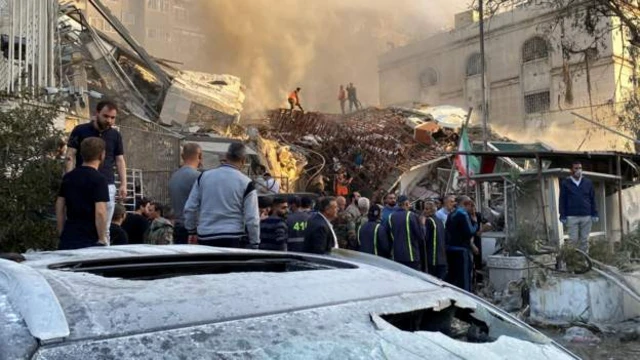
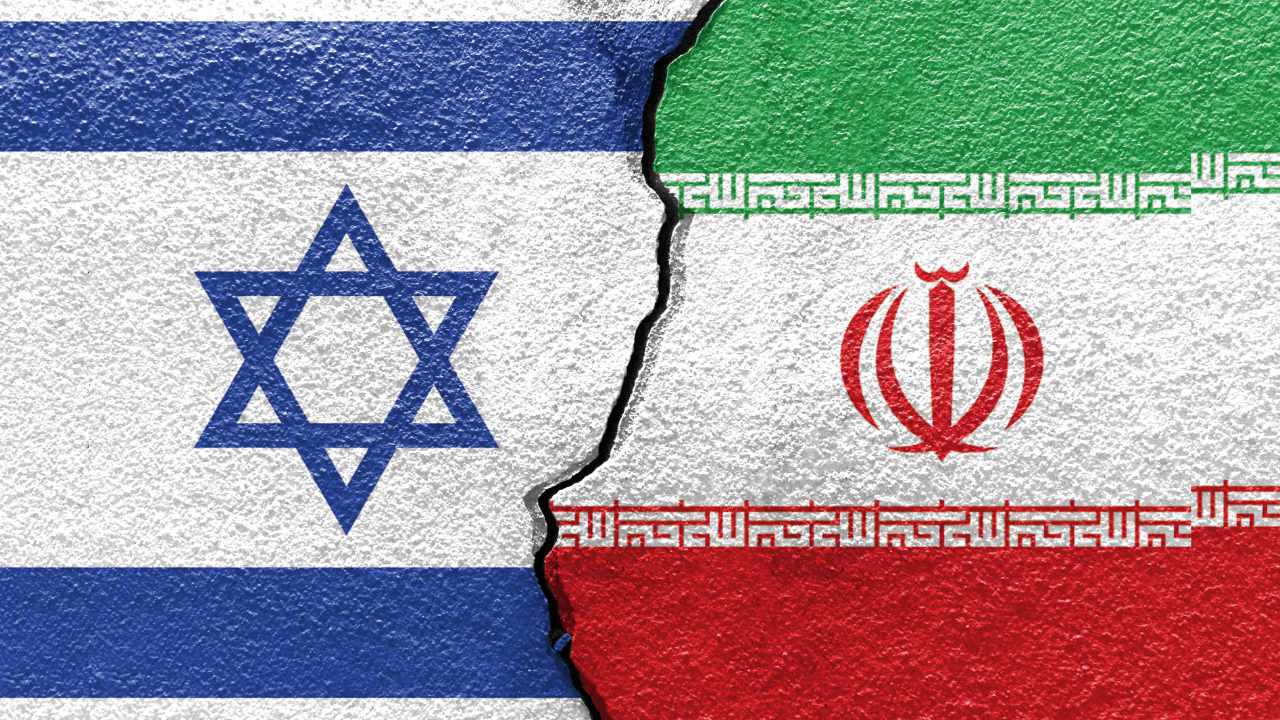
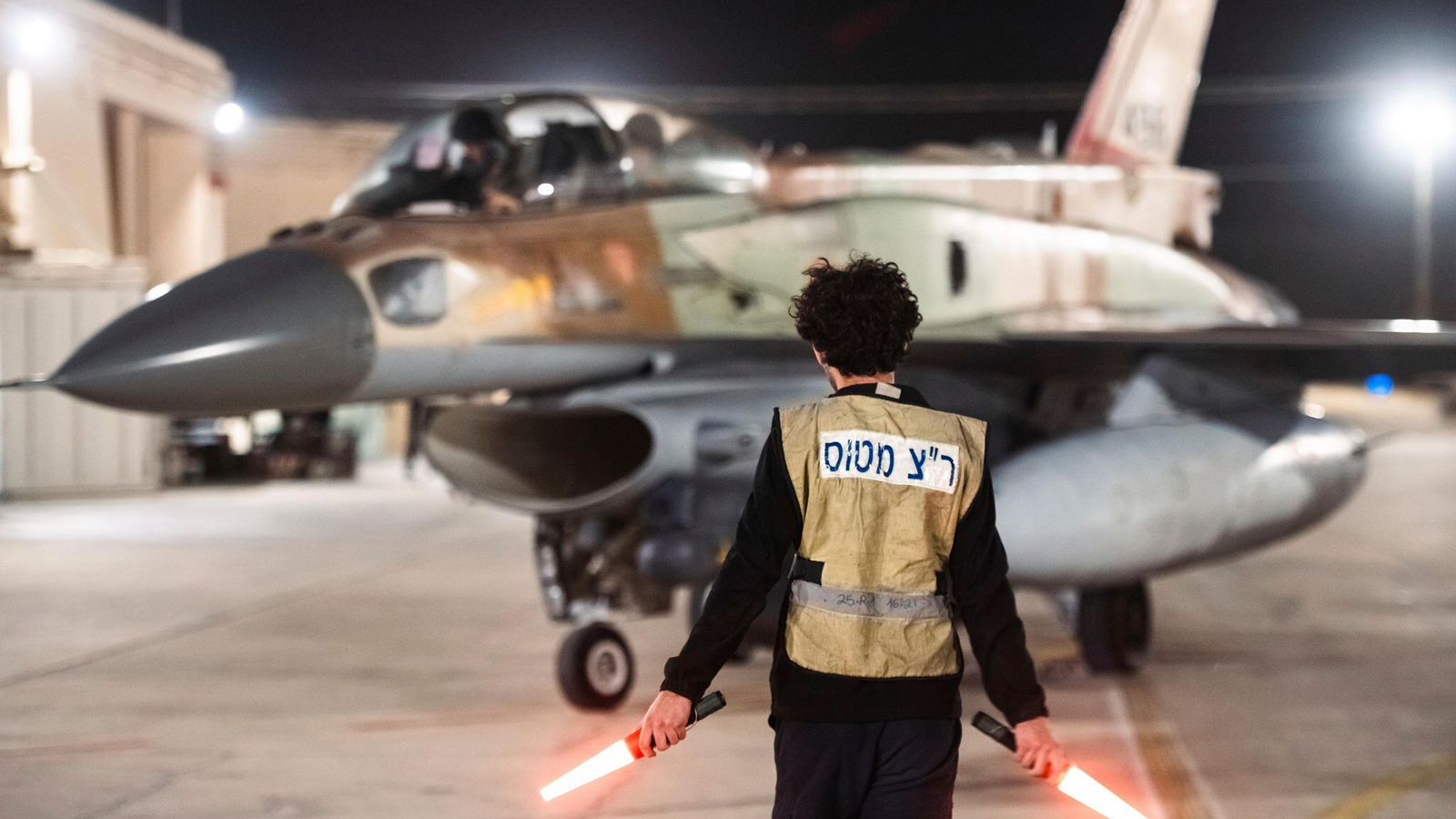
The escalation of conflict in the Middle East into a full-scale war involving Iran has sent shockwaves through international markets, prompting analysts to reassess the resilience of the global financial system in 2026. As the United States and Israel engage in military operations against Iranian infrastructure, the immediate closure of the Strait of Hormuz has created a logistical nightmare for energy and commodity trade. For a highly open economy like Singapore, which serves as a global hub for shipping and finance, the implications are particularly acute. This commentary explores the multi-faceted economic fallout, ranging from hyperinflationary pressures in energy markets to the disruption of sophisticated semiconductor supply chains in Asia. While some investors hope for a short-lived crisis, the structural shifts in trade routes and risk premiums suggest that the "new normal" of 2026 will be defined by persistent geopolitical volatility and a departure from the stability of previous decades.
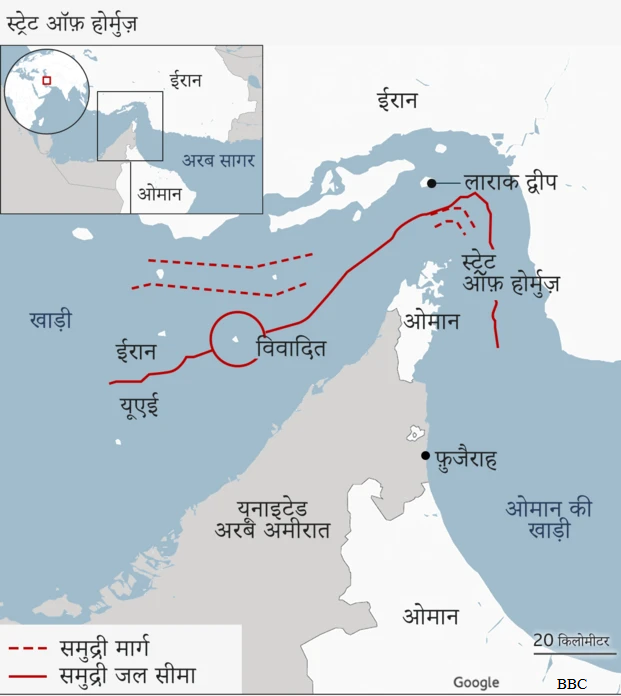
The war in Iran impacts the global economy primarily through the disruption of the Strait of Hormuz, which handles approximately 25% of the world's seaborne oil trade and 20% of liquefied natural gas (LNG). This disruption leads to immediate spikes in energy prices, with Brent crude rising by over 15% in the initial days of conflict. For Singapore, the impact manifests as higher electricity tariffs, increased transportation costs, and potential inflationary pressure on consumer goods. High-income Asian economies, including Japan and South Korea, are especially vulnerable due to their 80%+ reliance on energy imports passing through the Persian Gulf.
The Chokepoint Crisis: The Strait of Hormuz and Global Energy Flows
The Strait of Hormuz is often described as the world's most important oil artery. In 2025, an average of 20 million barrels per day (b/d) of crude and refined products transited this narrow passage. The current conflict has seen Iran effectively halt traffic, leading to a paralysis of maritime movements. Unlike previous skirmishes, the 2026 war involves direct strikes on energy infrastructure, including Qatar's LNG facilities, which has forced a pause in loadings for European and Asian buyers alike. This has triggered a "nonlinear" escalation in prices, reminiscent of the energy shocks seen during the 2022 Russia-Ukraine crisis.
For global markets, the immediate concern is the lack of viable alternatives. While some pipelines exist to bypass the strait, their capacity is limited to roughly 3.3 million b/d, leaving the vast majority of Gulf exports stranded. Shipping companies and insurers have responded by cancelling cover or hiking rates to prohibitive levels. The result is a global oil market flipping from a surplus into a deficit, with the International Energy Agency (IEA) warning that sustained disruption could push prices into triple digits, destabilizing the fragile recovery of the post-pandemic era.
Singapore's Vulnerability: Imported Inflation and Energy Security
Singapore sits at the crossroads of global trade, making it a "canary in the coal mine" for geopolitical shocks. The city-state imports nearly all of its energy, and its household electricity tariffs are closely indexed to international gas prices. Following the outbreak of hostilities on February 28, 2026, Singaporean officials have warned of a reversal in recent inflationary declines. The Monetary Authority of Singapore (MAS) faces a difficult balancing act: maintaining a strong Singapore dollar to offset imported inflation while ensuring that higher costs do not stifle domestic growth.
The impact extends beyond the utility bill. Transportation and logistics, the backbone of the Singaporean economy, are seeing immediate cost increases as pump prices rise. Higher freight rates for tankers—which have jumped by over 100% in some routes—eventually reach consumers in the form of more expensive groceries, meals, and electronics. The government has already signaled that it may need to reassess growth and inflation forecasts if the conflict drags on beyond the two-week mark, highlighting the precarious nature of peace in the region.
Asia's High-Income Economies Under Pressure
The economic fallout is not evenly distributed. Moody's Analytics has identified advanced Asian economies, including Japan, South Korea, Taiwan, and Singapore, as being under the heaviest immediate threat. These nations import more than 80% of the energy they consume. In North Asia, the conflict has triggered "panic selling" in equity markets, particularly in Hong Kong and Seoul. South Korea's Kospi index recently experienced its largest two-day drop since 2008, driven by fears that rising energy costs will squeeze corporate margins and force central banks to pause planned interest rate cuts.
Furthermore, these economies are heavily dependent on food imports. A spike in global energy prices inevitably leads to higher fertilizer and transport costs, driving up food prices. This "double whammy" of energy and food inflation could lead to a significant loss of national income, particularly if the conflict results in a long-term closure of shipping lanes. Governments in the region are now in "hope for the best, prepare for the worst" mode, drawing on national reserves that, while substantial, can only provide short-term relief.
The AI Trade Disruption: Why Tech Stocks are Sliding
Prior to the Iranian crisis, global investment flows were heavily concentrated in Asian semiconductor and "hard tech" plays. Investors were rotating out of software and into the hardware infrastructure required for the artificial intelligence boom. However, the war has exposed the "crowded" nature of this trade. As the US dollar strengthens and inflation risks rise, the "hot money" that flooded into Samsung, SK Hynix, and TSMC is beginning to recede. The cost of margin-financed trading is rising, and the narrative of a "years-long super cycle" is being tested by the reality of geopolitical instability.
The disruption to container shipping also poses a threat to the just-in-time supply chains of the tech industry. Congestion at key hubs like Singapore, Sri Lanka, and Malaysia is expected to increase as vessels reroute to avoid the Gulf. This leads to longer transit times and higher freight rates for components, potentially making consumer electronics more expensive globally. The intersection of "economic warfare" and high-tech supply chains is a defining feature of the 2026 conflict, proving that no sector is truly insulated from the effects of kinetic warfare.
| Economic Indicator | Estimated Impact (March 2026) |
|---|---|
| Brent Crude Oil Price | 12% - 15% Increase |
| VLCC Tanker Freight Rates | 275% Increase ($120k to $450k/day) |
| Singapore Core Inflation | Potential Rise above 1.5% |
| European Gas Futures | 40% - 70% Increase |
China and India: Strategic Reserves and Diplomatic Balancing
Asia's two most populous nations, China and India, face complex challenges. China, as the world's largest crude importer, is vulnerable to price spikes but maintains significant domestic gas holdings and strategic oil reserves. Additionally, China's "teapot" refiners have continued to access discounted Iranian and Russian oil, providing a partial buffer. However, the escalation of the war threatens these supply lines and could complicate China's broader trade relations with the United States under the Trump administration.
India, the third-largest oil importer, is in a more difficult position. It remains heavily dependent on Middle Eastern oil while navigating a trade deal with the US to reduce Russian imports—an agreement that is now shrouded in uncertainty. A sustained spike in oil prices would strain India's transport and industrial sectors, potentially slowing its growth momentum. For both nations, the war is a reminder of the urgent need to diversify energy sources and invest in renewables as a "natural hedge" against Middle Eastern instability.
The US Perspective: Operation Epic Fury and Market Volatility
Under President Donald Trump, the US has launched "Operation Epic Fury," a campaign aimed at regime change in Tehran. While the initial strikes were tactically successful, the strategic objective remains unclear. US gasoline futures have already climbed by 10% as fuel distributors anticipate tighter global supplies. Interestingly, some market analysts, such as Ken Fisher, suggest that while volatility is high, the global economy is "well-oiled" and may move on from the conflict faster than expected, provided the Strait of Hormuz does not remain closed for months.
However, the risk of "hyperinflation" cannot be ignored. Some experts warn that corporations may use the war as an excuse to hike prices across the board, citing supply chain disruptions. The Federal Reserve, which had been forecasting a cooling of inflation to 2.5%, may be forced to rethink its strategy if energy prices remain elevated. The US's role as a major energy producer provides some protection, but the interconnectedness of global prices means that American consumers are far from immune to the costs of a Middle Eastern war.
Emerging Markets: The Return of Debt and Food Insecurity
For emerging Asian economies like Sri Lanka, Bangladesh, and Pakistan, the 2026 Iran war is a terrifying echo of the 2022 energy crisis. These nations have recently struggled with external debt and foreign exchange shortages. A renewed spike in energy and food import bills could trigger fresh economic crises. The Association of Southeast Asian Nations (ASEAN) Centre for Energy has warned that the closure of the Hormuz Strait could "grind global economic activity to a halt" for these vulnerable economies, as they are outbid for scarce energy cargoes by richer nations.
In the Philippines and Vietnam, authorities are already taking measures to cut fuel use, such as banning non-essential government travel. The risk of social unrest increases as the cost of living climbs, making the war in Iran a significant threat to regional stability. The ability of these nations to weather the storm depends largely on the duration of the conflict and the availability of international financial support to manage trade deficits.
Long-term Shifts: The End of Stability?
The consensus among chief economists in March 2026 is that global tensions have become a routine part of the economic landscape. The days of expecting a return to "quick stability" are likely over. This conflict is forcing a permanent reassessment of risk in the Persian Gulf. Businesses are likely to accelerate their efforts to diversify supply chains and invest in energy-efficient technologies. For Singapore, this means doubling down on its commitment to green energy and AI-driven efficiency to maintain its competitive edge in a volatile world.
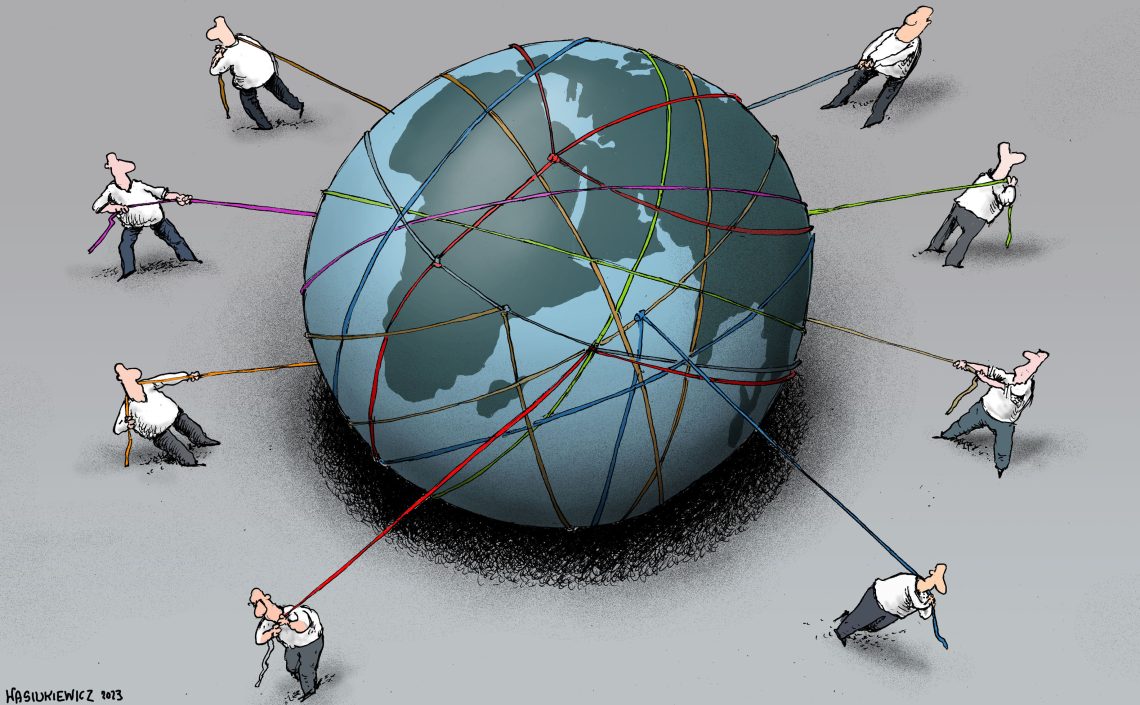
Furthermore, the failure of diplomacy in the lead-up to the 2026 strikes—where a peace deal was reportedly within reach—suggests a breakdown in the international rules-based order. Investors must now account for "black swan" events as a regular occurrence. The shift from a globalized, stable trade environment to one defined by "economic warfare" and regional blocs will have profound implications for capital allocation and long-term economic growth across the Asia-Pacific region.
FAQ
Q1: Why is the Strait of Hormuz so important for Singapore?
A1: Singapore is a major global shipping and refining hub. About 25% of the world's seaborne oil passes through the Strait of Hormuz. Any disruption there directly impacts Singapore's energy costs, shipping volume, and the price of goods flowing through its port.
Q2: How will the war in Iran affect electricity prices in Singapore?
A2: Singapore's electricity generation is heavily dependent on natural gas. Since global gas benchmarks rise during Middle Eastern conflicts, household and business electricity tariffs are expected to increase in the upcoming quarters.
Q3: Which Asian countries are most vulnerable to the conflict?
A3: According to Moody's Analytics, high-income economies like Japan, South Korea, Taiwan, and Singapore are most vulnerable because they import over 80% of their energy, much of it from the Gulf region.
Q4: Will the war in Iran cause a global recession in 2026?
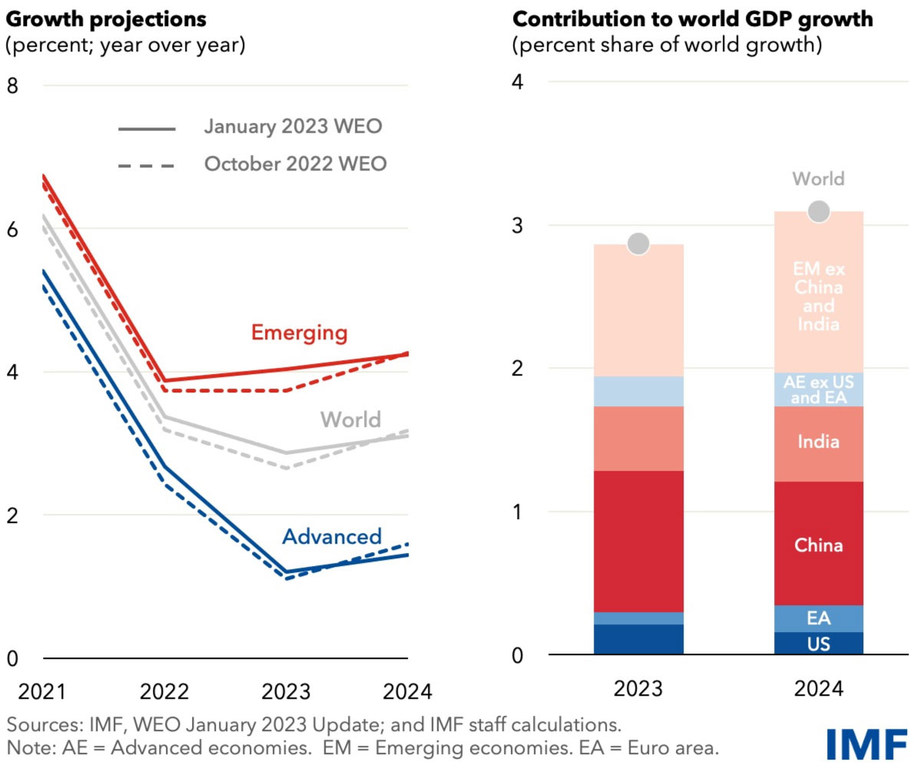
A4: While some analysts believe the conflict will be short-lived, a prolonged closure of the Strait of Hormuz could flip the oil market into a deficit, potentially slowing global growth by 0.2 to 0.5 percentage points and fueling inflation.
Q5: Can renewable energy help mitigate the impact of the war?
A5: Yes, experts describe renewables as a "natural hedge" against geopolitical energy shocks. Countries with higher shares of domestic renewable energy are less exposed to the price volatility and supply disruptions of fossil fuels from the Middle East.
Conclusion
The 2026 war in Iran serves as a stark reminder of the global economy's enduring dependence on the Middle East's energy corridors. For Singapore and its neighbors in Asia, the conflict is not merely a distant political event but a direct threat to the cost of living and industrial competitiveness. The immediate spikes in oil, gas, and freight prices reflect a market that is deeply interconnected and sensitive to even minor disruptions in the Strait of Hormuz. While strategic reserves and a shift toward renewable energy offer some long-term hope, the immediate reality for 2026 is one of heightened inflation and market anxiety. As "economic warfare" becomes a primary tool of geopolitical strategy, nations like Singapore must remain agile, strengthening their domestic resilience while navigating the increasingly turbulent waters of global trade.
Commentary: How the war in Iran could impact global economy, including Singapore
Commentary: How the war in Iran could impact global economy, including Singapore Wallpapers
Collection of commentary: how the war in iran could impact global economy, including singapore wallpapers for your desktop and mobile devices.

Breathtaking Commentary: How The War In Iran Could Impact Global Economy, Including Singapore View Nature
Explore this high-quality commentary: how the war in iran could impact global economy, including singapore image, perfect for enhancing your desktop or mobile wallpaper.

Gorgeous Commentary: How The War In Iran Could Impact Global Economy, Including Singapore Photo Art
Find inspiration with this unique commentary: how the war in iran could impact global economy, including singapore illustration, crafted to provide a fresh look for your background.
Exquisite Commentary: How The War In Iran Could Impact Global Economy, Including Singapore Landscape Collection
Find inspiration with this unique commentary: how the war in iran could impact global economy, including singapore illustration, crafted to provide a fresh look for your background.

Dynamic Commentary: How The War In Iran Could Impact Global Economy, Including Singapore Picture Art
A captivating commentary: how the war in iran could impact global economy, including singapore scene that brings tranquility and beauty to any device.
Serene Commentary: How The War In Iran Could Impact Global Economy, Including Singapore Capture Digital Art
Experience the crisp clarity of this stunning commentary: how the war in iran could impact global economy, including singapore image, available in high resolution for all your screens.

Captivating Commentary: How The War In Iran Could Impact Global Economy, Including Singapore Image in HD
This gorgeous commentary: how the war in iran could impact global economy, including singapore photo offers a breathtaking view, making it a perfect choice for your next wallpaper.

Dynamic Commentary: How The War In Iran Could Impact Global Economy, Including Singapore Background Art
Find inspiration with this unique commentary: how the war in iran could impact global economy, including singapore illustration, crafted to provide a fresh look for your background.
Serene Commentary: How The War In Iran Could Impact Global Economy, Including Singapore Design for Mobile
Discover an amazing commentary: how the war in iran could impact global economy, including singapore background image, ideal for personalizing your devices with vibrant colors and intricate designs.

Amazing Commentary: How The War In Iran Could Impact Global Economy, Including Singapore Abstract Digital Art
Experience the crisp clarity of this stunning commentary: how the war in iran could impact global economy, including singapore image, available in high resolution for all your screens.
Captivating Commentary: How The War In Iran Could Impact Global Economy, Including Singapore Scene Concept
Immerse yourself in the stunning details of this beautiful commentary: how the war in iran could impact global economy, including singapore wallpaper, designed for a captivating visual experience.
Mesmerizing Commentary: How The War In Iran Could Impact Global Economy, Including Singapore Background for Your Screen
Transform your screen with this vivid commentary: how the war in iran could impact global economy, including singapore artwork, a true masterpiece of digital design.

Dynamic Commentary: How The War In Iran Could Impact Global Economy, Including Singapore Wallpaper Nature
A captivating commentary: how the war in iran could impact global economy, including singapore scene that brings tranquility and beauty to any device.
Exquisite Commentary: How The War In Iran Could Impact Global Economy, Including Singapore Picture for Your Screen
Find inspiration with this unique commentary: how the war in iran could impact global economy, including singapore illustration, crafted to provide a fresh look for your background.
High-Quality Commentary: How The War In Iran Could Impact Global Economy, Including Singapore Capture Illustration
Discover an amazing commentary: how the war in iran could impact global economy, including singapore background image, ideal for personalizing your devices with vibrant colors and intricate designs.

Beautiful Commentary: How The War In Iran Could Impact Global Economy, Including Singapore Artwork Digital Art
Discover an amazing commentary: how the war in iran could impact global economy, including singapore background image, ideal for personalizing your devices with vibrant colors and intricate designs.
Mesmerizing Commentary: How The War In Iran Could Impact Global Economy, Including Singapore Image in 4K
Explore this high-quality commentary: how the war in iran could impact global economy, including singapore image, perfect for enhancing your desktop or mobile wallpaper.
Artistic Commentary: How The War In Iran Could Impact Global Economy, Including Singapore Abstract for Desktop
This gorgeous commentary: how the war in iran could impact global economy, including singapore photo offers a breathtaking view, making it a perfect choice for your next wallpaper.
High-Quality Commentary: How The War In Iran Could Impact Global Economy, Including Singapore Image Illustration
Explore this high-quality commentary: how the war in iran could impact global economy, including singapore image, perfect for enhancing your desktop or mobile wallpaper.

Serene Commentary: How The War In Iran Could Impact Global Economy, Including Singapore Background Digital Art
Explore this high-quality commentary: how the war in iran could impact global economy, including singapore image, perfect for enhancing your desktop or mobile wallpaper.

High-Quality Commentary: How The War In Iran Could Impact Global Economy, Including Singapore Image Concept
Explore this high-quality commentary: how the war in iran could impact global economy, including singapore image, perfect for enhancing your desktop or mobile wallpaper.
Download these commentary: how the war in iran could impact global economy, including singapore wallpapers for free and use them on your desktop or mobile devices.