Cyclone triggers outages at major Australian LNG plants
Cyclone triggers outages at major Australian LNG plants
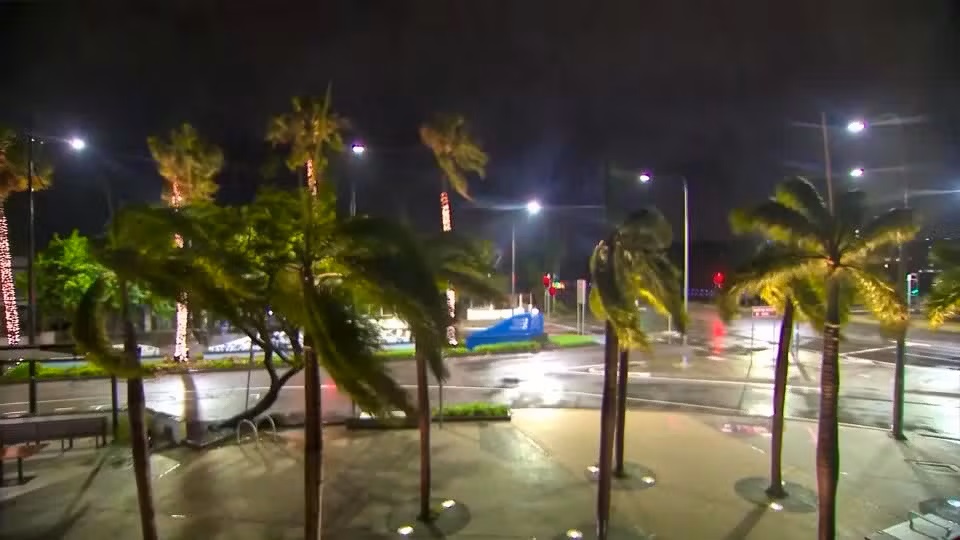
The energy sector is currently on high alert as a powerful tropical cyclone moves across Western Australia's resource-rich Pilbara coast, forcing several of the world's largest liquefied natural gas (LNG) facilities to suspend operations. These weather-induced outages are not merely local logistical hurdles but significant events that ripple through global energy markets. As one of the top exporters of LNG globally, Australia's ability to maintain a steady supply is crucial for the energy security of major economies in Asia. The current situation sees major players in the region implementing emergency shutdown procedures and evacuating non-essential personnel from offshore platforms and onshore processing hubs. This disruption comes at a sensitive time for global energy pricing, where any hint of supply tightening can lead to immediate volatility in spot prices. The featured snippet for this event is as follows: A severe tropical cyclone has triggered significant production outages at major Australian LNG plants along the Western Australian coast, including key facilities operated by industry giants. These shutdowns are part of mandatory safety protocols designed to protect infrastructure and personnel from extreme wind speeds and storm surges. While the duration of the outages depends on the cyclone's path and subsequent damage assessments, the immediate halt in production has raised concerns regarding short-term supply constraints for Asian buyers and a potential spike in global LNG spot prices.Impact of Tropical Cyclones on Western Australian Energy Infrastructure
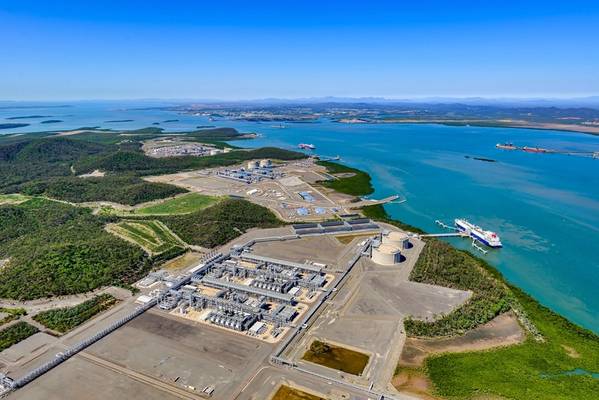
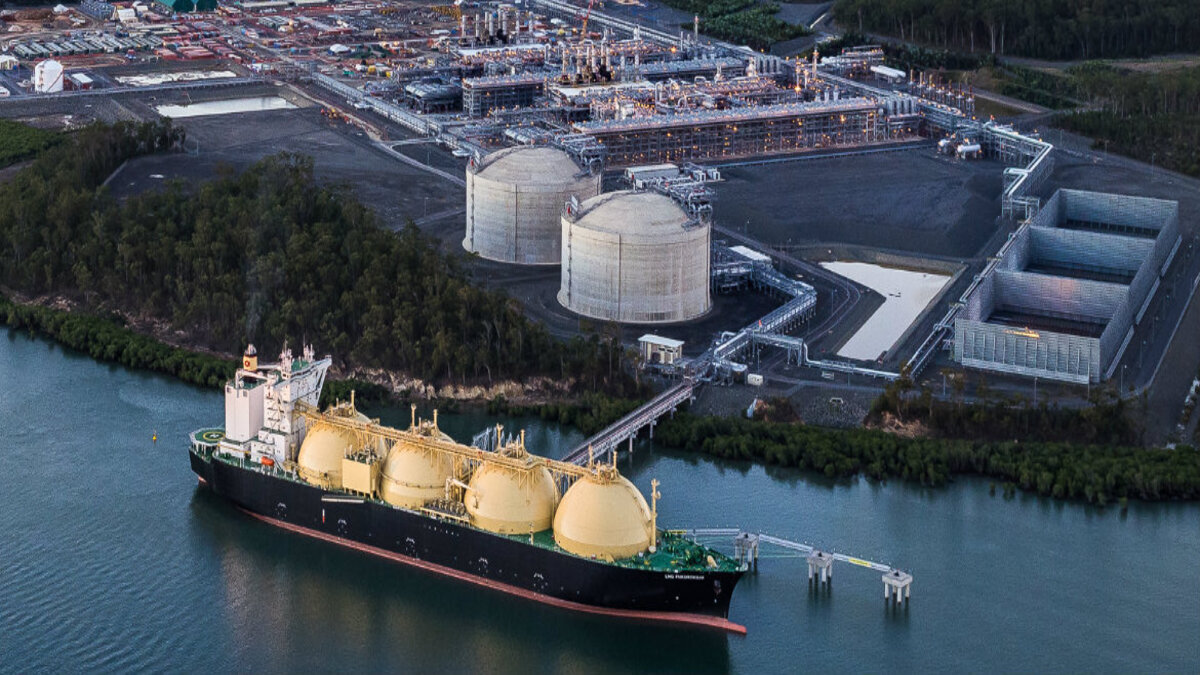
The coastline of Western Australia is home to some of the most sophisticated and expensive energy infrastructure on the planet. From the massive subsea pipelines to the sprawling liquefaction trains onshore, every component is engineered to withstand the harsh conditions of the Indian Ocean. However, tropical cyclones represent the ultimate test for these facilities. When a cyclone is detected, operators follow a tiered response plan. This typically begins with the monitoring of the storm's trajectory, followed by the suspension of drilling activities and the securing of loose equipment. As the storm nears, the "outage" phase begins, where production is ramped down to prevent mechanical stress during power fluctuations or structural vibrations. The physical impact of a cyclone on an LNG plant can be multifaceted. High winds can damage cooling towers and communication arrays, while torrential rain can lead to localized flooding that disrupts land-based logistics and maintenance access. Furthermore, the storm surge—a rising of the sea as a result of atmospheric pressure changes and wind associated with a storm—can threaten coastal loading jetties where LNG carriers berth. Because LNG must be kept at extremely low temperatures (-162 degrees Celsius), any interruption in power or cooling systems can lead to a "boil-off" of gas, which must be managed through flaring to ensure the safety of the tanks.Major LNG Facilities Affected by the Weather Event
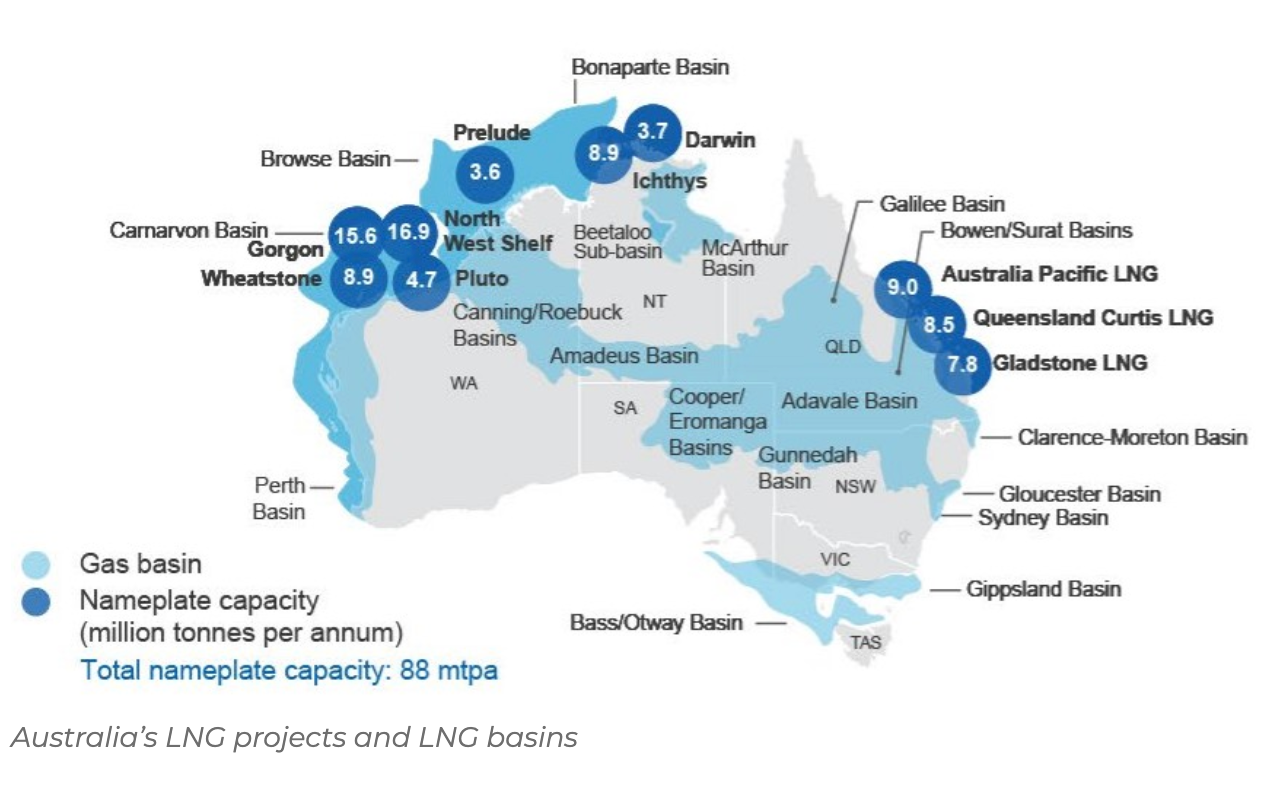
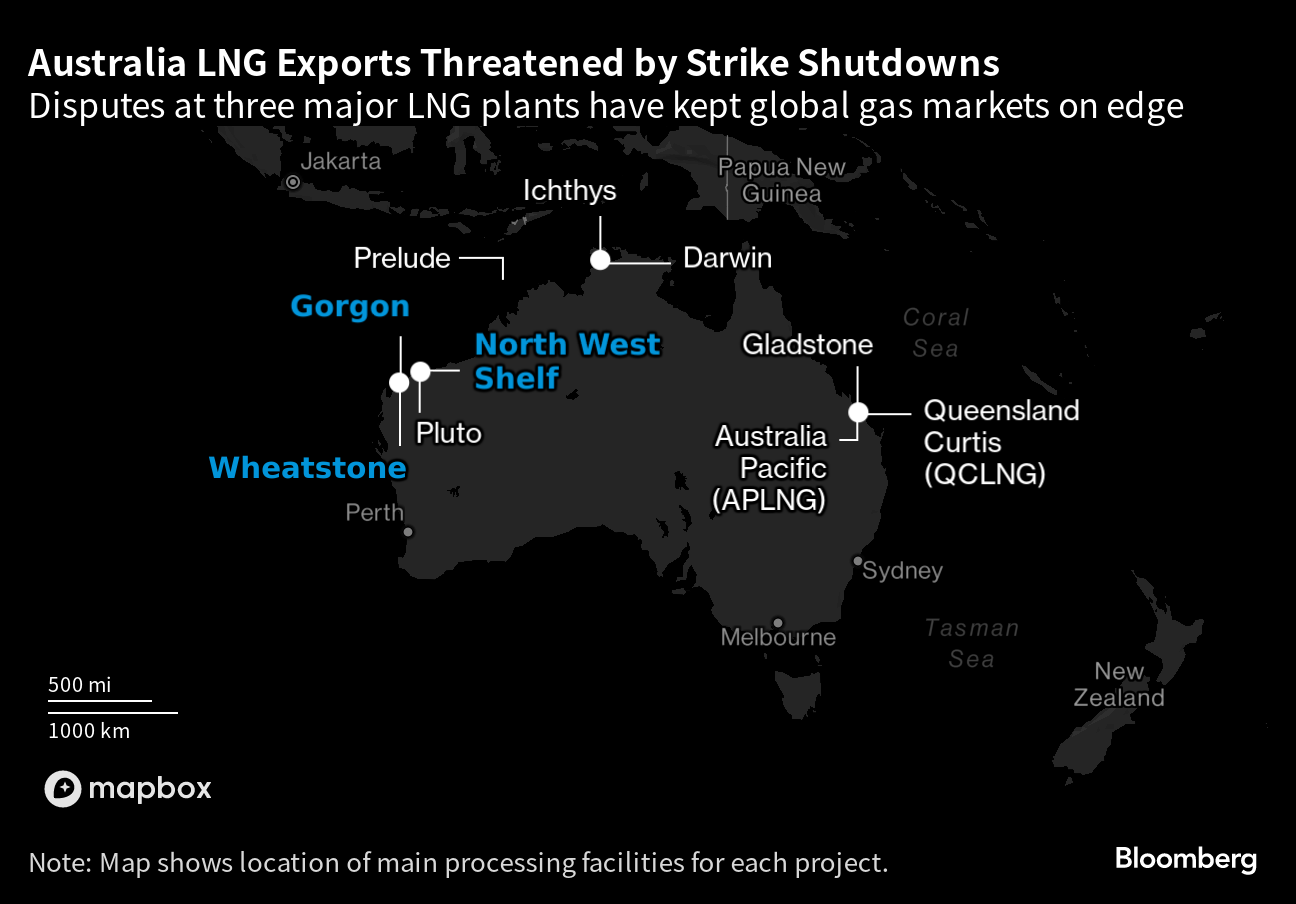
Several key facilities are currently in the path of the cyclone or within the zone of significant weather influence. The Wheatstone and Gorgon projects, operated by Chevron, are among the most prominent. These facilities are located near Onslow and on Barrow Island, respectively, and represent a massive portion of Australia’s total export capacity. Additionally, the North West Shelf project and the Pluto LNG plant, both with significant stakes held by Woodside Energy, are situated near Karratha, a region frequently targeted by seasonal cyclones. When these plants go offline, the loss of production is measured in tens of thousands of tonnes per day. For example, the Gorgon project alone has three liquefaction trains with a combined capacity of over 15 million tonnes per annum. A shutdown of even a few days results in a significant backlog of orders. Vessels that were scheduled to load are forced to wait in deeper, safer waters, often leading to a "queue" of LNG carriers that can take weeks to clear once the weather subsides. The coordination between the Bureau of Meteorology and the plant operators is vital to ensure that the restart process begins as soon as it is safe, minimizing the economic fallout while maintaining a zero-harm safety environment.Global Market Implications of Australian Supply Disruptions
Australia's role as a cornerstone of the global LNG market cannot be overstated. Along with Qatar and the United States, Australia forms the "big three" of LNG exporters. Because a vast majority of Australian LNG is tied to long-term contracts with utilities in Japan, South Korea, China, and Taiwan, any unplanned outage creates an immediate deficit that these buyers must fill. If the outages are prolonged, these utilities are often forced into the spot market to purchase replacement cargoes, which can drive up prices globally, including for buyers in Europe who are already dealing with their own supply shifts. Market analysts monitor these cyclone events with high intensity. The "risk premium" often gets baked into prices as soon as a storm reaches a certain category. If the cyclone causes actual structural damage rather than just a precautionary shutdown, the impact on prices can be much more permanent. In the current geopolitical climate, where energy transition and energy security are top priorities, the reliability of Australian supply is a key metric. Outages like the current one serve as a reminder of the vulnerability of global energy chains to natural disasters and the importance of geographic diversification in energy sourcing.Safety Protocols and Evacuation Procedures at Offshore Platforms
The safety of the workforce is the absolute priority during any weather event in the Pilbara. Offshore platforms, which serve as the "wellheads" for the gas that is piped to the onshore LNG plants, are particularly vulnerable. These structures are designed to withstand 100-year storm events, but the risk to personnel during such events is considered unacceptable. Consequently, "downmanning" is a standard procedure. Non-essential staff are flown back to the mainland via helicopter long before the winds reach dangerous levels. In the final stages of preparation, a "skeleton crew" may remain to perform the final shut-in of wells before they, too, are evacuated, leaving the platform in a remote-monitored "storm mode." Onshore, the process is equally rigorous. LNG plants are essentially giant refrigerators, and stopping them is not as simple as flipping a switch. The "trip" or shutdown of a turbine must be handled carefully to avoid thermal shock to the equipment. Workers who live in "camps" or company housing in towns like Karratha or Onslow are often required to shelter in place or evacuate to designated cyclone centers. The logistical challenge of moving thousands of workers safely while simultaneously securing billions of dollars in equipment is a testament to the sophisticated management systems employed by Australian energy companies.Historical Precedents of Weather-Related LNG Outages in Australia
The history of the Australian energy sector is punctuated by the impact of severe weather. In previous decades, cyclones like George, Vance, and more recently, Veronica and Damien, have all caused significant interruptions. Cyclone Veronica in 2019 was particularly notable for its slow movement, which kept major ports like Port Hedland and Dampier closed for extended periods, even though physical damage to the LNG plants was relatively minor. The economic loss from that event ran into the billions due to the sheer volume of delayed exports across the iron ore and gas sectors. Learning from these past events, operators have significantly improved their resilience. Infrastructure has been reinforced, and predictive modeling for storm surges has become more accurate. However, each cyclone is unique. Some bring more wind, while others bring more rain or a higher sea-level rise. The industry maintains a database of "lessons learned" from every season, ensuring that the response to the current cyclone is informed by decades of data. This historical perspective helps investors and governments understand that while these events are disruptive, they are a known and managed risk of operating in the North West of Australia.| LNG Project/Facility | Estimated Impact Status |
|---|---|
| Gorgon LNG (Chevron) | Precautionary Shutdown / Active Outage |
| Wheatstone LNG (Chevron) | Ramping Down / Personnel Evacuated |
| North West Shelf (Woodside) | Secured / Limited Operations |
| Pluto LNG (Woodside) | Monitoring / Loading Suspended |
| Prelude FLNG (Shell) | Offshore Protocols Activated |
Technical Challenges of Restarting LNG Trains After a Cyclone
Once the cyclone has passed and the "all clear" is given by civil authorities, the arduous process of restarting the LNG trains begins. This is a highly technical phase that can take several days to reach full capacity. First, maintenance teams must conduct a thorough inspection of all critical infrastructure. They look for signs of structural stress, water ingress in electrical systems, and debris that might have been lodged in cooling fans or air intakes. Any damage, however slight, must be repaired before the system can be re-pressurized. The process of "cooling down" the plant again is particularly delicate. As gas is re-introduced, the temperature must be lowered gradually to avoid "cold spots" that can cause metal components to become brittle and crack. This requires a precise balance of pressure and flow, managed by highly skilled control room operators. Furthermore, the supply from offshore must be synchronized with the onshore demand. If the offshore wells were shut in, they must be brought back online in a sequence that ensures the pipeline remains stable. Only after the liquefaction process is stabilized can the loading of vessels resume, which often involves a complex dance of maritime logistics as ships move back into the harbor from their offshore holding patterns.The Role of Australian LNG in Asian Energy Security
For nations like Japan, which has very few domestic energy resources, Australian LNG is a lifeline. It provides a cleaner-burning alternative to coal and a stable backup for renewable energy sources. When a cyclone triggers an outage in Australia, it creates a "supply gap" that must be managed by the energy ministries of these purchasing nations. They may have to draw on strategic reserves or switch to alternative fuels for power generation in the short term. The frequency and severity of these outages are therefore a matter of national security for Australia’s trading partners. This interdependence has led to deeper cooperation between Australian producers and Asian consumers. Many Japanese and Korean firms hold equity stakes in the projects themselves, ensuring they have a seat at the table during both the development and the operational phases. This relationship helps to manage the expectations and the fallout from weather events. Consumers understand that the Pilbara is a cyclone-prone region, and the contracts often include clauses for "Force Majeure" or "Acts of God" that provide legal protection for the producers when natural disasters strike. Nevertheless, the physical reality of a missing cargo remains a challenge that requires constant communication and flexible shipping arrangements.Future Outlook: Strengthening Infrastructure Against Extreme Weather
As the global climate changes, there is ongoing debate about whether tropical cyclones in the Southern Hemisphere will become more frequent or more intense. For the LNG industry, this means that "resilience" is a moving target. Companies are increasingly investing in advanced weather tracking technology and automated shutdown systems that can react faster than human operators. There is also a focus on "harden" infrastructure, such as building higher sea walls for loading jetties and using more weather-resistant materials for exposed piping and cabling. Beyond the physical assets, the "human" side of the future outlook involves better training for emergency response teams and more robust community support systems. When a major plant shuts down, it affects the local economy of towns like Karratha, where many service providers rely on the constant activity of the energy sector. Future planning involves ensuring these communities can bounce back quickly after a storm. By integrating climate risk into their long-term financial and operational strategies, Australian LNG producers aim to remain the most reliable suppliers in the world, even in the face of the most powerful storms nature can produce.Conclusion
The current cycle of outages triggered by the tropical cyclone serves as a stark reminder of the intersection between industrial might and natural forces. While the immediate focus is on the safety of the workers and the integrity of the multi-billion dollar facilities, the long-term narrative is one of resilience and global interconnectedness. Australia's LNG industry has proven time and again its ability to weather these storms and return to full capacity, but each event brings new lessons in engineering, logistics, and market management. As the cyclone clears and the inspections begin, the world will be watching the Pilbara, waiting for the blue flames of the restart to signal that the flow of energy to the global market has been restored.Frequently Asked Questions
What causes LNG plants to shut down during a cyclone?
LNG plants shut down primarily for safety. High winds can damage structures, and power outages can disrupt the cooling process. Ramping down production prevents mechanical failure and protects both the personnel and the environment.
How long does it typically take to restart an LNG plant after a storm?
Depending on the severity of the weather and any potential damage, a restart can take anywhere from 48 hours to over a week. It involves thorough inspections followed by a gradual cooling of the liquefaction trains.
Does an Australian outage affect gas prices in other countries?
Yes. As a major global supplier, any reduction in Australian output can tighten the global market, leading to higher spot prices for LNG in Asia and potentially influencing prices in Europe and the Americas.
Are offshore workers safe during these cyclones?
Yes, safety is the top priority. Operators use early warning systems to evacuate non-essential personnel days in advance. Remaining crews are evacuated well before the storm makes impact, leaving the platforms in an automated safety mode.
Which regions in Australia are most affected by these cyclones?
The Pilbara and Kimberley regions in Western Australia are the primary hubs for LNG production and are the areas most frequently impacted by tropical cyclones during the season (November to April).
FAQ Schema Information:
- Entity: FAQPage
- MainEntity: Questions and Answers regarding Australian LNG outages and cyclone impact.
- Type: Technical and News Informational.
Cyclone triggers outages at major Australian LNG plants
Cyclone triggers outages at major Australian LNG plants Wallpapers
Collection of cyclone triggers outages at major australian lng plants wallpapers for your desktop and mobile devices.
Vibrant Cyclone Triggers Outages At Major Australian Lng Plants Landscape Nature
Experience the crisp clarity of this stunning cyclone triggers outages at major australian lng plants image, available in high resolution for all your screens.
Gorgeous Cyclone Triggers Outages At Major Australian Lng Plants Moment Collection
Find inspiration with this unique cyclone triggers outages at major australian lng plants illustration, crafted to provide a fresh look for your background.

Lush Cyclone Triggers Outages At Major Australian Lng Plants Capture for Desktop
Find inspiration with this unique cyclone triggers outages at major australian lng plants illustration, crafted to provide a fresh look for your background.
Spectacular Cyclone Triggers Outages At Major Australian Lng Plants Artwork in HD
A captivating cyclone triggers outages at major australian lng plants scene that brings tranquility and beauty to any device.

Lush Cyclone Triggers Outages At Major Australian Lng Plants Landscape for Desktop
This gorgeous cyclone triggers outages at major australian lng plants photo offers a breathtaking view, making it a perfect choice for your next wallpaper.
Vivid Cyclone Triggers Outages At Major Australian Lng Plants Photo in HD
Experience the crisp clarity of this stunning cyclone triggers outages at major australian lng plants image, available in high resolution for all your screens.

Stunning Cyclone Triggers Outages At Major Australian Lng Plants Wallpaper for Desktop
A captivating cyclone triggers outages at major australian lng plants scene that brings tranquility and beauty to any device.
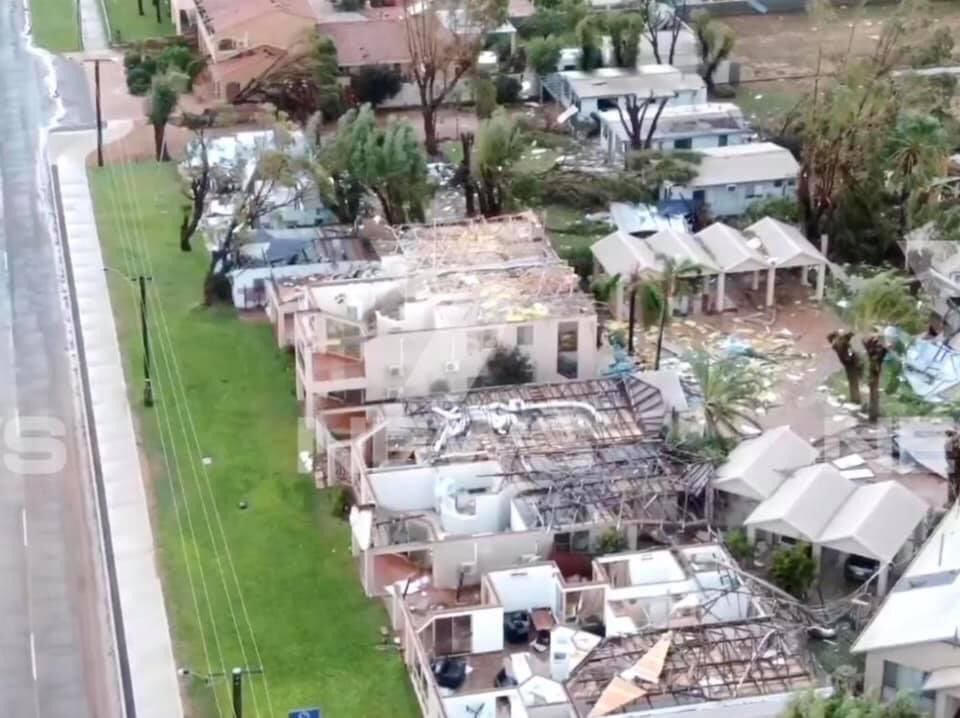
Exquisite Cyclone Triggers Outages At Major Australian Lng Plants Design for Your Screen
Find inspiration with this unique cyclone triggers outages at major australian lng plants illustration, crafted to provide a fresh look for your background.
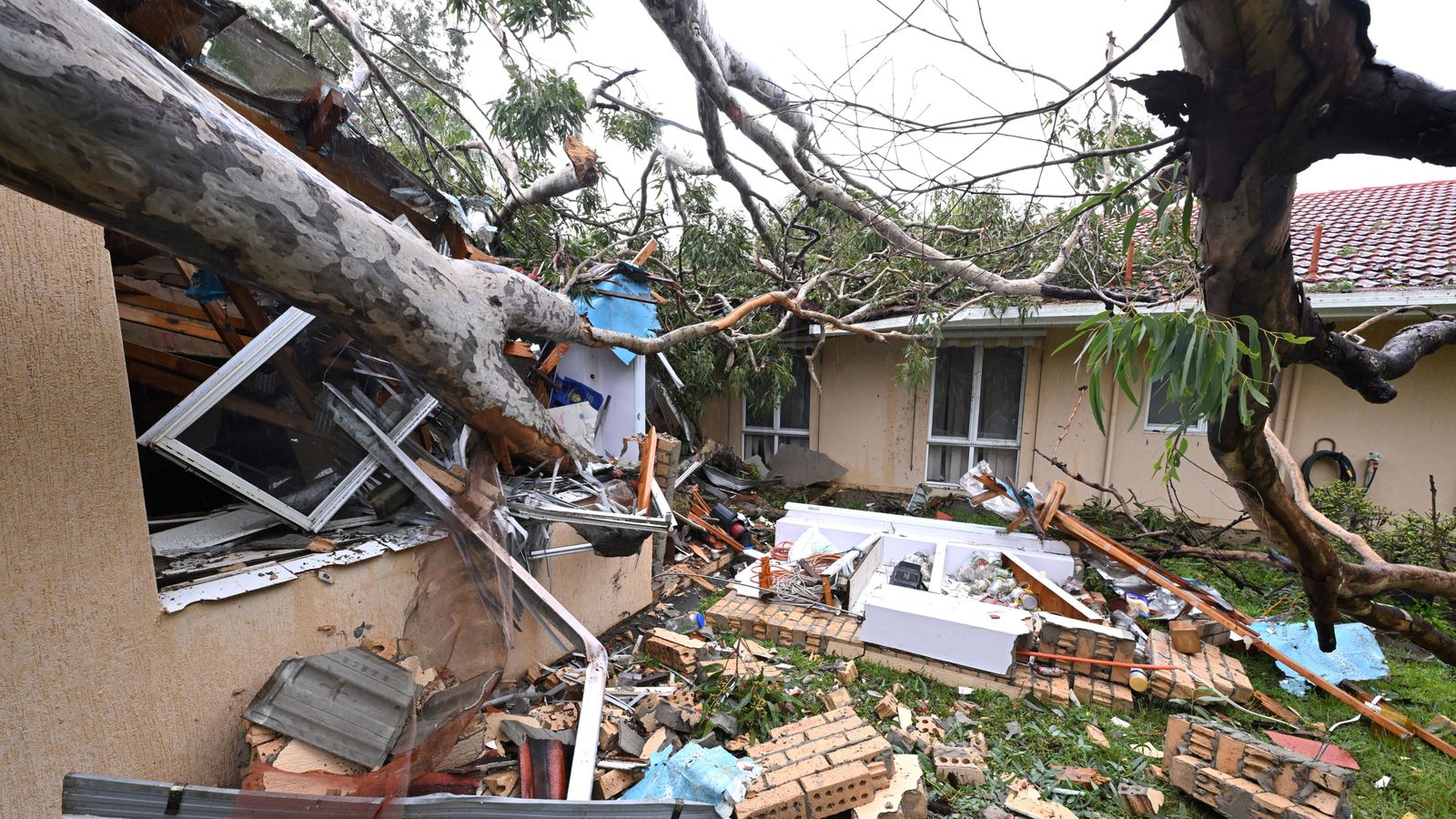
Spectacular Cyclone Triggers Outages At Major Australian Lng Plants Landscape Nature
Immerse yourself in the stunning details of this beautiful cyclone triggers outages at major australian lng plants wallpaper, designed for a captivating visual experience.

Breathtaking Cyclone Triggers Outages At Major Australian Lng Plants View Digital Art
Transform your screen with this vivid cyclone triggers outages at major australian lng plants artwork, a true masterpiece of digital design.
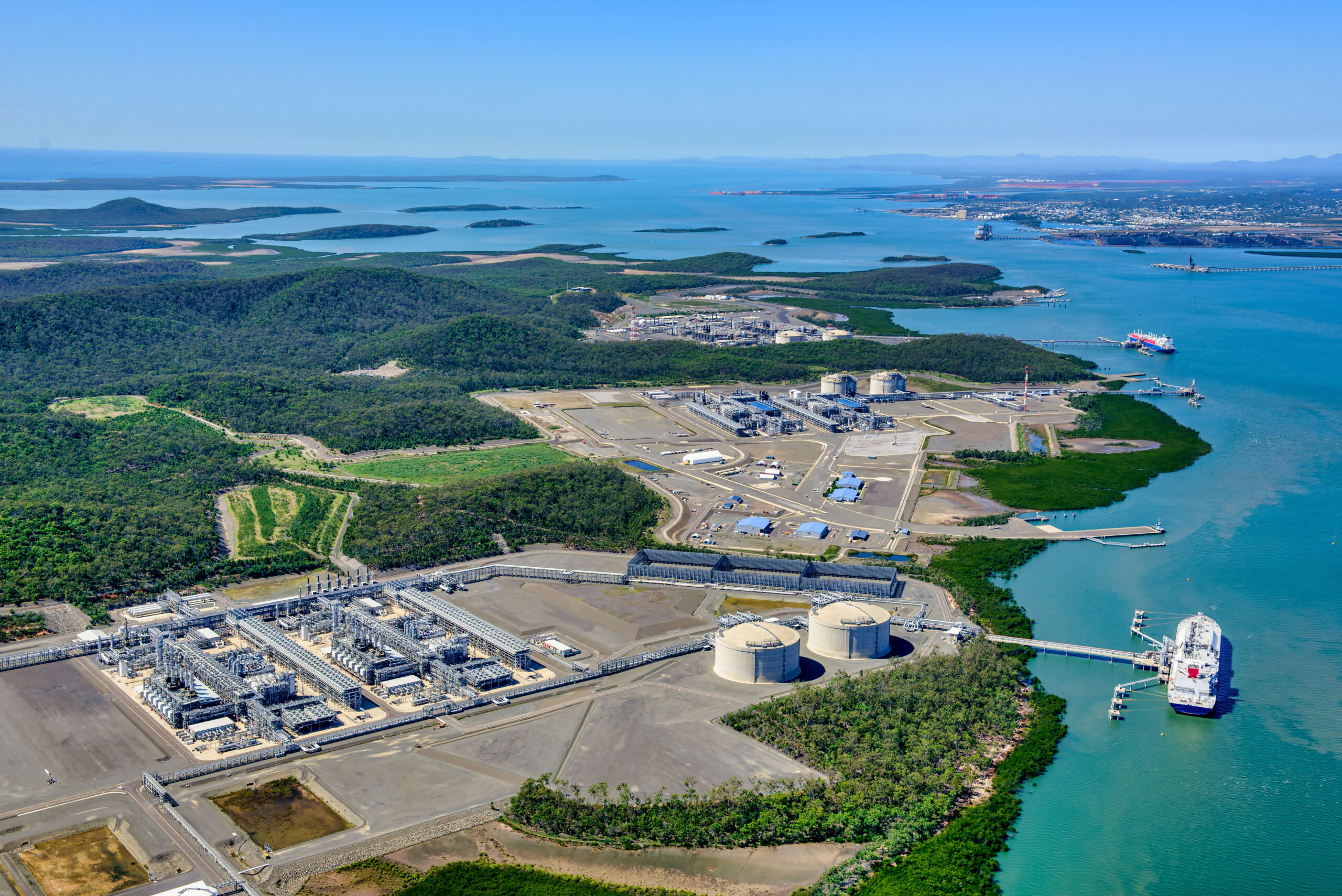
Lush Cyclone Triggers Outages At Major Australian Lng Plants Photo Collection
Immerse yourself in the stunning details of this beautiful cyclone triggers outages at major australian lng plants wallpaper, designed for a captivating visual experience.
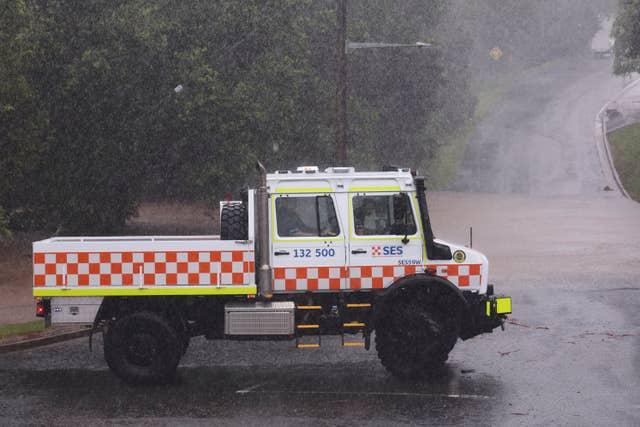
Exquisite Cyclone Triggers Outages At Major Australian Lng Plants Landscape in 4K
Immerse yourself in the stunning details of this beautiful cyclone triggers outages at major australian lng plants wallpaper, designed for a captivating visual experience.

Exquisite Cyclone Triggers Outages At Major Australian Lng Plants Picture Art
This gorgeous cyclone triggers outages at major australian lng plants photo offers a breathtaking view, making it a perfect choice for your next wallpaper.
Stunning Cyclone Triggers Outages At Major Australian Lng Plants Image for Mobile
Immerse yourself in the stunning details of this beautiful cyclone triggers outages at major australian lng plants wallpaper, designed for a captivating visual experience.
Stunning Cyclone Triggers Outages At Major Australian Lng Plants Background Digital Art
This gorgeous cyclone triggers outages at major australian lng plants photo offers a breathtaking view, making it a perfect choice for your next wallpaper.
High-Quality Cyclone Triggers Outages At Major Australian Lng Plants Artwork Illustration
Transform your screen with this vivid cyclone triggers outages at major australian lng plants artwork, a true masterpiece of digital design.

Gorgeous Cyclone Triggers Outages At Major Australian Lng Plants Moment for Desktop
Immerse yourself in the stunning details of this beautiful cyclone triggers outages at major australian lng plants wallpaper, designed for a captivating visual experience.
Breathtaking Cyclone Triggers Outages At Major Australian Lng Plants Design Art
Experience the crisp clarity of this stunning cyclone triggers outages at major australian lng plants image, available in high resolution for all your screens.
Serene Cyclone Triggers Outages At Major Australian Lng Plants Artwork for Desktop
Transform your screen with this vivid cyclone triggers outages at major australian lng plants artwork, a true masterpiece of digital design.
Breathtaking Cyclone Triggers Outages At Major Australian Lng Plants Abstract Collection
Discover an amazing cyclone triggers outages at major australian lng plants background image, ideal for personalizing your devices with vibrant colors and intricate designs.
Download these cyclone triggers outages at major australian lng plants wallpapers for free and use them on your desktop or mobile devices.