Forget to adjust for Daylight Saving Time? A doctor explains what to do next Wallpapers
Forget to adjust for Daylight Saving Time? A doctor explains what to do next
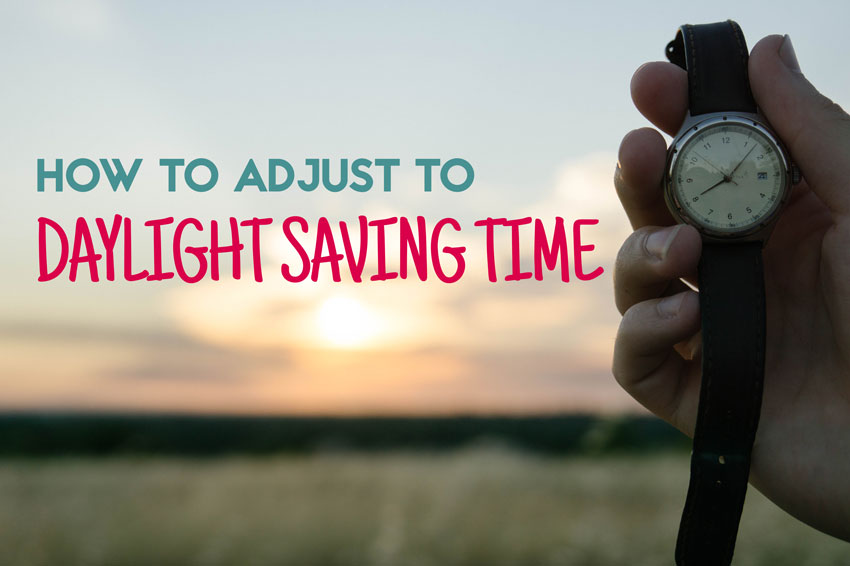
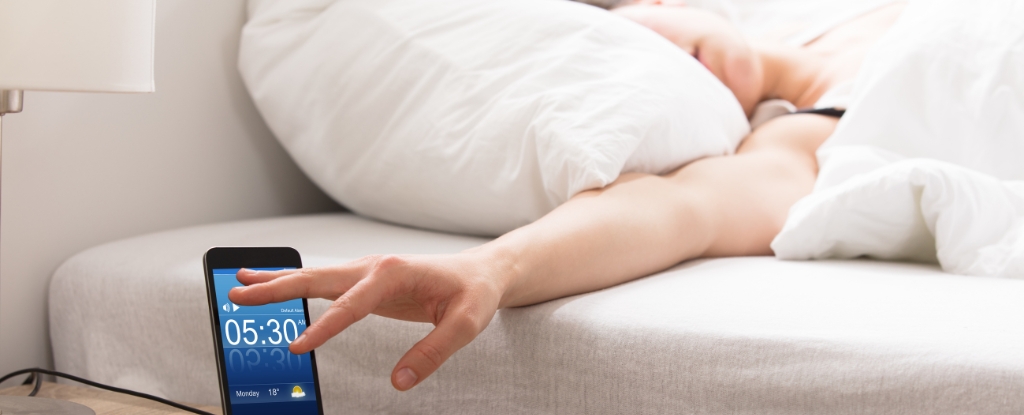
Waking up to find your clocks are an hour behind the rest of the world can be a disorienting experience that throws your entire schedule into chaos. Beyond the immediate stress of being late for appointments or work, the sudden shift in your internal biological clock can have lingering effects on your physical and mental well-being. If you forgot to adjust for Daylight Saving Time, you are certainly not alone, but taking the right steps now can help minimize the "spring forward" fatigue and get your rhythm back on track quickly. Medical experts emphasize that consistency and strategic exposure to light are the most effective tools for resetting your body's natural clock after a time change mishap.
Featured Snippet: If you forgot to adjust for Daylight Saving Time, experts recommend immediately resetting all clocks and following your normal routine according to the new time, regardless of how tired you feel. To help your body adjust, prioritize exposure to bright natural sunlight in the morning to signal to your brain that the day has begun. Avoid long naps during the day, limit caffeine intake in the afternoon, and maintain a consistent bedtime to help your circadian rhythm synchronize with the new schedule as quickly as possible.
The Impact of the Missing Hour on Your Circadian Rhythm
Our bodies operate on a 24-hour internal cycle known as the circadian rhythm, which is heavily influenced by environmental cues like light and darkness. When we "spring forward," we essentially force our bodies to wake up before they are biologically ready. Forgetting to change your clock means you might have slept through the first hour of this new reality, making the transition feel even more abrupt. This disruption affects the production of melatonin, the hormone responsible for sleep, and cortisol, which helps us wake up and stay alert. Even a single hour of difference can lead to decreased cognitive function, mood swings, and a general feeling of malaise known as "social jetlag."
Immediate Steps to Take When You Realize the Oversight
The moment you realize your error, the first step is to change every clock in your environment—your watch, kitchen appliances, and wall clocks. While most digital devices update automatically, manual clocks can serve as confusing reminders of the "old" time, making it harder for your brain to commit to the new schedule. Once the clocks are set, dive straight into the current time's activities. If the new time says it is noon but you just finished breakfast, skip ahead to a light lunch. Aligning your external actions with the clock time as fast as possible provides the psychological framework needed for your body to follow suit.
The Power of Morning Sunlight for Biological Reset
Light is the primary zeitgeber, or "time giver," for the human body. To fix a disrupted sleep-wake cycle, doctors recommend seeking out bright, natural sunlight as early as possible in the morning. Natural light suppresses melatonin production and stimulates the release of serotonin and cortisol, effectively "resetting" your brain's internal timer. If you forgot the time change and woke up late, spend at least 20 to 30 minutes outside or near a bright window. This helps your master biological clock, located in the hypothalamus, recognize that the day has started, even if your body still feels like it should be asleep.
Strategic Napping and Avoiding the Afternoon Slump
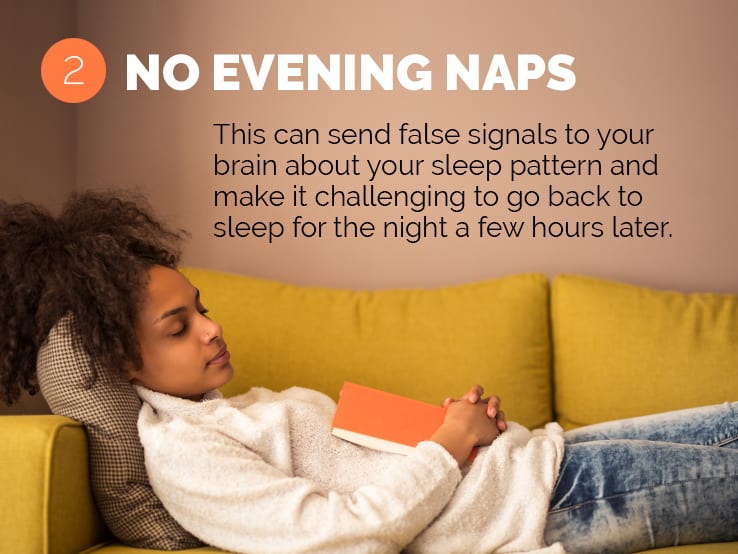
When you lose an hour of sleep and fail to prepare for it, you will likely experience a significant energy dip in the mid-afternoon. While the urge to take a long nap can be overwhelming, medical professionals advise caution. A nap longer than 20 minutes can lead to sleep inertia—that groggy, confused feeling upon waking—and, more importantly, it can make it much harder to fall asleep at the correct time later that evening. If you must nap, keep it brief and before 3:00 PM. Instead of sleeping, try a brisk walk or a glass of cold water to boost alertness without interfering with your nocturnal sleep drive.
Dietary Adjustments to Support Your Internal Clock
What you eat and drink can significantly influence how quickly you adapt to the new time. On the day you realize you've missed the change, be particularly mindful of caffeine and alcohol. Caffeine has a half-life of about five to six hours, meaning that afternoon cup of coffee could still be in your system at bedtime, further delaying your sleep. Similarly, while alcohol might help you fall asleep faster, it severely disrupts sleep quality and can lead to frequent awakenings. Focus on hydrating well and eating meals at the appropriate times for the new schedule to help your digestive system synchronize with the rest of your body.
| Adjustment Strategy | Doctor's Recommendation |
|---|---|
| Light Exposure | Get 30 mins of sunlight before 10 AM |
| Caffeine Intake | Stop all caffeine by 12 PM or 2 PM |
| Napping | Limit to 15-20 mins if absolutely necessary |
| Evening Routine | Dim lights 2 hours before the new bedtime |
Creating an Optimal Sleep Environment for Transition
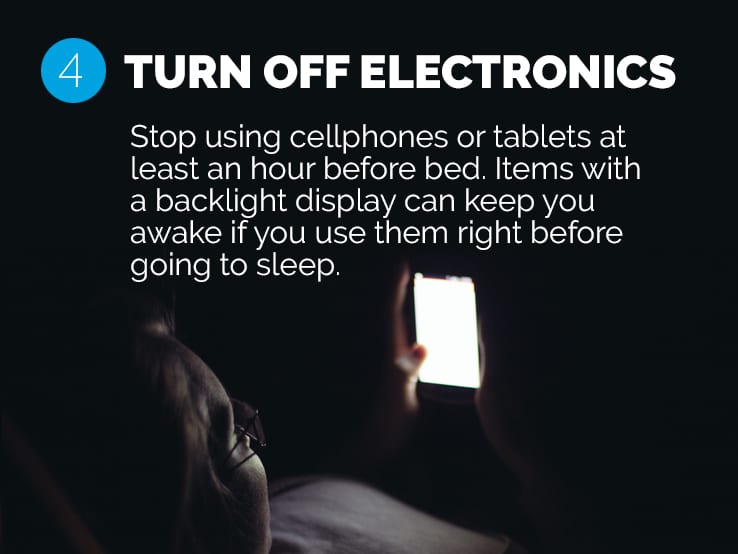
To compensate for the "lost" hour, your evening routine becomes critical. Since the sun sets "later" according to the clock, your body may not feel tired at its usual bedtime. To combat this, start dimming the lights in your home at least two hours before you intend to sleep. This encourages the natural production of melatonin. Avoid the blue light emitted by smartphones, tablets, and computers, as this specific wavelength trick the brain into thinking it is still daytime. A cool, dark, and quiet bedroom will provide the best environment for your body to catch up on the rest it missed due to the time change error.
Long-Term Health Implications of Time Shifts
While missing the time change is a temporary hurdle for most, it highlights the significant impact that even minor sleep disruptions can have on health. Studies have shown a measurable increase in heart attacks, workplace injuries, and traffic accidents in the days following the start of Daylight Saving Time. These statistics serve as a reminder that sleep is not just a luxury but a vital biological function. Understanding how to manage these shifts—whether they are planned or accidental—is a key component of proactive health management and maintaining peak physical performance throughout the year.
When to Consult a Medical Professional
For most people, the body will naturally adjust to the new time within three to seven days. However, if you find that your sleep remains severely fragmented, or if you experience persistent daytime sleepiness, anxiety, or mood disturbances two weeks after the time change, it may be time to speak with a doctor. People with underlying sleep disorders like insomnia or sleep apnea may find these transitions particularly difficult. A healthcare provider can offer personalized strategies, such as short-term melatonin supplementation or light therapy, to help stabilize your rhythm and ensure you aren't suffering from long-term sleep deprivation.
Conclusion
Forgetting to adjust for Daylight Saving Time is a common mistake, but it doesn't have to ruin your week. By prioritizing morning light, staying active during the day, and being disciplined about your evening routine, you can swiftly realign your internal clock with the world around you. Remember that your body is a biological machine that thrives on consistency; the faster you adopt the new schedule as your absolute reality, the faster your physiology will adapt. Take this as an opportunity to practice better sleep hygiene and listen more closely to your body's natural signals.
Frequently Asked Questions
Q: How long does it typically take to adjust to Daylight Saving Time?
A: Most healthy adults adjust within a few days to a week, though some people may feel the effects for up to ten days.
Q: Can I use melatonin to help with the transition?
A: Short-term use of a low-dose melatonin supplement can help signal to your body that it is time to sleep, but it is best to consult a doctor before starting any new supplement.
Q: Why do I feel so much hungrier after the time change?
A: Sleep deprivation affects the hormones ghrelin (which signals hunger) and leptin (which signals fullness), often leading to increased cravings for high-calorie foods.
Q: Is the "fall back" transition easier than "spring forward"?
A: Generally, yes. Most people find it easier to stay up an hour later than to wake up an hour earlier, making the autumn transition less physically demanding.
Q: Does missing the time change affect children differently?
A: Children, especially toddlers and infants, have very rigid routines. They may experience more irritability and disrupted naps for several days until their bodies adjust.
Forget to adjust for Daylight Saving Time? A doctor explains what to do next
Forget to adjust for Daylight Saving Time? A doctor explains what to do next Wallpapers
Collection of forget to adjust for daylight saving time? a doctor explains what to do next wallpapers for your desktop and mobile devices.
Detailed Forget To Adjust For Daylight Saving Time? A Doctor Explains What To Do Next Abstract Concept
Transform your screen with this vivid forget to adjust for daylight saving time? a doctor explains what to do next artwork, a true masterpiece of digital design.
Breathtaking Forget To Adjust For Daylight Saving Time? A Doctor Explains What To Do Next Wallpaper Illustration
Explore this high-quality forget to adjust for daylight saving time? a doctor explains what to do next image, perfect for enhancing your desktop or mobile wallpaper.
Vivid Forget To Adjust For Daylight Saving Time? A Doctor Explains What To Do Next Design in 4K
Discover an amazing forget to adjust for daylight saving time? a doctor explains what to do next background image, ideal for personalizing your devices with vibrant colors and intricate designs.

Amazing Forget To Adjust For Daylight Saving Time? A Doctor Explains What To Do Next Design for Desktop
Discover an amazing forget to adjust for daylight saving time? a doctor explains what to do next background image, ideal for personalizing your devices with vibrant colors and intricate designs.

Stunning Forget To Adjust For Daylight Saving Time? A Doctor Explains What To Do Next Image for Mobile
Immerse yourself in the stunning details of this beautiful forget to adjust for daylight saving time? a doctor explains what to do next wallpaper, designed for a captivating visual experience.

Captivating Forget To Adjust For Daylight Saving Time? A Doctor Explains What To Do Next Moment for Your Screen
A captivating forget to adjust for daylight saving time? a doctor explains what to do next scene that brings tranquility and beauty to any device.
Captivating Forget To Adjust For Daylight Saving Time? A Doctor Explains What To Do Next Landscape Concept
This gorgeous forget to adjust for daylight saving time? a doctor explains what to do next photo offers a breathtaking view, making it a perfect choice for your next wallpaper.

Gorgeous Forget To Adjust For Daylight Saving Time? A Doctor Explains What To Do Next Abstract Art
This gorgeous forget to adjust for daylight saving time? a doctor explains what to do next photo offers a breathtaking view, making it a perfect choice for your next wallpaper.
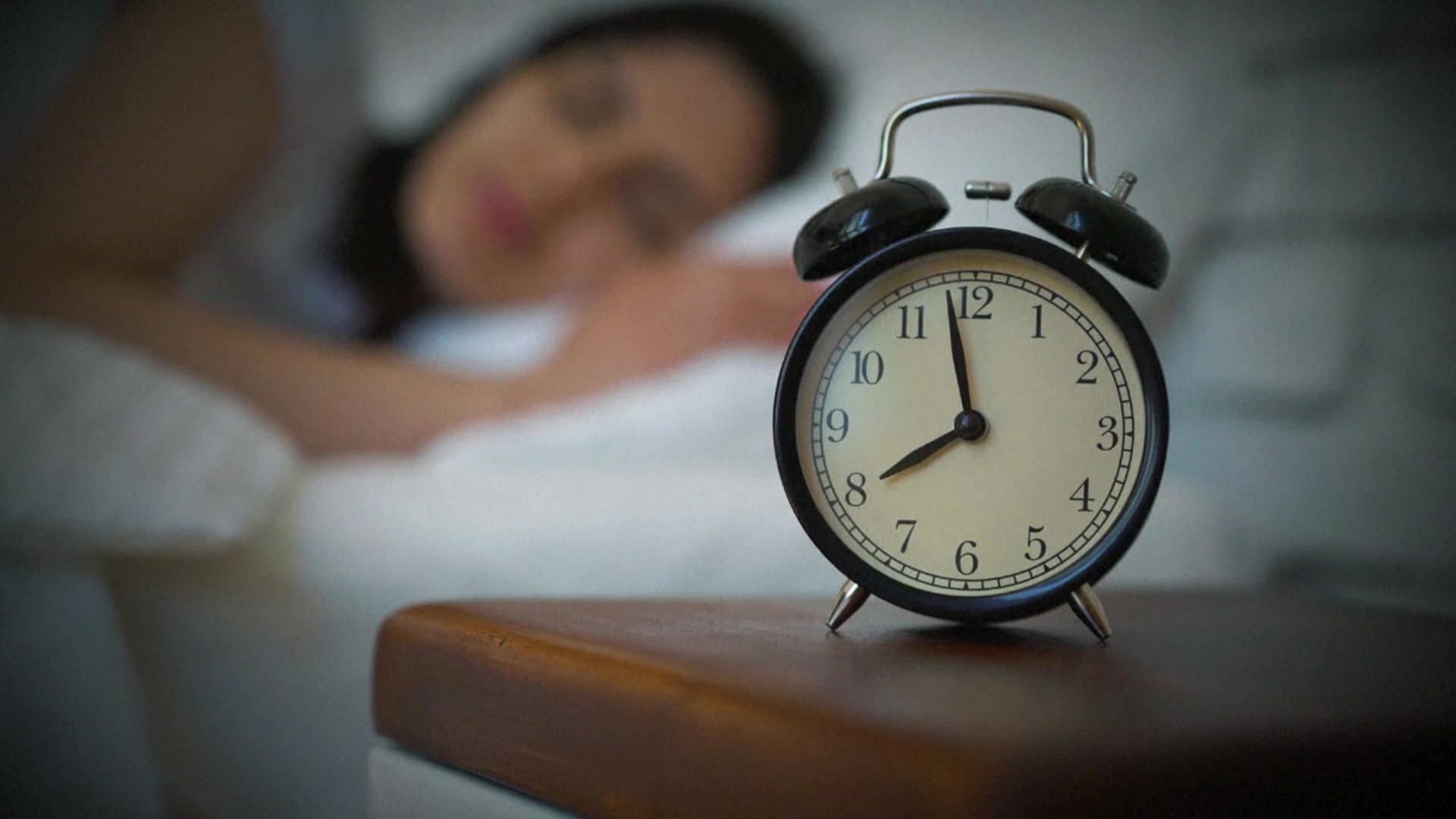
Lush Forget To Adjust For Daylight Saving Time? A Doctor Explains What To Do Next View Photography
A captivating forget to adjust for daylight saving time? a doctor explains what to do next scene that brings tranquility and beauty to any device.
Exquisite Forget To Adjust For Daylight Saving Time? A Doctor Explains What To Do Next View Nature
Immerse yourself in the stunning details of this beautiful forget to adjust for daylight saving time? a doctor explains what to do next wallpaper, designed for a captivating visual experience.

Artistic Forget To Adjust For Daylight Saving Time? A Doctor Explains What To Do Next Moment Illustration
Find inspiration with this unique forget to adjust for daylight saving time? a doctor explains what to do next illustration, crafted to provide a fresh look for your background.

Mesmerizing Forget To Adjust For Daylight Saving Time? A Doctor Explains What To Do Next Scene Concept
Experience the crisp clarity of this stunning forget to adjust for daylight saving time? a doctor explains what to do next image, available in high resolution for all your screens.

Captivating Forget To Adjust For Daylight Saving Time? A Doctor Explains What To Do Next Design for Desktop
This gorgeous forget to adjust for daylight saving time? a doctor explains what to do next photo offers a breathtaking view, making it a perfect choice for your next wallpaper.
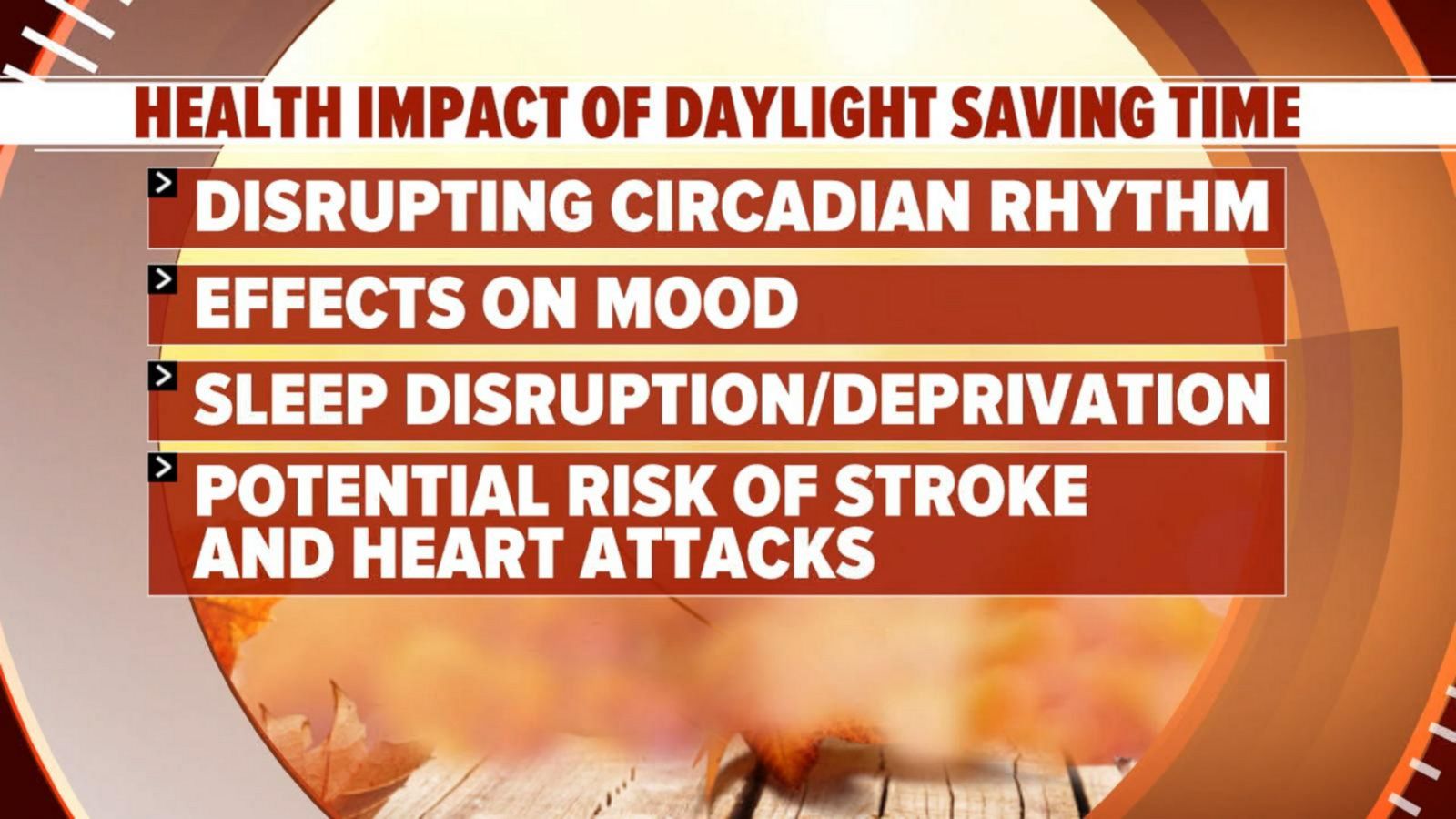
Vivid Forget To Adjust For Daylight Saving Time? A Doctor Explains What To Do Next Abstract for Your Screen
Experience the crisp clarity of this stunning forget to adjust for daylight saving time? a doctor explains what to do next image, available in high resolution for all your screens.

Detailed Forget To Adjust For Daylight Saving Time? A Doctor Explains What To Do Next Photo for Desktop
Explore this high-quality forget to adjust for daylight saving time? a doctor explains what to do next image, perfect for enhancing your desktop or mobile wallpaper.

Lush Forget To Adjust For Daylight Saving Time? A Doctor Explains What To Do Next Scene Digital Art
A captivating forget to adjust for daylight saving time? a doctor explains what to do next scene that brings tranquility and beauty to any device.

Crisp Forget To Adjust For Daylight Saving Time? A Doctor Explains What To Do Next View in 4K
This gorgeous forget to adjust for daylight saving time? a doctor explains what to do next photo offers a breathtaking view, making it a perfect choice for your next wallpaper.

Exquisite Forget To Adjust For Daylight Saving Time? A Doctor Explains What To Do Next Artwork in HD
This gorgeous forget to adjust for daylight saving time? a doctor explains what to do next photo offers a breathtaking view, making it a perfect choice for your next wallpaper.

Stunning Forget To Adjust For Daylight Saving Time? A Doctor Explains What To Do Next Landscape for Your Screen
Find inspiration with this unique forget to adjust for daylight saving time? a doctor explains what to do next illustration, crafted to provide a fresh look for your background.
Gorgeous Forget To Adjust For Daylight Saving Time? A Doctor Explains What To Do Next Background for Desktop
Find inspiration with this unique forget to adjust for daylight saving time? a doctor explains what to do next illustration, crafted to provide a fresh look for your background.
Download these forget to adjust for daylight saving time? a doctor explains what to do next wallpapers for free and use them on your desktop or mobile devices.