From Shell to Singapore Airlines: the potential winners and losers as volatile oil prices hover under US$100
From Shell to Singapore Airlines: the potential winners and losers as volatile oil prices hover under US$100
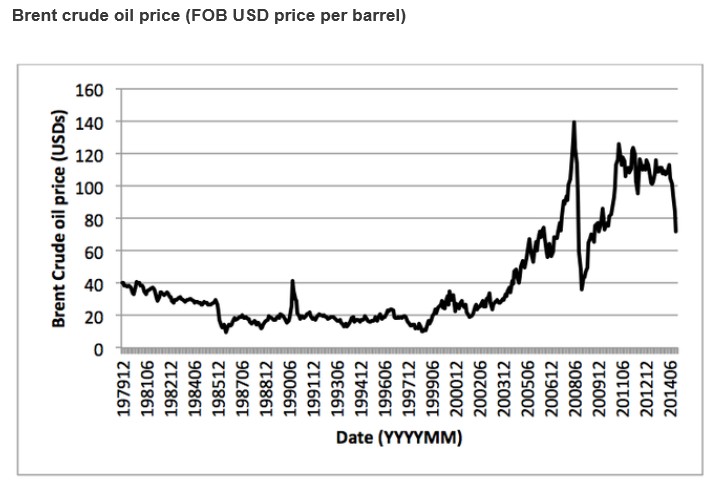
The global energy landscape has entered a period of extreme turbulence as the US-Israel-Iran conflict continues to send shockwaves through commodity markets. After Brent crude briefly panicked to a high of US$119.50 per barrel, prices have recently settled into a volatile range below the US$100 mark, currently hovering near US$89. This rapid fluctuation is creating a complex map of economic winners and losers, ranging from upstream energy giants like Shell to fuel-dependent transportation leaders like Singapore Airlines. As the Strait of Hormuz remains a critical flashpoint, businesses across the Asia-Pacific are bracing for sustained margin pressure and shifting consumer demand.
The potential winners and losers as volatile oil prices hover under US$100 include upstream oil producers and energy exporters who benefit from elevated selling prices, while the primary losers are airlines, logistics firms, and net energy-importing nations facing surging operational costs. While companies like Shell may see boosted margins from high realized prices, transportation giants like Singapore Airlines (SIA) face significant headwinds as jet fuel costs—often accounting for up to 30% of total expenditure—threaten to erode record revenues. Strategic fuel hedging and the ability to pass costs to consumers through fuel surcharges have become the primary tools for survival in this unstable environment.
The Impact of Geopolitical Instability on Global Oil Benchmarks
The recent surge in oil prices is directly linked to the escalating conflict in the Middle East, specifically involving the United States, Israel, and Iran. This geopolitical tension has turned the Strait of Hormuz into a primary concern for energy traders. As one of the world's most vital maritime chokepoints, any threat to the passage of tankers through this region immediately triggers a risk premium in Brent and WTI pricing. Although prices dipped slightly after signals that the conflict might be managed, the effective closure or restriction of shipments from Gulf exporters like Saudi Arabia keeps a high floor under the market.
For market observers, the volatility represents a "new normal" where prices can swing by double digits within a single trading session. This environment makes long-term planning nearly impossible for corporations. Analysts from OCBC and other major financial institutions suggest that as long as the Middle East remains a flashpoint, the "panic high" of nearly US$120 seen earlier this week remains a haunting possibility, even if prices currently sit in the US$80 to US$90 range. The uncertainty is not just about the cost of crude, but the availability of refined products like jet kerosene and diesel.
Shell and the Upstream Advantage in a High-Price Era
Energy majors like Shell are often viewed as the natural beneficiaries of high oil prices. As an integrated energy company, Shell's upstream division—responsible for exploration and production—realizes higher profits when the global price for liquids and natural gas rises. In recent financial reports, despite some quarterly misses due to lower realized prices in late 2025, the overall environment of 2026 provides a robust backdrop for earnings. High oil prices allow these companies to fund massive share buyback programs and maintain consistent dividend yields, which currently stand above 3.5% for Shell.
However, the "winner" status is not absolute. High prices can lead to "demand destruction," where consumers and industries reduce consumption to save costs. Furthermore, Shell's downstream operations, including its 47,000 service stations, face the challenge of managing rising input costs while maintaining retail margins. In Singapore, petrol station operators including Shell, Caltex, and Esso have already been forced to hike prices multiple times in a single week to keep pace with the soaring cost of refined 95-octane grade fuel. This balancing act between upstream windfall and downstream pressure defines the supermajor's experience in 2026.
Singapore Airlines: Navigating the Jet Fuel Crisis
For Singapore Airlines (SIA), the current oil price volatility is a direct threat to the earnings recovery seen post-pandemic. Jet fuel is the second-largest expense for the carrier, typically accounting for 20% to 30% of operating costs. For the third quarter ended December 2025, SIA's net fuel costs reached a staggering S$1.4 billion. With Singapore jet kerosene prices surging to US$225 per barrel in early March—a 140% increase in just one week—the airline is facing an unprecedented spike in its "operating pie."
SIA has historically relied on a sophisticated hedging strategy to mitigate these risks. The carrier typically hedges about 50% of its fuel requirements over a three-month horizon. While this provides a temporary buffer, prolonged high prices will eventually force the airline to face spot market rates. Additionally, the closure of Middle Eastern airspace means re-routing flights between Asia and Europe, which increases flight duration and, consequently, fuel burn. Despite reporting record revenues, SIA's stock has felt the pressure, tumbling significantly as investors weigh the impact of fuel costs on future margins.
Logistics and Transport: The Ripple Effect on Singapore's Economy
Beyond the skies, the impact of volatile oil is felt heavily on the ground in Singapore. Public transport operators like ComfortDelGro (CDG) and its subsidiary SBS Transit are seeing their fuel and electricity bills climb. CDG's fuel costs accounted for roughly 7.5% of its total operating expenses in FY2025. To manage this, the company has had to raise in-house pump prices for its taxi drivers, attempting to absorb some costs while passing others through to ensure operational sustainability.
Logistics players on the SGX are also facing significant margin pressure. In an industry where fuel is a primary input, a sudden spike in diesel prices can turn profitable contracts into losses overnight. This is particularly true for companies that do not have fuel surcharge mechanisms in place. As petrol and diesel prices at the pump hit S$2.97 and S$2.78 respectively, the cost of moving goods across the island and the region is rising, contributing to broader inflationary pressures within the Singaporean economy.
| Industry Sector | Impact of Volatile Oil Prices |
|---|---|
| Upstream Energy (Shell) | Potential for higher profit margins on production; increased cash flow for buybacks. |
| Airlines (SIA, Scoot) | Severe margin pressure; fuel costs can reach 30% of expenditure; risk of flight cancellations. |
| Public Transport (CDG) | Rising operational costs; necessity for pump price adjustments for taxi and bus fleets. |
| Logistics & Shipping | Increased delivery costs; potential for fuel surcharges to be passed to consumers. |
Consumer Behavior and the Cost of Living in Singapore
The average Singaporean consumer is feeling the pinch at the petrol pump and through indirect costs. When fuel prices rise, the cost of virtually everything that requires transport—from groceries to e-commerce deliveries—also increases. This contributes to the "cost-of-living" anxiety that has become a central theme in 2026. Retailers are faced with a choice: absorb the higher shipping and electricity costs or raise prices for the end consumer. Given the thin margins in retail, most choose the latter.
Furthermore, the travel industry, which saw a massive boom in 2024 and 2025, is seeing early signs of a slowdown. As airlines like SIA and budget carriers like Scoot consider fare hikes to cover fuel costs, discretionary travel becomes less affordable for many families. This shift in consumer behavior can have a cooling effect on the broader economy, as spending shifts from luxury and travel toward essential goods and services. The volatility of oil, therefore, acts as a hidden tax on the Singaporean public.
Strategic Hedging: A Shield Against Market Volatility
In this environment, financial literacy and strategic hedging are the primary defenses for large corporations. Airlines like Cathay Pacific, Qantas, and Singapore Airlines are considered "better positioned" by analysts because of their disciplined hedging programs. By locking in prices through derivative contracts, these companies can predict their fuel expenses with greater certainty, even when the spot market is in chaos. However, hedging is not a perfect solution; if prices fall unexpectedly, companies can find themselves locked into paying higher-than-market rates, leading to significant paper losses.
For investors, understanding a company's hedging position is critical to evaluating its risk profile. A "hedged" carrier might see its stock remain stable during a price spike, while an "unhedged" carrier might see its shares plummet. In the current conflict-driven market, the value of these financial instruments has never been higher. Companies that failed to hedge are now "panic-buying" fuel or grounding planes, as seen with some regional budget carriers that simply cannot afford to fly at US$225 per barrel for jet kerosene.
The Global Outlook: Who Benefits from the Energy Shift?
On a macro level, the redistribution of wealth caused by high oil prices is stark. Net energy exporters in the region, such as Malaysia and Indonesia, may see their national coffers bolstered by higher petroleum revenues. This can provide a fiscal cushion to fund social programs or infrastructure projects. Conversely, net energy importers like the Philippines, Thailand, and Singapore face a worsening trade balance and currency pressure as they must spend more foreign reserves to secure energy supplies.
This shift also accelerates the conversation around the energy transition. High fossil fuel prices make renewable energy alternatives—such as solar, wind, and green hydrogen—more economically competitive. For a company like Shell, which is increasingly investing in EV charging points and renewable energy solutions, the current crisis serves as a reminder of the long-term need to diversify away from hydrocarbons. However, in the short term, the world remains deeply tethered to the price of a barrel of crude, and the current volatility ensures that energy security remains the top priority for every government in the Asia-Pacific.
FAQ Section
How do high oil prices affect Singapore Airlines' ticket prices?
Singapore Airlines often implements fuel surcharges to offset the rising cost of jet fuel. When oil prices surge, these surcharges are adjusted upward, directly increasing the total cost of a flight ticket for passengers.
Why is Shell considered a winner when oil prices are high?
As an upstream producer, Shell profits from the difference between the cost of extracting oil and the price at which it is sold on the global market. Higher market prices typically lead to increased profit margins for their exploration and production divisions.
What is fuel hedging and why does SIA use it?
Fuel hedging is a contractual tool used by airlines to lock in a specific price for future fuel purchases. SIA uses it to protect against sudden price spikes, allowing for more stable financial planning and protecting profit margins during geopolitical crises.
How does the Middle East conflict impact Singapore's petrol stations?
Since Singapore imports nearly all of its oil, tensions in the Middle East that threaten supply routes like the Strait of Hormuz lead to higher wholesale costs. Local retailers like Shell and Esso pass these costs to consumers through higher prices at the pump.
Are there any companies that benefit from oil price volatility?
Yes, companies involved in oil trading and logistics, such as China Aviation Oil, can sometimes benefit from the increased trading activity and price spreads that volatility creates, though this is often offset by lower overall volume if demand weakens.
Conclusion
The current era of oil price volatility serves as a stark reminder of the global economy's sensitivity to geopolitical events. While upstream giants like Shell may find opportunities for increased profit and shareholder returns in a high-price environment, the burden falls heavily on the transportation and logistics sectors. Singapore Airlines, a symbol of national resilience, now faces a period of intense margin pressure that will test its operational efficiency and hedging prowess. As prices continue to hover near the US$100 threshold, the divide between the winners and losers of the energy crisis will only sharpen, requiring businesses and consumers alike to adapt to a landscape where stability is the rarest of commodities.
From Shell to Singapore Airlines: the potential winners and losers as volatile oil prices hover under US$100
From Shell to Singapore Airlines: the potential winners and losers as volatile oil prices hover under US$100 Wallpapers
Collection of from shell to singapore airlines: the potential winners and losers as volatile oil prices hover under us$100 wallpapers for your desktop and mobile devices.

Breathtaking From Shell To Singapore Airlines: The Potential Winners And Losers As Volatile Oil Prices Hover Under Us$100 View Collection
Discover an amazing from shell to singapore airlines: the potential winners and losers as volatile oil prices hover under us$100 background image, ideal for personalizing your devices with vibrant colors and intricate designs.

Serene From Shell To Singapore Airlines: The Potential Winners And Losers As Volatile Oil Prices Hover Under Us$100 Image Nature
Experience the crisp clarity of this stunning from shell to singapore airlines: the potential winners and losers as volatile oil prices hover under us$100 image, available in high resolution for all your screens.
Artistic From Shell To Singapore Airlines: The Potential Winners And Losers As Volatile Oil Prices Hover Under Us$100 Artwork in HD
A captivating from shell to singapore airlines: the potential winners and losers as volatile oil prices hover under us$100 scene that brings tranquility and beauty to any device.

Serene From Shell To Singapore Airlines: The Potential Winners And Losers As Volatile Oil Prices Hover Under Us$100 Wallpaper Art
Discover an amazing from shell to singapore airlines: the potential winners and losers as volatile oil prices hover under us$100 background image, ideal for personalizing your devices with vibrant colors and intricate designs.

High-Quality From Shell To Singapore Airlines: The Potential Winners And Losers As Volatile Oil Prices Hover Under Us$100 Abstract Illustration
Transform your screen with this vivid from shell to singapore airlines: the potential winners and losers as volatile oil prices hover under us$100 artwork, a true masterpiece of digital design.

Dynamic From Shell To Singapore Airlines: The Potential Winners And Losers As Volatile Oil Prices Hover Under Us$100 View Nature
This gorgeous from shell to singapore airlines: the potential winners and losers as volatile oil prices hover under us$100 photo offers a breathtaking view, making it a perfect choice for your next wallpaper.

Beautiful From Shell To Singapore Airlines: The Potential Winners And Losers As Volatile Oil Prices Hover Under Us$100 Picture in HD
Transform your screen with this vivid from shell to singapore airlines: the potential winners and losers as volatile oil prices hover under us$100 artwork, a true masterpiece of digital design.

Vivid From Shell To Singapore Airlines: The Potential Winners And Losers As Volatile Oil Prices Hover Under Us$100 Image Collection
Transform your screen with this vivid from shell to singapore airlines: the potential winners and losers as volatile oil prices hover under us$100 artwork, a true masterpiece of digital design.

Vibrant From Shell To Singapore Airlines: The Potential Winners And Losers As Volatile Oil Prices Hover Under Us$100 Photo Photography
Transform your screen with this vivid from shell to singapore airlines: the potential winners and losers as volatile oil prices hover under us$100 artwork, a true masterpiece of digital design.
Mesmerizing From Shell To Singapore Airlines: The Potential Winners And Losers As Volatile Oil Prices Hover Under Us$100 Scene Collection
Explore this high-quality from shell to singapore airlines: the potential winners and losers as volatile oil prices hover under us$100 image, perfect for enhancing your desktop or mobile wallpaper.

Vivid From Shell To Singapore Airlines: The Potential Winners And Losers As Volatile Oil Prices Hover Under Us$100 Capture Photography
Experience the crisp clarity of this stunning from shell to singapore airlines: the potential winners and losers as volatile oil prices hover under us$100 image, available in high resolution for all your screens.

Breathtaking From Shell To Singapore Airlines: The Potential Winners And Losers As Volatile Oil Prices Hover Under Us$100 Picture for Mobile
Transform your screen with this vivid from shell to singapore airlines: the potential winners and losers as volatile oil prices hover under us$100 artwork, a true masterpiece of digital design.
Serene From Shell To Singapore Airlines: The Potential Winners And Losers As Volatile Oil Prices Hover Under Us$100 Artwork for Mobile
Discover an amazing from shell to singapore airlines: the potential winners and losers as volatile oil prices hover under us$100 background image, ideal for personalizing your devices with vibrant colors and intricate designs.

Captivating From Shell To Singapore Airlines: The Potential Winners And Losers As Volatile Oil Prices Hover Under Us$100 Moment for Mobile
A captivating from shell to singapore airlines: the potential winners and losers as volatile oil prices hover under us$100 scene that brings tranquility and beauty to any device.

Spectacular From Shell To Singapore Airlines: The Potential Winners And Losers As Volatile Oil Prices Hover Under Us$100 Background Concept
This gorgeous from shell to singapore airlines: the potential winners and losers as volatile oil prices hover under us$100 photo offers a breathtaking view, making it a perfect choice for your next wallpaper.

Dynamic From Shell To Singapore Airlines: The Potential Winners And Losers As Volatile Oil Prices Hover Under Us$100 Photo Art
Find inspiration with this unique from shell to singapore airlines: the potential winners and losers as volatile oil prices hover under us$100 illustration, crafted to provide a fresh look for your background.

High-Quality From Shell To Singapore Airlines: The Potential Winners And Losers As Volatile Oil Prices Hover Under Us$100 Background in HD
Explore this high-quality from shell to singapore airlines: the potential winners and losers as volatile oil prices hover under us$100 image, perfect for enhancing your desktop or mobile wallpaper.
Amazing From Shell To Singapore Airlines: The Potential Winners And Losers As Volatile Oil Prices Hover Under Us$100 Background Digital Art
Explore this high-quality from shell to singapore airlines: the potential winners and losers as volatile oil prices hover under us$100 image, perfect for enhancing your desktop or mobile wallpaper.

Breathtaking From Shell To Singapore Airlines: The Potential Winners And Losers As Volatile Oil Prices Hover Under Us$100 Capture for Mobile
Explore this high-quality from shell to singapore airlines: the potential winners and losers as volatile oil prices hover under us$100 image, perfect for enhancing your desktop or mobile wallpaper.
Artistic From Shell To Singapore Airlines: The Potential Winners And Losers As Volatile Oil Prices Hover Under Us$100 Artwork in 4K
This gorgeous from shell to singapore airlines: the potential winners and losers as volatile oil prices hover under us$100 photo offers a breathtaking view, making it a perfect choice for your next wallpaper.
Download these from shell to singapore airlines: the potential winners and losers as volatile oil prices hover under us$100 wallpapers for free and use them on your desktop or mobile devices.