Fuel crisis: Which foods will rise in price fastest, and when?
Fuel crisis: Which foods will rise in price fastest, and when?
As global energy markets face unprecedented volatility following the outbreak of conflict in the Middle East and the closure of critical shipping lanes like the Strait of Hormuz, the ripple effects are being felt far beyond the gas pump. For households worldwide, the fuel crisis is rapidly transforming into a food affordability crisis, with transportation, production, and processing costs all surging simultaneously. Understanding which food categories are most vulnerable to these energy price shocks is essential for consumers looking to navigate the coming months of economic uncertainty.
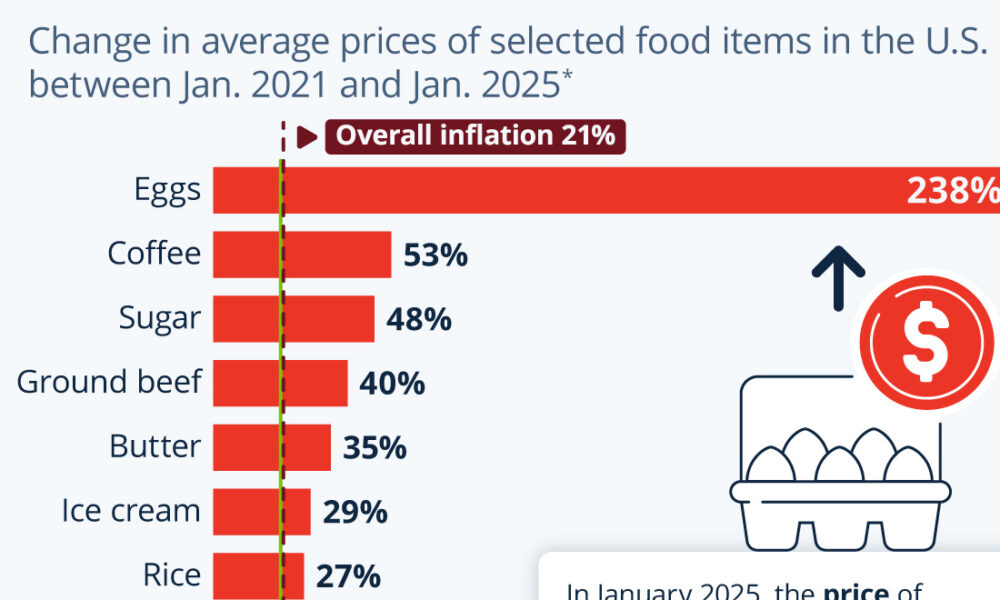
The foods that rise in price fastest during a fuel crisis are fresh seafood, horticulture products like vegetables and fruits, and imported staples such as coffee and cocoa, primarily due to their high dependency on diesel for harvesting and international shipping. Most experts predict a lead time of two to six months before the full weight of current oil price spikes translates into retail grocery prices, though surcharges and immediate spikes in highly energy-intensive sectors like fishing may appear much sooner.
The Immediate Impact: Why Energy Costs Drive Food Inflation
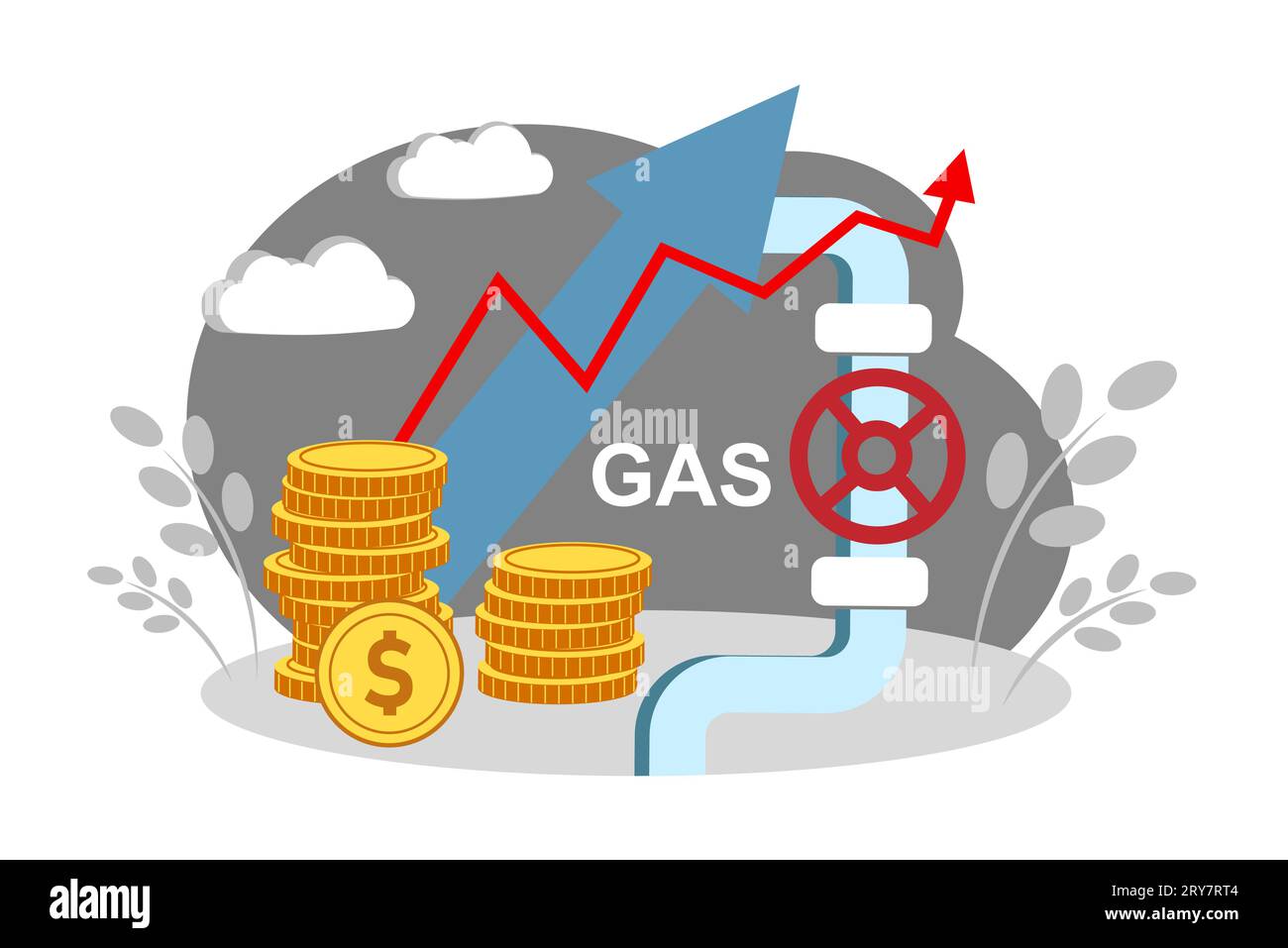
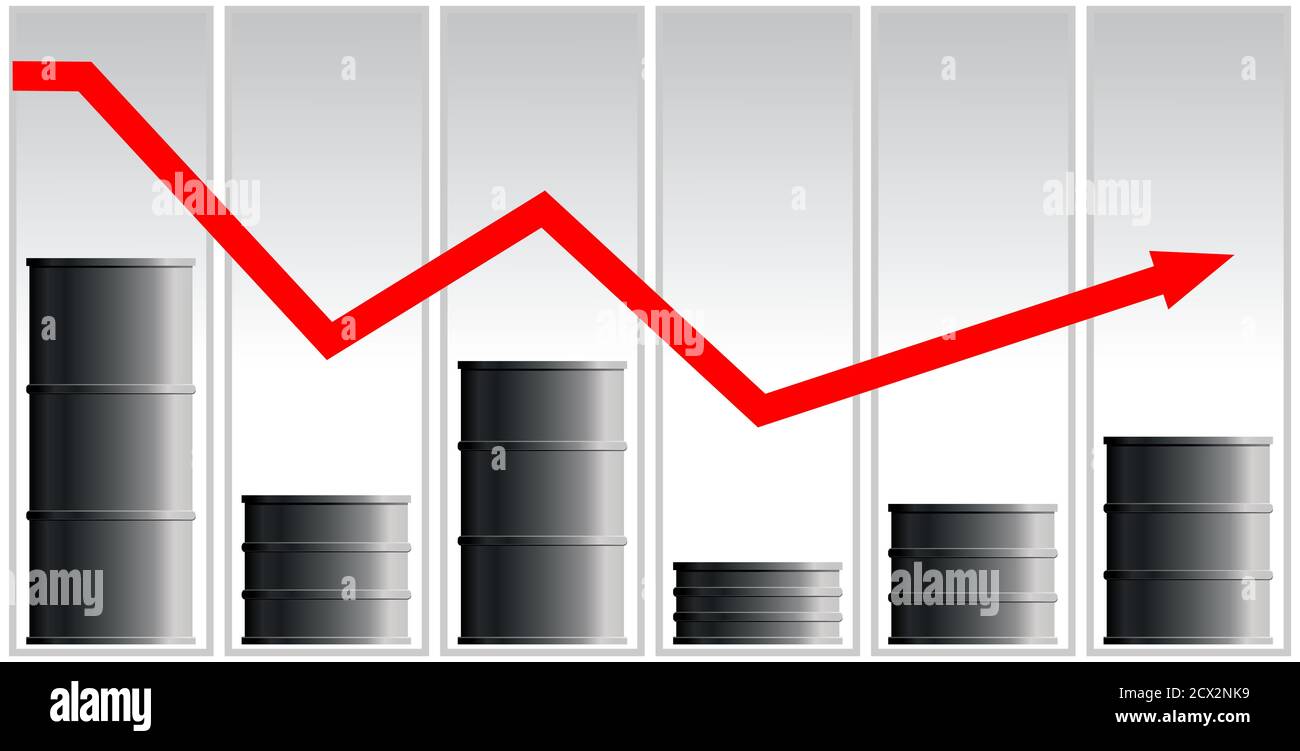
The global food supply chain is fundamentally powered by fossil fuels. From the natural gas used to manufacture nitrogen-based fertilizers to the diesel that fuels farm tractors and long-haul trucks, energy is a primary input at every stage. In advanced economies, direct and indirect energy costs can account for up to 50 percent of the total variable costs for food production. When oil prices top $100 per barrel, as they have recently, these costs are inevitably passed down the chain to the end consumer.
The current 2026 crisis is particularly acute because it is a supply-side disruption. Unlike previous inflationary periods driven by demand, the current situation involves the "dual chokepoint" of restricted energy supplies and hampered fertilizer shipments. This combination creates a "butterfly effect" where a price shock at the pump quickly leads to a noticeable increase in the cost of getting food to market. For many businesses, the choice is between margin compression or selective price hikes to protect market share in a delicate pricing environment.
Fresh Seafood: The First Sector to Feel the Burn
Among all food production sectors, the fishing industry is often cited as the most exposed to fuel price movements. Commercial fishing vessels require massive amounts of diesel to operate, and fuel can account for approximately 25 percent of the total input costs for the sector. Unlike land-based farming, which may have seasonal peaks in fuel usage, fishing operations are constant and immediate in their consumption.
Because seafood is often sold fresh and has a shorter shelf life than grains or canned goods, the price transmission is nearly instantaneous. When diesel prices for boats rise, the cost of the catch increases on the same day. Consumers can expect to see the fastest price hikes in the fresh fish aisle, as wholesalers and retailers have little room to absorb the sharp increase in operating costs without passing them on to the shopper.
Horticulture and Greenhouse Produce: Heating and Harvesting Costs
The horticulture sector, which includes fruits, vegetables, and nuts, is the next most vulnerable category. This sector typically devotes about 5 percent of its total costs directly to oil-based fuels. This energy is used for running harvesting machinery, irrigation systems, and, most critically, heating for greenhouses. In regions with cooler climates, the cost of keeping produce growing during winter months is directly tied to the price of natural gas and heating oil.
Furthermore, fresh produce is highly dependent on rapid transportation. In the United States, trucks ship approximately 92 percent of all fruit and vegetables. As diesel prices for trucking fleets climb, the "last mile" delivery costs to supermarkets become a significant burden. Experts suggest that vegetables like lettuce, tomatoes, and peppers often see earlier price adjustments because they cannot be stored for long periods to wait out a temporary market spike.
Imported Staples: The Weight of Global Shipping Routes
Items that travel halfway around the world, such as coffee beans, cocoa, and exotic fruits, are uniquely susceptible to the current fuel crisis. The closure of the Strait of Hormuz and the resulting disruptions in global shipping routes mean that cargo ships must take longer, more circuitous paths to reach their destinations. These extended journeys require more fuel and result in higher freight surcharges.
While some staples are traded on long-term contracts that may offer temporary protection, the sustained increase in kerosene and jet fuel prices is already impacting air-freighted luxury perishables. For common household items like coffee, the combination of higher transport costs and the energy-intensive roasting process means that prices are likely to remain stubbornly high. The logistics of global trade act as a multiplier for energy inflation, ensuring that "global" food items feel the pressure more than locally produced goods.
| Food Category | Estimated Fuel Input/Impact |
|---|---|
| Fresh Seafood | 25% of total input costs |
| Horticulture (Vegetables/Fruits) | 5% direct fuel + 92% truck reliance |
| Supermarket Transport | 10% of non-wage operating costs |
| Beef and Veal | 11.6% projected increase (2026) |
The Fertilizer Crisis: A Long-Term Threat to Crop Yields
The production of synthetic nitrogen fertilizer is a process deeply dependent on natural gas. With the Middle East conflict halting the transport of ammonia and sulfur, fertilizer prices have skyrocketed. For example, Egyptian urea prices recently surged by over 45 percent. This creates a secondary wave of food inflation that hits the market with a longer lag but deeper impact.
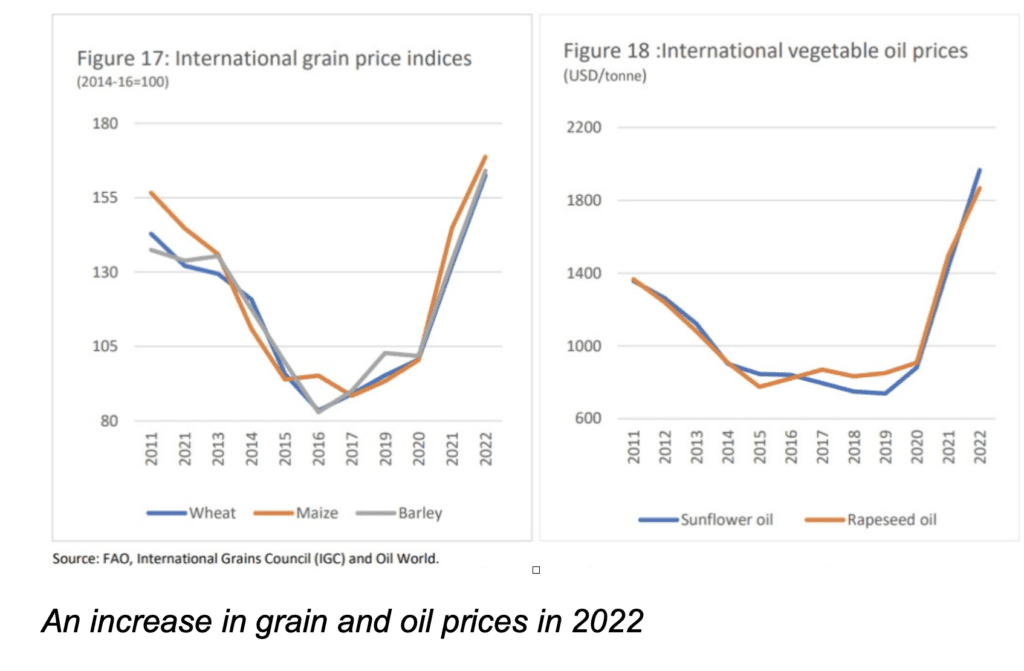
Farmers facing high fertilizer costs may choose to reduce their application, leading to lower crop yields during the harvest season. This reduced supply of grains like wheat and corn eventually pushes up the price of everything from bread and pasta to the animal feed used in the meat industry. Because fertilizer is applied months before a crop is sold, the "fertilizer effect" on grocery prices is typically felt six to nine months after the initial price shock.
Meat and Dairy: The Compounding Cost of Feed and Transport
The meat and dairy sectors are hit by energy costs from multiple directions. First, the diesel used for farm machinery and the electricity for milking and processing plants add immediate overhead. Second, the rising cost of grain (driven by fertilizer prices) increases the cost of feeding livestock. In the United States, beef and veal prices are already projected to rise by double digits as ranchers struggle with these compounding factors.
Dairy products are particularly sensitive to transportation costs because they require refrigeration and frequent deliveries. About 92 percent of dairy products in the U.S. are moved by diesel trucks. As fuel surcharges become more common, the price of milk, cheese, and butter tends to rise steadily. While these increases might not be as "fast" as fresh seafood, they are often more persistent and harder to reverse once they have been established in the market.
Timeline Analysis: When Will We See the Peak?
Economists and supply chain experts point to a distinct lag between oil price spikes and retail food inflation. While fuel surcharges can appear on bills almost immediately, the "sticker shock" on supermarket shelves typically follows a two to six-month trajectory. This delay is due to existing inventories and fixed-price contracts between suppliers and major retail chains like Foodstuffs or Walmart.
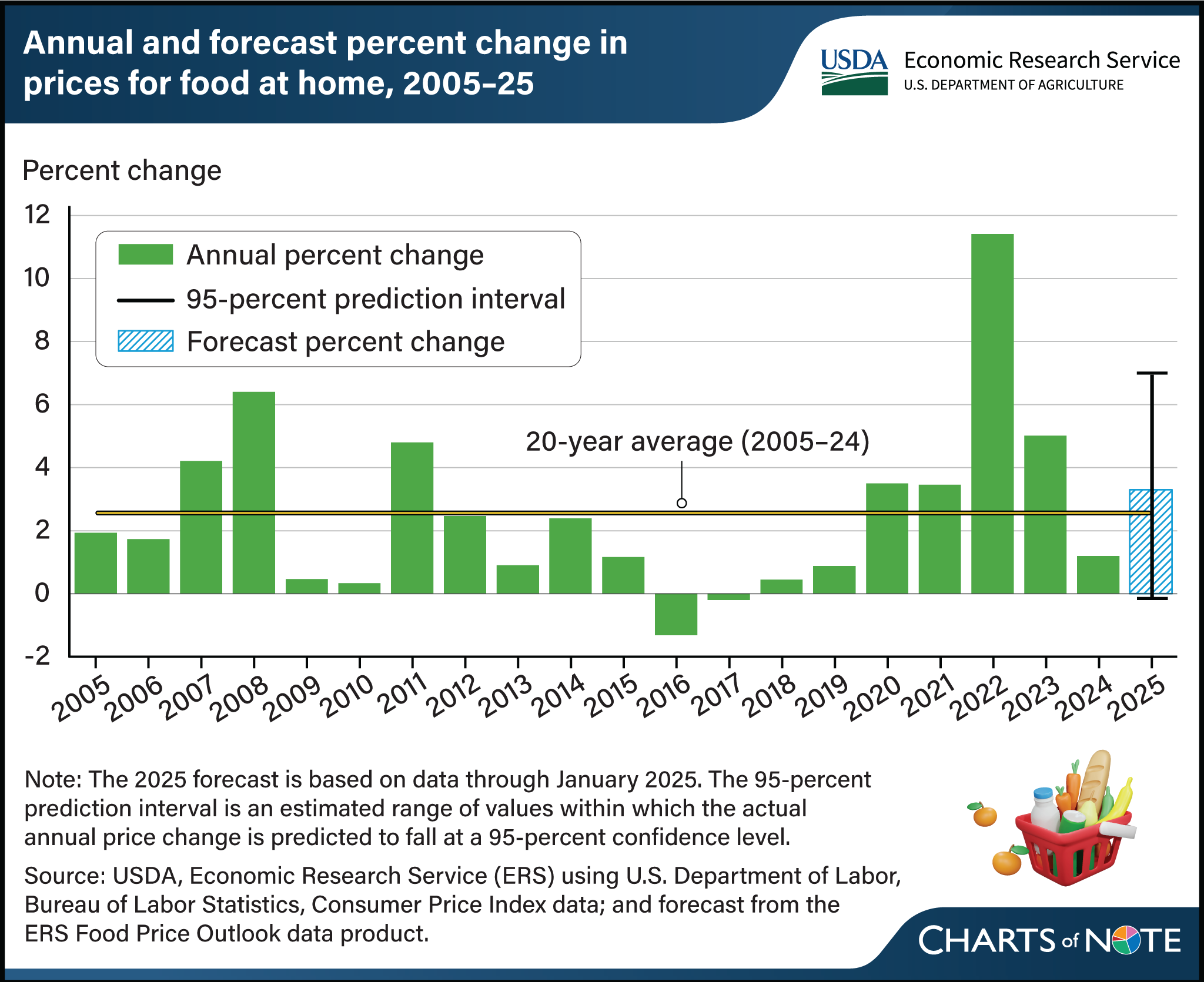
However, if the Strait of Hormuz remains closed and oil stays above $100 per barrel for more than 90 days, the pressure on margins becomes unsustainable. In this scenario, the late spring and summer of 2026 are likely to represent the peak of food price inflation. Households should prepare for a sustained period where the Consumer Price Index for food remains well above the 3 percent target, driven by the delayed realization of today's energy costs.
Strategies for Consumers: Navigating the Affordability Crisis
In response to rising costs, consumers are already beginning to change their behavior. Many are opting for fewer grocery trips to save on personal fuel costs and switching to frozen or canned alternatives for items like fish and vegetables, which are less susceptible to immediate transport surcharges. Bulk buying of non-perishable staples before the full weight of the fertilizer crisis hits can also provide a buffer against future price hikes.
Governments and humanitarian organizations like the World Food Programme are also sounding the alarm, especially for lower-income countries where food and energy represent a larger share of the household budget. As the "lifeblood of the global economy" becomes more expensive, the focus shifts toward resilience and domestic food security to withstand these global shocks.
Frequently Asked Questions (FAQ)
Q1: Why does the fuel crisis affect food prices so quickly? A1: Food prices react quickly because transportation is the final step in the supply chain. When diesel prices rise, the cost of delivering fresh goods to stores increases immediately, often resulting in instant fuel surcharges.
Q2: Which specific foods should I expect to rise in price first? A2: Fresh seafood is typically the first to rise due to high fuel use by fishing boats. Fresh vegetables and fruits follow closely because they rely on rapid, refrigerated truck transport.
Q3: How long does it take for a fuel price hike to reach the supermarket? A3: There is generally a lag of two to six months for the full impact to hit retail shelves, though some highly sensitive items may see price changes in as little as two weeks.
Q4: Will the price of bread and pasta go up? A4: Yes, but with a longer delay. These items are impacted by the rising cost of fertilizer and grain production, which usually affects the market several months after the initial energy shock.
Q5: Are imported foods more at risk than local foods? A5: Yes. Imported items like coffee and cocoa must travel long distances via shipping routes that are currently disrupted and more expensive due to high marine fuel costs.
Conclusion
The current fuel crisis is a powerful reminder of how interconnected our global systems have become. While the immediate focus is often on the price at the pump, the "trickle-down" effect into the grocery store is where the true burden for families lies. By identifying the sectors most at risk—such as fishing, horticulture, and global shipping—consumers and policymakers can better prepare for the inevitable price adjustments. While the timeline suggests a multi-month lag for many items, the pressure on fresh and energy-intensive foods is already here, requiring a strategic approach to household spending and global supply chain management to navigate the months ahead.
Fuel crisis: Which foods will rise in price fastest, and when?
Fuel crisis: Which foods will rise in price fastest, and when? Wallpapers
Collection of fuel crisis: which foods will rise in price fastest, and when? wallpapers for your desktop and mobile devices.
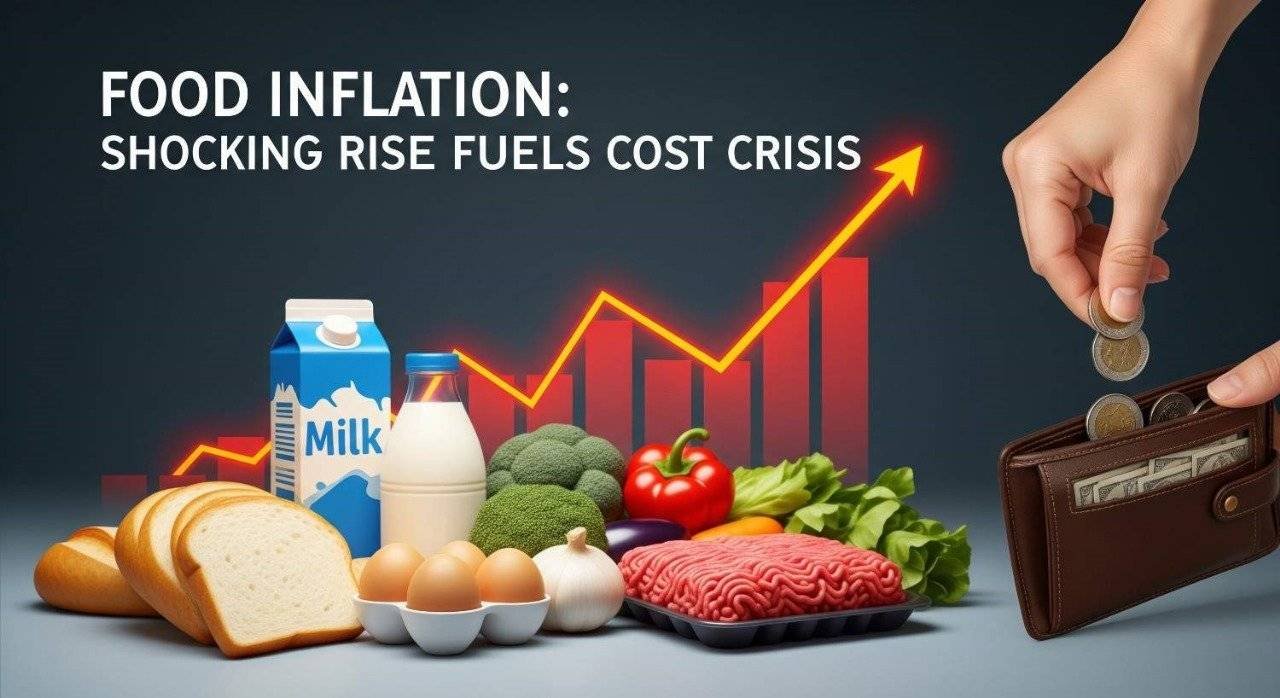
Lush Fuel Crisis: Which Foods Will Rise In Price Fastest, And When? Image Concept
This gorgeous fuel crisis: which foods will rise in price fastest, and when? photo offers a breathtaking view, making it a perfect choice for your next wallpaper.
High-Quality Fuel Crisis: Which Foods Will Rise In Price Fastest, And When? Capture Nature
Experience the crisp clarity of this stunning fuel crisis: which foods will rise in price fastest, and when? image, available in high resolution for all your screens.

Crisp Fuel Crisis: Which Foods Will Rise In Price Fastest, And When? Image Collection
A captivating fuel crisis: which foods will rise in price fastest, and when? scene that brings tranquility and beauty to any device.

Vivid Fuel Crisis: Which Foods Will Rise In Price Fastest, And When? Design for Mobile
Transform your screen with this vivid fuel crisis: which foods will rise in price fastest, and when? artwork, a true masterpiece of digital design.
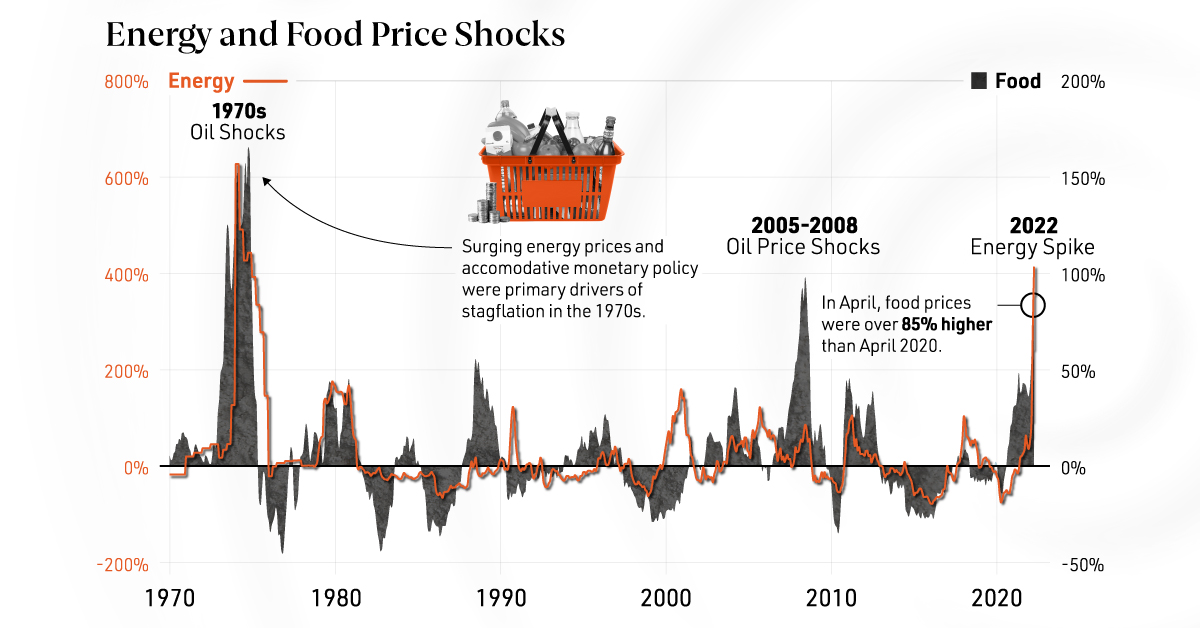
Dynamic Fuel Crisis: Which Foods Will Rise In Price Fastest, And When? Capture Collection
This gorgeous fuel crisis: which foods will rise in price fastest, and when? photo offers a breathtaking view, making it a perfect choice for your next wallpaper.

Breathtaking Fuel Crisis: Which Foods Will Rise In Price Fastest, And When? Abstract Illustration
Explore this high-quality fuel crisis: which foods will rise in price fastest, and when? image, perfect for enhancing your desktop or mobile wallpaper.

Crisp Fuel Crisis: Which Foods Will Rise In Price Fastest, And When? Photo in 4K
This gorgeous fuel crisis: which foods will rise in price fastest, and when? photo offers a breathtaking view, making it a perfect choice for your next wallpaper.
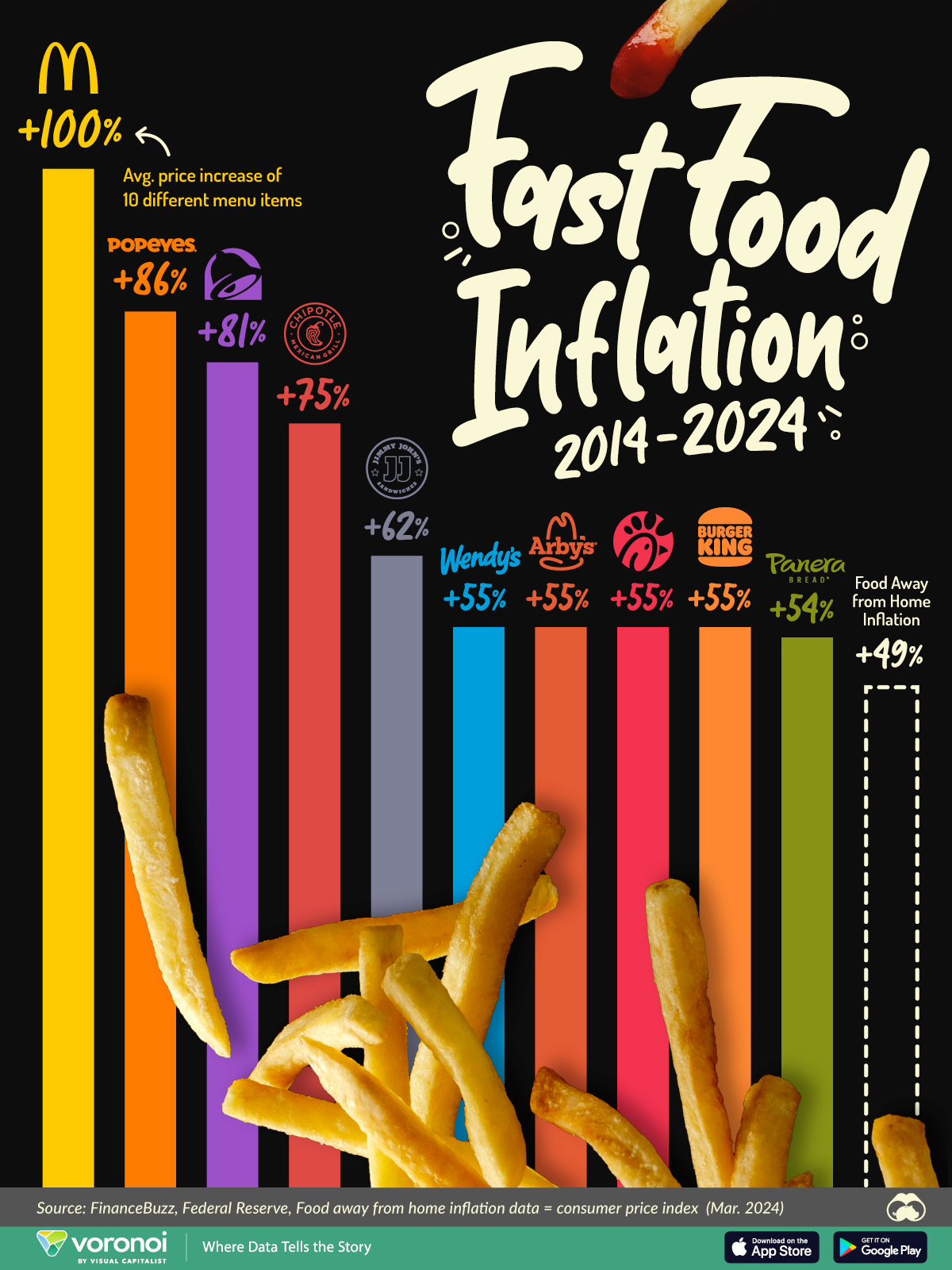
Gorgeous Fuel Crisis: Which Foods Will Rise In Price Fastest, And When? Design Digital Art
Immerse yourself in the stunning details of this beautiful fuel crisis: which foods will rise in price fastest, and when? wallpaper, designed for a captivating visual experience.
Beautiful Fuel Crisis: Which Foods Will Rise In Price Fastest, And When? Scene Nature
Discover an amazing fuel crisis: which foods will rise in price fastest, and when? background image, ideal for personalizing your devices with vibrant colors and intricate designs.
Breathtaking Fuel Crisis: Which Foods Will Rise In Price Fastest, And When? Artwork Art
Discover an amazing fuel crisis: which foods will rise in price fastest, and when? background image, ideal for personalizing your devices with vibrant colors and intricate designs.
Gorgeous Fuel Crisis: Which Foods Will Rise In Price Fastest, And When? Photo Art
This gorgeous fuel crisis: which foods will rise in price fastest, and when? photo offers a breathtaking view, making it a perfect choice for your next wallpaper.
Vivid Fuel Crisis: Which Foods Will Rise In Price Fastest, And When? Capture Collection
Discover an amazing fuel crisis: which foods will rise in price fastest, and when? background image, ideal for personalizing your devices with vibrant colors and intricate designs.
Beautiful Fuel Crisis: Which Foods Will Rise In Price Fastest, And When? Scene Collection
Experience the crisp clarity of this stunning fuel crisis: which foods will rise in price fastest, and when? image, available in high resolution for all your screens.
Mesmerizing Fuel Crisis: Which Foods Will Rise In Price Fastest, And When? Capture for Mobile
Transform your screen with this vivid fuel crisis: which foods will rise in price fastest, and when? artwork, a true masterpiece of digital design.

Mesmerizing Fuel Crisis: Which Foods Will Rise In Price Fastest, And When? Background Photography
Transform your screen with this vivid fuel crisis: which foods will rise in price fastest, and when? artwork, a true masterpiece of digital design.

Artistic Fuel Crisis: Which Foods Will Rise In Price Fastest, And When? Scene Digital Art
Immerse yourself in the stunning details of this beautiful fuel crisis: which foods will rise in price fastest, and when? wallpaper, designed for a captivating visual experience.
Breathtaking Fuel Crisis: Which Foods Will Rise In Price Fastest, And When? View for Mobile
Experience the crisp clarity of this stunning fuel crisis: which foods will rise in price fastest, and when? image, available in high resolution for all your screens.

Spectacular Fuel Crisis: Which Foods Will Rise In Price Fastest, And When? Capture Nature
Immerse yourself in the stunning details of this beautiful fuel crisis: which foods will rise in price fastest, and when? wallpaper, designed for a captivating visual experience.
Detailed Fuel Crisis: Which Foods Will Rise In Price Fastest, And When? View in HD
Transform your screen with this vivid fuel crisis: which foods will rise in price fastest, and when? artwork, a true masterpiece of digital design.
High-Quality Fuel Crisis: Which Foods Will Rise In Price Fastest, And When? Abstract Collection
Experience the crisp clarity of this stunning fuel crisis: which foods will rise in price fastest, and when? image, available in high resolution for all your screens.
Download these fuel crisis: which foods will rise in price fastest, and when? wallpapers for free and use them on your desktop or mobile devices.