Nasa spacecraft weighing 1,300lb re-enters Earth's atmosphere
Nasa spacecraft weighing 1,300lb re-enters Earth's atmosphere
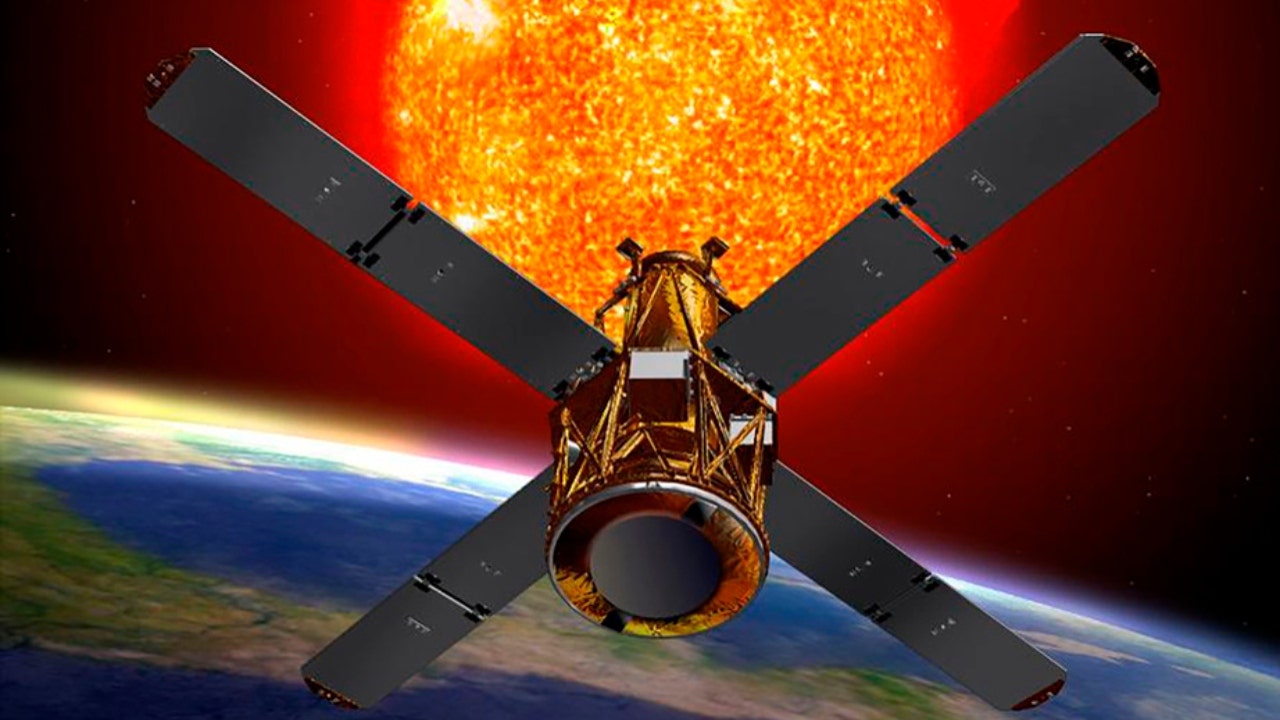
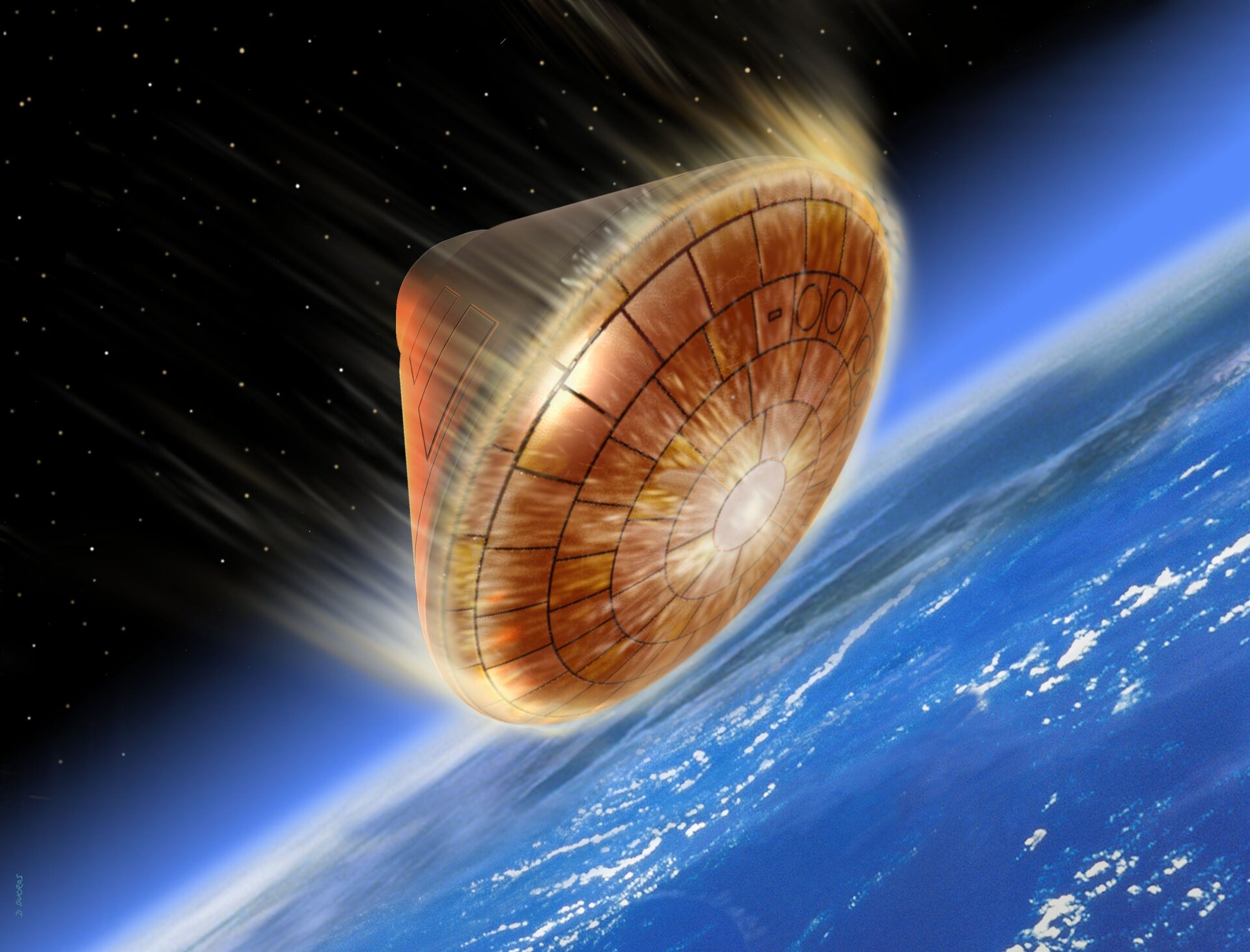
The space exploration community and global skywatchers are currently focused on a significant orbital event as a decommissioned NASA science satellite makes its final descent. After nearly fourteen years in space, the Van Allen Probe A, a robust 1,323-pound (600-kilogram) spacecraft, has officially transitioned from a vital research instrument to a streak of fire across the Pacific sky. This re-entry marks the end of a mission that fundamentally altered our understanding of the invisible radiation fields surrounding our planet. While NASA and the U.S. Space Force monitored the descent closely, the event highlights the growing influence of solar activity on orbital lifetimes, as the probe returned to Earth nearly eight years earlier than original estimates suggested. This uncontrolled plunge serves as both a scientific milestone and a reminder of the dynamic nature of Earth's upper atmosphere during periods of high solar intensity.
Featured Snippet: The NASA spacecraft Van Allen Probe A, weighing approximately 1,323 lbs (600 kg), re-entered Earth's atmosphere at 6:37 a.m. EDT on Wednesday, March 11, 2026. The re-entry occurred over the eastern Pacific Ocean, west of the Galapagos Islands. Although most of the satellite was expected to burn up during descent, NASA estimated a 1-in-4,200 risk of debris reaching the surface. The early return was attributed to intense solar activity increasing atmospheric drag.
The Mission History of the Van Allen Probes
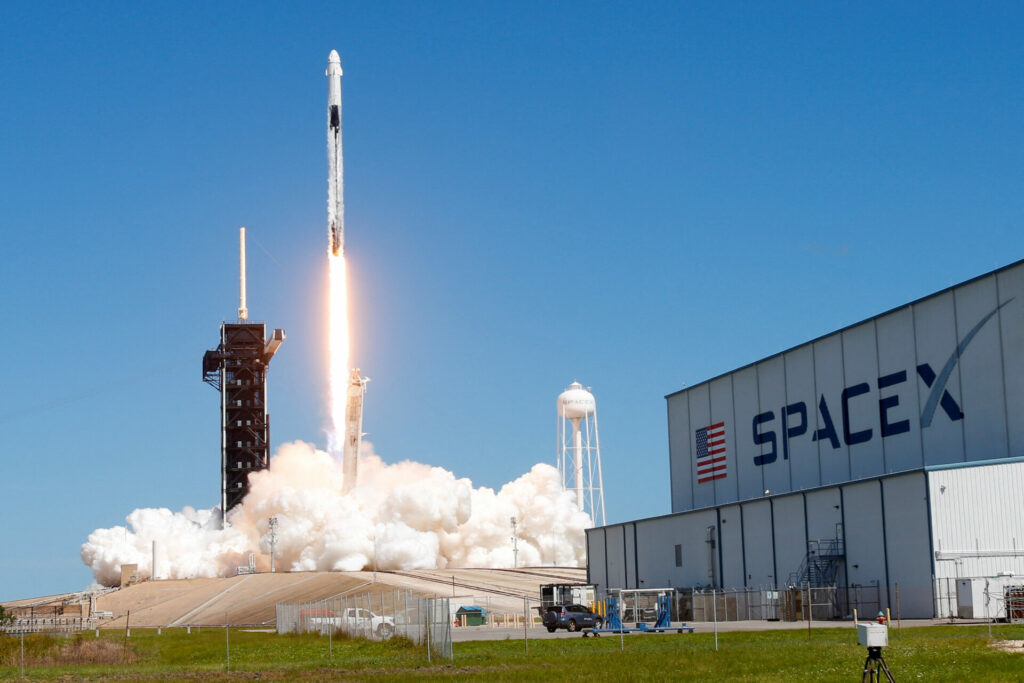
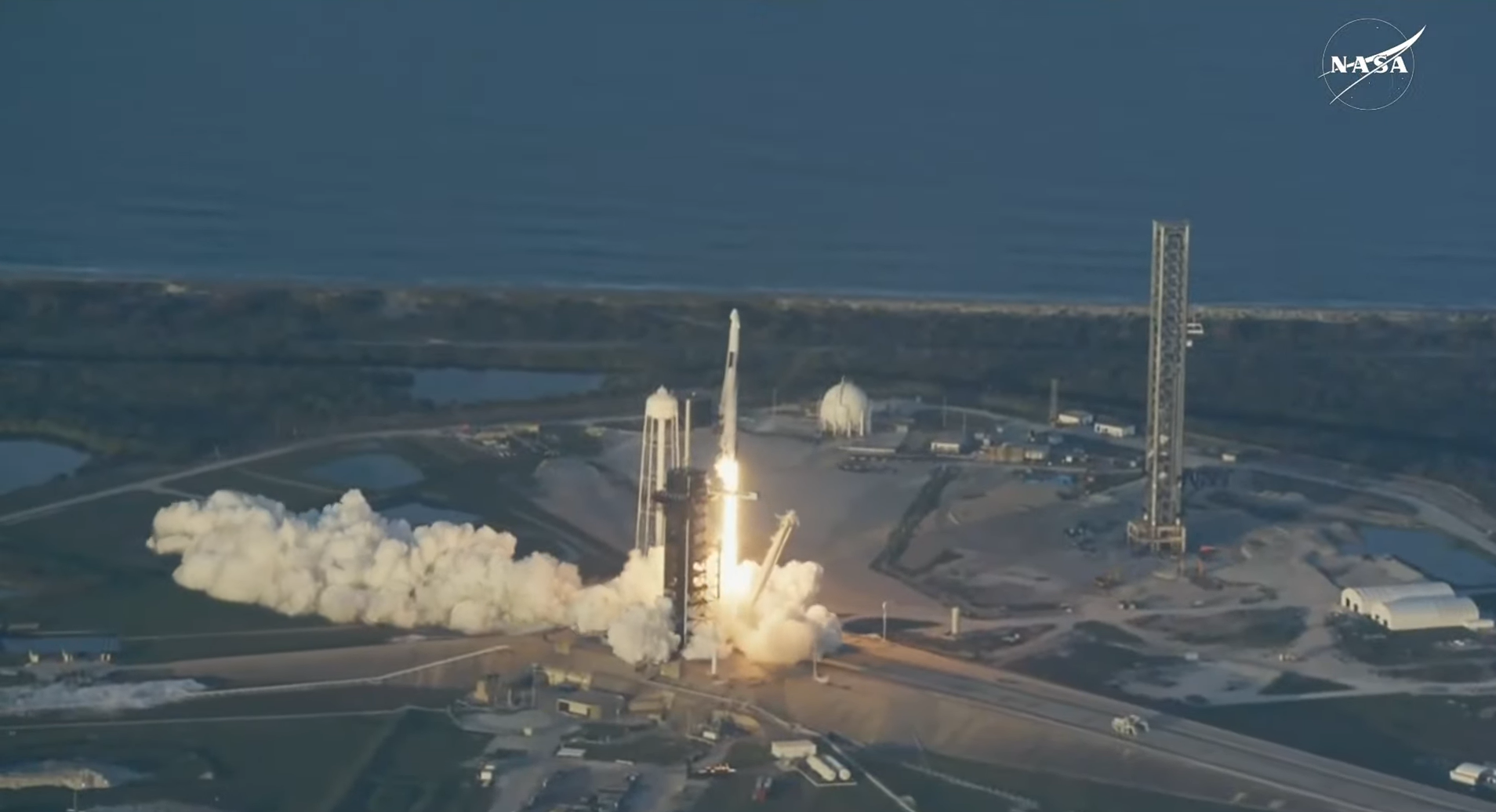
Launched on August 30, 2012, from Cape Canaveral, the Van Allen Probes mission consisted of two identical spacecraft, A and B. Their primary objective was to venture where few other satellites dared: the heart of the Van Allen radiation belts. These regions are filled with high-energy charged particles trapped by Earth’s magnetic field, creating a harsh environment that can easily damage sensitive electronics. The probes were specifically hardened to withstand this radiation, allowing them to collect unprecedented data for nearly seven years. Although originally intended for a two-year mission, the durability of the hardware enabled scientists to extend the mission until 2019, when the satellites finally exhausted their fuel supplies.
Scientific Breakthroughs and the Discovery of a Third Belt
One of the most significant achievements of the Van Allen Probe A was the discovery of a transient third radiation belt. Before this mission, scientists believed Earth was surrounded by only two permanent belts. However, during periods of intense solar activity, the probes identified a middle layer that appeared and disappeared based on space weather conditions. This discovery revolutionized our understanding of how the Sun influences the near-Earth environment. Furthermore, the probes provided critical insights into how particles within the belts are accelerated to near-light speeds, helping engineers design better shielding for future satellites and manned space missions.
Why the Re-entry Occurred Eight Years Early
When the mission concluded in 2019, NASA specialists performed an orbital analysis and predicted that Van Allen Probe A would remain in space until approximately 2034. However, the Sun's activity cycles have a direct impact on the density of Earth's upper atmosphere. The current solar cycle, which peaked in 2024, has been significantly more active than forecasted. Intense solar flares and coronal mass ejections heated the atmosphere, causing it to expand outward. This expansion increased the frictional drag on the satellite, effectively "braking" its orbital speed and pulling it toward Earth much faster than anticipated. This eight-year discrepancy underscores the challenges of predicting orbital decay in a volatile space weather environment.
Tracking the Final Descent over the Pacific
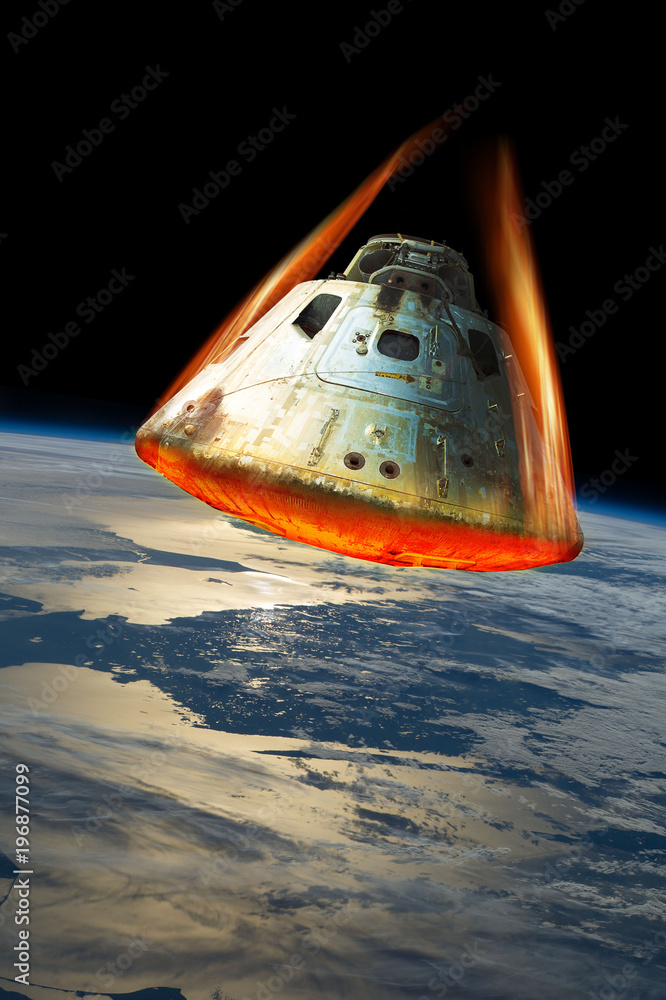
The U.S. Space Force and NASA tracked the final moments of the 1,300lb spacecraft as it dipped into the denser layers of the atmosphere. The confirmed re-entry point was located over the eastern Pacific Ocean at approximately 2 degrees south latitude and 255.3 degrees east longitude. At these speeds, the friction between the spacecraft and the air molecules generates temperatures hot enough to vaporize most metals. Because the re-entry was uncontrolled, the exact timing and location carried a margin of uncertainty until the final hour. Scientists noted that the eccentric, lopsided orbit of the probe made it particularly challenging to track compared to satellites in more circular paths.
Assessing the Risk of Falling Debris
NASA is transparent about the risks associated with re-entering spacecraft. For Van Allen Probe A, the agency calculated the risk of bodily harm to anyone on the ground at approximately 1-in-4,200. This is considered an extremely low probability, especially when compared to everyday risks like a bicycle accident. Since about 70% of the Earth's surface is covered by water and large portions of land are uninhabited, the vast majority of surviving fragments—such as high-melting-point components like pressure vessels or engine parts—likely splashed down in the open ocean without incident.
| Spacecraft Metric | Details |
|---|---|
| Launch Weight | Approx. 1,323 lbs (600 kg) |
| Launch Date | August 30, 2012 |
| Mission Duration | 7 years (2012–2019) |
| Actual Re-entry Date | March 11, 2026 |
| Re-entry Location | Eastern Pacific Ocean |
What Happens to Van Allen Probe B?
While Probe A has met its fiery end, its twin, Van Allen Probe B, remains in orbit. However, its days are also numbered. Because Probe B is currently in a slightly different orbital configuration, it has been less affected by the recent atmospheric drag that claimed Probe A. Current estimates from NASA suggest that Probe B will remain in orbit until at least 2030. Until then, it serves as a silent monument to the mission, though it is no longer functional. Scientists will continue to monitor its decay to further refine their models of how solar activity influences satellite re-entry timelines.
The Legacy of the Van Allen Probes Data
Even though the physical spacecraft is gone, the scientific impact of Van Allen Probe A remains. To date, over 700 scientific studies have been published using data from the twin probes. This information is currently used by NOAA and other agencies to forecast space weather events. By understanding the ebb and flow of radiation in the belts, operators can take preemptive action to protect GPS networks, communication satellites, and power grids on Earth. The mission has essentially provided the "weather map" for the most dangerous part of our planet's immediate space surroundings.
Future Missions and Space Debris Management
The re-entry of the Van Allen Probe highlights the ongoing discussion regarding space debris and the responsible decommissioning of satellites. As low-Earth orbit becomes increasingly crowded, the "natural" removal of satellites via atmospheric drag is a critical component of keeping space navigable. NASA’s adherence to the 25-year rule—ensuring satellites re-enter within a reasonable timeframe after their mission—is exemplified here. Lessons learned from the structural demise of Probe A will likely be used to improve the Object Reentry Survival Analysis Tool (ORSAT), helping future missions better predict where and how their hardware will return home.
FAQ
What was the Van Allen Probe A?
Where did the spacecraft crash?
Was anyone hurt by the falling debris?
Why did it return earlier than expected?
Is the other twin satellite still in space?
Conclusion
The re-entry of NASA's Van Allen Probe A marks the definitive conclusion of a landmark chapter in heliophysics. Weighing over 1,300lbs, the spacecraft provided a final spectacular display as it burned up over the Pacific Ocean, completing a journey that began fourteen years ago. The mission's success in uncovering the secrets of the radiation belts has provided a foundation for safer space travel and more resilient global technology. While the early return of the probe was a surprise caused by the Sun's unpredictable cycles, it ultimately served as a final piece of data in the mission's long history of studying the interaction between our star and our planet. As we look toward the future, the data harvested by Probe A will continue to protect our modern way of life for decades to come.
Nasa spacecraft weighing 1,300lb re-enters Earth's atmosphere
Nasa spacecraft weighing 1,300lb re-enters Earth's atmosphere Wallpapers
Collection of nasa spacecraft weighing 1,300lb re-enters earth's atmosphere wallpapers for your desktop and mobile devices.

Detailed Nasa Spacecraft Weighing 1,300lb Re-enters Earth's Atmosphere Artwork Collection
Transform your screen with this vivid nasa spacecraft weighing 1,300lb re-enters earth's atmosphere artwork, a true masterpiece of digital design.

Breathtaking Nasa Spacecraft Weighing 1,300lb Re-enters Earth's Atmosphere Abstract in 4K
Explore this high-quality nasa spacecraft weighing 1,300lb re-enters earth's atmosphere image, perfect for enhancing your desktop or mobile wallpaper.

Detailed Nasa Spacecraft Weighing 1,300lb Re-enters Earth's Atmosphere Image in 4K
Explore this high-quality nasa spacecraft weighing 1,300lb re-enters earth's atmosphere image, perfect for enhancing your desktop or mobile wallpaper.
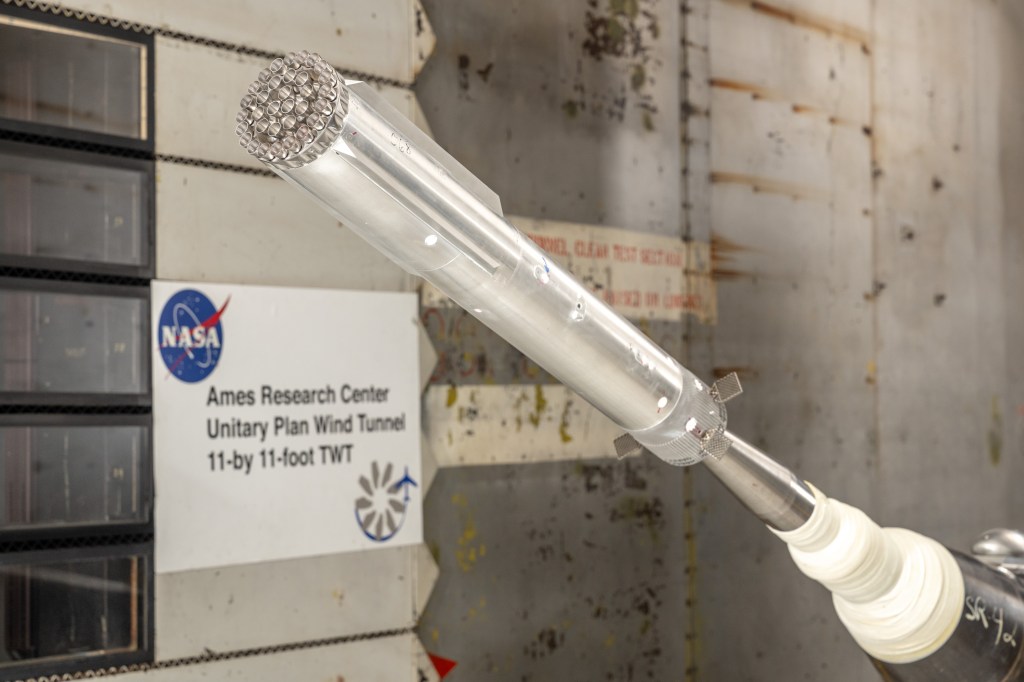
Dynamic Nasa Spacecraft Weighing 1,300lb Re-enters Earth's Atmosphere Abstract in 4K
This gorgeous nasa spacecraft weighing 1,300lb re-enters earth's atmosphere photo offers a breathtaking view, making it a perfect choice for your next wallpaper.
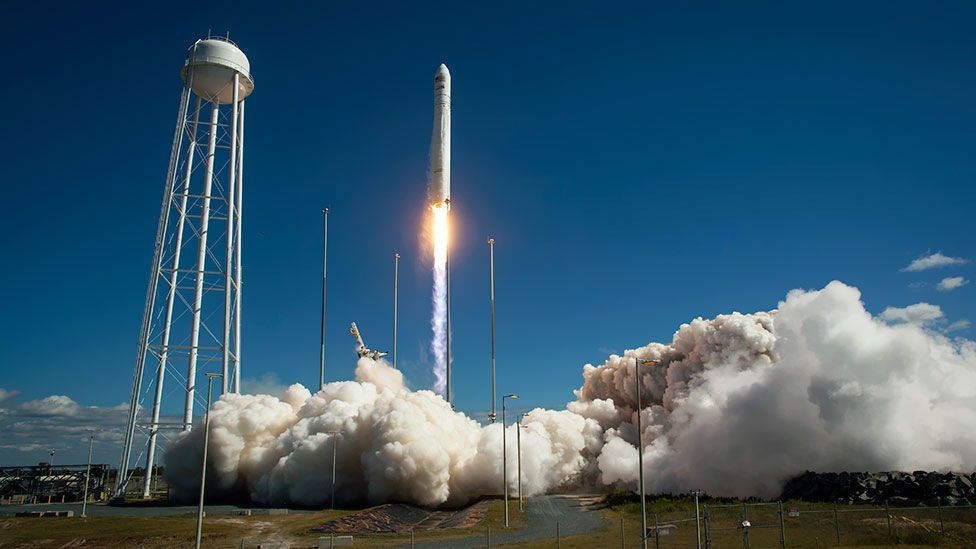
Vibrant Nasa Spacecraft Weighing 1,300lb Re-enters Earth's Atmosphere Design Art
Transform your screen with this vivid nasa spacecraft weighing 1,300lb re-enters earth's atmosphere artwork, a true masterpiece of digital design.

Spectacular Nasa Spacecraft Weighing 1,300lb Re-enters Earth's Atmosphere View in HD
This gorgeous nasa spacecraft weighing 1,300lb re-enters earth's atmosphere photo offers a breathtaking view, making it a perfect choice for your next wallpaper.
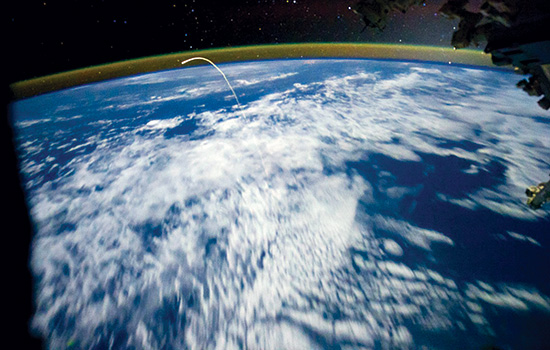
Detailed Nasa Spacecraft Weighing 1,300lb Re-enters Earth's Atmosphere Abstract Collection
Transform your screen with this vivid nasa spacecraft weighing 1,300lb re-enters earth's atmosphere artwork, a true masterpiece of digital design.
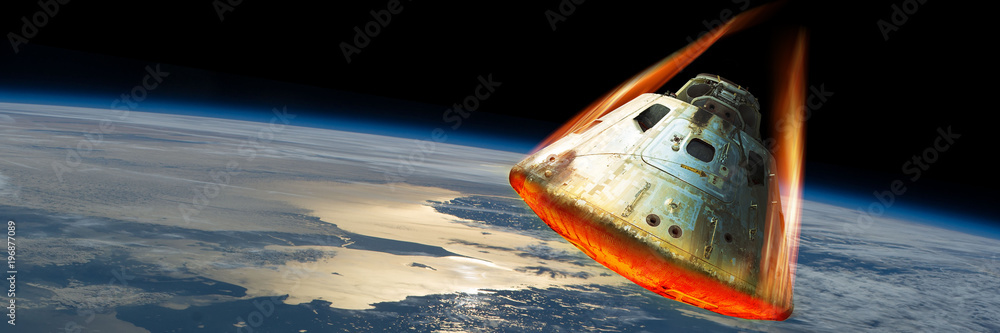
Vibrant Nasa Spacecraft Weighing 1,300lb Re-enters Earth's Atmosphere Wallpaper in HD
Experience the crisp clarity of this stunning nasa spacecraft weighing 1,300lb re-enters earth's atmosphere image, available in high resolution for all your screens.
Mesmerizing Nasa Spacecraft Weighing 1,300lb Re-enters Earth's Atmosphere Wallpaper Illustration
Explore this high-quality nasa spacecraft weighing 1,300lb re-enters earth's atmosphere image, perfect for enhancing your desktop or mobile wallpaper.

Lush Nasa Spacecraft Weighing 1,300lb Re-enters Earth's Atmosphere Landscape for Mobile
This gorgeous nasa spacecraft weighing 1,300lb re-enters earth's atmosphere photo offers a breathtaking view, making it a perfect choice for your next wallpaper.
Detailed Nasa Spacecraft Weighing 1,300lb Re-enters Earth's Atmosphere Image for Mobile
Experience the crisp clarity of this stunning nasa spacecraft weighing 1,300lb re-enters earth's atmosphere image, available in high resolution for all your screens.

Vibrant Nasa Spacecraft Weighing 1,300lb Re-enters Earth's Atmosphere Wallpaper Nature
Discover an amazing nasa spacecraft weighing 1,300lb re-enters earth's atmosphere background image, ideal for personalizing your devices with vibrant colors and intricate designs.

Stunning Nasa Spacecraft Weighing 1,300lb Re-enters Earth's Atmosphere Moment Photography
This gorgeous nasa spacecraft weighing 1,300lb re-enters earth's atmosphere photo offers a breathtaking view, making it a perfect choice for your next wallpaper.

Detailed Nasa Spacecraft Weighing 1,300lb Re-enters Earth's Atmosphere Image Concept
Discover an amazing nasa spacecraft weighing 1,300lb re-enters earth's atmosphere background image, ideal for personalizing your devices with vibrant colors and intricate designs.
Detailed Nasa Spacecraft Weighing 1,300lb Re-enters Earth's Atmosphere Background Photography
Discover an amazing nasa spacecraft weighing 1,300lb re-enters earth's atmosphere background image, ideal for personalizing your devices with vibrant colors and intricate designs.
Captivating Nasa Spacecraft Weighing 1,300lb Re-enters Earth's Atmosphere Photo for Mobile
A captivating nasa spacecraft weighing 1,300lb re-enters earth's atmosphere scene that brings tranquility and beauty to any device.
Dynamic Nasa Spacecraft Weighing 1,300lb Re-enters Earth's Atmosphere Image in HD
A captivating nasa spacecraft weighing 1,300lb re-enters earth's atmosphere scene that brings tranquility and beauty to any device.
Stunning Nasa Spacecraft Weighing 1,300lb Re-enters Earth's Atmosphere Capture Art
A captivating nasa spacecraft weighing 1,300lb re-enters earth's atmosphere scene that brings tranquility and beauty to any device.
Stunning Nasa Spacecraft Weighing 1,300lb Re-enters Earth's Atmosphere Image for Your Screen
Immerse yourself in the stunning details of this beautiful nasa spacecraft weighing 1,300lb re-enters earth's atmosphere wallpaper, designed for a captivating visual experience.

Vibrant Nasa Spacecraft Weighing 1,300lb Re-enters Earth's Atmosphere Picture for Desktop
Transform your screen with this vivid nasa spacecraft weighing 1,300lb re-enters earth's atmosphere artwork, a true masterpiece of digital design.
Download these nasa spacecraft weighing 1,300lb re-enters earth's atmosphere wallpapers for free and use them on your desktop or mobile devices.