The Rubio-Vance Iran dynamic: From the Politics Desk Wallpapers
The Rubio-Vance Iran dynamic: From the Politics Desk
As the United States navigates the most significant military engagement in the Middle East in decades, a complex power struggle and messaging divide has emerged at the highest levels of the Trump administration. The current conflict with Iran has not only shifted the geopolitical landscape but has also brought the diverging philosophies and political trajectories of Secretary of State Marco Rubio and Vice President JD Vance into sharp focus. While both men represent the core of the MAGA movement, their approaches to the Iranian crisis reveal deep-seated differences in diplomatic style, military interventionism, and the future of American foreign policy. This dynamic, characterized by Rubio's front-facing hawkishness and Vance's more reserved, skeptical coordination, has become a central theme for political analysts and lawmakers alike as the 2026 conflict continues to unfold.
The Rubio-Vance Iran dynamic is defined by a strategic division of labor and a visible difference in public engagement regarding the 2026 military operations against Tehran. Secretary of State Marco Rubio has taken the lead as the administration's primary diplomatic hawk, frequently briefing the press and justifying preemptive strikes as necessary to neutralize Iran's nuclear and missile capabilities. In contrast, Vice President JD Vance has maintained a more cautious public profile, often operating from the White House Situation Room to coordinate military and administrative efforts while expressing personal reservations about long-term entanglements in the region. This contrast highlights a broader internal debate within the administration between traditional hawkish interventionism and a more restrained, America-first approach to foreign conflicts.
The 2026 Iran Conflict: A New Era of Intervention
The sudden escalation of hostilities between the United States and Iran in early 2026 has caught many international observers by surprise, marking a definitive end to any hopes for a purely diplomatic resolution to the nuclear standoff. Following coordinated strikes by U.S. and Israeli forces, which reportedly decimated key Iranian military infrastructure and resulted in the death of Supreme Leader Ayatollah Ali Khamenei, the administration has been forced to define its endgame. However, the lack of a singular, authoritative objective has led to a flurry of competing narratives from the President’s top advisors. This vacuum of clarity is where the Rubio-Vance dynamic first became apparent to the public.
For the American electorate, the images released by the White House tell a story of two different centers of power. On one hand, President Trump and Secretary Rubio were pictured at Mar-a-Lago, monitoring operations in what has been described as a makeshift war room. On the other, Vice President Vance was photographed in the traditional Situation Room at the White House, looking over intelligence reports while drinking a Mountain Dew. These separate locations served as a physical manifestation of the differing roles the two men have played: Rubio as the strategist at the President's side and Vance as the administrative engine keeping the gears of government turning during a crisis.
Marco Rubio: The Architect of Diplomatic Hawkishness
Marco Rubio has long been known for his robust views on foreign policy, and his tenure as Secretary of State has allowed him to put those views into practice on a global scale. Regarding Iran, Rubio has been the most vocal defender of the administration's decision to bypass Congress and initiate strikes. He has consistently framed the conflict as an unavoidable necessity, arguing that the Iranian regime had been holding the world hostage through its nuclear ambitions and its support for regional proxies like Hezbollah and the Houthis. Rubio's rhetoric is that of a traditional hawk, emphasizing American strength and the moral imperative to dismantle a "clerical regime" that poses a "grave threat" to global security.
However, Rubio's prominence has also made him a lightning rod for criticism. His recent comments suggesting that the U.S. was essentially forced into the war because Israel was determined to strike with or without American support sparked a major controversy. This narrative, which some analysts characterized as a "messaging blunder," was seen as an attempt to shift the burden of responsibility for an unpopular war onto an ally. Despite having to "clean up" these remarks in subsequent briefings, Rubio remains the face of the war effort, embodying the administration's commitment to a high-pressure, interventionist strategy in the Middle East.
JD Vance: The Skeptical Strategist in the Situation Room
Vice President JD Vance presents a much more complicated figure in the context of the Iran war. As an Iraq War veteran who has frequently railed against "messy" foreign interventions, Vance's support for the current operations appears to be rooted more in loyalty to the President's agenda than in a personal belief in regime-change wars. His public silence during the initial waves of the conflict was noted by many, with his normally active social media accounts going quiet for days. When he did eventually speak, his focus was narrow: ensuring Iran does not obtain a nuclear weapon and emphasizing the President's preference for a diplomatic solution, even while "other options" are being exercised.
Vance’s role has been largely internal, serving as a bridge between the White House and the military establishment. He has been tasked with coordinating the administrative side of the war, including overseeing meetings to assess the feasibility of new agreements and managing the "war on fraud" regarding domestic funds. His skepticism of foreign entanglements remains a core part of his political identity, leading some to speculate that he is positioning himself as the "restrained" alternative to the more hawkish elements of the cabinet. This positioning is critical for Vance as he looks toward a future beyond his current role, where he must balance his loyalty to Trump with the isolationist tendencies of a significant portion of the GOP base.
Messaging Collisions: The Israel Forced Our Hand Controversy
One of the most significant points of friction in the Rubio-Vance dynamic occurred when Rubio attempted to justify the timing of the U.S. strikes. By suggesting that Israel's unilateral determination to attack Iran left the U.S. with no choice but to join in—to minimize American casualties from the inevitable Iranian retaliation—Rubio inadvertently created a political firestorm. Critics argued that this narrative played into dangerous tropes and signaled a lack of American sovereignty in its own foreign policy decision-making. This messaging was starkly different from the tone set by the White House, which sought to portray the strikes as a bold, independent initiative by President Trump.
The fallout from Rubio's comments required immediate intervention from other administration officials, and notably, Vance did not rush to Rubio's defense on this specific point. Instead, the Vice President's allies pointed to his more "buttoned-up" and consistent messaging as a contrast to Rubio's perceived gaffes. This incident highlighted the "too many cooks in the kitchen" problem that has occasionally plagued the administration's war messaging, with the President himself sometimes having to act as the final arbiter and "cleaner" for his top advisors' public statements.
| Aspect of Dynamic | Rubio Approach |
|---|---|
| Primary Public Role | Front-facing spokesperson and diplomatic hawk |
| View on Intervention | Favors proactive regime-weakening strategies |
| 2028 Positioning | Favored by Mar-a-Lago donors and traditionalists |
| Messaging Focus | Regional stability and neutralizing ballistic threats |
Rivalry or Synergy? The 2028 Succession Subplot
Beneath the surface of the Iran conflict lies the inescapable reality of the 2028 Republican primary. Both Rubio and Vance are seen as top contenders to succeed Donald Trump, and their performance during this crisis is being viewed through that lens. At a recent Mar-a-Lago event, donors were reportedly asked who they would prefer as a future leader, with Rubio receiving an overwhelmingly positive response from that specific crowd. However, polling suggests that Vance remains the favorite among the broader Republican electorate, holding a significant lead in favorability ratings over the Secretary of State.
This rivalry creates a unique pressure on their current working relationship. While they must present a united front for the sake of the administration's goals, every public appearance and policy recommendation is also a data point for future voters and donors. Rubio's "diplomacy first" job title often clashes with his hawkish instincts, while Vance's "skeptic" persona must coexist with his duties as a Vice President presiding over an active war. Whether this dynamic remains a productive synergy or devolves into an open rivalry may depend on the ultimate success or failure of the operations in Iran.
Diverging War Objectives: Disarmament vs. Regime Change
A major point of confusion for both Congress and the American public has been the lack of a clearly defined war objective. Within the first week of the conflict, four different high-ranking officials offered four different goals: nuclear disarmament, regime change, preemption, and liberation. Rubio has primarily focused on the disarmament and preemptive angles, arguing that the navy and ballistic missile sites of Iran must be destroyed to protect American assets and allies. He has steered clear of explicitly calling for a "regime change" scale attack, perhaps wary of the political baggage such a term carries.
Vance, meanwhile, has been even more cautious. His statements have been strictly limited to the prevention of nuclear weapons acquisition. This narrower focus aligns with his stated skepticism of nation-building and long-term occupations. The internal debate over these objectives reflects the broader struggle within the MAGA movement to define what "America First" means in a world of escalating threats. Is it enough to simply destroy a threat, or must the U.S. also manage the aftermath? The Rubio-Vance dynamic suggests that the administration is still grappling with this question.
Domestic Fallout: Anti-Interventionism and Public Opinion
The Rubio-Vance dynamic is also being shaped by the increasing unpopularity of the war at home. Recent polling indicates that only a small fraction of Americans support sustained military strikes against Iran, and concerns about rising oil prices and potential American casualties are growing. This political environment favors Vance’s more restrained public profile. By not being the primary face of the war's messaging, Vance may be able to avoid some of the backlash if the conflict drags on or results in a regional quagmire. His "skeptic" credentials provide him with a degree of political insulation that Rubio does not have.
Rubio, as the Secretary of State, cannot distance himself from the conflict. He must defend it on its merits, even as inflation climbs and the domestic economy feels the strain of Middle Eastern instability. The Secretary's task is to convince a skeptical public that the cost of inaction would have been far higher than the cost of the current strikes. This uphill battle in the court of public opinion is perhaps the most challenging aspect of Rubio's role, and it stands in stark contrast to Vance's more behind-the-scenes, administrative focus.
The Future of the MAGA Foreign Policy Doctrine
Ultimately, the Rubio-Vance dynamic regarding Iran will serve as a definitive case study for the future of the MAGA foreign policy doctrine. It represents a transition point from the "maximum pressure" campaigns of the past to active, kinetic engagement. How these two leaders manage their differences—and how the President balances their competing instincts—will determine the trajectory of the Republican party's approach to global security for years to come. Whether the outcome is a more stable Middle East or a prolonged conflict, both Rubio and Vance will find their political legacies inextricably linked to the decisions made in the early months of 2026.
As talks continue in Geneva and military operations persist on the ground, the world remains focused on the "Politics Desk" at the White House. The synergy, or lack thereof, between the Secretary of State and the Vice President will continue to be a primary indicator of where the administration is heading. In a world where "regime change" is no longer a dirty word for some but remains a red line for others, the Rubio-Vance dynamic is the crucible in which the next era of American power is being forged.
Frequently Asked Questions
- What is the main difference between Rubio and Vance on Iran? Rubio is the primary public advocate for hawkish, preemptive strikes, while Vance is more skeptical of long-term interventions and focuses on strategic coordination.
- Why was there a controversy regarding Rubio's comments on Israel? Rubio suggested the U.S. was forced into the war by Israel's determination to act, which critics saw as shifting responsibility and weakening U.S. sovereignty.
- Where was JD Vance during the initial Iran strikes? Vance was in the White House Situation Room, while President Trump and Marco Rubio monitored the operations from Mar-a-Lago.
- Who is favored for the 2028 GOP nomination between the two? While Rubio is favored by many high-level donors, Vance currently leads in favorability polls among Republican voters.
- What are the stated goals of the U.S. military operations in Iran? Objectives have varied between disarmament, preventing nuclear acquisition, and preempting attacks, though a single authoritative goal has not been clearly defined.
Conclusion
The Rubio-Vance Iran dynamic represents a pivotal moment in contemporary American politics, illustrating the internal tensions of a movement balancing populist skepticism with the demands of global leadership. Marco Rubio’s role as the assertive diplomat and JD Vance’s position as the cautious strategist create a duality that defines the Trump administration's response to the 2026 crisis. As the war continues and the 2028 election looms, the interaction between these two figures will not only shape the outcome of the conflict with Iran but will also decide the future identity of the Republican party’s foreign policy. Whether they are viewed as a formidable team or as rivals at odds, their collective impact on this era of American history is undeniable.
The Rubio-Vance Iran dynamic: From the Politics Desk
The Rubio-Vance Iran dynamic: From the Politics Desk Wallpapers
Collection of the rubio-vance iran dynamic: from the politics desk wallpapers for your desktop and mobile devices.
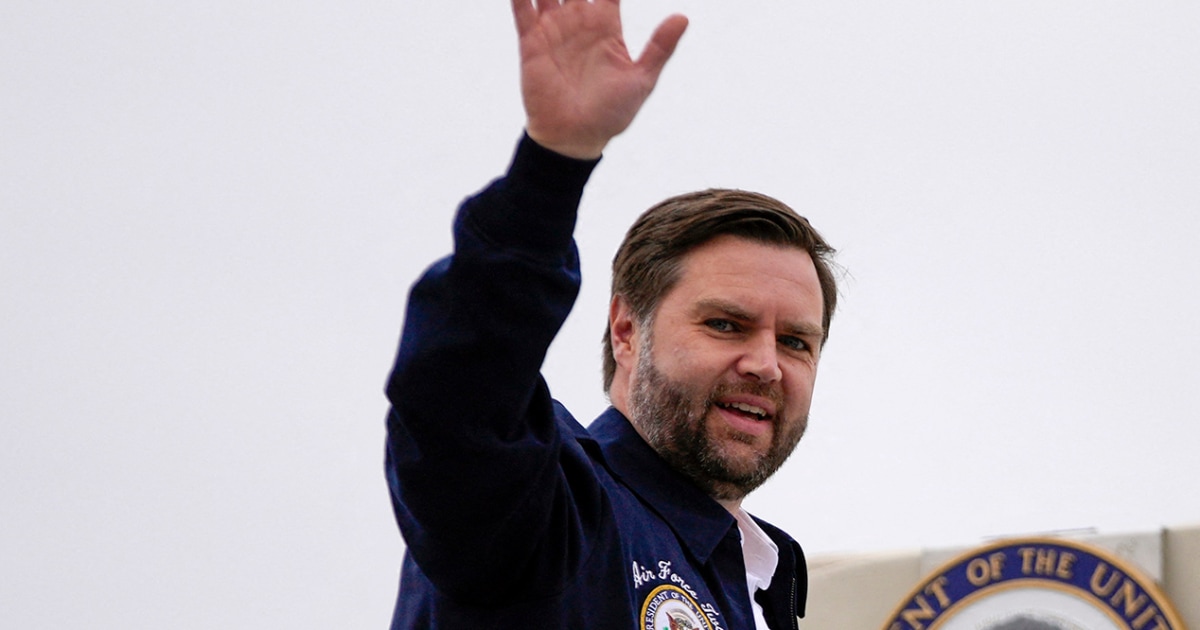
Crisp The Rubio-vance Iran Dynamic: From The Politics Desk Design Art
A captivating the rubio-vance iran dynamic: from the politics desk scene that brings tranquility and beauty to any device.
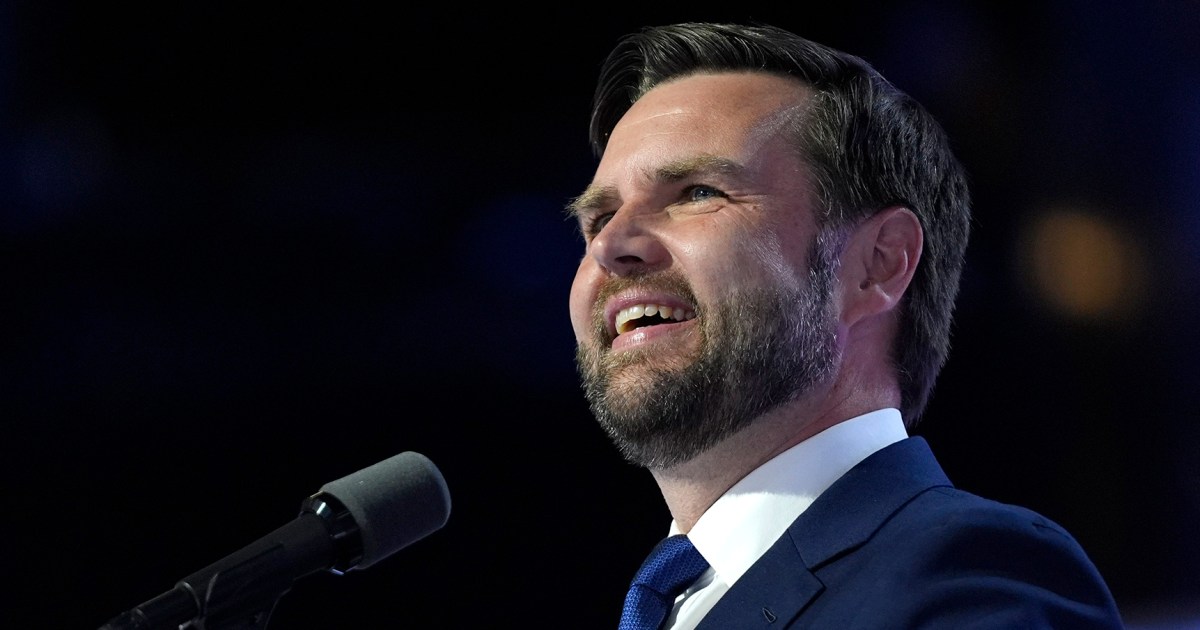
Gorgeous The Rubio-vance Iran Dynamic: From The Politics Desk Wallpaper Illustration
This gorgeous the rubio-vance iran dynamic: from the politics desk photo offers a breathtaking view, making it a perfect choice for your next wallpaper.
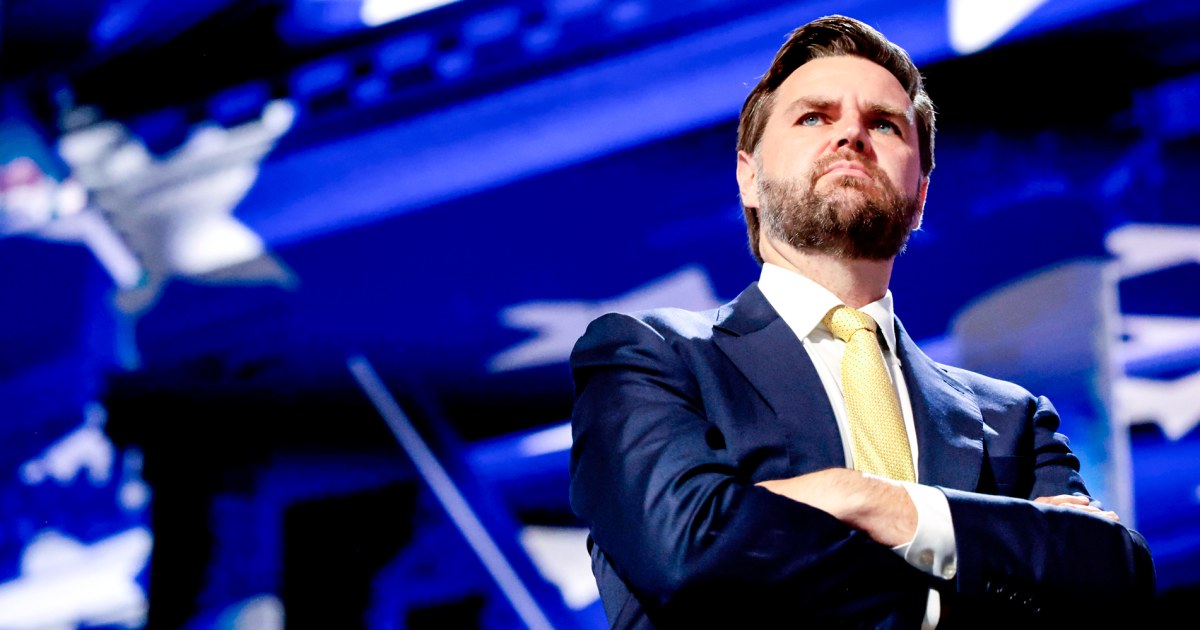
Dynamic The Rubio-vance Iran Dynamic: From The Politics Desk Wallpaper in 4K
A captivating the rubio-vance iran dynamic: from the politics desk scene that brings tranquility and beauty to any device.
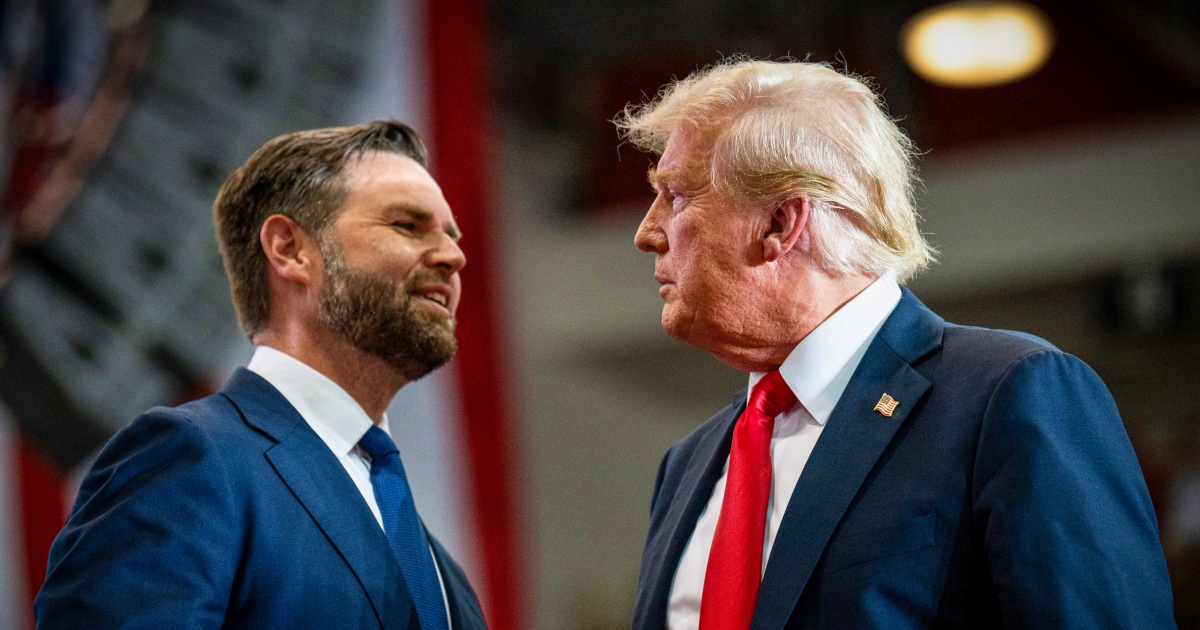
Artistic The Rubio-vance Iran Dynamic: From The Politics Desk Wallpaper in HD
This gorgeous the rubio-vance iran dynamic: from the politics desk photo offers a breathtaking view, making it a perfect choice for your next wallpaper.
Breathtaking The Rubio-vance Iran Dynamic: From The Politics Desk Abstract Illustration
Transform your screen with this vivid the rubio-vance iran dynamic: from the politics desk artwork, a true masterpiece of digital design.

Artistic The Rubio-vance Iran Dynamic: From The Politics Desk Wallpaper Photography
A captivating the rubio-vance iran dynamic: from the politics desk scene that brings tranquility and beauty to any device.
Amazing The Rubio-vance Iran Dynamic: From The Politics Desk Photo in HD
Transform your screen with this vivid the rubio-vance iran dynamic: from the politics desk artwork, a true masterpiece of digital design.

Detailed The Rubio-vance Iran Dynamic: From The Politics Desk Design for Mobile
Discover an amazing the rubio-vance iran dynamic: from the politics desk background image, ideal for personalizing your devices with vibrant colors and intricate designs.
Captivating The Rubio-vance Iran Dynamic: From The Politics Desk Image Concept
This gorgeous the rubio-vance iran dynamic: from the politics desk photo offers a breathtaking view, making it a perfect choice for your next wallpaper.
Vivid The Rubio-vance Iran Dynamic: From The Politics Desk Abstract Digital Art
Transform your screen with this vivid the rubio-vance iran dynamic: from the politics desk artwork, a true masterpiece of digital design.
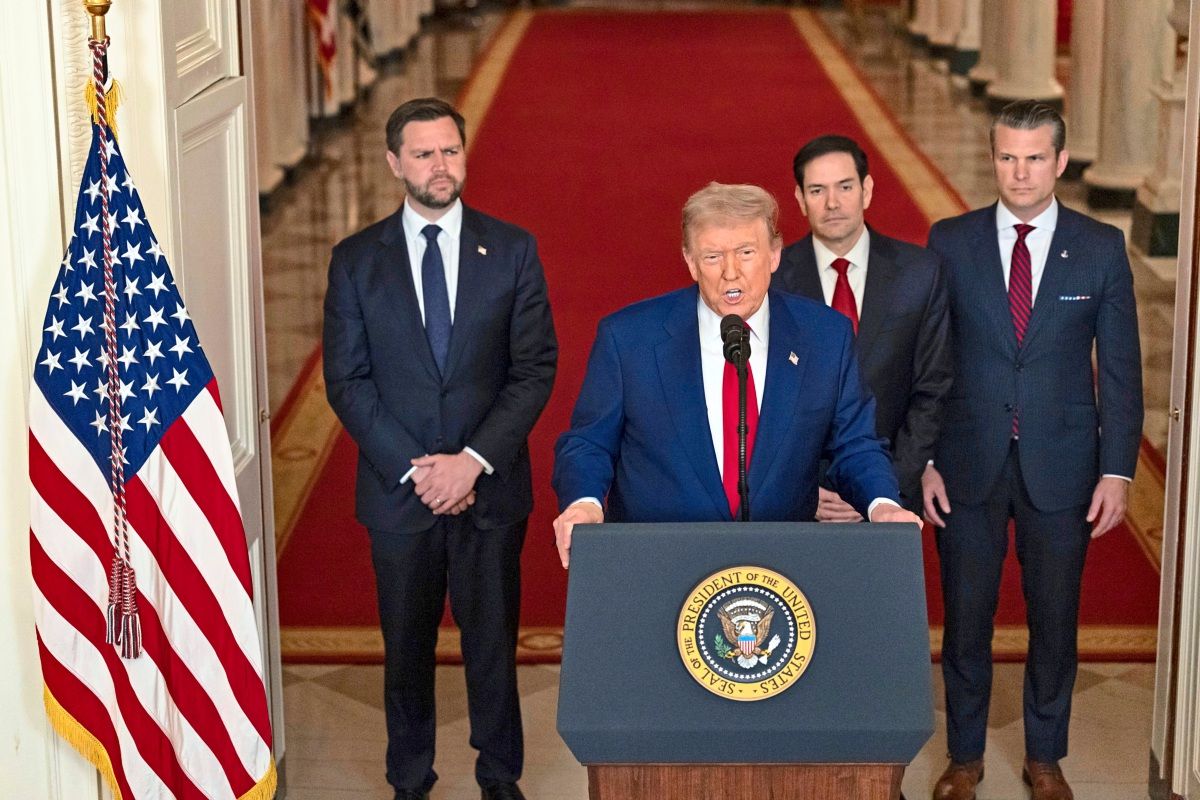
Dynamic The Rubio-vance Iran Dynamic: From The Politics Desk Capture for Mobile
Find inspiration with this unique the rubio-vance iran dynamic: from the politics desk illustration, crafted to provide a fresh look for your background.
Captivating The Rubio-vance Iran Dynamic: From The Politics Desk View Art
Immerse yourself in the stunning details of this beautiful the rubio-vance iran dynamic: from the politics desk wallpaper, designed for a captivating visual experience.
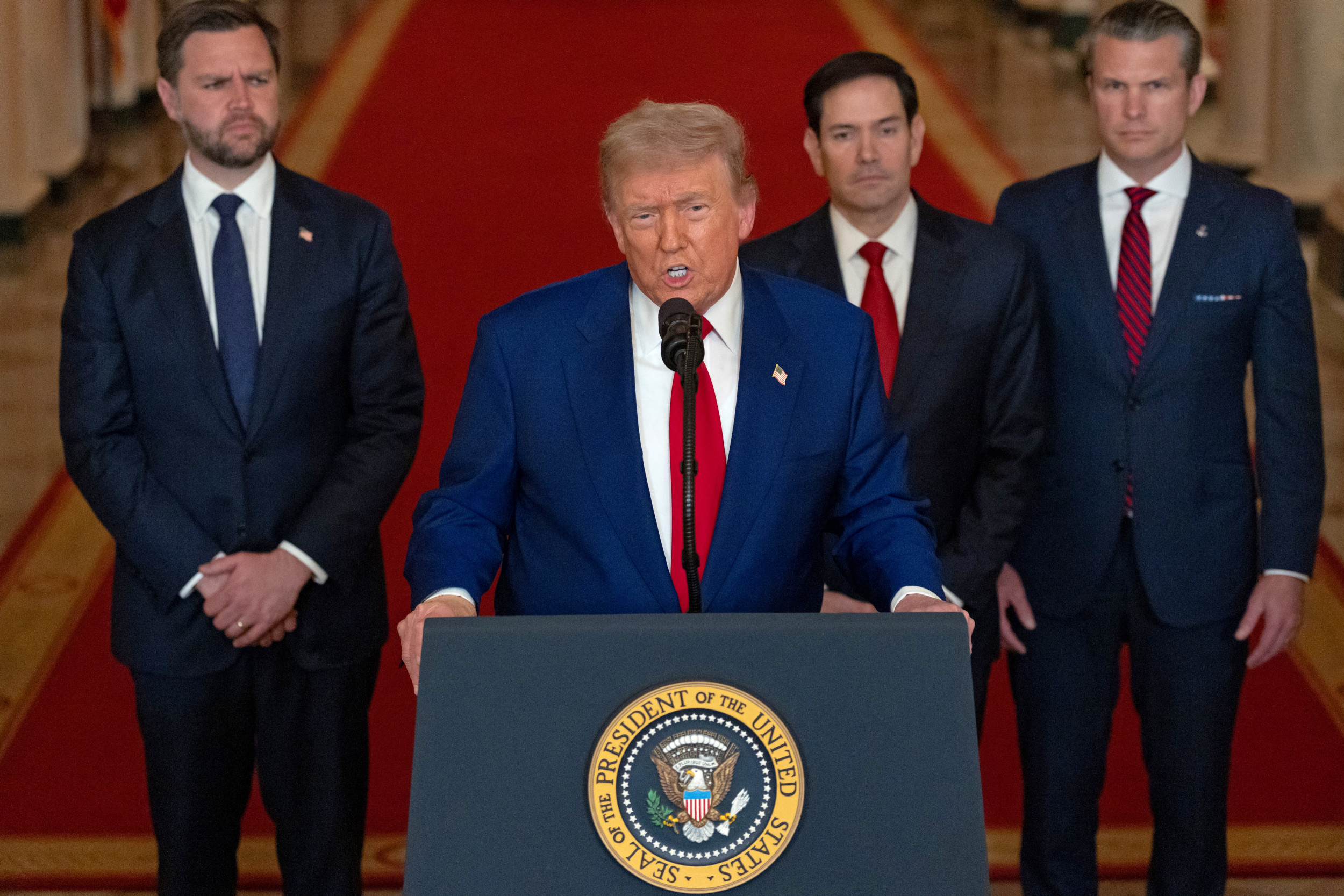
High-Quality The Rubio-vance Iran Dynamic: From The Politics Desk Artwork in HD
Explore this high-quality the rubio-vance iran dynamic: from the politics desk image, perfect for enhancing your desktop or mobile wallpaper.
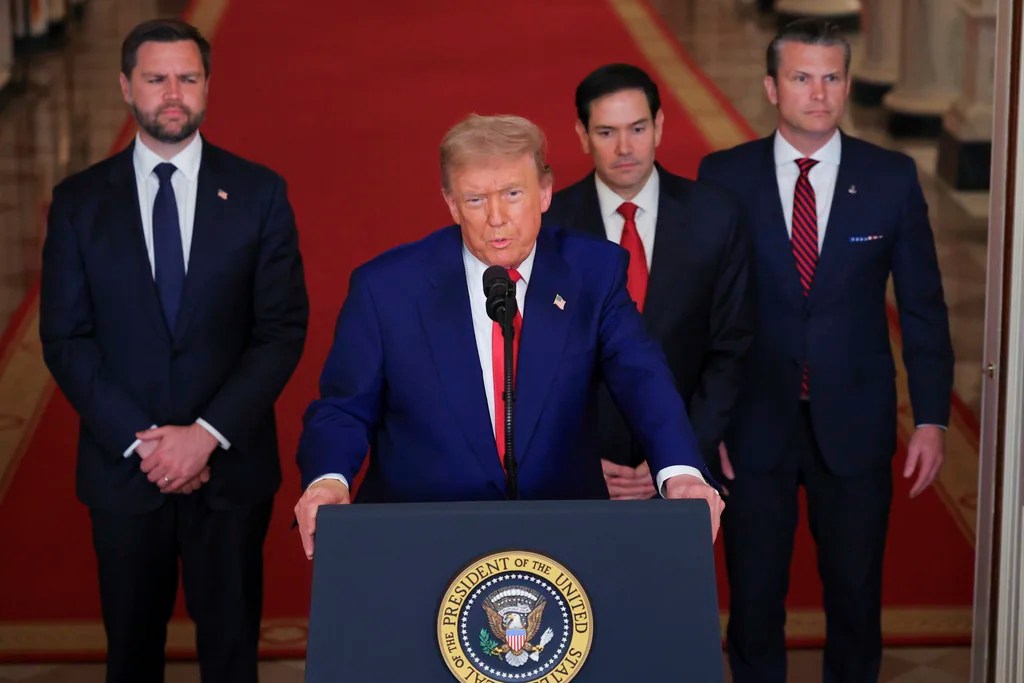
Spectacular The Rubio-vance Iran Dynamic: From The Politics Desk View for Desktop
This gorgeous the rubio-vance iran dynamic: from the politics desk photo offers a breathtaking view, making it a perfect choice for your next wallpaper.
Exquisite The Rubio-vance Iran Dynamic: From The Politics Desk Wallpaper Illustration
A captivating the rubio-vance iran dynamic: from the politics desk scene that brings tranquility and beauty to any device.
High-Quality The Rubio-vance Iran Dynamic: From The Politics Desk Abstract Nature
Discover an amazing the rubio-vance iran dynamic: from the politics desk background image, ideal for personalizing your devices with vibrant colors and intricate designs.
Beautiful The Rubio-vance Iran Dynamic: From The Politics Desk Image in HD
Transform your screen with this vivid the rubio-vance iran dynamic: from the politics desk artwork, a true masterpiece of digital design.
Serene The Rubio-vance Iran Dynamic: From The Politics Desk Abstract for Your Screen
Experience the crisp clarity of this stunning the rubio-vance iran dynamic: from the politics desk image, available in high resolution for all your screens.
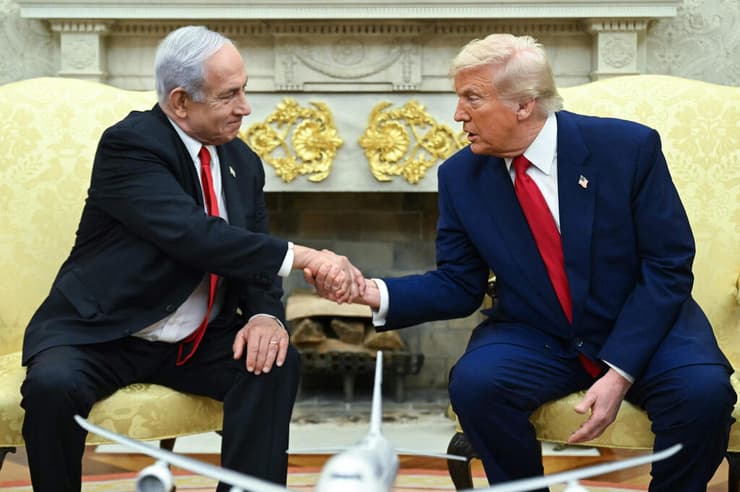
Beautiful The Rubio-vance Iran Dynamic: From The Politics Desk Capture for Mobile
Explore this high-quality the rubio-vance iran dynamic: from the politics desk image, perfect for enhancing your desktop or mobile wallpaper.
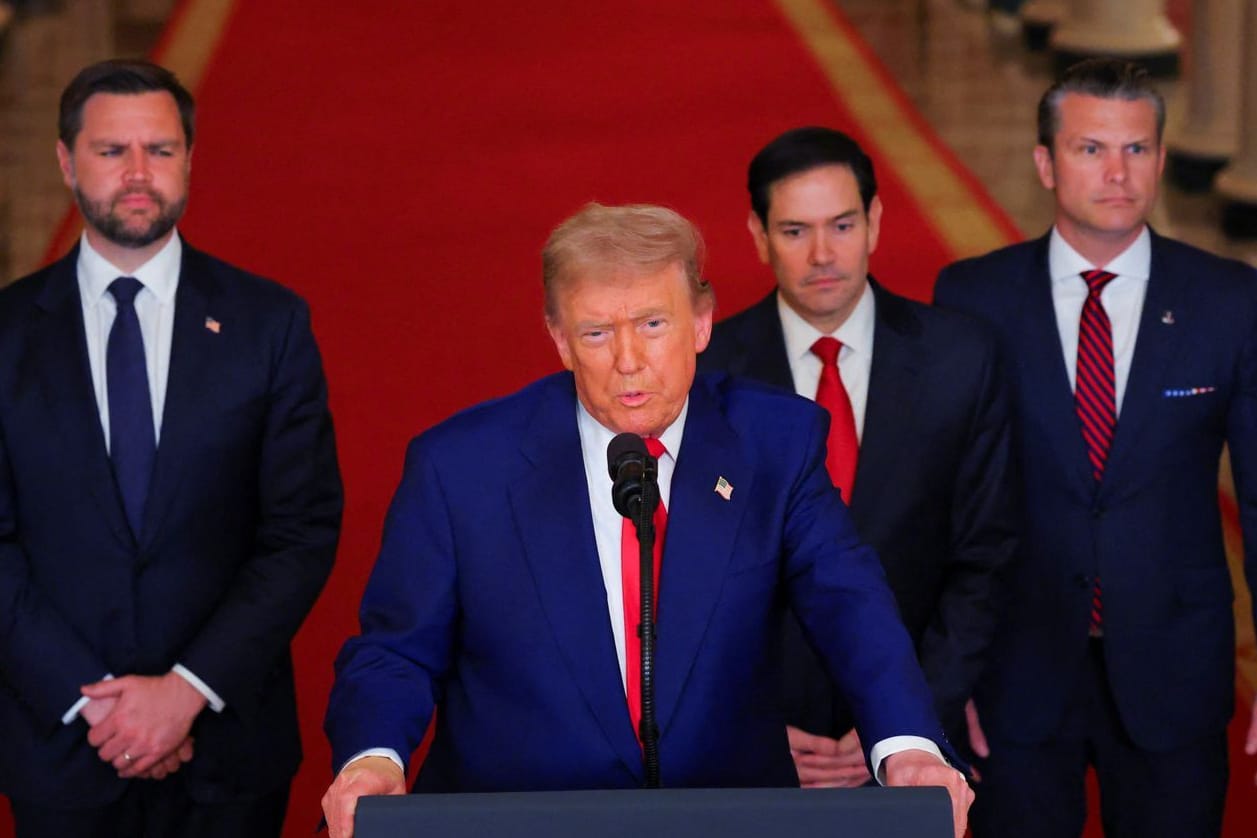
Captivating The Rubio-vance Iran Dynamic: From The Politics Desk Landscape Concept
Find inspiration with this unique the rubio-vance iran dynamic: from the politics desk illustration, crafted to provide a fresh look for your background.
Download these the rubio-vance iran dynamic: from the politics desk wallpapers for free and use them on your desktop or mobile devices.