A pro-Palestinian UMass lecturer was a finalist for a professorship. Then suddenly, he wasn’t.
A pro-Palestinian UMass lecturer was a finalist for a professorship. Then suddenly, he wasn’t.
The academic landscape at the University of Massachusetts Boston is currently embroiled in a significant controversy involving allegations of retaliation and discrimination against faculty members in the Africana Studies Department. At the center of this storm is Dr. Keith Jones, a dedicated lecturer of nine years who transitioned from being a top finalist for a tenure-track professorship to facing sudden termination. This abrupt shift has sparked widespread student protests, including sit-ins at the provost's office, as the campus community grapples with the implications of administrative decisions on academic freedom and the pursuit of anti-racist institutional policies. The case has become a focal point for debates regarding how universities handle internal advocacy and the protection of faculty who speak out on sensitive political and social issues.
Dr. Keith Jones, a prominent figure in UMass Boston’s Africana Studies Department, saw his career trajectory at the institution take a dramatic turn after being named a finalist for a tenure-track position. Despite his years of service and status as a finalist, the university cancelled the search and subsequently moved toward his termination, citing financial reasons and enrollment declines. However, Jones and his supporters allege that these actions are retaliatory, stemming from his advocacy for anti-racist curriculum changes and his support for colleagues facing disciplinary action. The situation highlights a growing tension between faculty activism and university administration, raising critical questions about the security of non-tenure track educators and the transparency of hiring processes in higher education.
The Rise and Fall of a Tenure-Track Finalist
Dr. Keith Jones had served the University of Massachusetts Boston for nearly a decade, building a reputation as a scholar deeply committed to the mission of the Africana Studies Department. In late 2020 and throughout 2021, the department sought to fill two tenure-track positions. Dr. Jones, along with his colleague Anthony Van Der Meer, emerged as finalists in this faculty search. For many in the department, this was seen as a natural progression for long-serving lecturers who had significantly contributed to the university's academic environment.
However, the search process was marked by administrative interference. The College of Liberal Arts originally cancelled the search in late 2020, only to reopen it in October 2021 without consulting the department leadership. By March 2022, after Jones and Van Der Meer were officially identified as finalists, the search was cancelled once again. This repeated cancellation of searches where internal candidates of color were top contenders raised immediate red flags among the faculty, suggesting that the administration was unwilling to commit to the long-term advancement of these specific scholars.
The situation worsened in June 2022 when Dr. Jones was demoted by the administration. This demotion served as a precursor to his eventual termination notice. The rapid descent from being a finalist for a permanent, secure faculty position to being ushered out of the university has left many questioning the true motives of the UMass Boston leadership. While the university points to spreadsheets and enrollment figures, the timing of these decisions suggests a much more complex and perhaps more personal narrative of administrative friction.
Retaliation Allegations and the 2020 Uprising
To understand the friction between Dr. Jones and the administration, one must look back to the summer of 2020. Following the global Black Lives Matter protests, the Africana Studies Department at UMass Boston actively engaged the university leadership about transforming the school into an "anti-racist, health-promoting research institution." Dr. Jones was a vocal proponent of these changes, which included making "Intro to Black Studies" a mandatory course for all students to foster a more inclusive and historically aware campus culture.
Initially, the university appeared receptive to these ideas. However, Dr. Jones and his colleagues report that this support was short-lived. As the department began to hold the administration accountable for the vision they had collectively discussed, the relationship soured. According to Jones, the university's stance shifted from cooperation to retaliation. This perceived retaliation didn't just affect Jones; it extended to other members of the department who were vocal about administrative transparency and racial justice.
Dr. Jones filed his first complaint with the Massachusetts Commission Against Discrimination (MCAD) in March 2024, alleging that the university was retaliating against him for speaking out against the unfair discipline of his colleagues. He followed this with a second MCAD complaint and multiple filings with the Department of Labor Relations (DLR) in late 2025. These filings detail a "pattern of mistreatment and abuse" that Jones claims was designed to silence faculty members who challenged the status quo and pushed for substantive institutional reform.
Student Activism and the Fight for Reinstatement
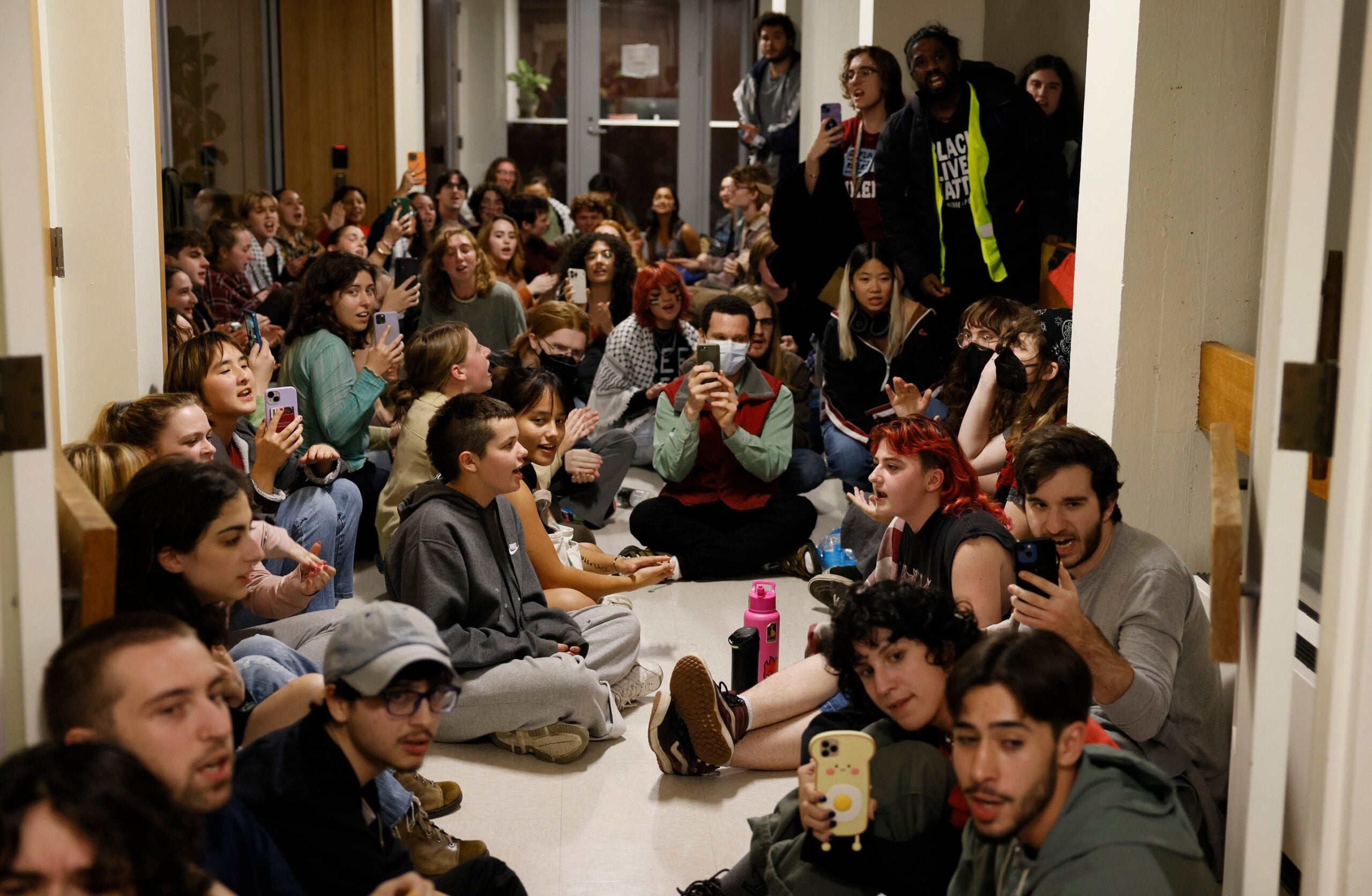
The announcement of Dr. Jones's termination did not go unnoticed by the student body. Recognizing the impact he had in the classroom, students organized a series of protests and sit-ins to demand his reinstatement. In April 2026, students took over the provost's office, staying for hours to ensure their voices were heard. For many students, Dr. Jones represents more than just a lecturer; he is a mentor and a symbol of the university's purported commitment to diversity and social justice.
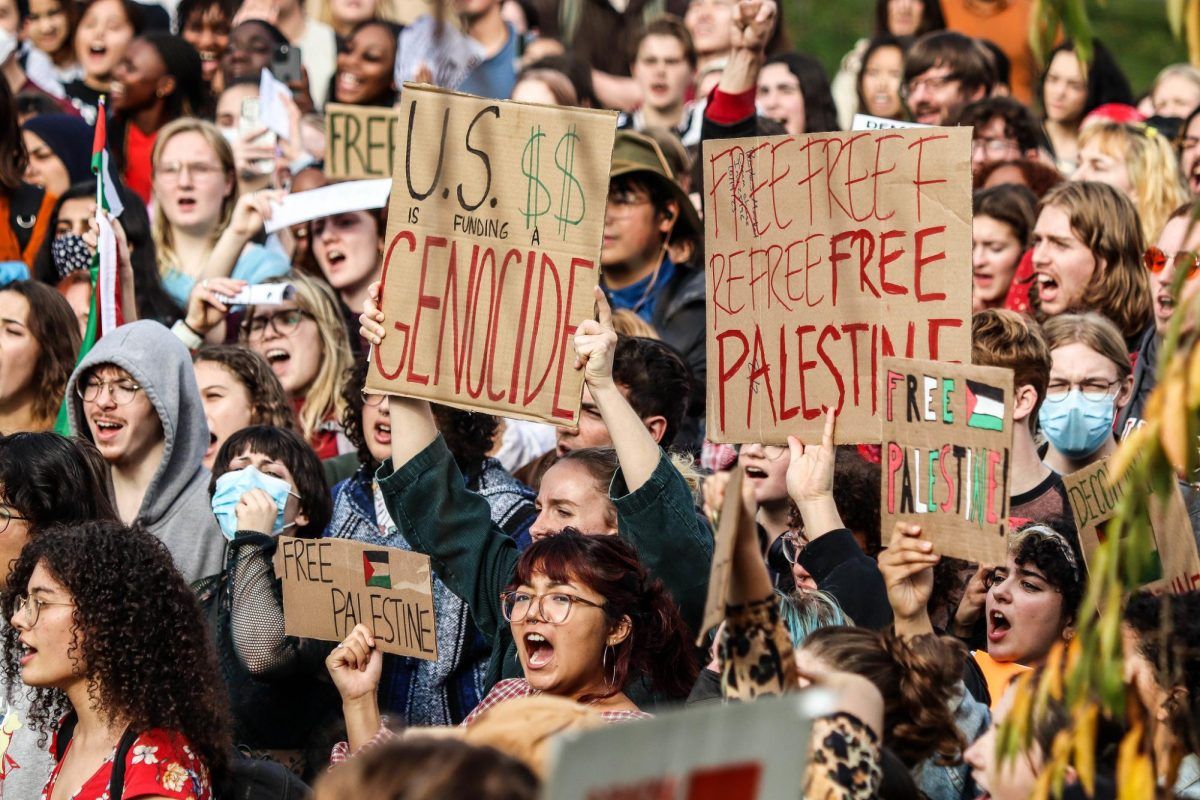
A petition circulated by student leaders garnered nearly 1,800 signatures in a short period. The petition argues that the termination of Dr. Jones is "unjust" and a direct result of his efforts to hold the administration accountable to its urban mission. Students have expressed enragement at the university's decision, viewing it as a betrayal of the values the school claims to uphold. The "sacredness of the classroom," as Dr. Jones describes it, became a rallying cry for those who felt that the quality of their education was being compromised by administrative politics.
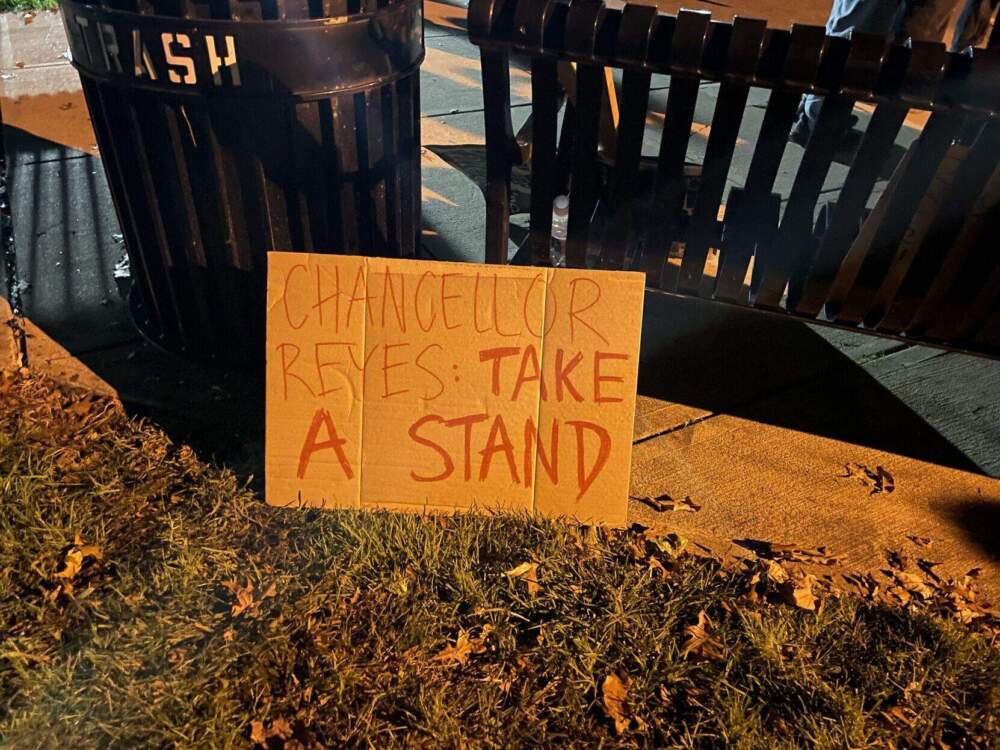
The sit-ins and protests highlight a significant gap between the administration's fiscal justifications and the students' educational priorities. While the university cites declining enrollment in certain majors, students argue that removing popular and effective educators like Dr. Jones only further discourages enrollment and weakens the academic community. The student-led initiative has successfully brought local media attention to the case, putting pressure on Provost Joseph Berger and Chancellor Marcelo Suárez-Orozco to reconsider the termination.
Financial Justifications vs. Administrative Spending
The primary defense offered by UMass Boston for the termination of Dr. Jones is financial necessity. The university has pointed to decreased enrollment in the Africana Studies major and minor as a reason for reducing non-tenure track faculty by 30%. In a landscape where public universities are often strapped for cash, these "fiscal management" arguments are common. However, the faculty union and supporters of Dr. Jones have pointed out what they see as glaring contradictions in this narrative.
During the same period the university claimed it lacked the funds to retain Dr. Jones, it reportedly spent $250,000 on outside consultants. Faculty members like Jemadari Kamara have called out these "contradictions," suggesting that the university's budget reflects its priorities rather than an absolute lack of resources. The decision to prioritize high-priced consultants over long-term faculty members who are vital to the department's mission has fueled the belief that "financial reasons" are merely a convenient cover for removing a "troublesome" advocate.
Furthermore, the cancellation of tenure-track searches after they had already reached the finalist stage is itself a costly and resource-intensive process. To go through the effort of a national search only to cancel it when internal candidates are poised to win suggests a lack of strategic planning or, more likely, a desire to avoid appointing specific individuals to permanent roles. The fiscal argument becomes harder to sustain when the administrative actions appear aimed at destabilizing a specific department's leadership and future growth.
| Key Event | Timeline/Status |
|---|---|
| Naming of Dr. Keith Jones as Tenure Finalist | October 2021 - March 2022 |
| Cancellation of Tenure-Track Search | March 2022 |
| Demotion of Dr. Keith Jones | June 2022 |
| First MCAD Retaliation Complaint Filed | March 2024 |
| Termination Notice Issued to Dr. Jones | Spring 2025 |
| Student Sit-in at Provost's Office | April 2026 |
Broader Context of Academic Freedom at UMass
The case of Dr. Keith Jones does not exist in a vacuum. It is part of a broader trend of administrative-faculty tension at UMass Boston. In recent years, other faculty members have faced similar challenges. For instance, professor Jeffrey Melnick was publicly criticized by the administration after he questioned the process used to hire Dean Tyson King-Meadows. The administration labeled Melnick's comments as "racially charged," a move that union leaders described as "weaponizing anti-racism" to silence legitimate faculty criticism of administrative procedures.
Similarly, other deans and department heads of color have reportedly been subjected to intense scrutiny and challenges from the central administration, leading to departures and cancelled searches. These incidents suggest a systemic issue where the administration uses its power to influence the composition and "orthodoxy" of the faculty. The concept of academic freedom—the right of faculty to speak as citizens and to challenge administrative decisions without fear of reprisal—is increasingly under threat in such an environment.
The tension at UMass Boston reflects a national debate about the role of the university. Is it a site of free and open inquiry where faculty are partners in governance, or is it a corporate-style institution where the administration holds absolute power and faculty are merely "at-will" employees? The shift toward a contingent workforce, where 68% of academic workers are now non-tenure track, has made faculty more vulnerable to the types of actions taken against Dr. Jones. Without the protections of tenure, lecturers find that their "academic freedom" is only as secure as their current contract.
The Impact on Africana Studies and Anti-Racist Initiatives
The Africana Studies Department at UMass Boston has a unique mission rooted in the "urban mission" of the university. It serves a diverse student body and focuses on issues of racial justice, community engagement, and historical truth. The removal of a core faculty member like Dr. Jones, who was instrumental in pushing for the university to adopt a more robust anti-racist framework, sends a chilling message to the entire department. It suggests that while the university may use the language of diversity and inclusion in its marketing, it is less comfortable with the actual structural changes required to achieve those goals.
Dr. Jones's advocacy for making "Intro to Black Studies" a mandatory course was more than just a curriculum suggestion; it was an attempt to shift the institutional culture. By removing the individuals who champion such initiatives, the administration effectively stalls the progress of anti-racist work on campus. This "de-fanging" of the Africana Studies Department is seen by many as a step backward for an institution that prides itself on being the most diverse campus in the UMass system.
The loss of Dr. Jones is also a loss for the students who relied on his expertise and mentorship. In a field like Africana Studies, the connection between the scholar and the community is vital. Dr. Jones's termination isn't just about one job; it's about the erosion of a department's ability to serve its students and its neighboring communities effectively. The "victory" Dr. Jones speaks of—the way students have organized to protect the classroom—shows that the spirit of the department remains strong, even as its faculty face administrative hurdles.
National Trends: Pro-Palestinian Advocacy and Faculty Risk
The headline describing Dr. Jones as a "pro-Palestinian lecturer" points to another layer of complexity that is increasingly common on American campuses. Across the country, faculty members who advocate for Palestinian rights or criticize Israeli state policy have found themselves targeted for discipline or dismissal. From Sang Hea Kil at San José State University to Maura Finkelstein at Muhlenberg College, tenured and non-tenured faculty alike are finding that certain types of "extramural" speech carry high professional risks.
While the UMass Boston administration has focused on financial and performance metrics, the political backdrop cannot be ignored. In a time of deepening political polarization, university administrations are under intense pressure from donors, lawmakers, and federal agencies to curb certain forms of activism. The Trump administration, for instance, has threatened to pull federal funding from universities that it perceives as allowing "pervasive antisemitism," a term that is often used by critics to encompass pro-Palestinian protest and advocacy.
For faculty like Dr. Jones, who engage in "scholar-activism," the line between their professional role and their personal political convictions is often blurred by those seeking to sanction them. The national climate of "surveilling the voices of faculty" means that any public statement or internal advocacy can be used as ammunition in a dismissal case. The case at UMass Boston is a microcosm of this national struggle over who gets to define the boundaries of acceptable speech in higher education.
The Legal Battle and Future Implications
As of April 2026, the battle over Dr. Keith Jones's employment continues. With multiple complaints filed with the MCAD and DLR, the university's decisions will likely be scrutinized in a legal setting. Dr. Jones has indicated that he and his colleagues are on the cusp of submitting a civil lawsuit, which would bring even more transparency to the administration's internal communications and decision-making processes. The outcome of these legal challenges will have significant implications for all faculty at UMass Boston, particularly those on non-tenure tracks.
If the university is found to have retaliated against Dr. Jones, it could force a major shift in how the administration handles faculty disagreements and hiring searches. It would also serve as a victory for the principle of academic freedom. Conversely, if the university's "financial reasons" are upheld, it will reinforce the power of the central administration to restructure departments and remove faculty with relatively little oversight.
For the students, the fight is about the future of their education. They are waiting for a final decision from the provost, hoping that the collective pressure of 1,800 signatures and physical sit-ins will be enough to save a beloved professor's job. Regardless of the immediate outcome, the case has already exposed deep-seated issues of trust and transparency at UMass Boston. The "victory" that Dr. Jones mentions—the awakening of student consciousness—may be the most lasting legacy of this controversy.
Frequently Asked Questions
Who is Dr. Keith Jones and why is he being terminated?
Dr. Keith Jones is a lecturer of nine years in the Africana Studies Department at UMass Boston. The university cites financial reasons and decreased enrollment for his termination, but Jones alleges it is retaliation for his union activity and advocacy for anti-racist policies.
Was Dr. Jones really a finalist for a professorship?
Yes, Dr. Jones was a finalist for a tenure-track position during a faculty search that took place between 2021 and 2022. However, the search was cancelled by the administration before an appointment was made.
What have students done to support Dr. Jones?
Students have organized sit-ins at the provost's office, staged protests, and collected nearly 1,800 signatures on a petition demanding that the university rescind his termination letter and reinstate him.
How does this case relate to pro-Palestinian advocacy?
While the university emphasizes fiscal reasons, supporters point to a national trend where faculty who engage in pro-Palestinian advocacy or scholar-activism are disproportionately targeted for administrative discipline and dismissal.
What is the status of the legal complaints filed by Dr. Jones?
Dr. Jones has filed multiple complaints with the Massachusetts Commission Against Discrimination (MCAD) and the Department of Labor Relations (DLR). He has also indicated that a civil lawsuit against the university is likely.
Conclusion
The controversy surrounding Dr. Keith Jones at UMass Boston serves as a stark reminder of the fragile nature of academic freedom for non-tenure track faculty. What began as a promising career advancement for a long-serving scholar has devolved into a bitter dispute involving allegations of administrative retaliation, financial mismanagement, and the suppression of anti-racist advocacy. The student-led movement to save Dr. Jones’s position underscores the vital role that educators play in the lives of their students and the health of the broader academic community. As the legal and administrative processes unfold, the eyes of the academic world remain on UMass Boston, watching to see whether the institution will uphold its commitment to its "urban mission" and the diverse voices that define it, or if it will continue down a path of administrative overreach and fiscal justification at the expense of its faculty and students.
A pro-Palestinian UMass lecturer was a finalist for a professorship. Then suddenly, he wasn’t.
A pro-Palestinian UMass lecturer was a finalist for a professorship. Then suddenly, he wasn’t. Wallpapers
Collection of a pro-palestinian umass lecturer was a finalist for a professorship. then suddenly, he wasn’t. wallpapers for your desktop and mobile devices.
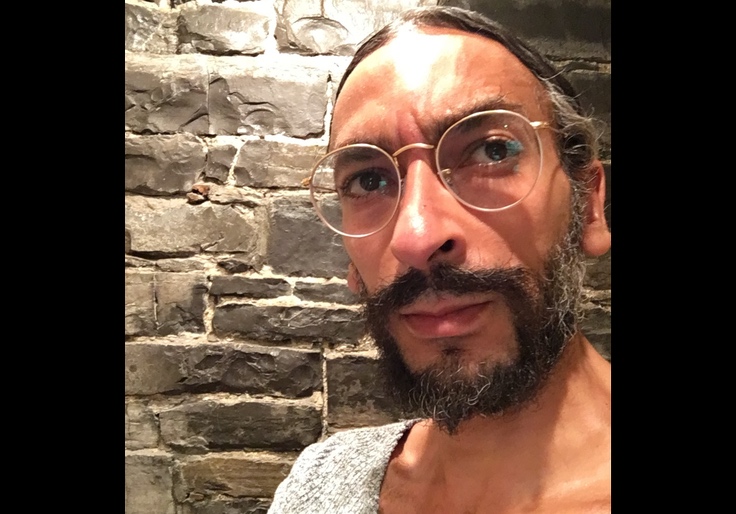
Beautiful A Pro-palestinian Umass Lecturer Was A Finalist For A Professorship. Then Suddenly, He Wasn’t. Background Illustration
Explore this high-quality a pro-palestinian umass lecturer was a finalist for a professorship. then suddenly, he wasn’t. image, perfect for enhancing your desktop or mobile wallpaper.

Serene A Pro-palestinian Umass Lecturer Was A Finalist For A Professorship. Then Suddenly, He Wasn’t. Design in HD
Discover an amazing a pro-palestinian umass lecturer was a finalist for a professorship. then suddenly, he wasn’t. background image, ideal for personalizing your devices with vibrant colors and intricate designs.

Artistic A Pro-palestinian Umass Lecturer Was A Finalist For A Professorship. Then Suddenly, He Wasn’t. Capture Digital Art
Find inspiration with this unique a pro-palestinian umass lecturer was a finalist for a professorship. then suddenly, he wasn’t. illustration, crafted to provide a fresh look for your background.
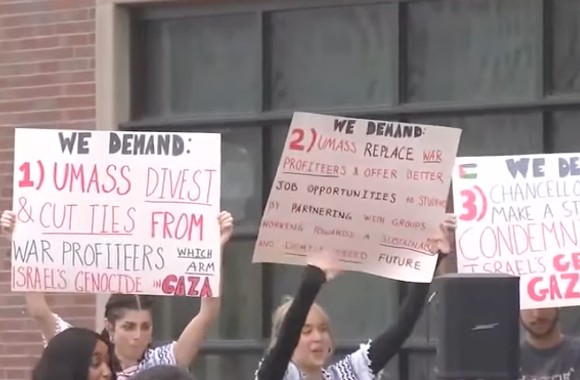
Artistic A Pro-palestinian Umass Lecturer Was A Finalist For A Professorship. Then Suddenly, He Wasn’t. Photo Illustration
Find inspiration with this unique a pro-palestinian umass lecturer was a finalist for a professorship. then suddenly, he wasn’t. illustration, crafted to provide a fresh look for your background.

Vivid A Pro-palestinian Umass Lecturer Was A Finalist For A Professorship. Then Suddenly, He Wasn’t. Landscape Photography
Explore this high-quality a pro-palestinian umass lecturer was a finalist for a professorship. then suddenly, he wasn’t. image, perfect for enhancing your desktop or mobile wallpaper.

Stunning A Pro-palestinian Umass Lecturer Was A Finalist For A Professorship. Then Suddenly, He Wasn’t. View in 4K
This gorgeous a pro-palestinian umass lecturer was a finalist for a professorship. then suddenly, he wasn’t. photo offers a breathtaking view, making it a perfect choice for your next wallpaper.
Detailed A Pro-palestinian Umass Lecturer Was A Finalist For A Professorship. Then Suddenly, He Wasn’t. Image Digital Art
Transform your screen with this vivid a pro-palestinian umass lecturer was a finalist for a professorship. then suddenly, he wasn’t. artwork, a true masterpiece of digital design.

Lush A Pro-palestinian Umass Lecturer Was A Finalist For A Professorship. Then Suddenly, He Wasn’t. Abstract Art
This gorgeous a pro-palestinian umass lecturer was a finalist for a professorship. then suddenly, he wasn’t. photo offers a breathtaking view, making it a perfect choice for your next wallpaper.

Lush A Pro-palestinian Umass Lecturer Was A Finalist For A Professorship. Then Suddenly, He Wasn’t. Image Concept
Find inspiration with this unique a pro-palestinian umass lecturer was a finalist for a professorship. then suddenly, he wasn’t. illustration, crafted to provide a fresh look for your background.
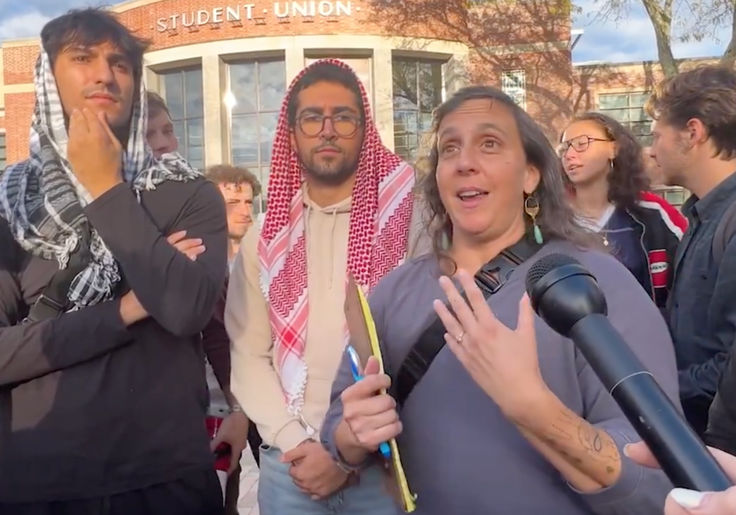
Serene A Pro-palestinian Umass Lecturer Was A Finalist For A Professorship. Then Suddenly, He Wasn’t. Picture Collection
Explore this high-quality a pro-palestinian umass lecturer was a finalist for a professorship. then suddenly, he wasn’t. image, perfect for enhancing your desktop or mobile wallpaper.
High-Quality A Pro-palestinian Umass Lecturer Was A Finalist For A Professorship. Then Suddenly, He Wasn’t. Abstract Concept
Experience the crisp clarity of this stunning a pro-palestinian umass lecturer was a finalist for a professorship. then suddenly, he wasn’t. image, available in high resolution for all your screens.

Captivating A Pro-palestinian Umass Lecturer Was A Finalist For A Professorship. Then Suddenly, He Wasn’t. Moment for Mobile
A captivating a pro-palestinian umass lecturer was a finalist for a professorship. then suddenly, he wasn’t. scene that brings tranquility and beauty to any device.

Serene A Pro-palestinian Umass Lecturer Was A Finalist For A Professorship. Then Suddenly, He Wasn’t. Photo for Desktop
Transform your screen with this vivid a pro-palestinian umass lecturer was a finalist for a professorship. then suddenly, he wasn’t. artwork, a true masterpiece of digital design.

Vivid A Pro-palestinian Umass Lecturer Was A Finalist For A Professorship. Then Suddenly, He Wasn’t. Moment Collection
Explore this high-quality a pro-palestinian umass lecturer was a finalist for a professorship. then suddenly, he wasn’t. image, perfect for enhancing your desktop or mobile wallpaper.
Vibrant A Pro-palestinian Umass Lecturer Was A Finalist For A Professorship. Then Suddenly, He Wasn’t. Picture Collection
Experience the crisp clarity of this stunning a pro-palestinian umass lecturer was a finalist for a professorship. then suddenly, he wasn’t. image, available in high resolution for all your screens.

Spectacular A Pro-palestinian Umass Lecturer Was A Finalist For A Professorship. Then Suddenly, He Wasn’t. Design in 4K
Find inspiration with this unique a pro-palestinian umass lecturer was a finalist for a professorship. then suddenly, he wasn’t. illustration, crafted to provide a fresh look for your background.
Beautiful A Pro-palestinian Umass Lecturer Was A Finalist For A Professorship. Then Suddenly, He Wasn’t. Picture in HD
Experience the crisp clarity of this stunning a pro-palestinian umass lecturer was a finalist for a professorship. then suddenly, he wasn’t. image, available in high resolution for all your screens.
Vibrant A Pro-palestinian Umass Lecturer Was A Finalist For A Professorship. Then Suddenly, He Wasn’t. Design for Desktop
Transform your screen with this vivid a pro-palestinian umass lecturer was a finalist for a professorship. then suddenly, he wasn’t. artwork, a true masterpiece of digital design.

Detailed A Pro-palestinian Umass Lecturer Was A Finalist For A Professorship. Then Suddenly, He Wasn’t. Image Nature
Explore this high-quality a pro-palestinian umass lecturer was a finalist for a professorship. then suddenly, he wasn’t. image, perfect for enhancing your desktop or mobile wallpaper.

Detailed A Pro-palestinian Umass Lecturer Was A Finalist For A Professorship. Then Suddenly, He Wasn’t. Wallpaper in HD
Discover an amazing a pro-palestinian umass lecturer was a finalist for a professorship. then suddenly, he wasn’t. background image, ideal for personalizing your devices with vibrant colors and intricate designs.
Download these a pro-palestinian umass lecturer was a finalist for a professorship. then suddenly, he wasn’t. wallpapers for free and use them on your desktop or mobile devices.