Amazon to add 3.5% fuel and logistics surcharge for sellers as Iran war drives up energy prices
Amazon to add 3.5% fuel and logistics surcharge for sellers as Iran war drives up energy prices
The global e-commerce landscape is facing a significant shift as Amazon announces a new 3.5% fuel and logistics surcharge for its third-party sellers. This decision comes as a direct consequence of the ongoing conflict in Iran, which has sent shockwaves through global energy markets and caused a sharp spike in fuel prices. As the cost of transporting goods climbs, the retail giant is moving to offset these expenses by passing a portion of the burden onto the merchants who utilize its vast fulfillment network. This move marks a pivotal moment for millions of independent businesses that rely on Amazon's infrastructure, signaling a period of increased operational costs and potential price adjustments for consumers worldwide.
Amazon is implementing a 3.5% fuel and logistics surcharge for third-party sellers using its Fulfillment by Amazon (FBA) services in the U.S. and Canada, effective April 17, 2026. This temporary fee, triggered by rising energy costs linked to the Iran war, averages approximately $0.17 per unit. The surcharge applies to fulfillment fees rather than the retail price of items, as Amazon joins other major carriers like UPS, FedEx, and the USPS in adjusting pricing to combat historic fuel price volatility and supply chain disruptions caused by the closure of the Strait of Hormuz.

The Impact of the Iran War on Global Energy and Logistics
The escalation of military conflict in the Middle East has had an immediate and profound impact on global trade. With the effective closure of the Strait of Hormuz, a critical maritime route responsible for the passage of roughly 20% of the world's oil and gas supply, energy markets have entered a state of extreme volatility. Brent crude prices have surged past $100 per barrel, leading to a rapid increase in diesel and gasoline prices at the pump. For logistics providers, fuel is not merely a line item but a primary daily expense. The sudden spike has forced carriers to reassess their pricing models to maintain thin operating margins in an environment where network predictability has collapsed.
Beyond the direct cost of fuel, the conflict has snarled global shipping lanes. Major shipping lines have suspended transits through the Suez Canal and the Strait of Hormuz, opting for much longer routes around the Cape of Good Hope. These diversions extend transit times by weeks and significantly reduce global shipping capacity, creating a "perfect storm" for supply chain managers. Air freight has not been spared either, with a nearly 18% contraction in global capacity as airspace closures force carriers to reroute or cancel flights. In this high-pressure environment, Amazon's decision to implement a surcharge reflects the broader reality that the era of low-cost, predictable global logistics has been temporarily upended.
Timeline and Scope of the New Amazon Surcharges
Amazon has outlined a specific rollout for the new fees to give sellers a brief window to adjust their strategies. For the majority of merchants enrolled in the Fulfillment by Amazon (FBA) program in the United States and Canada, the 3.5% surcharge will take effect on April 17, 2026. This includes standard FBA services as well as Remote Fulfillment options for shipping from the U.S. to Canada, Mexico, and Brazil. The fee is calculated based on existing fulfillment rates, which cover the picking, packing, and shipping of products, rather than the total sale price of the item. On average, this translates to an additional $0.17 per unit sold in the U.S. market.
The scope of the surcharge will expand further on May 2, 2026. At that time, the 3.5% levy will also begin applying to sellers using "Buy with Prime" in the U.S. and "Multi-Channel Fulfillment" services across North America. By targeting these various fulfillment channels, Amazon ensures that the cost recovery mechanism covers a wide spectrum of its logistics operations. While the company has characterized the fee as "temporary," it has notably refrained from providing a specific end date, stating that it will continue to evaluate the situation as geopolitical and economic conditions evolve.
Comparison with Other Major Logistics Carriers
Amazon is far from alone in its decision to raise prices. The entire logistics industry is moving in tandem to address the energy crisis. FedEx and United Parcel Service (UPS) have already been adjusting their fuel surcharge rates frequently in response to market shifts. Perhaps most notably, the United States Postal Service (USPS) announced an 8% temporary price hike on various package shipping services, including Priority Mail and Ground Advantage, scheduled to begin on April 26. This USPS surcharge is expected to remain in place until early 2027, highlighting the long-term concerns regarding inflation and energy stability.
Amazon's spokesperson, Ashley Vanicek, emphasized that the company’s 3.5% surcharge is "meaningfully lower" than the increases implemented by other major carriers. The company attributes this to its previous efforts to regionalize its fulfillment network and optimize order consolidation, which has reduced the total miles traveled per package. However, for sellers, the cumulative effect of rising fees across all potential shipping partners creates a challenging environment where profit margins are squeezed from multiple directions. The competitive landscape for logistics is now defined by who can most efficiently manage energy risk rather than who can offer the lowest baseline rate.
Financial Strain on Third-Party Merchants
For the millions of small and medium-sized businesses that make up over 60% of Amazon’s total sales, the new surcharge represents a significant financial hurdle. Many of these merchants are already operating on tight margins due to previous fee increases and the general inflationary pressures affecting raw materials and labor. While $0.17 per unit may seem small in isolation, for high-volume sellers, it can equate to thousands of dollars in additional monthly expenses. This comes at a time when consumer sentiment is already fragile due to rising gas prices and general economic uncertainty.
| Service Type | Effective Date |
|---|---|
| Fulfillment by Amazon (U.S. & Canada) | April 17, 2026 |
| Buy with Prime & Multi-Channel Fulfillment | May 2, 2026 |
Sellers are now faced with difficult choices: they can choose to absorb the costs and accept lower profits, or they can pass the price increase on to their customers. In a highly competitive marketplace, raising prices can lead to a drop in sales volume as consumers look for cheaper alternatives. Furthermore, industry experts have expressed skepticism about the "temporary" nature of the fee. Historical precedents suggest that once surcharges are introduced, they often become a permanent fixture of the pricing structure or are eventually rolled into the base rate, even if the initial trigger—in this case, the war in Iran—subsides.
Consumer Price Inflation and Market Sentiment
The ripples of Amazon's surcharge will likely be felt at the checkout counter. As merchants adjust their pricing strategies to account for higher fulfillment costs, the price of everyday consumer goods is expected to rise. This adds to the broader inflationary pressure caused by the war, as high fuel costs impact everything from grocery transport to manufacturing. The national average for gasoline in the U.S. has already topped $4 per gallon for the first time in years, a psychological and financial threshold that historically dampens discretionary spending. When families spend more at the pump, they have less to spend on the diverse array of products found on Amazon.
Market analysts are closely watching consumer behavior during this period. There is a growing concern that the "multiplier effect" of energy price increases will lead to a broader economic slowdown. If shipping becomes too expensive and consumer demand drops simultaneously, the e-commerce sector could face its most challenging period since the post-pandemic correction. Amazon’s strategic advantage has always been its ability to offer low prices and fast shipping; however, the current energy shock tests the limits of that model, forcing the company to balance its commitment to customers with the fiscal reality of historic operating costs.
Supply Chain Disruptions and Strategic Rerouting
The war in Iran has necessitated a massive reconfiguration of global supply chains. The closure of the Strait of Hormuz has forced a reliance on alternative, often more expensive, routes. Maritime operators are dealing with increased insurance premiums, which have risen as much as 1% of vessel value in high-risk zones. For companies that rely on components or finished goods from Asia, the "Cape of Good Hope" diversion adds roughly 10 to 14 days to transit times, throwing "just-in-time" inventory models into chaos. This delay causes a backlog at ports and creates a "traffic jam" effect that slows down global commerce even in regions far removed from the conflict zone.
Amazon's logistics network, while robust, is not immune to these macro-level disruptions. The company has spent years building a regionalized network in the U.S. to minimize cross-country shipping, which provides some protection. However, the underlying costs of long-haul trucking and last-mile delivery are still heavily dictated by diesel prices. As carriers struggle with capacity constraints and unpredictable schedules, the importance of flexible and well-structured supply chains has never been clearer. Businesses that can quickly pivot their procurement and distribution strategies will be the ones that survive this period of intense volatility.
Expert Outlook on the Future of E-commerce Logistics
Industry experts are divided on how long these surcharges will persist. Some, like Noah Wickham of My Amazon Guy, worry that the lack of an end date suggests the 3.5% fee could become a permanent baseline. They argue that logistics companies often use crises as an opportunity to reset pricing in a way that benefits their long-term profitability. Others point to the Federal Reserve's stance, with Chair Jerome Powell suggesting that the central bank may look past temporary energy shocks unless they begin to unanchor long-term inflation expectations. The true test will be the duration of the conflict in Iran; the longer the Strait of Hormuz remains a contested zone, the more likely these "temporary" measures are to become structural changes.
Looking ahead to the remainder of 2026, the logistics market is expected to remain in a "reactive" state. Pricing will likely continue to move quickly in response to external shocks, and carrier operating margins will remain under pressure. For Amazon, the challenge will be maintaining its marketplace dominance while managing the growing dissatisfaction of its seller base. The company must prove that it is still the best partner for independent merchants, even as it asks them to pay more for the services that are essential to their success. The outcome of this period will likely redefine the relationship between e-commerce platforms and the third-party sellers that power them.
Conclusion
The introduction of the 3.5% fuel and logistics surcharge by Amazon is a clear indicator of the immense pressure the Iran war has placed on the global economy. As energy prices soar and traditional shipping routes are compromised, the costs of doing business are being recalibrated in real-time. For Amazon sellers, this new fee is another obstacle in an already challenging landscape, requiring careful financial planning and potential price adjustments. For consumers, it serves as a reminder of how geopolitical instability in one part of the world can directly impact the price of a package delivered to their doorstep. While the surcharge is currently labeled as a temporary measure, its long-term impact on profit margins, consumer behavior, and the structure of global logistics will be felt for months, if not years, to come. As the situation in the Middle East continues to unfold, both businesses and shoppers must brace for a period of sustained economic adjustment.
Frequently Asked Questions
When does the Amazon 3.5% surcharge start?
The 3.5% fuel and logistics surcharge takes effect on April 17, 2026, for Fulfillment by Amazon (FBA) services in the U.S. and Canada. It will expand to Buy with Prime and Multi-Channel Fulfillment on May 2, 2026.
How is the surcharge calculated?
The surcharge is calculated based on the existing fulfillment fee for an item, not its total retail sale price. On average, this results in an additional cost of about $0.17 per unit for U.S. sellers.
Why did Amazon introduce this new fee?
The fee was introduced to recover a portion of the increased operating costs caused by rising fuel and logistics expenses linked to the war in Iran and the resulting energy market volatility.
Are other shipping companies raising their prices too?
Yes, major carriers like UPS and FedEx have increased their fuel surcharges, and the USPS has announced an 8% temporary surcharge on package services starting April 26, 2026.
Is the surcharge permanent?
Amazon has described the surcharge as "temporary" but has not provided a specific end date. The company stated it will monitor energy costs and geopolitical conditions to determine how long the fee remains in place.
Amazon to add 3.5% fuel and logistics surcharge for sellers as Iran war drives up energy prices
Amazon to add 3.5% fuel and logistics surcharge for sellers as Iran war drives up energy prices Wallpapers
Collection of amazon to add 3.5% fuel and logistics surcharge for sellers as iran war drives up energy prices wallpapers for your desktop and mobile devices.

Exquisite Amazon To Add 3.5% Fuel And Logistics Surcharge For Sellers As Iran War Drives Up Energy Prices Picture Nature
Immerse yourself in the stunning details of this beautiful amazon to add 3.5% fuel and logistics surcharge for sellers as iran war drives up energy prices wallpaper, designed for a captivating visual experience.

Amazing Amazon To Add 3.5% Fuel And Logistics Surcharge For Sellers As Iran War Drives Up Energy Prices Wallpaper Concept
Discover an amazing amazon to add 3.5% fuel and logistics surcharge for sellers as iran war drives up energy prices background image, ideal for personalizing your devices with vibrant colors and intricate designs.

Mesmerizing Amazon To Add 3.5% Fuel And Logistics Surcharge For Sellers As Iran War Drives Up Energy Prices Design Nature
Transform your screen with this vivid amazon to add 3.5% fuel and logistics surcharge for sellers as iran war drives up energy prices artwork, a true masterpiece of digital design.

Mesmerizing Amazon To Add 3.5% Fuel And Logistics Surcharge For Sellers As Iran War Drives Up Energy Prices Moment Illustration
Transform your screen with this vivid amazon to add 3.5% fuel and logistics surcharge for sellers as iran war drives up energy prices artwork, a true masterpiece of digital design.
Stunning Amazon To Add 3.5% Fuel And Logistics Surcharge For Sellers As Iran War Drives Up Energy Prices Background Digital Art
A captivating amazon to add 3.5% fuel and logistics surcharge for sellers as iran war drives up energy prices scene that brings tranquility and beauty to any device.

Artistic Amazon To Add 3.5% Fuel And Logistics Surcharge For Sellers As Iran War Drives Up Energy Prices Wallpaper for Your Screen
Immerse yourself in the stunning details of this beautiful amazon to add 3.5% fuel and logistics surcharge for sellers as iran war drives up energy prices wallpaper, designed for a captivating visual experience.

Serene Amazon To Add 3.5% Fuel And Logistics Surcharge For Sellers As Iran War Drives Up Energy Prices Background Art
Transform your screen with this vivid amazon to add 3.5% fuel and logistics surcharge for sellers as iran war drives up energy prices artwork, a true masterpiece of digital design.

Spectacular Amazon To Add 3.5% Fuel And Logistics Surcharge For Sellers As Iran War Drives Up Energy Prices Moment in 4K
Find inspiration with this unique amazon to add 3.5% fuel and logistics surcharge for sellers as iran war drives up energy prices illustration, crafted to provide a fresh look for your background.

Spectacular Amazon To Add 3.5% Fuel And Logistics Surcharge For Sellers As Iran War Drives Up Energy Prices Moment in 4K
This gorgeous amazon to add 3.5% fuel and logistics surcharge for sellers as iran war drives up energy prices photo offers a breathtaking view, making it a perfect choice for your next wallpaper.

Lush Amazon To Add 3.5% Fuel And Logistics Surcharge For Sellers As Iran War Drives Up Energy Prices Design for Desktop
Find inspiration with this unique amazon to add 3.5% fuel and logistics surcharge for sellers as iran war drives up energy prices illustration, crafted to provide a fresh look for your background.
Dynamic Amazon To Add 3.5% Fuel And Logistics Surcharge For Sellers As Iran War Drives Up Energy Prices Photo for Desktop
A captivating amazon to add 3.5% fuel and logistics surcharge for sellers as iran war drives up energy prices scene that brings tranquility and beauty to any device.
Vibrant Amazon To Add 3.5% Fuel And Logistics Surcharge For Sellers As Iran War Drives Up Energy Prices View for Mobile
Explore this high-quality amazon to add 3.5% fuel and logistics surcharge for sellers as iran war drives up energy prices image, perfect for enhancing your desktop or mobile wallpaper.

Exquisite Amazon To Add 3.5% Fuel And Logistics Surcharge For Sellers As Iran War Drives Up Energy Prices Artwork in HD
A captivating amazon to add 3.5% fuel and logistics surcharge for sellers as iran war drives up energy prices scene that brings tranquility and beauty to any device.

Vivid Amazon To Add 3.5% Fuel And Logistics Surcharge For Sellers As Iran War Drives Up Energy Prices Abstract Digital Art
Discover an amazing amazon to add 3.5% fuel and logistics surcharge for sellers as iran war drives up energy prices background image, ideal for personalizing your devices with vibrant colors and intricate designs.
Vibrant Amazon To Add 3.5% Fuel And Logistics Surcharge For Sellers As Iran War Drives Up Energy Prices Wallpaper in HD
Experience the crisp clarity of this stunning amazon to add 3.5% fuel and logistics surcharge for sellers as iran war drives up energy prices image, available in high resolution for all your screens.

Exquisite Amazon To Add 3.5% Fuel And Logistics Surcharge For Sellers As Iran War Drives Up Energy Prices Artwork for Your Screen
Find inspiration with this unique amazon to add 3.5% fuel and logistics surcharge for sellers as iran war drives up energy prices illustration, crafted to provide a fresh look for your background.

Captivating Amazon To Add 3.5% Fuel And Logistics Surcharge For Sellers As Iran War Drives Up Energy Prices Background Digital Art
A captivating amazon to add 3.5% fuel and logistics surcharge for sellers as iran war drives up energy prices scene that brings tranquility and beauty to any device.

Lush Amazon To Add 3.5% Fuel And Logistics Surcharge For Sellers As Iran War Drives Up Energy Prices Artwork Digital Art
Find inspiration with this unique amazon to add 3.5% fuel and logistics surcharge for sellers as iran war drives up energy prices illustration, crafted to provide a fresh look for your background.

Dynamic Amazon To Add 3.5% Fuel And Logistics Surcharge For Sellers As Iran War Drives Up Energy Prices Capture Concept
Find inspiration with this unique amazon to add 3.5% fuel and logistics surcharge for sellers as iran war drives up energy prices illustration, crafted to provide a fresh look for your background.
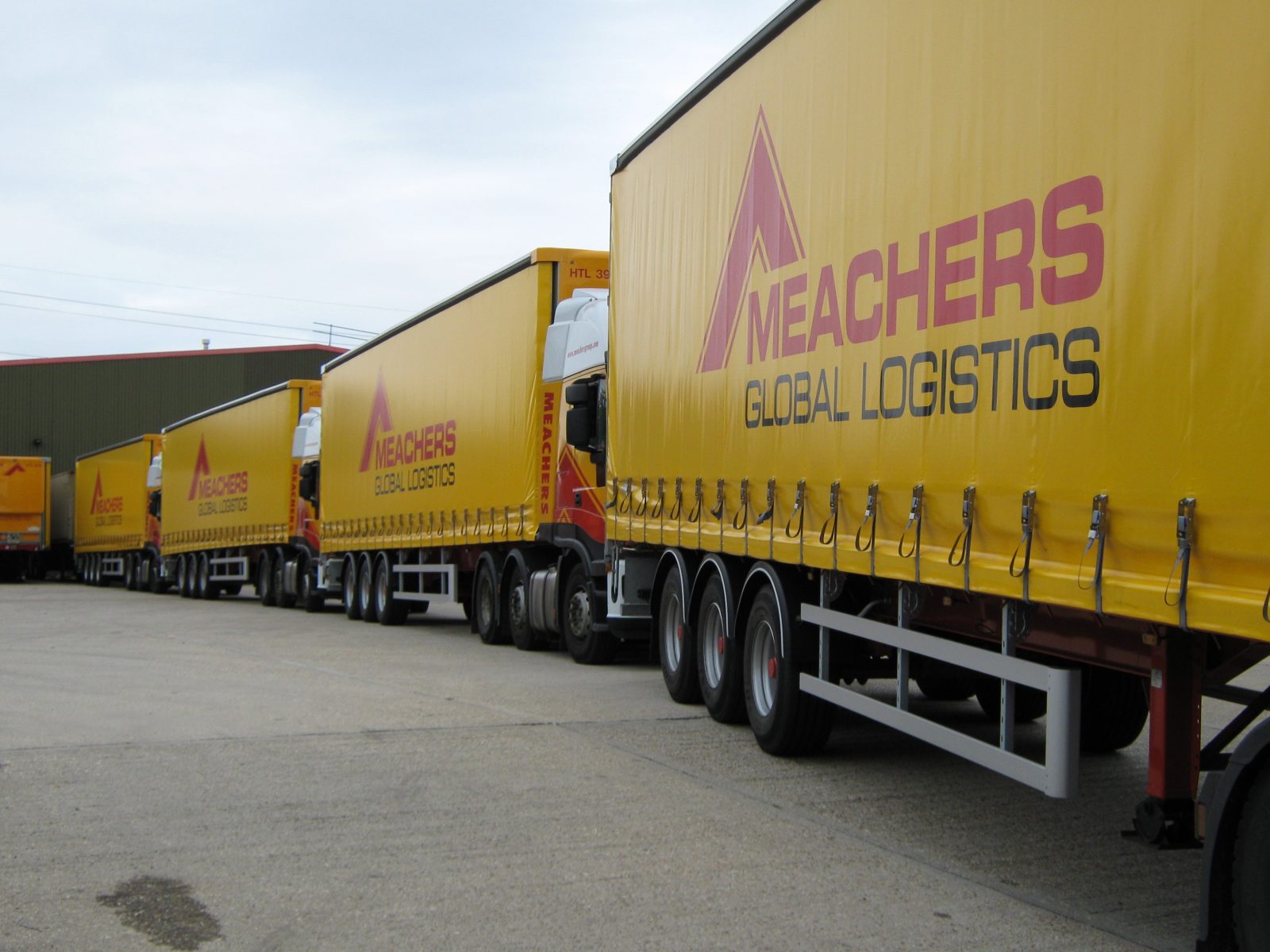
Mesmerizing Amazon To Add 3.5% Fuel And Logistics Surcharge For Sellers As Iran War Drives Up Energy Prices View Illustration
Transform your screen with this vivid amazon to add 3.5% fuel and logistics surcharge for sellers as iran war drives up energy prices artwork, a true masterpiece of digital design.
Download these amazon to add 3.5% fuel and logistics surcharge for sellers as iran war drives up energy prices wallpapers for free and use them on your desktop or mobile devices.