Behind Closed Doors
Behind Closed Doors
The phrase behind closed doors has long served as a powerful metaphor for the hidden mechanisms of power, the private lives of the influential, and the secretive negotiations that shape our global landscape. In an era where transparency is demanded yet often elusive, understanding what occurs away from the public eye is more critical than ever. From high-stakes political maneuvering and corporate strategy sessions to the personal struggles of individuals, the world behind closed doors remains a subject of intense fascination and scrutiny. As we navigate a complex information age, the tension between the right to privacy and the public's right to know continues to spark debate across all sectors of society.
Featured Snippet: What does Behind Closed Doors mean? In a general sense, the idiom behind closed doors refers to activities, discussions, or decisions that take place in private, away from the observation of the public or unauthorized individuals. It typically implies a level of secrecy or confidentiality, whether for the purpose of protecting sensitive information, maintaining strategic advantages, or ensuring personal privacy.
The Historical Evolution of Secrecy in Governance
Throughout history, the concept of governing behind closed doors has been the default rather than the exception. Ancient councils, royal courts, and revolutionary committees all relied on the sanctity of private chambers to deliberate without the pressure of public opinion or the risk of espionage. This tradition of "arcana imperii" or the secrets of state was considered essential for the stability and efficiency of government. In many cultures, the transparency we value today would have been seen as a weakness that invited chaos and interference from foreign or domestic rivals.
As democratic ideals began to take root, the push for open government gained momentum. The Enlightenment brought about the idea that the people have a right to know how they are being governed. However, even the most transparent democracies maintain certain zones of absolute privacy. Cabinet meetings, national security briefings, and judicial deliberations are almost universally conducted behind closed doors to allow for frank discussion and the protection of classified data. The challenge for modern society is determining where to draw the line between necessary confidentiality and the accountability required for a healthy democracy.
High-Stakes Diplomacy: The Power of Private Negotiation
International relations frequently rely on the discreet environment of the "back channel." While formal summits and public declarations capture the headlines, the real work of diplomacy often happens in quiet rooms far from the cameras. These behind-closed-doors sessions allow diplomats to explore compromises and "what-if" scenarios without committing their governments to a public position that might be politically damaging at home. Historical breakthroughs, such as the normalization of relations between the U.S. and China or the peace accords in the Middle East, were preceded by months of secret talks.
The effectiveness of private diplomacy lies in the ability to build trust between opposing parties. When negotiators are not performing for an audience, they are more likely to speak honestly about their constraints and priorities. This human-to-human connection can bypass the rigid rhetoric often found in public forums. However, the downside of this approach is the potential for public resentment. When citizens feel that major decisions affecting their lives are being made without their input, it can lead to a breakdown in trust between the governed and the governing, fueling conspiracy theories and political unrest.
Corporate Strategy and the Veil of Industrial Secrecy
In the competitive world of global business, the phrase behind closed doors is synonymous with innovation and strategic advantage. Research and development labs, boardrooms, and executive retreats are the settings for plans that can disrupt entire industries. Intellectual property is guarded with extreme care, and non-disclosure agreements are the standard tool for ensuring that what happens in the office stays in the office. For a corporation, a leak of information regarding a new product or a planned merger can result in billions of dollars in lost market value.
Beyond product development, the internal culture of a company is often hidden from the public. While "glass door" policies and corporate social responsibility reports aim to provide a glimpse into the corporate world, the true dynamics of power and decision-making remain largely invisible. Investigations into corporate misconduct often reveal that toxic environments and unethical practices flourished specifically because they were shielded by a culture of silence. This has led to increased demands from investors and regulators for greater transparency in corporate governance and environmental, social, and governance (ESG) reporting.
The Legal System and the Ethics of Private Deliberation
The judicial branch provides a unique perspective on the necessity of privacy. In many legal systems, the deliberations of a jury or a panel of judges are strictly protected. This is intended to ensure that the deciders of fact and law can express their opinions freely, change their minds, and debate the merits of a case without outside influence. If the public could watch a jury deliberate, the pressure to conform to popular sentiment might outweigh the commitment to the evidence presented in court.
However, there are ongoing debates about the use of closed-court proceedings. While protecting the identity of sensitive witnesses or minors is a widely accepted reason for secrecy, the use of "secret evidence" in national security cases or the sealing of settlements in product liability lawsuits is more controversial. Critics argue that when the legal system operates behind closed doors, it loses its power as a deterrent and prevents the public from learning about systemic dangers. The balance between individual privacy and the public interest remains one of the most difficult ethical hurdles in the law.
| Sector | Common "Behind Closed Doors" Activities |
|---|---|
| Government | National security briefings, Cabinet meetings, Intelligence gathering |
| Business | Merger and acquisition talks, Product R&D, Boardroom strategy |
| Legal | Jury deliberations, Settlement negotiations, Judges' conferences |
| Personal | Family discussions, Therapy sessions, Private financial planning |
Psychological Impacts of Secrets and Private Lives
On a personal level, we all live a portion of our lives behind closed doors. This privacy is essential for mental health, allowing us to retreat from social expectations and process our thoughts and emotions. However, when privacy crosses over into the realm of burdensome secrets, the psychological toll can be significant. Research shows that keeping secrets can lead to increased stress, anxiety, and even physical health problems. The cognitive load of constantly monitoring what one says to avoid revealing a secret can be exhausting.
In relationships, the dynamics that occur behind closed doors can be drastically different from the public persona a couple or family presents. This "front stage" versus "back stage" behavior, a concept popularized by sociologist Erving Goffman, highlights the performative nature of social life. While a certain amount of privacy is healthy for intimacy, extreme secrecy within a household can be a red flag for abuse or neglect. The difficulty for external observers—whether friends, family, or social services—is knowing when to respect the "closed door" and when to intervene for the sake of safety.
The Role of Whistleblowers in Piercing the Veil
Throughout the modern era, whistleblowers have played a pivotal role in revealing what happens behind closed doors when those actions are illegal or unethical. From the Pentagon Papers to the Snowden revelations and the Panama Papers, individuals who choose to break their silence often do so at great personal and professional risk. These acts of disclosure are often seen as a necessary corrective to the overreach of institutional secrecy. By bringing hidden information into the light, whistleblowers force public debates that would otherwise never happen.
The reaction to whistleblowing is often polarized. Some view these individuals as heroes of transparency and accountability, while others see them as traitors who endanger national security or corporate stability. This tension has led to the development of various whistleblower protection laws, though their effectiveness varies greatly by jurisdiction. The existence of whistleblowers serves as a constant reminder to those operating in secret that their actions may eventually be subject to the "sunlight" of public scrutiny, which is often called the best of disinfectants.
Technology and the Death of Absolute Privacy
The digital revolution has fundamentally altered what it means for something to be behind closed doors. With the ubiquity of smartphones, surveillance cameras, and data tracking, the ability to maintain absolute secrecy has diminished. Information that was once stored in physical filing cabinets is now on servers that can be hacked or subpoenaed. Social media has encouraged a culture of "oversharing," where the boundaries between the private and the public are increasingly blurred. In this environment, the "closed door" is often more of a digital firewall than a physical barrier.
This shift has profound implications for privacy. Governments and corporations now have unprecedented tools for monitoring individuals, often justifying it through the lens of security or personalized service. At the same time, the public has greater tools for documenting and sharing the actions of those in power. The proliferation of "leaks" in the modern political climate is a direct result of the ease with which digital information can be duplicated and distributed. We are entering an era where the concept of a truly secret meeting may become a relic of the past.
The Future of Transparency in a Globalized World
As we look toward the future, the demand for transparency is only likely to grow. Global challenges such as climate change, pandemics, and economic inequality require coordinated efforts that are difficult to sustain when key decisions are made behind closed doors. There is a rising global movement for "Open Data" and "Open Government" that seeks to make institutional processes transparent by default. This movement argues that transparency is not just an ethical requirement but a practical necessity for solving complex problems in a globalized society.
However, the need for some level of privacy will never disappear. Human beings require private spaces for creative thought, intimate connection, and strategic planning. The goal for future societies will be to create frameworks that protect essential privacy while ensuring that power is exercised with accountability. This may involve new legal standards for what constitutes a "legitimate" secret and better technological tools for auditing institutions without compromising sensitive data. The dialogue about what should and should not happen behind closed doors will remain a central theme of the 21st century.
Conclusion
Behind closed doors is a phrase that encapsulates the duality of the human experience—our need for private sanctuary and our suspicion of hidden power. Whether in the halls of government, the corridors of corporate power, or the quiet rooms of our own homes, the actions taken in private have a profound impact on the public world. As technology continues to erode traditional boundaries, the challenge remains to balance the necessity of confidentiality with the imperative of transparency. Ultimately, a society is defined not just by what it displays in the light, but by how it manages the shadows behind its closed doors.
Frequently Asked Questions
1. What is the origin of the phrase "behind closed doors"?
The exact origin of the idiom is difficult to pinpoint, but it is a literal description of conducting business in a room with a closed door to ensure privacy. It became common in political and legal contexts in the 18th and 19th centuries to describe meetings held away from public view.
2. Is it legal for the government to meet behind closed doors?
In many countries, it is legal for certain government bodies to meet in executive sessions for specific reasons, such as discussing national security, personnel matters, or pending litigation. However, "Sunshine Laws" in many jurisdictions require that most legislative and administrative meetings be open to the public.
3. Can "behind closed doors" have a positive meaning?
Yes. In the context of personal relationships, it can refer to the intimacy and special bond shared between people that is not intended for others. It can also refer to the hard work and preparation an athlete or artist does in private to achieve public success.
4. Why is transparency considered better than secrecy?
Transparency is often viewed as a deterrent to corruption, mismanagement, and unethical behavior. When people know their actions are being watched, they are more likely to act in the public interest. It also builds trust between institutions and the people they serve.
5. How has the internet changed things happening behind closed doors?
The internet has made it much harder to keep secrets due to the ease of leaking digital files, the prevalence of recording devices, and the speed at which information spreads globally. It has shifted the "closed door" from a physical space to a digital one, which is often more vulnerable.
Behind Closed Doors
Behind Closed Doors Wallpapers
Collection of behind closed doors wallpapers for your desktop and mobile devices.

Exquisite Behind Closed Doors Scene Digital Art
Find inspiration with this unique behind closed doors illustration, crafted to provide a fresh look for your background.

Exquisite Behind Closed Doors Image Nature
Find inspiration with this unique behind closed doors illustration, crafted to provide a fresh look for your background.

Lush Behind Closed Doors Landscape in 4K
Immerse yourself in the stunning details of this beautiful behind closed doors wallpaper, designed for a captivating visual experience.

Serene Behind Closed Doors Moment Illustration
Discover an amazing behind closed doors background image, ideal for personalizing your devices with vibrant colors and intricate designs.

Mesmerizing Behind Closed Doors Abstract Illustration
Explore this high-quality behind closed doors image, perfect for enhancing your desktop or mobile wallpaper.
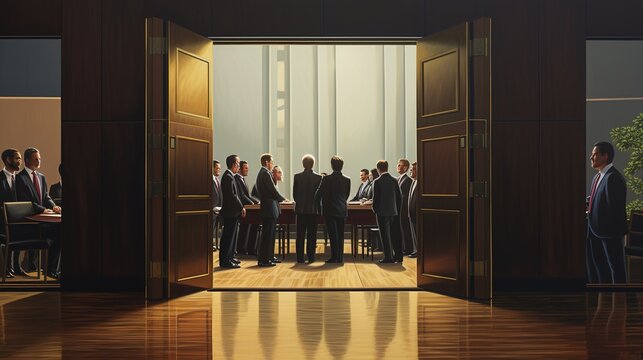
Spectacular Behind Closed Doors Picture Concept
This gorgeous behind closed doors photo offers a breathtaking view, making it a perfect choice for your next wallpaper.

Crisp Behind Closed Doors Design Concept
Find inspiration with this unique behind closed doors illustration, crafted to provide a fresh look for your background.

Vibrant Behind Closed Doors Wallpaper Art
Explore this high-quality behind closed doors image, perfect for enhancing your desktop or mobile wallpaper.

Stunning Behind Closed Doors Scene Illustration
Find inspiration with this unique behind closed doors illustration, crafted to provide a fresh look for your background.

Exquisite Behind Closed Doors Capture Illustration
Immerse yourself in the stunning details of this beautiful behind closed doors wallpaper, designed for a captivating visual experience.

Serene Behind Closed Doors Moment in 4K
Transform your screen with this vivid behind closed doors artwork, a true masterpiece of digital design.

Beautiful Behind Closed Doors Wallpaper Photography
Transform your screen with this vivid behind closed doors artwork, a true masterpiece of digital design.
Detailed Behind Closed Doors Capture Art
Transform your screen with this vivid behind closed doors artwork, a true masterpiece of digital design.
Beautiful Behind Closed Doors Design in HD
Experience the crisp clarity of this stunning behind closed doors image, available in high resolution for all your screens.
Captivating Behind Closed Doors Design Nature
Immerse yourself in the stunning details of this beautiful behind closed doors wallpaper, designed for a captivating visual experience.

Gorgeous Behind Closed Doors Abstract for Desktop
This gorgeous behind closed doors photo offers a breathtaking view, making it a perfect choice for your next wallpaper.

Exquisite Behind Closed Doors Picture for Your Screen
Immerse yourself in the stunning details of this beautiful behind closed doors wallpaper, designed for a captivating visual experience.
Vibrant Behind Closed Doors Moment in 4K
Discover an amazing behind closed doors background image, ideal for personalizing your devices with vibrant colors and intricate designs.
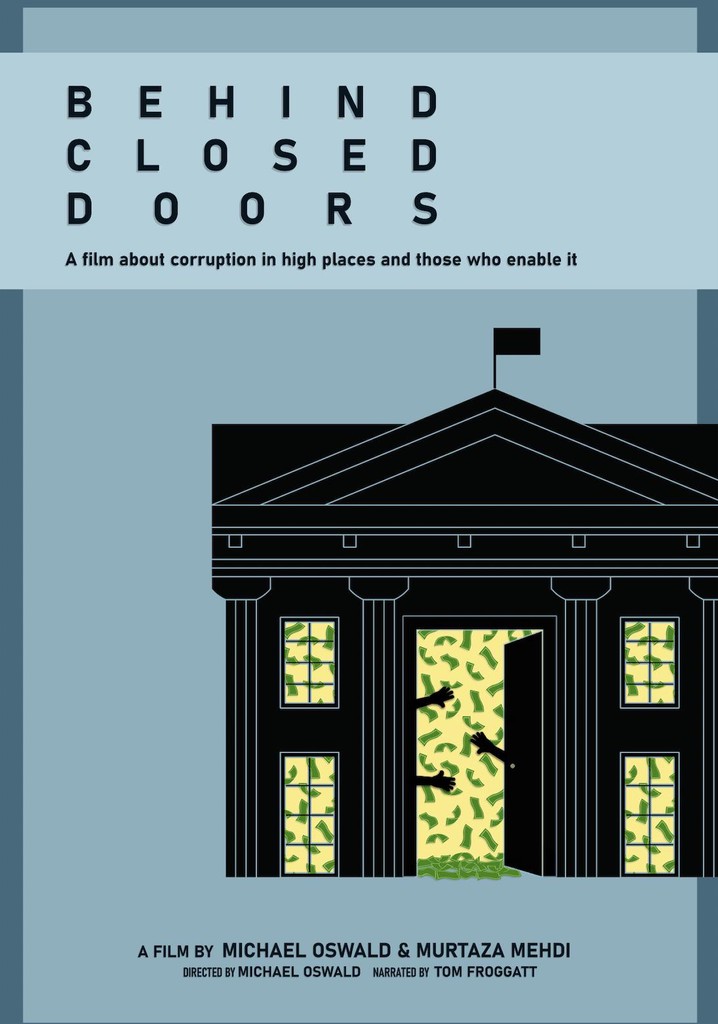
Stunning Behind Closed Doors Background Photography
This gorgeous behind closed doors photo offers a breathtaking view, making it a perfect choice for your next wallpaper.
Beautiful Behind Closed Doors Abstract Art
Transform your screen with this vivid behind closed doors artwork, a true masterpiece of digital design.
Download these behind closed doors wallpapers for free and use them on your desktop or mobile devices.