CDC delay of infant hepatitis B shot likely to raise infections, studies show
CDC delay of infant hepatitis B shot likely to raise infections, studies show
A recent and controversial shift in federal immunization policy has sent ripples through the medical community, as new modeling studies suggest that the decision to delay the hepatitis B vaccine for many newborns could have devastating long-term health consequences. For over three decades, the standard of care in the United States has been a universal birth dose, administered within the first 24 hours of life. However, recent guidance tied to the Centers for Disease Control and Prevention (CDC) now moves away from this "safety net" approach, favoring a shared decision-making model that allows parents of infants born to mothers who test negative for the virus to postpone the first shot until at least two months of age. Medical experts and public health advocates are now sounding the alarm, citing data that indicates this delay will inevitably lead to an increase in chronic infections, preventable deaths, and millions of dollars in added healthcare expenditures.
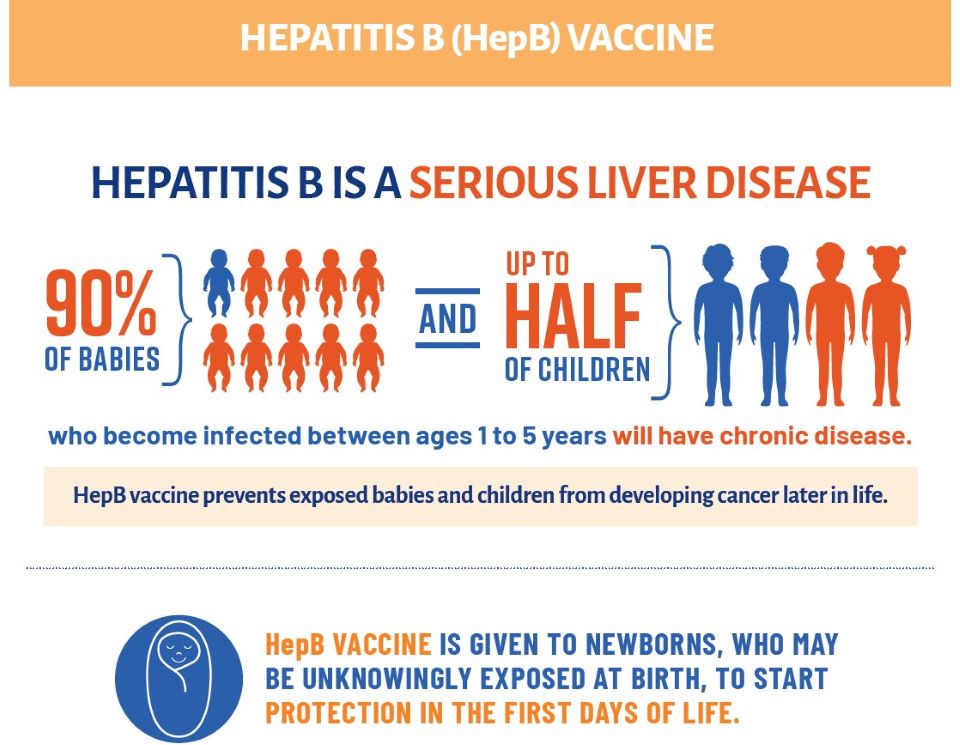
According to new research published in JAMA Pediatrics, the CDC delay of infant hepatitis B shot likely to raise infections, studies show that postponing the first vaccine dose for infants born to hepatitis B-negative mothers could lead to hundreds of additional infections annually. Because infants have a 90 percent chance of developing a lifelong chronic infection if exposed to the virus at birth, the universal 24-hour birth dose has been credited with a 99 percent decline in pediatric cases since 1991. The studies warn that even a two-month delay creates a window of vulnerability, potentially resulting in increased rates of liver cancer and cirrhosis, while adding at least $16 million in lifetime healthcare costs for a single year's birth cohort.
The Shift from Universal Birth Dose to Shared Decision-Making
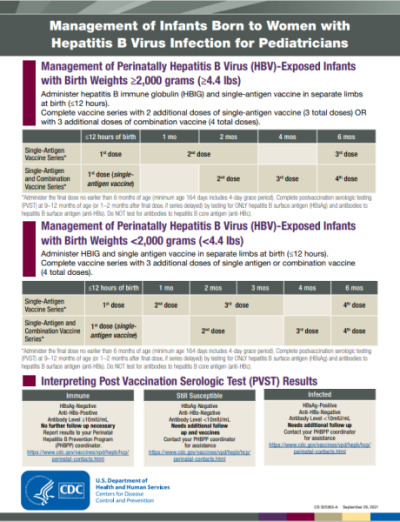
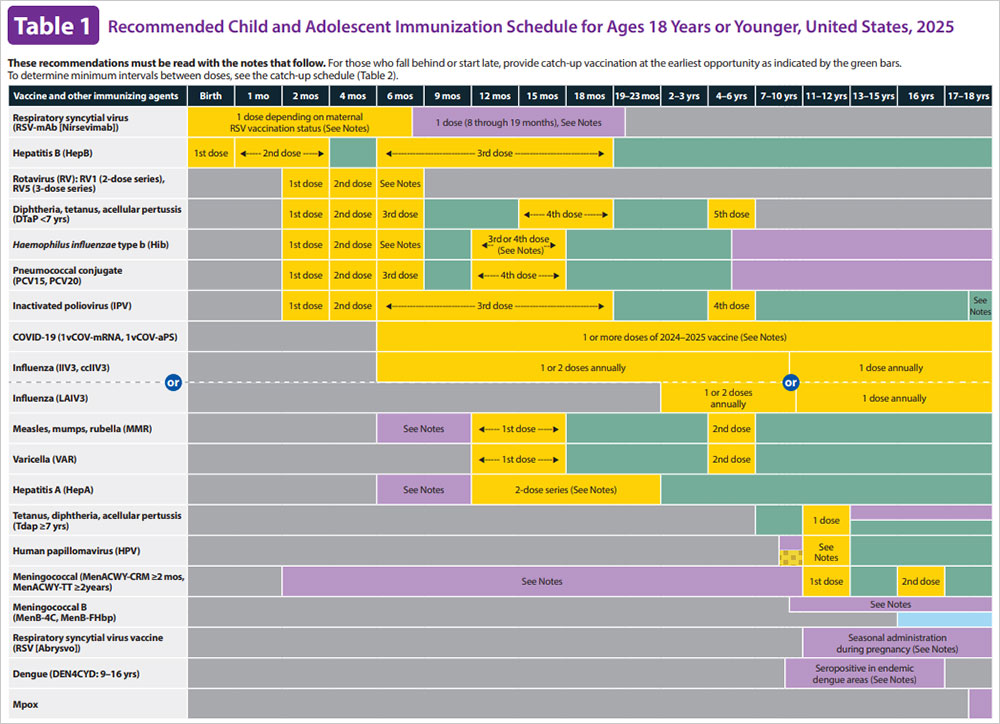
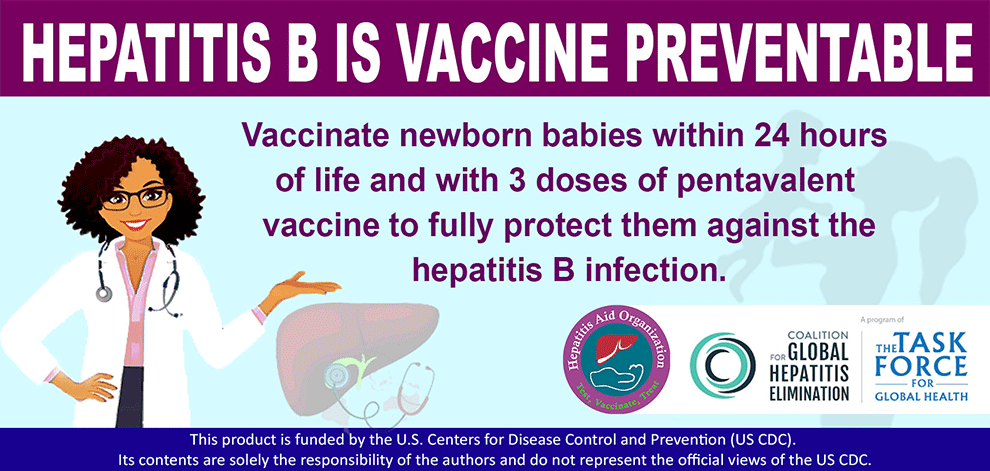
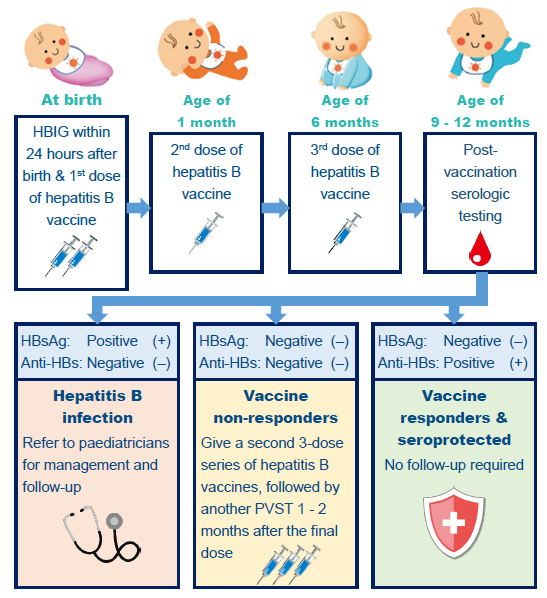
The policy change, which was officially adopted in December 2025, represents a significant departure from the public health strategies that have governed pediatric care for a generation. Previously, the CDC recommended that all medically stable infants receive the hepatitis B vaccine within 24 hours of birth, regardless of the mother's infection status. This universal approach was designed as a "safety net" to protect children in cases where maternal screening might be inaccurate or where the child might be exposed to the virus through other household members or caregivers.
Under the new "shared clinical decision-making" framework, clinicians and parents can now choose to defer the initial dose if the mother has a documented negative test for the hepatitis B surface antigen (HBsAg). While infants born to mothers who test positive or whose status is unknown are still required to receive the vaccine and immunoglobulin at birth, the majority of U.S. infants—about 80 percent of the 3.6 million annual births—now fall into the category where a delay is permitted. Proponents of the change argue it offers parents more choice and focuses resources on high-risk cases, but critics maintain that this flexibility undermines a highly effective and simple intervention.
Scientific Evidence: Why the First 24 Hours are Critical
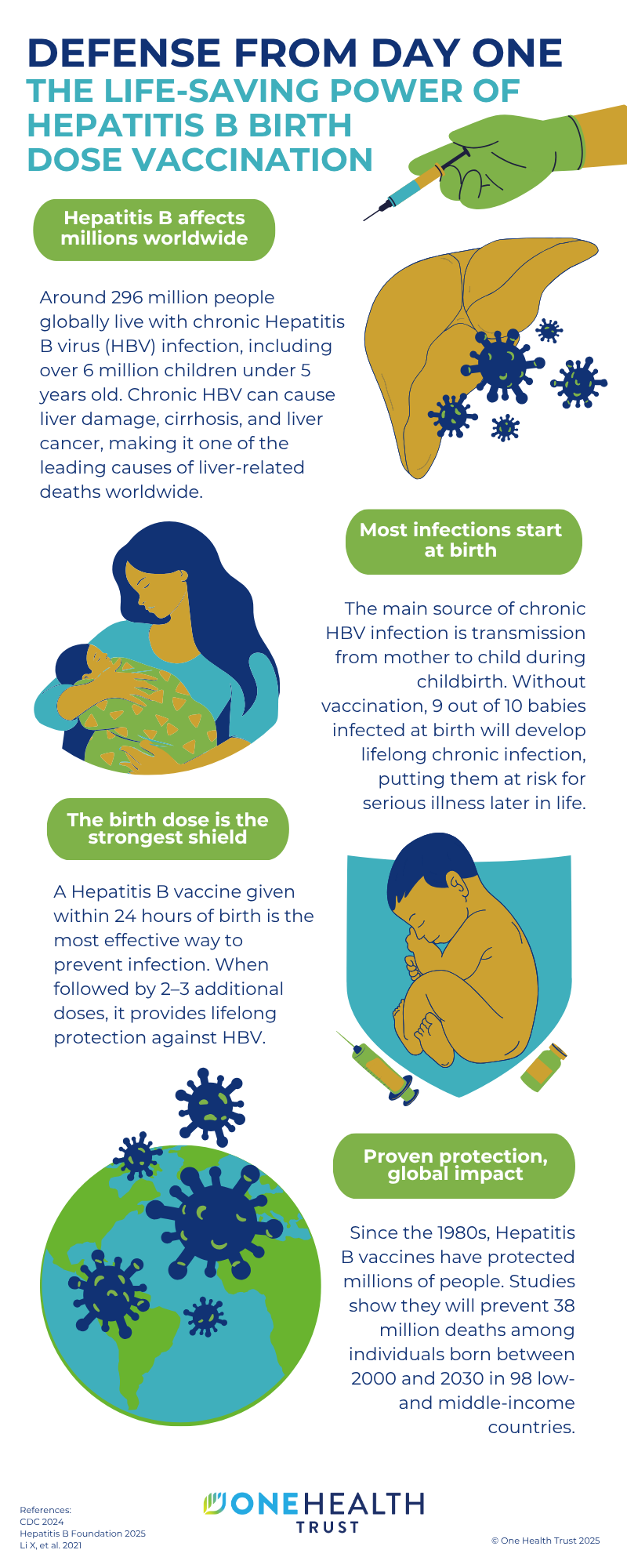
The medical imperative for the 24-hour birth dose is rooted in the biology of the hepatitis B virus (HBV). HBV is a highly infectious pathogen that attacks the liver and is transmitted through contact with infected blood or other body fluids. Unlike many other viruses, HBV is incredibly resilient, capable of surviving on dry surfaces for up to a week. For a newborn, exposure does not just come from the mother during delivery; it can occur through incidental contact with infected family members or even contaminated household items like nail clippers or towels.
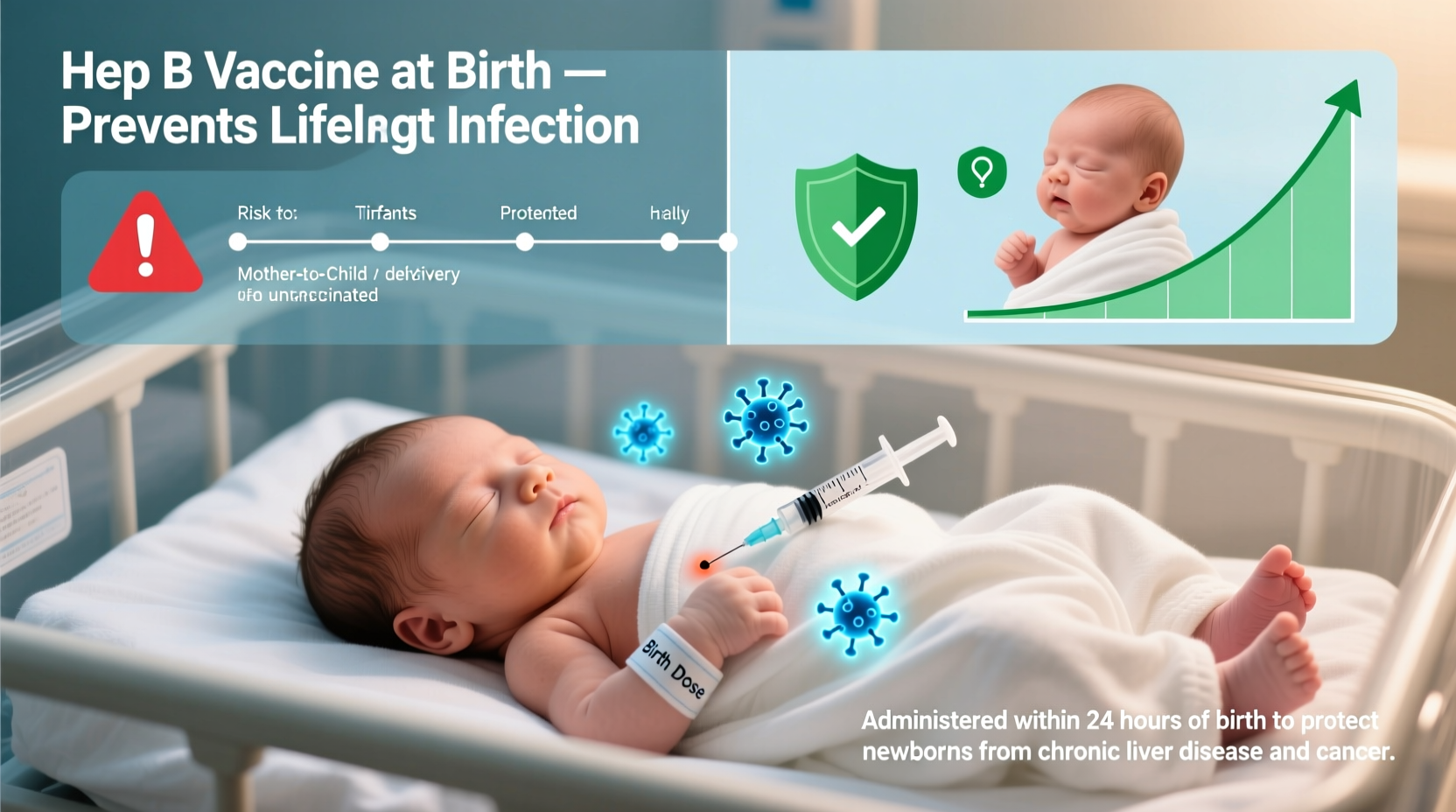
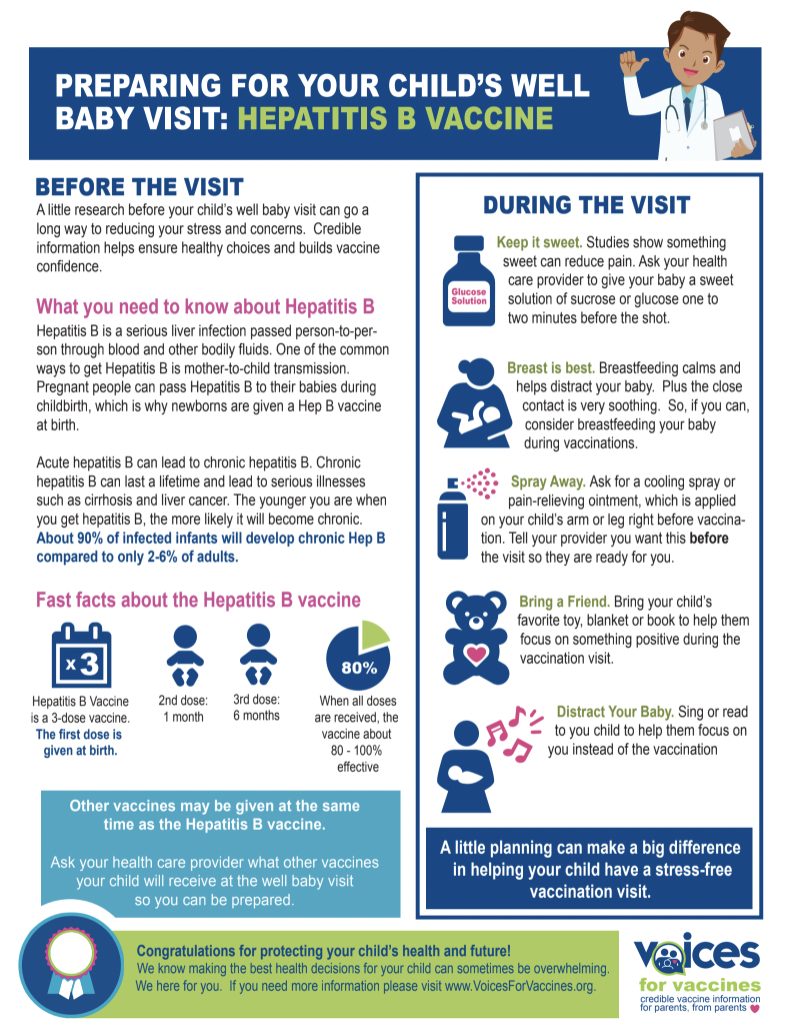
The risk of chronicity is the primary concern for pediatricians. While only about 5 percent of adults who contract hepatitis B develop a chronic, lifelong infection, that number jumps to 90 percent for infants. Chronic infection is the leading cause of primary liver cancer and cirrhosis later in life. By administering the vaccine immediately after birth, the immune system is primed to recognize and fight the virus before it can establish a foothold in the liver. Research has shown that the birth dose is nearly 75 to 95 percent effective at preventing transmission, even in high-risk scenarios.
Modeling the Impact: Surge in Infections and Fatalities
The new studies released on April 27, 2026, provide the first comprehensive look at the mathematical impact of the CDC’s policy shift. Researchers from institutions like Cornell University utilized probabilistic models to estimate the outcome of various vaccination schedules. The findings are stark: delaying the vaccine until age two months or later significantly increases the number of infants who will eventually develop chronic hepatitis B.
One study estimated that even if adherence to the subsequent doses remains high, the initial two-month gap in protection allows for "breakthrough" infections that would have otherwise been prevented. The risk is compounded by the fact that many parents who delay the first dose are statistically less likely to complete the full three-dose series on time. The researchers concluded that the universal birth dose policy was the most effective way to maintain the 99 percent reduction in pediatric infections achieved over the last 35 years. Without it, the progress toward eliminating hepatitis B in the United States could be reversed.
The Economic Burden of Deferred Vaccination
Beyond the human cost, the financial implications of the policy shift are substantial. Chronic hepatitis B requires lifelong medical management, including antiviral medications, regular monitoring for liver damage, and, in severe cases, liver transplants. The cost of treating a single patient with liver cancer or end-stage cirrhosis can reach hundreds of thousands of dollars.
The Cornell study found that the added healthcare costs associated with the policy change could range from $16 million to upwards of $370 million, depending on how many parents opt for the delay and how many children fail to complete the series. These costs are largely preventable through the administration of a vaccine that costs less than $30 per dose. Public health experts argue that the move to delay the vaccine is not only a medical risk but also a fiscal mistake that places a long-term burden on the U.S. healthcare system.
| Metric of Comparison | Universal Birth Dose Policy |
|---|---|
| Infection Reduction Rate | Approx. 99% reduction in pediatric cases |
| Risk of Chronic Infection | Lowest (protected within 24 hours) |
| Maternal Testing Errors | Protected by "Safety Net" dosing |
| Est. Lifetime Healthcare Costs | Baseline prevention costs |
| Adherence to 3-Dose Series | Higher (Series starts in hospital) |
Political and Administrative Influence on Public Health
The decision to overturn the long-standing birth dose recommendation has not occurred in a vacuum. It follows a period of intense scrutiny of federal vaccine policies by political appointees and health officials within the current administration. Health Secretary Robert F. Kennedy Jr. has been a vocal critic of many childhood vaccinations, and his influence on the Advisory Committee on Immunization Practices (ACIP) has been cited by many as a driving force behind the change.
Critics argue that the ACIP's vote in December 2025 was not based on new clinical evidence showing the vaccine was unsafe, but rather on a philosophical shift toward "parental choice" and a skepticism of universal mandates. Testimony from medical organizations during recent budget hearings highlighted concerns that the CDC may be downplaying the benefits of the vaccine to align with political agendas. This has led to a fracture between the federal government and prominent medical groups like the American Academy of Pediatrics (AAP), which continues to support the universal birth dose.
Why Maternal Screening is Not a Perfect Solution
The primary justification for the delay is that infants born to HBsAg-negative mothers are at "low risk." However, public health experts point out that maternal screening is not foolproof. Errors can occur during laboratory testing, results can be miscommunicated, or a mother can contract the virus during the third trimester after her initial screening has already been completed. Furthermore, about half of the adults in the U.S. who are chronically infected with hepatitis B are unaware of their status, meaning they can unknowingly pass the virus to a child through household contact.
Before the universal recommendation was implemented in 1991, about half of all children who contracted hepatitis B before the age of 10 did so from someone other than their mother. The birth dose was specifically designed to eliminate this risk. By removing the universal requirement, the system once again relies on the assumption that every child's environment is perfectly known and controlled—an assumption that history suggests is often incorrect.
Safety Profile: Decades of Data Support the Birth Dose
One of the arguments used by those favoring a delay is the concern over the safety of administering vaccines to newborns. However, the hepatitis B vaccine is one of the most studied medical interventions in history. Over 40 years of data, including a recent review of more than 400 studies, have consistently shown that the vaccine is safe and well-tolerated by infants. Common side effects are limited to mild local reactions like redness or soreness at the injection site and occasionally a low-grade fever.
Research published by the Vaccine Safety Datalink (VSD) compared mortality rates between vaccinated and unvaccinated newborns and found no difference, debunking claims that the vaccine increases the risk of SIDS or other serious conditions. Furthermore, numerous studies have specifically looked for links between the hepatitis B vaccine and autoimmune diseases like multiple sclerosis, finding no causal relationship. Experts emphasize that the known risks of the disease—liver failure and cancer—far outweigh the minimal and transient risks of the vaccine.
The Global Perspective: US Policy vs. World Health Standards
The move by the CDC to allow a delay in the birth dose puts the United States at odds with global health trends. The World Health Organization (WHO) continues to recommend that all infants receive the hepatitis B vaccine birth dose within 24 hours of life. In fact, many countries are currently working to expand their birth dose policies, recognizing it as the most effective tool for eliminating the virus globally.
Currently, 36 countries have implemented universal birth dose policies, and none have reversed them. Public health officials in these nations view the U.S. policy shift with concern, fearing that it may embolden anti-vaccine movements elsewhere and set back the global goal of eliminating hepatitis B as a public health threat by 2030. The U.S. was once a leader in this effort, but the current policy change suggests a retreat from that leadership role.
FAQ: Understanding the Impact of the Vaccine Delay
1. Why did the CDC change its recommendation for the hepatitis B birth dose?
The CDC moved toward a "shared clinical decision-making" model to allow more flexibility for parents whose infants are born to mothers who test negative for the virus. This shift focuses on the idea of parental choice for what are considered low-risk infants, though it has been met with significant opposition from the medical community.
2. Is the hepatitis B vaccine safe for a one-day-old baby?
Yes. Decades of research and millions of administered doses show that the vaccine is safe for newborns. It contains only a small portion of the virus (the surface protein) and cannot cause the disease itself. Side effects are typically mild, such as soreness at the injection site.
3. What are the risks of waiting until 2 months to start the vaccine series?
The primary risk is a window of vulnerability where the infant could be exposed to the virus through unknown maternal infection or household members. If an infant is infected at birth or in early infancy, there is a 90% chance they will develop a chronic infection, which can lead to liver cancer or cirrhosis later in life.
4. Does insurance still cover the vaccine if we choose the birth dose?
Yes. Despite the policy shift, the hepatitis B vaccine remains covered by both private insurance and public programs like Vaccines for Children (VFC), regardless of whether it is administered at birth or delayed.
5. Can I still request the birth dose for my baby?
Absolutely. The new policy allows for "shared decision-making," which means you can and should discuss the benefits of the universal birth dose with your pediatrician or obstetrician. Most medical organizations still strongly recommend the 24-hour dose as the safest option.
Conclusion
The evidence presented in recent modeling studies serves as a powerful reminder of the delicate balance between public health policy and individual medical outcomes. While the move toward shared decision-making may appear to offer greater autonomy, the data indicates that the CDC delay of infant hepatitis B shot likely to raise infections, studies show a clear path toward increased pediatric illness and long-term healthcare costs. By dismantling the "safety net" that the universal birth dose provided, the new policy risks reintroducing a stealthy and deadly virus into a generation of children who were once almost entirely protected. As the medical community continues to advocate for evidence-based standards, the hope remains that public health will be prioritized over political ideology to ensure the continued safety of America's most vulnerable citizens.
CDC delay of infant hepatitis B shot likely to raise infections, studies show
CDC delay of infant hepatitis B shot likely to raise infections, studies show Wallpapers
Collection of cdc delay of infant hepatitis b shot likely to raise infections, studies show wallpapers for your desktop and mobile devices.
Amazing Cdc Delay Of Infant Hepatitis B Shot Likely To Raise Infections, Studies Show Landscape in 4K
Transform your screen with this vivid cdc delay of infant hepatitis b shot likely to raise infections, studies show artwork, a true masterpiece of digital design.

High-Quality Cdc Delay Of Infant Hepatitis B Shot Likely To Raise Infections, Studies Show Artwork for Mobile
Transform your screen with this vivid cdc delay of infant hepatitis b shot likely to raise infections, studies show artwork, a true masterpiece of digital design.

Artistic Cdc Delay Of Infant Hepatitis B Shot Likely To Raise Infections, Studies Show Landscape in HD
This gorgeous cdc delay of infant hepatitis b shot likely to raise infections, studies show photo offers a breathtaking view, making it a perfect choice for your next wallpaper.
Crisp Cdc Delay Of Infant Hepatitis B Shot Likely To Raise Infections, Studies Show Photo Photography
Find inspiration with this unique cdc delay of infant hepatitis b shot likely to raise infections, studies show illustration, crafted to provide a fresh look for your background.

Stunning Cdc Delay Of Infant Hepatitis B Shot Likely To Raise Infections, Studies Show Background for Desktop
A captivating cdc delay of infant hepatitis b shot likely to raise infections, studies show scene that brings tranquility and beauty to any device.
Spectacular Cdc Delay Of Infant Hepatitis B Shot Likely To Raise Infections, Studies Show Image in 4K
Find inspiration with this unique cdc delay of infant hepatitis b shot likely to raise infections, studies show illustration, crafted to provide a fresh look for your background.
Detailed Cdc Delay Of Infant Hepatitis B Shot Likely To Raise Infections, Studies Show Landscape in HD
Discover an amazing cdc delay of infant hepatitis b shot likely to raise infections, studies show background image, ideal for personalizing your devices with vibrant colors and intricate designs.
Breathtaking Cdc Delay Of Infant Hepatitis B Shot Likely To Raise Infections, Studies Show Moment Art
Discover an amazing cdc delay of infant hepatitis b shot likely to raise infections, studies show background image, ideal for personalizing your devices with vibrant colors and intricate designs.
Spectacular Cdc Delay Of Infant Hepatitis B Shot Likely To Raise Infections, Studies Show Design for Mobile
Immerse yourself in the stunning details of this beautiful cdc delay of infant hepatitis b shot likely to raise infections, studies show wallpaper, designed for a captivating visual experience.
Artistic Cdc Delay Of Infant Hepatitis B Shot Likely To Raise Infections, Studies Show Capture Collection
Find inspiration with this unique cdc delay of infant hepatitis b shot likely to raise infections, studies show illustration, crafted to provide a fresh look for your background.
Lush Cdc Delay Of Infant Hepatitis B Shot Likely To Raise Infections, Studies Show Abstract Nature
Immerse yourself in the stunning details of this beautiful cdc delay of infant hepatitis b shot likely to raise infections, studies show wallpaper, designed for a captivating visual experience.
Detailed Cdc Delay Of Infant Hepatitis B Shot Likely To Raise Infections, Studies Show Design Art
Transform your screen with this vivid cdc delay of infant hepatitis b shot likely to raise infections, studies show artwork, a true masterpiece of digital design.
Breathtaking Cdc Delay Of Infant Hepatitis B Shot Likely To Raise Infections, Studies Show Image in HD
Discover an amazing cdc delay of infant hepatitis b shot likely to raise infections, studies show background image, ideal for personalizing your devices with vibrant colors and intricate designs.
Spectacular Cdc Delay Of Infant Hepatitis B Shot Likely To Raise Infections, Studies Show Image for Your Screen
A captivating cdc delay of infant hepatitis b shot likely to raise infections, studies show scene that brings tranquility and beauty to any device.
Vivid Cdc Delay Of Infant Hepatitis B Shot Likely To Raise Infections, Studies Show Photo Collection
Transform your screen with this vivid cdc delay of infant hepatitis b shot likely to raise infections, studies show artwork, a true masterpiece of digital design.
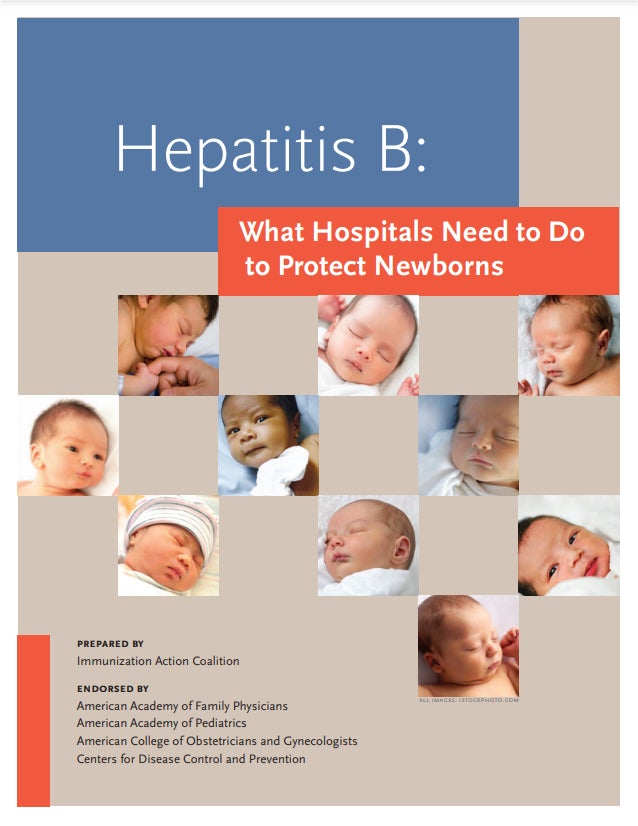
Serene Cdc Delay Of Infant Hepatitis B Shot Likely To Raise Infections, Studies Show View Concept
Explore this high-quality cdc delay of infant hepatitis b shot likely to raise infections, studies show image, perfect for enhancing your desktop or mobile wallpaper.
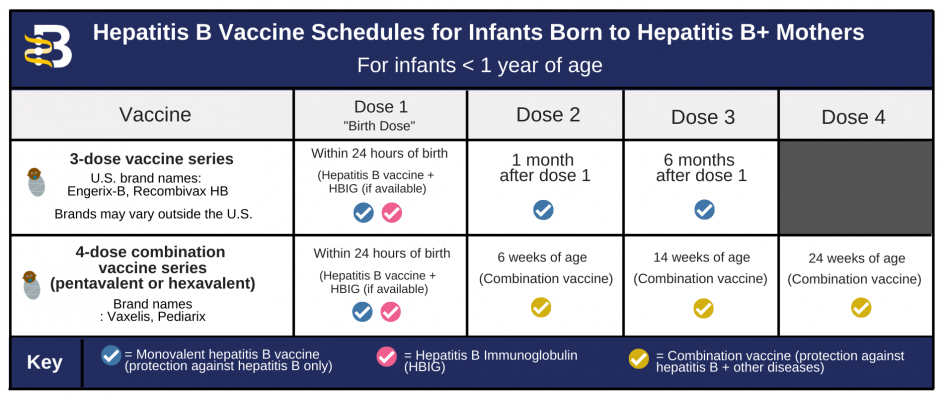
Exquisite Cdc Delay Of Infant Hepatitis B Shot Likely To Raise Infections, Studies Show Design in 4K
This gorgeous cdc delay of infant hepatitis b shot likely to raise infections, studies show photo offers a breathtaking view, making it a perfect choice for your next wallpaper.
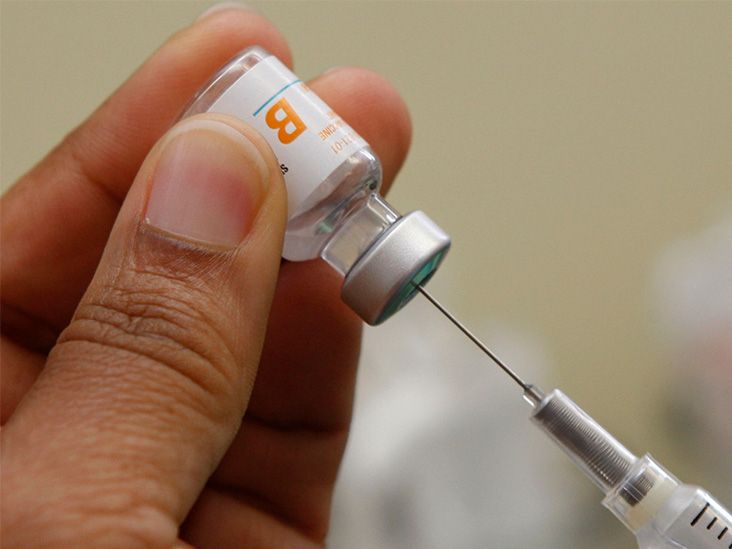
Breathtaking Cdc Delay Of Infant Hepatitis B Shot Likely To Raise Infections, Studies Show Abstract Art
Discover an amazing cdc delay of infant hepatitis b shot likely to raise infections, studies show background image, ideal for personalizing your devices with vibrant colors and intricate designs.

Mesmerizing Cdc Delay Of Infant Hepatitis B Shot Likely To Raise Infections, Studies Show Photo Nature
Explore this high-quality cdc delay of infant hepatitis b shot likely to raise infections, studies show image, perfect for enhancing your desktop or mobile wallpaper.

Lush Cdc Delay Of Infant Hepatitis B Shot Likely To Raise Infections, Studies Show Capture Art
Find inspiration with this unique cdc delay of infant hepatitis b shot likely to raise infections, studies show illustration, crafted to provide a fresh look for your background.
Download these cdc delay of infant hepatitis b shot likely to raise infections, studies show wallpapers for free and use them on your desktop or mobile devices.