Change In The Economic Situation After The Occupation Of The Country By The Taliban
Change In The Economic Situation After The Occupation Of The Country By The Taliban
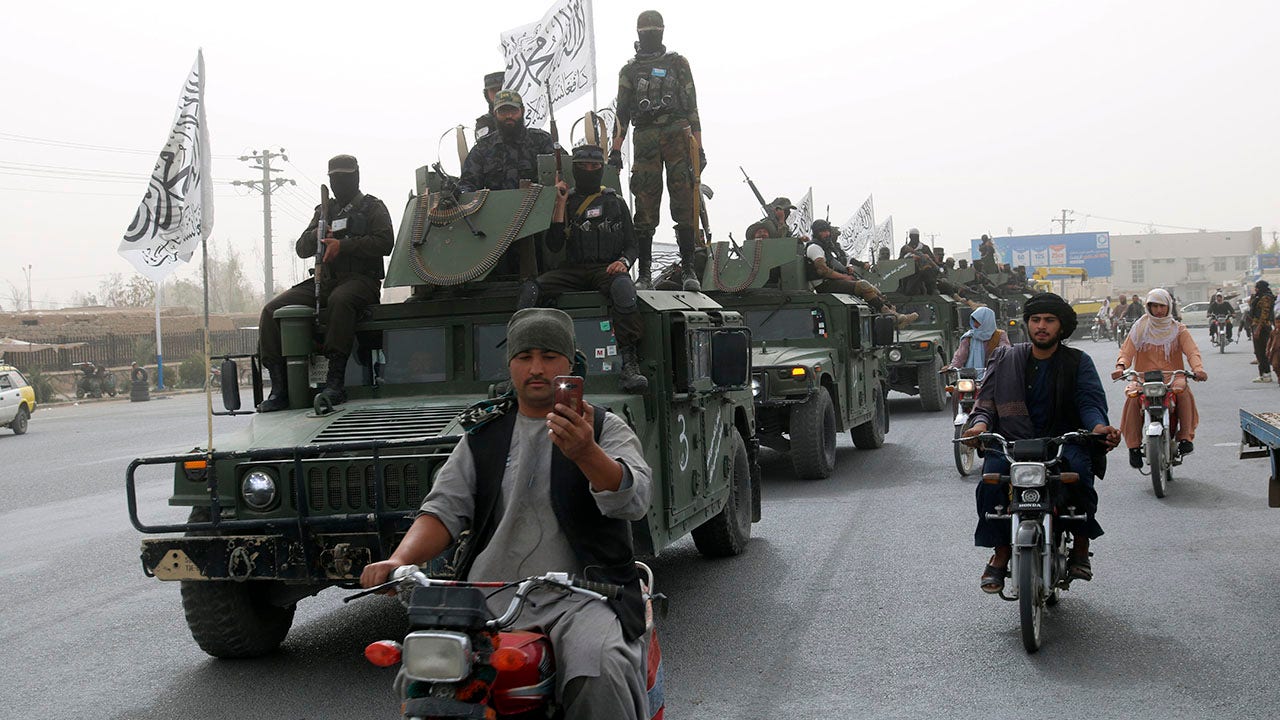
The geopolitical landscape of Central Asia shifted dramatically in August 2021 when the Taliban retook control of Afghanistan. This transition triggered an immediate and profound economic shock, as the country transitioned from a donor-dependent republic to an isolated de facto state. The sudden withdrawal of international development assistance, which previously accounted for approximately 40% of the nation's GDP and funded 75% of public spending, plunged the economy into a period of free-fall. While recent reports suggest a fragile stabilization, the long-term economic prospects remain clouded by international sanctions, frozen assets, and restrictive social policies that have particularly marginalized the female workforce. This article explores the multifaceted changes in Afghanistan's economic situation, from the initial collapse to the current state of "no-growth" equilibrium.
The Change In The Economic Situation After The Occupation Of The Country By The Taliban is characterized by a sharp 26-27% contraction in GDP between 2021 and 2023, followed by a fragile stabilization at a much lower level of activity. Key economic shifts include the freezing of $9.5 billion in foreign reserves, the transition from a grant-based economy to a self-sufficient yet stagnant model, and a significant rise in poverty levels, with over 50% of the population now living below the poverty line. Despite improvements in revenue collection and a stable currency, the economy faces chronic weakness due to limited international recognition and the systematic exclusion of women from the labor market.
The Immediate Aftermath of the 2021 Takeover
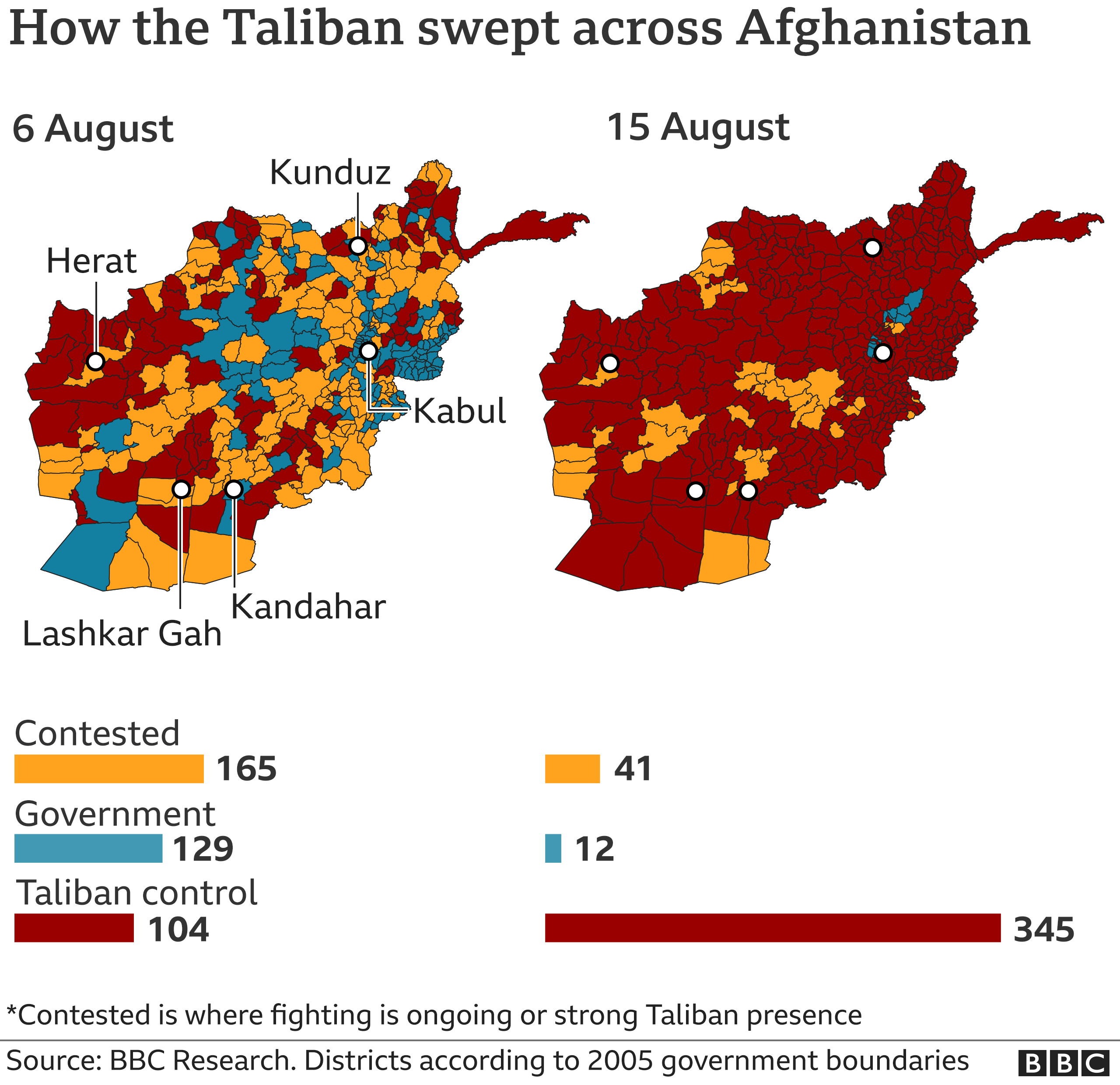
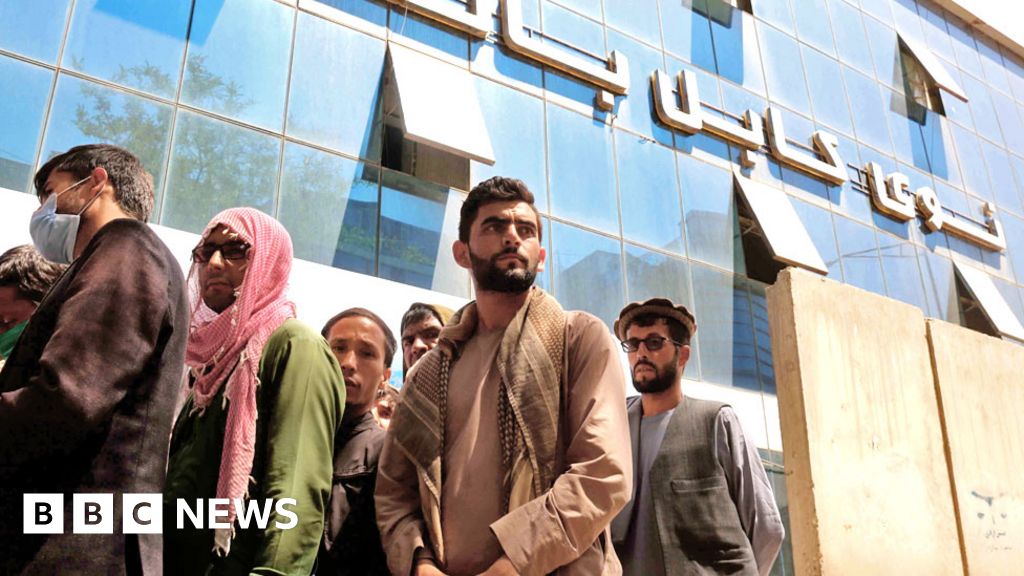
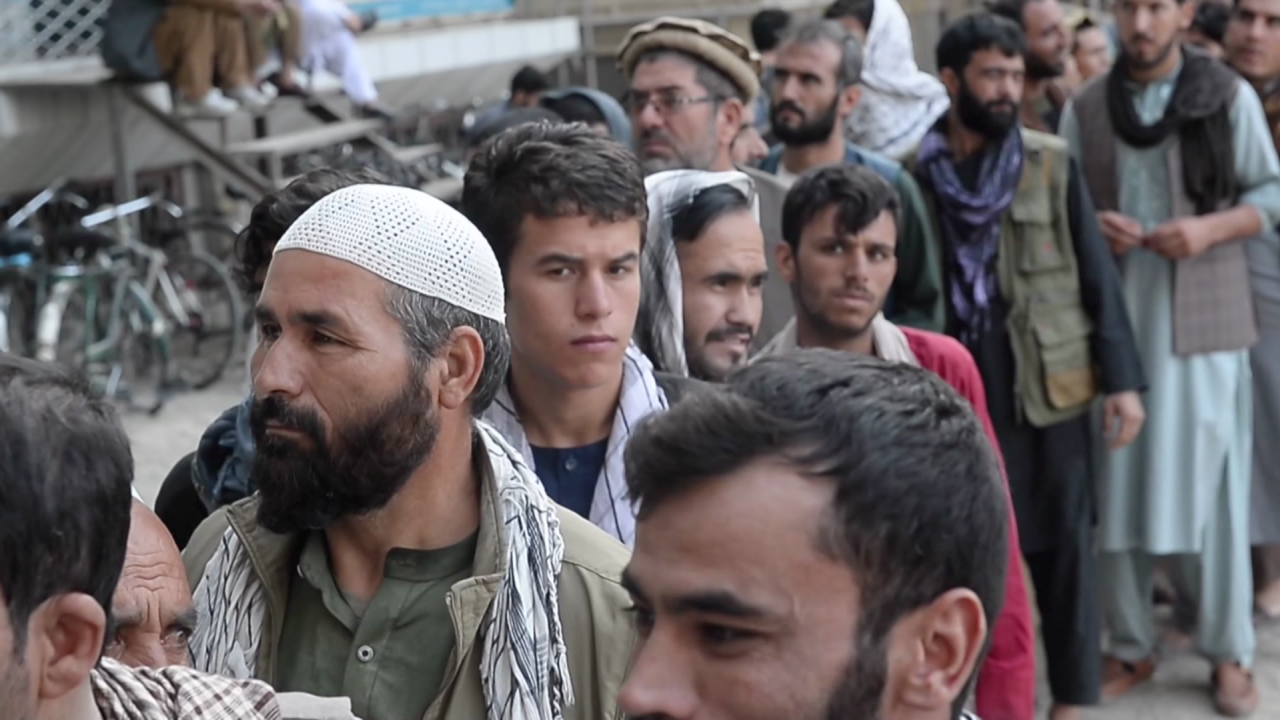
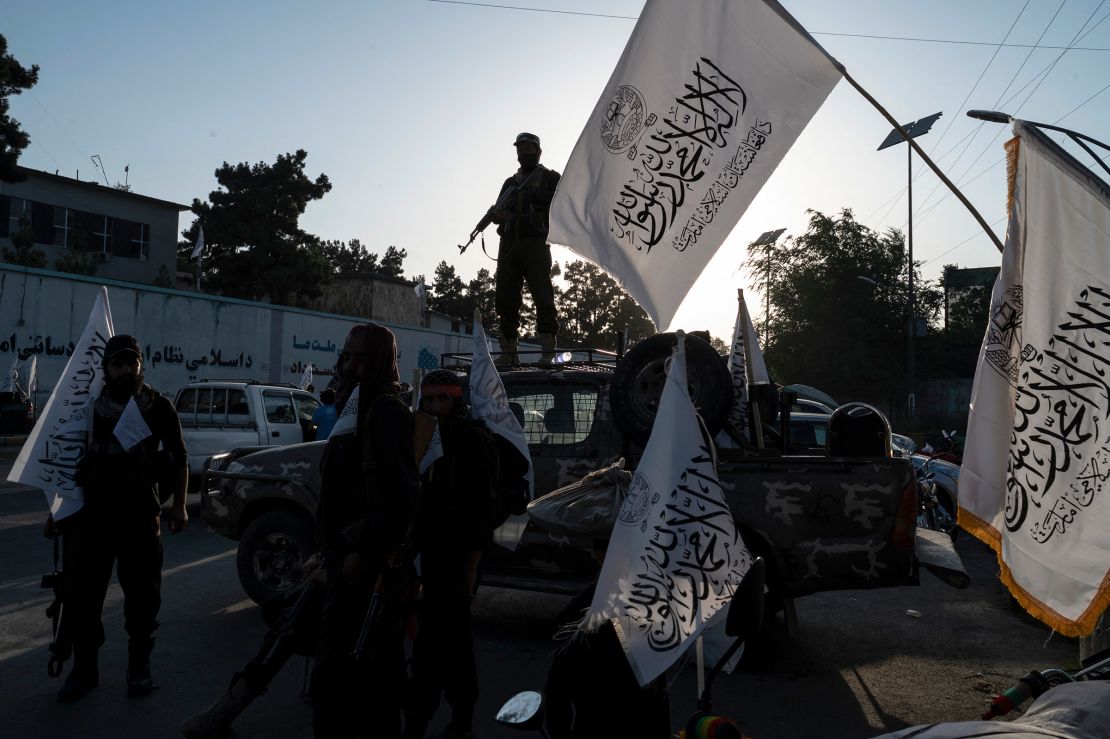
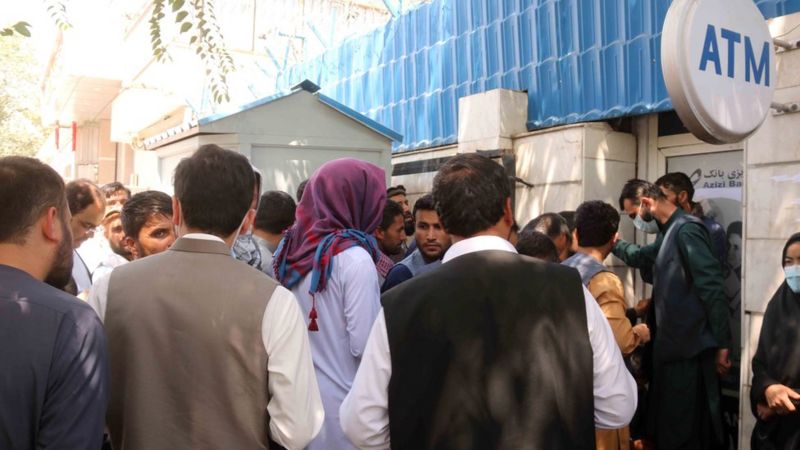
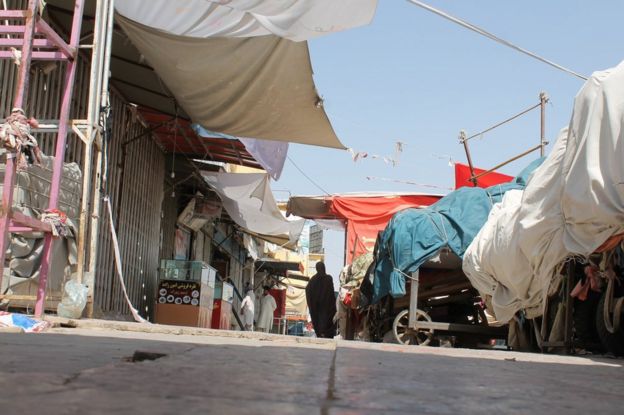
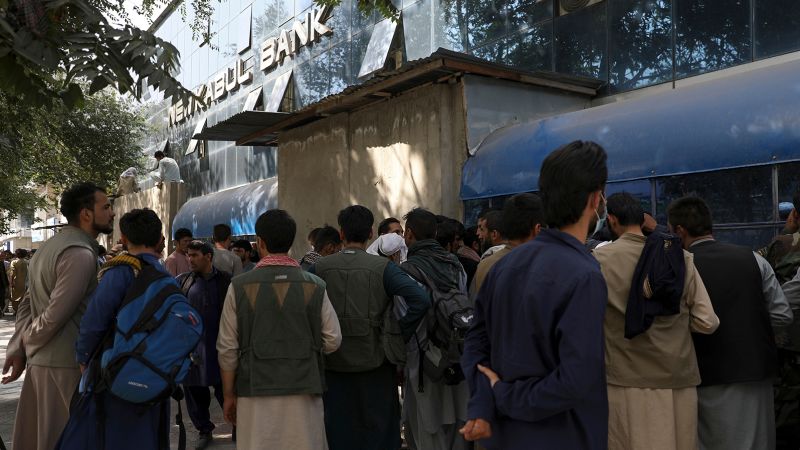
When the Taliban occupied Kabul in August 2021, the Afghan economy did not just slow down; it essentially stopped. The international community, led by the United States, immediately froze billions of dollars in central bank assets held overseas. This action was coupled with the suspension of all non-humanitarian development aid. For a nation where foreign grants financed over half of the government's annual budget, the impact was catastrophic. Civil servants went months without salaries, and the banking sector faced an acute liquidity crisis, making it impossible for citizens to withdraw their savings or for businesses to conduct international transactions.
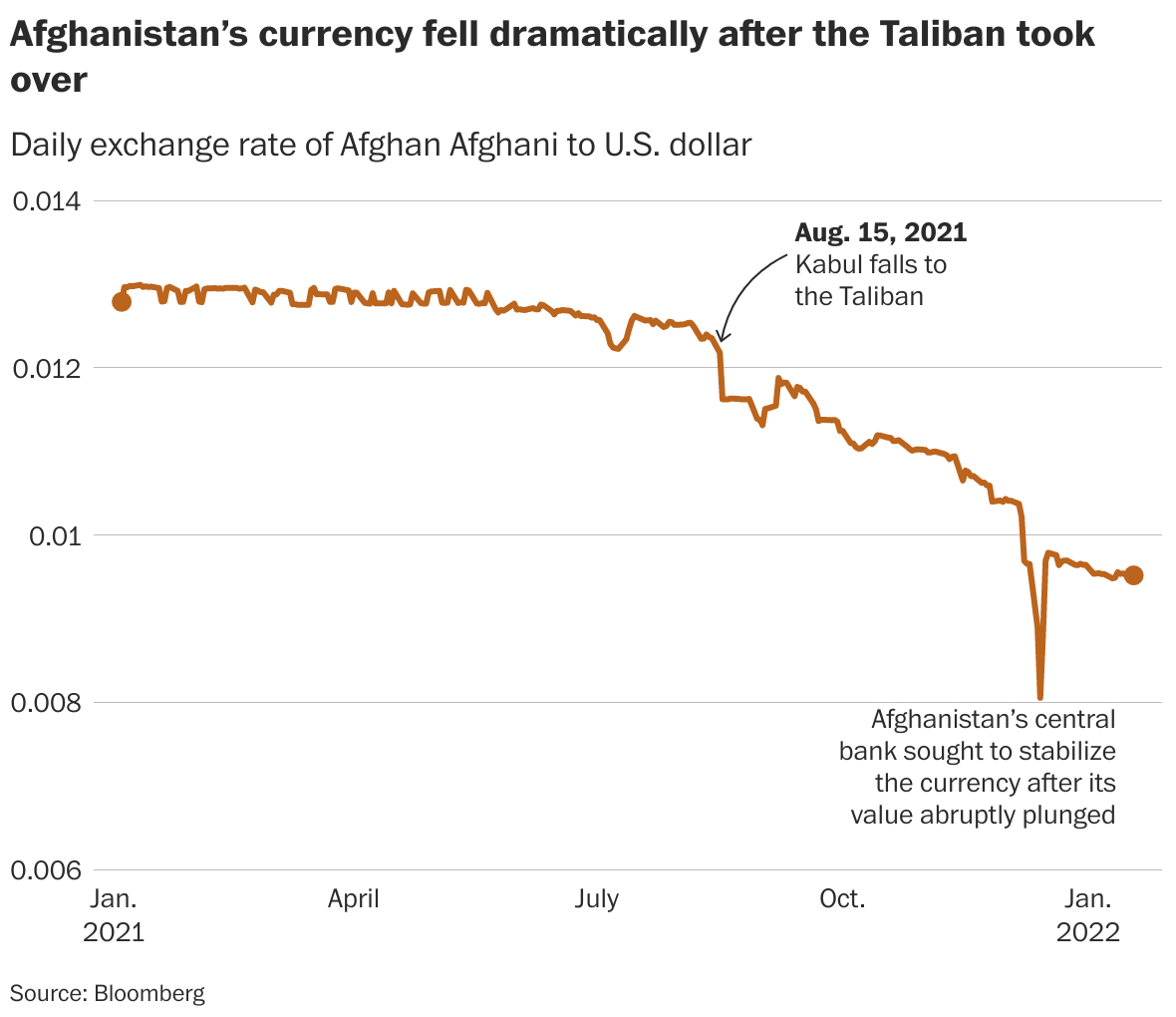
In the first winter following the takeover, the state teetered on the brink of total failure. The national currency, the afghani, plummeted in value, and the abrupt end of the "war economy"—which had been fueled by billions in military spending and support services—left hundreds of thousands of Afghans without a source of income. This initial period of "free-fall" saw the economy contract by nearly 20% in a single year, reflecting the suddenness of the regime change and the resulting diplomatic isolation.
From Collapse to Fragile Stabilization
By 2023, the period of rapid contraction had largely ended, replaced by what economists describe as a "low-level economic equilibrium." The Taliban managed this stabilization through a combination of strict monetary controls, aggressive revenue collection at customs borders, and the continued inflow of humanitarian aid. The UN and other international donors provided vital support, injecting cash into the economy to facilitate humanitarian operations, which helped prevent a total humanitarian disaster.
However, this stabilization is considered fragile and unsustainable in the long term. The economy is currently in a state of "no-growth," where the slight increases in activity are offset by rapid population growth. While the Taliban reported a modest GDP growth of 2.7% in 2023, per capita income has fallen back to 2008 levels. The private sector remains on "life support," struggling with limited access to credit, shrinking domestic demand, and the ongoing challenges of international isolation.
Impact of International Sanctions and Frozen Assets
One of the most significant barriers to economic recovery is the ongoing freeze of approximately $9.5 billion in Afghanistan's external reserves. These assets, held primarily in the United States and Europe, are intended to prevent the Taliban from accessing funds that could be used for non-humanitarian purposes. However, the lack of access to these reserves has crippled the Da Afghanistan Bank's (DAB) ability to function as a normal central bank. It cannot perform essential monetary policy functions or manage the country's balance of payments effectively.
Beyond the frozen assets, existing sanctions against Taliban leaders continue to deter international banks from engaging with Afghan commercial banks. This "de-risking" by global financial institutions has made it incredibly difficult for Afghan businesses to pay for imports or receive payments for exports, forcing the economy to rely heavily on the informal "Hawala" money transfer system and cash-based transactions.
Revenue Collection and Fiscal Management
Surprisingly, the Taliban have demonstrated a higher capacity for domestic revenue mobilization than the previous republic government. By focusing on customs duties and reducing the endemic corruption that plagued the former regime's borders, the Taliban have managed to collect significant revenues. Reports indicate that domestic tax revenues rose to roughly $3 billion in the 2023-2024 fiscal year.
This revenue is primarily derived from trade-related taxation and mining royalties. The Taliban have actively sought to expand the mining sector, granting contracts for the extraction of coal, copper, and other minerals to both domestic and international (notably Chinese) firms. While these revenues have allowed the de facto government to fund its basic operations and maintain some level of public order, they are insufficient to replace the lost foreign aid required for major infrastructure development and social services.
| Economic Indicator | Status/Change Since 2021 |
|---|---|
| Real GDP Growth | Estimated 26% contraction (2021-2022); Stagnant (2024) |
| Poverty Rate | Increased to over 50% of the population |
| Foreign Reserves | $9.5 Billion (Frozen by U.S. and Europe) |
| Unemployment | Estimated at 13.3% to 20% (varying sources) |
| Inflation | High initial surge followed by deflation in 2023-2024 |
The Systematic Exclusion of Women from the Economy
Perhaps the most damaging policy of the Taliban regime regarding long-term growth is the systematic restriction of women's rights to education and employment. Since August 2021, girls have been banned from attending secondary schools and universities, and women have been barred from most civil service positions and NGO work. These edicts have not only created a human rights crisis but have also severely undermined Afghanistan's human capital.
Estimates suggest that excluding women from public life could cost the Afghan economy up to 5% of its GDP. Women's employment has dropped by 25% since the takeover, compared to a 7% drop for men. Businesses that were previously woman-owned or heavily reliant on female staff have faced closure or significant operational hurdles. This loss of productivity and the resulting "brain drain" of educated women fleeing the country will have negative repercussions for generations to come.
The Collapse of the Opium Economy
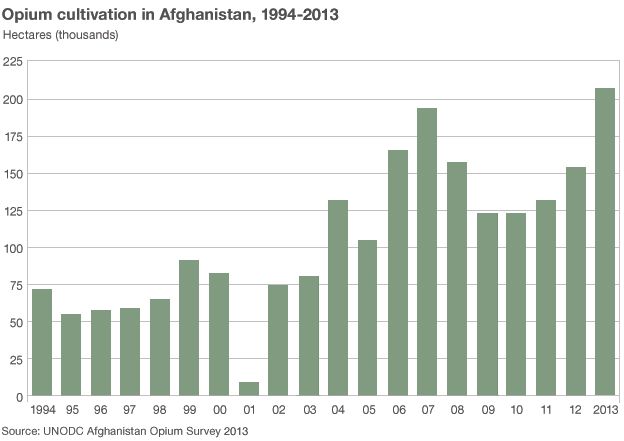
In 2022, the Taliban leader Hibatullah Akhundzada issued a decree banning the cultivation of opium poppies. Historically, Afghanistan was the source of over 80% of the world's illicit opium, and the drug trade provided a vital safety net for poor rural households. While the ban has been remarkably successful in reducing poppy cultivation, it has left an estimated half-million laborers unemployed and deprived rural communities of their primary income source.
The lack of viable agricultural alternatives has exacerbated rural poverty. While the Taliban have encouraged farmers to switch to wheat or other crops, the profit margins are significantly lower, and the country's irrigation infrastructure remains inadequate due to the suspension of development projects. The drug ban represents a significant "economic shock" to the rural population that has yet to be mitigated by any state-led poverty reduction program.
Regional Trade and Infrastructure Ambitions
In an effort to overcome international isolation, the Taliban have focused on strengthening trade relations with neighboring countries like Pakistan, Iran, China, and the Central Asian republics. They have promoted Afghanistan as a "regional bridge" for energy and trade, pushing for the completion of major projects like the TAPI (Turkmenistan-Afghanistan-Pakistan-India) gas pipeline and the CASA-1000 electricity transmission project.
While these projects hold the potential to generate significant transit revenue and improve energy security, their progress is hampered by the same lack of international recognition and financial sanctions that affect the rest of the economy. Most international donors and engineering firms are hesitant to commit to large-scale infrastructure projects under the current political climate. Nevertheless, the increase in coal exports to Pakistan and fruit exports to regional markets has provided some relief to the trade balance.
The Humanitarian Crisis and Aid Dependency
Despite the Taliban's rhetoric of self-reliance, the Afghan population remains heavily dependent on international humanitarian aid. As of 2024, an estimated 23.7 million people require some form of assistance. However, humanitarian funding is declining as global attention shifts to other crises and donors grow frustrated with the Taliban's restrictive social policies. The 2024 Humanitarian Needs and Response Plan was reported to be significantly underfunded.
This decline in aid, combined with the forced return of hundreds of thousands of Afghan refugees from Pakistan and Iran, is putting immense pressure on the fragile economic stabilization. Without a transition from emergency humanitarian aid to long-term development assistance—which remains politically impossible for most donors—the cycle of poverty and food insecurity is likely to continue indefinitely.
FAQ
- How much has Afghanistan's GDP shrunk since the Taliban took over? Estimates vary, but the World Bank suggests the economy contracted by approximately 26% to 27% between 2021 and 2023.
- Why are Afghanistan's foreign assets frozen? Approximately $9.5 billion in reserves were frozen by the U.S. and other Western nations to prevent the Taliban regime from accessing funds and to maintain leverage for human rights and counter-terrorism negotiations.
- What has happened to women's employment under the Taliban? Women's employment has decreased by an estimated 25% due to edicts banning them from working for NGOs, the UN, and most civil service positions.
- Is Afghanistan still producing opium? Following a 2022 ban by the Taliban leadership, opium poppy cultivation has been drastically reduced, though this has caused significant financial hardship for rural farmers.
- What is the current poverty level in Afghanistan? Current estimates indicate that at least 50% of the population lives below the poverty line, with millions facing acute food insecurity.
Conclusion
The change in the economic situation after the occupation of the country by the Taliban has been defined by a painful transition from a subsidized, aid-heavy economy to a marginalized, stagnant one. While the de facto authorities have achieved a degree of macroeconomic stability—stabilizing the currency and improving revenue collection—this progress is built on a foundation of widespread poverty and the systematic exclusion of half the population. The "no-growth" trap that Afghanistan currently finds itself in is unlikely to be broken without significant policy shifts from the Taliban regarding human rights and a corresponding change in the international community's sanctions regime. Until then, the Afghan people remain caught in a cycle of economic fragility and humanitarian need.
Change In The Economic Situation After The Occupation Of The Country By The Taliban
Change In The Economic Situation After The Occupation Of The Country By The Taliban Wallpapers
Collection of change in the economic situation after the occupation of the country by the taliban wallpapers for your desktop and mobile devices.

Artistic Change In The Economic Situation After The Occupation Of The Country By The Taliban Design in HD
This gorgeous change in the economic situation after the occupation of the country by the taliban photo offers a breathtaking view, making it a perfect choice for your next wallpaper.
Stunning Change In The Economic Situation After The Occupation Of The Country By The Taliban Design Photography
Immerse yourself in the stunning details of this beautiful change in the economic situation after the occupation of the country by the taliban wallpaper, designed for a captivating visual experience.
Artistic Change In The Economic Situation After The Occupation Of The Country By The Taliban Artwork in HD
A captivating change in the economic situation after the occupation of the country by the taliban scene that brings tranquility and beauty to any device.

Detailed Change In The Economic Situation After The Occupation Of The Country By The Taliban Capture in HD
Discover an amazing change in the economic situation after the occupation of the country by the taliban background image, ideal for personalizing your devices with vibrant colors and intricate designs.
Stunning Change In The Economic Situation After The Occupation Of The Country By The Taliban Background Illustration
This gorgeous change in the economic situation after the occupation of the country by the taliban photo offers a breathtaking view, making it a perfect choice for your next wallpaper.
Serene Change In The Economic Situation After The Occupation Of The Country By The Taliban Landscape in HD
Discover an amazing change in the economic situation after the occupation of the country by the taliban background image, ideal for personalizing your devices with vibrant colors and intricate designs.
Mesmerizing Change In The Economic Situation After The Occupation Of The Country By The Taliban Background for Mobile
Transform your screen with this vivid change in the economic situation after the occupation of the country by the taliban artwork, a true masterpiece of digital design.

Lush Change In The Economic Situation After The Occupation Of The Country By The Taliban Landscape Digital Art
Immerse yourself in the stunning details of this beautiful change in the economic situation after the occupation of the country by the taliban wallpaper, designed for a captivating visual experience.
Dynamic Change In The Economic Situation After The Occupation Of The Country By The Taliban Scene in 4K
A captivating change in the economic situation after the occupation of the country by the taliban scene that brings tranquility and beauty to any device.
Exquisite Change In The Economic Situation After The Occupation Of The Country By The Taliban Wallpaper Art
This gorgeous change in the economic situation after the occupation of the country by the taliban photo offers a breathtaking view, making it a perfect choice for your next wallpaper.

Serene Change In The Economic Situation After The Occupation Of The Country By The Taliban Scene Nature
Transform your screen with this vivid change in the economic situation after the occupation of the country by the taliban artwork, a true masterpiece of digital design.
Mesmerizing Change In The Economic Situation After The Occupation Of The Country By The Taliban Photo Digital Art
Discover an amazing change in the economic situation after the occupation of the country by the taliban background image, ideal for personalizing your devices with vibrant colors and intricate designs.
Exquisite Change In The Economic Situation After The Occupation Of The Country By The Taliban Image Collection
Find inspiration with this unique change in the economic situation after the occupation of the country by the taliban illustration, crafted to provide a fresh look for your background.
Artistic Change In The Economic Situation After The Occupation Of The Country By The Taliban View for Desktop
A captivating change in the economic situation after the occupation of the country by the taliban scene that brings tranquility and beauty to any device.
Gorgeous Change In The Economic Situation After The Occupation Of The Country By The Taliban Moment Concept
Find inspiration with this unique change in the economic situation after the occupation of the country by the taliban illustration, crafted to provide a fresh look for your background.
Serene Change In The Economic Situation After The Occupation Of The Country By The Taliban Landscape Digital Art
Experience the crisp clarity of this stunning change in the economic situation after the occupation of the country by the taliban image, available in high resolution for all your screens.
Vivid Change In The Economic Situation After The Occupation Of The Country By The Taliban Scene Photography
Explore this high-quality change in the economic situation after the occupation of the country by the taliban image, perfect for enhancing your desktop or mobile wallpaper.
Vibrant Change In The Economic Situation After The Occupation Of The Country By The Taliban Scene in HD
Transform your screen with this vivid change in the economic situation after the occupation of the country by the taliban artwork, a true masterpiece of digital design.

Mesmerizing Change In The Economic Situation After The Occupation Of The Country By The Taliban Abstract Photography
Experience the crisp clarity of this stunning change in the economic situation after the occupation of the country by the taliban image, available in high resolution for all your screens.
Gorgeous Change In The Economic Situation After The Occupation Of The Country By The Taliban Image Collection
Find inspiration with this unique change in the economic situation after the occupation of the country by the taliban illustration, crafted to provide a fresh look for your background.
Download these change in the economic situation after the occupation of the country by the taliban wallpapers for free and use them on your desktop or mobile devices.