Concerns over airport viability after service axed
Concerns over airport viability after service axed
The global aviation industry is currently facing a turbulent period as major carriers significantly retract their services from regional hubs and seasonal routes. This strategic shift, driven by record-high jet fuel prices and persistent staffing shortages, has sparked widespread concerns over airport viability after service axed. From the cancellation of key routes in the United States to the growing number of underutilized state-owned facilities in emerging markets, the infrastructure that once promised regional connectivity is now under extreme financial pressure. As airlines prioritize high-density hubs to maintain profitability, many smaller airports are struggling to justify their high fixed operating costs, leading to fears of insolvency and a long-term decline in local economic growth.
Concerns over airport viability after service axed center on the inability of regional facilities to cover fixed infrastructure and maintenance costs when flight frequencies drop below a critical threshold. Recent data indicates that jet fuel price surges of over 95 percent and a global air traffic controller shortage have forced airlines like Delta and United to cut regional capacity by up to 10 percent. For many regional airports, which require a minimum passenger volume to remain profitable, the loss of even a single major carrier can lead to a "death spiral" of declining revenue, reduced maintenance, and eventual closure, threatening the economic stability of the communities they serve.
The Rising Tide of Route Cancellations in 2026
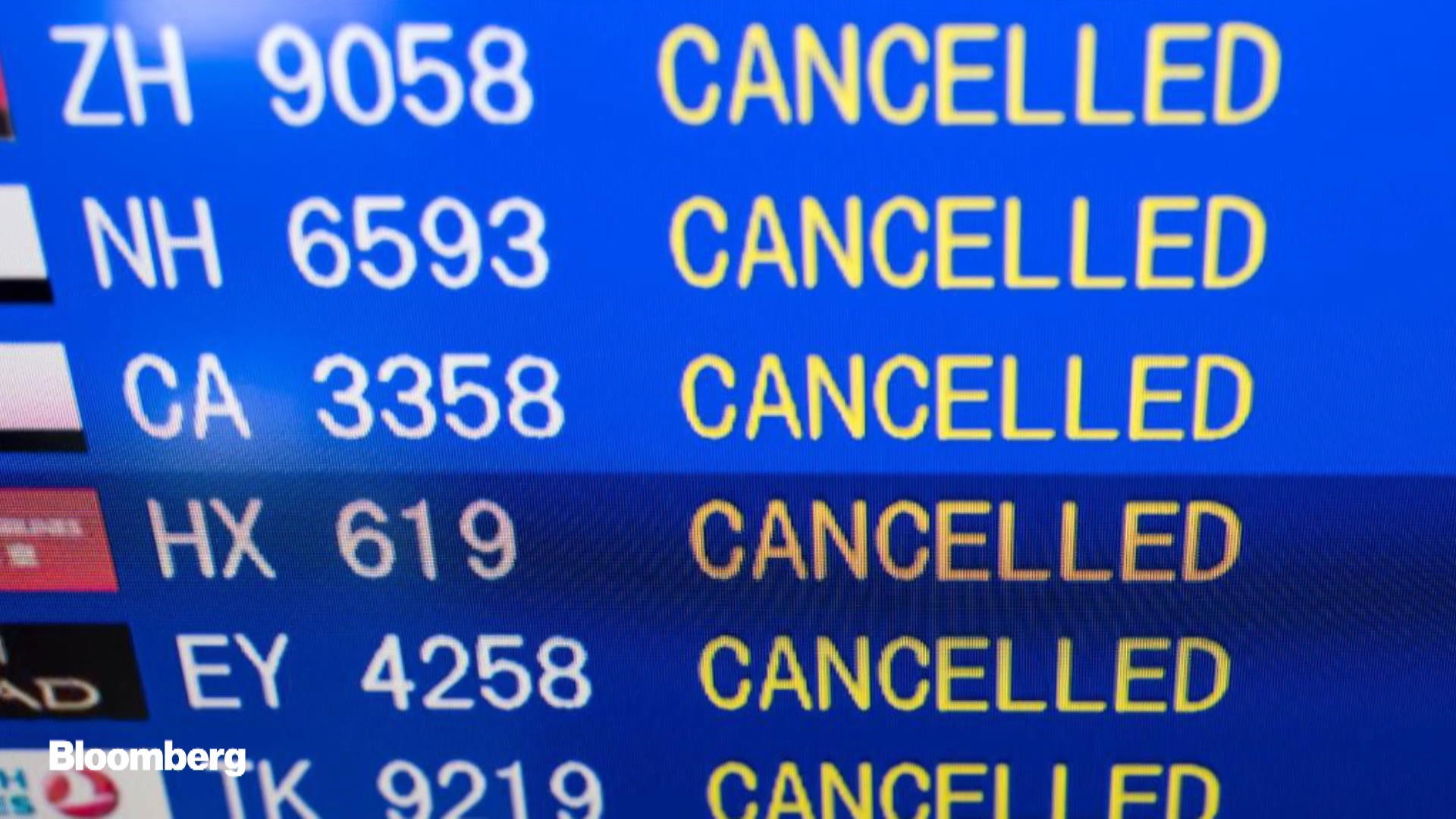
As we move through the first half of 2026, the aviation landscape is being redefined by a series of high-profile route cancellations. Delta Air Lines recently confirmed the suspension of its seasonal service between Los Angeles (LAX) and Anchorage (ANC), a move that highlights the precarious nature of even established leisure routes. This cancellation is not an isolated incident; it reflects a broader industry trend where airlines are adopting a more cautious and cost-conscious approach to network planning. The primary driver behind these decisions is the volatile price of jet fuel, which has surged due to ongoing geopolitical conflicts, specifically the war in Iran. With fuel costs reaching nearly $205 per barrel, the economic sustainability of long-haul and seasonal routes has been severely compromised.
The impact of these cancellations is felt most acutely at the regional level. When a major carrier pulls out of an airport, it doesn't just mean fewer flights for travelers; it represents a significant loss in aeronautical revenue for the facility. Landing fees, gate leases, and fuel throughput charges all vanish, leaving the airport operator to bridge the financial gap. For many facilities, these revenues are essential for servicing the debt incurred during terminal expansions or runway upgrades. Without a steady stream of flights, the viability of the entire airport infrastructure is called into question.
Fuel Price Volatility and Its Impact on Airline Strategy
The surge in jet fuel prices has become the single most significant obstacle to maintaining a comprehensive flight network. Since late February 2026, the price of jet fuel in the United States has climbed from $2.50 to $4.88 per gallon. This nearly 100 percent increase has forced airlines to scrutinize every route for profitability. In this environment, regional routes—which often operate with smaller aircraft and lower load factors—are the first to be axed. Analysts note that while passenger demand remains historically strong, the cost of operating these flights has outpaced the revenue they generate.
Airlines are now focusing their resources on "high-volume" markets where they can maximize seat capacity and fuel efficiency. This consolidation of services to major hubs like Chicago O'Hare, Atlanta Hartsfield-Jackson, and Dallas/Fort Worth creates a "hub and spoke" concentration that leaves smaller airports in the lurch. As airlines prioritize these more profitable corridors, the regional airports that once served as vital links for smaller communities are being effectively bypassed, leading to a significant reduction in regional connectivity and a growing sense of isolation for rural areas.
Staffing Shortages and FAA Operational Constraints
Beyond the financial pressure of fuel costs, the aviation industry is also grappling with a critical shortage of personnel. The Federal Aviation Administration (FAA) has been forced to implement flight cuts at 40 of the busiest airports in the United States due to air traffic controller staffing levels reaching a breaking point. This shortage was exacerbated by a recent government shutdown, during which many controllers worked without pay, leading to increased call-outs and early retirements. The resulting strain on the system has led to a mandatory reduction in flight traffic to ensure safety standards are maintained.
For regional airports, these operational constraints are particularly damaging. When the FAA orders flight cuts to manage controller workload, airlines typically prioritize their most profitable mainline routes and cancel smaller regional feeder flights. This further reduces the traffic at smaller airports, compounding the financial difficulties they already face. The shortage of Transportation Security Administration (TSA) officers has also led to wait times of over three hours at some airports, discouraging travelers from using regional facilities and further eroding the passenger base that these airports depend on for survival.
The Global Phenomenon of Underutilized Airports
The challenge of airport viability is not limited to the United States. In emerging markets, there is a growing concern over the proliferation of "non-viable" airports. For instance, in Nigeria, billions have been spent constructing state-of-the-art regional airports that currently see minimal traffic. Many of these facilities boast modern terminals but lack regular flight schedules, leading to massive financial losses for state governments. These airports serve as a stark reminder of the risks associated with infrastructure-led growth when airline demand does not materialize.
The European Union is facing a similar crisis, with many regional airports dependent on a single low-cost carrier for the bulk of their traffic. If that carrier decides to shift its operations to a more profitable hub or demands lower airport charges that the facility cannot afford, the airport faces immediate insolvency. ACI Europe has warned that nearly 200 regional airports across the continent are at risk of closing if government support is not provided. These facilities are often the lifeblood of local economies, supporting thousands of jobs and facilitating essential business and tourism links.
| Airport Category | Projected Infrastructure Needs (2025-2029) |
|---|---|
| Large Hub Airports | $103.2 Billion |
| Medium Hub Airports | $29.8 Billion |
| Small Hub Airports | $13.6 Billion |
| Non-Hub Airports | $8.0 Billion |
Infrastructure Maintenance and the $174 Billion Gap
Maintaining a modern airport requires continuous investment in infrastructure, from runway repaving to security upgrades. ACI-NA projects that U.S. airport infrastructure requirements for the 2025-2029 period will total at least $173.9 billion. This represents a 15 percent increase over previous estimates, driven by post-pandemic construction inflation and the need for more complex facilities. However, with service being axed at many facilities, the funding mechanisms for these projects—such as passenger facility charges and airport improvement grants—are becoming less reliable.
Even large hubs are not immune to these challenges. San Francisco International (SFO), for example, recently underwent a six-month runway closure for repaving, a project that required significant coordination and funding. For smaller airports, such a project would be financially impossible without heavy government subsidies. When flight services are reduced, the ability of these airports to generate the necessary capital for maintenance is severely diminished. This leads to a cycle of infrastructure decay, where aging facilities become less attractive to airlines, leading to even further service cuts.
The Economic Ripple Effect on Local Communities
The viability of an airport is inextricably linked to the economic health of its surrounding community. Airports are major employers, supporting not only direct aviation jobs but also thousands of positions in the hospitality, retail, and logistics sectors. When services are axed, the economic ripple effect can be devastating. Tourism-dependent regions are particularly vulnerable; a reduction in flight availability leads to fewer visitors, lower hotel occupancy rates, and a decline in local tax revenue. For many businesses, the proximity to a functional airport is a key factor in their location and operational strategy.
Furthermore, the loss of air connectivity hampers regional competitiveness. In an increasingly globalized economy, the ability to transport goods and personnel quickly is essential. When a regional airport loses its link to a major hub, local businesses find it more difficult to access international markets, attract talent, and secure investment. This can lead to a long-term stagnation of the regional economy, as the lack of infrastructure makes the area less attractive for new business development. The social cost is also significant, as residents lose access to essential services that may only be available via air travel in remote areas.
Sustainable Aviation and the Future of Regional Travel
In response to these challenges, some experts are looking toward the future of sustainable aviation as a potential savior for regional airports. The development of electric and hybrid-electric aircraft could significantly lower the operating costs of short-haul flights, making regional routes more viable for airlines. Because electric aircraft have lower fuel and maintenance costs, they could allow for profitable operations even in low-volume markets. This "Regional Air Mobility" model could revitalize underserved communities by providing affordable and environmentally friendly air services.
However, the transition to electric aviation requires its own set of infrastructure investments. Airports will need to install charging stations and upgrade their electrical grids to support these new vehicles. While the long-term potential is promising, the immediate challenge remains the survival of existing infrastructure. Until these technologies are certified and deployed at scale, regional airports must find ways to navigate the current economic crisis. Digitalization and the adoption of more efficient management practices are also being explored as ways to reduce costs and improve the customer experience at smaller facilities.
Rethinking Airport Business Models for Survival
To survive in this new environment, regional airports are being forced to rethink their traditional business models. Relying solely on aeronautical revenue is no longer a sustainable strategy for many smaller facilities. Instead, they are looking to diversify their income streams by developing non-aeronautical revenue sources. This includes expanding retail and dining options, developing on-site logistics and warehousing facilities, and even utilizing airport land for renewable energy projects like solar farms. By becoming "multi-modal" hubs, airports can create a more stable financial foundation that is less dependent on the whims of individual airlines.
Partnerships between local governments and airport operators are also becoming more common. In some cases, local councils are cross-subsidizing airport operations to ensure that vital connectivity is maintained. While this can be a drain on public resources, many governments view the airport as a critical public utility that justifies the investment. Additionally, the federal Essential Air Service (EAS) program remains a vital lifeline for many small communities in the United States, providing subsidies to airlines to ensure they continue serving remote areas. However, as costs rise, the sustainability of these subsidy programs is also being debated by policymakers.
FAQ: Understanding Airport Viability Challenges
What are the main reasons for concerns over airport viability after service axed?
The primary reasons include the loss of aeronautical revenue (landing fees, gate leases), the high fixed costs of maintaining airport infrastructure, and the negative ripple effect on local economies and tourism. When airlines cancel services, airports often lack the passenger volume needed to remain profitable.
How do rising jet fuel prices affect regional airports?
Rising fuel prices increase the operating costs for airlines. To maintain profitability, airlines often cut their least efficient routes, which are typically regional flights with smaller planes. This reduction in traffic directly impacts the revenue and viability of regional airports.
What is the role of the FAA in these service cuts?
The FAA may order flight reductions at busy airports due to air traffic controller staffing shortages. When this happens, airlines tend to prioritize their most profitable mainline routes, often leading to the cancellation of regional feeder flights to smaller airports.
Can electric aircraft help regional airports become viable again?
Yes, electric aircraft have the potential to lower operating costs for short-haul flights significantly. This could make regional routes more profitable for airlines, potentially increasing traffic at smaller airports and revitalizing regional air mobility.
What can airports do to stay viable without major airline service?
Airports can diversify their revenue streams by developing non-aeronautical businesses, such as retail, logistics, and renewable energy projects. They can also seek government subsidies or form public-private partnerships to help cover fixed operating costs.
Schema Information:
- Topic: Aviation Industry Trends 2026
- Focus: Regional Airport Economics and Infrastructure
- Keywords: Airport Viability, Service Axed, Jet Fuel Prices, FAA Staffing, Regional Connectivity
Conclusion
The ongoing concerns over airport viability after service axed highlight a critical vulnerability in our global transportation network. As airlines adapt to a high-cost, low-staffing environment by consolidating services at major hubs, the regional airports that provide essential connectivity are being left behind. The financial strain on these facilities threatens not only the infrastructure itself but also the economic and social well-being of the communities they serve. Addressing this crisis will require a multi-faceted approach, including government intervention, infrastructure investment, and the adoption of new aviation technologies. Without a concerted effort to rethink the regional airport business model, many of these vital links may be lost for good, leaving a permanent gap in the landscape of global aviation.
Concerns over airport viability after service axed
Concerns over airport viability after service axed Wallpapers
Collection of concerns over airport viability after service axed wallpapers for your desktop and mobile devices.

Stunning Concerns Over Airport Viability After Service Axed Abstract for Mobile
Immerse yourself in the stunning details of this beautiful concerns over airport viability after service axed wallpaper, designed for a captivating visual experience.
Mesmerizing Concerns Over Airport Viability After Service Axed Photo for Desktop
Experience the crisp clarity of this stunning concerns over airport viability after service axed image, available in high resolution for all your screens.

Serene Concerns Over Airport Viability After Service Axed Landscape Collection
Transform your screen with this vivid concerns over airport viability after service axed artwork, a true masterpiece of digital design.

Captivating Concerns Over Airport Viability After Service Axed Picture for Mobile
A captivating concerns over airport viability after service axed scene that brings tranquility and beauty to any device.

Exquisite Concerns Over Airport Viability After Service Axed Wallpaper Photography
A captivating concerns over airport viability after service axed scene that brings tranquility and beauty to any device.
Stunning Concerns Over Airport Viability After Service Axed Design Photography
This gorgeous concerns over airport viability after service axed photo offers a breathtaking view, making it a perfect choice for your next wallpaper.
Vivid Concerns Over Airport Viability After Service Axed Landscape for Mobile
Explore this high-quality concerns over airport viability after service axed image, perfect for enhancing your desktop or mobile wallpaper.
Exquisite Concerns Over Airport Viability After Service Axed Abstract in HD
This gorgeous concerns over airport viability after service axed photo offers a breathtaking view, making it a perfect choice for your next wallpaper.

Beautiful Concerns Over Airport Viability After Service Axed View for Desktop
Explore this high-quality concerns over airport viability after service axed image, perfect for enhancing your desktop or mobile wallpaper.
Detailed Concerns Over Airport Viability After Service Axed Landscape Art
Explore this high-quality concerns over airport viability after service axed image, perfect for enhancing your desktop or mobile wallpaper.

Mesmerizing Concerns Over Airport Viability After Service Axed Scene Art
Discover an amazing concerns over airport viability after service axed background image, ideal for personalizing your devices with vibrant colors and intricate designs.

Detailed Concerns Over Airport Viability After Service Axed Background for Desktop
Discover an amazing concerns over airport viability after service axed background image, ideal for personalizing your devices with vibrant colors and intricate designs.
Dynamic Concerns Over Airport Viability After Service Axed Photo Art
A captivating concerns over airport viability after service axed scene that brings tranquility and beauty to any device.
High-Quality Concerns Over Airport Viability After Service Axed Abstract in HD
Transform your screen with this vivid concerns over airport viability after service axed artwork, a true masterpiece of digital design.

Exquisite Concerns Over Airport Viability After Service Axed Design Nature
Find inspiration with this unique concerns over airport viability after service axed illustration, crafted to provide a fresh look for your background.
Vivid Concerns Over Airport Viability After Service Axed Photo Digital Art
Explore this high-quality concerns over airport viability after service axed image, perfect for enhancing your desktop or mobile wallpaper.

Stunning Concerns Over Airport Viability After Service Axed Moment Concept
Find inspiration with this unique concerns over airport viability after service axed illustration, crafted to provide a fresh look for your background.
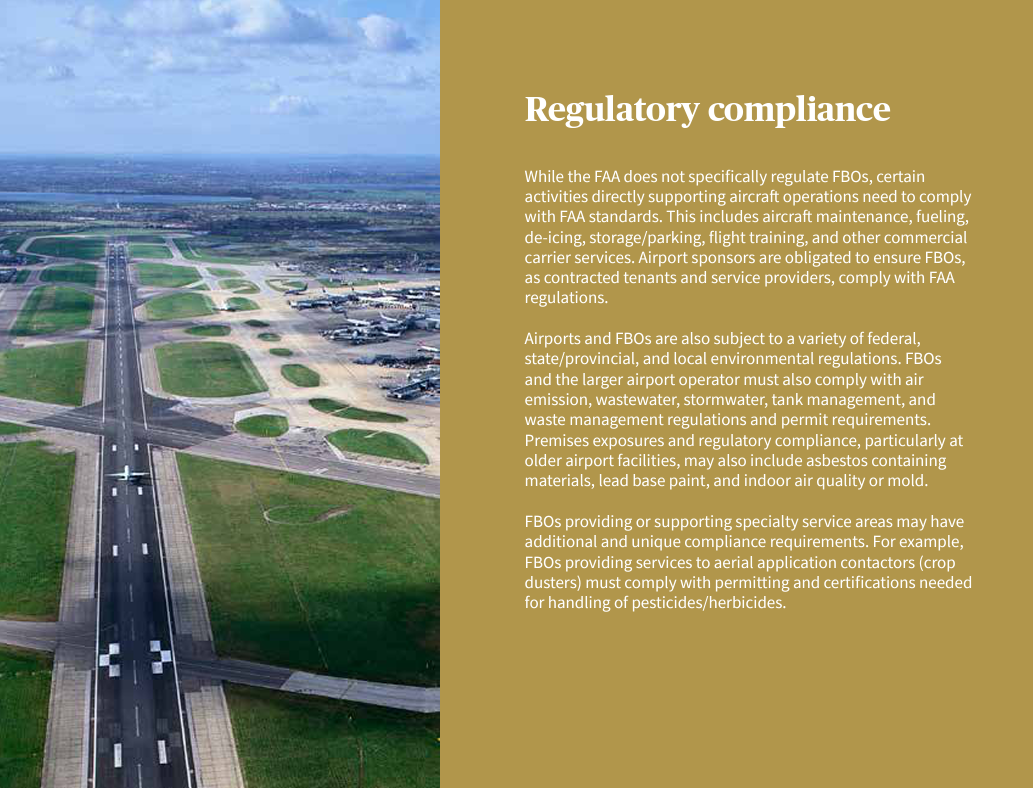
Serene Concerns Over Airport Viability After Service Axed Picture Digital Art
Transform your screen with this vivid concerns over airport viability after service axed artwork, a true masterpiece of digital design.
Lush Concerns Over Airport Viability After Service Axed Abstract for Mobile
This gorgeous concerns over airport viability after service axed photo offers a breathtaking view, making it a perfect choice for your next wallpaper.
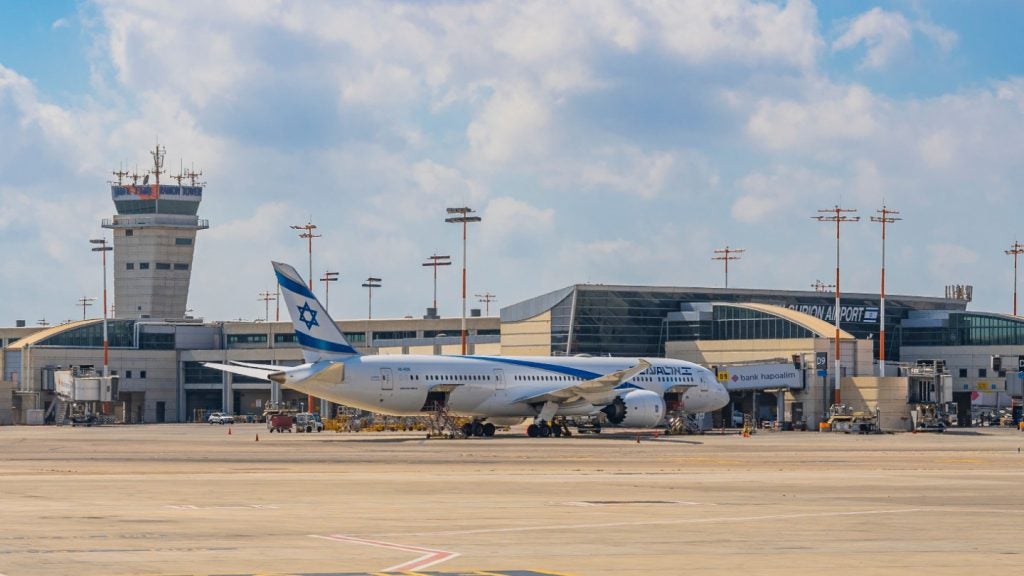
Exquisite Concerns Over Airport Viability After Service Axed Background Collection
Immerse yourself in the stunning details of this beautiful concerns over airport viability after service axed wallpaper, designed for a captivating visual experience.
Download these concerns over airport viability after service axed wallpapers for free and use them on your desktop or mobile devices.