Economic calendar: US PPI report and central bankers speeches in focus
Economic calendar: US PPI report and central bankers speeches in focus
The financial markets are currently navigating a complex landscape defined by shifting economic data and high-stakes rhetoric from global monetary authorities. As investors weigh the implications of the latest inflation metrics, the economic calendar has placed the US Producer Price Index (PPI) report and a series of central bankers speeches in focus. These dual pillars of market sentiment are providing critical insights into the trajectory of interest rates, the resilience of the labor market, and the broader impact of ongoing geopolitical tensions on global supply chains. With volatility remaining a constant companion for traders, understanding the nuances of these releases is essential for anticipating the next moves in equity, bond, and commodity markets.
The US PPI report measures the average change over time in the selling prices received by domestic producers for their output, serving as a vital leading indicator for consumer inflation. When the economic calendar puts the US PPI report and central bankers speeches in focus, it signals a period where market participants are looking for confirmation of inflationary trends and clues from policymakers regarding the timing of potential rate adjustments. High PPI readings often suggest that rising production costs will eventually be passed on to consumers, prompting central banks to maintain or adopt a more restrictive monetary stance to ensure price stability.
The Significance of the Producer Price Index in Current Markets
The Producer Price Index (PPI) is often overshadowed by its more famous counterpart, the Consumer Price Index (CPI), yet its importance in the current economic climate cannot be overstated. As a measure of inflation from the perspective of the producer, it tracks price changes across three main areas of production: industry-based, commodity-based, and commodity-based final demand-intermediate demand. In recent months, the global economy has faced significant headwinds, ranging from supply chain disruptions to energy shocks, all of which manifest first at the wholesale level. By monitoring the PPI, analysts can gain an early look at the cost pressures that will likely hit retail shelves in the coming months.
Historically, the PPI has been a reliable precursor to CPI movements. When manufacturers and service providers face higher costs for raw materials, energy, and labor, they typically attempt to protect their margins by raising prices for their customers. This transmission mechanism is why the PPI is considered a "pipeline" for inflation. In the current cycle, with the Federal Reserve and other central banks laser-focused on returning inflation to a 2 percent target, any deviation in the PPI data can trigger significant market shifts. A hotter-than-expected report strengthens the case for "higher for longer" interest rates, while a cooler report offers hope for an earlier pivot toward monetary easing.
Detailed Analysis of the March 2026 PPI Report
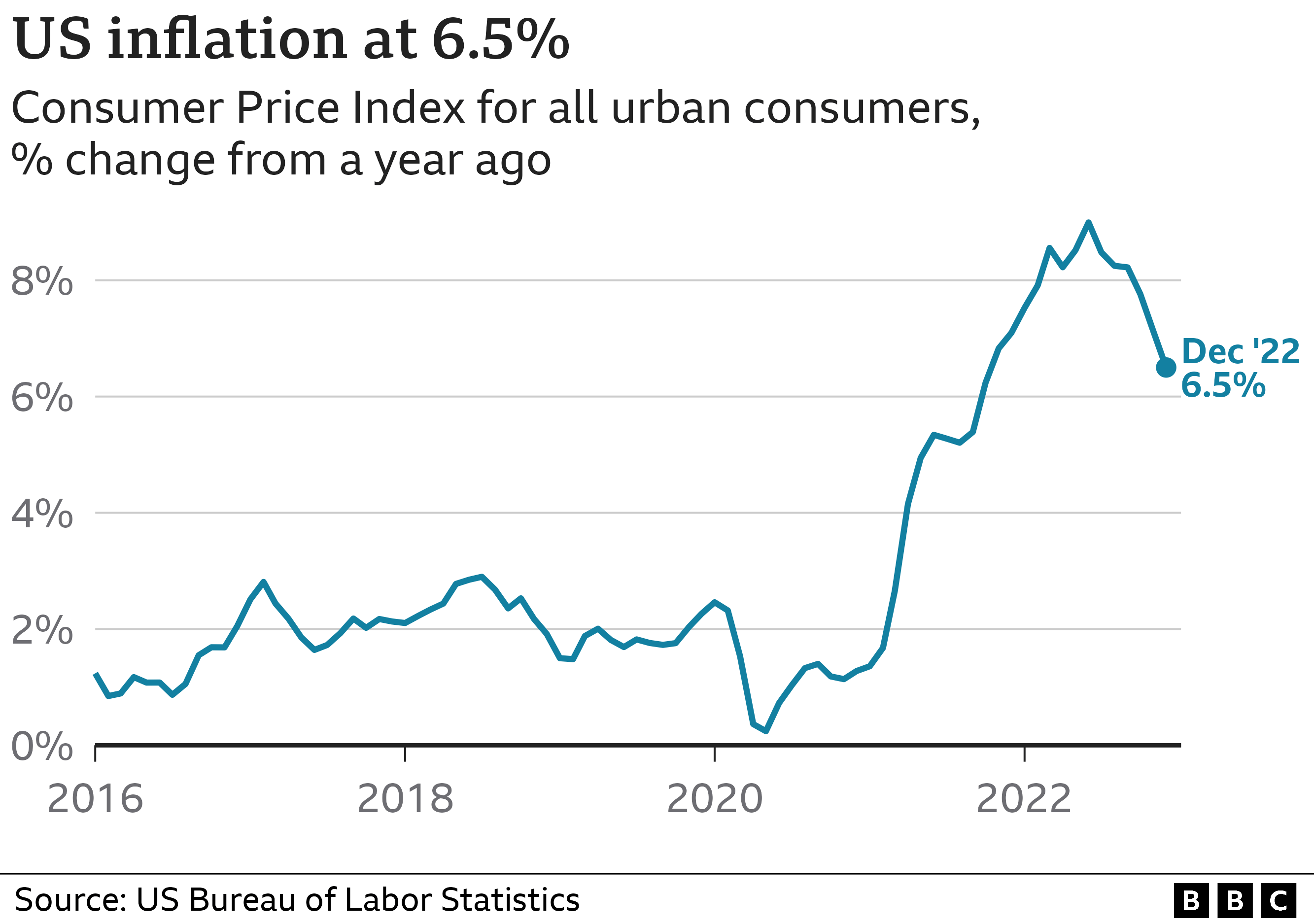
The most recent data release has sent ripples through the financial community. According to official reports, the Producer Price Index for final demand increased by 0.5 percent in March 2026. This followed a 0.7 percent jump in February, indicating that while the pace of increase has moderated slightly, the underlying inflationary pressures remain stubbornly persistent. On an unadjusted basis, the index for final demand rose 4.0 percent for the 12 months ended in March, a figure that highlights the cumulative impact of rising costs over the past year. This 4.0 percent year-over-year increase is a significant metric for the Federal Reserve as it evaluates the effectiveness of its current policy stance.
A closer look at the components of the March report reveals a stark divergence between goods and services. Prices for final demand goods surged by 1.6 percent, driven primarily by an 8.5 percent spike in energy costs. Within the energy sector, the figures were even more dramatic: gasoline prices jumped 15.7 percent, jet fuel soared by 30.7 percent, and diesel fuel prices climbed a staggering 42.0 percent. In contrast, the index for final demand services remained unchanged in March, as a decline in trade margins was offset by modest increases in transportation and warehousing costs. This "goods-led" inflation spike is largely attributable to external factors, specifically geopolitical developments that have restricted energy supplies.
The Impact of Geopolitics on the Inflation Pipeline
Geopolitical risks have moved to the forefront of economic concerns in 2026. The ongoing conflict in the Middle East, particularly involving tensions that have led to the closure of the Strait of Hormuz, has had a direct and immediate impact on energy prices. As one of the world's most vital maritime chokepoints, any disruption in the Strait sends shockwaves through the oil markets. For US producers, this has translated into rapidly escalating input costs. The 42 percent rise in diesel fuel mentioned in the March PPI report is a clear reflection of this volatility. Diesel is a primary cost for the logistics and agricultural sectors, meaning these price hikes have a broad reaching effect on the entire economy.
Central banks are now forced to operate in an environment where "supply-side shocks" are becoming more frequent. Unlike demand-driven inflation, which can be dampened by raising interest rates to cool consumer spending, supply-side inflation is harder to manage. Raising rates does little to open closed shipping lanes or lower the price of crude oil on the global market. However, central bankers must still react if these high input costs begin to "de-anchor" inflation expectations or lead to a wage-price spiral. This dilemma is precisely why the speeches of central bank officials have become just as important as the data itself, as investors seek to understand how much of this "transitory" geopolitical impact the Fed is willing to overlook.
Central Bank Communications: Managing Market Expectations
In the modern era of central banking, what a governor or chairperson says can be just as impactful as the actual policy decisions made during formal meetings. This concept, known as "forward guidance," is a tool used to manage the expectations of households, businesses, and investors. By communicating their outlook on the economy and the likely path of future interest rates, central banks can influence financial conditions even before a rate change occurs. This is why the current economic calendar has central bankers speeches in focus alongside the PPI report. Speeches provide the context that raw data lacks, allowing officials to explain how they interpret the latest numbers.
Research has shown that central bank communication can significantly affect bond yields and stock market volatility. For instance, if a series of Fed officials consistently use "hawkish" language—emphasizing the need to fight inflation even at the risk of slower growth—market rates will typically rise. Conversely, "dovish" comments can calm markets and lower borrowing costs. The challenge for policymakers is to remain clear and consistent. Inconsistent messaging among various committee members can lead to market confusion and increased volatility. In the current environment, the focus is on whether central bankers believe the recent PPI spike is a temporary hurdle or a sign that inflation is becoming structural.
Key Global Central Bankers and Their Current Stance
| Central Bank Official | Current Policy Lean / Focus Area |
|---|---|
| Jerome Powell (US Fed) | Data-dependent; focused on the 2% PCE target and dual mandate. |
| Michele Bullock (RBA) | Monitoring domestic fuel costs and the impact of Middle East tensions. |
| Christine Lagarde (ECB) | Assessing Eurozone resilience amidst high energy import costs. |
| Andrew Hauser (RBA Deputy) | Concerned about the "central banker's nightmare" of stagflation. |
The table above highlights some of the key figures currently influencing global markets. In the United States, Federal Reserve Chair Jerome Powell remains the most watched individual. His recent communications have emphasized that while the Fed is committed to its dual mandate of maximum employment and price stability, the "last mile" of bringing inflation down to 2 percent is proving to be bumpy. In Australia, RBA Governor Michele Bullock and Deputy Governor Andrew Hauser are dealing with similar issues, exacerbated by the country's sensitivity to global energy prices. Hauser recently described the combination of high inflation and slowing activity as a "central banker's nightmare," emphasizing the difficulty of the current balancing act.
The Technical Landscape: XAU/USD and the US Dollar
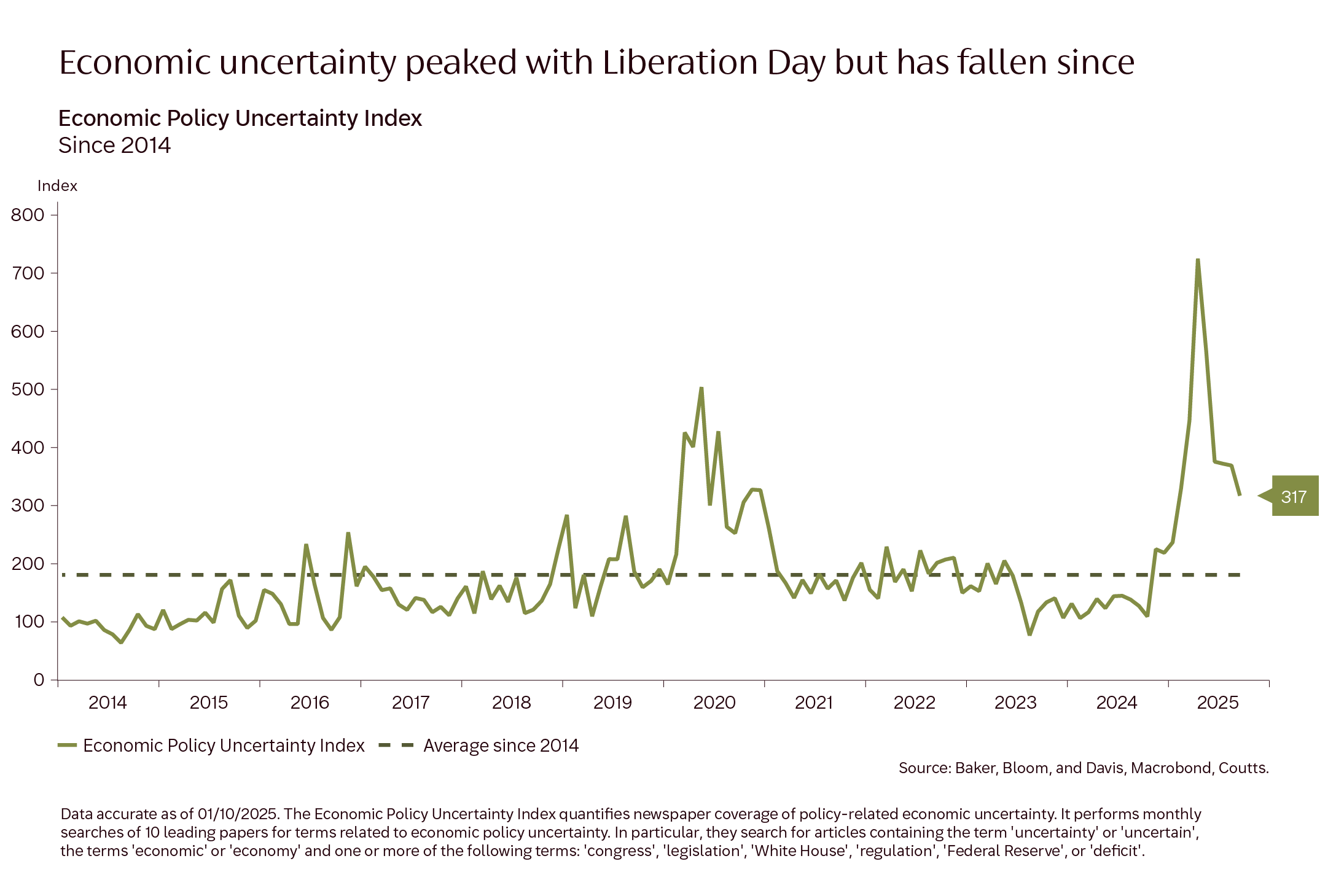
Financial markets have reacted sharply to the convergence of the PPI data and central bank rhetoric. Gold (XAU/USD), traditionally a safe-haven asset and a hedge against inflation, has seen significant volatility. Technical analysis shows that gold has been trapped between its 50-day and 100-day Simple Moving Averages (SMAs) as investors weigh the dual forces of high inflation (which is bullish for gold) and the prospect of high interest rates (which increases the opportunity cost of holding non-yielding bullion). The US Dollar has also seen increased demand, supported by the expectation that the Fed may need to keep rates higher for longer than its international peers, particularly as US producer prices heat up.
The "safe-haven" appeal of the greenback remains a dominant theme. Despite the pressures of a fragmenting global economy, nearly 80 percent of reserve managers still view the US Dollar as the world's primary safe-haven asset. However, this dominance is being scrutinized. As geopolitical tensions rise, some central banks are diversifying their reserves, with nearly three-quarters now holding gold. This shift underscores a broader reassessment of risk in a world where trade protectionism and conflict are once again major drivers of economic policy. The performance of the US Treasury market is also in focus, as confidence in US government bonds has weakened slightly compared to previous years.
From Wholesale to Retail: The Consumer Inflation Outlook
While the PPI tracks producer prices, its ultimate relevance for the average citizen lies in its impact on the Consumer Price Index (CPI). The "pass-through" effect describes how businesses transfer their increased costs to the end consumer. In a strong economy, businesses have more "pricing power," meaning they can raise prices without seeing a significant drop in demand. Recent surveys, such as the NAB monthly business survey in Australia, suggest that business confidence is fragile, yet firms are still looking to pass on costs where they can to protect their survival. The resilience of the consumer is the final piece of the puzzle; if spending remains robust despite higher prices, inflation is likely to stay elevated.
In the US, core inflation measures—which exclude volatile food and energy components—are providing a slightly more optimistic view. While headline PPI is being driven higher by energy, core PPI has remained relatively stable, suggesting that the oil-driven price spike has not yet broadly filtered through the entire economy. This distinction is crucial for the Federal Reserve. If core inflation continues to trend toward the target, the Fed may have more flexibility to support the economy if growth begins to falter. However, if the "bumpy" progress Jerome Powell referred to continues, the central bank will have little choice but to remain restrictive, even if the labor market begins to show signs of cooling.
Market Projections and the 2027 Outlook
Looking further ahead, econometric models suggest that US Producer Price Inflation may eventually settle around a 0.20 percent month-over-month trend by 2027. This projection assumes a stabilization of geopolitical conditions and a return to more normal supply chain operations. However, the path to 2027 remains fraught with uncertainty. The "energy shock" of 2026 has reset the baseline for many industries, and the long-term effects of higher interest rates are still being absorbed by the global economy. Central banks will continue to play a pivotal role, not just through their policy actions, but through their ability to provide a "stable monetary and financial system" as described by the Federal Reserve's core mission.
Investors are currently pricing in a high degree of "data dependency." This means that every major release on the economic calendar, whether it be the PPI, CPI, or employment figures, will likely cause short-term market movements. The era of predictable, low-inflation growth appears to have been replaced by a more volatile regime where central bank transparency is paramount. As central banks release more records of their internal meetings and increase the frequency of public appearances, the goal is to reduce "financial market turbulence" by ensuring that the public understands the logic behind every move. In this high-stakes environment, the US PPI report and central bankers speeches will remain firmly in focus.
Frequently Asked Questions
What is the Producer Price Index (PPI)?
The PPI is a family of indexes that measures the average change over time in the selling prices received by domestic producers for their output. It is a key indicator of inflation at the wholesale level.
Why do central bank speeches move the markets?
Speeches provide "forward guidance," allowing central bankers to share their outlook on the economy and future interest rate paths, which helps market participants price in future policy moves.
How does PPI affect the Consumer Price Index (CPI)?
PPI is considered a leading indicator for CPI because when producers face higher costs, they often pass those costs on to consumers in the form of higher retail prices.
What is "Core PPI"?
Core PPI is a version of the Producer Price Index that excludes volatile categories like food and energy, providing a clearer view of underlying inflation trends.
What is the "dual mandate" of the Federal Reserve?
The Federal Reserve's dual mandate, as prescribed by Congress, is to promote maximum employment and stable prices (low inflation) within the US economy.
Conclusion
The interplay between hard economic data and the narrative shaped by policymakers remains the defining feature of the current financial landscape. As the economic calendar continues to put the US PPI report and central bankers speeches in focus, market participants must remain vigilant. The recent surge in producer prices, largely driven by energy and geopolitical instability, presents a formidable challenge to the goal of price stability. However, the cautious and data-dependent approach of global central banks aims to navigate these turbulent waters without causing undue harm to the broader economy. Whether the current inflationary "bumps" are temporary or indicative of a more permanent shift remains to be seen, but the transparency provided by central bank communications will be the guiding light for investors in the months and years ahead.
Economic calendar: US PPI report and central bankers speeches in focus
Economic calendar: US PPI report and central bankers speeches in focus Wallpapers
Collection of economic calendar: us ppi report and central bankers speeches in focus wallpapers for your desktop and mobile devices.

High-Quality Economic Calendar: Us Ppi Report And Central Bankers Speeches In Focus Scene for Mobile
Transform your screen with this vivid economic calendar: us ppi report and central bankers speeches in focus artwork, a true masterpiece of digital design.
Detailed Economic Calendar: Us Ppi Report And Central Bankers Speeches In Focus Picture for Your Screen
Discover an amazing economic calendar: us ppi report and central bankers speeches in focus background image, ideal for personalizing your devices with vibrant colors and intricate designs.

Captivating Economic Calendar: Us Ppi Report And Central Bankers Speeches In Focus Image Illustration
This gorgeous economic calendar: us ppi report and central bankers speeches in focus photo offers a breathtaking view, making it a perfect choice for your next wallpaper.

Mesmerizing Economic Calendar: Us Ppi Report And Central Bankers Speeches In Focus Capture in 4K
Transform your screen with this vivid economic calendar: us ppi report and central bankers speeches in focus artwork, a true masterpiece of digital design.
Artistic Economic Calendar: Us Ppi Report And Central Bankers Speeches In Focus Capture Collection
Immerse yourself in the stunning details of this beautiful economic calendar: us ppi report and central bankers speeches in focus wallpaper, designed for a captivating visual experience.

Stunning Economic Calendar: Us Ppi Report And Central Bankers Speeches In Focus Image Illustration
Immerse yourself in the stunning details of this beautiful economic calendar: us ppi report and central bankers speeches in focus wallpaper, designed for a captivating visual experience.

Dynamic Economic Calendar: Us Ppi Report And Central Bankers Speeches In Focus Wallpaper Photography
This gorgeous economic calendar: us ppi report and central bankers speeches in focus photo offers a breathtaking view, making it a perfect choice for your next wallpaper.

Breathtaking Economic Calendar: Us Ppi Report And Central Bankers Speeches In Focus Moment Concept
Discover an amazing economic calendar: us ppi report and central bankers speeches in focus background image, ideal for personalizing your devices with vibrant colors and intricate designs.
Crisp Economic Calendar: Us Ppi Report And Central Bankers Speeches In Focus Landscape Concept
A captivating economic calendar: us ppi report and central bankers speeches in focus scene that brings tranquility and beauty to any device.

Lush Economic Calendar: Us Ppi Report And Central Bankers Speeches In Focus Photo Digital Art
Find inspiration with this unique economic calendar: us ppi report and central bankers speeches in focus illustration, crafted to provide a fresh look for your background.
Amazing Economic Calendar: Us Ppi Report And Central Bankers Speeches In Focus Capture in 4K
Explore this high-quality economic calendar: us ppi report and central bankers speeches in focus image, perfect for enhancing your desktop or mobile wallpaper.
Spectacular Economic Calendar: Us Ppi Report And Central Bankers Speeches In Focus Wallpaper for Your Screen
Find inspiration with this unique economic calendar: us ppi report and central bankers speeches in focus illustration, crafted to provide a fresh look for your background.

Beautiful Economic Calendar: Us Ppi Report And Central Bankers Speeches In Focus Landscape Concept
Experience the crisp clarity of this stunning economic calendar: us ppi report and central bankers speeches in focus image, available in high resolution for all your screens.

Dynamic Economic Calendar: Us Ppi Report And Central Bankers Speeches In Focus Wallpaper in HD
Immerse yourself in the stunning details of this beautiful economic calendar: us ppi report and central bankers speeches in focus wallpaper, designed for a captivating visual experience.

Artistic Economic Calendar: Us Ppi Report And Central Bankers Speeches In Focus Wallpaper for Desktop
A captivating economic calendar: us ppi report and central bankers speeches in focus scene that brings tranquility and beauty to any device.
Serene Economic Calendar: Us Ppi Report And Central Bankers Speeches In Focus Image in 4K
Explore this high-quality economic calendar: us ppi report and central bankers speeches in focus image, perfect for enhancing your desktop or mobile wallpaper.
Amazing Economic Calendar: Us Ppi Report And Central Bankers Speeches In Focus Picture Digital Art
Experience the crisp clarity of this stunning economic calendar: us ppi report and central bankers speeches in focus image, available in high resolution for all your screens.

High-Quality Economic Calendar: Us Ppi Report And Central Bankers Speeches In Focus Capture in 4K
Discover an amazing economic calendar: us ppi report and central bankers speeches in focus background image, ideal for personalizing your devices with vibrant colors and intricate designs.

Artistic Economic Calendar: Us Ppi Report And Central Bankers Speeches In Focus Wallpaper Photography
Find inspiration with this unique economic calendar: us ppi report and central bankers speeches in focus illustration, crafted to provide a fresh look for your background.

Detailed Economic Calendar: Us Ppi Report And Central Bankers Speeches In Focus View Illustration
Discover an amazing economic calendar: us ppi report and central bankers speeches in focus background image, ideal for personalizing your devices with vibrant colors and intricate designs.
Download these economic calendar: us ppi report and central bankers speeches in focus wallpapers for free and use them on your desktop or mobile devices.