Fuel prices are not the only reason to reconsider our love of utes
Fuel prices are not the only reason to reconsider our love of utes
The Australian and New Zealand automotive landscape has long been dominated by the utility vehicle, or ute. Traditionally seen as the rugged workhorse for tradies and farmers, the modern dual-cab ute has transitioned into a primary family vehicle, prized for its perceived versatility and commanding road presence. However, as the cost of living bites and environmental concerns grow, many owners are beginning to question whether the love affair is sustainable. While soaring diesel costs are often cited as the primary catalyst for switching to smaller or more efficient vehicles, a deeper dive into ownership data and urban infrastructure suggests that fuel prices are just the tip of the iceberg when it comes to the true cost of driving these massive machines.
Recent automotive studies and real-world usage data indicate that fuel prices are not the only reason to reconsider our love of utes, with factors such as high maintenance costs, safety risks for vulnerable road users, and extreme urban impracticality playing significant roles. Beyond the pump, ute owners face significantly higher registration fees, expensive tolls, and specialized servicing requirements compared to SUVs or passenger cars. Furthermore, the sheer physical dimensions of modern utes contribute to increased traffic congestion and parking difficulties in city environments, while their high center of gravity and weight pose unique handling challenges and safety concerns during emergency maneuvers.
The Hidden Costs of Ute Ownership Beyond the Pump
When calculating the total cost of ownership, many buyers focus solely on the sticker price and the weekly fuel bill. However, utes often carry a premium in almost every other financial category. Insurance premiums for utes can be considerably higher than those for standard sedans or even mid-sized SUVs. This is partly due to the high cost of replacement parts and the specialized nature of 4x4 components. If a ute is involved in a collision, the structural complexity and the size of the panels often lead to repair bills that far exceed those of smaller passenger vehicles.
Registration and tolls are another area where ute owners feel the pinch. In several Australian states, vehicles classified as light commercials or those exceeding a certain Gross Vehicle Mass (GVM) are subject to higher registration fees. Toll road operators also frequently categorize utes in a higher price bracket. For example, on major city motorways, a dual-cab ute can cost up to 60% more per trip than a standard SUV. Over a year of daily commuting, these additional charges can add thousands of dollars to the cost of living, making the "lifestyle" choice of a ute a very expensive one for urban dwellers who rarely utilize the vehicle's full towing or carrying capacity.
Urban Infrastructure vs. Oversized Vehicles
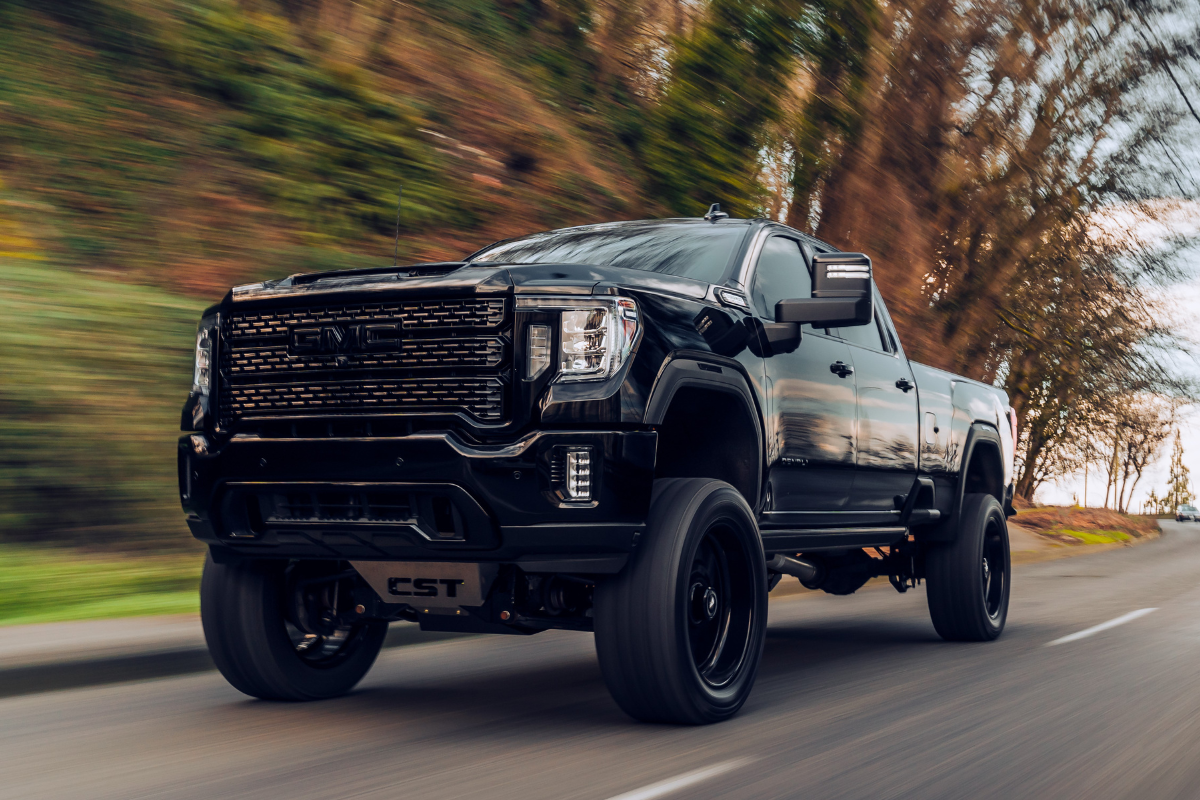
Most modern cities were designed long before the "supersizing" of the private vehicle fleet. As utes have grown in length and width—often exceeding 5 meters in length—they have become increasingly incompatible with urban infrastructure. Standard parking spaces in shopping centers and underground garages are frequently too narrow or too short for a modern Ranger or HiLux. This lead to "overhang," where the rear of the vehicle obstructs traffic lanes or the front encroaches on pedestrian walkways. In some cases, older multi-storey car parks are simply off-limits due to height restrictions, limiting the accessibility for ute drivers in dense CBD areas.
The maneuvering of these vehicles in tight spaces is also a significant drawback. Utes typically have a much larger turning circle than passenger cars, making U-turns and navigating narrow suburban streets a chore. The high bonnet line and large blind spots also make parking sensors and cameras a necessity rather than a luxury. Frustrated drivers circling for a spot that fits their vehicle not only waste time but also contribute to the very traffic congestion and localized pollution that city planners are working to reduce.
Safety Concerns for Vulnerable Road Users
While drivers often feel safer in a larger, heavier vehicle, this perceived safety comes at a high cost to everyone else on the road. Research indicates that pedestrians and cyclists are significantly more likely to suffer fatal injuries when struck by a ute compared to a smaller car. The high, blunt front end of a ute is more likely to strike a person in the chest or head rather than the legs, often pulling the victim under the vehicle rather than throwing them over the hood. Studies have shown that children are especially at risk, as they are often completely invisible to a driver sitting high up in a ute cabin during low-speed maneuvers in driveways or school zones.
Furthermore, the aggressive styling and mass of utes can influence driving behavior. There is a documented psychological effect where drivers in larger vehicles feel more "protected" and may engage in riskier maneuvers or follow other cars more closely. When an accident does occur between a 2.5-tonne ute and a 1.2-tonne hatchback, the laws of physics dictate that the occupants of the smaller vehicle will bear the brunt of the impact. This "arms race" for larger vehicles is leading to a less safe road environment for the general public, prompting safety advocates to call for stricter design standards and urban access restrictions for light trucks.
The Compromise of Ride Quality and Handling
Utes are fundamentally designed as "jacks of all trades," but this versatility requires significant compromises in on-road refinement. Most utes utilize a ladder-frame chassis and leaf-spring rear suspension, which is optimized for carrying heavy loads in the tray. When the tray is empty—as it is for the vast majority of urban commutes—the ride can be bouncy, stiff, and uncomfortable. Passengers in the rear seats of dual-cab utes often suffer the most, as the seats are typically more upright and offer less legroom than an equivalent-sized SUV, leading to fatigue on long journeys.
| Ownership Factor | Ute vs. SUV Comparison |
|---|---|
| Maintenance Frequency | Utes often require services every 10,000km compared to 15,000km for SUVs. |
| Toll Road Costs | Utes can pay up to 60% more on major city toll roads. |
Handling is another area where utes fall behind. The high center of gravity makes them less stable during cornering and more prone to body roll. In emergency situations, such as a sudden swerve to avoid an obstacle, a heavy ute does not respond with the same agility as a lower-slung car. Furthermore, many 4x4 utes use part-time systems that should not be engaged on dry bitumen. This means that in wet or greasy conditions, these high-torque vehicles are effectively rear-wheel drive and can be skittish, increasing the risk of loss of control for inexperienced drivers.
Maintenance and Long-Term Reliability Issues
The rugged image of the ute suggests a vehicle that is "built tough," but specialized hardware requires specialized (and expensive) maintenance. Diesel engines, which power the vast majority of utes, require regular attention to their particulate filters (DPF). If a diesel ute is used primarily for short city trips, the DPF can become clogged as the engine never reaches the sustained temperatures needed to burn off soot. This can lead to "limp mode" and thousands of dollars in repair bills. Petrol engines in large utes, while avoiding DPF issues, often have to work incredibly hard to move the vehicle's mass, leading to accelerated wear on components.
Owners also face more frequent service intervals. It is common for utes to require servicing every 10,000 kilometers or six months, whereas many modern SUVs and cars have moved to 12-month or 15,000-kilometer intervals. The cost of tires is another factor; the large, all-terrain tires favored by ute owners are significantly more expensive than standard road tires and can be noisier on the highway. Over the life of the vehicle, the cumulative cost of more frequent oil changes, expensive filters, and heavy-duty components makes the ute a demanding vehicle to keep in top condition.
Environmental Impact and Future Regulations
The environmental footprint of the ute is becoming increasingly difficult to ignore. As nations move toward net-zero targets, the high CO2 emissions of light trucks are under intense scrutiny. In many cases, a popular dual-cab ute emits nearly twice as much carbon dioxide per kilometer as a hybrid passenger car. This is not just a concern for the climate; it also has local health implications. Diesel utes emit higher levels of nitrogen oxides (NOx) and fine particulates, which contribute to poor air quality in dense urban corridors and are linked to respiratory issues.
Governments are beginning to respond with stricter fuel-efficiency standards. In some regions, manufacturers may soon face penalties for selling high-emission vehicles, which will likely be passed on to the consumer in the form of higher purchase prices. Urban centers are also exploring "low-emission zones" where high-polluting vehicles are either banned or charged a premium to enter. Reconsidering the love for utes now may save owners from being stuck with a vehicle that is increasingly restricted and expensive to operate in the cities of the future.
The Security and Practicality Paradox
One of the main selling points of a ute is the open tray, but for the average user, this "benefit" often becomes a liability. Without a canopy or a lockable hard tonneau cover—which can cost several thousand dollars—the tray offers zero security for tools, groceries, or sports gear. Items left in the back are exposed to the elements and are an easy target for opportunistic thieves. Even with a cover, a ute tray is rarely as dust-proof or waterproof as a standard car boot or SUV cargo area. Owners often find themselves putting their shopping or suitcases in the rear footwell of the cabin, negating the purpose of having a large tray in the first place.
The height of the tray also presents a physical challenge. Lifting heavy or bulky items into a high ute bed is more difficult than sliding them into the lower boot of a station wagon or SUV. While the tray is excellent for "dirty" loads like mulch or motocross bikes, most dual-cab owners rarely use it for such purposes. For the few times a year a large load needs to be moved, many find that a cheap trailer or a rental van is a far more practical and secure solution than living with the daily compromises of a ute.
Better Alternatives for the Modern Commuter
For those who love the high seating position and versatile image of a ute but spend 95% of their time on sealed city roads, there are numerous alternatives that offer better value and performance. Mid-sized and large SUVs provide similar ground clearance and 4WD capability for weekend adventures but with significantly better safety ratings, interior comfort, and fuel efficiency. Many modern SUVs also offer hybrid or fully electric powertrains, which are currently almost non-existent in the mainstream ute market.
If the need for a tray is truly essential for work, a dedicated commercial van is often a superior choice. Vans offer more secure, weather-protected storage, easier side-access for tools, and better fuel economy in urban settings. For families, the "adventure" lifestyle can often be better served by a 4x4 wagon, which keeps the kids comfortable and the gear secure. By objectively assessing their actual needs rather than buying into a marketed image, consumers can find vehicles that are safer, cheaper, and much more enjoyable to drive in their everyday lives.
FAQ
Are utes more expensive to insure than SUVs?
Generally, yes. Utes often have higher insurance premiums due to the higher cost of 4x4 components, the likelihood of being used for work or off-roading, and the specialized parts required for repairs.
Why do utes pay higher tolls on some roads?
Toll operators often categorize utes as light commercial vehicles rather than passenger cars based on their weight and cab-chassis construction, leading to significantly higher charges in cities like Melbourne and Brisbane.
Is a diesel ute suitable for city driving?
Diesel utes can struggle with short city trips because the Diesel Particulate Filter (DPF) needs long highway runs to clean itself. Frequent short trips can lead to DPF clogging and expensive repairs.
Are utes safer than standard cars because they are bigger?
While they offer protection to the driver due to mass, they are often less safe for pedestrians and have a higher risk of rolling over in an accident due to their high center of gravity.
Do utes have better resale value than cars?
Historically, popular models like the HiLux and Ranger have held their value well. However, as fuel costs rise and regulations tighten, the resale market for high-emission vehicles may become more volatile.
Conclusion
The decision to own a ute involves a complex trade-off between perceived utility and actual daily practicality. While fuel prices are a major concern, they are simply one component of a much larger financial and social cost. The hidden expenses of tolls, insurance, and maintenance, combined with the safety risks to the community and the sheer frustration of navigating urban environments in an oversized vehicle, suggest that it is time for a genuine re-evaluation of our love for utes. For the minority who truly require their unique capabilities for work or remote exploration, they remain an essential tool. But for the urban family or the city-bound commuter, the modern ute is increasingly becoming a lifestyle choice that is difficult to justify in a changing world. By looking beyond the marketing, drivers can find smarter, safer, and more sustainable ways to get from A to B.
Fuel prices are not the only reason to reconsider our love of utes
Fuel prices are not the only reason to reconsider our love of utes Wallpapers
Collection of fuel prices are not the only reason to reconsider our love of utes wallpapers for your desktop and mobile devices.
:max_bytes(150000):strip_icc()/gasprices-72326742769a4a3e90e3d260e8d13ebb.jpg "Exquisite Fuel Prices Are Not The Only Reason To Reconsider Our Love Of Utes Abstract Nature")
Exquisite Fuel Prices Are Not The Only Reason To Reconsider Our Love Of Utes Abstract Nature
Find inspiration with this unique fuel prices are not the only reason to reconsider our love of utes illustration, crafted to provide a fresh look for your background.

Crisp Fuel Prices Are Not The Only Reason To Reconsider Our Love Of Utes Wallpaper Photography
Immerse yourself in the stunning details of this beautiful fuel prices are not the only reason to reconsider our love of utes wallpaper, designed for a captivating visual experience.

Dynamic Fuel Prices Are Not The Only Reason To Reconsider Our Love Of Utes Background in 4K
This gorgeous fuel prices are not the only reason to reconsider our love of utes photo offers a breathtaking view, making it a perfect choice for your next wallpaper.

Exquisite Fuel Prices Are Not The Only Reason To Reconsider Our Love Of Utes View Illustration
Immerse yourself in the stunning details of this beautiful fuel prices are not the only reason to reconsider our love of utes wallpaper, designed for a captivating visual experience.
Mesmerizing Fuel Prices Are Not The Only Reason To Reconsider Our Love Of Utes Photo for Desktop
Experience the crisp clarity of this stunning fuel prices are not the only reason to reconsider our love of utes image, available in high resolution for all your screens.
Stunning Fuel Prices Are Not The Only Reason To Reconsider Our Love Of Utes Landscape in HD
Find inspiration with this unique fuel prices are not the only reason to reconsider our love of utes illustration, crafted to provide a fresh look for your background.
Amazing Fuel Prices Are Not The Only Reason To Reconsider Our Love Of Utes Landscape for Desktop
Discover an amazing fuel prices are not the only reason to reconsider our love of utes background image, ideal for personalizing your devices with vibrant colors and intricate designs.
Mesmerizing Fuel Prices Are Not The Only Reason To Reconsider Our Love Of Utes Picture Concept
Discover an amazing fuel prices are not the only reason to reconsider our love of utes background image, ideal for personalizing your devices with vibrant colors and intricate designs.

Gorgeous Fuel Prices Are Not The Only Reason To Reconsider Our Love Of Utes Moment in HD
Find inspiration with this unique fuel prices are not the only reason to reconsider our love of utes illustration, crafted to provide a fresh look for your background.
Mesmerizing Fuel Prices Are Not The Only Reason To Reconsider Our Love Of Utes Background Collection
Discover an amazing fuel prices are not the only reason to reconsider our love of utes background image, ideal for personalizing your devices with vibrant colors and intricate designs.
Beautiful Fuel Prices Are Not The Only Reason To Reconsider Our Love Of Utes Background Collection
Experience the crisp clarity of this stunning fuel prices are not the only reason to reconsider our love of utes image, available in high resolution for all your screens.

Detailed Fuel Prices Are Not The Only Reason To Reconsider Our Love Of Utes Abstract in HD
Transform your screen with this vivid fuel prices are not the only reason to reconsider our love of utes artwork, a true masterpiece of digital design.

Breathtaking Fuel Prices Are Not The Only Reason To Reconsider Our Love Of Utes View Collection
Explore this high-quality fuel prices are not the only reason to reconsider our love of utes image, perfect for enhancing your desktop or mobile wallpaper.
High-Quality Fuel Prices Are Not The Only Reason To Reconsider Our Love Of Utes Abstract Digital Art
Discover an amazing fuel prices are not the only reason to reconsider our love of utes background image, ideal for personalizing your devices with vibrant colors and intricate designs.

Vibrant Fuel Prices Are Not The Only Reason To Reconsider Our Love Of Utes Design Art
Transform your screen with this vivid fuel prices are not the only reason to reconsider our love of utes artwork, a true masterpiece of digital design.
Artistic Fuel Prices Are Not The Only Reason To Reconsider Our Love Of Utes Scene Nature
Immerse yourself in the stunning details of this beautiful fuel prices are not the only reason to reconsider our love of utes wallpaper, designed for a captivating visual experience.
Serene Fuel Prices Are Not The Only Reason To Reconsider Our Love Of Utes Moment Nature
Explore this high-quality fuel prices are not the only reason to reconsider our love of utes image, perfect for enhancing your desktop or mobile wallpaper.
Lush Fuel Prices Are Not The Only Reason To Reconsider Our Love Of Utes Picture Art
This gorgeous fuel prices are not the only reason to reconsider our love of utes photo offers a breathtaking view, making it a perfect choice for your next wallpaper.
Gorgeous Fuel Prices Are Not The Only Reason To Reconsider Our Love Of Utes Scene Digital Art
Immerse yourself in the stunning details of this beautiful fuel prices are not the only reason to reconsider our love of utes wallpaper, designed for a captivating visual experience.

Vivid Fuel Prices Are Not The Only Reason To Reconsider Our Love Of Utes Landscape for Desktop
Discover an amazing fuel prices are not the only reason to reconsider our love of utes background image, ideal for personalizing your devices with vibrant colors and intricate designs.
Download these fuel prices are not the only reason to reconsider our love of utes wallpapers for free and use them on your desktop or mobile devices.