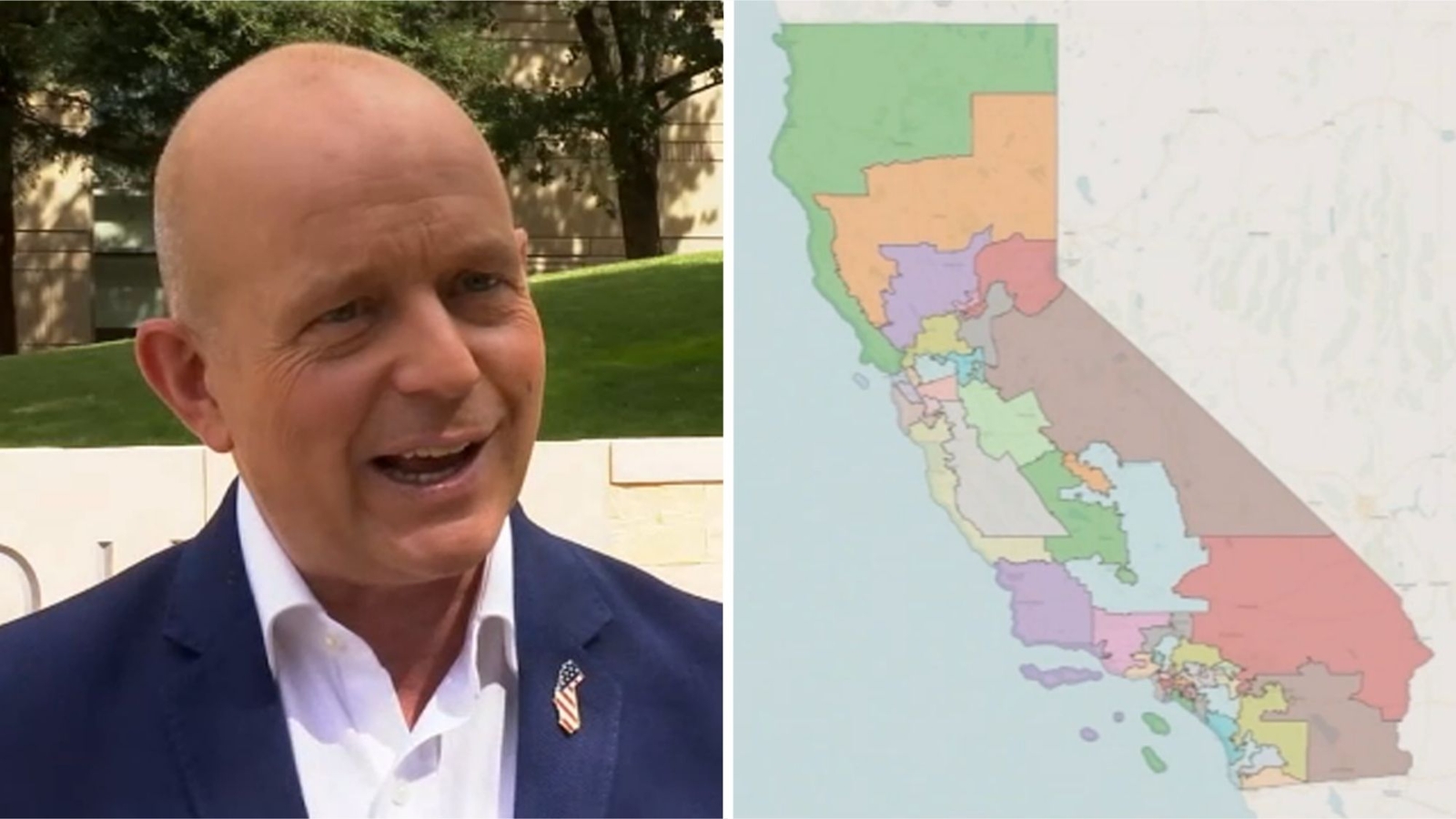
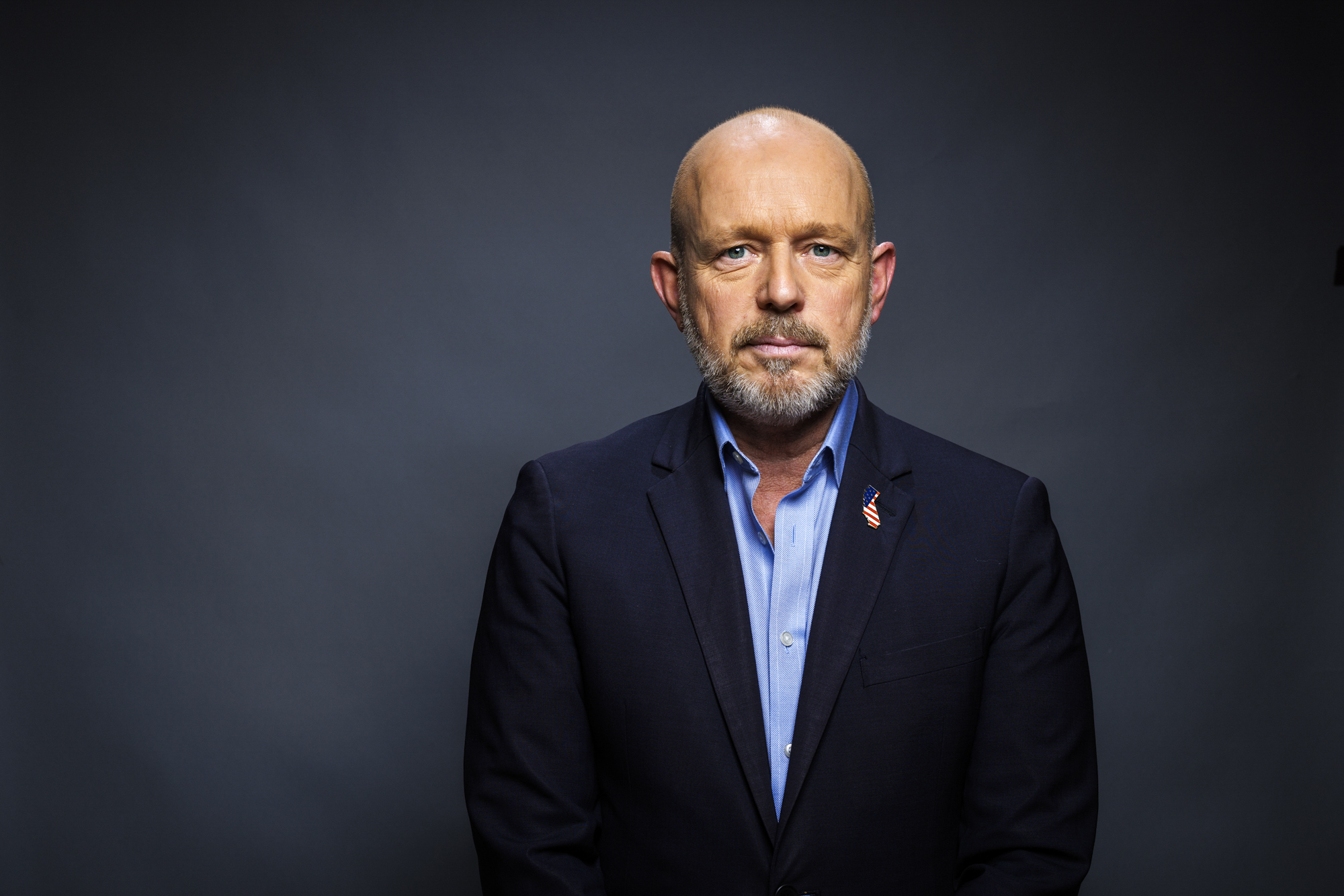
Governor candidate Steve Hilton thinks no one under 16 should have a smartphone
Governor candidate Steve Hilton thinks no one under 16 should have a smartphone
The debate over children's access to technology has taken a bold political turn as California governor candidate Steve Hilton advocates for a comprehensive ban on smartphones for anyone under the age of 16. Hilton, a former advisor to UK Prime Minister David Cameron and a prominent media personality, argues that the pervasive nature of these devices is fundamentally damaging to the developmental health, social skills, and safety of young people. His proposal joins a growing international movement of parents and educators who believe that "reclaiming childhood" requires disconnecting the next generation from the addictive algorithms of Big Tech. As the 2026 gubernatorial race heats up, this stance has become a central pillar of his platform, sparking intense discussion among voters regarding the role of government in parenting and digital regulation.
Featured Snippet: Governor candidate Steve Hilton supports a legal ban on smartphones for children under 16, citing concerns over mental health, screen addiction, and the "premature sexualization" caused by unrestricted internet access. Hilton argues that smartphones are not a necessity but a "disaster" for families, and that society must set clear standards to protect minors from digital harms, similar to age restrictions on tobacco and alcohol.
The Core of Hilton's Argument: Protecting Childhood
Steve Hilton's stance is deeply rooted in the philosophy that childhood is being eroded by the digital age. He argues that smartphones provide "the internet in their pocket anytime any place," which he describes as a "wretched" influence on developing minds. Hilton's primary concern is that children are no longer engaging in the traditional aspects of growing up—such as face-to-face socialization, outdoor play, and focused learning—because they are constantly tethered to a device designed to capture and hold their attention. By proposing a ban for those under 16, Hilton aims to create a systemic shift that removes the social pressure on parents to provide these devices just because "everyone else has one."
He frequently references his 2015 book, "More Human," where he first explored the idea that technology should serve humanity rather than dominate it. In his view, the smartphone has become a primary driver of family dysfunction. When children are constantly distracted by notifications and social media, the quality of interaction within the home diminishes. Hilton believes that by setting a legal standard, the state can empower parents to say "no," effectively resetting the cultural expectation for what a healthy childhood looks like in the 21st century.
Mental Health Crisis and the Smartphone Link
One of the most compelling aspects of the argument for a smartphone ban is the documented rise in adolescent mental health issues. Hilton points to data showing a direct correlation between the proliferation of smartphones and the spike in teen depression and anxiety. Research indicates that between 2010 and 2015, as smartphone adoption reached a tipping point among teenagers, signs of depression in U.S. teens increased by 33%, and suicide attempts rose significantly. Hilton argues that these are not mere coincidences but the direct result of "addictive algorithms" that prioritize engagement over the well-being of young users.
The "News Trending Update" style highlights that this is not just a California issue but a global concern. Movements like "Smartphone Free Childhood" in the UK have gained thousands of followers, suggesting that Hilton’s policy proposal taps into a widespread parental anxiety. The argument is that the constant social comparison, cyberbullying, and exposure to harmful content found on social media platforms are too much for a developing brain to handle. Hilton asserts that a ban would provide the "breathing room" necessary for children to develop emotional resilience without the constant pressure of a digital audience.
Educational Impact: Removing Distractions from the Classroom
Beyond the home, the classroom is where the impact of smartphones is most visible. Educators across the country have reported that smartphones have become "pervasive distractions," making it nearly impossible to maintain student focus. Hilton’s proposal aligns with efforts in various states, including Georgia, to implement "bell-to-bell" bans in schools. Supporters of such bans cite studies showing that removing phones can lead to a measurable increase in academic achievement, particularly among low-achieving students who are most susceptible to digital distractions.
In regions where phone bans have been implemented, schools often report a 6.4% increase in national exam scores. Hilton argues that a state-wide ban for under-16s would simplify the enforcement process for schools. Rather than teachers having to "police" devices in every period, the cultural and legal expectation would be that minors simply do not have them. This allows the educational environment to return to its core purpose: learning and interpersonal interaction.
Comparison of Digital Restrictions and Outcomes
To better understand the landscape of this proposal, it is helpful to look at how different approaches to technology regulation compare in terms of their intended goals and observed results.
| Regulation Strategy | Expected Outcome |
|---|---|
| Total Smartphone Ban (Under 16) | Significant reduction in cyberbullying and improved mental health. |
| School Bell-to-Bell Restrictions | Higher classroom engagement and increased standardized test scores. |
| Parental Control Software | Limited success; often bypassed by tech-savvy minors. |
| Educational Use Only Policies | High enforcement burden on teachers; mixed academic results. |
The "Safety" Counter-Argument: A Double-Edged Sword
Critics of Hilton's proposal often cite safety as the primary reason for giving a child a smartphone. Parents want to be able to reach their children during emergencies, such as school lockdowns or after-school transport issues. However, Hilton and other supporters of the ban argue that this "safety" is often an illusion that brings more harm than good. They point out that in actual emergency situations, high volumes of cell traffic can jam telecommunication channels needed by first responders. Furthermore, the sound of a notification could inadvertently reveal a student's location to an intruder.
Hilton suggests that if communication is the only goal, "dumb phones" or simplified devices without internet access could serve the purpose without the risks associated with smartphones. This distinction is crucial to his platform: he isn't necessarily against all forms of mobile communication, but specifically against the "internet in the pocket" that smartphones provide. By focusing on the device's capability rather than its existence, Hilton tries to bridge the gap between safety-conscious parents and those worried about digital harms.
Social Media: The "Cigarette of Our Generation"
Hilton’s rhetoric often compares smartphones and social media to other regulated substances like tobacco. During legislative hearings on similar topics, students have even testified that "social media is like the cigarette for our generation." This comparison frames the issue as a public health crisis rather than a matter of personal choice. Hilton argues that just as we do not allow children to buy alcohol or cigarettes because they lack the maturity to handle the consequences, we should not allow them access to platforms designed to be addictive.
The "premature sexualization" of children is another key point in Hilton’s campaign. He argues that unrestricted internet access exposes minors to adult content and social pressures far beyond their emotional capacity. By banning the devices that facilitate this access, Hilton believes the state can help "reclaim childhood" and protect children from the predatory nature of many online spaces. This resonates with a conservative voter base that values traditional family structures and child protection.
The Enforcement Challenge: Can a Ban Actually Work?
A major hurdle for Hilton’s proposal is the question of enforcement. Critics argue that a state-mandated ban would be impossible to police and would turn parents and teachers into "enforcement agents." Hilton acknowledges that no ban is 100% effective—noting that kids still find ways to vape or smoke—but he insists that the law sets an "expectation of society’s standards." By making it illegal to sell or provide these devices to minors, the "default" state of childhood changes.
Furthermore, Hilton believes that the burden should fall on the tech companies and retailers. Just as age-verification is required for many physical and digital goods, Hilton’s policy would likely include mandates for hardware manufacturers and service providers to implement stricter age-gating. While this raises concerns about privacy and state overreach, Hilton argues that the alternative—a generation lost to screen addiction—is a much higher price to pay.
Global Trends: Is California Ready for a Smartphone Ban?
Hilton is not alone in his thinking. Countries like France have already moved to ban smartphones in schools, and the UK has issued strong guidance to headteachers to do the same. In the United States, Florida and Indiana have recently passed laws restricting phone use during instructional time. Hilton’s proposal is unique in its scope, moving beyond the school day to a general age-based restriction. As a candidate for governor of the most populous state in the U.S., Hilton’s success or failure with this policy could set a precedent for the entire nation.
Voters in California are historically divided on issues of technology. On one hand, the state is the home of Silicon Valley; on the other, it has some of the most stringent privacy and child-protection laws in the country. Hilton is betting that the growing "tech-lash" among parents will outweigh the influence of the tech industry. His campaign focuses on the idea that "reclaiming our kids' childhood" is a non-partisan issue that affects every family, regardless of political affiliation.
FAQs: Understanding the Smartphone Ban Proposal
Q1: Does Steve Hilton want to ban all phones for kids?
A1: Steve Hilton specifically targets "smartphones" that provide unrestricted internet access. He has suggested that simplified "dumb phones" or child-friendly devices without apps might be an acceptable alternative for emergency communication.
Q2: What is the primary reason for the age limit of 16?
A2: Hilton argues that under 16, children are in a critical stage of brain development and are particularly vulnerable to the addictive nature of social media and the social pressures of the internet.
Q3: How would a smartphone ban be enforced?
A3: While specific legislative details are still developing, Hilton suggests that the ban would set a societal standard and put pressure on retailers and tech companies to implement stricter age-verification, similar to regulations for tobacco and alcohol.
Q4: What do critics say about the safety of children without phones?
A4: Critics worry that parents won't be able to reach their children during emergencies. Hilton responds that smartphones can actually hinder emergency response by jamming signals and that school-wide communication systems should be the primary safety net.
Q5: Is there scientific evidence supporting Hilton's claims?
A5: Yes, multiple studies show a correlation between high smartphone use and increased rates of teen depression, anxiety, and sleep deprivation. Additionally, some data shows that academic performance improves in schools with strict phone bans.
Conclusion
Steve Hilton’s proposal to ban smartphones for children under 16 is more than just a policy point; it is a challenge to the modern digital status quo. By framing the issue as a choice between "addictive algorithms" and a "healthy childhood," Hilton has positioned himself at the forefront of a growing cultural movement. Whether or not such a ban is practically enforceable or politically viable in California remains to be seen, but the conversation it has ignited reflects a deep-seated concern among parents and educators nationwide. As technology continues to evolve, the debate over how to protect the next generation from its potential harms will only become more central to the American political landscape.
Governor candidate Steve Hilton thinks no one under 16 should have a smartphone
Governor candidate Steve Hilton thinks no one under 16 should have a smartphone Wallpapers
Collection of governor candidate steve hilton thinks no one under 16 should have a smartphone wallpapers for your desktop and mobile devices.
Amazing Governor Candidate Steve Hilton Thinks No One Under 16 Should Have A Smartphone View Photography
Discover an amazing governor candidate steve hilton thinks no one under 16 should have a smartphone background image, ideal for personalizing your devices with vibrant colors and intricate designs.
Stunning Governor Candidate Steve Hilton Thinks No One Under 16 Should Have A Smartphone Moment in HD
Immerse yourself in the stunning details of this beautiful governor candidate steve hilton thinks no one under 16 should have a smartphone wallpaper, designed for a captivating visual experience.

Vibrant Governor Candidate Steve Hilton Thinks No One Under 16 Should Have A Smartphone Wallpaper Illustration
Explore this high-quality governor candidate steve hilton thinks no one under 16 should have a smartphone image, perfect for enhancing your desktop or mobile wallpaper.

Artistic Governor Candidate Steve Hilton Thinks No One Under 16 Should Have A Smartphone View Concept
A captivating governor candidate steve hilton thinks no one under 16 should have a smartphone scene that brings tranquility and beauty to any device.

Gorgeous Governor Candidate Steve Hilton Thinks No One Under 16 Should Have A Smartphone Wallpaper Concept
Find inspiration with this unique governor candidate steve hilton thinks no one under 16 should have a smartphone illustration, crafted to provide a fresh look for your background.
High-Quality Governor Candidate Steve Hilton Thinks No One Under 16 Should Have A Smartphone Landscape Digital Art
Discover an amazing governor candidate steve hilton thinks no one under 16 should have a smartphone background image, ideal for personalizing your devices with vibrant colors and intricate designs.

Crisp Governor Candidate Steve Hilton Thinks No One Under 16 Should Have A Smartphone Background for Your Screen
This gorgeous governor candidate steve hilton thinks no one under 16 should have a smartphone photo offers a breathtaking view, making it a perfect choice for your next wallpaper.

Crisp Governor Candidate Steve Hilton Thinks No One Under 16 Should Have A Smartphone Artwork Art
Immerse yourself in the stunning details of this beautiful governor candidate steve hilton thinks no one under 16 should have a smartphone wallpaper, designed for a captivating visual experience.
Detailed Governor Candidate Steve Hilton Thinks No One Under 16 Should Have A Smartphone Design Illustration
Discover an amazing governor candidate steve hilton thinks no one under 16 should have a smartphone background image, ideal for personalizing your devices with vibrant colors and intricate designs.
Mesmerizing Governor Candidate Steve Hilton Thinks No One Under 16 Should Have A Smartphone Scene Illustration
Explore this high-quality governor candidate steve hilton thinks no one under 16 should have a smartphone image, perfect for enhancing your desktop or mobile wallpaper.
Detailed Governor Candidate Steve Hilton Thinks No One Under 16 Should Have A Smartphone Photo Photography
Discover an amazing governor candidate steve hilton thinks no one under 16 should have a smartphone background image, ideal for personalizing your devices with vibrant colors and intricate designs.

Crisp Governor Candidate Steve Hilton Thinks No One Under 16 Should Have A Smartphone Design Concept
Immerse yourself in the stunning details of this beautiful governor candidate steve hilton thinks no one under 16 should have a smartphone wallpaper, designed for a captivating visual experience.
Mesmerizing Governor Candidate Steve Hilton Thinks No One Under 16 Should Have A Smartphone Artwork in 4K
Discover an amazing governor candidate steve hilton thinks no one under 16 should have a smartphone background image, ideal for personalizing your devices with vibrant colors and intricate designs.
Lush Governor Candidate Steve Hilton Thinks No One Under 16 Should Have A Smartphone Moment for Mobile
This gorgeous governor candidate steve hilton thinks no one under 16 should have a smartphone photo offers a breathtaking view, making it a perfect choice for your next wallpaper.
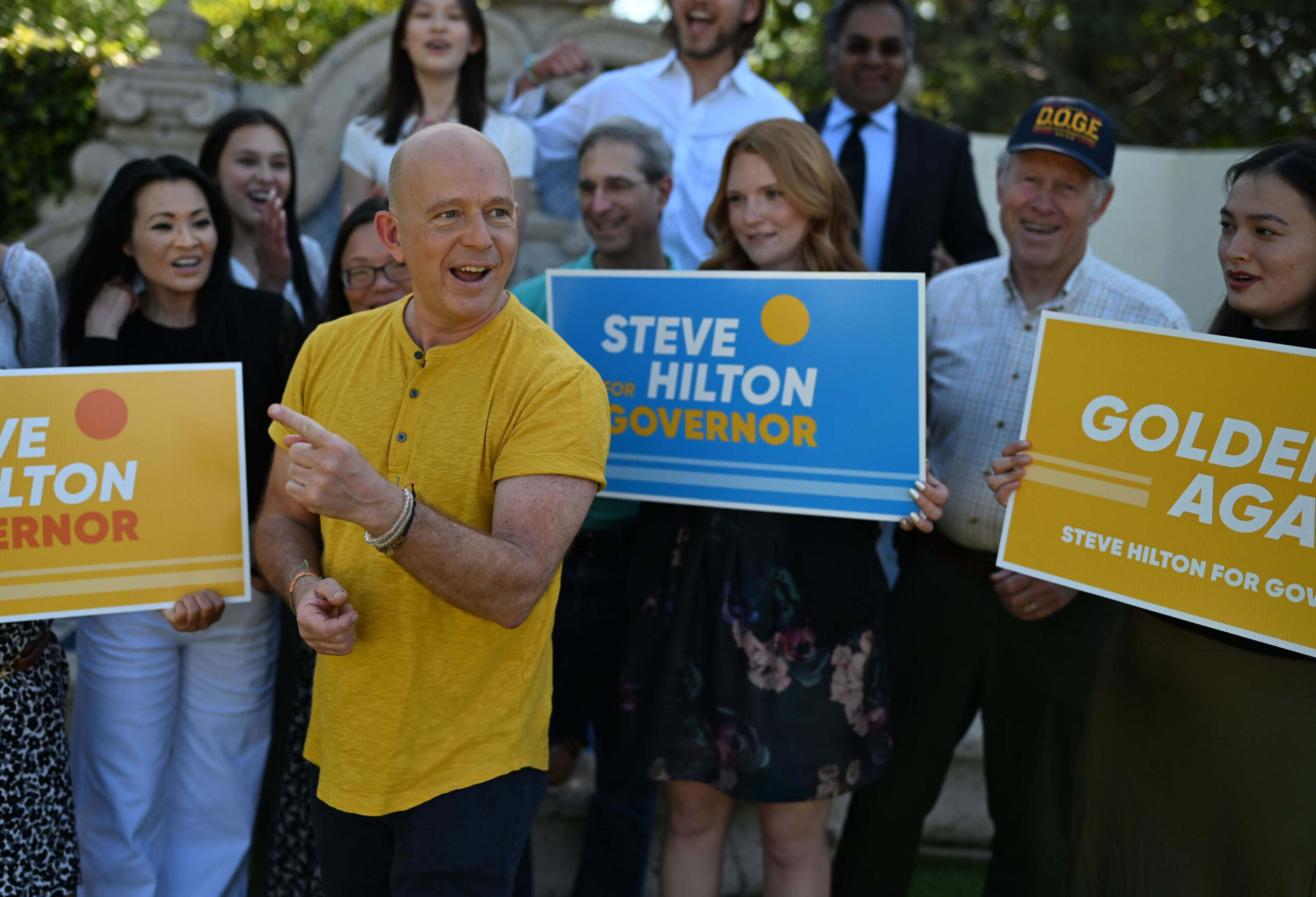
Amazing Governor Candidate Steve Hilton Thinks No One Under 16 Should Have A Smartphone View for Desktop
Explore this high-quality governor candidate steve hilton thinks no one under 16 should have a smartphone image, perfect for enhancing your desktop or mobile wallpaper.

Dynamic Governor Candidate Steve Hilton Thinks No One Under 16 Should Have A Smartphone Image Illustration
Find inspiration with this unique governor candidate steve hilton thinks no one under 16 should have a smartphone illustration, crafted to provide a fresh look for your background.

Beautiful Governor Candidate Steve Hilton Thinks No One Under 16 Should Have A Smartphone View Illustration
Explore this high-quality governor candidate steve hilton thinks no one under 16 should have a smartphone image, perfect for enhancing your desktop or mobile wallpaper.
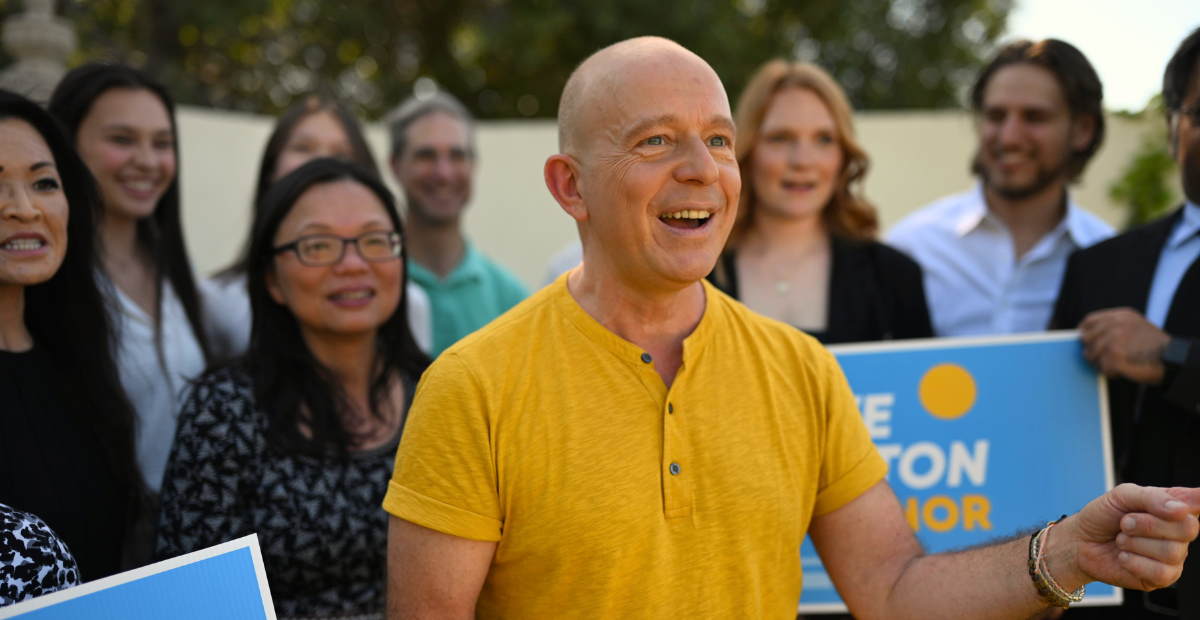
Beautiful Governor Candidate Steve Hilton Thinks No One Under 16 Should Have A Smartphone Capture for Your Screen
Explore this high-quality governor candidate steve hilton thinks no one under 16 should have a smartphone image, perfect for enhancing your desktop or mobile wallpaper.

Exquisite Governor Candidate Steve Hilton Thinks No One Under 16 Should Have A Smartphone Landscape Photography
A captivating governor candidate steve hilton thinks no one under 16 should have a smartphone scene that brings tranquility and beauty to any device.

Dynamic Governor Candidate Steve Hilton Thinks No One Under 16 Should Have A Smartphone Artwork for Desktop
Find inspiration with this unique governor candidate steve hilton thinks no one under 16 should have a smartphone illustration, crafted to provide a fresh look for your background.
Download these governor candidate steve hilton thinks no one under 16 should have a smartphone wallpapers for free and use them on your desktop or mobile devices.