How many people would Reform UK deport?
How many people would Reform UK deport?
The question of immigration has become a central pillar of British political discourse, and Reform UK, led by Nigel Farage, has positioned itself at the forefront of this debate with radical proposals for mass removals. As the party gains momentum in national polls, many are asking exactly how many people would Reform UK deport if they came to power. The party's platform, centered on Operation Restoring Justice, outlines a vision that moves far beyond existing government policies, targeting not just those who arrive via unauthorized routes but also hundreds of thousands of people currently living in the UK with legal status. By proposing to scrap indefinite leave to remain and reviewing years of asylum grants, the party's ambitions suggest a scale of deportation that hasn't been seen in modern British history, sparking intense debate over the feasibility, legality, and moral implications of such a significant shift in national policy.
Reform UK has stated that it plans to deport up to 600,000 people over the course of a single five-year parliament. This figure primarily comprises individuals the party identifies as having arrived in the country illegally. However, broader analysis of their policies—including the retrospective review of 400,000 asylum claims from the last five years and the replacement of Indefinite Leave to Remain (ILR) with renewable work visas—suggests that at least 2 million people could potentially be at risk of losing their right to stay in the United Kingdom under a Reform government.
The Core Target: 600,000 "Illegal" Migrants
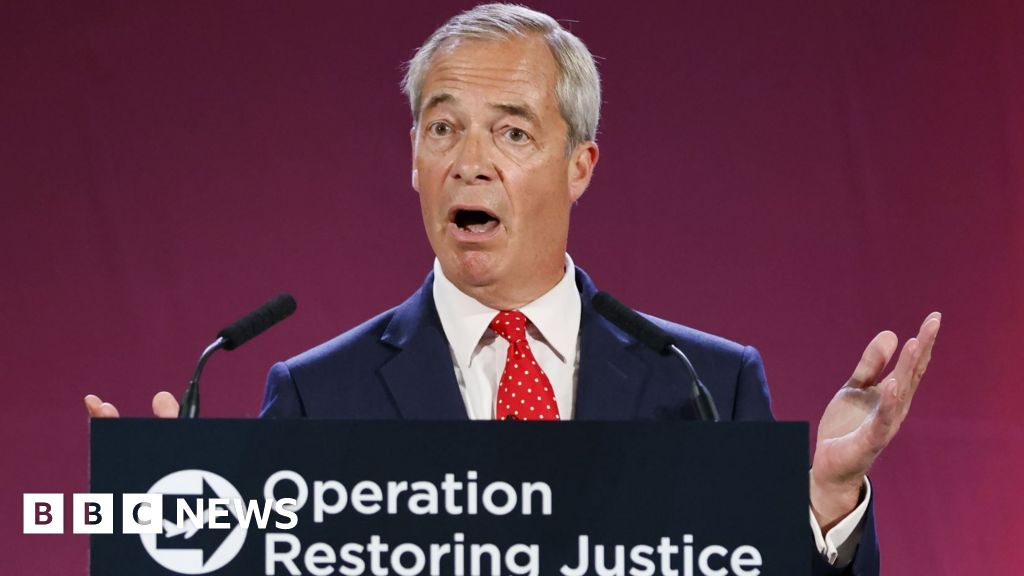
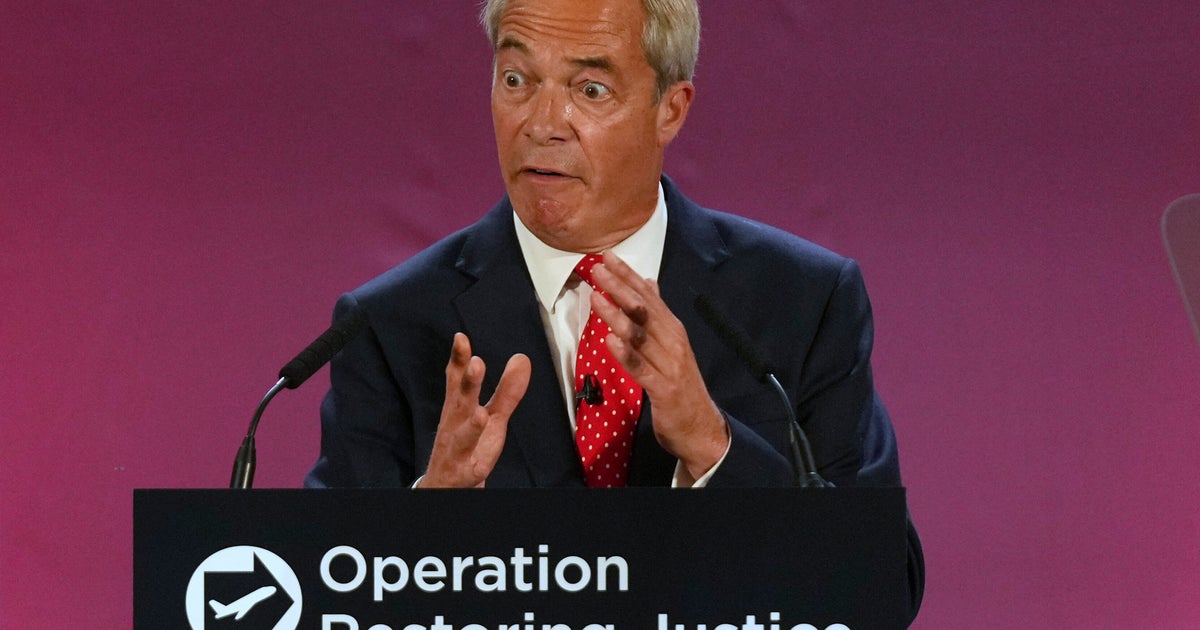
At the heart of Reform UK’s manifesto is the pledge to "detain and deport" everyone who arrives in the UK illegally. Nigel Farage and Home Affairs spokesperson Zia Yusuf have explicitly named a target of 600,000 deportations within a five-year term. This policy, branded as Operation Restoring Justice, is designed to create an "iron-clad consequence" for unlawful presence: swift removal. The party argues that by establishing a 100% deportation rate for illegal arrivals, the "pull factor" for small boat crossings would vanish almost overnight.
To achieve this, Reform UK proposes a massive expansion of the UK's detention and removal infrastructure. Currently, the UK has roughly 2,200 to 2,500 detention spaces. Reform's plan involves scaling this up to 24,000 spaces within 18 months, utilizing repurposed military bases and modular accommodation. They envisage running five deportation flights per day, supported by a "hot-spare" RAF aircraft to ensure operational integrity. This would represent a logistical undertaking far beyond the capacity of any previous administration.
The Five-Year Asylum Review: 400,000 Cases in Scope
One of the most controversial aspects of the Reform UK platform is the proposal to retrospectively review every successful asylum application approved over the last five years. Zia Yusuf and Nigel Farage have stated that approximately 400,000 people would be "in scope" for this review. The goal would be to determine if these individuals arrived illegally, overstayed visas, or if their home countries are now deemed safe enough for return. If an individual fails to meet these new, stricter criteria, their protection would be rescinded.
This "retrospective justice" approach has drawn sharp criticism from legal experts and human rights organizations. They warn that such a move would likely trigger a massive backlog in the court system as individuals appeal the revocation of their status. Furthermore, it creates significant uncertainty for employers, particularly in sectors like social care and food processing, which have come to rely on refugees who have been granted the right to work in the UK. Reform argues the move is necessary to correct what they view as a breakdown in public faith in the asylum system.
Scrapping Indefinite Leave to Remain (ILR)
Beyond those seeking asylum, Reform UK’s policies would significantly impact migrants who have entered the UK through legal, work-based routes. The party has pledged to end the granting of Indefinite Leave to Remain (ILR), which currently allows migrants to settle, work freely, and access public services after a certain period of residency. Instead, they would introduce renewable five-year work visas with high salary thresholds and strict English language requirements.
Crucially, Reform plans to apply this change retrospectively to some individuals who already hold ILR. This could potentially affect a huge number of people. Estimates suggest that 1.75 million people who arrived post-Brexit are expected to qualify for ILR between 2025 and 2030. Under Reform’s plans, many in this group—particularly low-earning workers in the care sector—would be at "high risk" of being unable to stay. When combined with the hundreds of thousands of non-EU nationals already holding ILR, the total number of people whose settlement status could be challenged reaches into the millions.
Operation Restoring Justice and the UK Deportation Command
To execute these mass deportations, Reform UK intends to create a new enforcement agency: the UK Deportation Command. This agency would be modeled after the U.S. Immigration and Customs Enforcement (ICE) but adapted for the UK's "policing by consent" model. A central feature would be an Illegal Migrant Identification Centre, which would use "cutting-edge data fusion" to track down individuals without legal status. This would involve mandatory data sharing between the Home Office, NHS, DVLA, banks, and the police.
The UK Deportation Command would be responsible for "detention-on-arrest," meaning individuals suspected of being in the country illegally would be held until they are removed, without the possibility of bail. The party claims this would prevent the current issue of migrants "absconding" while their cases are processed. The estimated cost for this operation is approximately £10 billion over five years, though Reform claims this would be offset by tens of billions in savings by reducing the burden on public services and ending the use of hotels for asylum seekers.
| Reform UK Policy Target | Estimated Number of People Affected |
|---|---|
| Immediate Deportation of "Illegal" Migrants | Up to 600,000 over 5 years |
| Retrospective Review of Asylum Grants (Last 5 Years) | Approx. 400,000 "in scope" |
| Migrants qualifying for ILR (2025-2030) | Up to 1.75 Million |
| Current Non-EU Nationals with ILR status | 622,000 to 820,000 |
Legal and Diplomatic Challenges
Reform UK acknowledges that their plans are "radical" and would require a fundamental legal reset. To make mass deportations possible, the party has pledged to leave the European Convention on Human Rights (ECHR) and repeal the UK's Human Rights Act. Furthermore, they propose to "disapply" or "derogate from" international treaties like the 1951 Refugee Convention, which prohibits "refoulement"—the practice of sending people back to countries where they face torture or death. Nigel Farage has stated that the UK "cannot be responsible for all the sins that take place around the world."
Even if the UK were to abandon these legal frameworks, significant diplomatic hurdles remain. Deportation requires the consent of the receiving country. If nations like Iran, Afghanistan, or Eritrea refuse to accept their citizens, the UK cannot forcibly return them. Reform’s proposed solutions include paying countries to take people back or imposing sanctions on those that don't. If these fail, they suggest a "Plan B" of using "safe third countries" (similar to the previous government's Rwanda plan) or even British Overseas Territories like Ascension Island.
Economic Impacts and Labour Shortages
The scale of deportations proposed by Reform UK would have profound implications for the British economy. Business groups and analysts have expressed deep concern regarding the impact on sectors with acute labour shortages, particularly social care, agriculture, and food processing. Many of the refugees and migrants targeted by these policies are currently filling essential roles that domestic workers have been unwilling or unable to take. A sudden withdrawal of their right to work could lead to service collapses and increased costs for consumers.
Reform UK counters this by arguing that high levels of low-skilled migration have suppressed local wages and placed an unsustainable burden on the housing market and the NHS. They suggest that a "freeze" on non-essential immigration would force employers to invest in technology and better pay for British workers. However, economists warn that the transition period would be incredibly disruptive and that the "net fiscal contribution" arguments used by Reform are often disputed, as they often fail to account for the taxes paid and essential services provided by migrants during their working lives.
Public Sentiment and the Political Landscape
The rise of Reform UK reflects a genuine shift in public sentiment regarding immigration. Polling indicates that a significant portion of the electorate is frustrated with the perceived inability of successive Conservative and Labour governments to control the UK's borders. In areas like Glasgow and the post-industrial towns of the "Red Wall," Reform has successfully capitalized on local tensions regarding asylum housing and the pressure on local services. Nigel Farage's rhetoric often frames the situation as an "invasion" that threatens public order and the national identity.
However, the party's proposals also face fierce opposition. Rights groups have condemned the plans as "sadistic" and "grotesque," arguing they would rip families and communities apart. Many Scottish political leaders have also pushed back against Reform's narrative, emphasizing a "Scottish values" approach that welcomes refugees. The upcoming elections will serve as a major test of whether Reform's hardline stance can translate into a significant parliamentary presence or if the practical and legal complexities of their platform will ultimately limit their appeal to a broader segment of the voting public.
The Logistics of Mass Removal
Executing deportations on the scale Reform UK suggests requires a logistical operation of unprecedented size. Moving from 9,000 enforced returns a year to hundreds of thousands would require a massive increase in Home Office staff, specialized enforcement officers, and a fleet of dedicated aircraft. The plan to build detention capacity for 24,000 people in just 18 months is described by many infrastructure experts as wildly optimistic, given the UK's typical planning and construction timelines.
Furthermore, the process of identifying individuals for deportation is fraught with difficulty. Unlike arrivals on small boats, many "illegal" migrants are visa overstayers who are integrated into communities. Finding and detaining them without widespread racial profiling or infringements on the rights of legal residents and citizens is a major challenge. In the United States, similar efforts by ICE have led to high-profile legal battles and community unrest, something Reform UK claims to be able to avoid through the UK's specific policing traditions, though critics remain highly skeptical.
FAQ
Exactly how many people does Reform UK want to deport?
Reform UK's official target for deporting illegal migrants is 600,000 people over a five-year parliament. However, their broader policies—including scrapping settlement rights and reviewing past asylum cases—could put at least 2 million people at risk of losing their right to stay in the UK.
What is 'Operation Restoring Justice'?
Operation Restoring Justice is Reform UK's proposed five-year emergency program to identify, detain, and deport illegal migrants. It involves creating a "UK Deportation Command" and significantly expanding detention capacity to 24,000 spaces to ensure that "unlawful presence has an iron-clad consequence."
Would Reform UK deport people who are already here legally?
Yes, potentially. Reform UK plans to scrap Indefinite Leave to Remain (ILR) and review 400,000 asylum grants from the last five years. Individuals who fail to meet new, stricter criteria for work visas or whose countries of origin are deemed "safe" could face deportation despite currently having legal status.
How does Reform UK plan to handle international human rights laws?
Reform UK has pledged to leave the European Convention on Human Rights (ECHR) and "disapply" or "derogate from" other international treaties like the 1951 Refugee Convention. They argue these frameworks prevent the UK from exercising sovereignty over its borders.
Where would the deported people be sent?
The primary goal is to return people to their countries of origin. If countries like Iran or Afghanistan refuse to cooperate, Reform UK suggests using "safe third countries" or British Overseas Territories like Ascension Island as processing or resettlement centers.
Conclusion
The scale of Reform UK’s deportation plans represents a radical departure from the post-war consensus on refugee protection and immigration. By targeting up to 600,000 "illegal" migrants and potentially jeopardizing the status of millions more through the removal of settlement rights, the party has set an incredibly ambitious—and controversial—agenda. While these policies resonate with a segment of the public frustrated by the current state of the UK's borders, they face immense legal, logistical, and diplomatic hurdles that remain largely unaddressed. Whether such a plan could ever be implemented without causing profound economic disruption and social unrest remains the central question as Britain moves toward its next general election. For now, the figure of "600,000" serves as a powerful political marker for a party determined to fundamentally reshape the United Kingdom's approach to migration.
How many people would Reform UK deport?
How many people would Reform UK deport? Wallpapers
Collection of how many people would reform uk deport? wallpapers for your desktop and mobile devices.
Exquisite How Many People Would Reform Uk Deport? Artwork Nature
Find inspiration with this unique how many people would reform uk deport? illustration, crafted to provide a fresh look for your background.

Beautiful How Many People Would Reform Uk Deport? Landscape for Your Screen
Explore this high-quality how many people would reform uk deport? image, perfect for enhancing your desktop or mobile wallpaper.

Breathtaking How Many People Would Reform Uk Deport? Wallpaper in 4K
Transform your screen with this vivid how many people would reform uk deport? artwork, a true masterpiece of digital design.

Stunning How Many People Would Reform Uk Deport? Design Photography
This gorgeous how many people would reform uk deport? photo offers a breathtaking view, making it a perfect choice for your next wallpaper.
Vibrant How Many People Would Reform Uk Deport? Image Photography
Explore this high-quality how many people would reform uk deport? image, perfect for enhancing your desktop or mobile wallpaper.
Breathtaking How Many People Would Reform Uk Deport? Moment Digital Art
Transform your screen with this vivid how many people would reform uk deport? artwork, a true masterpiece of digital design.
Vibrant How Many People Would Reform Uk Deport? Wallpaper for Your Screen
Explore this high-quality how many people would reform uk deport? image, perfect for enhancing your desktop or mobile wallpaper.

Spectacular How Many People Would Reform Uk Deport? Picture Art
A captivating how many people would reform uk deport? scene that brings tranquility and beauty to any device.

Beautiful How Many People Would Reform Uk Deport? Photo Nature
Discover an amazing how many people would reform uk deport? background image, ideal for personalizing your devices with vibrant colors and intricate designs.
Captivating How Many People Would Reform Uk Deport? Moment for Desktop
Find inspiration with this unique how many people would reform uk deport? illustration, crafted to provide a fresh look for your background.

Vibrant How Many People Would Reform Uk Deport? Picture Photography
Transform your screen with this vivid how many people would reform uk deport? artwork, a true masterpiece of digital design.
Detailed How Many People Would Reform Uk Deport? Photo in 4K
Experience the crisp clarity of this stunning how many people would reform uk deport? image, available in high resolution for all your screens.

Spectacular How Many People Would Reform Uk Deport? Abstract Illustration
Find inspiration with this unique how many people would reform uk deport? illustration, crafted to provide a fresh look for your background.

High-Quality How Many People Would Reform Uk Deport? Landscape Art
Experience the crisp clarity of this stunning how many people would reform uk deport? image, available in high resolution for all your screens.
Captivating How Many People Would Reform Uk Deport? Artwork in 4K
Find inspiration with this unique how many people would reform uk deport? illustration, crafted to provide a fresh look for your background.

Lush How Many People Would Reform Uk Deport? Artwork for Mobile
This gorgeous how many people would reform uk deport? photo offers a breathtaking view, making it a perfect choice for your next wallpaper.

Stunning How Many People Would Reform Uk Deport? Landscape for Your Screen
Immerse yourself in the stunning details of this beautiful how many people would reform uk deport? wallpaper, designed for a captivating visual experience.

Breathtaking How Many People Would Reform Uk Deport? Image for Mobile
Experience the crisp clarity of this stunning how many people would reform uk deport? image, available in high resolution for all your screens.

Serene How Many People Would Reform Uk Deport? Moment Concept
Discover an amazing how many people would reform uk deport? background image, ideal for personalizing your devices with vibrant colors and intricate designs.

Stunning How Many People Would Reform Uk Deport? Design Concept
Find inspiration with this unique how many people would reform uk deport? illustration, crafted to provide a fresh look for your background.
Download these how many people would reform uk deport? wallpapers for free and use them on your desktop or mobile devices.