Illegal weaponisation of Strait of Hormuz would set dangerous precedent: PM Wong
Illegal weaponisation of Strait of Hormuz would set dangerous precedent: PM Wong
Singapore Prime Minister Lawrence Wong has issued a stark warning regarding the ongoing crisis in the Middle East, stating that the illegal weaponisation of the Strait of Hormuz establishes a dangerous precedent for global maritime security. Speaking at a virtual conference hosted by France and Britain on April 17, 2026, PM Wong emphasized that if international waterways can be held hostage or subjected to arbitrary tolls, no maritime chokepoint in the world is safe. This development is particularly concerning for Singapore, a nation whose survival and economic prosperity are intrinsically linked to the free flow of trade through the Straits of Malacca and Singapore. The Prime Minister called for an immediate return to a rules-based order, insisting that the restoration of safe and unimpeded passage must be a priority for the international community to prevent a slide into global disorder and economic instability.
According to Prime Minister Lawrence Wong, the illegal weaponisation of the Strait of Hormuz sets a dangerous precedent because it threatens the fundamental principles of international maritime law and endangers all global maritime chokepoints. He stressed that Singapore feels this threat acutely due to its location along the busy Straits of Malacca and Singapore. PM Wong advocated for the upholding of navigational rights as enshrined in the UN Convention on the Law of the Sea (UNCLOS), asserting that a free and open Strait of Hormuz—devoid of illegal tolls or restrictions—is essential for global economic stability and a predictable international order.
The Strategic Significance of the Strait of Hormuz
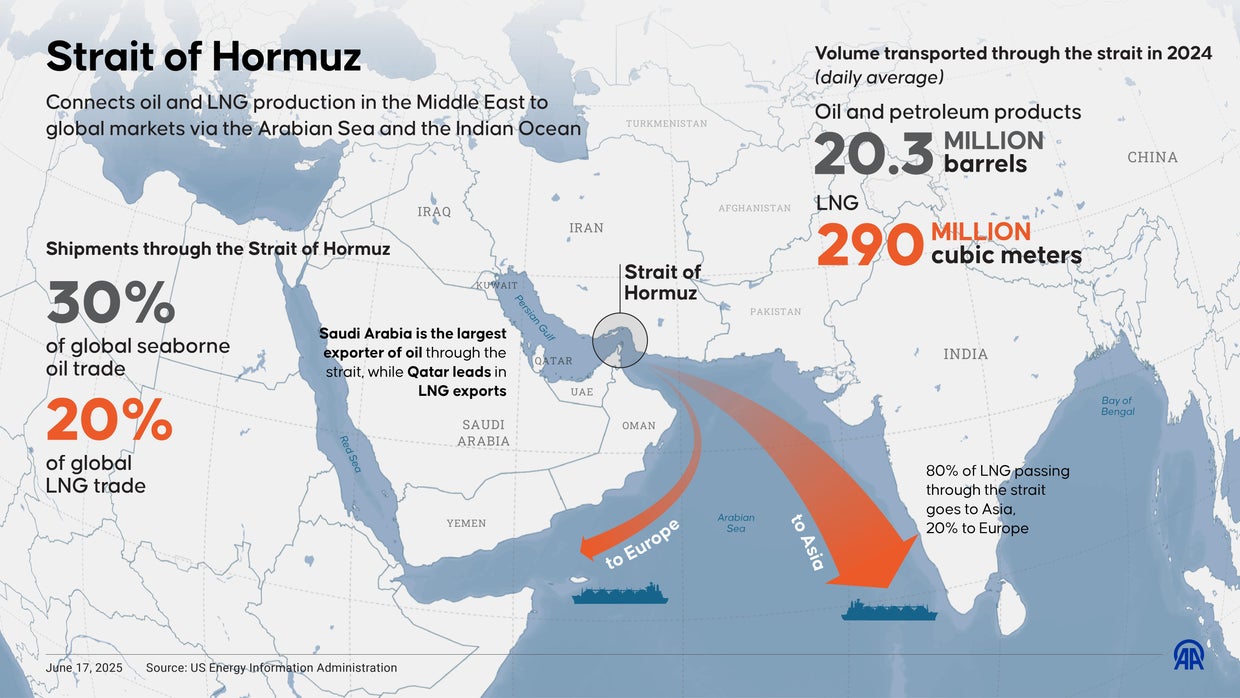
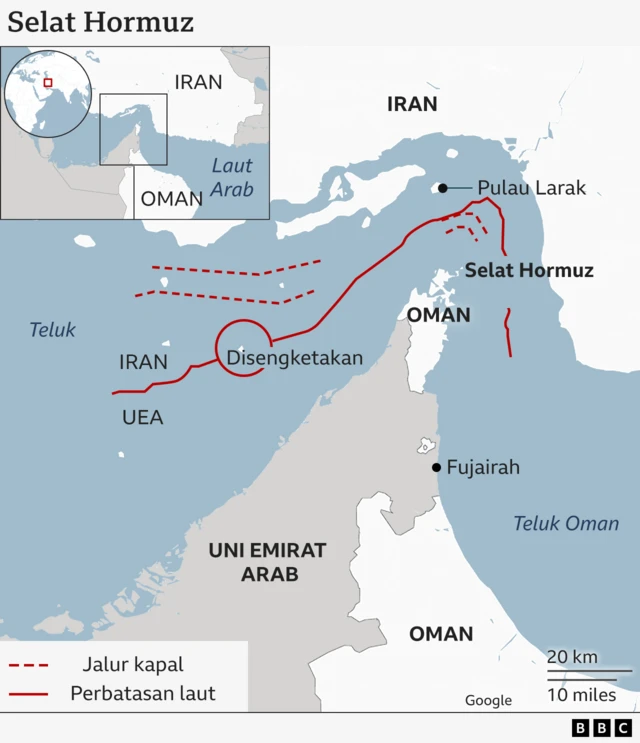
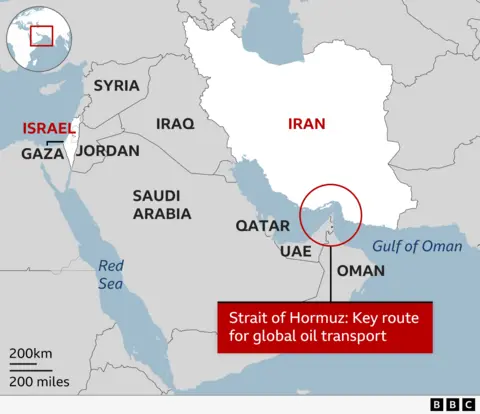
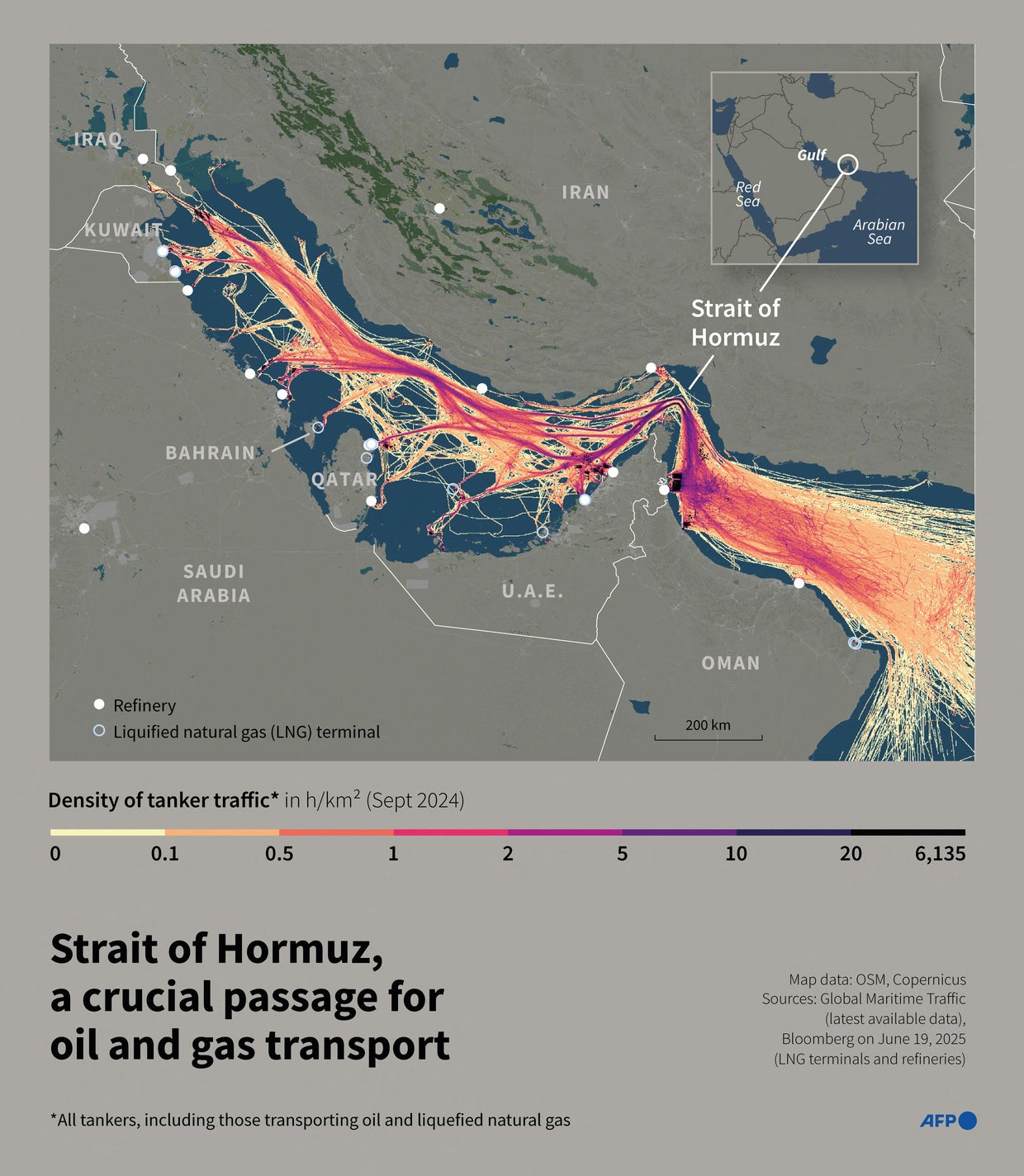
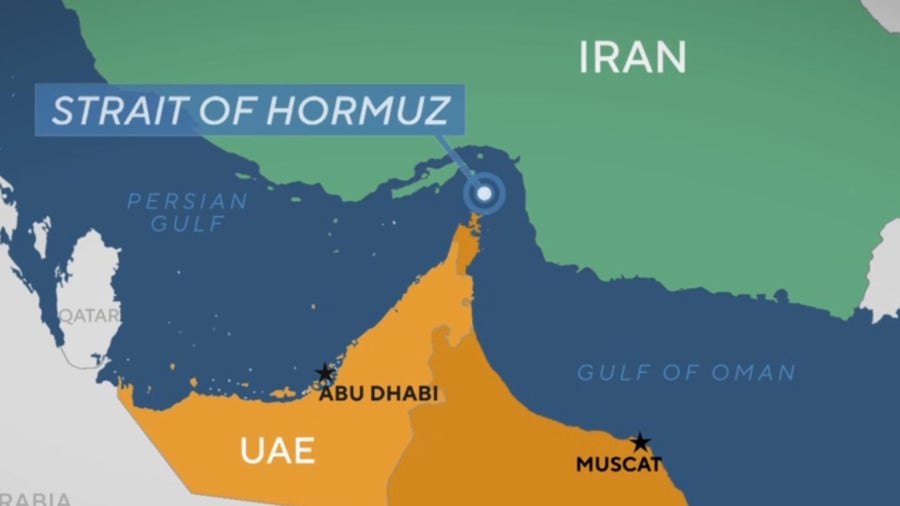
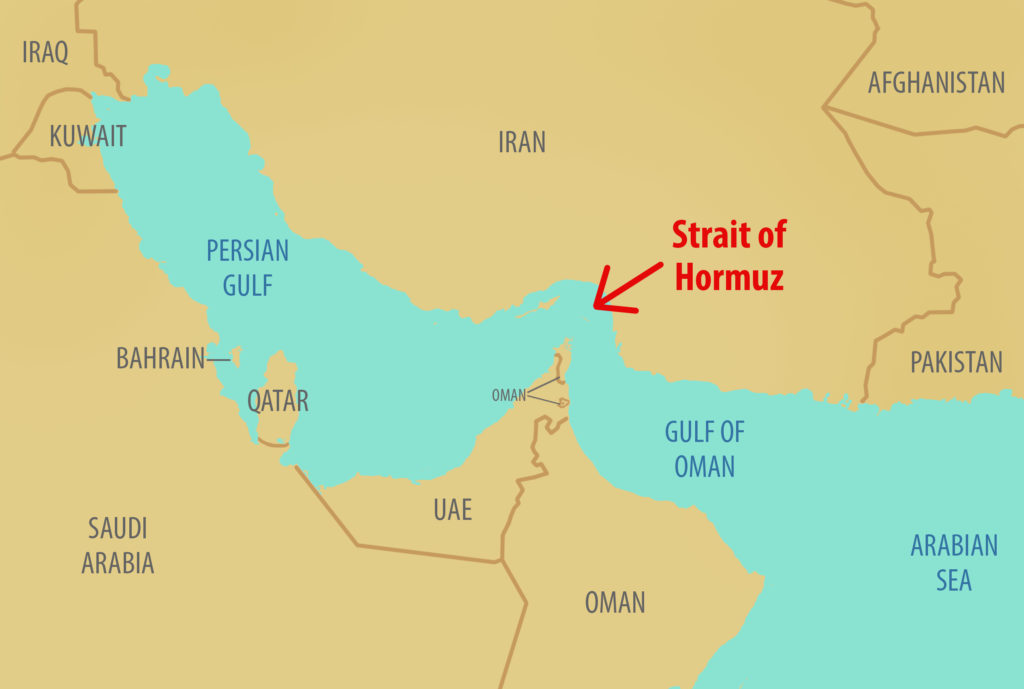
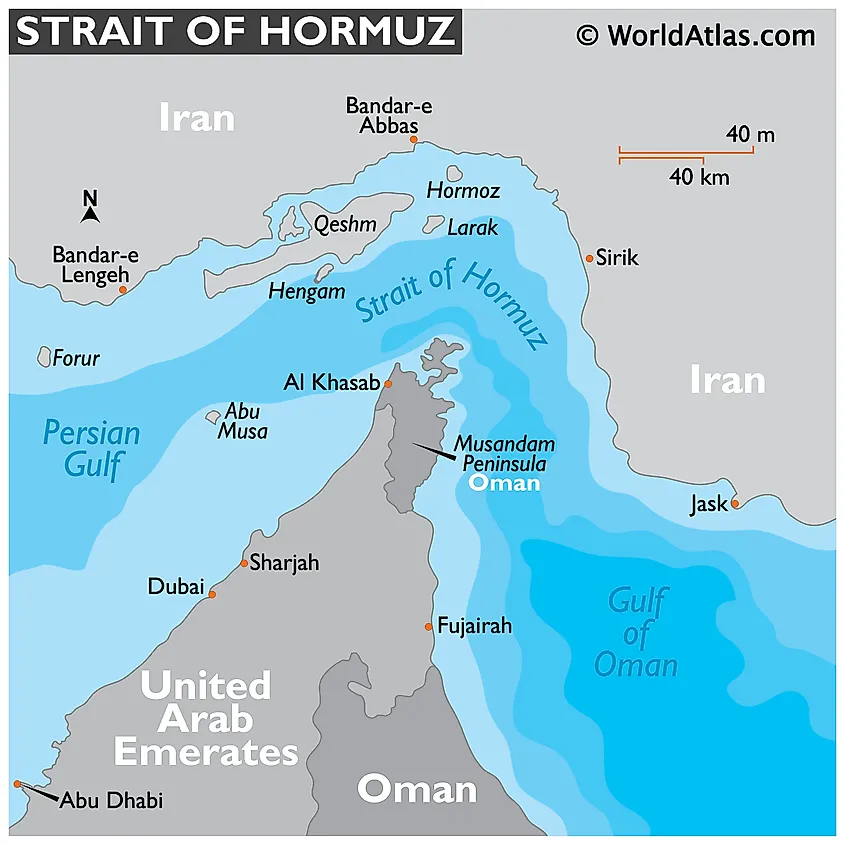
The Strait of Hormuz is arguably the most important oil chokepoint in the world. Located between Oman and Iran, it connects the Persian Gulf with the Gulf of Oman and the Arabian Sea. In 2025, approximately 20 million barrels of crude oil and petroleum products passed through this narrow waterway every day, representing a significant portion of the global energy supply. Beyond oil, it is a vital route for Liquefied Natural Gas (LNG), fertilizers, and other essential commodities. For countries in Asia, including Singapore, Japan, and China, the strait is a lifeline that powers industries and sustains daily life. The recent disruptions have sent shockwaves through energy markets, with oil prices surging by over 60% since the conflict began, highlighting the fragility of global supply chains when such a critical artery is restricted.
PM Wong’s remarks underscore the fact that the Strait of Hormuz is not just a regional concern but a global economic imperative. The weaponisation of this waterway—through blockades, attacks on commercial vessels, and the threat of illegal tolls—effectively holds the global economy hostage. By disrupting the flow of energy and goods, the actors involved are exerting coercive pressure that extends far beyond the immediate conflict zone, impacting the most vulnerable communities worldwide through rising costs and supply shortages.
UNCLOS and the Right of Transit Passage
At the heart of PM Wong's argument is the United Nations Convention on the Law of the Sea (UNCLOS), often referred to as the constitution of the oceans. UNCLOS establishes a legal framework for all maritime activities, including the right of transit passage through straits used for international navigation. This right is non-suspendable and applies to all ships and aircraft, ensuring they can move quickly and without impediment through vital corridors. PM Wong emphasized that these rights are not concessions from coastal states but are fundamental principles of international law that must be upheld to ensure global security.
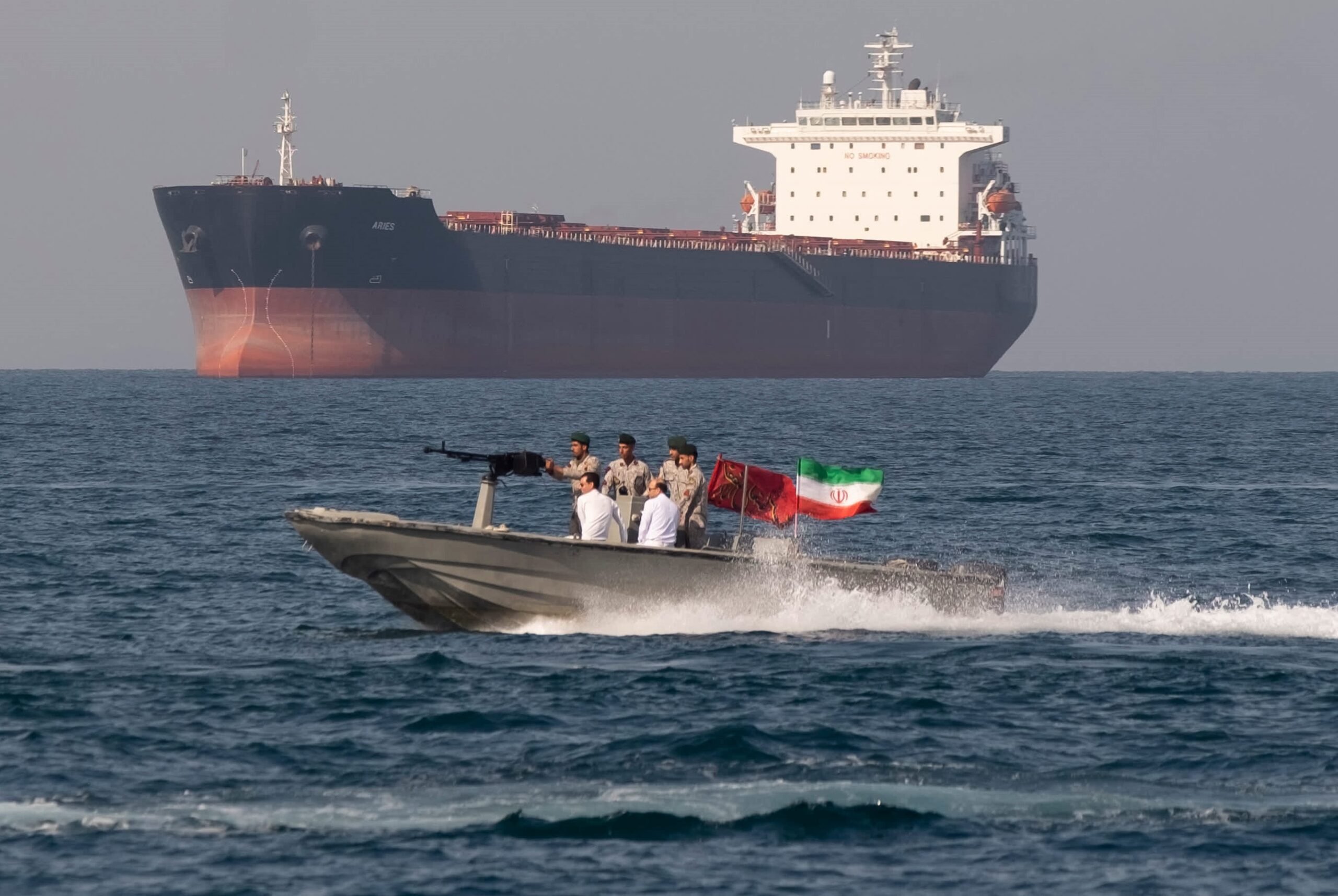
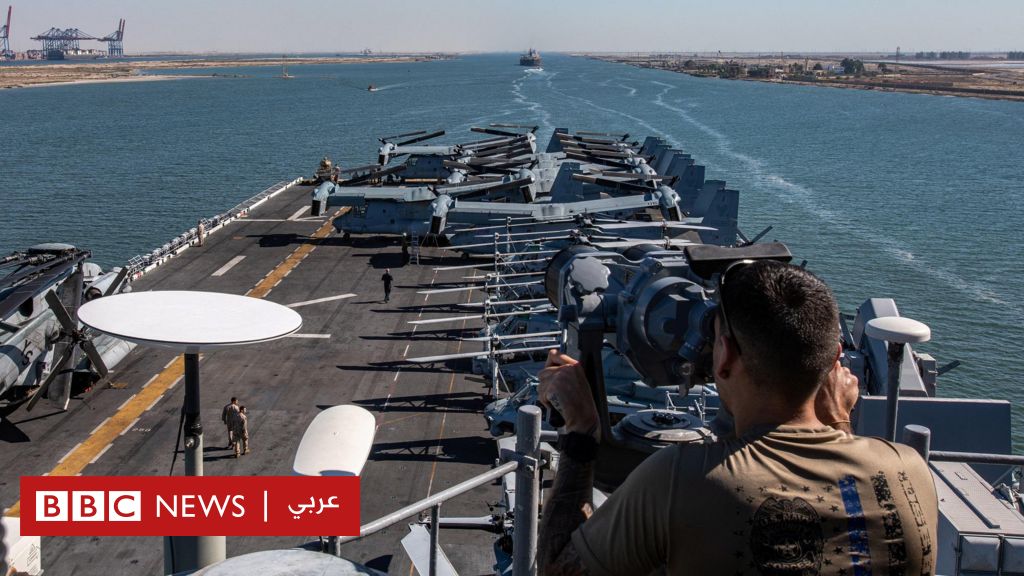
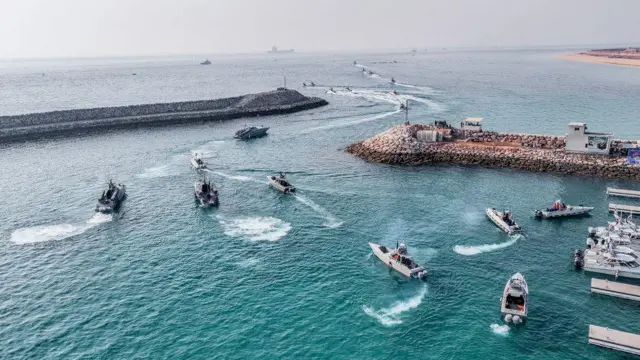
The current situation in the Strait of Hormuz, where Iran has imposed restrictions and the U.S. has responded with its own naval blockade, represents a direct challenge to the UNCLOS framework. When a coastal state like Iran claims the right to coordinate or authorize merchant transits through its Revolutionary Guard Corps (IRGC), it undermines the concept of free and unimpeded passage. PM Wong warned that allowing such practices to go unchallenged would encourage other nations to exert similar arbitrary control over other chokepoints, such as the Strait of Malacca, the Suez Canal, or the Panama Canal, leading to a fragmented and lawless maritime environment.
The Risk to the Straits of Malacca and Singapore
For Singapore, the crisis in the Middle East is not a distant problem. As a small island nation and a global trading hub, Singapore sits at the crossroads of the Straits of Malacca and Singapore. These waterways are among the busiest in the world, and any threat to the international norms governing them is a direct threat to Singapore’s national interest. PM Wong noted that Singapore “feels this acutely” because the precedent set in Hormuz could easily be applied to the waters surrounding the city-state. If the international community accepts the illegal weaponisation of one strait, it loses the moral and legal authority to prevent the same from happening elsewhere.
The Prime Minister's stance is a call for consistency in the application of international law. Singapore has long been a champion of UNCLOS and a rules-based maritime order precisely because it lacks the size or military might to secure its interests through force alone. By advocating for a free and open Strait of Hormuz, Singapore is defending the very system that has enabled its own survival and success. The fear is that a shift toward "coercion and force" over "rules" would leave small nations particularly vulnerable to the whims of larger powers or regional actors seeking to leverage maritime geography for political or military gain.
Global Economic Consequences of Maritime Instability
The economic impact of the Hormuz crisis is already being felt globally. The sharp curtailment of oil and LNG flows has led to unprecedented energy supply shocks. Beyond fuel, the disruption of fertilizer shipments poses a significant risk to global food production, potentially leading to a food security crisis in several regions. PM Wong highlighted that Asia is particularly exposed due to its high reliance on Middle Eastern energy imports. In Singapore, refineries and chemical companies have had to scale back production and seek alternative sources for crude oil and feedstock, often at higher costs.
| Impact Category | Description of Crisis Effect |
|---|---|
| Energy Prices | Oil prices increased by over 60% due to supply disruptions and blockades. |
| Supply Chain | Significant delays in shipments of LNG, fertilizers, and essential commodities. |
| Maritime Precedent | Risk of normalized "tolls" and arbitrary transit restrictions in other straits. |
| Global Security | Increased risk of a wider regional conflict and military escalation. |
The volatility in the energy market is not just a numbers game for traders; it translates into higher electricity bills for households and increased operational costs for businesses. PM Wong urged businesses to improve energy efficiency and households to conserve energy as part of a national effort to build resilience. However, he also acknowledged that national resilience has its limits if global supply routes remain constrained for an extended period. The government has had to bring forward support measures to cushion the impact on the most affected sectors, highlighting the domestic toll of international instability.
The Failure of Diplomatic Negotiations
Despite numerous attempts at mediation, a durable resolution to the conflict remains elusive. A fragile ceasefire between the U.S. and Iran, brokered by Pakistan, provided a brief window of hope, but the underlying issues—including Iran's nuclear program and regional security concerns—remain unresolved. PM Wong noted that the conflict cannot be truly over as long as the Strait of Hormuz remains subject to "arbitrary controls." The recent ministerial meetings in France and the UK aimed to signal a collective international willingness to restore freedom of navigation, but the actual implementation of such a mission remains complicated.
The strategic difficulty lies in the fact that Iran holds significant geographical advantages, possessing the longest coastline along the Gulf. Security analysts point out that opening the strait without a diplomatic agreement with Tehran is nearly impossible. Meanwhile, the U.S. maintains that its naval blockade will stay in place until a comprehensive deal is reached. This deadlock leaves shipping companies in a state of high uncertainty. Tracking data recently showed a group of vessels attempting to exit the Gulf only to turn back, likely due to security risks or lack of clear guarantees for safe passage. The failure of the weekend's talks in mid-April was described by regional leaders as "disappointing," as it prolonged the economic pain for the global community.
Singapore's Role in Restoring Maritime Order
Singapore is not a bystander in this crisis. PM Wong stated that the Republic stands ready to work with international partners to restore a "free and open" Strait of Hormuz. This includes supporting diplomatic initiatives at the United Nations and participating in multinational efforts to ensure the safety of seafarers. Singapore was an early co-sponsor of a UN Security Council Resolution demanding that Iran cease its interference with maritime trade. The Prime Minister’s participation in the virtual conference alongside 40 other countries was a clear signal that Singapore is willing to contribute to a collective solution.
The proposed "strictly defensive multinational military mission" is one potential avenue for restoring order. Such a mission would focus on non-offensive tasks like mine-sweeping and providing escorts to ensure that no illegal tolls are levied. For Singapore, the definition of a restored strait is clear: "no tolls, no restrictions, and a return to the situation before the war." By maintaining a clear and unequivocal position, Singapore aims to bolster the international consensus against the weaponisation of waterways, reinforcing the idea that the high seas and international straits belong to everyone and are governed by shared rules rather than individual interests.
Building Collective Regional Resilience
Beyond the immediate maritime crisis, PM Wong emphasized the need for regional resilience. He noted that no country can secure its energy needs in isolation. Singapore is actively strengthening its partnerships with Australia, Japan, and other ASEAN member states to diversify energy sources and build mutual assurance. For instance, Singapore is learning from Japan’s experience in restarting nuclear power plants and exploring low-carbon energy sources like ammonia and hydrogen. These efforts are part of a broader strategy to reduce vulnerability to disruptions in any single region or supply route.
The Prime Minister’s call for regional cooperation extends to the Indo-Pacific. He urged major powers like China to champion open, rules-based trade, especially as global tensions rise. The interconnected nature of the modern economy means that a crisis in the Middle East quickly becomes a crisis in Southeast Asia. By building a network of "trusted partners," Singapore hopes to create a buffer against global upheavals. The goal is to ensure that even in a "more uncertain and unstable phase" of geopolitics, the region can navigate the challenges together, maintaining stability and economic continuity despite external shocks.
FAQs: Understanding the Strait of Hormuz Crisis
What is the Strait of Hormuz and why is it important?
The Strait of Hormuz is a narrow waterway between Oman and Iran that serves as the primary exit for oil and gas from the Persian Gulf. It is considered the world's most critical energy chokepoint, with roughly 20 million barrels of oil passing through daily.
What does "weaponisation of the strait" mean?
Weaponisation refers to the illegal use of the waterway as a political or military tool, such as through blockades, seizing commercial ships, or imposing unauthorized tolls to coerce other nations or disrupt the global economy.
Why is Singapore so concerned about this issue?
Singapore is a global trading hub whose economy depends on the free flow of maritime trade. PM Wong warns that allowing illegal actions in Hormuz sets a "dangerous precedent" that could eventually threaten the Straits of Malacca and Singapore.
What is UNCLOS?
UNCLOS stands for the United Nations Convention on the Law of the Sea. it is an international treaty that defines the rights and responsibilities of nations in their use of the world's oceans, including the "right of transit passage" through international straits.
How is the crisis affecting ordinary people?
The disruptions have caused a significant spike in global oil and energy prices, leading to higher costs for fuel, electricity, and consumer goods. It also poses a threat to global food security by affecting the supply of fertilizers.
Conclusion
The illegal weaponisation of the Strait of Hormuz is a clear and present danger to the international order. As Prime Minister Lawrence Wong articulated, the stakes extend far beyond the Middle East, touching every nation that relies on maritime trade and energy security. By allowing coercion and force to supersede established rules and treaties like UNCLOS, the world risks entering a period of profound instability. Singapore’s vocal stance is a reminder that the protection of global commons—the international waterways that connect us all—is a collective responsibility. Restoring a free and open Strait of Hormuz is not just about resolving a regional conflict; it is about defending the principles that maintain a peaceful, predictable, and prosperous global community. The time for decisive diplomatic and coordinated action is now, before the dangerous precedents of today become the normalized crises of tomorrow.
Illegal weaponisation of Strait of Hormuz would set dangerous precedent: PM Wong
Illegal weaponisation of Strait of Hormuz would set dangerous precedent: PM Wong Wallpapers
Collection of illegal weaponisation of strait of hormuz would set dangerous precedent: pm wong wallpapers for your desktop and mobile devices.
Breathtaking Illegal Weaponisation Of Strait Of Hormuz Would Set Dangerous Precedent: Pm Wong Moment Digital Art
Explore this high-quality illegal weaponisation of strait of hormuz would set dangerous precedent: pm wong image, perfect for enhancing your desktop or mobile wallpaper.

Vivid Illegal Weaponisation Of Strait Of Hormuz Would Set Dangerous Precedent: Pm Wong Scene Digital Art
Explore this high-quality illegal weaponisation of strait of hormuz would set dangerous precedent: pm wong image, perfect for enhancing your desktop or mobile wallpaper.

Captivating Illegal Weaponisation Of Strait Of Hormuz Would Set Dangerous Precedent: Pm Wong Background for Your Screen
A captivating illegal weaponisation of strait of hormuz would set dangerous precedent: pm wong scene that brings tranquility and beauty to any device.
Vibrant Illegal Weaponisation Of Strait Of Hormuz Would Set Dangerous Precedent: Pm Wong Design for Mobile
Discover an amazing illegal weaponisation of strait of hormuz would set dangerous precedent: pm wong background image, ideal for personalizing your devices with vibrant colors and intricate designs.
Breathtaking Illegal Weaponisation Of Strait Of Hormuz Would Set Dangerous Precedent: Pm Wong Scene Art
Experience the crisp clarity of this stunning illegal weaponisation of strait of hormuz would set dangerous precedent: pm wong image, available in high resolution for all your screens.
Amazing Illegal Weaponisation Of Strait Of Hormuz Would Set Dangerous Precedent: Pm Wong View for Your Screen
Discover an amazing illegal weaponisation of strait of hormuz would set dangerous precedent: pm wong background image, ideal for personalizing your devices with vibrant colors and intricate designs.

Lush Illegal Weaponisation Of Strait Of Hormuz Would Set Dangerous Precedent: Pm Wong Wallpaper Art
Find inspiration with this unique illegal weaponisation of strait of hormuz would set dangerous precedent: pm wong illustration, crafted to provide a fresh look for your background.
Artistic Illegal Weaponisation Of Strait Of Hormuz Would Set Dangerous Precedent: Pm Wong Artwork Illustration
A captivating illegal weaponisation of strait of hormuz would set dangerous precedent: pm wong scene that brings tranquility and beauty to any device.
Gorgeous Illegal Weaponisation Of Strait Of Hormuz Would Set Dangerous Precedent: Pm Wong Capture for Your Screen
This gorgeous illegal weaponisation of strait of hormuz would set dangerous precedent: pm wong photo offers a breathtaking view, making it a perfect choice for your next wallpaper.
Exquisite Illegal Weaponisation Of Strait Of Hormuz Would Set Dangerous Precedent: Pm Wong View Photography
Immerse yourself in the stunning details of this beautiful illegal weaponisation of strait of hormuz would set dangerous precedent: pm wong wallpaper, designed for a captivating visual experience.
Captivating Illegal Weaponisation Of Strait Of Hormuz Would Set Dangerous Precedent: Pm Wong Artwork Collection
Find inspiration with this unique illegal weaponisation of strait of hormuz would set dangerous precedent: pm wong illustration, crafted to provide a fresh look for your background.
Amazing Illegal Weaponisation Of Strait Of Hormuz Would Set Dangerous Precedent: Pm Wong Abstract Illustration
Experience the crisp clarity of this stunning illegal weaponisation of strait of hormuz would set dangerous precedent: pm wong image, available in high resolution for all your screens.
Crisp Illegal Weaponisation Of Strait Of Hormuz Would Set Dangerous Precedent: Pm Wong Capture Concept
Find inspiration with this unique illegal weaponisation of strait of hormuz would set dangerous precedent: pm wong illustration, crafted to provide a fresh look for your background.

Gorgeous Illegal Weaponisation Of Strait Of Hormuz Would Set Dangerous Precedent: Pm Wong Picture Digital Art
Immerse yourself in the stunning details of this beautiful illegal weaponisation of strait of hormuz would set dangerous precedent: pm wong wallpaper, designed for a captivating visual experience.
Mesmerizing Illegal Weaponisation Of Strait Of Hormuz Would Set Dangerous Precedent: Pm Wong Background Illustration
Experience the crisp clarity of this stunning illegal weaponisation of strait of hormuz would set dangerous precedent: pm wong image, available in high resolution for all your screens.
Spectacular Illegal Weaponisation Of Strait Of Hormuz Would Set Dangerous Precedent: Pm Wong Photo Collection
Immerse yourself in the stunning details of this beautiful illegal weaponisation of strait of hormuz would set dangerous precedent: pm wong wallpaper, designed for a captivating visual experience.

Lush Illegal Weaponisation Of Strait Of Hormuz Would Set Dangerous Precedent: Pm Wong Design Nature
A captivating illegal weaponisation of strait of hormuz would set dangerous precedent: pm wong scene that brings tranquility and beauty to any device.
Vibrant Illegal Weaponisation Of Strait Of Hormuz Would Set Dangerous Precedent: Pm Wong Landscape for Your Screen
Discover an amazing illegal weaponisation of strait of hormuz would set dangerous precedent: pm wong background image, ideal for personalizing your devices with vibrant colors and intricate designs.
Vivid Illegal Weaponisation Of Strait Of Hormuz Would Set Dangerous Precedent: Pm Wong Photo for Your Screen
Experience the crisp clarity of this stunning illegal weaponisation of strait of hormuz would set dangerous precedent: pm wong image, available in high resolution for all your screens.

High-Quality Illegal Weaponisation Of Strait Of Hormuz Would Set Dangerous Precedent: Pm Wong Landscape Concept
Explore this high-quality illegal weaponisation of strait of hormuz would set dangerous precedent: pm wong image, perfect for enhancing your desktop or mobile wallpaper.
Download these illegal weaponisation of strait of hormuz would set dangerous precedent: pm wong wallpapers for free and use them on your desktop or mobile devices.