Irann Elections
Irann Elections
The geopolitical landscape of the Middle East has reached a critical juncture following the recent Irann Elections and the subsequent military conflict involving the United States and Israel. As of April 2026, the political fallout from these events has not only reshaped the internal governance of the Islamic Republic but has also sent shockwaves through global markets and international diplomacy. With a backdrop of a failed ceasefire and a renewed naval blockade, the aftermath of the Iranian electoral process remains a central focus for world leaders and economic analysts alike. The transition from the snap elections of 2024 to the current state of emergency highlights a deep-seated struggle between reformist aspirations and hardline entrenchment within the Iranian regime.
The Irann Elections recently concluded with the victory of reformist candidate Masoud Pezeshkian, who succeeded the late Ebrahim Raisi. However, despite the shift in leadership, the actual power remains heavily concentrated in the hands of the Supreme Leader, Ayatollah Ali Khamenei. Current reports indicate that while the election was intended to stabilize the nation, it has instead led to increased internal friction and a direct military confrontation with U.S. and Israeli forces. This conflict has resulted in record-low consumer sentiment in the U.S. and a significant spike in global energy costs due to the blockade of the Strait of Hormuz.
The Legacy of the 2024 Snap Election
The path to the current political crisis began with the unexpected death of President Ebrahim Raisi in 2024, which necessitated snap elections. This event forced the Iranian political establishment to accelerate its selection process, ultimately leading to a face-off between Masoud Pezeshkian and Saeed Jalili. The first round of the election saw the lowest voter participation in the history of the Islamic Republic, with a turnout of just under 40%. This lack of engagement was a clear signal of the public's disillusionment with an electoral system that many viewed as neither free nor fair.
In the second round, turnout improved to nearly 50%, and Pezeshkian emerged as the winner with 53.7% of the vote. As the sole reformist candidate, his victory brought a temporary sense of hope to those seeking moderate changes in foreign policy and social restrictions. However, hardliners within the Revolutionary Guard and the Guardian Council quickly moved to limit his influence, asserting that the Supreme Leader remains the ultimate authority on all matters of state security and international relations.
Internal Power Struggles and the Divided Council
Since the election, the Iranian government has been characterized by intense infighting. The 'revolutionary front,' composed of hardliners who supported Ghalibaf and Jalili, has faced significant internal blame for their electoral defeat. This division has complicated Iran's ability to present a unified front in international negotiations. Analysts from the Institute for the Study of War (ISW) have noted that the United States is currently negotiating with a "divided council," where pragmatists and hardliners offer conflicting signals regarding the country's nuclear program and military stance.
For example, while the Foreign Ministry under Abbas Araghchi has signaled a willingness to discuss the level and type of uranium enrichment, other high-ranking officials have insisted that Iran's right to enrichment is non-negotiable. This internal tug-of-war has contributed to the failure of recent peace talks in Pakistan, as the U.S. administration demands a negotiating delegation with "full authority" to finalize a deal—a condition that the current Iranian political structure struggles to meet.
The U.S. Response and the 2026 Naval Blockade
In April 2026, the situation escalated dramatically when President Donald Trump announced a naval blockade on Iranian ports. This decision followed the breakdown of peace talks and the expiration of a shaky ceasefire. The U.S. Central Command (CENTCOM) has been actively enforcing this blockade, reporting that multiple vessels have already been turned back from Iranian coastal areas. The administration's goal is to exert "maximum pressure" to force Iran into making significant concessions regarding its nuclear ambitions and its support for regional proxies like Hezbollah.
The blockade has had immediate and severe consequences. The Strait of Hormuz, a vital artery for global oil shipments, has been effectively closed to Iranian traffic, leading to a surge in gas prices. This economic pressure is a double-edged sword for the Trump administration, as the rising cost of living has become a major political liability ahead of the 2026 U.S. midterm elections. Senate Democrats have repeatedly attempted to force votes to end the conflict, arguing that the "costly and unpopular" war is harming American families and farmers.
| Election Metric | Statistical Data (2024-2026) |
|---|---|
| First Round Voter Turnout | 39.93% (Lowest in IRI History) |
| Winning Candidate (Runoff) | Masoud Pezeshkian (53.7%) |
| Blockade Status (April 2026) | Active - Enforced by CENTCOM |
| U.S. Senate Vote on War (April 2026) | 47-52 (Procedural Vote Failed) |
Geopolitical Impact on the Middle East
The instability following the Irann Elections has further destabilized the broader Middle East. Israeli forces have intensified their campaign against Iran-backed Hezbollah in Lebanon, leading to hundreds of casualties and significant displacement of civilians. The conflict has moved beyond proxy warfare into direct strikes, with the U.S. and Israel targeting Iranian infrastructure. Iran, in response, has utilized its "Axis of Resistance" to launch retaliatory measures, although the effectiveness of these responses has been hampered by the economic strain of the blockade.
Neighboring countries like Pakistan have attempted to play the role of mediator, pushing for an extension of the ceasefire to allow for humanitarian aid and renewed diplomacy. However, the "deep historical distrust" cited by Tehran, combined with the U.S. demand for a total reopening of the Strait of Hormuz, has made a diplomatic breakthrough elusive. The regional tension is at its highest point in decades, with many fearing a full-scale conventional war that could draw in other global powers.
Impact on Global Markets and the U.S. Economy
The economic repercussions of the Iranian crisis are being felt globally. Stock markets have shown extreme volatility; the BSE Sensex and Nifty50, for instance, saw sharp declines in April 2026 due to fading optimism over a ceasefire. In the United States, consumer sentiment has dropped to record lows. The spike in fuel and fertilizer costs is a primary concern for the GOP as they look toward the November midterms. Republican leaders like John Thune have called for a clear plan to wind down the conflict, noting the severe impact on consumers and the agricultural sector.
The U.S. Energy Information Administration has forecasted that energy prices could take months to return to normal even if the war concludes tomorrow. This economic uncertainty provides a significant opening for Democrats, who are framing the conflict as "Trump's disastrous war." The political stakes are incredibly high, with analysts suggesting that the fallout from the war could potentially flip the Senate and solidify a Democratic majority in the House if the situation does not improve by the fall.
Social and Human Rights Concerns in Iran
Domestically, the Iranian population continues to suffer under both international sanctions and internal repression. While the election of a reformist president was seen as a potential turning point for human rights, UN rapporteurs remain skeptical. The systemic issues within the Iranian judicial system mean that the presidency has little power to enact meaningful reform in areas such as freedom of speech, women's rights, and the treatment of political prisoners. The Guardian Council continues to disqualify any candidates—including all female applicants—who do not strictly adhere to the regime's core ideologies.
Furthermore, the Iranian diaspora has been vocal in its opposition to the regime, with protests occurring at polling stations worldwide during the election cycle. Many activists argued that participating in the vote only served to validate the Islamic Republic's "illusion of democracy." The internal security apparatus remains on high alert, with the Ministry of Intelligence monitoring nominees and suppressing any signs of civil unrest that might arise from the worsening economic conditions caused by the war and the blockade.
Nuclear Negotiations and the Threshold Condition
The core of the international dispute remains Iran's nuclear program. Israeli Defense Minister Israel Katz has stated that the removal of enriched uranium from Iran is a "threshold condition" for ending the current military campaign. Iran has countered by offering to "downblend" its highly enriched uranium rather than surrendering it, a proposal that has so far been rejected by the U.S. and Israel. The Trump administration has also sent warning letters to international banks, threatening secondary sanctions for any institution facilitating Iranian funds.
The impasse over nuclear enrichment highlights the fundamental gap between the two sides. For the Iranian regime, the nuclear program is a matter of national sovereignty and a key bargaining chip for survival. For the U.S. and its allies, it is an unacceptable security threat that must be dismantled. Without a compromise on this central issue, the cycle of sanctions, blockades, and military strikes is likely to continue, further isolating Iran from the global community and prolonging the suffering of its citizens.
Conclusion
The Irann Elections of the mid-2020s were supposed to provide a path toward stability, but they have instead served as a prelude to a significant international crisis. The victory of a reformist president has been overshadowed by the enduring power of the Supreme Leader and the Revolutionary Guard, leading to a direct military confrontation with the West. As the naval blockade tightens and gas prices rise, the domestic political consequences in the United States and the humanitarian crisis in the Middle East continue to escalate. The coming months will be decisive in determining whether diplomacy can prevail over the current trajectory of war and economic ruin.
Frequently Asked Questions (FAQ)
1. Who won the last Iranian Presidential Election?
Masoud Pezeshkian, an independent reformist candidate, won the 2024 runoff election with 53.7% of the vote.
2. Why was the 2024 election held early?
The election was a "snap election" held following the sudden death of President Ebrahim Raisi in May 2024.
3. What is the current status of the U.S.-Iran conflict in 2026?
As of April 2026, the U.S. has imposed a naval blockade on Iranian ports following the failure of peace talks and a breakdown in ceasefire negotiations.
4. How has the conflict affected global oil prices?
The blockade and the closing of the Strait of Hormuz have caused a significant spike in global energy costs, leading to record-low consumer sentiment in the U.S.
5. Can women run for president in Iran?
While not constitutionally barred, the Guardian Council has historically disqualified all female candidates who have registered for the presidency.
Irann Elections
Irann Elections Wallpapers
Collection of irann elections wallpapers for your desktop and mobile devices.

Mesmerizing Irann Elections Capture Illustration
Explore this high-quality irann elections image, perfect for enhancing your desktop or mobile wallpaper.
Stunning Irann Elections Artwork in HD
A captivating irann elections scene that brings tranquility and beauty to any device.

Mesmerizing Irann Elections Wallpaper Illustration
Transform your screen with this vivid irann elections artwork, a true masterpiece of digital design.
Captivating Irann Elections Picture in HD
Find inspiration with this unique irann elections illustration, crafted to provide a fresh look for your background.

Spectacular Irann Elections Photo Illustration
Immerse yourself in the stunning details of this beautiful irann elections wallpaper, designed for a captivating visual experience.

Breathtaking Irann Elections View Art
Discover an amazing irann elections background image, ideal for personalizing your devices with vibrant colors and intricate designs.
Mesmerizing Irann Elections Artwork Digital Art
Explore this high-quality irann elections image, perfect for enhancing your desktop or mobile wallpaper.
Dynamic Irann Elections Artwork Collection
A captivating irann elections scene that brings tranquility and beauty to any device.
Detailed Irann Elections View Collection
Transform your screen with this vivid irann elections artwork, a true masterpiece of digital design.

Amazing Irann Elections Photo Concept
Discover an amazing irann elections background image, ideal for personalizing your devices with vibrant colors and intricate designs.

Spectacular Irann Elections Abstract Digital Art
Find inspiration with this unique irann elections illustration, crafted to provide a fresh look for your background.

Beautiful Irann Elections View for Desktop
Transform your screen with this vivid irann elections artwork, a true masterpiece of digital design.
Artistic Irann Elections Background Concept
This gorgeous irann elections photo offers a breathtaking view, making it a perfect choice for your next wallpaper.

Amazing Irann Elections Landscape Art
Discover an amazing irann elections background image, ideal for personalizing your devices with vibrant colors and intricate designs.
Beautiful Irann Elections Picture Photography
Transform your screen with this vivid irann elections artwork, a true masterpiece of digital design.

Spectacular Irann Elections Picture Photography
Find inspiration with this unique irann elections illustration, crafted to provide a fresh look for your background.
Amazing Irann Elections Artwork for Your Screen
Discover an amazing irann elections background image, ideal for personalizing your devices with vibrant colors and intricate designs.
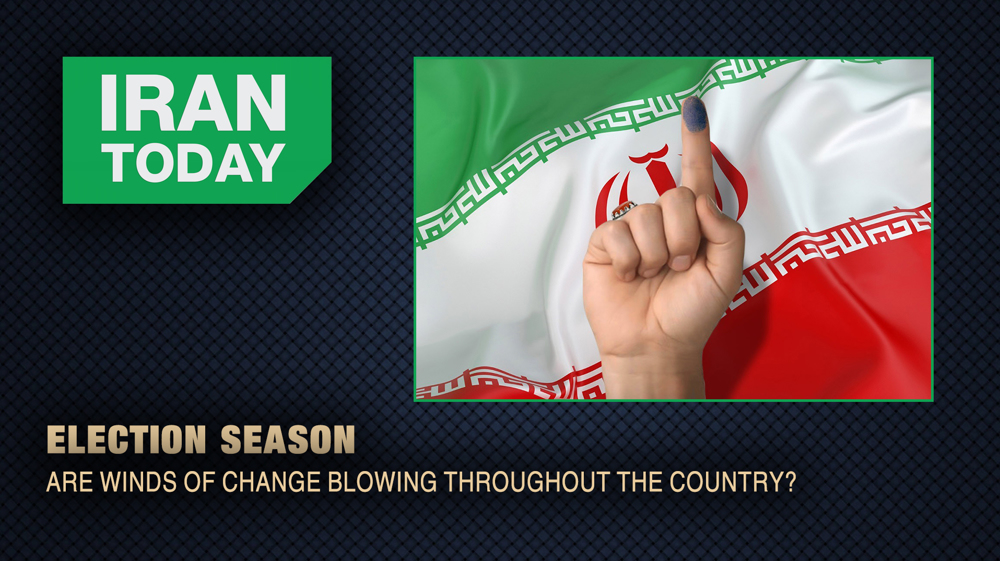
Mesmerizing Irann Elections Capture for Desktop
Discover an amazing irann elections background image, ideal for personalizing your devices with vibrant colors and intricate designs.
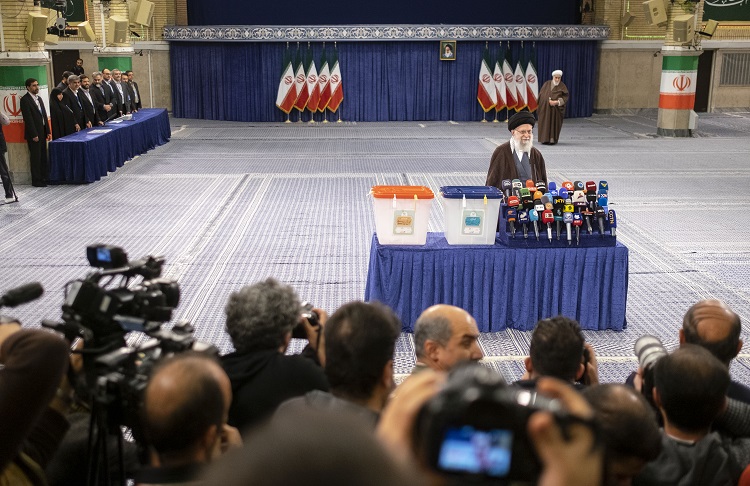
Vibrant Irann Elections Landscape Concept
Experience the crisp clarity of this stunning irann elections image, available in high resolution for all your screens.

Amazing Irann Elections Capture Concept
Transform your screen with this vivid irann elections artwork, a true masterpiece of digital design.
Download these irann elections wallpapers for free and use them on your desktop or mobile devices.