Iran’s Defenses Have Been Struck, but They Can Still Fire Missiles and Drones
Iran’s Defenses Have Been Struck, but They Can Still Fire Missiles and Drones
The landscape of the Middle East is witnessing a dramatic shift as the conflict between the United States, Israel, and Iran enters a critical phase. For over a month, Operation Epic Fury and Operation Roaring Lion have unleashed a sustained campaign of precision strikes aimed at dismantling the Islamic Republic’s strategic military infrastructure. While high-level officials have claimed the near-total destruction of Tehran's capabilities, emerging intelligence and ground-level reports tell a more complex story of resilience. Despite significant damage to air defense systems, nuclear sites, and manufacturing plants, the core of Iran's deterrent remains functional. The ability to launch asymmetric attacks using mobile launchers and hidden drone swarms continues to pose a significant threat to regional stability and global energy markets.
Featured Snippet: As of April 2026, while U.S. and Israeli airstrikes have reportedly degraded Iran's daily missile fire by approximately 90% and neutralized up to 70% of its known launchers, nearly half of Iran's missile launchers and a significant portion of its drone arsenal remain intact. Intelligence assessments indicate that many assets are hidden in underground "missile cities" or are mobile, allowing Iran to maintain a baseline rate of fire and strike targets across the Gulf and into Israel despite the ongoing bombardment.
The Reality of Operation Epic Fury: Assessing the Damage
Since the commencement of hostilities in late February 2026, the scale of the air campaign against Iran has been unprecedented. U.S. Central Command (CENTCOM) reports that over 12,300 targets have been struck, utilizing a record-breaking number of Tomahawk cruise missiles. The primary objectives have been the degradation of Iran's ballistic missile production, the elimination of its nuclear enrichment capabilities, and the dismantling of its naval assets. On paper, the successes are staggering: 90% of the Iranian Navy is assessed to be sunk, and major enrichment facilities like Natanz have suffered catastrophic structural failures.
However, the definition of "destroyed" is being challenged by military analysts. While above-ground facilities and fixed radar installations are easily targeted, Iran's strategic depth relies on hardened underground tunnels. Satellite imagery has confirmed that while tunnel entrances have been struck—blocking immediate access—the missiles and launchers housed within remain largely undamaged. This "combat ineffectiveness" is a temporary state, as Iranian engineering units work feverishly to clear debris and restore access to their hidden stockpiles.
The Missile Bottleneck: Launchers vs. Stockpiles
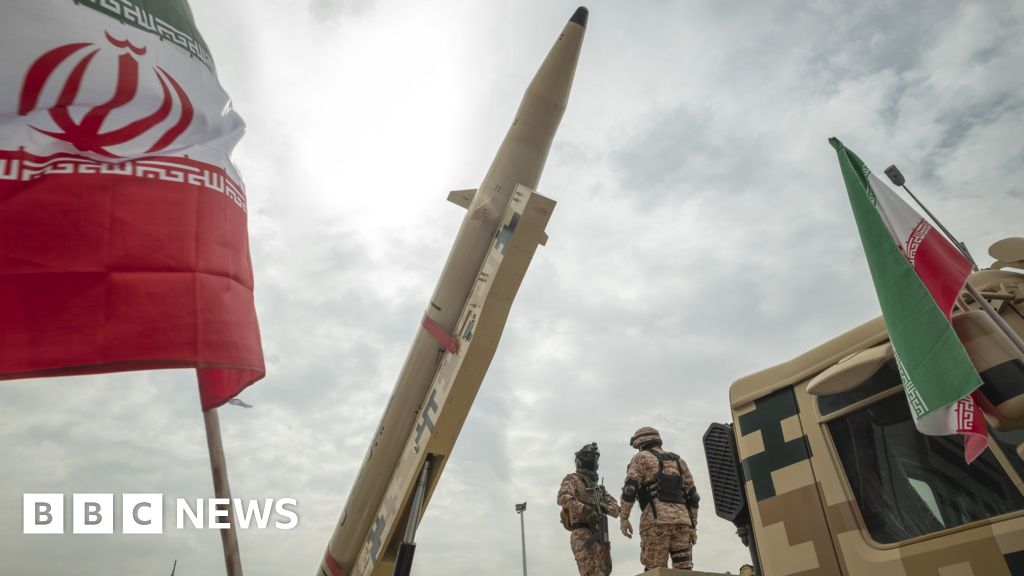
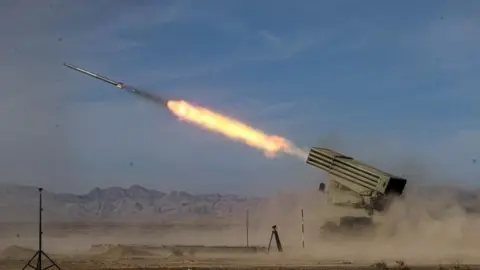
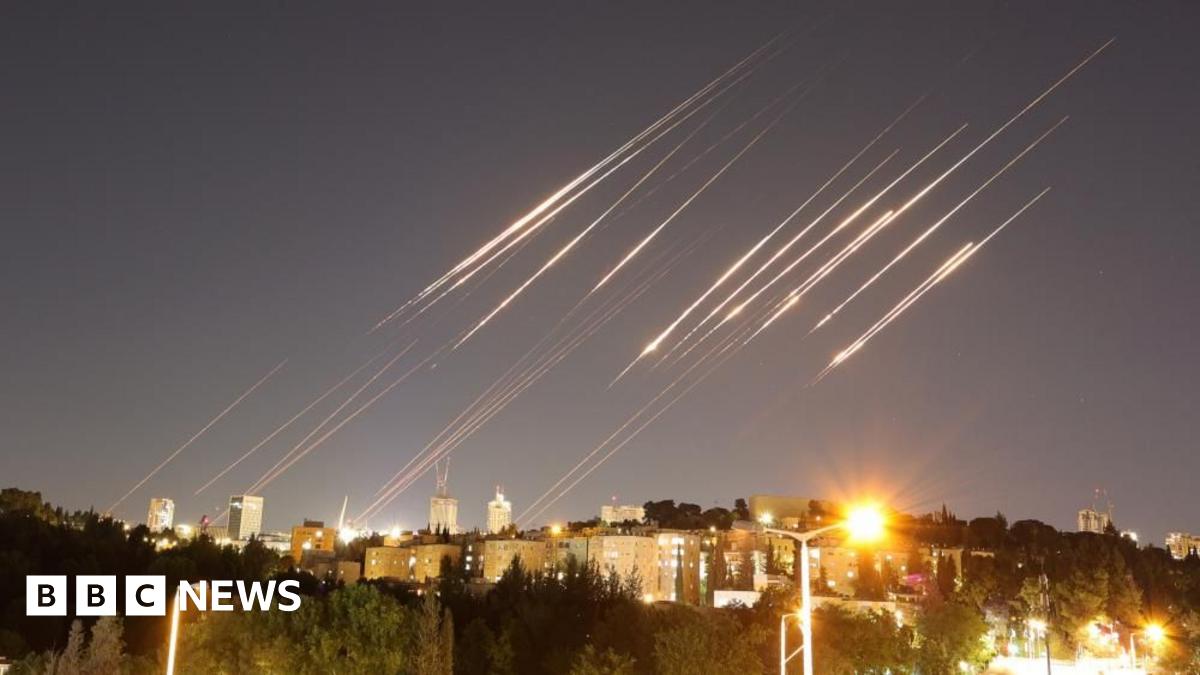
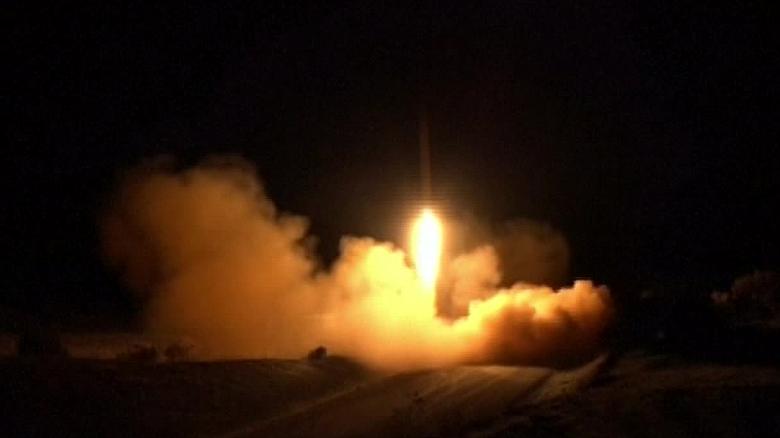
A critical revelation from recent intelligence reports is that the primary constraint on Iranian retaliation is not a lack of missiles, but a shortage of functioning launchers. Iran entered the conflict with an estimated arsenal of 1,500 to 3,000 ballistic missiles. While a third of these may have been destroyed, the loss of roughly 75% of its mobile launcher force has forced Tehran to ration its fire. Instead of the massive salvos seen on the first day of the war—where nearly 100 missiles were launched—Iran is now firing smaller, disparate waves of one to three missiles.
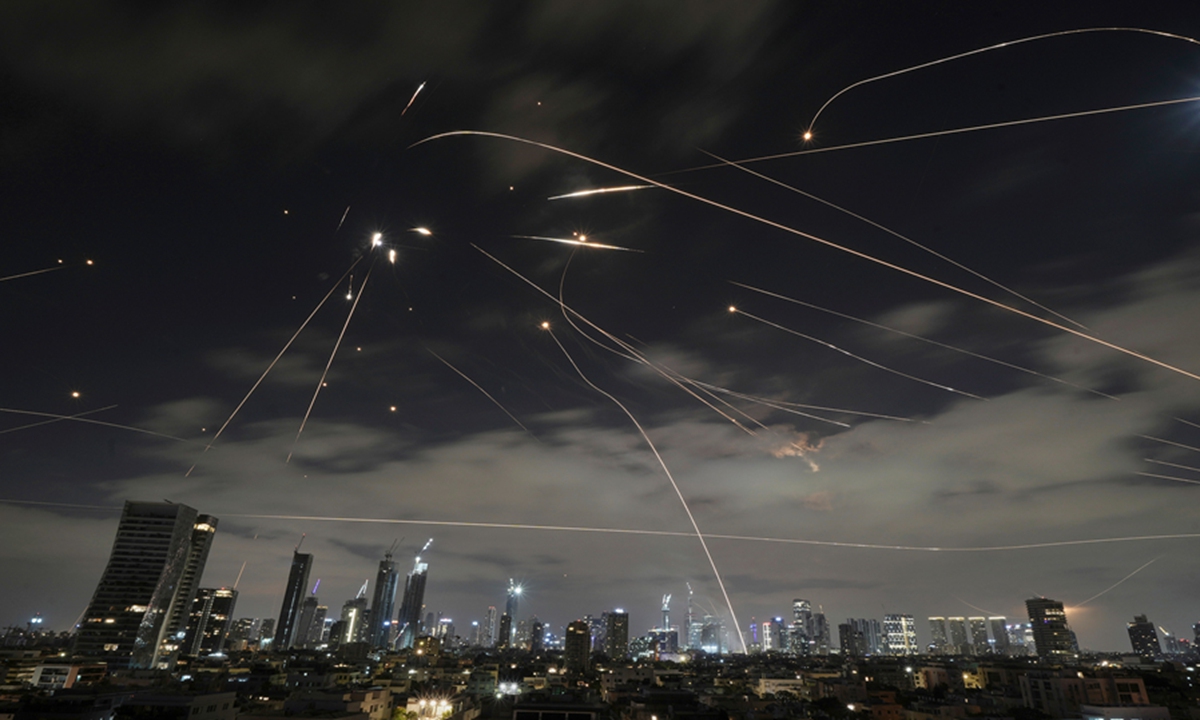
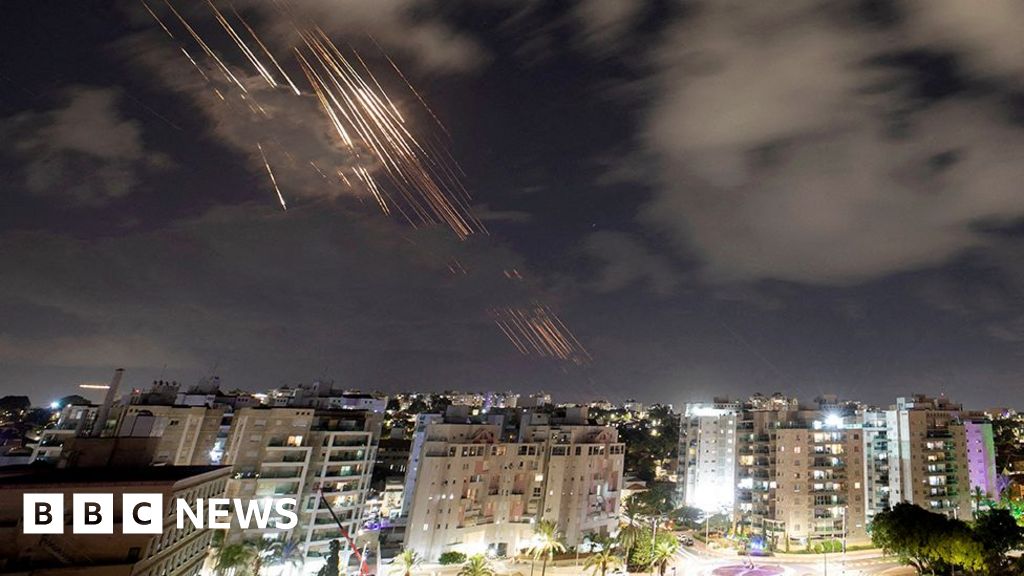
This shift in tactics serves two purposes. First, it preserves the remaining launcher inventory by making them harder for U.S. and Israeli "scud hunters" to find. Second, it tests the limits of regional air defenses. Even a single missile penetrating the Arrow 3 or THAAD shield can achieve a strategic victory by striking a high-value civilian or economic target, maintaining the regime's image of defiance despite the overwhelming pressure.
The Asymmetric Threat: Why Drones Remain the Wild Card
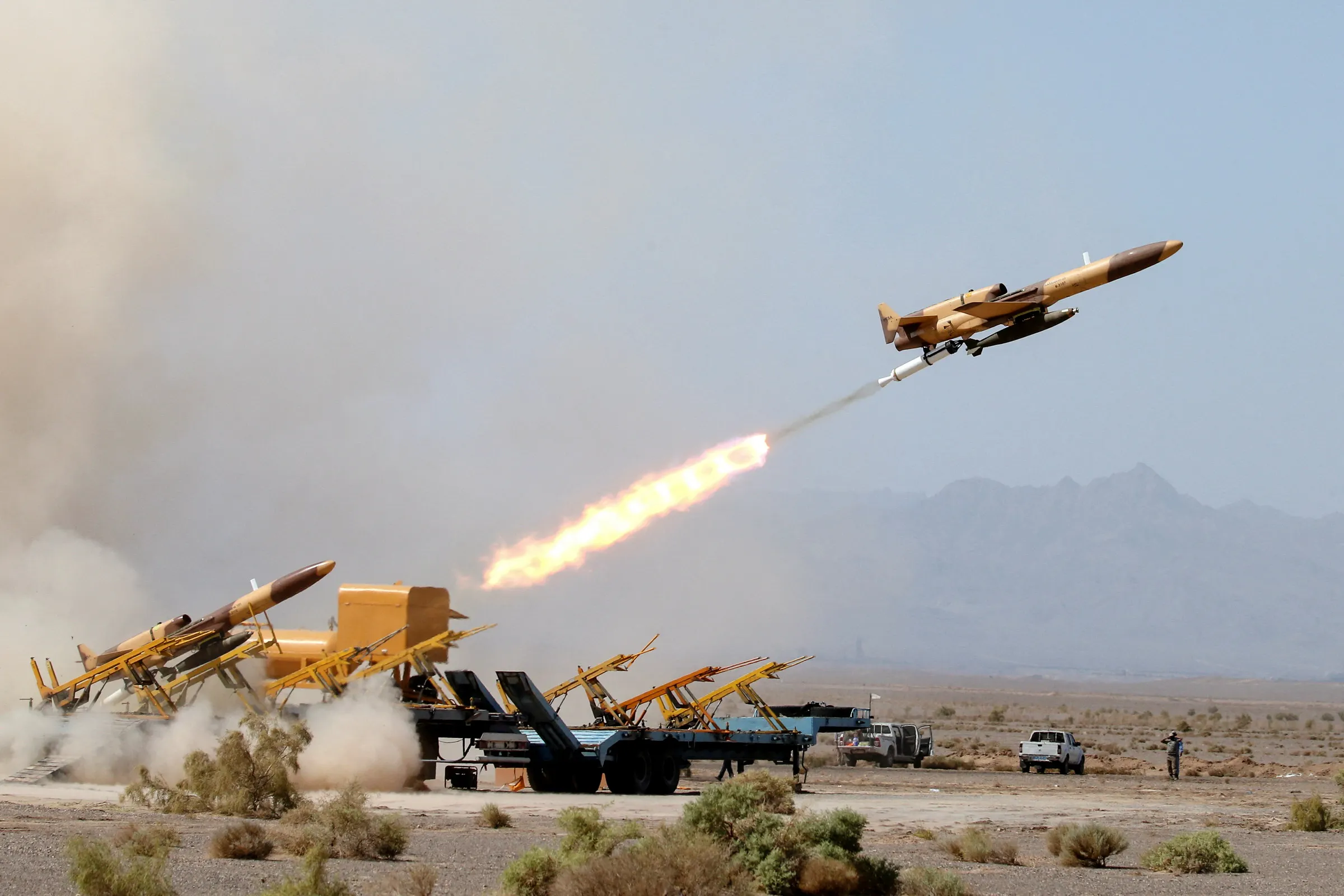
While the ballistic missile program faces logistical hurdles, Iran's drone capabilities remain a persistent and lethal threat. Intelligence sources suggest that up to 50% of Iran's drone force is still operational. These "kamikaze" or one-way attack drones, such as the Shahed series, are significantly cheaper than the interceptors used to shoot them down. This creates a grim financial calculus for the U.S. and its allies, who are "vaporizing" millions of dollars in defense assets to counter drones that cost only a few thousand euros.
The small size and low flight paths of these drones make them difficult to detect on radar, allowing them to slip through gaps in air defenses. Recent strikes on Omani oil facilities and Saudi tankers demonstrate that Iran is pivoting toward these asymmetric tools to impose economic costs on the global stage. Furthermore, reports of Russian technical assistance and component supply suggest that Iran's drone program has a higher degree of "regenerative" capacity than its more complex missile programs.
| Target Category | Estimated Status (April 2026) |
|---|---|
| Ballistic Missile Launchers | 70-75% Neutralized or Inaccessible |
| Daily Missile Fire Rate | 90% Reduction from Day 1 |
| Naval Fast-Attack Craft | 90% Destroyed/Sunk |
| Drone Capabilities | 50% Still Operational |
| Nuclear Enrichment (Natanz) | Halted/Severely Damaged |
Targeting the Industrial Base: Can Iran Rebuild?
A key component of the U.S.-Israeli strategy is the "de-industrialization" of Iran's military sector. Strikes have not only hit warehouses but have also targeted the foundational elements of production. Major steel production facilities in Esfahan and chemical plants producing solid missile propellant in Shahroud and Khojir have been leveled. Experts believe these strikes have effectively halted the production of new short- and medium-range missiles for the foreseeable future.
However, the "human capital" factor remains. Iran has spent decades developing indigenous expertise in missile and drone technology. While the factories may be in ruins, the knowledge required to rebuild them persists. Analysts warn that once the kinetic phase of the war slows, Iran will likely utilize its remaining resources and foreign supply chains to reconstitute its program in even more hardened, decentralized facilities. The current campaign may have bought the West time, but it has not permanently eliminated the technological threat.
Economic Warfare: The Strait of Hormuz and Global Energy
Iran's retaliation strategy has expanded beyond military targets to embrace systemic economic disruption. By targeting ports, desalination plants, and data centers in the Gulf, Tehran seeks to expose the vulnerability of U.S. allies. The most significant move has been the effective closure of the Strait of Hormuz. Although the U.S. Navy has conducted minesweeping operations and sunk the bulk of the Iranian conventional navy, the threat of hidden coastal defense cruise missiles and "swarm" drone attacks has kept commercial insurance rates at prohibitive levels.
The resulting spike in oil and fertilizer prices has sent shockwaves through the global economy, straining the political will of Washington's partners. Iran’s strategy is one of endurance—if it can survive the bombing while inflicting enough economic pain on the West, it may force a negotiated settlement that leaves the regime's core power structure intact.
The Psychological Front: Fear, Desertion, and Regime Hold
Military metrics often overlook the psychological state of the combatants. Reports from the IDF and U.S. Secretary of Defense Pete Hegseth suggest that the intensity of the strikes has led to "widespread desertions" and plummeting morale within Iranian missile units. The use of "decapitation strikes" against senior IRGC leaders has created a climate of paranoia, with some units reportedly refusing to move to launch sites for fear of being immediate targets for loitering munitions.
Despite this, the clerical regime in Tehran appears to maintain a firm grip on power. Having survived mass protests just years prior, the leadership has doubled down on internal security. While the military infrastructure is flailing, the political apparatus has not yet shown signs of collapse. The war has, in some respects, allowed the regime to wrap itself in the flag of national defense, complicating U.S. hopes for an internal uprising or "regime change" from within.
The "Intact" Paradox: When Functional Doesn't Mean Effective
The Institute for the Study of War has highlighted a critical distinction in modern conflict: the difference between "intact" and "combat effective." While intelligence may show that 50% of launchers remain in one piece, their utility is severely hampered if they lack the logistics, fuel, or willing personnel to operate them. A buried launcher in a collapsed tunnel is technically intact but functionally useless for the duration of the conflict.
This paradox explains the gap between President Trump’s claims of "decimation" and the ongoing reality of missile arrivals in Haifa or the Gulf. The U.S. and Israel have successfully "suppressed" Iranian fire, but they have not "extinguished" it. The environment remains high-risk, as the remaining Iranian assets are the most hardened and well-hidden, representing a "long tail" of resistance that could last months.
Conclusion
The conflict has entered a "maddeningly difficult" phase where the remaining targets are the hardest to hit and the most dangerous to ignore. Iran’s defenses have been struck with clinical precision, and its conventional military might is in ruins. Yet, the persistence of its missile and drone salvos—however diminished—proves that the Islamic Republic remains a stubborn and lethal foe. The campaign has demonstrated the limits of air power alone to achieve total disarmament. As the U.S. and Israel burn through their own stockpiles of multi-million dollar interceptors, the focus must shift from mere destruction to a long-term strategy of containment. Iran still has the teeth to bite, and the cost of the final extraction of those teeth may yet redefine the geopolitical order of the Middle East.
Frequently Asked Questions
How many Iranian missiles have been destroyed?
Is the Iranian Navy still operational?
Why are Iranian drones so difficult to stop?
Has Iran's nuclear program been ended?
What is Operation Epic Fury?
Iran’s Defenses Have Been Struck, but They Can Still Fire Missiles and Drones
Iran’s Defenses Have Been Struck, but They Can Still Fire Missiles and Drones Wallpapers
Collection of iran’s defenses have been struck, but they can still fire missiles and drones wallpapers for your desktop and mobile devices.

Amazing Iran’s Defenses Have Been Struck, But They Can Still Fire Missiles And Drones Abstract for Desktop
Discover an amazing iran’s defenses have been struck, but they can still fire missiles and drones background image, ideal for personalizing your devices with vibrant colors and intricate designs.
Artistic Iran’s Defenses Have Been Struck, But They Can Still Fire Missiles And Drones Moment Collection
This gorgeous iran’s defenses have been struck, but they can still fire missiles and drones photo offers a breathtaking view, making it a perfect choice for your next wallpaper.
Breathtaking Iran’s Defenses Have Been Struck, But They Can Still Fire Missiles And Drones Image Concept
Discover an amazing iran’s defenses have been struck, but they can still fire missiles and drones background image, ideal for personalizing your devices with vibrant colors and intricate designs.
Gorgeous Iran’s Defenses Have Been Struck, But They Can Still Fire Missiles And Drones Scene for Desktop
This gorgeous iran’s defenses have been struck, but they can still fire missiles and drones photo offers a breathtaking view, making it a perfect choice for your next wallpaper.
Dynamic Iran’s Defenses Have Been Struck, But They Can Still Fire Missiles And Drones Moment Concept
Find inspiration with this unique iran’s defenses have been struck, but they can still fire missiles and drones illustration, crafted to provide a fresh look for your background.
Gorgeous Iran’s Defenses Have Been Struck, But They Can Still Fire Missiles And Drones Scene Illustration
A captivating iran’s defenses have been struck, but they can still fire missiles and drones scene that brings tranquility and beauty to any device.
Dynamic Iran’s Defenses Have Been Struck, But They Can Still Fire Missiles And Drones Background in HD
A captivating iran’s defenses have been struck, but they can still fire missiles and drones scene that brings tranquility and beauty to any device.
Lush Iran’s Defenses Have Been Struck, But They Can Still Fire Missiles And Drones Abstract Illustration
This gorgeous iran’s defenses have been struck, but they can still fire missiles and drones photo offers a breathtaking view, making it a perfect choice for your next wallpaper.
Mesmerizing Iran’s Defenses Have Been Struck, But They Can Still Fire Missiles And Drones Background Art
Experience the crisp clarity of this stunning iran’s defenses have been struck, but they can still fire missiles and drones image, available in high resolution for all your screens.
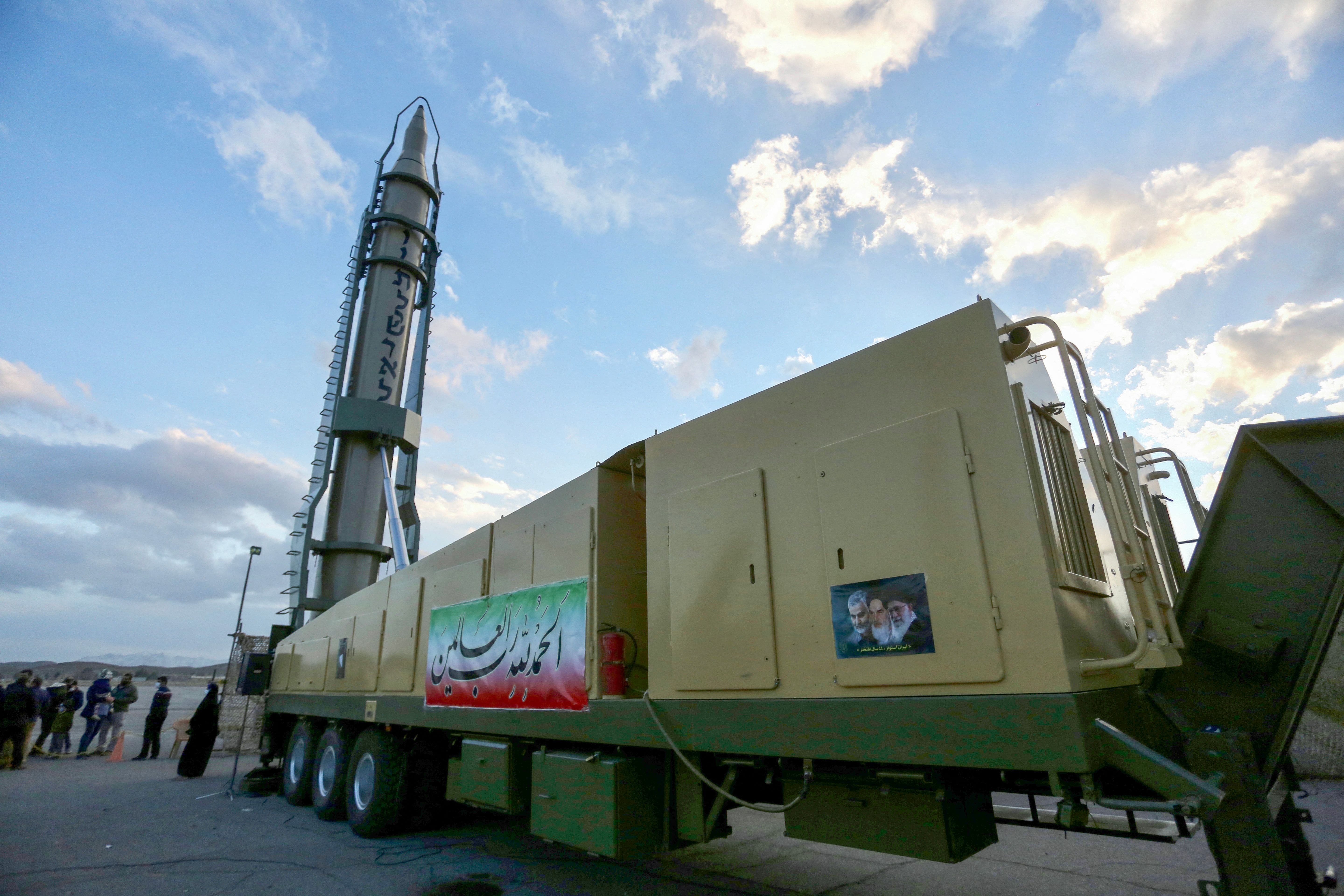
High-Quality Iran’s Defenses Have Been Struck, But They Can Still Fire Missiles And Drones Wallpaper for Desktop
Transform your screen with this vivid iran’s defenses have been struck, but they can still fire missiles and drones artwork, a true masterpiece of digital design.
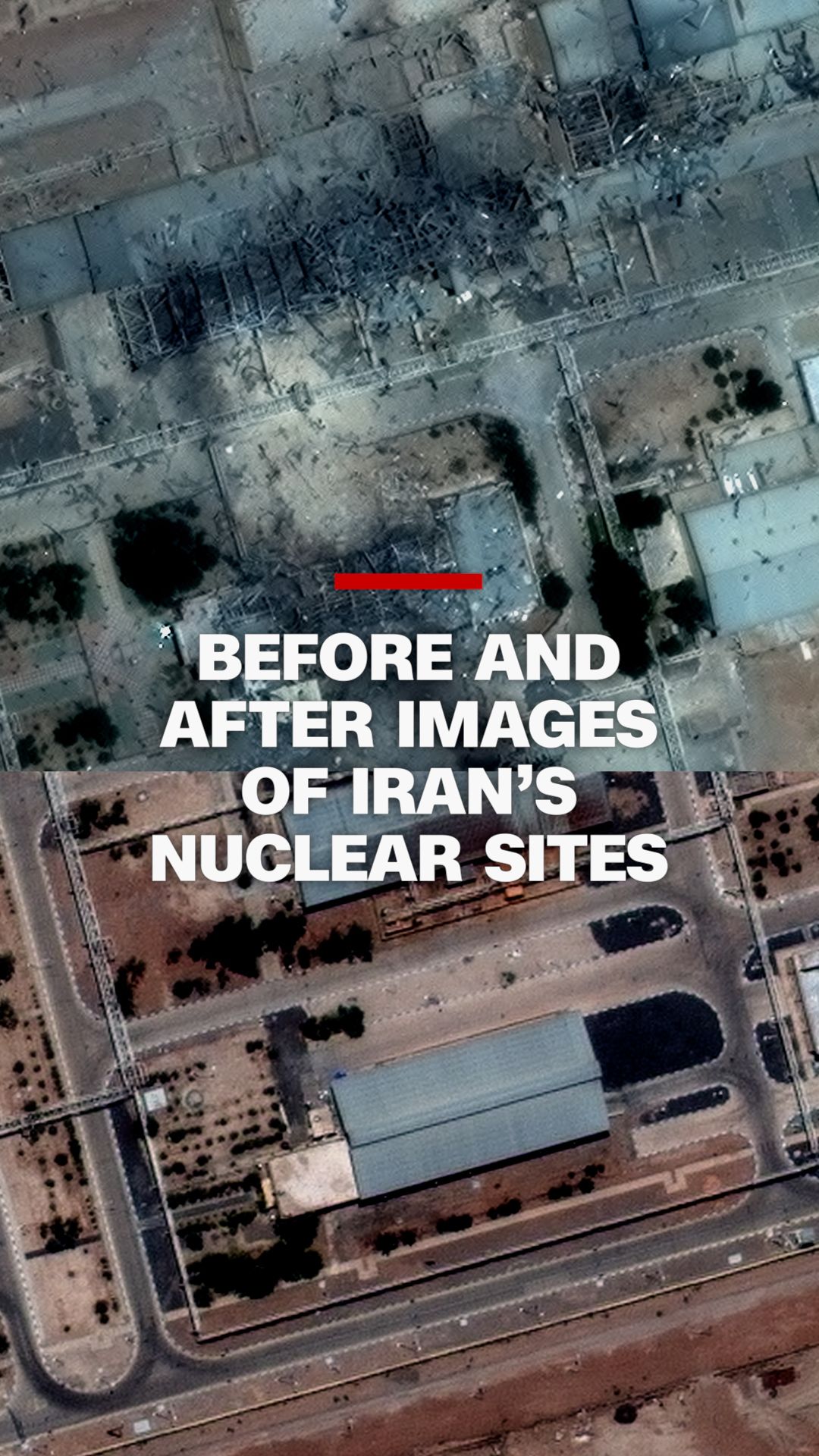
Lush Iran’s Defenses Have Been Struck, But They Can Still Fire Missiles And Drones Photo for Desktop
Immerse yourself in the stunning details of this beautiful iran’s defenses have been struck, but they can still fire missiles and drones wallpaper, designed for a captivating visual experience.

Beautiful Iran’s Defenses Have Been Struck, But They Can Still Fire Missiles And Drones Photo Digital Art
Discover an amazing iran’s defenses have been struck, but they can still fire missiles and drones background image, ideal for personalizing your devices with vibrant colors and intricate designs.

Gorgeous Iran’s Defenses Have Been Struck, But They Can Still Fire Missiles And Drones Abstract in 4K
Find inspiration with this unique iran’s defenses have been struck, but they can still fire missiles and drones illustration, crafted to provide a fresh look for your background.
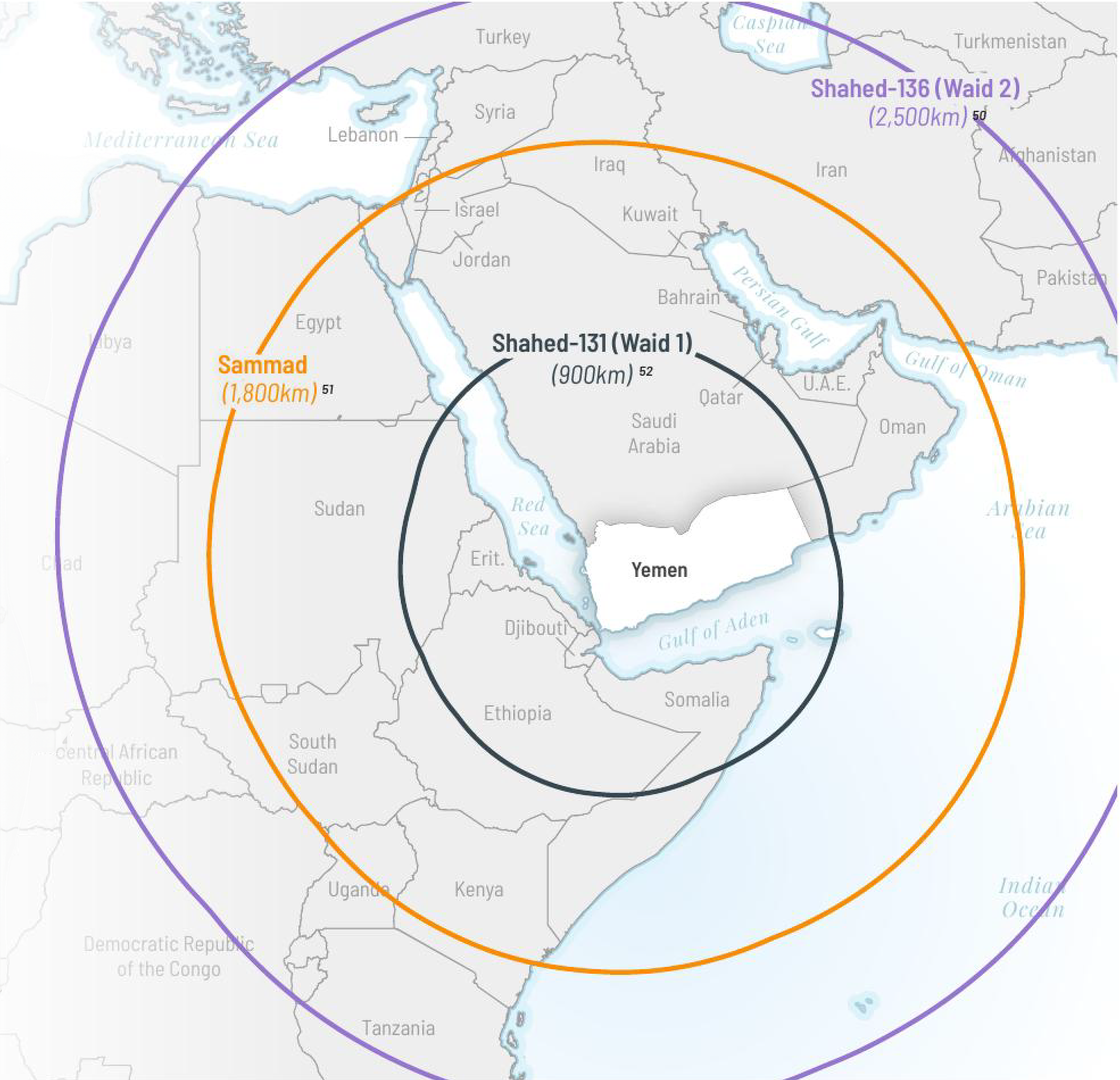
Exquisite Iran’s Defenses Have Been Struck, But They Can Still Fire Missiles And Drones Background Digital Art
Find inspiration with this unique iran’s defenses have been struck, but they can still fire missiles and drones illustration, crafted to provide a fresh look for your background.
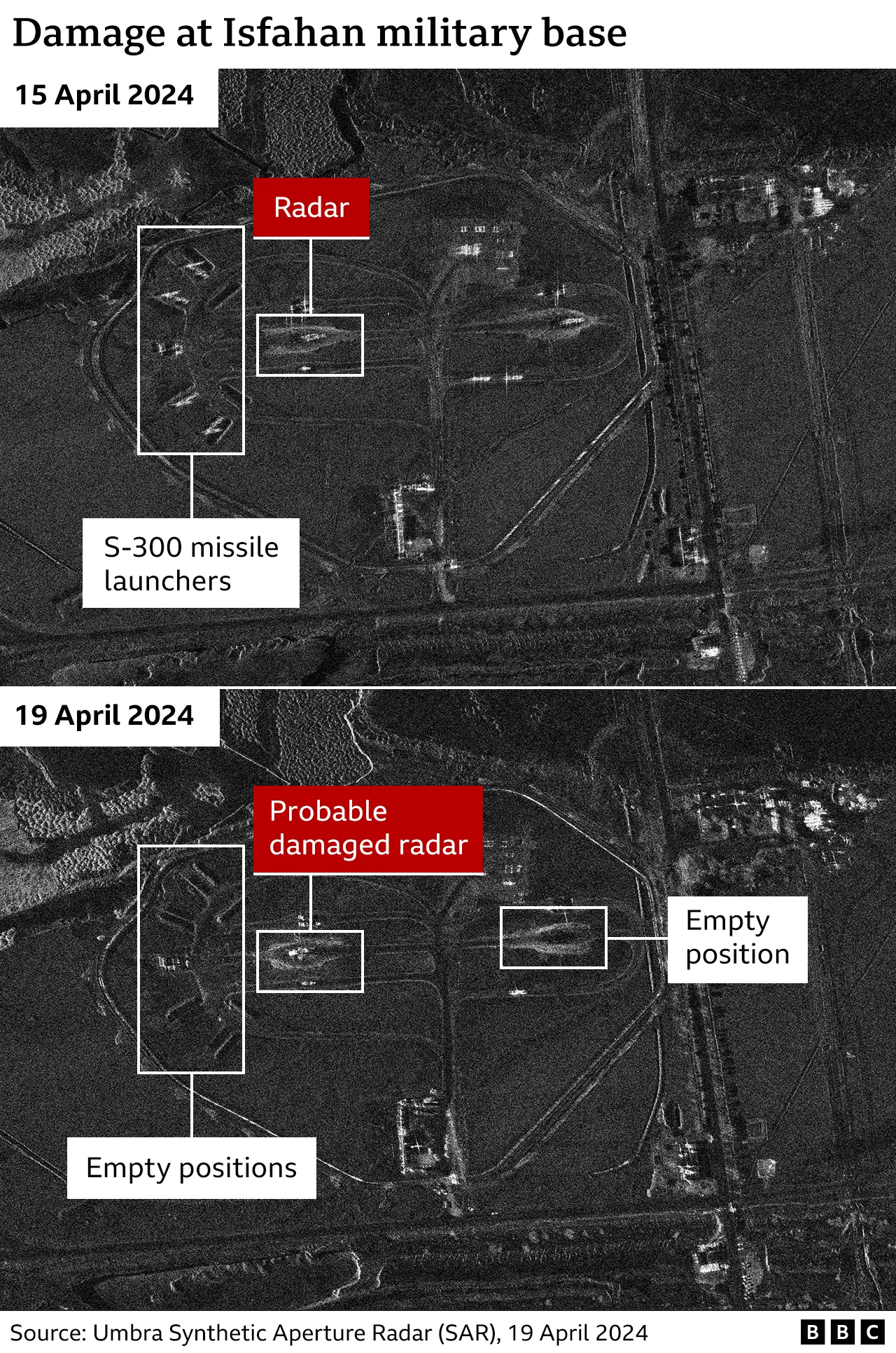
Captivating Iran’s Defenses Have Been Struck, But They Can Still Fire Missiles And Drones Picture Digital Art
Immerse yourself in the stunning details of this beautiful iran’s defenses have been struck, but they can still fire missiles and drones wallpaper, designed for a captivating visual experience.
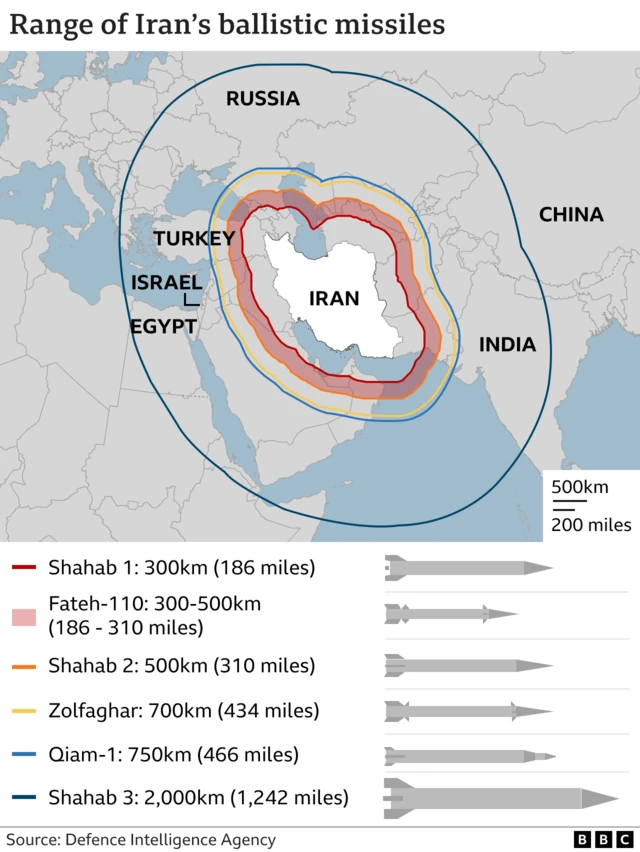
Spectacular Iran’s Defenses Have Been Struck, But They Can Still Fire Missiles And Drones Capture Concept
This gorgeous iran’s defenses have been struck, but they can still fire missiles and drones photo offers a breathtaking view, making it a perfect choice for your next wallpaper.
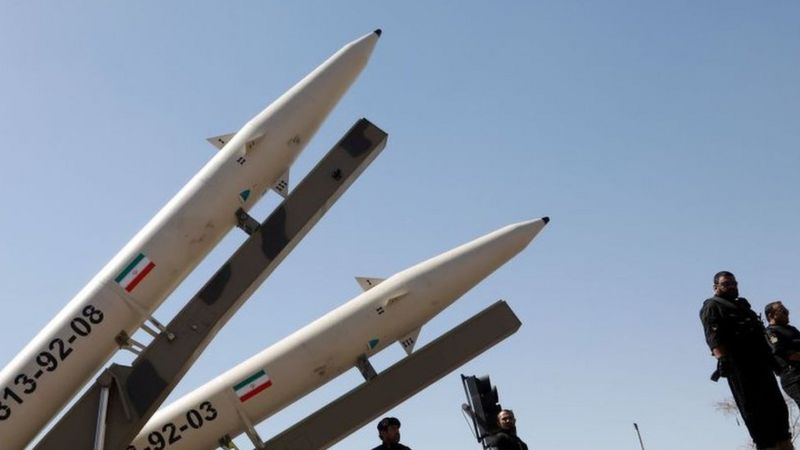
High-Quality Iran’s Defenses Have Been Struck, But They Can Still Fire Missiles And Drones View for Desktop
Explore this high-quality iran’s defenses have been struck, but they can still fire missiles and drones image, perfect for enhancing your desktop or mobile wallpaper.

Captivating Iran’s Defenses Have Been Struck, But They Can Still Fire Missiles And Drones View Nature
Find inspiration with this unique iran’s defenses have been struck, but they can still fire missiles and drones illustration, crafted to provide a fresh look for your background.

Captivating Iran’s Defenses Have Been Struck, But They Can Still Fire Missiles And Drones Moment Digital Art
Immerse yourself in the stunning details of this beautiful iran’s defenses have been struck, but they can still fire missiles and drones wallpaper, designed for a captivating visual experience.

Beautiful Iran’s Defenses Have Been Struck, But They Can Still Fire Missiles And Drones Capture in 4K
Experience the crisp clarity of this stunning iran’s defenses have been struck, but they can still fire missiles and drones image, available in high resolution for all your screens.
Download these iran’s defenses have been struck, but they can still fire missiles and drones wallpapers for free and use them on your desktop or mobile devices.