Majority of primary schools to start cutting P1 intake as student cohorts shrink: MOE
Majority of primary schools to start cutting P1 intake as student cohorts shrink: MOE
The landscape of primary education in Singapore is set for a significant shift as the Ministry of Education (MOE) announced on Wednesday, April 29, 2026, that a majority of primary schools will begin reducing their Primary 1 (P1) intake. This strategic adjustment comes in response to a sharp decline in birth rates, with student cohort sizes expected to shrink significantly starting from 2027. By proactively managing intake numbers now, the MOE aims to maintain a stable educational environment, ensuring that schools remain geographically accessible while minimizing the disruptive need for future school mergers or relocations. This move marks a pivotal moment for parents preparing for the upcoming P1 registration exercise, which is scheduled to commence on June 30.
The Ministry of Education (MOE) will gradually reduce the Primary 1 intake for the majority of primary schools over the next few years, starting with the 2026 P1 Registration Exercise. This decision is driven by significant falling student cohort sizes projected for 2027 and beyond. The objective is to maintain a good geographical spread of schools across Singapore and minimize the need for school mergers or relocations. Despite the reduction in total vacancies, the MOE ensures there will be sufficient school places for every child at both the national and regional levels, and the ongoing review of the P1 registration framework will not affect the 2026 exercise.
The Driving Force: Declining Birth Rates and Demographic Shifts
Singapore has long grappled with a declining Total Fertility Rate (TFR), a trend that is now directly impacting the school-going population. The MOE's recent announcement is a direct consequence of the "significant falling student cohort sizes" projected for 2027 and the ensuing years. While primary school enrollment had seen a slight recovery recently, reaching approximately 237,966 students in 2024, the long-term projections indicate a downward trajectory that necessitates immediate planning.
Demographic shifts are not uniform across the island. New housing developments in areas like Tengah or Bidadari often see a surge in young families, requiring more school places, while mature estates face the opposite challenge. The MOE regularly reviews birth cohort sizes and planned housing developments to adjust school intakes accordingly. By starting the reduction in the 2026 registration exercise, the ministry is attempting to "right-size" the system before the full impact of the 2027 cohort shrinkage is felt.
This proactive stance is intended to prevent a situation where schools are left with drastically under-filled classrooms, which can lead to inefficiencies in resource allocation and, eventually, the painful process of merging schools. Mergers often involve the loss of a school's unique identity and heritage, and can increase commuting times for students who are relocated to the merged site. Maintaining a "good geographical spread" ensures that most families still have access to primary education within a reasonable distance from their homes.
Impact on the 2026 Primary 1 Registration Exercise
The upcoming P1 registration exercise, which begins on June 30, 2026, will be the first to reflect these reduced intake numbers. For parents, this means that the total number of vacancies available across the majority of schools will be lower than in previous years. The MOE has emphasized that vacancies for each school are updated periodically, and the most current figures were released on the same day as the announcement.
Despite the overall reduction, the MOE has assured the public that there will be "sufficient school places for every child." This suggests that while competition for specific, popular schools may remain high or even intensify, the system as a whole will accommodate every eligible child. The registration process remains unchanged: parents will still use the Primary 1 registration portal, requiring a valid Singpass with two-factor authentication.
It is important to note that the ongoing review of the Primary 1 registration framework, mentioned by Minister for Education Desmond Lee earlier this year, will not affect the 2026 exercise. The review aims to enhance access and social mixing, but the current rules regarding phases (Phase 1, 2A, 2B, 2C, and 2C Supplementary) and home-school distance priority remain in force for the children born between January 2, 2020, and January 1, 2021.
Strategic Resource Allocation and Financial Sustainability
Reducing intake is not just about managing physical space; it is also about financial sustainability. Publicly-funded schools in Singapore receive operating grants from the MOE, often calculated on a per-student basis. When student numbers fall, the fixed costs of running a school—such as maintenance, utilities, and administrative staff—are spread over a smaller number of students, increasing the cost per pupil.
We have already seen this trend affecting higher education. For example, Nanyang Technological University (NTU) recently reviewed its financial resource allocation due to shrinking cohort sizes impacting universities. When there are fewer students, institutions must become more strategic and prudent. For primary schools, reducing intake allows the MOE to manage the budget more effectively without necessarily increasing the total subsidies required to keep smaller schools afloat.
By balancing the intake numbers now, the government can avoid the more drastic financial measures that might be required if schools were suddenly found to be half-empty. This approach allows for a more controlled transition, ensuring that the quality of education and the availability of specialized programs (like Co-Curricular Activities or specific learning support) are not compromised by a sudden lack of funding or critical mass of students.
The Debate on Class Sizes and Teacher Workload
The announcement has reignited the long-standing debate over class sizes in Singapore. Many parents and educators argue that a shrinking student population presents a golden opportunity to reduce class sizes from the standard 30-40 students to a more manageable 20-25. Proponents suggest that smaller classes would allow for more personalized attention, better teacher-student relationships, and a more conducive environment for fostering creativity and innovation.
However, the MOE's current strategy focuses on reducing the number of *classes* or the overall *intake* per school, rather than significantly lowering the number of students per class across the board. The ministry has previously pointed out that Singapore already employs smaller class sizes for specific groups, such as the Gifted Education Programme (GEP), foundation classes, and special needs groups. For the "masses," the official stance has often been that teacher quality matters more than class size alone.
From a teacher's perspective, a smaller cohort could potentially mean a lighter marking load if class sizes were reduced. However, if the number of classes is reduced instead, teachers might find themselves teaching the same number of students but perhaps across more varied levels or subjects to maintain their workload. The concern remains that without a corresponding increase in hiring, the pressure on full-time faculty will persist, regardless of the shrinking national cohort.
Comparative Data: Education Trends in Singapore
| Category | Details / Statistics |
|---|---|
| Primary 1 Intake (2024) | 37,785 students registered |
| Total Primary Enrollment (2024) | 237,966 students |
| Primary School Enrollment Rate (2022) | 99.58% (UNESCO Data) |
| Scheduled Start of P1 Registration 2026 | June 30, 2026 |
| Age Group for 2026 Registration | Born between Jan 2, 2020 and Jan 1, 2021 |
| Number of Oversubscribed Schools (2025) | 84 out of 179 schools |
Geographical Considerations and Housing Developments
One of the primary goals of the MOE is to "maintain a good geographical spread of primary schools." This is crucial because proximity to home is a major factor in the P1 registration process. Under the current framework, priority is given to children living within 1km or 2km of the school. If too many schools in mature estates were to merge or close, families in those areas would face significantly longer commutes.
The MOE must balance the needs of mature estates with those of burgeoning new towns. In new housing developments, the demand for primary school places remains high. Conversely, in older neighborhoods with an aging population, schools may struggle to fill their P1 classes. The gradual reduction in intake allows the MOE to "trim" vacancies in areas where they are less needed while preserving the infrastructure for future demographic shifts.
Parents are encouraged to use tools like MOE's SchoolFinder to view schools within their residential address's radius. The ministry also enforces a strict 30-month stay requirement at the address used for registration to prevent "address renting" for popular schools. As intake numbers shrink, the importance of choosing a school "reasonably close to home" becomes even more pronounced, as competition for the limited spots nearby may increase.
Parental Anxiety and the "Kiasu" Culture
In Singapore, the term "Kiasu" (fear of losing out) is often associated with the intense competition for primary school spots. The news that intake will be cut is likely to increase parental anxiety, especially for those eyeing "branded" or highly popular schools. Even with the MOE's assurance that places are available for everyone, the perception of scarcity can drive more frantic registration behavior.
The psychological impact of shrinking cohorts is complex. On one hand, parents might fear that their chances of entering a preferred school are lower. On the other hand, the shrinking population should, in theory, eventually lead to less competition overall. However, because the reduction in intake is designed to match the reduction in the student population, the *relative* difficulty of getting into a specific school might remain unchanged.
The MOE continues to encourage parents to look beyond a school's popularity and consider how its specific programs—such as Applied Learning Programmes (ALP) or Learning for Life Programmes (LLP)—match their child's interests. The goal is to move the national mindset toward "Every School is a Good School," but as long as certain schools have a long history of high performance and oversubscription, the "Kiasu" culture surrounding P1 registration is likely to persist.
Future Outlook: Mergers, Relocations, and Innovations
While the current announcement focuses on reducing intake to *avoid* mergers, it is inevitable that some mergers will still take place in the long term if birth rates do not stabilize. Since 2016, 14 primary schools, 22 secondary schools, and eight junior colleges have already undergone merging exercises. These mergers are a standard tool for the MOE to ensure that schools have a "critical mass" of students to support a vibrant learning environment and a wide range of CCAs.
Relocations are another strategy. Instead of closing a school in a mature estate, the MOE may choose to move it to a new housing estate where the demand is higher. This allows the school to retain its history and alumni network while serving a new community. This proactive management of the "school estate" is essential for a city-state with limited land and shifting population centers.
Looking ahead, the shrinking cohort could also lead to educational innovations. With fewer students to manage, schools might experiment more with digital learning, hybrid models, or project-based curricula that were previously difficult to implement at a large scale. The focus may shift from simply accommodating the masses to refining the quality and diversity of the educational experience for each individual child.
Supporting International Students and Permanent Residents
The reduction in intake also has implications for non-citizens. International students register in Phase 3, the final phase of the P1 registration exercise, after all Singapore Citizens and Permanent Residents (PRs) have been allocated places. With the total number of vacancies shrinking, the "leftover" spots available for Phase 3 might become even more limited.
For PRs, some schools already have a cap on intake (typically 25% to 30%) to encourage social mixing and prevent a high concentration of PR children in specific schools. For the 2025/2026 exercises, schools like Bukit Timah Primary and Cantonment Primary have had such caps. As the overall intake numbers are reduced, these caps will be recalculated based on the new, smaller class totals, potentially making it harder for PR families to secure spots in their first-choice schools.
International parents must submit an "indication of interest" via an online form in May to be eligible for Phase 3. The MOE explicitly states that admission at Phase 3 is not guaranteed. Given the shrinking cohorts and reduced intake, international families may need to consider private education institutions (PEIs) or international schools more seriously if they are unable to secure a place in a government primary school.
FAQ Section
Frequently Asked Questions
Q: Why is the MOE cutting Primary 1 intake?
A: The reduction is due to a significant decline in the number of children born in 2020/2021 and projected further drops in birth rates for the coming years. Cutting intake helps avoid future school mergers and ensures a balanced distribution of students across the island.
Q: When will these changes take effect?
A: The reduction in intake starts with the 2026 P1 Registration Exercise, for children entering Primary 1 in January 2027.
Q: Does this mean it will be harder to get into a primary school?
A: The MOE ensures there are enough places for every child at both the national and regional levels. However, because there are fewer total spots, competition for specifically popular or "branded" schools may remain high.
Q: How can I check how many vacancies my preferred school has?
A: Parents can refer to the official MOE website and the P1 registration portal, where vacancy numbers for each school are updated before and during each registration phase.
Q: Will class sizes become smaller because of this?
A: The MOE's primary strategy is to reduce the number of classes or the total intake per school rather than drastically reducing the number of students per class. However, some schools may see slightly smaller classes depending on registration outcomes.
Conclusion
The Ministry of Education's decision to gradually reduce the Primary 1 intake across a majority of schools is a necessary response to Singapore's changing demographic reality. By starting this process with the 2026 registration exercise, the MOE is taking a measured approach to "right-size" the education system in anticipation of the 2027 cohort shrinkage. While this move may stir some concern among parents about school choice and competition, the overarching goal is to protect the stability and accessibility of the primary school network. As the registration date of June 30 approaches, parents are advised to stay informed, utilize available digital tools, and consider a wide range of schools that best suit their child's unique needs. The future of Singapore's education system lies in its ability to adapt, ensuring that even with fewer students, the quality of learning remains among the best in the world.
Majority of primary schools to start cutting P1 intake as student cohorts shrink: MOE
Majority of primary schools to start cutting P1 intake as student cohorts shrink: MOE Wallpapers
Collection of majority of primary schools to start cutting p1 intake as student cohorts shrink: moe wallpapers for your desktop and mobile devices.
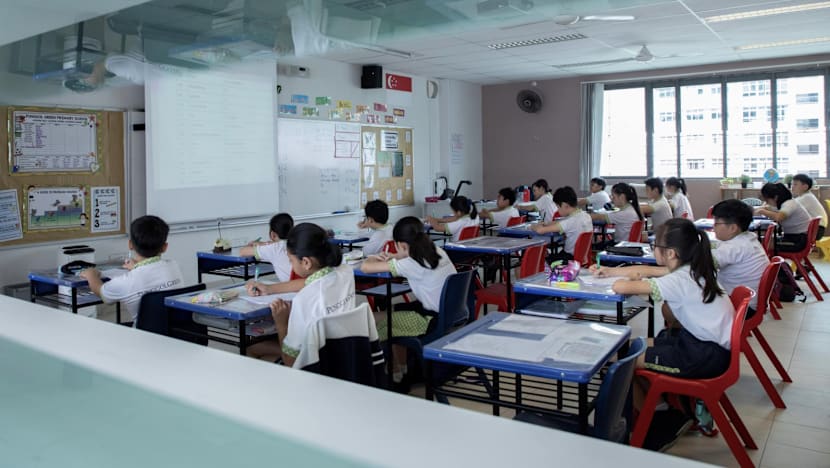
Captivating Majority Of Primary Schools To Start Cutting P1 Intake As Student Cohorts Shrink: Moe Image for Mobile
A captivating majority of primary schools to start cutting p1 intake as student cohorts shrink: moe scene that brings tranquility and beauty to any device.

Breathtaking Majority Of Primary Schools To Start Cutting P1 Intake As Student Cohorts Shrink: Moe Moment Digital Art
Explore this high-quality majority of primary schools to start cutting p1 intake as student cohorts shrink: moe image, perfect for enhancing your desktop or mobile wallpaper.

Vivid Majority Of Primary Schools To Start Cutting P1 Intake As Student Cohorts Shrink: Moe Wallpaper in 4K
Transform your screen with this vivid majority of primary schools to start cutting p1 intake as student cohorts shrink: moe artwork, a true masterpiece of digital design.

Crisp Majority Of Primary Schools To Start Cutting P1 Intake As Student Cohorts Shrink: Moe View for Mobile
This gorgeous majority of primary schools to start cutting p1 intake as student cohorts shrink: moe photo offers a breathtaking view, making it a perfect choice for your next wallpaper.

Spectacular Majority Of Primary Schools To Start Cutting P1 Intake As Student Cohorts Shrink: Moe Capture in 4K
This gorgeous majority of primary schools to start cutting p1 intake as student cohorts shrink: moe photo offers a breathtaking view, making it a perfect choice for your next wallpaper.

Captivating Majority Of Primary Schools To Start Cutting P1 Intake As Student Cohorts Shrink: Moe Design Photography
A captivating majority of primary schools to start cutting p1 intake as student cohorts shrink: moe scene that brings tranquility and beauty to any device.
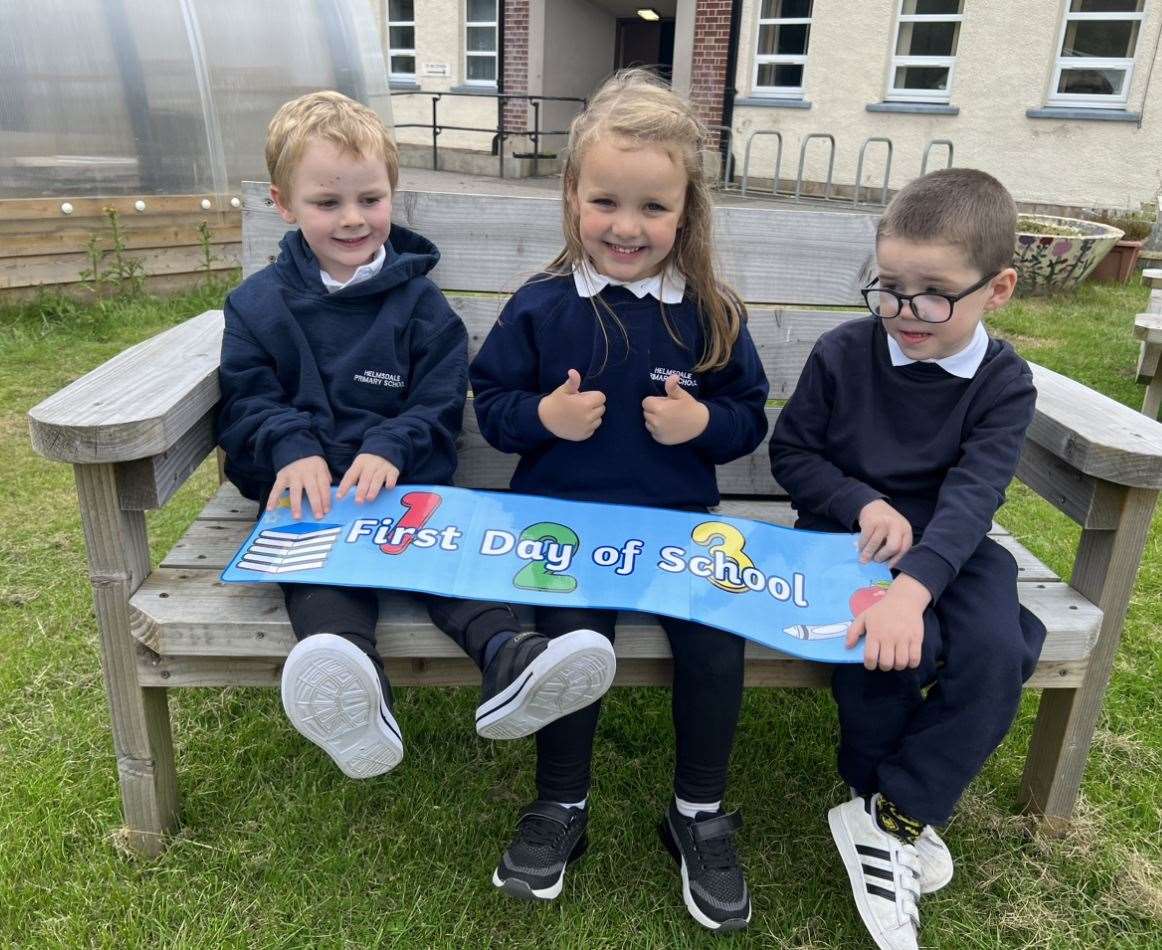
Mesmerizing Majority Of Primary Schools To Start Cutting P1 Intake As Student Cohorts Shrink: Moe Moment Photography
Experience the crisp clarity of this stunning majority of primary schools to start cutting p1 intake as student cohorts shrink: moe image, available in high resolution for all your screens.

Stunning Majority Of Primary Schools To Start Cutting P1 Intake As Student Cohorts Shrink: Moe Wallpaper Illustration
This gorgeous majority of primary schools to start cutting p1 intake as student cohorts shrink: moe photo offers a breathtaking view, making it a perfect choice for your next wallpaper.
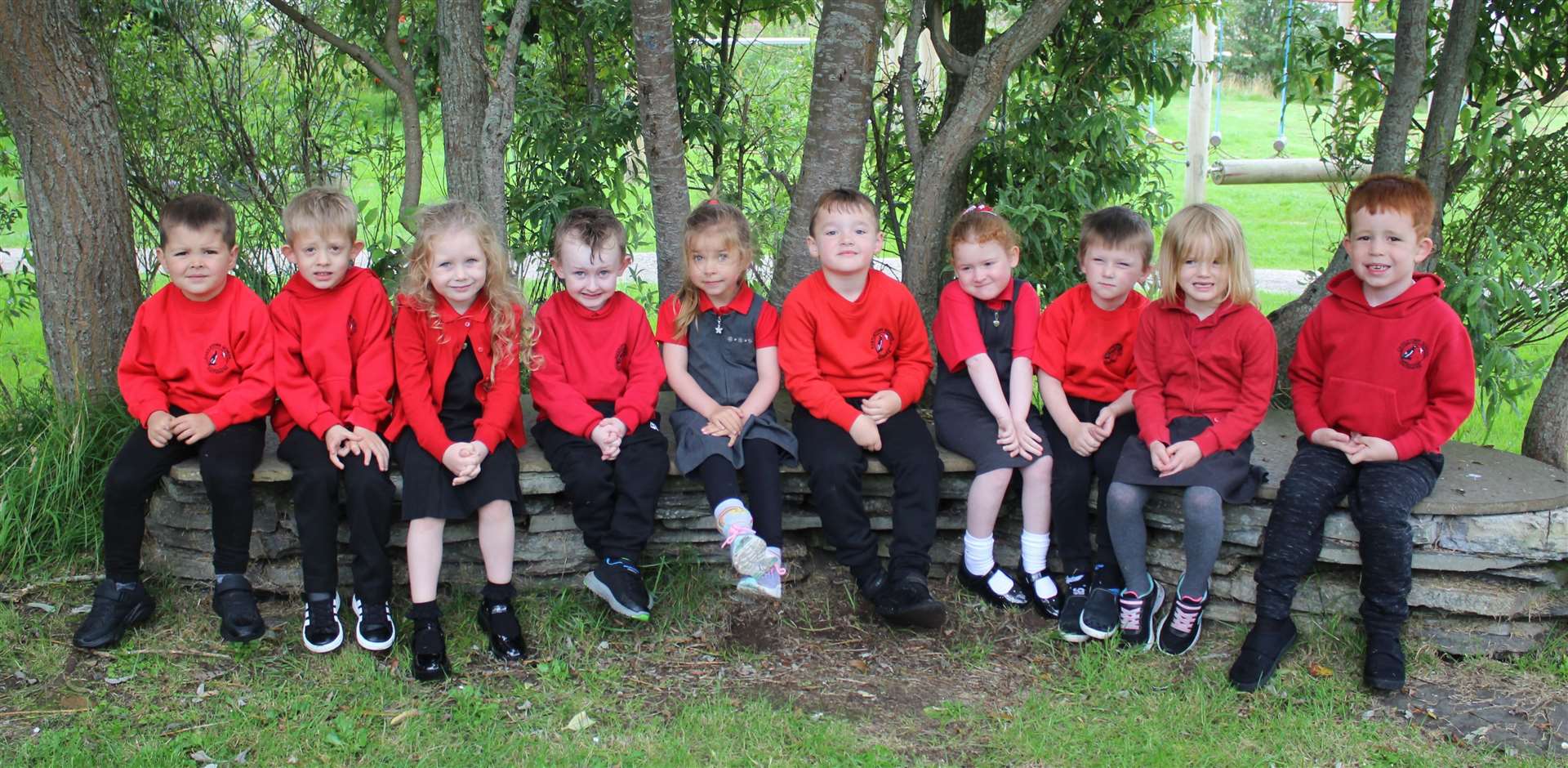
Vivid Majority Of Primary Schools To Start Cutting P1 Intake As Student Cohorts Shrink: Moe Wallpaper Collection
Explore this high-quality majority of primary schools to start cutting p1 intake as student cohorts shrink: moe image, perfect for enhancing your desktop or mobile wallpaper.

Serene Majority Of Primary Schools To Start Cutting P1 Intake As Student Cohorts Shrink: Moe View for Your Screen
Discover an amazing majority of primary schools to start cutting p1 intake as student cohorts shrink: moe background image, ideal for personalizing your devices with vibrant colors and intricate designs.

Spectacular Majority Of Primary Schools To Start Cutting P1 Intake As Student Cohorts Shrink: Moe Image Photography
Find inspiration with this unique majority of primary schools to start cutting p1 intake as student cohorts shrink: moe illustration, crafted to provide a fresh look for your background.
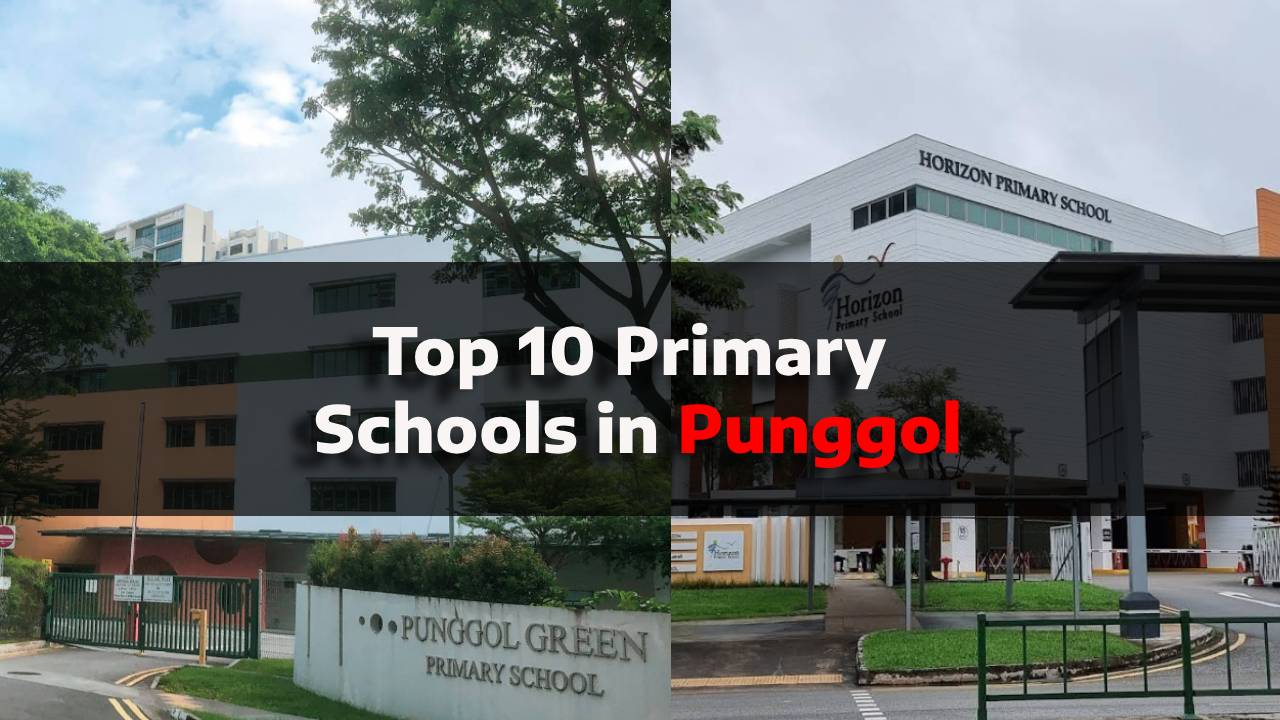
Vivid Majority Of Primary Schools To Start Cutting P1 Intake As Student Cohorts Shrink: Moe Landscape Art
Discover an amazing majority of primary schools to start cutting p1 intake as student cohorts shrink: moe background image, ideal for personalizing your devices with vibrant colors and intricate designs.
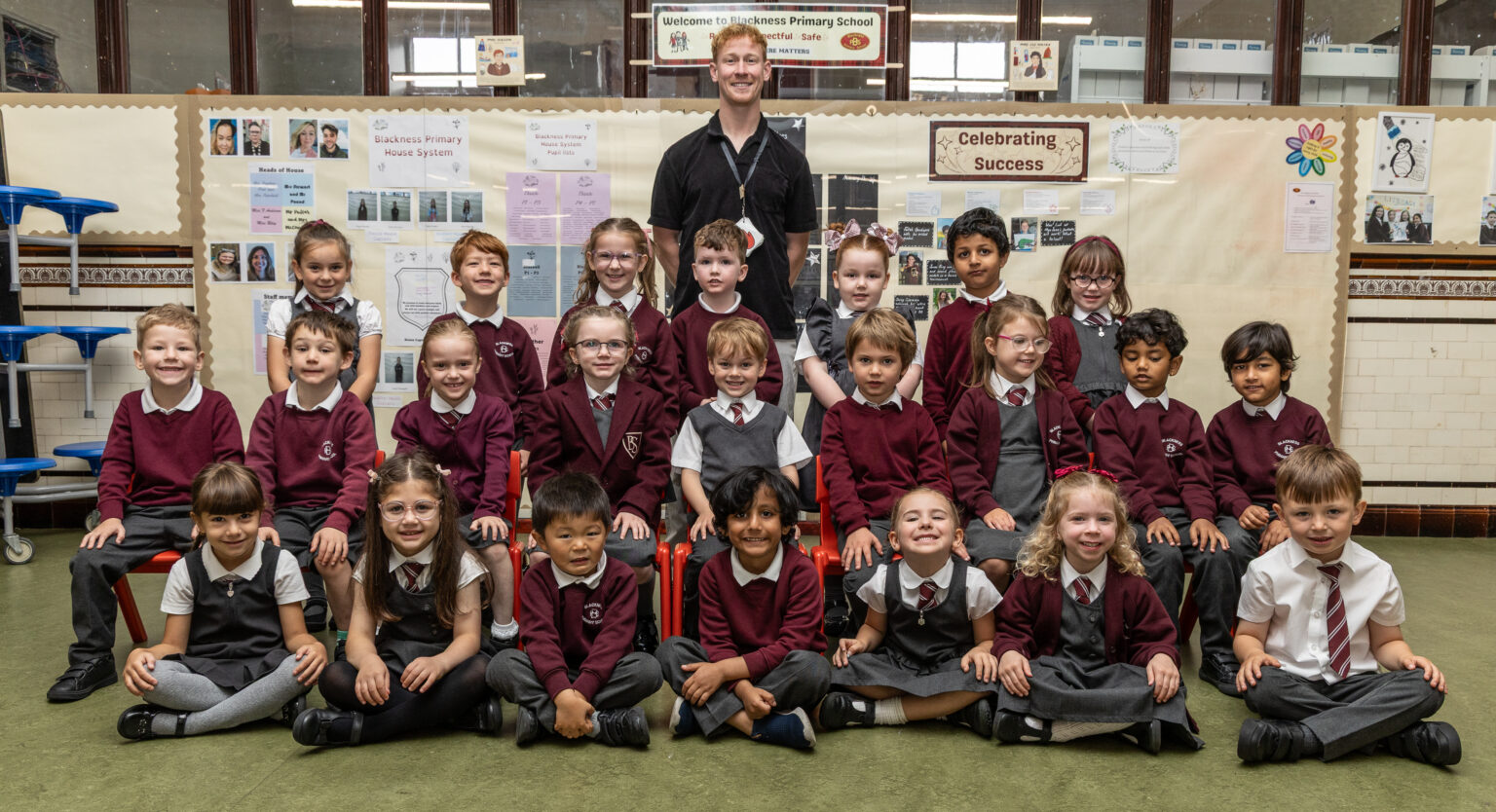
Mesmerizing Majority Of Primary Schools To Start Cutting P1 Intake As Student Cohorts Shrink: Moe Abstract in 4K
Discover an amazing majority of primary schools to start cutting p1 intake as student cohorts shrink: moe background image, ideal for personalizing your devices with vibrant colors and intricate designs.
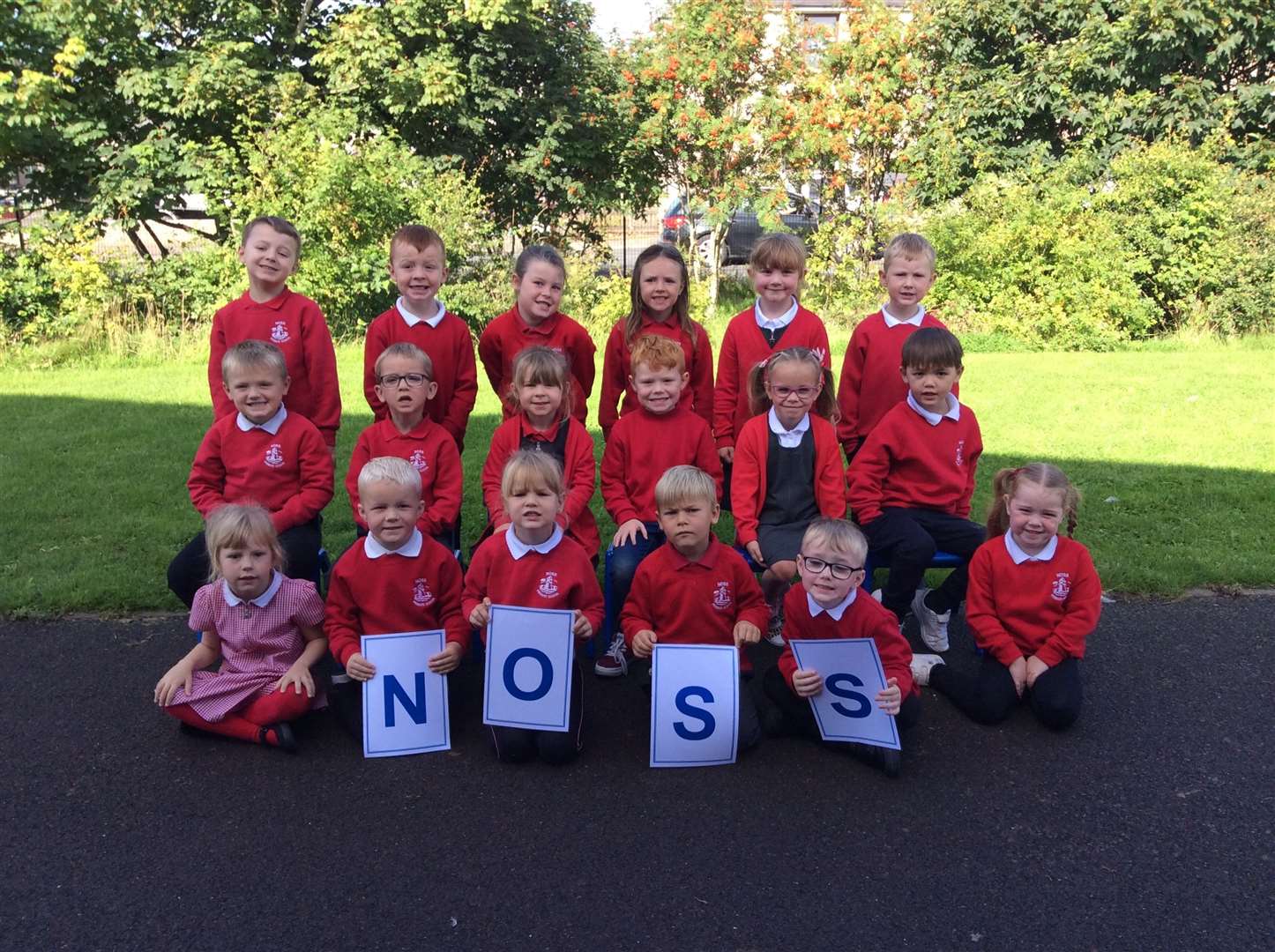
Breathtaking Majority Of Primary Schools To Start Cutting P1 Intake As Student Cohorts Shrink: Moe Background for Desktop
Experience the crisp clarity of this stunning majority of primary schools to start cutting p1 intake as student cohorts shrink: moe image, available in high resolution for all your screens.
Captivating Majority Of Primary Schools To Start Cutting P1 Intake As Student Cohorts Shrink: Moe Capture Concept
Immerse yourself in the stunning details of this beautiful majority of primary schools to start cutting p1 intake as student cohorts shrink: moe wallpaper, designed for a captivating visual experience.

Vibrant Majority Of Primary Schools To Start Cutting P1 Intake As Student Cohorts Shrink: Moe Landscape Collection
Experience the crisp clarity of this stunning majority of primary schools to start cutting p1 intake as student cohorts shrink: moe image, available in high resolution for all your screens.

Serene Majority Of Primary Schools To Start Cutting P1 Intake As Student Cohorts Shrink: Moe Scene in HD
Discover an amazing majority of primary schools to start cutting p1 intake as student cohorts shrink: moe background image, ideal for personalizing your devices with vibrant colors and intricate designs.
Spectacular Majority Of Primary Schools To Start Cutting P1 Intake As Student Cohorts Shrink: Moe Abstract for Desktop
This gorgeous majority of primary schools to start cutting p1 intake as student cohorts shrink: moe photo offers a breathtaking view, making it a perfect choice for your next wallpaper.
Lush Majority Of Primary Schools To Start Cutting P1 Intake As Student Cohorts Shrink: Moe Picture Collection
Immerse yourself in the stunning details of this beautiful majority of primary schools to start cutting p1 intake as student cohorts shrink: moe wallpaper, designed for a captivating visual experience.
Stunning Majority Of Primary Schools To Start Cutting P1 Intake As Student Cohorts Shrink: Moe Moment Art
Find inspiration with this unique majority of primary schools to start cutting p1 intake as student cohorts shrink: moe illustration, crafted to provide a fresh look for your background.
Download these majority of primary schools to start cutting p1 intake as student cohorts shrink: moe wallpapers for free and use them on your desktop or mobile devices.