Malaysia says it’s studying new migrant worker hiring system
Malaysia says it’s studying new migrant worker hiring system
Malaysia is standing at a significant crossroads regarding its national labor policy as the government evaluates a transformative approach to foreign labor recruitment. With over 2.1 million documented migrant workers currently fueling essential sectors like manufacturing, construction, and agriculture, the efficiency and ethics of the hiring process have become matters of national economic security. Recent announcements from the Ministry of Human Resources indicate a shift toward a digitized, direct-hiring framework designed to eliminate costly intermediaries and provide a more transparent ecosystem for both employers and employees. As the nation grapples with global scrutiny over labor practices, this proposed overhaul represents a bold attempt to modernize Malaysia’s workforce management and align it with international human rights standards.
Malaysia is currently exploring the implementation of a new digital migrant worker hiring system aimed at facilitating direct recruitment and reducing high costs associated with private agents. According to the Ministry of Human Resources, the proposed Universal Recruitment Advanced Platform (TURAP) would allow employers to hire workers through a centralized portal, with all recruitment costs borne by the employers. While still in the evaluation phase, this system is intended to enhance transparency, curb debt bondage, and streamline the legal pathway for foreign labor in key industries.
The Current Landscape of Migrant Labor in Malaysia
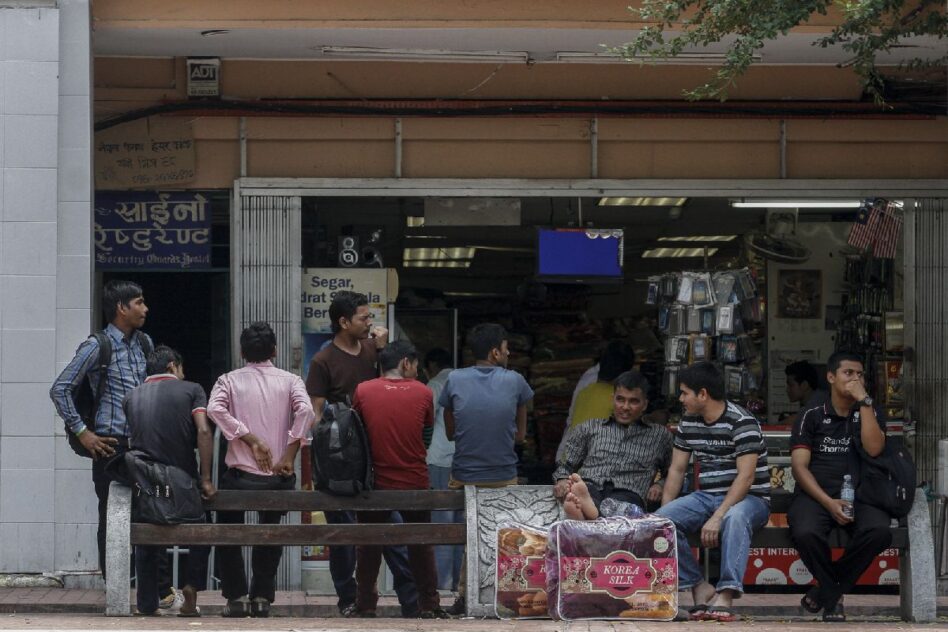
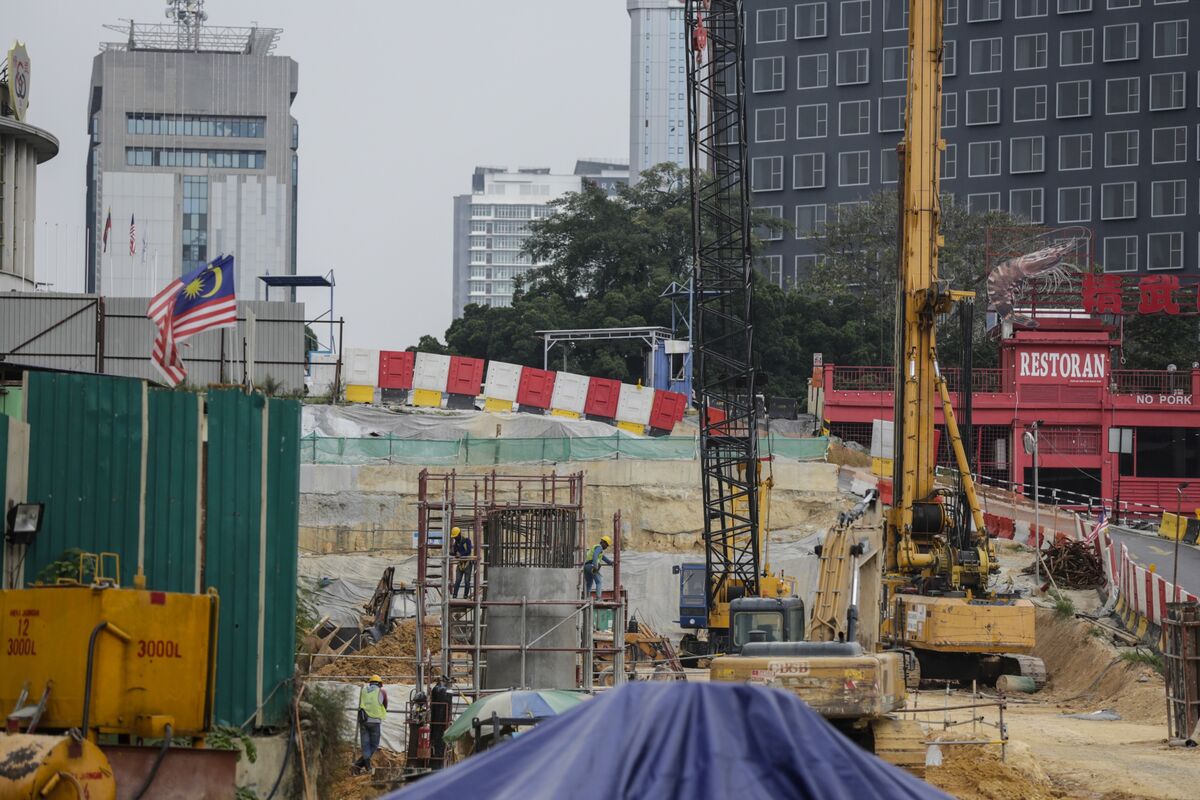
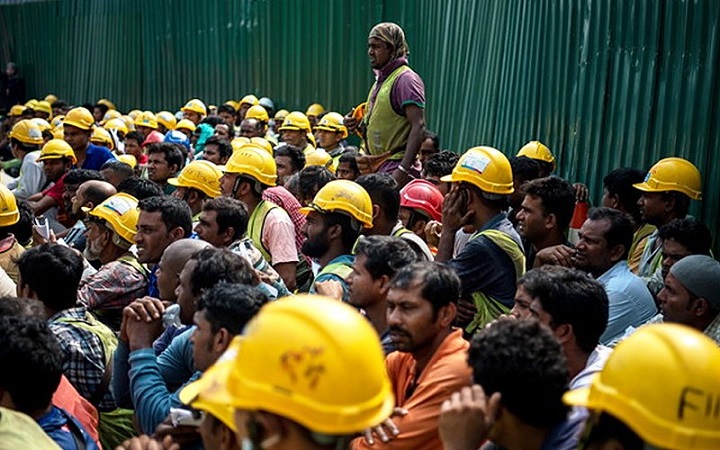
To understand why Malaysia says it’s studying new migrant worker hiring system, one must first look at the sheer scale of the foreign workforce in the country. As of late 2024 and heading into 2026, the number of documented migrant workers under the Visit Pass Temporary Employment (VP-TE) scheme has hovered around 2.5 million. These individuals are the backbone of the Malaysian economy, particularly in labor-intensive sectors that local workers often avoid.
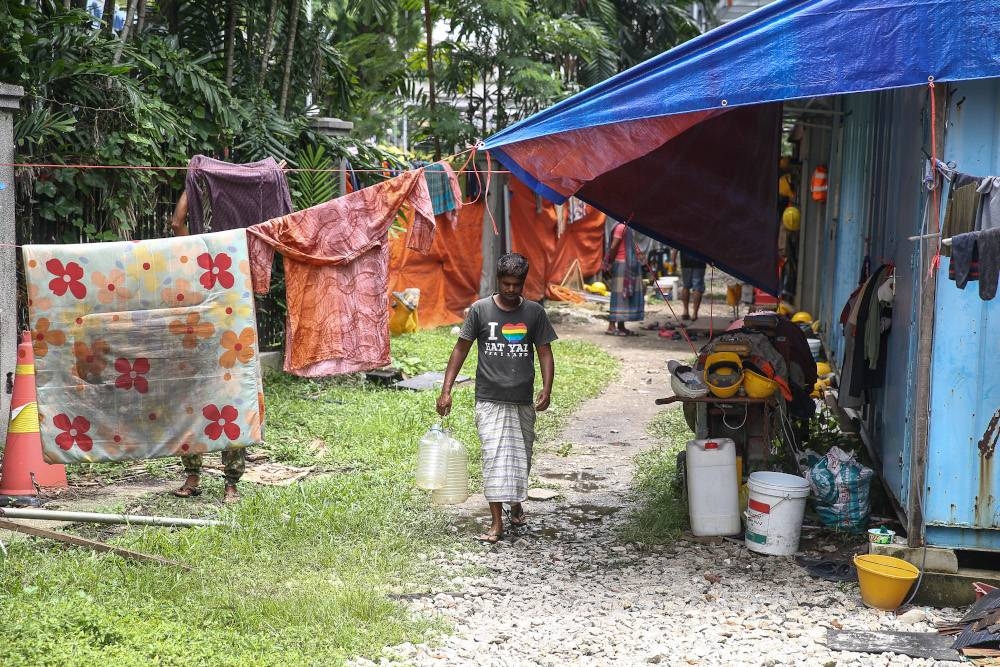
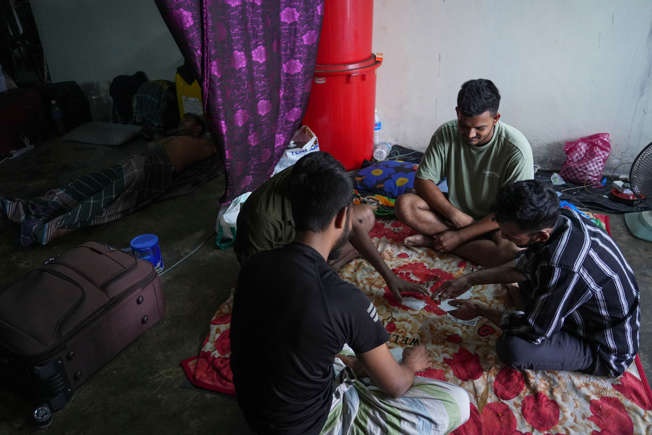
Bangladesh remains the primary source country, accounting for nearly 38% of the migrant workforce, followed closely by Indonesia at 24% and Nepal at 16%. The manufacturing sector is the largest employer, utilizing 31% of these workers, while construction accounts for 28%. Despite their importance, the current recruitment process is plagued by systemic issues. High recruitment fees, often reaching as high as RM25,000, leave many workers in a state of debt bondage before they even set foot on Malaysian soil.
The reliance on third-party recruitment agents in both Malaysia and the source countries has created an environment where exploitation can flourish. Government-to-government (G-to-G) arrangements have been tried in the past, but they frequently still involved private intermediaries who added layers of cost and opacity. This historical context is the driving force behind the government's current search for a more robust, digital solution.
What is the Universal Recruitment Advanced Platform (TURAP)?
The system at the center of recent discussions is the Universal Recruitment Advanced Platform, commonly referred to as TURAP. Developed by Bestinet Sdn Bhd—the same company behind the existing Foreign Workers Centralised Management System (FWCMS)—TURAP is envisioned as an end-to-end digital portal. The primary goal of TURAP is to provide a "direct hiring" mechanism where employers can bypass the traditional agency model.
Under the proposed TURAP model, an employer would log into the portal, identify potential candidates from source countries, and manage the entire application process digitally. Human Resources Minister R. Ramanan has noted that such an approach would ensure that recruitment costs are borne entirely by the employers, a move that aligns with the "Employer Pays Principle" advocated by international labor organizations. This would ideally prevent workers from being charged illegal fees in their home countries.
However, the proposal has not been without controversy. Reports suggest a potential 12-year contract for the platform, with application fees potentially reaching $1,000 per worker. These figures have sparked intense debate among industry players and lawmakers regarding the affordability and the potential for a new monopoly in the labor recruitment space.
Eliminating Intermediaries and Reducing Recruitment Costs
One of the most compelling reasons why Malaysia says it’s studying new migrant worker hiring system is the urgent need to slash recruitment costs. For years, the "middleman" has been identified as the primary source of financial inflation in the hiring process. These agents often charge both the employer and the worker, leading to a "double-dipping" scenario that drives workers into extreme debt.
By moving toward a direct hiring platform, the government aims to create a transparent fee structure. If the system works as intended, every ringgit spent by an employer would be tracked within the digital portal, ensuring that no unauthorized "under-the-table" payments are made to sub-agents. This transparency is crucial for Malaysia to improve its standing in the US State Department’s Trafficking in Persons (TIP) report, where labor exploitation has previously led to downgrades.
Critics, however, warn that simply providing a digital tool might not be enough. They argue that intermediaries in source countries, such as Bangladesh and Nepal, are deeply entrenched. Without strong bilateral agreements and enforcement, agents might still operate behind the scenes, charging workers "service fees" to get their names onto the digital platform. Therefore, the new system must be part of a broader diplomatic and regulatory strategy.
Addressing Forced Labor and Human Rights Concerns
Human rights organizations like Tenaganita have long warned that Malaysia’s recruitment systems lack accountability. The phrase "if we throw a stone at any migrant worker, there is a high chance that he is a victim of forced labour" has been used by activists to highlight the severity of the situation. Debt bondage, resulting from high recruitment fees, is a key indicator of forced labor under International Labour Organization (ILO) definitions.
| Labor Issue | Proposed Solution via New System |
|---|---|
| Debt Bondage | Zero-cost recruitment for workers via direct hiring. |
| Document Falsification | Blockchain-verified medical and insurance records. |
| Opaque Fees | Centralized digital payment tracking. |
| Quota Manipulation | Real-time tracking of employer labor needs and approvals. |
The proposed new system aims to address these concerns by digitizing the "calling visa" and medical check processes. By integrating these steps into a single platform, the government can better monitor the treatment of workers. Furthermore, recent reforms announced in mid-2025 suggest that migrant workers may soon be allowed to change employers across sectors under specific conditions, which would further reduce the power imbalance that often leads to abuse.
Industry Reactions and Economic Implications
The Malaysian business community has expressed a mix of optimism and caution. On one hand, the Malaysian Employers Federation (MEF) has long advocated for a G-to-G system that eliminates intermediaries. A streamlined digital platform could significantly reduce the time it takes to bring in workers, which is currently a major pain point for the manufacturing and plantation sectors.
On the other hand, the cost of the new system is a major sticking point. If the reported application fees of $1,000 per worker are accurate, small and medium enterprises (SMEs) may find the system prohibitively expensive. There are also concerns about the "monopoly" aspect of a 12-year contract being awarded to a single private entity. Lawmakers, including former ministers, have called for greater transparency in how the contract for such a critical piece of national infrastructure is awarded.
Economically, the stakes are high. Malaysia’s GDP growth is closely tied to the productivity of its export-oriented industries. Any disruption or excessive cost in the labor supply chain could dampen the country’s competitiveness against regional rivals like Vietnam and Thailand. Thus, the government must find a balance between ethical recruitment and economic viability.
The Role of Bestinet and the FWCMS
Bestinet Sdn Bhd has been a central player in Malaysia’s labor management since 2011 through the FWCMS. The Ministry of Human Resources has defended the company's track record, noting that the FWCMS has successfully resisted cyberattacks and received international recognition from United Nations-related bodies. Minister Ramanan has stated that he sees no inherent issue with adopting a new system from an established provider if it meets the country's needs.
However, the company has also faced intense scrutiny. Investigations by international news outlets have previously highlighted issues within the recruitment pipeline from Bangladesh, leading to calls for the Malaysian Anti-Corruption Commission (MACC) to investigate procurement processes. This tension between technical capability and public trust is a significant hurdle for the government as it decides whether to move forward with the TURAP proposal.
For the new system to be successful, it will need to demonstrate not just technological superiority, but also a level of transparency that satisfies both domestic critics and international observers. This may involve third-party audits and a more inclusive governance structure that involves multiple ministries, including Home Affairs and Economy.
Future Outlook: Toward a National Labor Migration Policy
As Malaysia says it’s studying new migrant worker hiring system, the conversation is expanding into the need for a comprehensive National Labor Migration Policy. Activists and industry experts agree that a digital platform is just one piece of the puzzle. A holistic policy would cover everything from pre-departure training and standardizing employment contracts to providing effective grievance mechanisms for workers.
The government's plan to roll out the new system by mid-2026 suggests a timeline of intense negotiation and development. During this period, the ministry is expected to hold consultations with stakeholders, including labor unions and migrant rights groups. The goal is to move away from "ad-hoc" solutions and toward a stable, evidence-based framework that protects workers while meeting industry demands.
There is also a growing push to reduce the overall "addiction" to low-skilled foreign labor through automation and digitalization of industries. However, until that transition is complete, the recruitment of migrant workers remains a necessity. Ensuring that this recruitment is ethical, transparent, and cost-effective is the primary challenge facing the Malaysian government today.
Conclusion
The announcement that Malaysia is studying a new migrant worker hiring system marks a pivotal moment in the nation’s socio-economic development. By exploring direct-hiring digital platforms like TURAP, the government is signaling its intent to break the cycle of exploitation and high costs that have defined the labor landscape for decades. While challenges regarding costs, monopolies, and implementation remains, the shift toward a more transparent, employer-funded model is a step in the right direction. Success will ultimately depend on the government’s ability to balance the needs of its vital industries with its commitment to human rights and international labor standards. As the mid-2026 rollout target approaches, the eyes of the world will be on Malaysia to see if it can truly reform its recruitment heartland.
Frequently Asked Questions
1. Why is Malaysia changing its migrant worker hiring system?
Malaysia aims to reduce recruitment costs, eliminate exploitative intermediaries (middlemen), and improve transparency to combat forced labor and debt bondage.
2. What is the TURAP system?
The Universal Recruitment Advanced Platform (TURAP) is a proposed digital portal developed by Bestinet that would allow employers to recruit foreign workers directly.
3. Who will pay for the recruitment costs under the new system?
According to the Ministry of Human Resources, the new approach intends for all recruitment costs to be borne entirely by the employers, following the 'Employer Pays Principle'.
4. Which countries provide the most migrant workers to Malaysia?
As of 2024/2025, the primary source countries are Bangladesh (38%), Indonesia (24%), and Nepal (16%).
5. When will the new hiring system be implemented?
While discussions are ongoing and the system is in the evaluation stage, officials have indicated a target rollout for mid-2026.
Malaysia says it’s studying new migrant worker hiring system
Malaysia says it’s studying new migrant worker hiring system Wallpapers
Collection of malaysia says it’s studying new migrant worker hiring system wallpapers for your desktop and mobile devices.
Captivating Malaysia Says It’s Studying New Migrant Worker Hiring System Wallpaper for Your Screen
This gorgeous malaysia says it’s studying new migrant worker hiring system photo offers a breathtaking view, making it a perfect choice for your next wallpaper.
Spectacular Malaysia Says It’s Studying New Migrant Worker Hiring System Background Art
A captivating malaysia says it’s studying new migrant worker hiring system scene that brings tranquility and beauty to any device.
Dynamic Malaysia Says It’s Studying New Migrant Worker Hiring System Picture for Your Screen
This gorgeous malaysia says it’s studying new migrant worker hiring system photo offers a breathtaking view, making it a perfect choice for your next wallpaper.

Detailed Malaysia Says It’s Studying New Migrant Worker Hiring System Moment in 4K
Transform your screen with this vivid malaysia says it’s studying new migrant worker hiring system artwork, a true masterpiece of digital design.

Amazing Malaysia Says It’s Studying New Migrant Worker Hiring System Photo for Your Screen
Experience the crisp clarity of this stunning malaysia says it’s studying new migrant worker hiring system image, available in high resolution for all your screens.

Vivid Malaysia Says It’s Studying New Migrant Worker Hiring System Design in 4K
Explore this high-quality malaysia says it’s studying new migrant worker hiring system image, perfect for enhancing your desktop or mobile wallpaper.

Exquisite Malaysia Says It’s Studying New Migrant Worker Hiring System View in HD
This gorgeous malaysia says it’s studying new migrant worker hiring system photo offers a breathtaking view, making it a perfect choice for your next wallpaper.
Vibrant Malaysia Says It’s Studying New Migrant Worker Hiring System Photo Concept
Experience the crisp clarity of this stunning malaysia says it’s studying new migrant worker hiring system image, available in high resolution for all your screens.

Breathtaking Malaysia Says It’s Studying New Migrant Worker Hiring System Abstract for Your Screen
Explore this high-quality malaysia says it’s studying new migrant worker hiring system image, perfect for enhancing your desktop or mobile wallpaper.
.jpg "High-Quality Malaysia Says It’s Studying New Migrant Worker Hiring System Scene Concept")
High-Quality Malaysia Says It’s Studying New Migrant Worker Hiring System Scene Concept
Experience the crisp clarity of this stunning malaysia says it’s studying new migrant worker hiring system image, available in high resolution for all your screens.
Amazing Malaysia Says It’s Studying New Migrant Worker Hiring System Wallpaper for Desktop
Transform your screen with this vivid malaysia says it’s studying new migrant worker hiring system artwork, a true masterpiece of digital design.

Lush Malaysia Says It’s Studying New Migrant Worker Hiring System Wallpaper for Your Screen
A captivating malaysia says it’s studying new migrant worker hiring system scene that brings tranquility and beauty to any device.

Gorgeous Malaysia Says It’s Studying New Migrant Worker Hiring System Photo in HD
Find inspiration with this unique malaysia says it’s studying new migrant worker hiring system illustration, crafted to provide a fresh look for your background.

Crisp Malaysia Says It’s Studying New Migrant Worker Hiring System Picture Concept
Immerse yourself in the stunning details of this beautiful malaysia says it’s studying new migrant worker hiring system wallpaper, designed for a captivating visual experience.
_1.jpg "Stunning Malaysia Says It’s Studying New Migrant Worker Hiring System Artwork in HD")
Stunning Malaysia Says It’s Studying New Migrant Worker Hiring System Artwork in HD
Immerse yourself in the stunning details of this beautiful malaysia says it’s studying new migrant worker hiring system wallpaper, designed for a captivating visual experience.

Gorgeous Malaysia Says It’s Studying New Migrant Worker Hiring System Moment Art
This gorgeous malaysia says it’s studying new migrant worker hiring system photo offers a breathtaking view, making it a perfect choice for your next wallpaper.
High-Quality Malaysia Says It’s Studying New Migrant Worker Hiring System Picture Art
Experience the crisp clarity of this stunning malaysia says it’s studying new migrant worker hiring system image, available in high resolution for all your screens.
Artistic Malaysia Says It’s Studying New Migrant Worker Hiring System View Digital Art
This gorgeous malaysia says it’s studying new migrant worker hiring system photo offers a breathtaking view, making it a perfect choice for your next wallpaper.
Stunning Malaysia Says It’s Studying New Migrant Worker Hiring System Photo for Your Screen
Immerse yourself in the stunning details of this beautiful malaysia says it’s studying new migrant worker hiring system wallpaper, designed for a captivating visual experience.
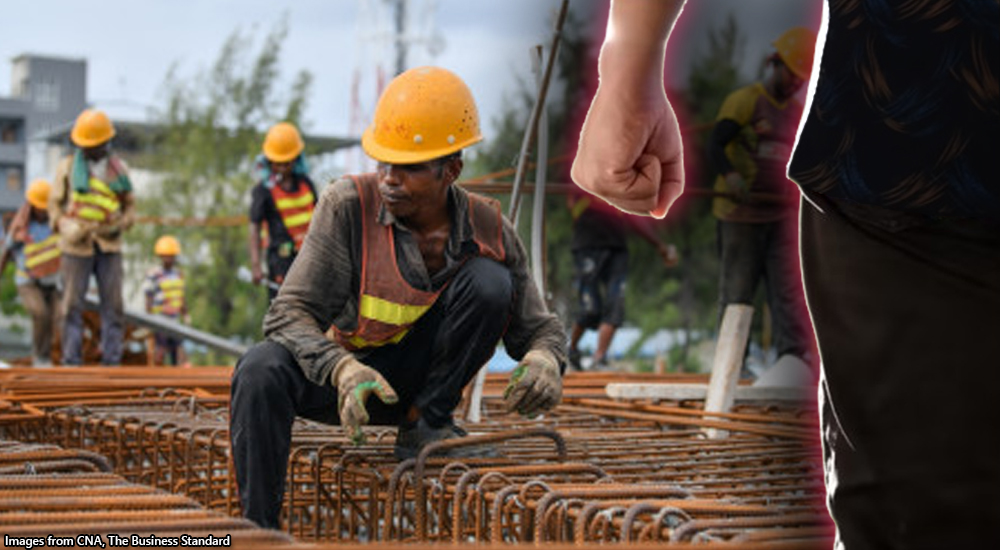
Exquisite Malaysia Says It’s Studying New Migrant Worker Hiring System Wallpaper Concept
A captivating malaysia says it’s studying new migrant worker hiring system scene that brings tranquility and beauty to any device.
Download these malaysia says it’s studying new migrant worker hiring system wallpapers for free and use them on your desktop or mobile devices.