mud, bamboo, and tin craft a climate-responsive vernacular home in rural bangladesh
mud, bamboo, and tin craft a climate-responsive vernacular home in rural bangladesh
In the heart of the Bengal delta, where the rhythm of life is dictated by the ebb and flow of massive river systems, a quiet architectural revolution is taking place. By revisiting ancestral wisdom, communities and architects are proving that the most advanced solutions to the climate crisis often lie in the earth beneath our feet and the grasses growing in our backyards. The combination of mud, bamboo, and tin is no longer seen merely as a sign of poverty, but as a sophisticated, climate-responsive toolkit for building sustainable, resilient, and dignified homes. This vernacular approach, refined over generations, offers a low-carbon blueprint for a world grappling with rising temperatures and extreme weather events.
A climate-responsive vernacular home in rural Bangladesh typically utilizes a combination of mud for thermal mass, bamboo for structural flexibility, and corrugated tin for durable roofing. These materials work in harmony to provide natural cooling in sweltering heat, withstand heavy monsoon rains, and offer resilience against seismic activity. By elevating structures on raised earth plinths and incorporating open courtyards, these homes facilitate cross-ventilation and flood protection, demonstrating a deep integration with the local deltaic environment.
The Essence of Vernacular Architecture in the Delta
Vernacular architecture in Bangladesh is fundamentally an architecture of necessity and adaptation. Unlike formal architecture dictated by international styles, the rural homes of Bangladesh are "buildings without architects." They are the result of collective community wisdom, shaped by the specific topography, climate, and available resources of the Ganges Delta. This region, characterized by its flat alluvial plains and high vulnerability to climate change, has forced its inhabitants to become masters of environmental engineering using only what the land provides.
The core philosophy of these structures is balance. Because the landscape is in a constant state of flux due to riverbank erosion and seasonal flooding, the architecture must be either steadfast or moveable. Mud provides the weight and stability for permanent dwelling units, while bamboo and tin provide the lightness required for structures that might need to be dismantled and relocated. This duality is central to the survival of millions in the rural heartlands.
Mud Walls: The Natural Air Conditioner
In the northern and drier regions of Bangladesh, mud is the primary building block for walls. These are not mere "dirt huts"; they are sophisticated thermal regulators. Thick earthen walls possess high thermal mass, meaning they absorb heat during the day and release it slowly at night. In a tropical climate where temperatures can soar, a mud house remains significantly cooler indoors than a modern brick or concrete building.
The construction process is a communal affair, often involving the mixing of clay, water, and straw or rice husks to prevent cracking. These walls can be up to two feet thick, providing excellent insulation. Beyond thermal comfort, mud is a carbon-neutral material that is 100% biodegradable. When a mud house has served its purpose, it simply returns to the earth, leaving no toxic footprint. Recent innovations, such as cement-stabilized earthen plinths, are further enhancing the durability of these structures against moisture and heavy rains.
Bamboo: The Green Steel of Rural Construction
If mud provides the "meat" of the house, bamboo is its "skeleton." Often referred to as "green steel," bamboo has a tensile strength that rivals mild steel and a compressive strength comparable to concrete. In Bangladesh, bamboo is an abundant, rapidly renewable resource that matures in just three to five years, making it far more sustainable than traditional hardwoods.
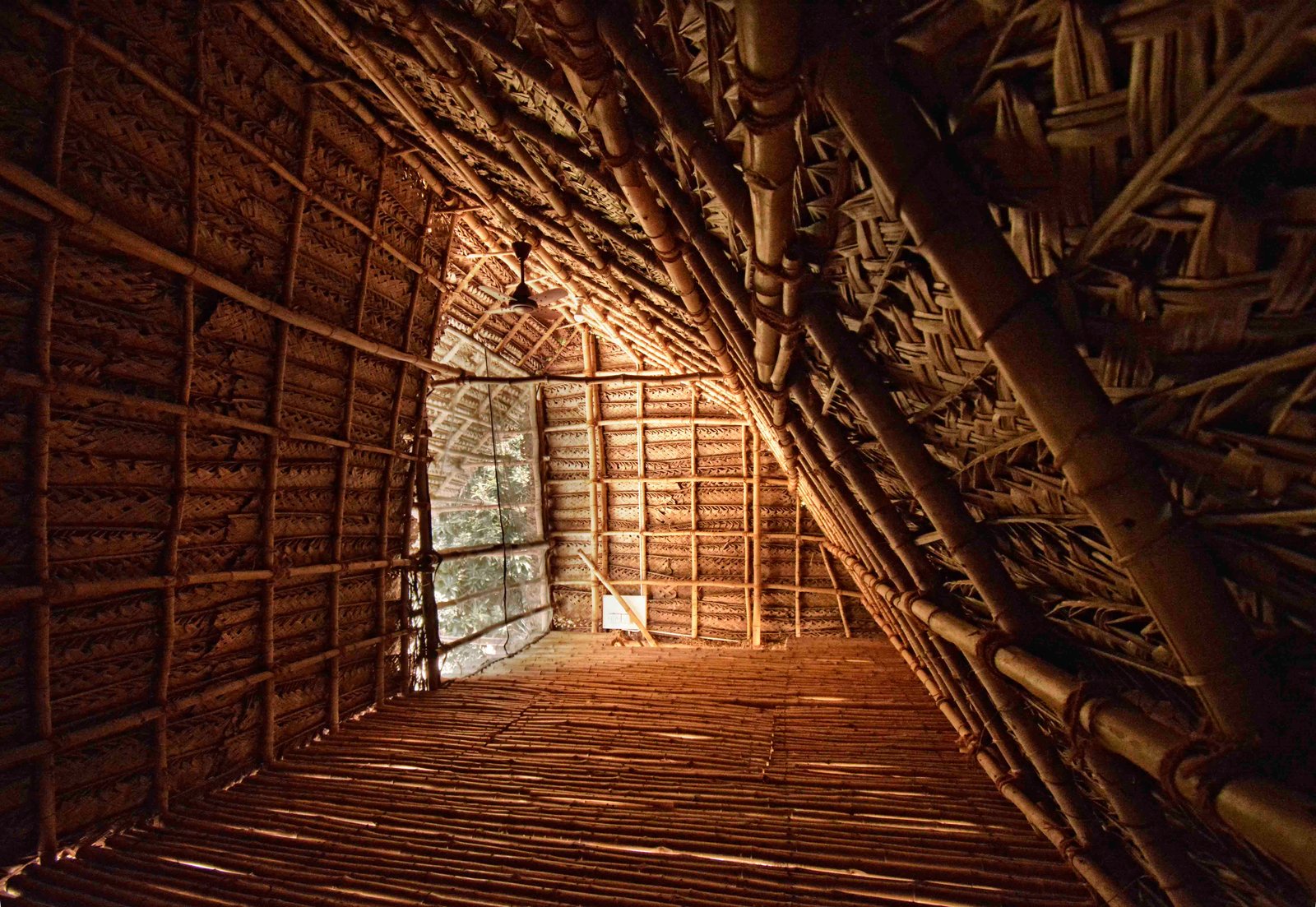
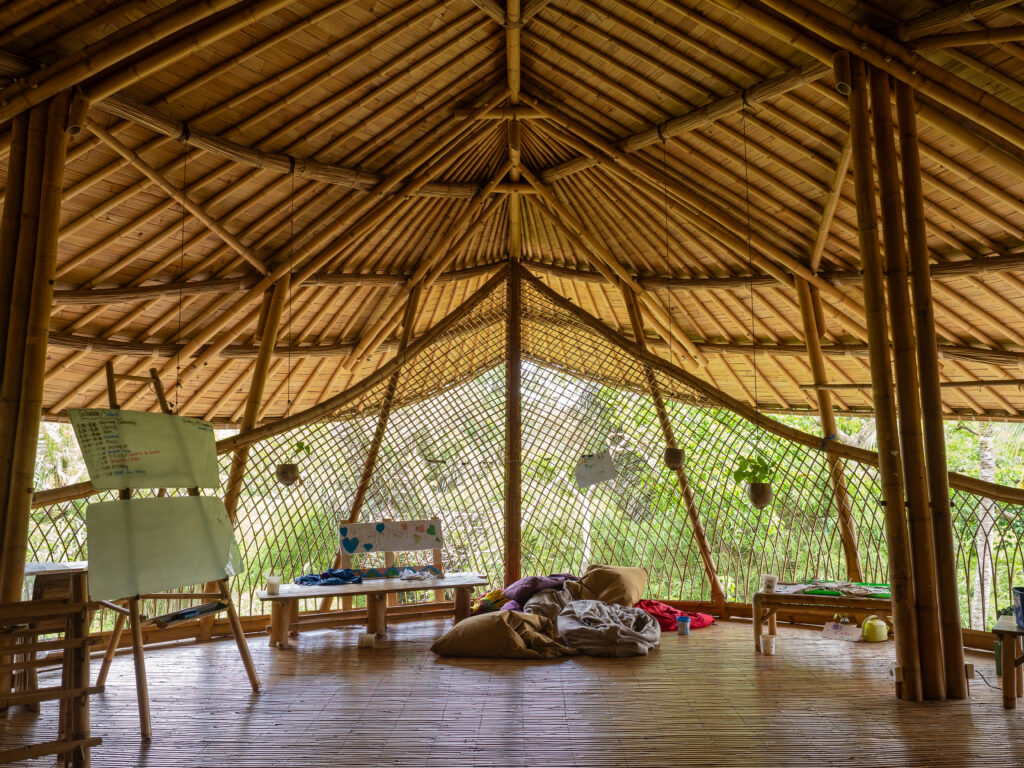
Bamboo is used for everything from structural posts and roof rafters to woven wall panels (mats) and screens. Its natural flexibility is a critical asset in a disaster-prone country; while rigid concrete structures might crack during an earthquake or high winds, bamboo structures sway and absorb the energy, often remaining standing when others fail. When treated properly with traditional methods like borax or simple soaking, bamboo can last for decades, providing a sturdy and lightweight frame for the climate-responsive home.
Tin Roofing: Adapting to Modern Monsoon Realities
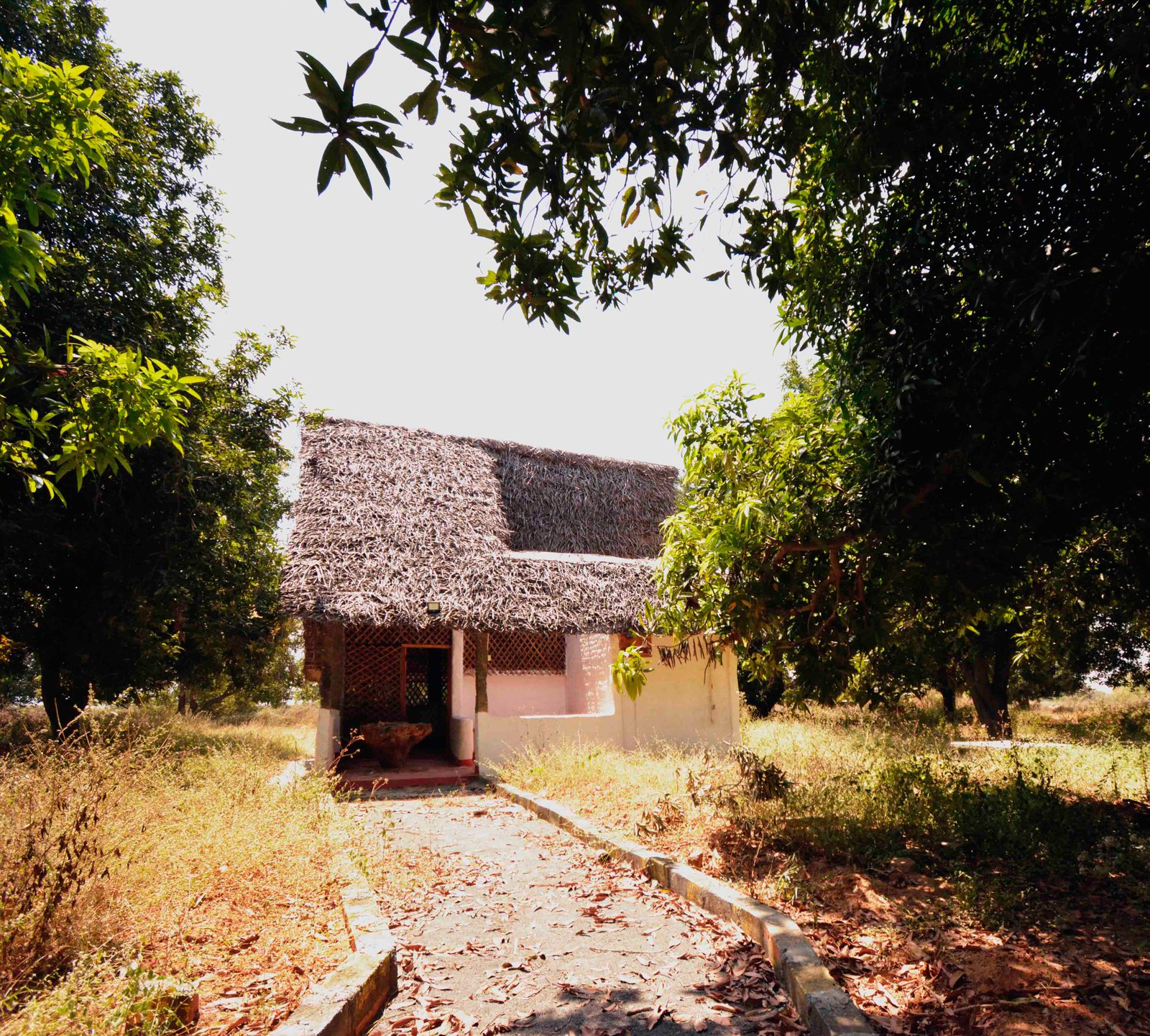
While traditional thatch roofs (made of grass or palm leaves) offer excellent insulation, they require frequent replacement and are vulnerable to fire and heavy rain. Consequently, corrugated iron (CI) sheets, commonly known as "tin," have become the roofing material of choice across rural Bangladesh. Tin is durable, waterproof, and lightweight, providing direct protection against the intense monsoon downpours that characterize the region.
In a climate-responsive design, the "tin" roof is often raised or pitched (the traditional 'dochala' or 'chochola' styles) to allow hot air to rise and escape. Modern architects often hybridize this by adding a layer of insulation under the tin or using wide overhangs to shade the mud walls. The sound of rain on a tin roof is a quintessential part of rural Bangladeshi life, and its ease of transport makes it ideal for remote areas where heavy building materials cannot reach.
| Material Component | Climate-Responsive Benefit |
|---|---|
| Thick Mud Walls | High thermal mass keeps interiors cool during the day and warm at night. |
| Bamboo Framework | Seismic resilience and high strength-to-weight ratio for disaster protection. |
| Corrugated Tin Roof | Durable waterproofing and ease of assembly/disassembly in flood zones. |
| Raised Earth Plinth | Essential flood-proofing and protection against ground moisture. |
Spatial Organization: The Power of the Courtyard
A climate-responsive home is not just about materials; it is about how space is organized. The "Bari" or homestead in rural Bangladesh is typically arranged around a central open courtyard (uthan). This spatial arrangement serves multiple functions. Physically, it acts as a chimney for the entire homestead, drawing in cool air through shaded verandas and allowing hot air to escape from the center.
Socially, the courtyard is the heart of domestic life, providing a private outdoor space for women to work and children to play, adhering to cultural norms while maximizing natural light and ventilation. By placing dwelling units, kitchens, and granaries around this central void, the architecture creates a microclimate that is significantly more comfortable than the surrounding open fields. This "open-lung" design is a hallmark of vernacular intelligence.
Flood Resilience Through Raised Plinths
In a delta where land and water are in constant flux, the plinth is the most important part of the house. Most rural homes are built on a raised mound of compacted earth, often 2 to 3 meters high. This technique, ubiquitous throughout the floodplains, ensures that the living quarters remain dry during the annual monsoon floods. The earth for these plinths is typically excavated from nearby, creating a pond (pukur) that serves for bathing, washing, and microclimate cooling.
Modern adaptations of this vernacular feature include brick-lined plinths or stabilized sand fills to prevent erosion. By elevating the house, residents not only protect their belongings but also create a psychological sense of security. The relationship between the raised plinth and the surrounding water bodies is a perfect example of architecture coexisting with, rather than fighting against, the natural environment.
The Role of Modern Architects in Reviving Tradition
For years, "modern" was synonymous with "concrete and glass." However, a new generation of Bangladeshi architects is looking back to move forward. Projects like the METI Handmade School or the "Home for Everyone" initiative by contemporary designers are proving that mud and bamboo can be used to create high-performance, aesthetically stunning modern buildings. These architects are incorporating engineering techniques—like better joinery for bamboo and stabilized earth blocks—to make vernacular materials competitive with industrial ones.
This "neo-vernacular" approach is critical for the future of sustainable development. By using local materials, these projects significantly reduce the "embodied carbon" of construction—the energy used to produce and transport materials. In a world where the building industry is a major contributor to global emissions, the humble mud and bamboo home of rural Bangladesh offers a sophisticated lesson in carbon-negative living.
Challenges and the Path to Scaling Sustainable Housing
Despite its benefits, vernacular architecture faces a stigma. Many rural residents view brick and concrete as symbols of status and progress, while mud is seen as a "poor man's material." Furthermore, the lack of standardization in building codes for non-conventional materials like bamboo makes it difficult to secure financing or government support for such projects.
To overcome these hurdles, there is a pressing need for education and policy shifts. Demonstrating the superior thermal performance and durability of treated bamboo and stabilized mud can help change public perception. As climate change intensifies, the cost-effectiveness and resilience of these "low-tech" solutions will become increasingly undeniable. Scaling these methods involves combining the local know-how of craftsmen with modern engineering to create a hybrid architecture that is both culturally rooted and technologically advanced.
FAQ Section
Is a mud and bamboo house really durable?
Yes, when constructed properly. While untreated bamboo might last only a few years, bamboo treated with borax or other preservatives can last 30 years or more. Similarly, mud walls protected by wide roof overhangs and built on stabilized plinths are incredibly durable and can stand for decades.
Do these houses offer protection against cyclones?
Vernacular homes in coastal regions are designed with low-profile, aerodynamic roof shapes and bamboo cross-bracing to resist high winds. Furthermore, because they are lightweight, they pose less of a risk to occupants than a collapsing heavy masonry wall during extreme weather events.
Are mud houses hygienic?
Modern vernacular designs incorporate sanitary toilets, separate kitchens, and raised plinths to ensure hygiene. When floors are capped with cement-stabilized earth, they are easy to clean and prevent dampness, making them as hygienic as any modern home.
Can this style be used in urban areas?
While traditional mud walls are more suited to rural areas with available land, elements like engineered bamboo and natural ventilation strategies are being increasingly integrated into "green" urban buildings in Dhaka and other cities to reduce energy consumption.
How does this architecture help with climate change?
It helps in two ways: mitigation and adaptation. Mitigation occurs because the materials (mud, bamboo) have a very low carbon footprint. Adaptation occurs because the designs are specifically tailored to handle the heat, floods, and storms that are becoming more frequent due to climate change.
Conclusion
The vernacular home of rural Bangladesh—crafted from mud, bamboo, and tin—is a masterclass in climate-responsive design. It proves that sustainability does not always require high-cost technology, but rather a deep respect for local context and natural laws. As the world seeks ways to build more resilient communities, these humble structures offer invaluable lessons in thermal comfort, material efficiency, and environmental harmony. By embracing and modernizing these traditional techniques, we can create a future where housing is not just a shelter, but a living part of a balanced global ecosystem.
mud, bamboo, and tin craft a climate-responsive vernacular home in rural bangladesh
mud, bamboo, and tin craft a climate-responsive vernacular home in rural bangladesh Wallpapers
Collection of mud, bamboo, and tin craft a climate-responsive vernacular home in rural bangladesh wallpapers for your desktop and mobile devices.

Detailed Mud, Bamboo, And Tin Craft A Climate-responsive Vernacular Home In Rural Bangladesh Scene Digital Art
Experience the crisp clarity of this stunning mud, bamboo, and tin craft a climate-responsive vernacular home in rural bangladesh image, available in high resolution for all your screens.

Crisp Mud, Bamboo, And Tin Craft A Climate-responsive Vernacular Home In Rural Bangladesh Moment Collection
This gorgeous mud, bamboo, and tin craft a climate-responsive vernacular home in rural bangladesh photo offers a breathtaking view, making it a perfect choice for your next wallpaper.

Exquisite Mud, Bamboo, And Tin Craft A Climate-responsive Vernacular Home In Rural Bangladesh Abstract Collection
This gorgeous mud, bamboo, and tin craft a climate-responsive vernacular home in rural bangladesh photo offers a breathtaking view, making it a perfect choice for your next wallpaper.

Spectacular Mud, Bamboo, And Tin Craft A Climate-responsive Vernacular Home In Rural Bangladesh Moment Illustration
Immerse yourself in the stunning details of this beautiful mud, bamboo, and tin craft a climate-responsive vernacular home in rural bangladesh wallpaper, designed for a captivating visual experience.
Vivid Mud, Bamboo, And Tin Craft A Climate-responsive Vernacular Home In Rural Bangladesh Design Nature
Explore this high-quality mud, bamboo, and tin craft a climate-responsive vernacular home in rural bangladesh image, perfect for enhancing your desktop or mobile wallpaper.
Serene Mud, Bamboo, And Tin Craft A Climate-responsive Vernacular Home In Rural Bangladesh Artwork Digital Art
Transform your screen with this vivid mud, bamboo, and tin craft a climate-responsive vernacular home in rural bangladesh artwork, a true masterpiece of digital design.
Captivating Mud, Bamboo, And Tin Craft A Climate-responsive Vernacular Home In Rural Bangladesh Design in HD
This gorgeous mud, bamboo, and tin craft a climate-responsive vernacular home in rural bangladesh photo offers a breathtaking view, making it a perfect choice for your next wallpaper.

Exquisite Mud, Bamboo, And Tin Craft A Climate-responsive Vernacular Home In Rural Bangladesh Abstract in 4K
This gorgeous mud, bamboo, and tin craft a climate-responsive vernacular home in rural bangladesh photo offers a breathtaking view, making it a perfect choice for your next wallpaper.

Mesmerizing Mud, Bamboo, And Tin Craft A Climate-responsive Vernacular Home In Rural Bangladesh Landscape for Desktop
Experience the crisp clarity of this stunning mud, bamboo, and tin craft a climate-responsive vernacular home in rural bangladesh image, available in high resolution for all your screens.

Lush Mud, Bamboo, And Tin Craft A Climate-responsive Vernacular Home In Rural Bangladesh View Concept
Immerse yourself in the stunning details of this beautiful mud, bamboo, and tin craft a climate-responsive vernacular home in rural bangladesh wallpaper, designed for a captivating visual experience.

Captivating Mud, Bamboo, And Tin Craft A Climate-responsive Vernacular Home In Rural Bangladesh Capture Illustration
A captivating mud, bamboo, and tin craft a climate-responsive vernacular home in rural bangladesh scene that brings tranquility and beauty to any device.
Lush Mud, Bamboo, And Tin Craft A Climate-responsive Vernacular Home In Rural Bangladesh Landscape in 4K
Immerse yourself in the stunning details of this beautiful mud, bamboo, and tin craft a climate-responsive vernacular home in rural bangladesh wallpaper, designed for a captivating visual experience.
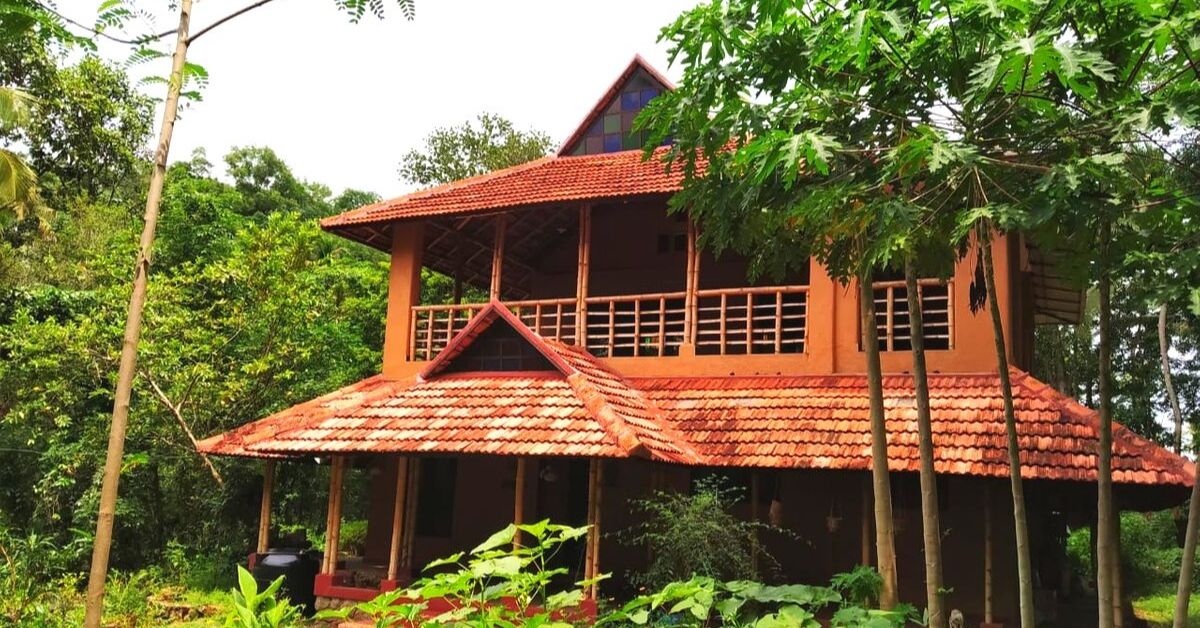
Captivating Mud, Bamboo, And Tin Craft A Climate-responsive Vernacular Home In Rural Bangladesh Scene in 4K
Immerse yourself in the stunning details of this beautiful mud, bamboo, and tin craft a climate-responsive vernacular home in rural bangladesh wallpaper, designed for a captivating visual experience.
Detailed Mud, Bamboo, And Tin Craft A Climate-responsive Vernacular Home In Rural Bangladesh Image for Mobile
Discover an amazing mud, bamboo, and tin craft a climate-responsive vernacular home in rural bangladesh background image, ideal for personalizing your devices with vibrant colors and intricate designs.
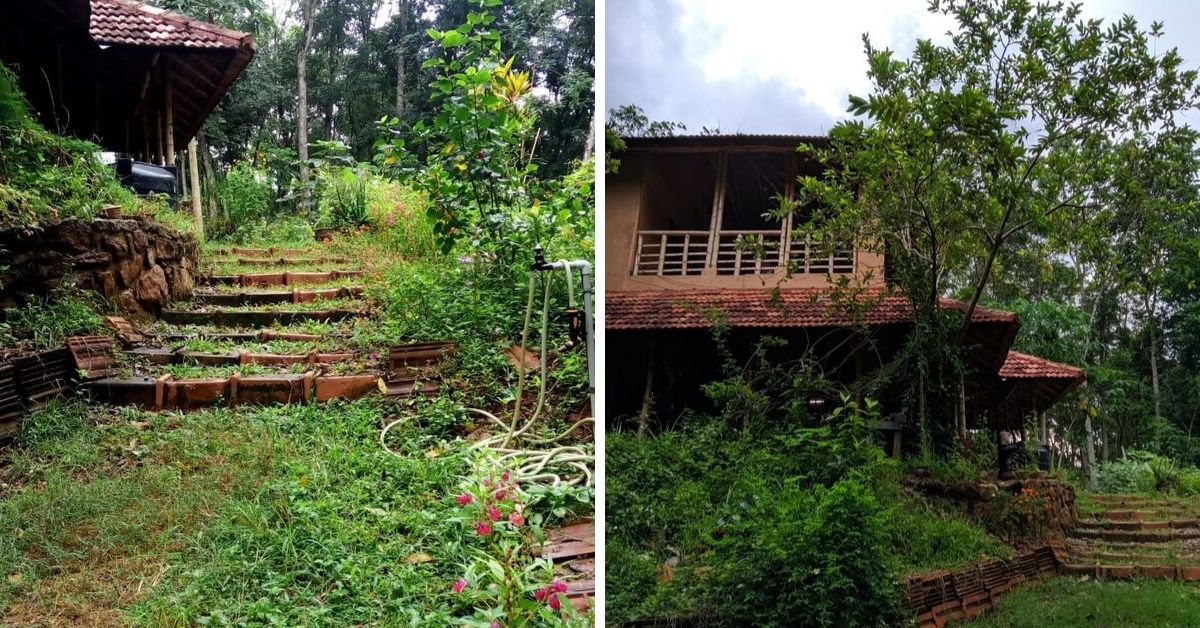
Stunning Mud, Bamboo, And Tin Craft A Climate-responsive Vernacular Home In Rural Bangladesh Picture for Mobile
Find inspiration with this unique mud, bamboo, and tin craft a climate-responsive vernacular home in rural bangladesh illustration, crafted to provide a fresh look for your background.
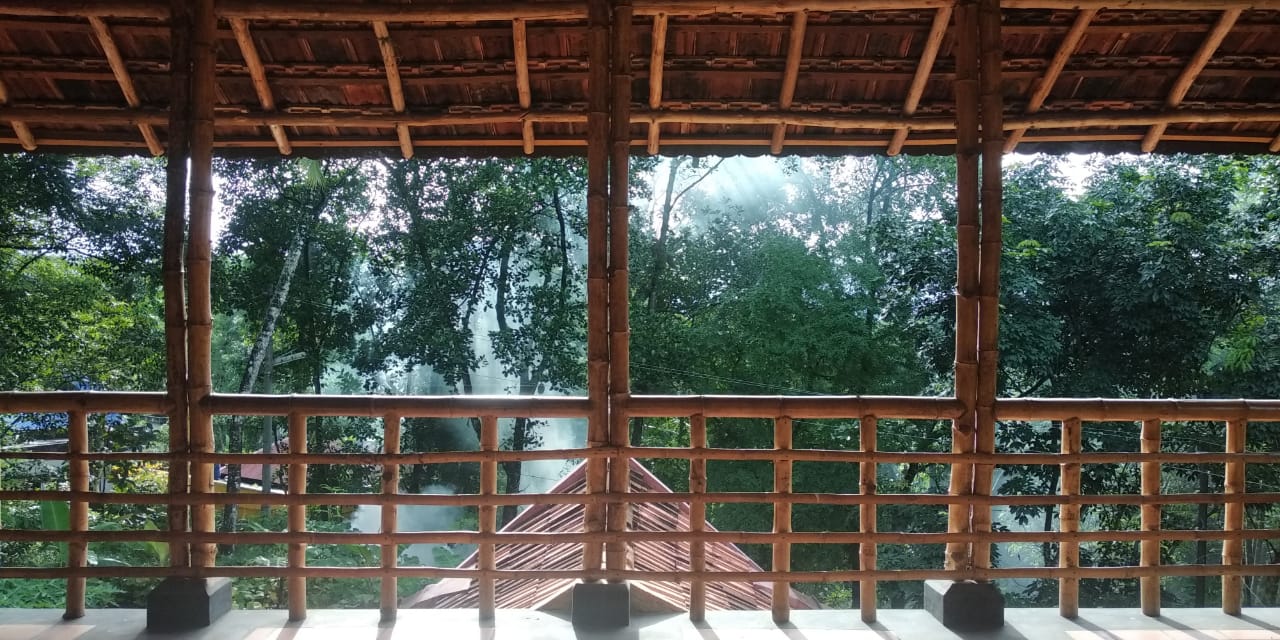
High-Quality Mud, Bamboo, And Tin Craft A Climate-responsive Vernacular Home In Rural Bangladesh Design in 4K
Discover an amazing mud, bamboo, and tin craft a climate-responsive vernacular home in rural bangladesh background image, ideal for personalizing your devices with vibrant colors and intricate designs.
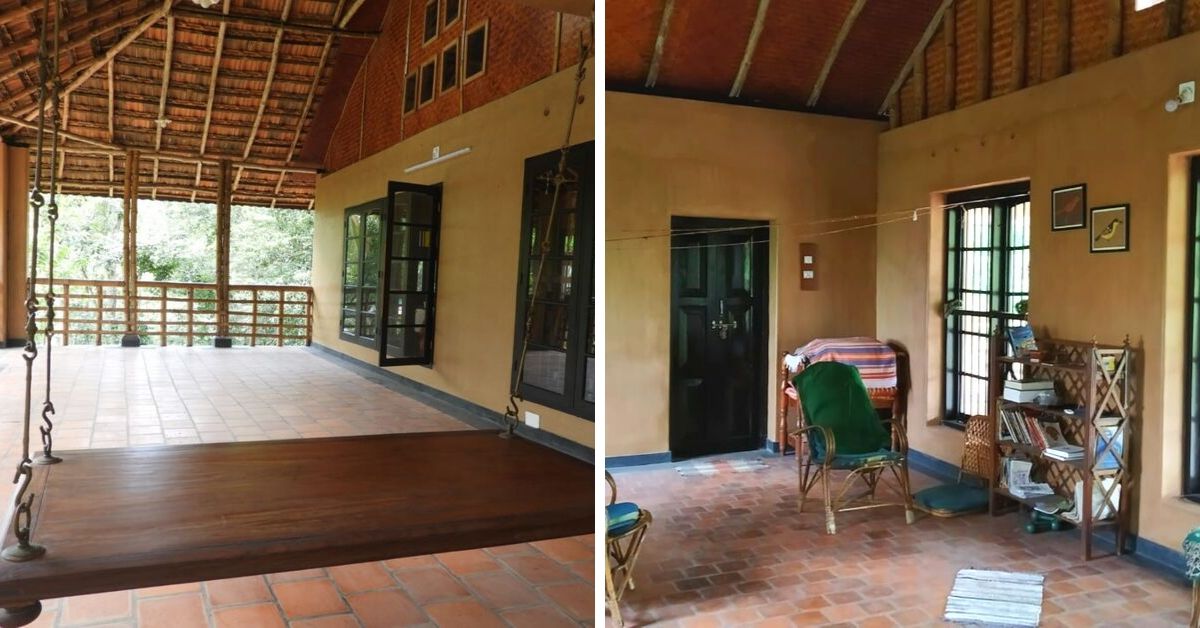
Detailed Mud, Bamboo, And Tin Craft A Climate-responsive Vernacular Home In Rural Bangladesh Scene in 4K
Explore this high-quality mud, bamboo, and tin craft a climate-responsive vernacular home in rural bangladesh image, perfect for enhancing your desktop or mobile wallpaper.
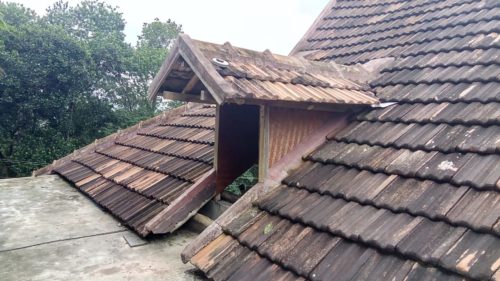
Stunning Mud, Bamboo, And Tin Craft A Climate-responsive Vernacular Home In Rural Bangladesh Artwork for Your Screen
Immerse yourself in the stunning details of this beautiful mud, bamboo, and tin craft a climate-responsive vernacular home in rural bangladesh wallpaper, designed for a captivating visual experience.

Mesmerizing Mud, Bamboo, And Tin Craft A Climate-responsive Vernacular Home In Rural Bangladesh Capture Photography
Explore this high-quality mud, bamboo, and tin craft a climate-responsive vernacular home in rural bangladesh image, perfect for enhancing your desktop or mobile wallpaper.

Artistic Mud, Bamboo, And Tin Craft A Climate-responsive Vernacular Home In Rural Bangladesh Capture Digital Art
Find inspiration with this unique mud, bamboo, and tin craft a climate-responsive vernacular home in rural bangladesh illustration, crafted to provide a fresh look for your background.
Download these mud, bamboo, and tin craft a climate-responsive vernacular home in rural bangladesh wallpapers for free and use them on your desktop or mobile devices.