NATO deploys armed fighter jets to intercept Russian military planes flying over Baltic Sea
NATO deploys armed fighter jets to intercept Russian military planes flying over Baltic Sea
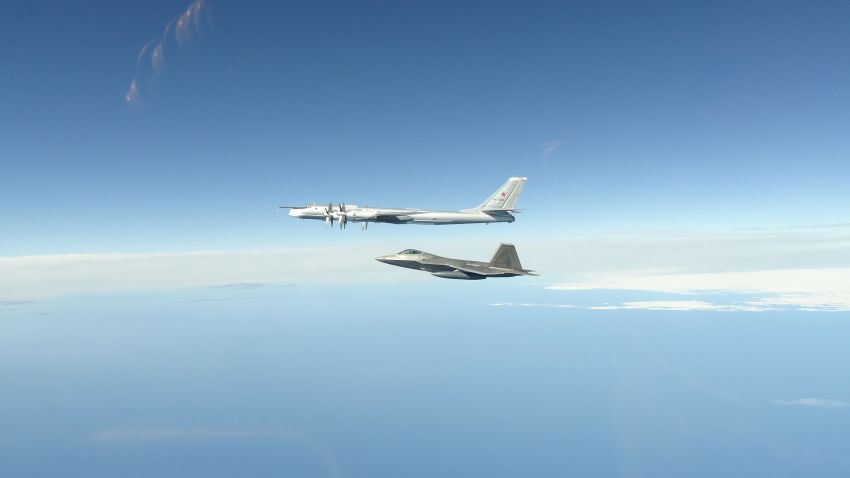
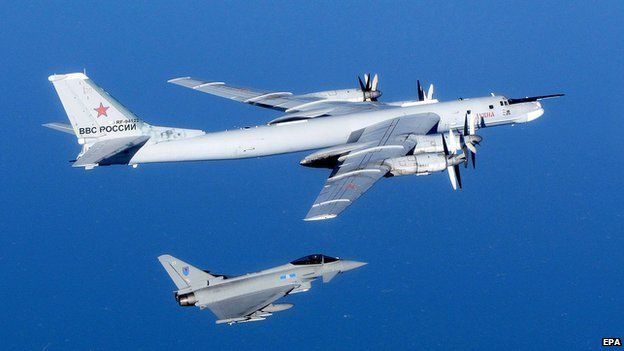
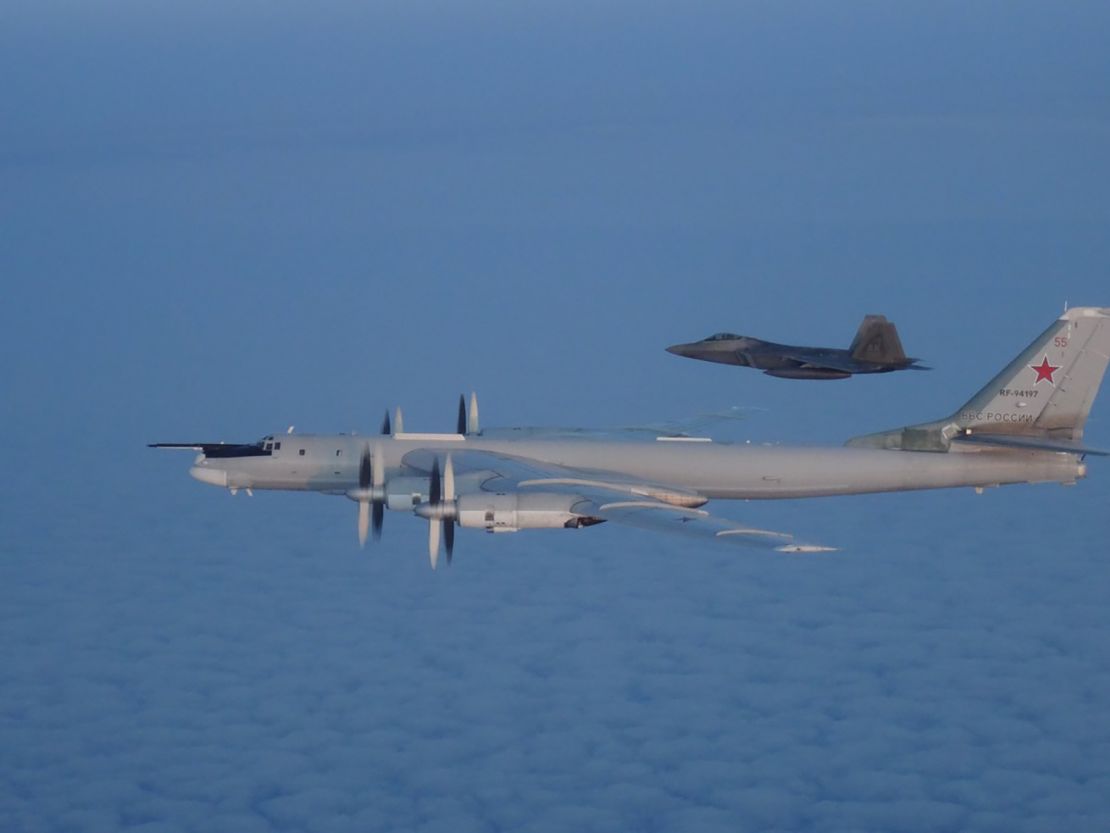
The geopolitical landscape of Northern Europe has witnessed a significant surge in tension following a major aerial encounter over international waters. In a robust display of collective defense and air sovereignty, NATO member states successfully executed a coordinated mission to identify and shadow a large formation of Russian military aircraft. This event underscores the ongoing volatility in the Baltic region, where the presence of strategic bombers and multirole fighters from the Russian Aerospace Forces continues to test the readiness of the Western alliance. As global attention often shifts toward other conflict zones, this muscular demonstration of air power serves as a stark reminder of the high-stakes security environment on NATO's eastern flank, where minutes and meters can define the difference between a routine intercept and a major international incident.
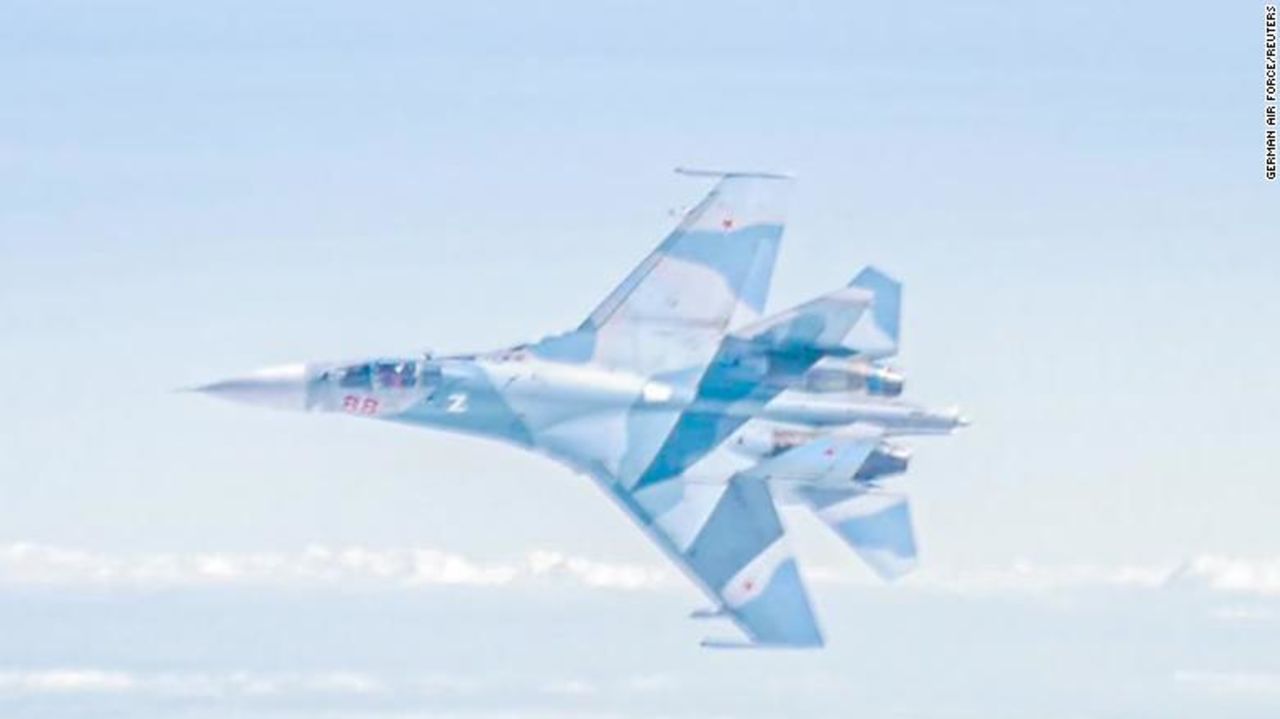
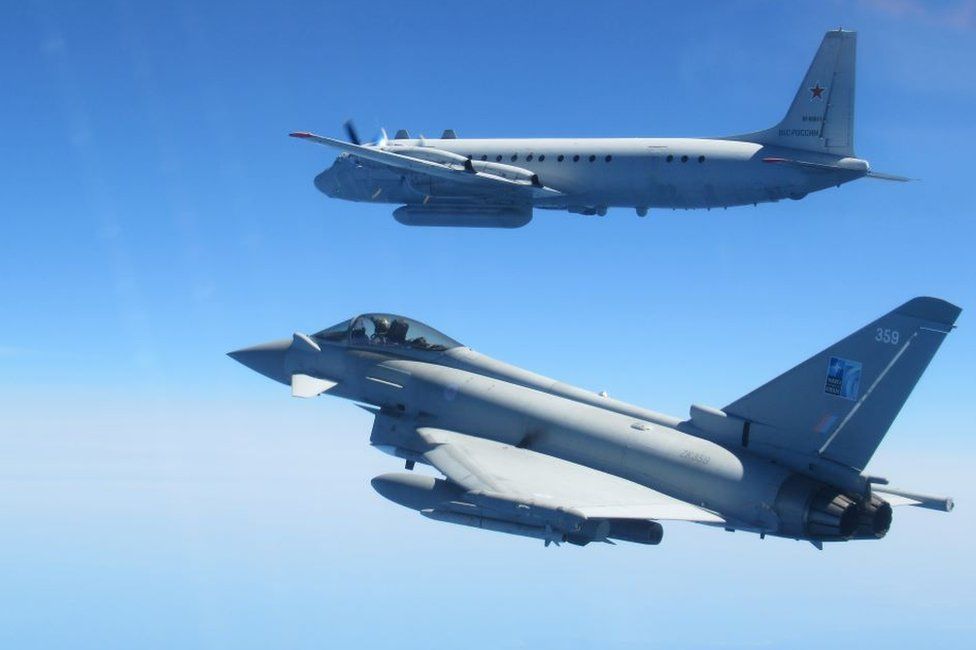
NATO deploys armed fighter jets to intercept Russian military planes flying over Baltic Sea during high-readiness missions to safeguard the integrity of member nations' airspace. These interceptions involve multi-national air contingents, such as French Rafales and Swedish Gripens, responding to Russian Tu-22M3 bombers and Su-35 fighters that often fly without active transponders or submitted flight plans. By maintaining a 24/7 Quick Reaction Alert (QRA), NATO ensures that any unidentified or non-compliant military aircraft approaching the alliance's borders are visually identified and monitored, preventing unauthorized incursions into sovereign territory.
The Escalation of Aerial Encounters in the Baltic Region
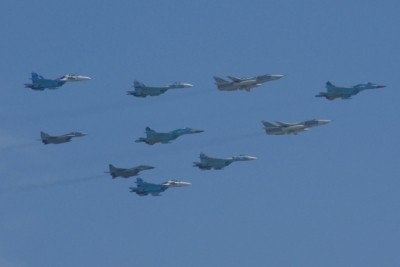
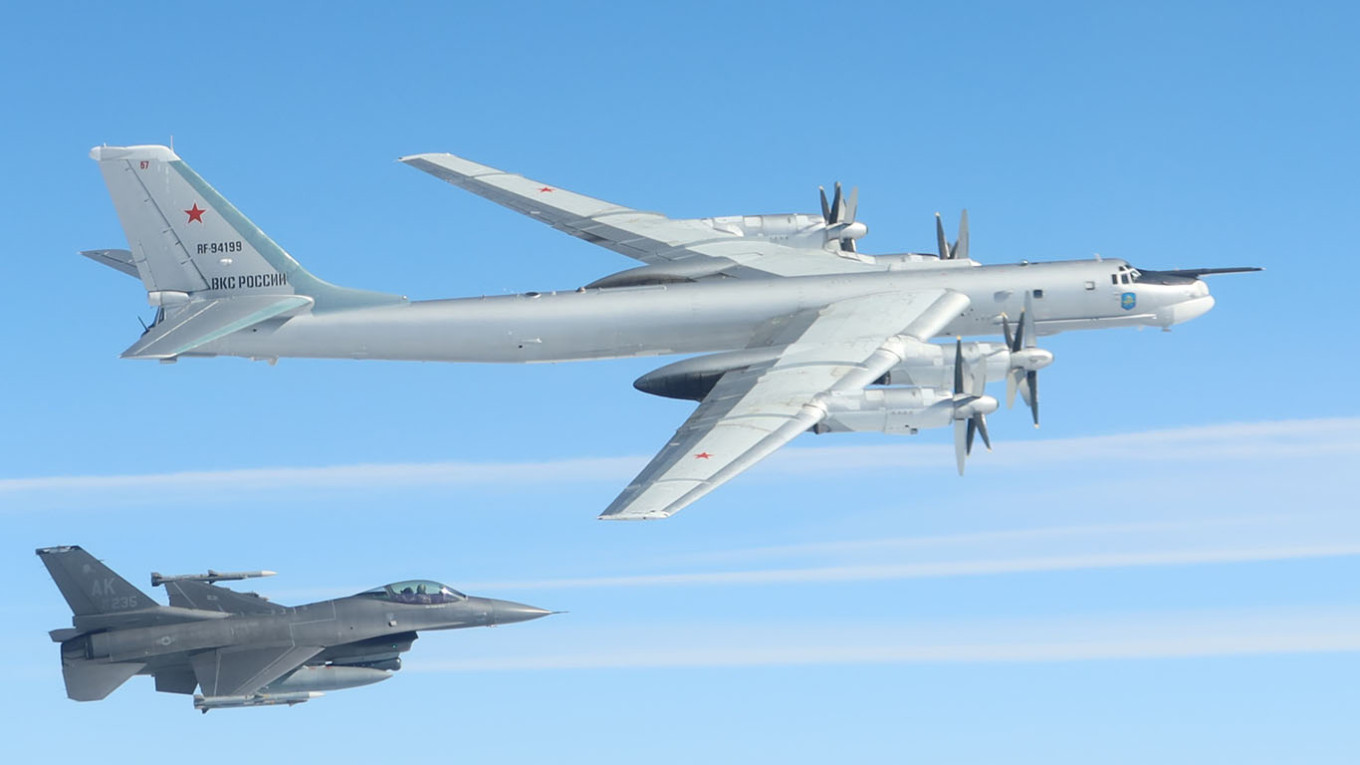
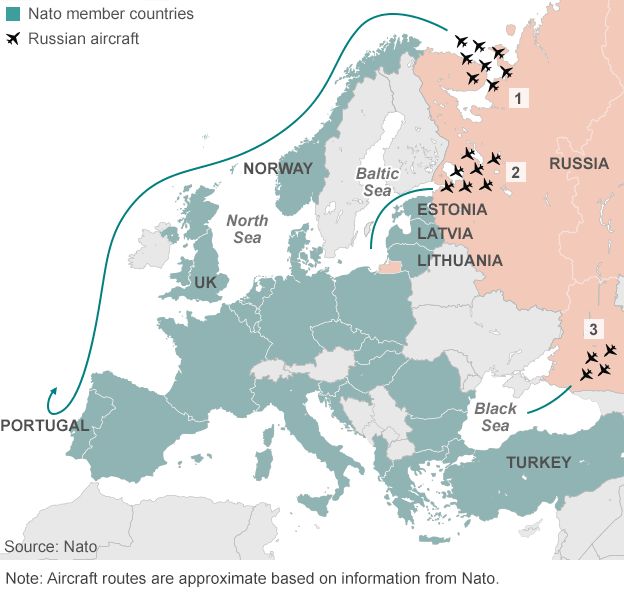
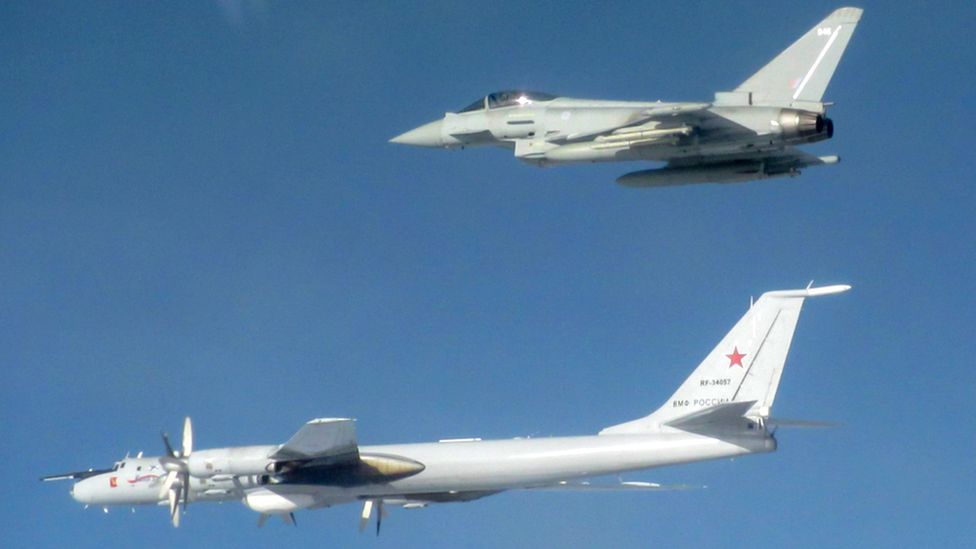
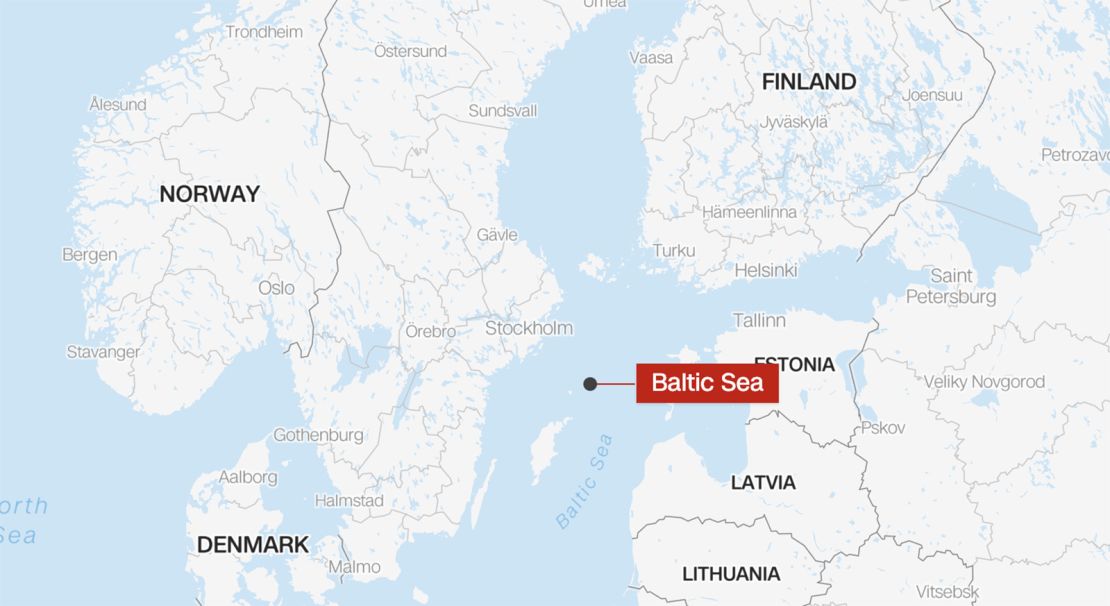
The Baltic Sea has long been a theater of strategic posturing, but recent years have seen a marked increase in the frequency and complexity of aerial encounters. The latest mission, which took place on April 20, 2026, involved a sophisticated Russian air group that included two supersonic Tu-22M3 strategic bombers. These aircraft are capable of carrying cruise missiles and are often used as symbols of Moscow's long-range strike capabilities. Accompanying these bombers were approximately ten Su-30 and Su-35 fighter jets, which provided a rotating escort throughout the four-hour flight. This level of participation indicates a deliberate effort by Russia to project force and monitor the response times of NATO's integrated air defense systems.
For the Baltic states—Lithuania, Latvia, and Estonia—these flights are not merely training exercises; they are perceived as direct provocations. Since joining NATO in 2004, these nations have relied on the Baltic Air Policing mission, a rotational deployment of fighter jets from other alliance members, to secure their skies. The presence of heavily armed Russian jets near their borders creates a constant state of high alert, requiring military personnel to be ready to scramble within minutes. The psychological impact of these maneuvers is significant, as they serve to remind the regional populations of the proximity of Russian military power and the potential for rapid escalation.
NATO's Quick Reaction Alert: A 24/7 Shield
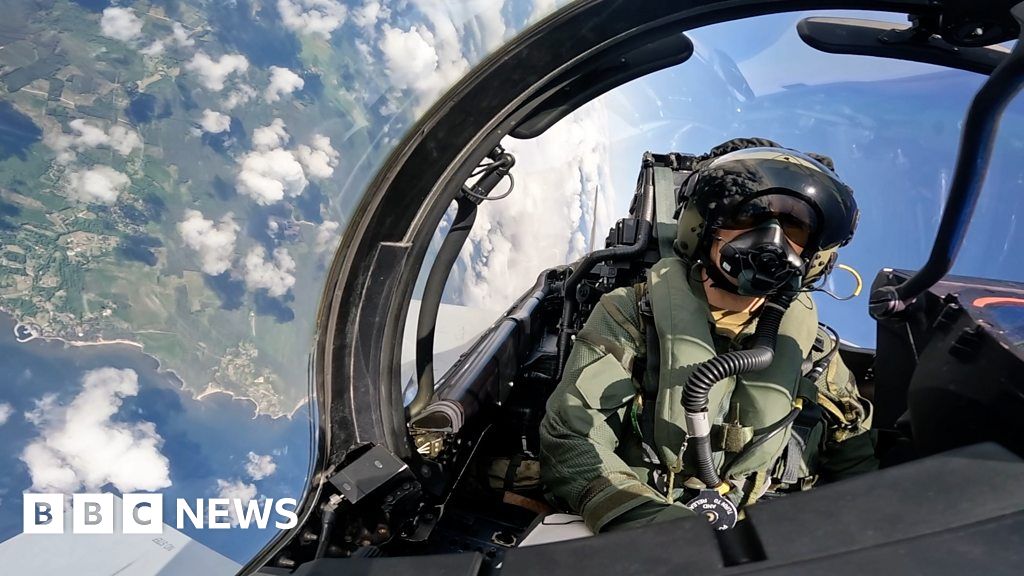
At the heart of NATO's defensive strategy in Northern Europe is the Quick Reaction Alert (QRA) system. This mechanism ensures that fighter jets are always fueled, armed, and ready for immediate takeoff. During the April 20 intercept, the French detachment stationed at Šiauliai Air Base in Lithuania played a pivotal role. The French crews, consisting of pilots and navigators, were already suited up and on standby when the order to scramble was issued. Within moments, Rafale fighters were roaring down the runway, heading toward the unidentified tracks on the radar. This level of readiness is essential because Russian military planes frequently disable their transponders, making them invisible to civilian air traffic control and creating a significant safety risk for commercial aviation.
The QRA mission is a collective effort that demonstrates the interoperability of NATO member forces. In this specific instance, the French jets were joined by aircraft from Sweden, Finland, Poland, Denmark, and Romania. The coordination of these diverse air forces is managed by NATO's Combined Air Operations Centers (CAOC), which provide the command and control necessary to manage complex multi-national intercepts. By operating as a single, integrated unit, the alliance proves that an attack or provocation against one member's airspace is met with the collective resolve of the entire organization.
The Role of New Members: Sweden and Finland
The recent accession of Sweden and Finland to NATO has fundamentally altered the security dynamics of the Baltic Sea. Previously, these nations operated as close partners, but their formal membership now means their air forces are fully integrated into the NATO command structure. During the April intercept, Swedish JAS 39 Gripen fighters were among the first to shadow the Russian formation as it passed near Swedish territory, specifically northeast of Gotland Island. Sweden's involvement is particularly crucial given the strategic importance of Gotland, which has been described as a "fixed aircraft carrier" in the middle of the Baltic Sea.
Finland's contribution similarly bolsters the alliance's surveillance and response capabilities. With a long border with Russia and a highly capable air force, Finland provides an additional layer of security on the northern approach to the Baltic. The fact that both Swedish and Finnish jets coordinated seamlessly with French and Polish units during a live intercept mission sends a powerful message to Moscow. It demonstrates that the "NATO Lake," as some now call the Baltic Sea, is under constant and comprehensive surveillance by a unified front of modern air forces.
Russian Perspective and International Regulations
The Russian Defense Ministry consistently maintains that its long-range aviation flights are conducted in strict accordance with international rules for the use of airspace. Following the April 20 mission, Russian officials stated that the flight was a scheduled patrol over neutral waters and that their pilots adhered to all safety protocols. Moscow often frames these missions as routine training for their crews, who regularly operate over the Arctic, North Atlantic, and Pacific oceans. From the Russian perspective, the presence of NATO fighters shadowing their bombers is seen as an unnecessary and potentially dangerous reaction to legitimate military activity.
However, the primary point of contention remains the issue of transponders and flight plans. International aviation norms suggest that military aircraft operating in busy corridors should use transponders to avoid collisions with civilian planes. NATO reports that Russian aircraft often fail to do this, forcing the alliance to scramble jets simply to identify who is in the air. This "gray zone" activity—staying within international airspace but violating safety norms—is viewed by Western analysts as a deliberate tactic to create uncertainty and strain the resources of NATO's air policing missions.
| Column 1 | Column 2 |
|---|---|
| Date of Major Intercept | April 20, 2026 |
| Russian Aircraft Involved | 2x Tu-22M3, ~10x Su-30/Su-35 |
| NATO Nations Participating | France, Sweden, Finland, Poland, Denmark, Romania |
| Primary NATO Air Base | Šiauliai Air Base, Lithuania |
| Duration of Mission | Approximately 4 Hours |
Technological Superiority and Airframes
The intercept showcased some of the most advanced aviation technology in the world. The French Rafale is a "omnirole" fighter, capable of performing air supremacy, interdiction, and reconnaissance missions in a single flight. Its advanced radar and electronic warfare suites allow it to track multiple targets simultaneously, even in contested environments. On the other side, the Russian Su-35 is a highly maneuverable 4++ generation fighter, designed specifically to challenge Western air superiority. When these two types of aircraft meet in the skies over the Baltic, it is a high-stakes game of cat and mouse where technical specifications and pilot skill are put to the ultimate test.
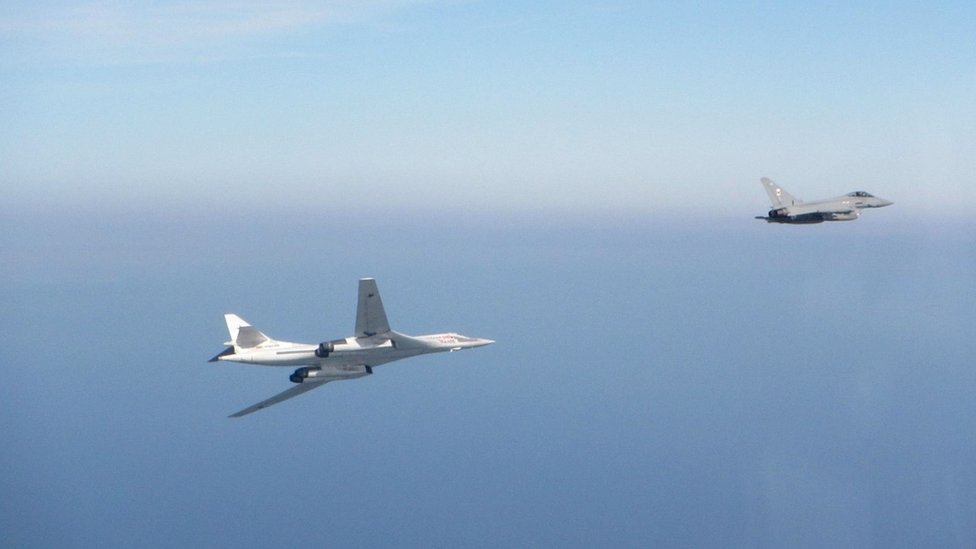
The Tu-22M3 "Backfire" bomber remains a significant concern for NATO planners. While it is a Cold War-era design, it has been continuously upgraded to carry modern long-range missiles. Its ability to fly at supersonic speeds makes it a difficult target to intercept if it were to launch a surprise strike. By deploying armed fighter jets to meet these bombers far from the alliance's borders, NATO ensures that it has a continuous visual and electronic "lock" on the threat, providing the necessary early warning to ground-based air defenses and other maritime assets in the region.
Safety Risks and Civilian Aviation
One of the most under-reported aspects of these military encounters is the risk they pose to civilian air travel. The Baltic Sea is one of the busiest air corridors in the world, with thousands of commercial flights connecting Europe, Asia, and North America every day. When Russian military aircraft fly with their transponders off, they become invisible to the Traffic Collision Avoidance Systems (TCAS) installed on airliners. This forces civilian air traffic controllers to divert flights or clear massive blocks of airspace to ensure safety, leading to delays and increased fuel consumption.
NATO's decision to deploy armed fighter jets is partly a safety measure. Once a NATO jet intercepts a Russian plane, it can act as a visible marker for other aircraft and provide real-time location data to ground controllers. There have been several "close calls" in the past where military and civilian aircraft came within dangerous proximity of each other. The international community, through organizations like the International Civil Aviation Organization (ICAO), has repeatedly called for greater transparency in military flight operations, but as long as political tensions remain high, the "stealth" flights of the Russian Aerospace Forces are likely to continue.
Strategic Importance of the Baltic Enclave
A significant portion of the Russian aerial activity in the Baltic is related to the enclave of Kaliningrad. This small piece of Russian territory, wedged between Poland and Lithuania, is one of the most militarized zones in Europe. It serves as the headquarters for Russia's Baltic Fleet and contains a vast array of air defense systems, surface-to-surface missiles, and air bases. Many of the flights intercepted by NATO are traveling between mainland Russia and Kaliningrad, using a narrow corridor over the Baltic Sea to avoid flying through the sovereign airspace of NATO members.
Kaliningrad gives Russia the ability to implement what military analysts call "Anti-Access/Area Denial" (A2/AD). By placing long-range missiles and advanced sensors in the enclave, Russia can potentially contest NATO's control of the Baltic Sea and the surrounding airspace during a conflict. NATO's air policing mission is a direct counter to this A2/AD strategy. By maintaining a constant presence and demonstrating the ability to intercept Russian flights at will, the alliance asserts that the Baltic remains open and that it will not be intimidated by the concentration of Russian forces in Kaliningrad.
Future of Baltic Security and NATO Strategy
Looking ahead, the frequency of these interceptions is expected to remain high as both sides continue to modernize their forces. NATO is currently in the process of upgrading its air defense infrastructure across the eastern flank, including the deployment of more advanced radar systems and ground-based interceptors like the Patriot missile system. Additionally, the planned transition to 5th-generation F-35 fighters by several Baltic-region allies, including Poland and Finland, will further enhance the alliance's ability to monitor and respond to Russian activity.
The strategy of "deterrence by presence" remains the cornerstone of NATO's approach. By publicizing these intercepts and providing photographic evidence of Russian maneuvers, NATO also engages in a form of information warfare. It highlights Russia's provocative behavior to a global audience and reinforces the narrative that the alliance is the primary guarantor of stability in Europe. As long as the war in Ukraine continues and relations between Moscow and the West remain at a post-Cold War low, the skies over the Baltic Sea will continue to be a front line in the ongoing struggle for European security.
Frequently Asked Questions
- Why does NATO intercept Russian military planes? NATO intercepts Russian planes to identify them, monitor their activity, and ensure they do not enter sovereign NATO airspace, especially when they fly without transponders or flight plans.
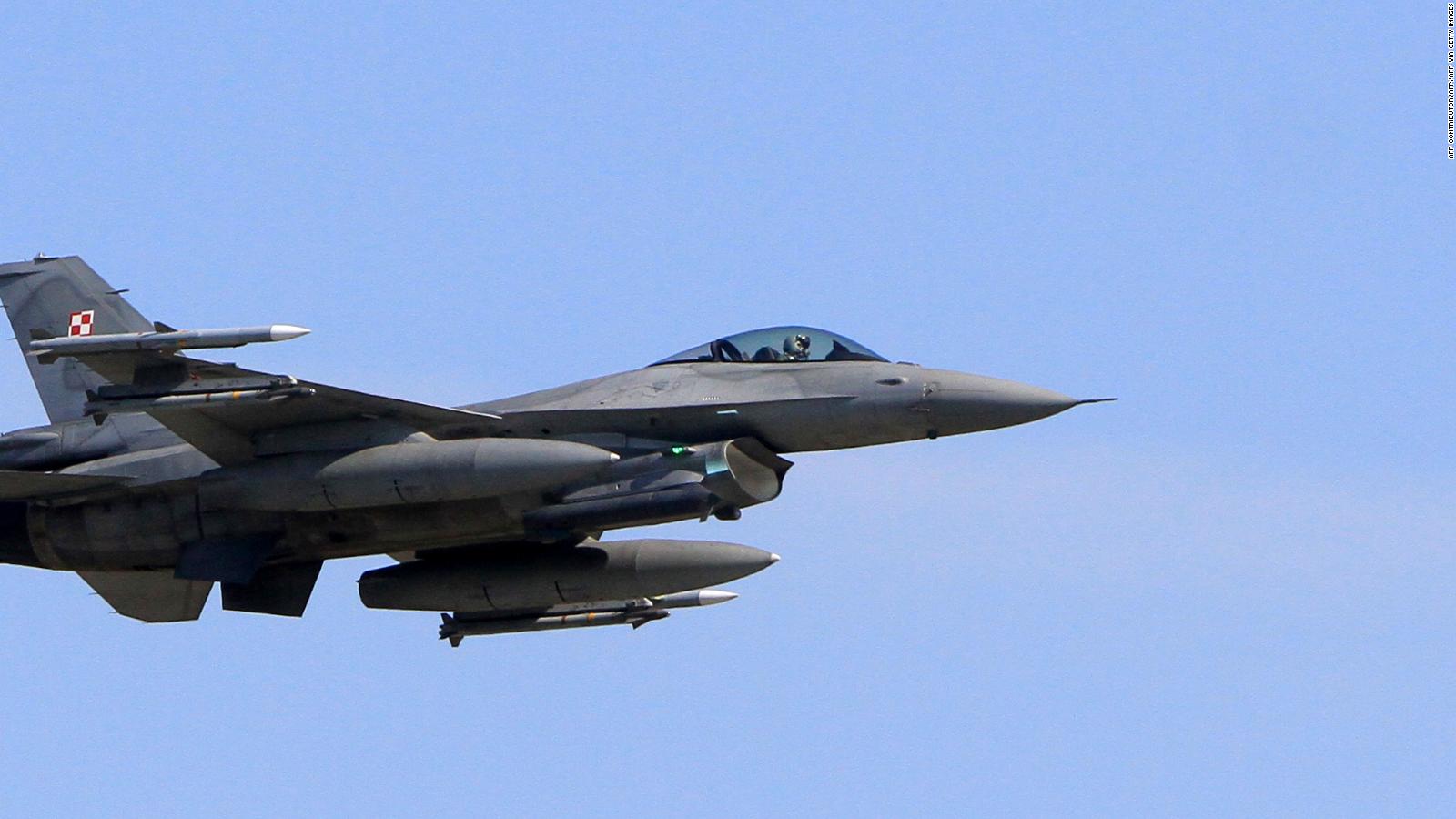
- Which NATO aircraft are typically used in the Baltic? A variety of jets are used depending on the rotation, including French Rafales, Eurofighter Typhoons, Swedish Gripens, and Polish F-16s.
- Is it legal for Russian planes to fly over the Baltic Sea? Yes, it is legal for military aircraft to fly in international airspace over the Baltic Sea, provided they adhere to international safety standards, which NATO claims Russia often ignores.
- What is the Baltic Air Policing mission? It is a NATO mission established in 2004 to provide air defense for the three Baltic states—Estonia, Latvia, and Lithuania—who do not have their own fighter jets.
- How often do these intercepts happen? NATO intercepts Russian aircraft hundreds of times each year. The frequency has increased significantly since the escalation of tensions in Eastern Europe.
Conclusion
The recent deployment of armed fighter jets to intercept a major Russian air formation over the Baltic Sea is a testament to the enduring importance of NATO's air defense missions. By integrating the capabilities of traditional members with the strengths of new allies like Sweden and Finland, the alliance has created a formidable deterrent against regional aggression. While these encounters are often described as routine, they carry inherent risks of miscalculation and accidents that could have far-reaching consequences. As Russia continues to use its strategic aviation to project power and test Western resolve, NATO's commitment to 24/7 vigilance remains the primary safeguard for the peace and security of the Baltic region. The message from Šiauliai and other bases across the flank is clear: the alliance is ready, unified, and capable of defending every inch of its collective airspace.
NATO deploys armed fighter jets to intercept Russian military planes flying over Baltic Sea
NATO deploys armed fighter jets to intercept Russian military planes flying over Baltic Sea Wallpapers
Collection of nato deploys armed fighter jets to intercept russian military planes flying over baltic sea wallpapers for your desktop and mobile devices.

Amazing Nato Deploys Armed Fighter Jets To Intercept Russian Military Planes Flying Over Baltic Sea Background Nature
Explore this high-quality nato deploys armed fighter jets to intercept russian military planes flying over baltic sea image, perfect for enhancing your desktop or mobile wallpaper.

Mesmerizing Nato Deploys Armed Fighter Jets To Intercept Russian Military Planes Flying Over Baltic Sea Artwork in HD
Experience the crisp clarity of this stunning nato deploys armed fighter jets to intercept russian military planes flying over baltic sea image, available in high resolution for all your screens.

Crisp Nato Deploys Armed Fighter Jets To Intercept Russian Military Planes Flying Over Baltic Sea Scene Illustration
This gorgeous nato deploys armed fighter jets to intercept russian military planes flying over baltic sea photo offers a breathtaking view, making it a perfect choice for your next wallpaper.
Captivating Nato Deploys Armed Fighter Jets To Intercept Russian Military Planes Flying Over Baltic Sea Background Collection
A captivating nato deploys armed fighter jets to intercept russian military planes flying over baltic sea scene that brings tranquility and beauty to any device.
Vibrant Nato Deploys Armed Fighter Jets To Intercept Russian Military Planes Flying Over Baltic Sea Abstract Collection
Experience the crisp clarity of this stunning nato deploys armed fighter jets to intercept russian military planes flying over baltic sea image, available in high resolution for all your screens.

High-Quality Nato Deploys Armed Fighter Jets To Intercept Russian Military Planes Flying Over Baltic Sea Abstract in 4K
Experience the crisp clarity of this stunning nato deploys armed fighter jets to intercept russian military planes flying over baltic sea image, available in high resolution for all your screens.

Stunning Nato Deploys Armed Fighter Jets To Intercept Russian Military Planes Flying Over Baltic Sea View for Your Screen
Find inspiration with this unique nato deploys armed fighter jets to intercept russian military planes flying over baltic sea illustration, crafted to provide a fresh look for your background.
Breathtaking Nato Deploys Armed Fighter Jets To Intercept Russian Military Planes Flying Over Baltic Sea Capture Photography
Explore this high-quality nato deploys armed fighter jets to intercept russian military planes flying over baltic sea image, perfect for enhancing your desktop or mobile wallpaper.
Vibrant Nato Deploys Armed Fighter Jets To Intercept Russian Military Planes Flying Over Baltic Sea Wallpaper Illustration
Transform your screen with this vivid nato deploys armed fighter jets to intercept russian military planes flying over baltic sea artwork, a true masterpiece of digital design.
Beautiful Nato Deploys Armed Fighter Jets To Intercept Russian Military Planes Flying Over Baltic Sea Photo Concept
Explore this high-quality nato deploys armed fighter jets to intercept russian military planes flying over baltic sea image, perfect for enhancing your desktop or mobile wallpaper.
Crisp Nato Deploys Armed Fighter Jets To Intercept Russian Military Planes Flying Over Baltic Sea View Collection
A captivating nato deploys armed fighter jets to intercept russian military planes flying over baltic sea scene that brings tranquility and beauty to any device.
Spectacular Nato Deploys Armed Fighter Jets To Intercept Russian Military Planes Flying Over Baltic Sea Landscape Art
This gorgeous nato deploys armed fighter jets to intercept russian military planes flying over baltic sea photo offers a breathtaking view, making it a perfect choice for your next wallpaper.
High-Quality Nato Deploys Armed Fighter Jets To Intercept Russian Military Planes Flying Over Baltic Sea Landscape for Your Screen
Discover an amazing nato deploys armed fighter jets to intercept russian military planes flying over baltic sea background image, ideal for personalizing your devices with vibrant colors and intricate designs.
Vivid Nato Deploys Armed Fighter Jets To Intercept Russian Military Planes Flying Over Baltic Sea Capture Concept
Discover an amazing nato deploys armed fighter jets to intercept russian military planes flying over baltic sea background image, ideal for personalizing your devices with vibrant colors and intricate designs.
Stunning Nato Deploys Armed Fighter Jets To Intercept Russian Military Planes Flying Over Baltic Sea Capture in HD
A captivating nato deploys armed fighter jets to intercept russian military planes flying over baltic sea scene that brings tranquility and beauty to any device.

Crisp Nato Deploys Armed Fighter Jets To Intercept Russian Military Planes Flying Over Baltic Sea Landscape for Mobile
Find inspiration with this unique nato deploys armed fighter jets to intercept russian military planes flying over baltic sea illustration, crafted to provide a fresh look for your background.
High-Quality Nato Deploys Armed Fighter Jets To Intercept Russian Military Planes Flying Over Baltic Sea Picture for Your Screen
Discover an amazing nato deploys armed fighter jets to intercept russian military planes flying over baltic sea background image, ideal for personalizing your devices with vibrant colors and intricate designs.
Stunning Nato Deploys Armed Fighter Jets To Intercept Russian Military Planes Flying Over Baltic Sea Abstract for Mobile
Find inspiration with this unique nato deploys armed fighter jets to intercept russian military planes flying over baltic sea illustration, crafted to provide a fresh look for your background.
Spectacular Nato Deploys Armed Fighter Jets To Intercept Russian Military Planes Flying Over Baltic Sea Capture for Your Screen
A captivating nato deploys armed fighter jets to intercept russian military planes flying over baltic sea scene that brings tranquility and beauty to any device.
High-Quality Nato Deploys Armed Fighter Jets To Intercept Russian Military Planes Flying Over Baltic Sea Background Photography
Discover an amazing nato deploys armed fighter jets to intercept russian military planes flying over baltic sea background image, ideal for personalizing your devices with vibrant colors and intricate designs.
Download these nato deploys armed fighter jets to intercept russian military planes flying over baltic sea wallpapers for free and use them on your desktop or mobile devices.