Navy MQ-4C Triton Surveillance Drone Crash In The Middle East Finally Confirmed
Navy MQ-4C Triton Surveillance Drone Crash In The Middle East Finally Confirmed
The United States Navy has officially confirmed the loss of a high-value MQ-4C Triton unmanned aerial vehicle following a significant incident in the Persian Gulf region. After days of intense speculation fueled by open-source flight tracking data and regional tensions, the U.S. Naval Safety Command released a mishap summary confirming that the aircraft crashed on April 9, 2026. This confirmation brings an end to the immediate mystery surrounding the drone's disappearance from radar, although many questions regarding the exact cause of the crash and the potential for sensitive technology recovery remain unanswered. The loss of the Triton, a platform valued at nearly $240 million, represents one of the most expensive individual aircraft losses for the U.S. military in recent years and highlights the ongoing risks associated with high-altitude surveillance in contested maritime corridors.The Navy MQ-4C Triton surveillance drone crash in the Middle East was officially confirmed by the U.S. Naval Safety Command on April 14, 2026, following the aircraft's disappearance over the Persian Gulf on April 9. Categorized as a Class A mishap due to damages exceeding $2.5 million, the incident involved a high-altitude, long-endurance (HALE) platform estimated to cost between $238 million and $250 million. While initial reports and regional rumors suggested the drone might have been intercepted or shot down, the official military status is currently listed as a "crash" with the location withheld for operational security (OPSEC).
The Timeline of the MQ-4C Triton Disappearance
The events leading up to the official confirmation began on April 9, 2026. The MQ-4C Triton, reportedly serial number 169804, was conducting a routine intelligence, surveillance, and reconnaissance (ISR) mission over the Persian Gulf and the strategic Strait of Hormuz. According to flight tracking platforms like Flightradar24, the drone had successfully completed approximately three hours of its mission before beginning its return leg toward its forward-operating base at Naval Air Station Sigonella in Italy.
At approximately 52,000 feet, the aircraft suddenly began transmitting an emergency transponder code. Initially, there were reports of the drone "squawking" 7400, which indicates a loss of communication with ground controllers. This was quickly followed by code 7700, the universal signal for a general in-flight emergency. Data monitors observed a catastrophic loss of altitude, with the aircraft plunging from over 50,000 feet to below 10,000 feet in a matter of minutes before the signal vanished entirely from public tracking sites.
For several days following the event, the Pentagon and the U.S. Navy remained silent. During this period, various theories emerged, ranging from mechanical failure to electronic warfare interference. The official silence ended on April 14, when the Naval Safety Command included the loss in its publicly available mishap summary report, stating briefly: "9 Apr 2026 (Location Withheld - OPSEC) MQ-4C crashed; no injury to personnel."
Technical Specifications and the Strategic Value of the Triton
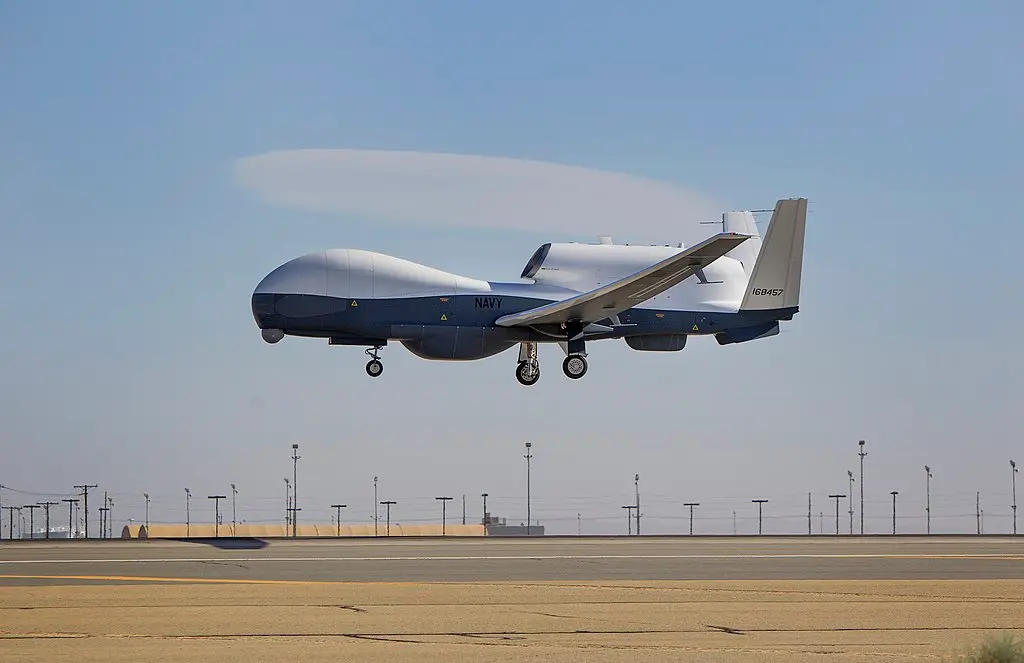
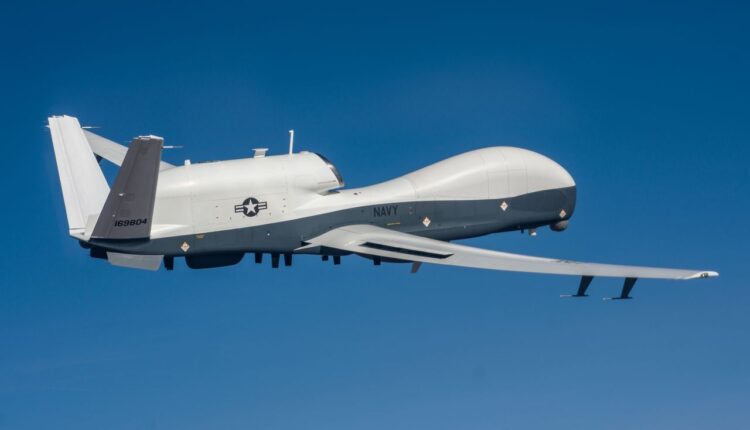
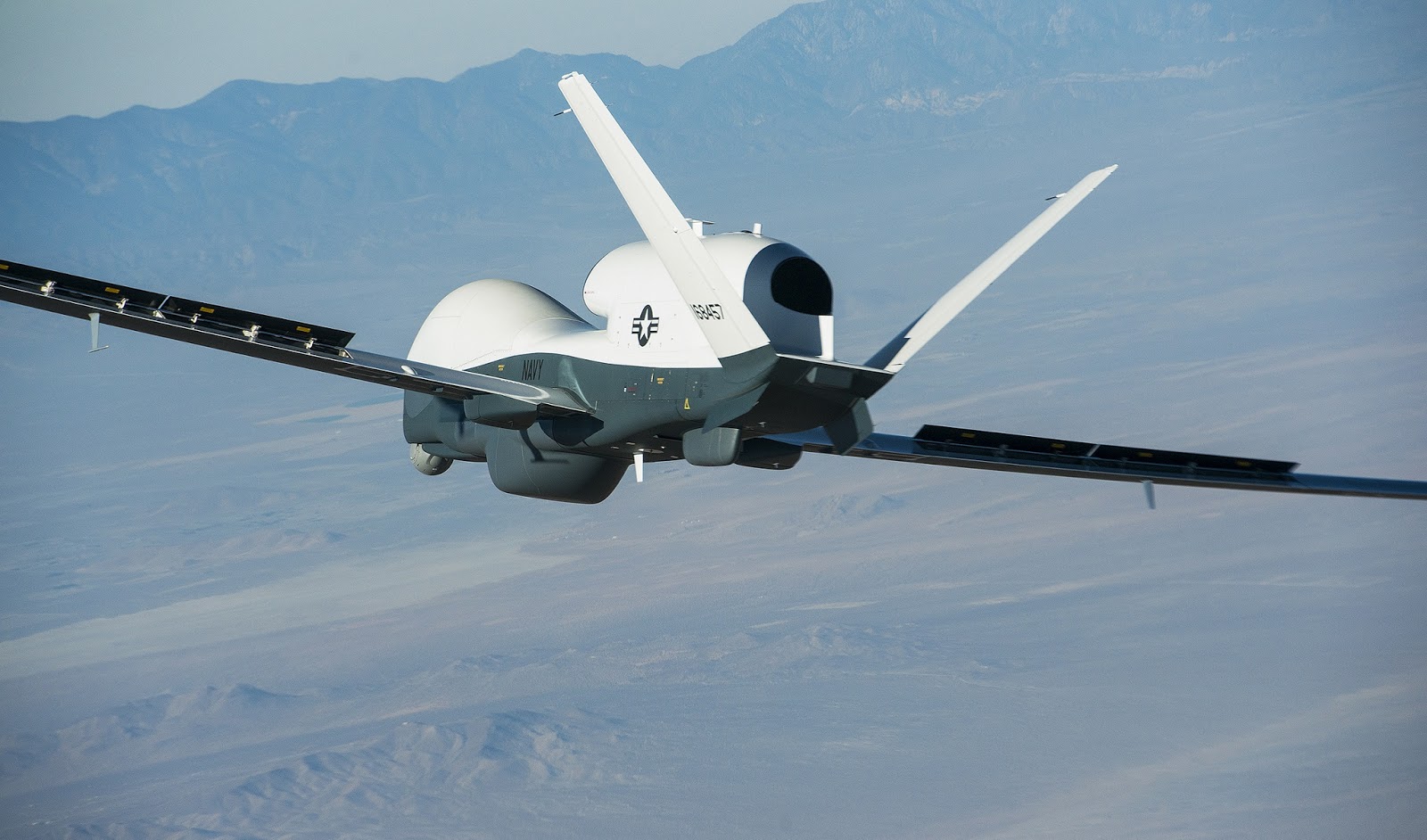
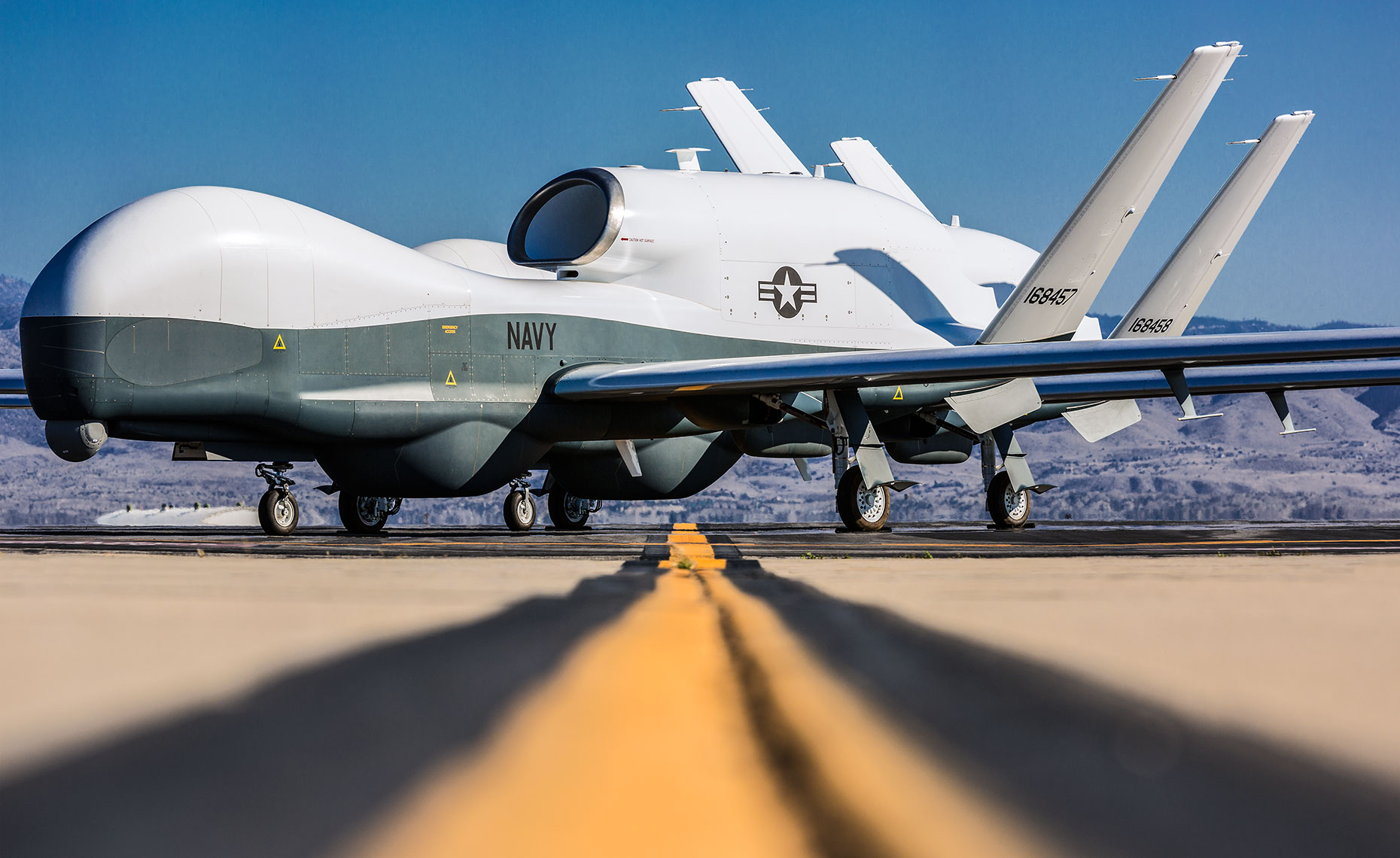
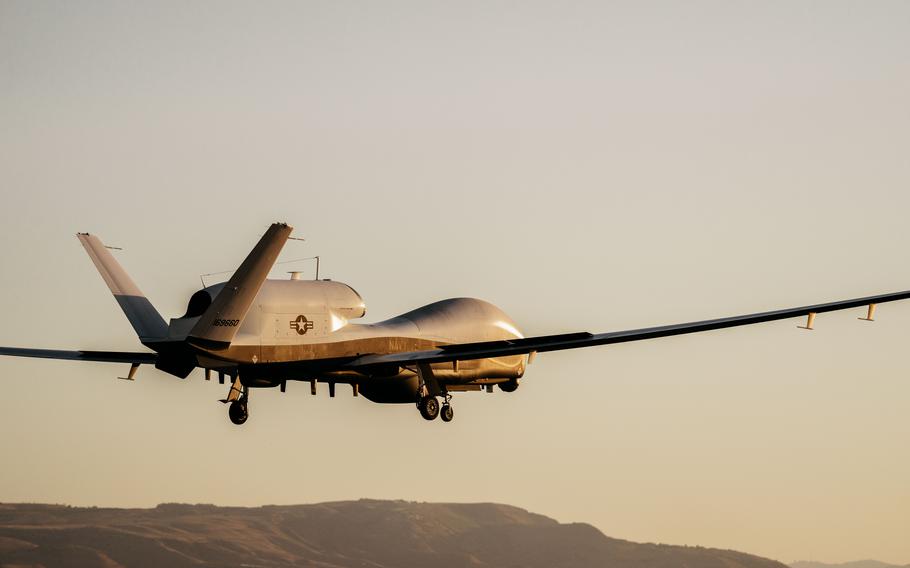
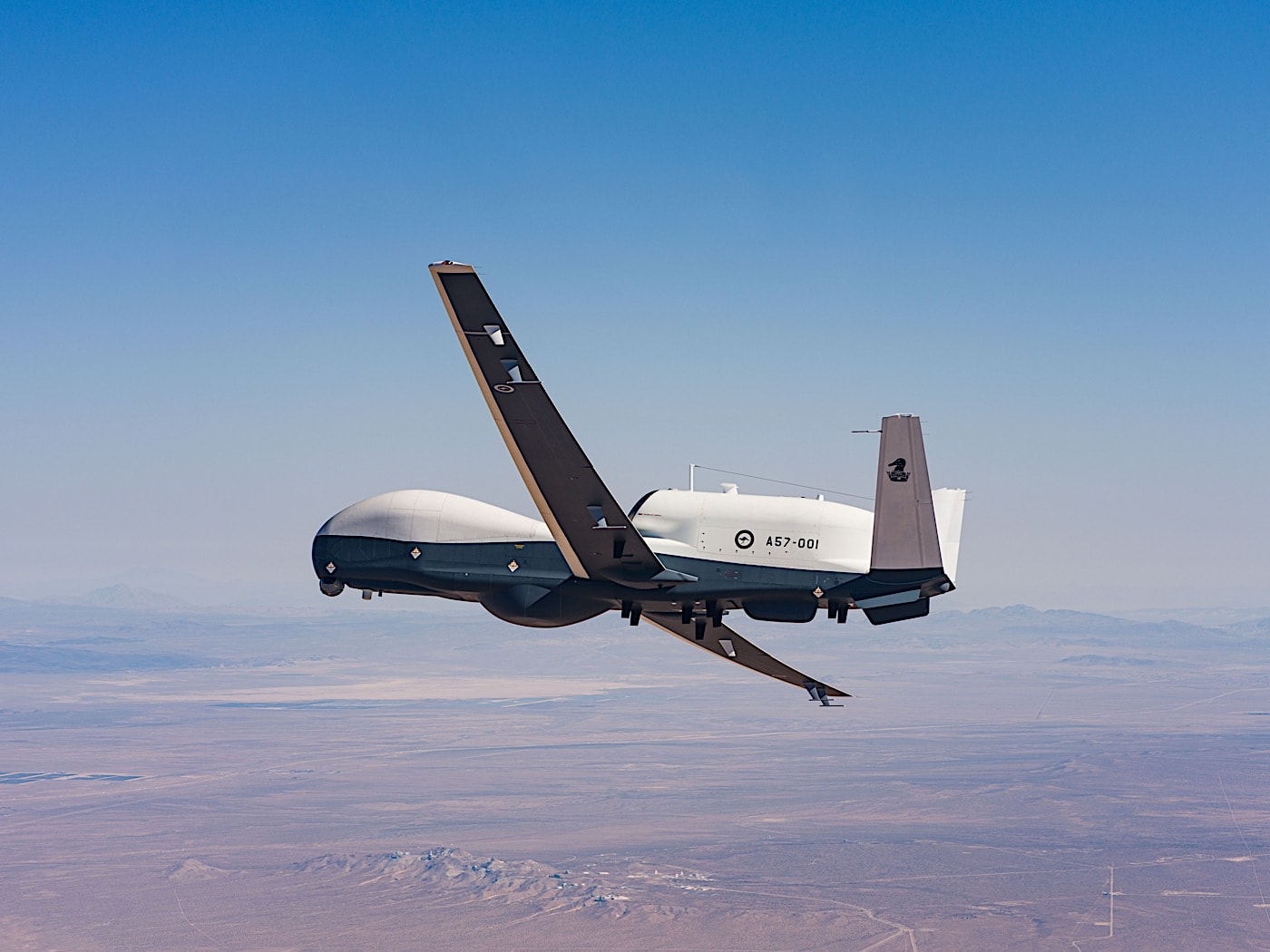
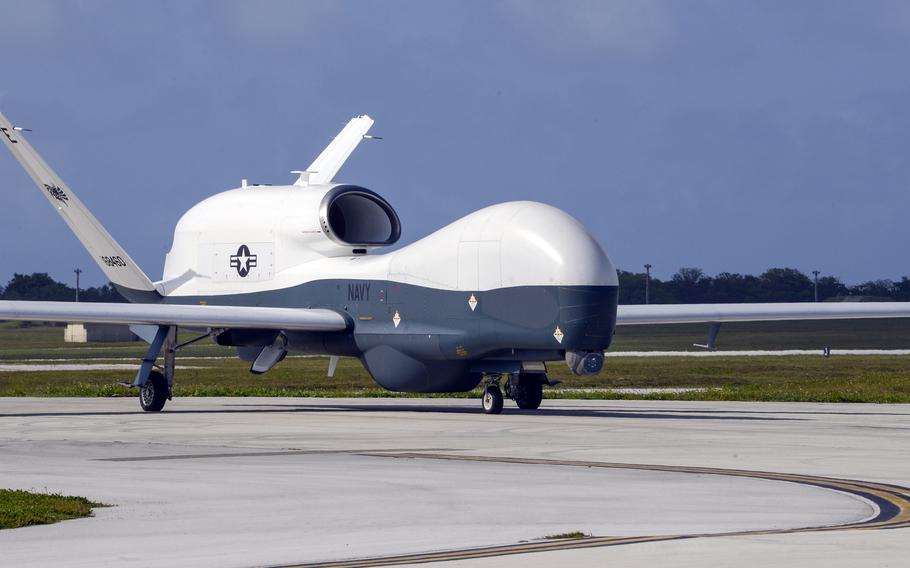
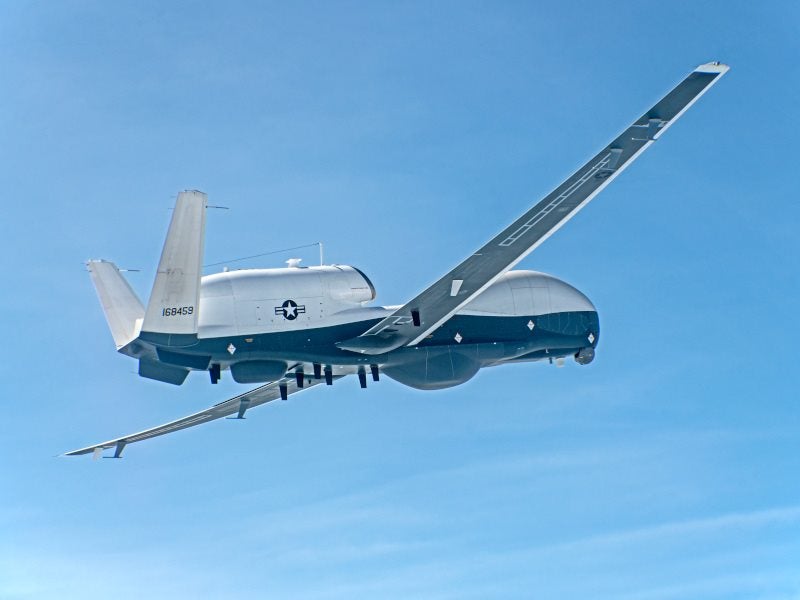
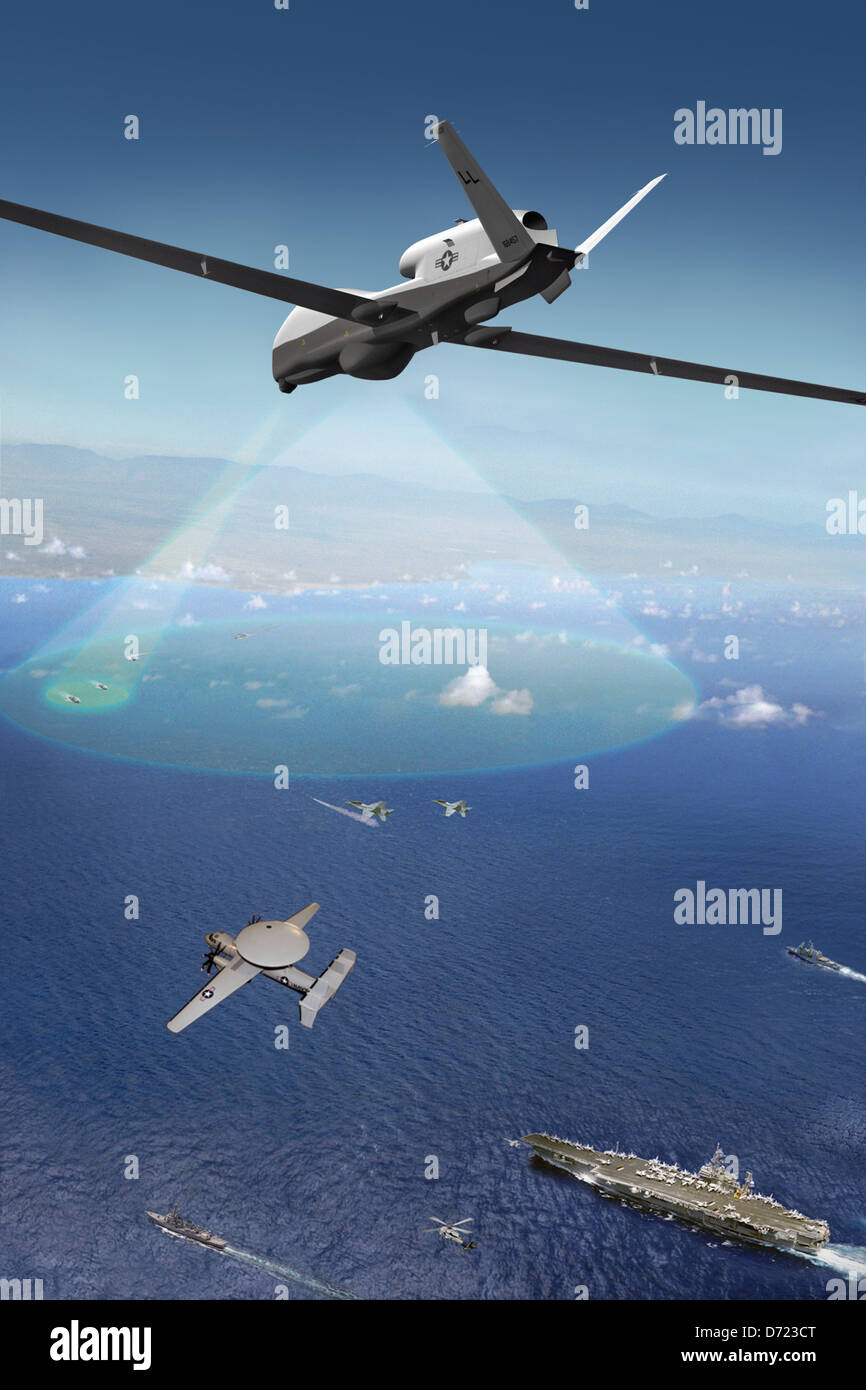
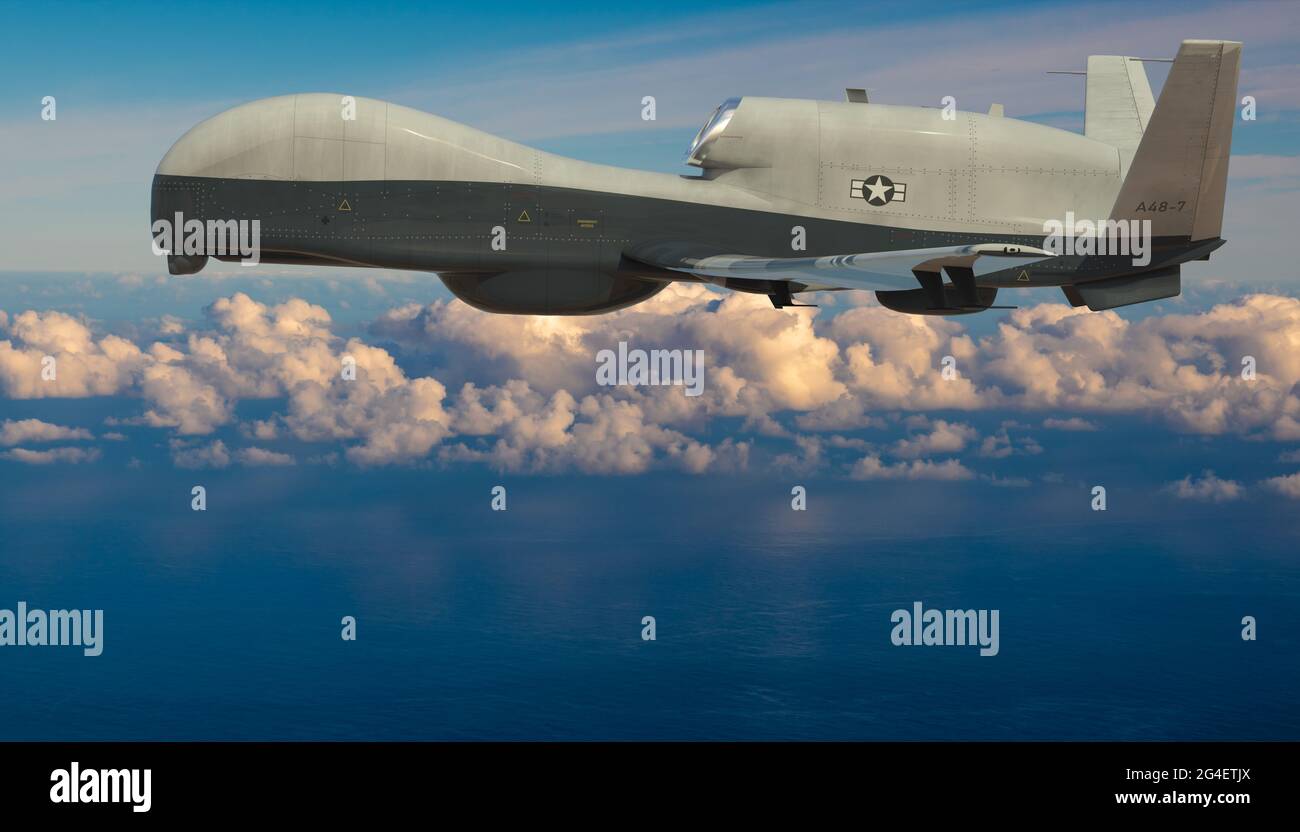
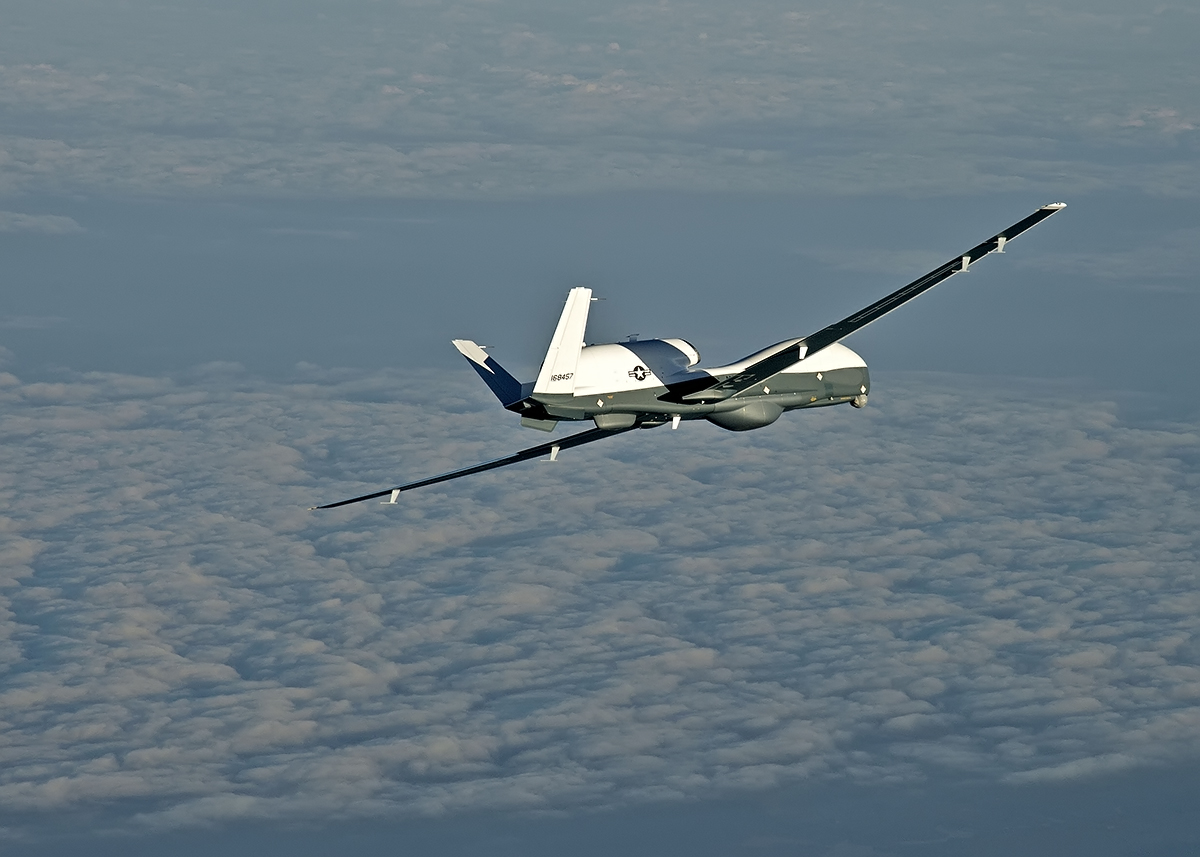
The MQ-4C Triton is not a typical drone. Developed by Northrop Grumman and derived from the RQ-4 Global Hawk, the Triton is a massive aircraft with a wingspan of approximately 130 feet—wider than many commercial airliners. It is designed specifically for maritime environments, featuring reinforced airframes to withstand harsh ocean weather, de-icing systems, and lightning protection. These features allow it to descend through thick cloud layers to get a closer look at maritime targets when its primary high-altitude sensors require visual confirmation.
Operating at altitudes above 50,000 feet, the Triton provides a "bird's eye view" that can cover millions of square miles in a single 24-hour mission. Its primary sensor is the AN/ZPY-3 Multi-Function Active Sensor (MFAS) radar, which provides 360-degree coverage of the ocean surface. This allows the U.S. Navy to track every vessel in a sensitive region, identifying ships by their speed, size, and electronic emissions. The Triton serves as a critical force multiplier for crewed aircraft like the P-8A Poseidon, allowing the manned planes to focus on specific targets while the Triton maintains broad-area awareness.
Class A Mishap: The Financial Impact of the Loss
The U.S. military categorizes incidents based on the severity of damage and loss of life. A Class A mishap is the most severe category, triggered when an incident results in damage totaling $2.5 million or more, the total loss of an aircraft, or a fatality. Given that the MQ-4C Triton has a unit price estimated at $238.5 million, its destruction automatically qualifies for this classification.
The financial loss is significant, especially considering the small size of the Triton fleet. As of early 2026, the U.S. Navy had only around 20 of these aircraft in active service. Losing one unit represents a 5% reduction in the total available fleet for global maritime surveillance. When including the costs of the specialized sensor suites and the operational investment, some analysts estimate the total "replacement value" of the lost capability could approach $300 million. This loss comes amid a period of high operational tempo where the Navy is increasingly reliant on unmanned systems to monitor the Persian Gulf and the Indo-Pacific.
Geopolitical Context: Tensions in the Strait of Hormuz
The crash occurred in one of the world's most volatile maritime chokepoints. The Strait of Hormuz is a narrow waterway through which approximately 20% of the world's oil supply passes. Any military incident in this region has the potential to impact global energy markets and spark international diplomatic crises. At the time of the crash, the region was experiencing a period of "fragile ceasefire" between U.S. and Iranian forces, according to media reports.
Because the drone was tracking near Iranian airspace before its emergency descent, initial speculation heavily favored a shoot-down scenario. In 2019, Iran famously shot down an RQ-4A Global Hawk (a precursor to the Triton) in the same general area, claiming it had violated their airspace. While the U.S. Navy's current classification of "crashed" suggests a technical failure or mishap rather than a direct strike, the proximity to Iran remains a sensitive point. The "Location Withheld" status in the official report suggests that the U.S. military is keen to keep the exact crash site confidential to prevent rival nations from attempting to salvage the wreckage.
| Feature / Statistic | MQ-4C Triton Details |
|---|---|
| Estimated Unit Cost | $238 million - $250 million |
| Operational Altitude | Above 50,000 feet |
| Mission Endurance | Over 24 hours |
| Wingspan | Approx. 130.9 feet |
| Crash Date | April 9, 2026 |
| Incident Classification | Class A Flight Mishap |
The Mystery of the Final Flight Path
Open-source intelligence (OSINT) analysts have highlighted an unusual detail in the Triton's final minutes. Shortly after entering Saudi airspace on its return journey, the drone reportedly made an unexpected turn to the northeast—moving back toward the direction of Iran—before it began its rapid descent. This "deviation from profile" has led some experts to question whether the aircraft's flight control systems were compromised or if it was reacting to a perceived threat.
The transmission of code 7400 (loss of link) followed by 7700 (emergency) is typical of a system that has lost its primary satellite connection and is attempting to execute autonomous safety protocols. If the aircraft suffered a dual engine failure or a total electrical collapse, it would have been unable to maintain its high-altitude glide for long. The fact that the signal persisted for roughly 15 minutes during the descent suggests that some onboard systems were still functioning even as the aircraft lost altitude. Investigators will likely focus on whether the "northeast turn" was a programmed emergency maneuver or a symptom of the malfunction itself.
Intelligence Risks and Recovery Efforts
One of the greatest concerns following the confirmation of the crash is the security of the onboard technology. The Triton carries some of the U.S. Navy's most sophisticated SIGINT (Signals Intelligence) and radar equipment. If the wreckage were to be recovered by an adversary, it could provide a roadmap for reverse-engineering American surveillance capabilities or developing countermeasures against them.
The Persian Gulf is relatively shallow compared to the open ocean, making salvage operations a realistic possibility for any nation with advanced diving and maritime recovery units. While the Navy has not commented on ongoing recovery efforts, it is standard procedure to either recover the sensitive components or, if recovery is impossible, ensure the wreckage is destroyed to prevent intelligence exploitation. The U.S. previously faced a similar setback in 2011 when an RQ-170 Sentinel stealth drone was captured by Iran after crashing in the eastern part of that country.
Impact on U.S. Navy ISR Capabilities
The loss of a Triton creates a "coverage gap" in the Middle East. These drones are designed to provide "persistent" surveillance, meaning they are supposed to be in the air 24/7 to monitor vessel movements. To maintain a single continuous orbit, the Navy typically requires four aircraft: one on station, one in transit, one in maintenance, and one in reserve. With a total fleet of only 20, the loss of a single airframe puts significant strain on the remaining assets.
In the short term, the Navy may be forced to increase the flight hours of its manned P-8A Poseidon fleet to compensate for the missing Triton. However, this increases operational costs and places more stress on human crews. There are also reports that other Triton units stationed in the Indo-Pacific might be temporarily reassigned to the Central Command area of responsibility (CENTCOM) to ensure that the Strait of Hormuz remains under constant watch during this period of heightened tension.
Future of the Triton Program Post-Crash
Despite this significant setback, the U.S. Navy remains committed to the Triton program. Budget documents for 2026 indicate plans to acquire additional units to reach a target fleet size of approximately 27 aircraft. This crash will likely lead to a "safety pause" or a fleet-wide inspection of the MQ-4C's propulsion and communication systems to ensure the April 9 incident was an isolated mechanical failure rather than a systemic flaw.
The incident also underscores the shifting nature of modern naval warfare, where unmanned systems are increasingly doing the "dull, dirty, and dangerous" work previously reserved for sailors. As the Navy continues to integrate AI and autonomous navigation into these platforms, the lessons learned from the investigation into this crash will be vital for improving the resilience of future unmanned fleets operating in contested environments.
Frequently Asked Questions
What exactly is an MQ-4C Triton?
The MQ-4C Triton is a high-altitude, long-endurance (HALE) unmanned aerial vehicle (UAV) designed for maritime intelligence, surveillance, and reconnaissance. It is used by the U.S. Navy to monitor vast areas of the ocean and coastal regions.
How much does a Triton drone cost?
The unit price of an MQ-4C Triton is estimated at approximately $238 million to $250 million, making it one of the most expensive drones in the world.
Was the drone shot down by Iran?
While there was significant speculation and some reports from regional sources claiming a shoot-down, the official U.S. Navy confirmation classifies the incident as a "crash" and a "mishap." There is currently no official evidence of hostile fire.
What is a Class A mishap?
A Class A mishap is a U.S. military classification for an accident that results in more than $2.5 million in property damage, the total loss of an aircraft, or the death or permanent disability of personnel.
Where did the drone crash?
The crash occurred in the Persian Gulf region. The exact location is currently "withheld" by the U.S. military for operational security (OPSEC) reasons.
FAQ Schema
{
"@context": "https://schema.org",
"@type": "FAQPage",
"mainEntity": [
{
"@type": "Question",
"name": "What exactly is an MQ-4C Triton?",
"acceptedAnswer": {
"@type": "Answer",
"text": "The MQ-4C Triton is a high-altitude, long-endurance (HALE) unmanned aerial vehicle (UAV) designed for maritime intelligence, surveillance, and reconnaissance."
}
},
{
"@type": "Question",
"name": "How much does a Triton drone cost?",
"acceptedAnswer": {
"@type": "Answer",
"text": "The unit price of an MQ-4C Triton is estimated at approximately $238 million to $250 million."
}
},
{
"@type": "Question",
"name": "Was the drone shot down by Iran?",
"acceptedAnswer": {
"@type": "Answer",
"text": "The official U.S. Navy confirmation classifies the incident as a 'crash' and a 'mishap.' There is currently no official evidence of hostile fire."
}
},
{
"@type": "Question",
"name": "What is a Class A mishap?",
"acceptedAnswer": {
"@type": "Answer",
"text": "A Class A mishap is a U.S. military classification for an accident that results in more than $2.5 million in property damage or the total loss of an aircraft."
}
},
{
"@type": "Question",
"name": "Where did the drone crash?",
"acceptedAnswer": {
"@type": "Answer",
"text": "The crash occurred in the Persian Gulf region. The exact location is currently withheld for operational security reasons."
}
}
]
}
Conclusion
The confirmation of the Navy MQ-4C Triton surveillance drone crash in the Middle East marks a somber moment for U.S. naval aviation and a significant financial loss for the Department of Defense. While the immediate danger to personnel was avoided, the loss of such a sophisticated and rare ISR asset leaves a void in American surveillance capabilities over the Strait of Hormuz. As the investigation continues to unfold, the focus will remain on whether this was a tragic mechanical failure or the result of increasingly sophisticated electronic interference in a contested region. For now, the "eyes over the ocean" have been slightly dimmed, reminding the world of the high costs and inherent risks of maintaining a persistent military presence in the world's most sensitive maritime corridors.
Navy MQ-4C Triton Surveillance Drone Crash In The Middle East Finally Confirmed
Navy MQ-4C Triton Surveillance Drone Crash In The Middle East Finally Confirmed Wallpapers
Collection of navy mq-4c triton surveillance drone crash in the middle east finally confirmed wallpapers for your desktop and mobile devices.
Vivid Navy Mq-4c Triton Surveillance Drone Crash In The Middle East Finally Confirmed Scene for Your Screen
Transform your screen with this vivid navy mq-4c triton surveillance drone crash in the middle east finally confirmed artwork, a true masterpiece of digital design.

Mesmerizing Navy Mq-4c Triton Surveillance Drone Crash In The Middle East Finally Confirmed Artwork Illustration
Explore this high-quality navy mq-4c triton surveillance drone crash in the middle east finally confirmed image, perfect for enhancing your desktop or mobile wallpaper.

Gorgeous Navy Mq-4c Triton Surveillance Drone Crash In The Middle East Finally Confirmed Abstract in HD
Immerse yourself in the stunning details of this beautiful navy mq-4c triton surveillance drone crash in the middle east finally confirmed wallpaper, designed for a captivating visual experience.

Amazing Navy Mq-4c Triton Surveillance Drone Crash In The Middle East Finally Confirmed View for Your Screen
Experience the crisp clarity of this stunning navy mq-4c triton surveillance drone crash in the middle east finally confirmed image, available in high resolution for all your screens.
Lush Navy Mq-4c Triton Surveillance Drone Crash In The Middle East Finally Confirmed Design Art
Immerse yourself in the stunning details of this beautiful navy mq-4c triton surveillance drone crash in the middle east finally confirmed wallpaper, designed for a captivating visual experience.
Vivid Navy Mq-4c Triton Surveillance Drone Crash In The Middle East Finally Confirmed Abstract for Mobile
Experience the crisp clarity of this stunning navy mq-4c triton surveillance drone crash in the middle east finally confirmed image, available in high resolution for all your screens.
Captivating Navy Mq-4c Triton Surveillance Drone Crash In The Middle East Finally Confirmed Moment Collection
A captivating navy mq-4c triton surveillance drone crash in the middle east finally confirmed scene that brings tranquility and beauty to any device.

Vivid Navy Mq-4c Triton Surveillance Drone Crash In The Middle East Finally Confirmed Artwork Photography
Explore this high-quality navy mq-4c triton surveillance drone crash in the middle east finally confirmed image, perfect for enhancing your desktop or mobile wallpaper.
Amazing Navy Mq-4c Triton Surveillance Drone Crash In The Middle East Finally Confirmed Photo Photography
Discover an amazing navy mq-4c triton surveillance drone crash in the middle east finally confirmed background image, ideal for personalizing your devices with vibrant colors and intricate designs.

Dynamic Navy Mq-4c Triton Surveillance Drone Crash In The Middle East Finally Confirmed Landscape for Desktop
A captivating navy mq-4c triton surveillance drone crash in the middle east finally confirmed scene that brings tranquility and beauty to any device.
Captivating Navy Mq-4c Triton Surveillance Drone Crash In The Middle East Finally Confirmed Image in 4K
Immerse yourself in the stunning details of this beautiful navy mq-4c triton surveillance drone crash in the middle east finally confirmed wallpaper, designed for a captivating visual experience.

Exquisite Navy Mq-4c Triton Surveillance Drone Crash In The Middle East Finally Confirmed Photo Art
This gorgeous navy mq-4c triton surveillance drone crash in the middle east finally confirmed photo offers a breathtaking view, making it a perfect choice for your next wallpaper.

Breathtaking Navy Mq-4c Triton Surveillance Drone Crash In The Middle East Finally Confirmed Photo Nature
Transform your screen with this vivid navy mq-4c triton surveillance drone crash in the middle east finally confirmed artwork, a true masterpiece of digital design.
Crisp Navy Mq-4c Triton Surveillance Drone Crash In The Middle East Finally Confirmed Picture in HD
Immerse yourself in the stunning details of this beautiful navy mq-4c triton surveillance drone crash in the middle east finally confirmed wallpaper, designed for a captivating visual experience.
Captivating Navy Mq-4c Triton Surveillance Drone Crash In The Middle East Finally Confirmed Abstract Collection
A captivating navy mq-4c triton surveillance drone crash in the middle east finally confirmed scene that brings tranquility and beauty to any device.
Spectacular Navy Mq-4c Triton Surveillance Drone Crash In The Middle East Finally Confirmed Landscape in 4K
Find inspiration with this unique navy mq-4c triton surveillance drone crash in the middle east finally confirmed illustration, crafted to provide a fresh look for your background.

Breathtaking Navy Mq-4c Triton Surveillance Drone Crash In The Middle East Finally Confirmed Image Digital Art
Discover an amazing navy mq-4c triton surveillance drone crash in the middle east finally confirmed background image, ideal for personalizing your devices with vibrant colors and intricate designs.
Vivid Navy Mq-4c Triton Surveillance Drone Crash In The Middle East Finally Confirmed Moment in HD
Experience the crisp clarity of this stunning navy mq-4c triton surveillance drone crash in the middle east finally confirmed image, available in high resolution for all your screens.
Serene Navy Mq-4c Triton Surveillance Drone Crash In The Middle East Finally Confirmed Capture for Mobile
Experience the crisp clarity of this stunning navy mq-4c triton surveillance drone crash in the middle east finally confirmed image, available in high resolution for all your screens.

Amazing Navy Mq-4c Triton Surveillance Drone Crash In The Middle East Finally Confirmed View Digital Art
Experience the crisp clarity of this stunning navy mq-4c triton surveillance drone crash in the middle east finally confirmed image, available in high resolution for all your screens.
Download these navy mq-4c triton surveillance drone crash in the middle east finally confirmed wallpapers for free and use them on your desktop or mobile devices.