New Taliban Appoinment
New Taliban Appoinment
The geopolitical landscape of South Asia is witnessing a significant shift as the Islamic Emirate of Afghanistan announces a series of high-level administrative changes. This latest New Taliban Appoinment cycle underscores the regime's ongoing efforts to centralize authority under the Kandahar-based Supreme Leader, Hibatullah Akhundzada, while attempting to navigate complex diplomatic waters. From the strategic selection of diplomats for international posts in New Delhi to the internal shuffling of provincial governors and ministerial deputies, these moves are designed to solidify the Taliban's grip on power nearly five years after their return to Kabul. As the international community watches closely, these appointments offer a rare glimpse into the internal hierarchy and the shifting priorities of a government still seeking formal global recognition.
The latest New Taliban Appoinment updates reveal a strategic consolidation of power, featuring the selection of Noor Ahmed Noor as the new charge d'affaires in New Delhi and a broader reshuffling of 27 key positions across military and civilian sectors. These appointments, largely dominated by loyalists to Supreme Leader Hibatullah Akhundzada, aim to strengthen the regime's exclusionary governance model while facilitating critical diplomatic engagements with regional neighbors like India and China.
The Strategic Significance of Recent Diplomatic Postings
One of the most notable developments in the recent wave of appointments is the selection of Noor Ahmed Noor as Afghanistan's diplomat to New Delhi. Arriving in India to assume the role of charge d'affaires, Noor’s presence marks a pivotal moment in the bilateral relations between the Taliban-led administration and the Indian government. This appointment followed high-level discussions between Afghan Acting Foreign Minister Amir Khan Mottaqi and India's External Affairs Minister S. Jaishankar in late 2025.
For the Taliban, establishing a functional diplomatic presence in a major regional power like India is a clear priority. It signals a move away from isolation and an attempt to secure economic and security cooperation. India, while not formally recognizing the regime, has maintained a "technical team" in Kabul, and the acceptance of a Taliban-appointed diplomat suggests a pragmatic approach to regional stability and the prevention of terrorism. Noor's background as a seasoned operative within the Taliban's political framework suggests he has the trust of the central leadership to handle this delicate mission.
Centralization of Power in Kandahar
Analysis of the 2024 and 2025 appointment cycles indicates a clear trend: the "Kandaharization" of the Afghan government. Supreme Leader Hibatullah Akhundzada has increasingly bypassed the traditional cabinet structure in Kabul to rule through a tightly-knit circle of loyalists. By appointing parallel deputies and supervisors across various ministries, Akhundzada has effectively neutralized potential internal rivals, such as Sirajuddin Haqqani and Mohammad Yaqub.
This centralization is not just about political survival; it is about ideological purity. The Supreme Leader uses these appointments to ensure that his strict interpretations of Islamic law are implemented uniformly across the country. The recent appointments of provincial governors and military commanders are almost exclusively drawn from the southern Pashtun heartland, specifically the Durrani and Nurzai tribes, further alienating non-Pashtun ethnicities and former republic officials.
Reshuffling the Military and Security Apparatus
The security of the regime remains paramount, and recent appointments reflect a focus on internal stability and counter-insurgency. The Taliban Leadership Tracker has identified over 1,200 civilian and military appointees who form the backbone of the current administration. Key military roles are frequently rotated to prevent any single commander from building a local power base that could challenge the central authority.
The appointment of loyalists to the General Directorate of Intelligence (GDI) and the Ministry for the Promotion of Virtue and Prevention of Vice (PVPV) is particularly significant. These bodies are the primary enforcers of the regime's edicts, responsible for everything from monitoring social media to enforcing dress codes and restricting women's movements. The heads of these departments report directly to Kandahar, bypassing the nominal oversight of the interior or defense ministries.
Economic Leadership and the Challenge of Governance
While the Taliban have shown proficiency in military maneuvers, their administrative capabilities in the economic sector remain under intense scrutiny. The appointment of Mohammad Idris to lead the central bank and Hedayatullah Badri as finance minister raised eyebrows internationally due to their lack of formal financial training. However, the regime prioritizes loyalty and "Islamic integrity" over technical expertise.
| Key Appointment Category | Primary Objective |
|---|---|
| Diplomatic Envoys (e.g., New Delhi, Beijing) | Regional recognition and economic investment |
| Provincial Governors | Ensuring loyalty to the Supreme Leader and enforcing edicts |
| Intelligence (GDI) Chiefs | Suppression of internal dissent and ISKP threats |
| Religious Ulama Councils | Legitimizing policy decisions at the local level |
Despite these unconventional appointments, the Afghan economy has shown a degree of stabilization, though it remains in a state of stagnation. The regime's ability to collect taxes and curb corruption—at least compared to the previous republic—has provided some fiscal breathing room. However, the lack of technocratic leadership complicates interactions with international financial institutions and inhibits the flow of much-needed development aid.
Internal Rifts and the Role of Maulvi Abdul Kabir
The elevation of Maulvi Abdul Kabir to the role of caretaker Prime Minister in 2023 was a significant moment in the Taliban's internal politics. Replacing the aging Mullah Mohammad Hasan Akhund, Kabir brought a degree of diplomatic experience to the role, having been a key negotiator in the Doha Agreement. While official spokespeople like Zabihullah Mujahid deny any internal friction, Kabir's appointment was widely seen as an attempt to bridge the gap between the pragmatic Doha-based negotiators and the hardline Kandahar leadership.
Kabir, belonging to the Zadran tribe, represents a powerful faction within the movement. His role is largely seen as administrative rather than policy-making, as ultimate decision-making power remains concentrated with Akhundzada. Nevertheless, his ability to engage with foreign delegations makes him a crucial face for the regime as it seeks to navigate international sanctions and the ongoing humanitarian crisis.
The Impact on Women and Human Rights
With every New Taliban Appoinment, the prospects for women's rights in Afghanistan seem to diminish further. The current cabinet is entirely male and almost exclusively Pashtun. The exclusion of women from public life is not just a byproduct of the regime; it is a core policy driven by the Supreme Leader. The Ministry of Women's Affairs was famously replaced by the Ministry for the Promotion of Virtue and Prevention of Vice early in the takeover.
The UN General Assembly has repeatedly raised alarms over the "systematic oppression" of women. Recent appointments of hardline clerics to judicial positions have led to the reinstatement of extrajudicial punishments, including public lashings and executions. For the international community, the lack of inclusivity in these appointments remains the primary barrier to formal recognition and the unfreezing of state assets.
Regional Relations: China and the "Belt and Road"
China has emerged as one of the most proactive players in engaging with the new Taliban administration. In late 2023, Beijing became the first to formally accept the accreditation of a Taliban ambassador. This diplomatic win for the Taliban was followed by renewed interest in mining projects, such as the Aynak copper mine. The appointment of officials specifically tasked with managing Chinese relations highlights the regime's pivot toward the East.
The Taliban view Chinese investment as a potential lifeline to bypass Western sanctions. However, the lack of significant progress on the ground suggests that China remains cautious. The appointment of security-focused officials in provinces bordering Central Asia is intended to reassure Beijing that Afghanistan will not become a base for militants targeting Chinese interests. This security-for-investment trade-off is a cornerstone of the Taliban's current foreign policy.
Conclusion
The ongoing cycle of New Taliban Appoinment decisions reflects a regime that is concurrently entrenching its internal control while tentatively reaching out for regional acceptance. By prioritizing loyalty to Supreme Leader Hibatullah Akhundzada and the southern Pashtun elite, the Taliban have created a stable, albeit exclusionary, government structure. While diplomatic moves in New Delhi and Beijing signal a desire for international engagement, the domestic reality remains one of restricted rights and economic hardship. As the regime moves past its fifth year in power, the world will continue to judge its intentions not just by its words, but by the men it chooses to lead its institutions.
Frequently Asked Questions
- Who is the current Supreme Leader of the Taliban? Hibatullah Akhundzada has been the Supreme Leader since 2016 and remains the absolute ruler of Afghanistan.
- Has any country formally recognized the Taliban government? No country has formally recognized the Taliban, though several countries like China and Russia have accepted their diplomats.
- Who is the Taliban's representative in India? Noor Ahmed Noor was recently appointed as the charge d'affaires in New Delhi.
- What is the role of Maulvi Abdul Kabir? He serves as the caretaker Prime Minister, focused on administrative and diplomatic functions.
- Why are most appointments from the Pashtun ethnicity? The Taliban leadership is primarily Pashtun, and the current regime favors loyalists from the southern heartlands to ensure internal unity.
New Taliban Appoinment
New Taliban Appoinment Wallpapers
Collection of new taliban appoinment wallpapers for your desktop and mobile devices.
Serene New Taliban Appoinment Moment for Desktop
Transform your screen with this vivid new taliban appoinment artwork, a true masterpiece of digital design.

Beautiful New Taliban Appoinment Picture for Your Screen
Transform your screen with this vivid new taliban appoinment artwork, a true masterpiece of digital design.
Stunning New Taliban Appoinment Moment Concept
Immerse yourself in the stunning details of this beautiful new taliban appoinment wallpaper, designed for a captivating visual experience.
Beautiful New Taliban Appoinment Background for Desktop
Experience the crisp clarity of this stunning new taliban appoinment image, available in high resolution for all your screens.
Mesmerizing New Taliban Appoinment Capture in 4K
Discover an amazing new taliban appoinment background image, ideal for personalizing your devices with vibrant colors and intricate designs.
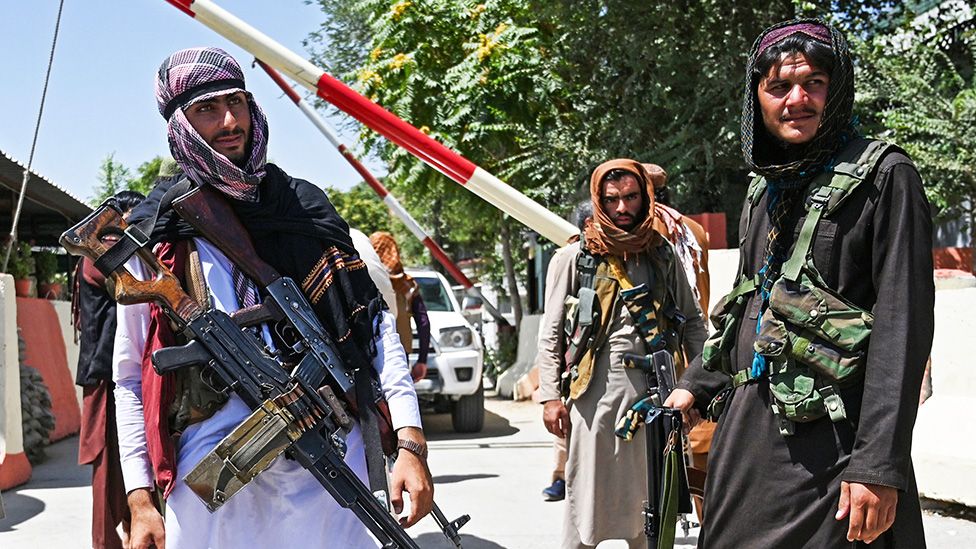
Artistic New Taliban Appoinment Artwork in HD
A captivating new taliban appoinment scene that brings tranquility and beauty to any device.
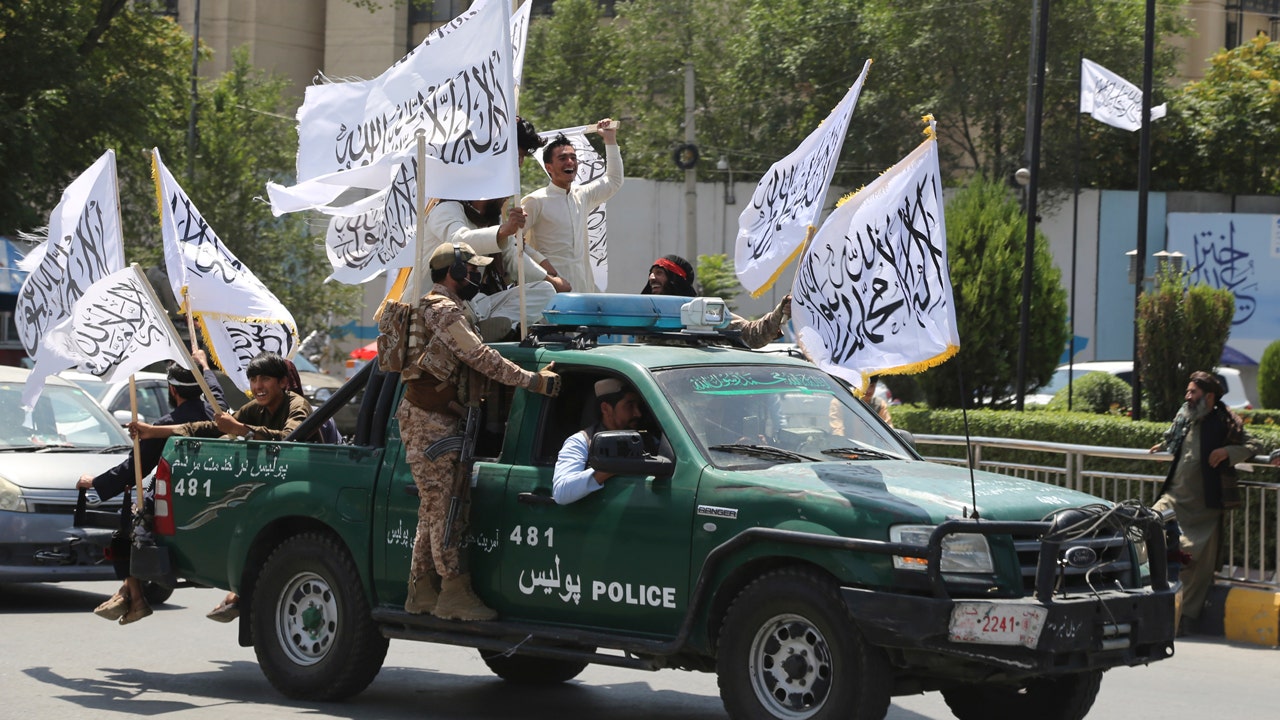
Detailed New Taliban Appoinment Moment Illustration
Experience the crisp clarity of this stunning new taliban appoinment image, available in high resolution for all your screens.
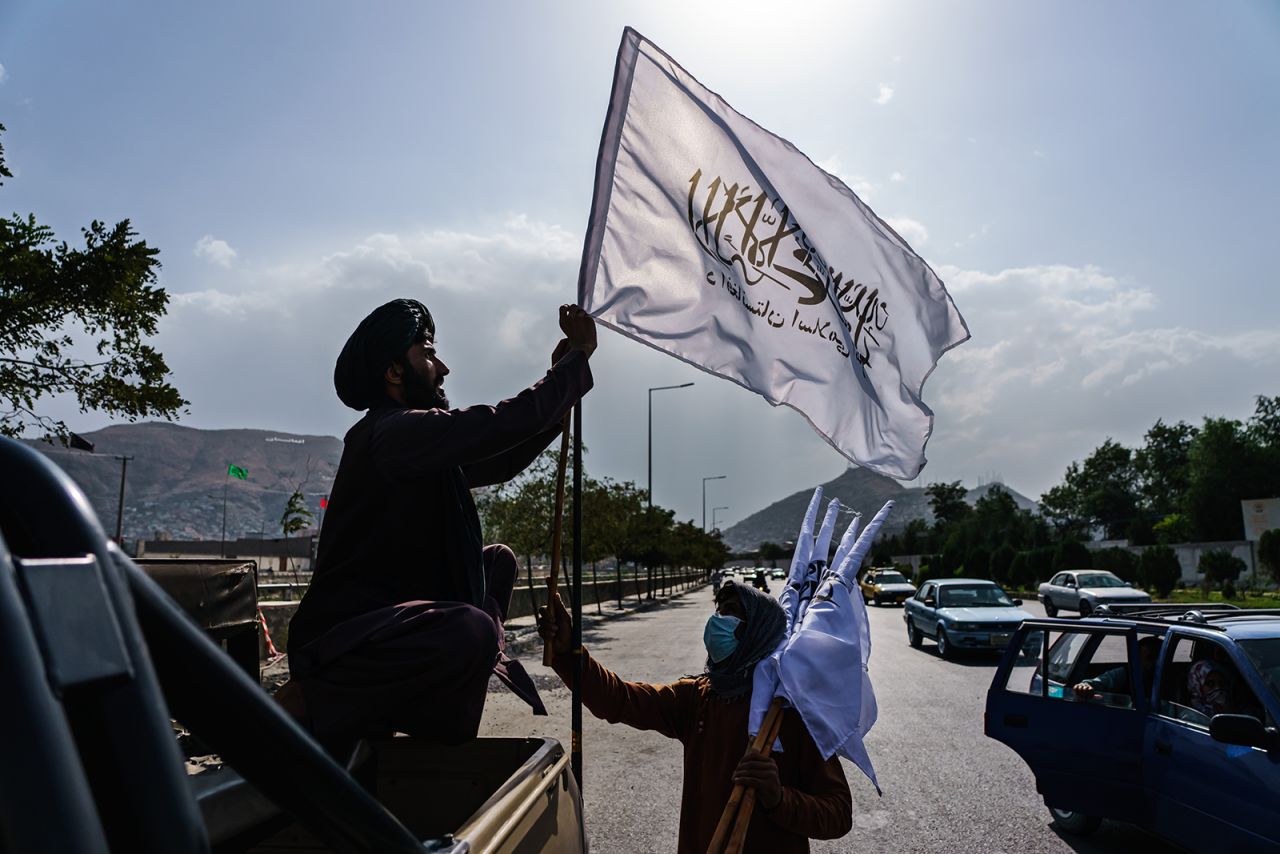
Vibrant New Taliban Appoinment View for Your Screen
Discover an amazing new taliban appoinment background image, ideal for personalizing your devices with vibrant colors and intricate designs.

Captivating New Taliban Appoinment Capture for Desktop
Find inspiration with this unique new taliban appoinment illustration, crafted to provide a fresh look for your background.

Vibrant New Taliban Appoinment Moment Art
Explore this high-quality new taliban appoinment image, perfect for enhancing your desktop or mobile wallpaper.

Vivid New Taliban Appoinment Scene Collection
Transform your screen with this vivid new taliban appoinment artwork, a true masterpiece of digital design.
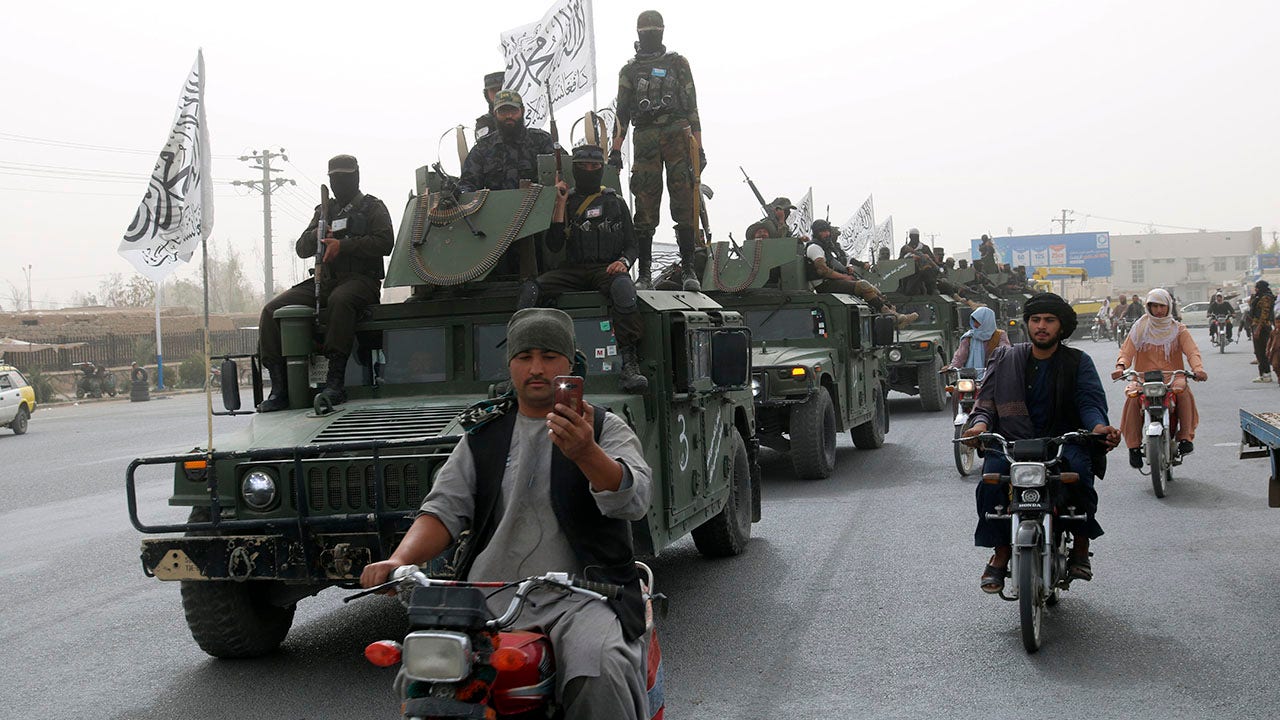
Exquisite New Taliban Appoinment Wallpaper Art
This gorgeous new taliban appoinment photo offers a breathtaking view, making it a perfect choice for your next wallpaper.
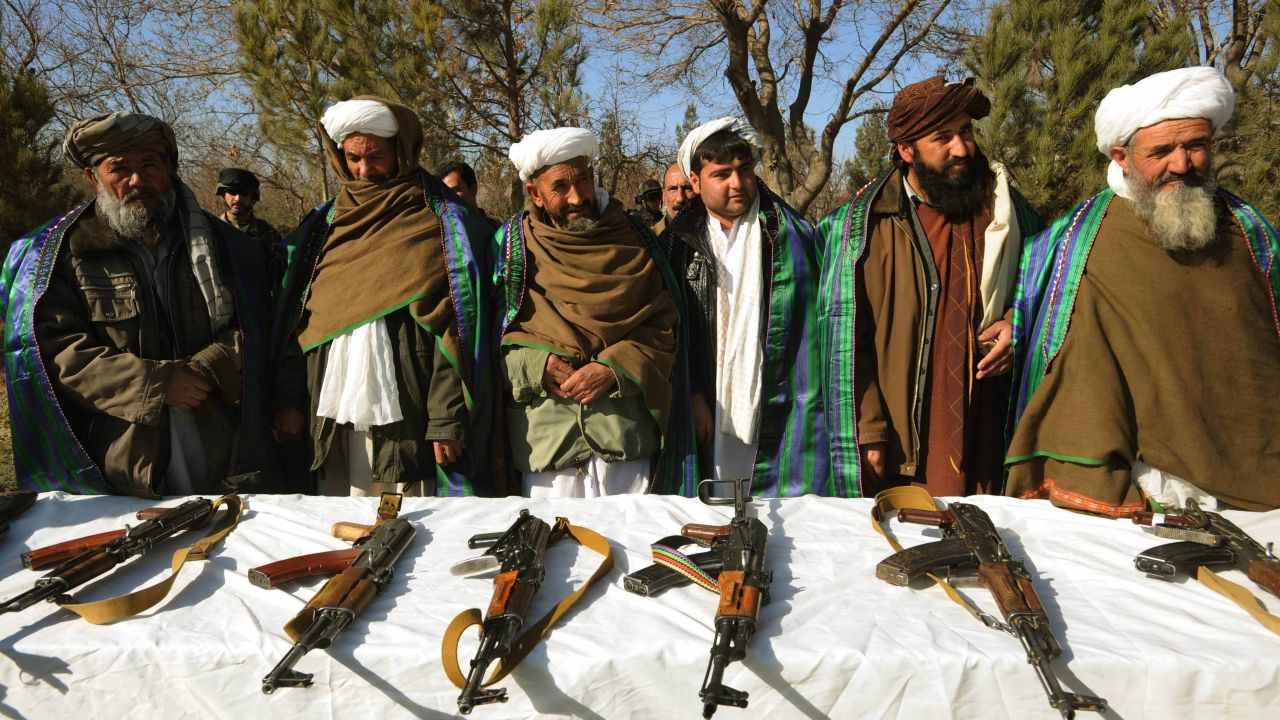
High-Quality New Taliban Appoinment Background Concept
Transform your screen with this vivid new taliban appoinment artwork, a true masterpiece of digital design.

High-Quality New Taliban Appoinment Landscape in HD
Experience the crisp clarity of this stunning new taliban appoinment image, available in high resolution for all your screens.
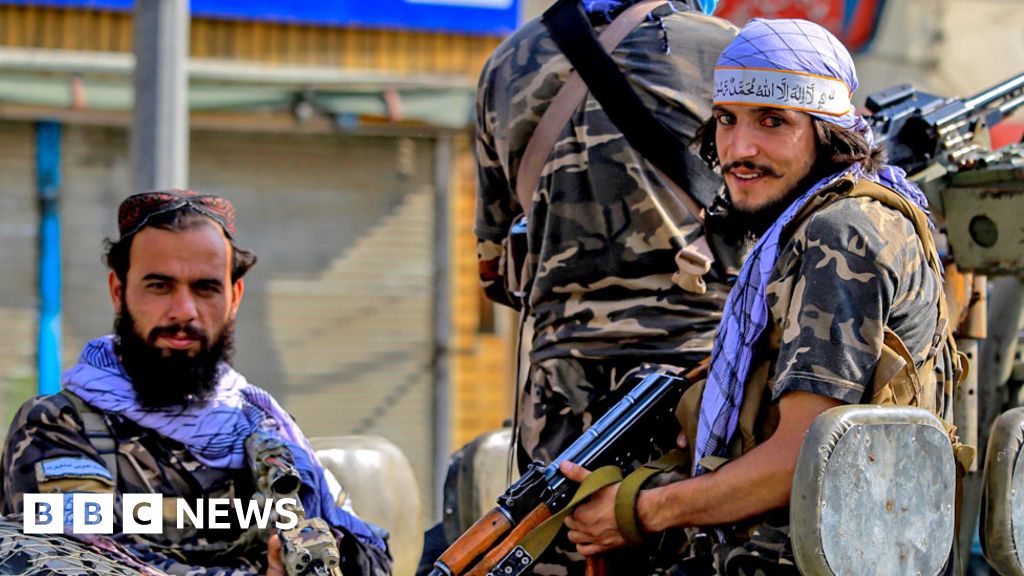
High-Quality New Taliban Appoinment Background for Desktop
Experience the crisp clarity of this stunning new taliban appoinment image, available in high resolution for all your screens.

Dynamic New Taliban Appoinment Photo Illustration
Find inspiration with this unique new taliban appoinment illustration, crafted to provide a fresh look for your background.
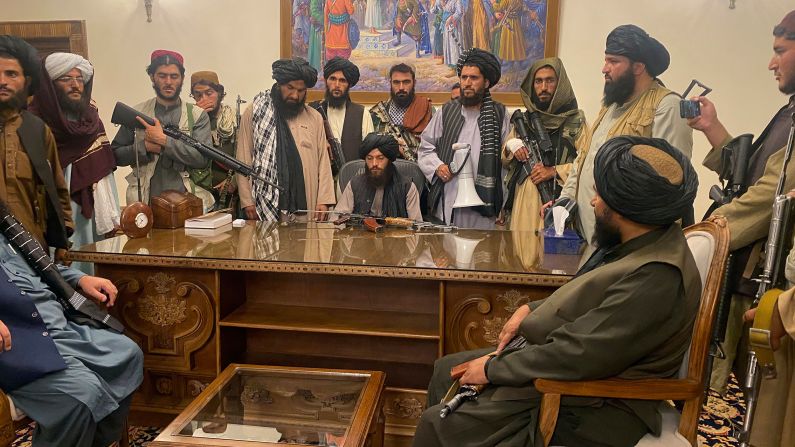
Beautiful New Taliban Appoinment Wallpaper for Your Screen
Explore this high-quality new taliban appoinment image, perfect for enhancing your desktop or mobile wallpaper.
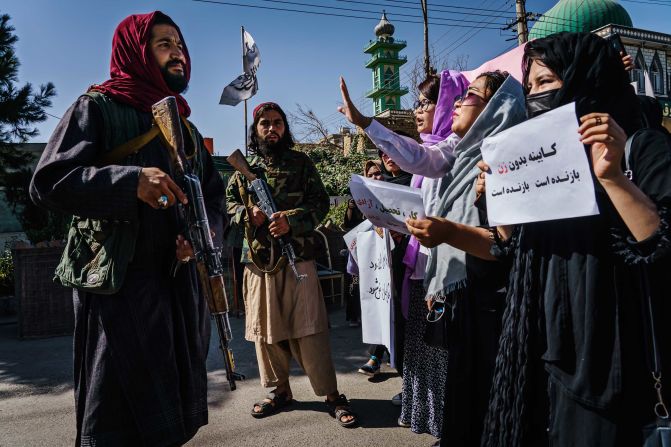
Stunning New Taliban Appoinment Picture for Mobile
Find inspiration with this unique new taliban appoinment illustration, crafted to provide a fresh look for your background.
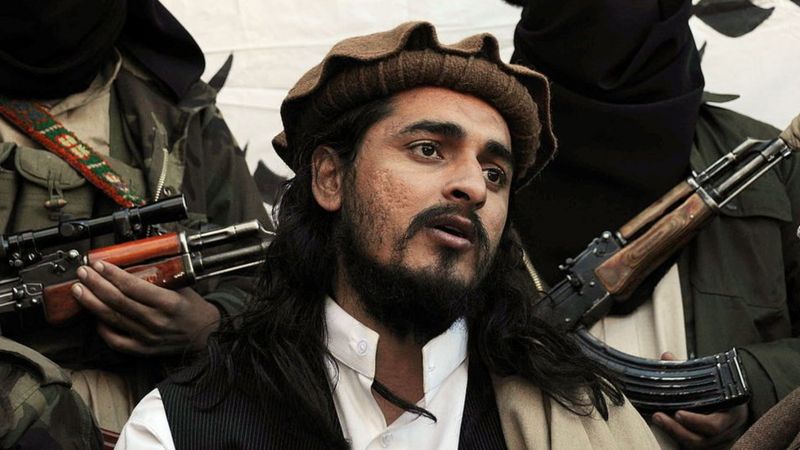
Mesmerizing New Taliban Appoinment Picture Digital Art
Discover an amazing new taliban appoinment background image, ideal for personalizing your devices with vibrant colors and intricate designs.
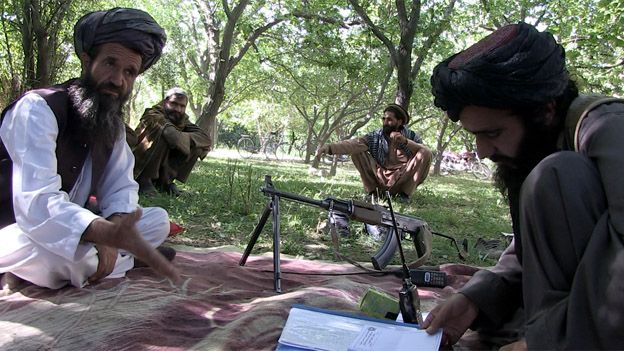
Spectacular New Taliban Appoinment Background for Your Screen
A captivating new taliban appoinment scene that brings tranquility and beauty to any device.
Download these new taliban appoinment wallpapers for free and use them on your desktop or mobile devices.