North Korea-linked hack hits software that powers online services
North Korea-linked hack hits software that powers online services
In a startling revelation that has sent shockwaves through the global tech community, cybersecurity experts have identified a sophisticated supply chain attack targeting one of the most widely used open-source libraries on the internet. Hackers linked to North Korea have successfully compromised the Axios JavaScript library, a critical piece of infrastructure that facilitates communication between applications and web services. This breach represents a significant escalation in the cyber capabilities of Pyongyang-aligned groups, moving beyond traditional financial theft into the heart of the digital supply chain. With millions of developers relying on this software weekly, the potential for downstream compromise is immense, putting countless organizations and user data at risk. This incident highlights the extreme vulnerability of the open-source ecosystem, where a single compromised account can have global repercussions for digital security and privacy.
A North Korea-linked hack hits software that powers online services by compromising the Axios JavaScript library, a popular open-source tool used for making web requests. Security researchers from Google’s Threat Intelligence Group and other firms discovered that hackers hijacked a lead maintainer’s account to publish malicious versions of the library containing remote access trojans (RATs). This supply chain attack targets developers across Windows, macOS, and Linux platforms, potentially allowing attackers to steal login credentials and move laterally through corporate networks. While the malicious versions were quickly identified and removed, the incident underscores the persistent threat posed by North Korean state-sponsored actors, such as the group tracked as UNC1069, who are increasingly leveraging sophisticated intrusion methods to fund their regime and bypass international sanctions.
The Mechanics of the Axios Supply Chain Attack
The core of this incident lies in a "supply chain attack," a method where hackers target a trusted third-party component to compromise its downstream users. In this specific case, the North Korea-linked group UNC1069 targeted Axios, a massive open-source project with approximately 100 million weekly downloads. By hijacking the npm (Node Package Manager) account of a lead maintainer, the attackers were able to push out poisoned updates—specifically versions 1.14.1 and 0.30.4. These versions did not alter the core functionality of Axios itself but instead included a malicious "post-install" script. When an unsuspecting developer downloaded these versions, the script automatically deployed a cross-platform remote access trojan (RAT) onto their machine.
This approach is particularly insidious because it bypasses many traditional security measures. Developers naturally trust updates from reputable open-source projects. Furthermore, because the malicious code is executed during the installation process rather than within the library's runtime code, it can be harder for standard static analysis tools to detect. The malware utilized in this attack was designed to be cross-platform, meaning it could infect systems running Windows, macOS, or Linux, ensuring a broad range of potential victims across various development environments.
Who is UNC1069 and Why Did They Target Open Source?
UNC1069 is a threat group tracked by Google and other intelligence agencies, believed to be part of North Korea's extensive cyber warfare apparatus. While North Korea has historically been associated with the Lazarus Group, the regime’s cyber operations are composed of several specialized units under the Reconnaissance General Bureau (RGB). UNC1069 has been active since at least 2018 and is known for its focus on the financial and cryptocurrency sectors. The shift toward targeting open-source software like Axios suggests a more strategic, long-term approach to gaining access to high-value targets.
By compromising a library used by millions, the group gains a "delivery mechanism" that can reach into a vast array of environments simultaneously. This isn't just about stealing a single database; it's about establishing a foothold in the systems of thousands of companies, from startups to global giants. This access can be used for various purposes, including intellectual property theft, cyber espionage, or, most commonly for North Korea, the theft of cryptocurrency and digital assets to fund the regime’s weapons programs and circumvent international economic sanctions.
The Global Impact on Online Services and Developers
The reach of Axios cannot be overstated. As Tom Hegel from SentinelOne pointed out, it is likely running in the background of almost every modern web activity, from checking bank balances to loading mobile apps. When such a fundamental piece of software is compromised, the "blast radius" is enormous. Developers who integrated the malicious versions of Axios during the brief window they were available may have unknowingly opened a backdoor into their development environments. This could lead to the theft of API keys, source code, and employee credentials, which can then be used to launch further attacks on the organization's customers.
Beyond the immediate technical threat, this hack erodes the fundamental trust that powers the modern internet. Much of the web's infrastructure is built on open-source software maintained by volunteers. This model relies on the assumption that contributors are benevolent and that the distribution platforms are secure. This attack, following other recent high-profile supply chain incidents, forces the industry to confront the reality that these critical dependencies are high-priority targets for nation-state actors. It creates a significant burden for developers who must now spend more time auditing their "invisible" dependencies to ensure safety.
North Korea's Evolving Cyber Strategy: From Heists to Hijacks
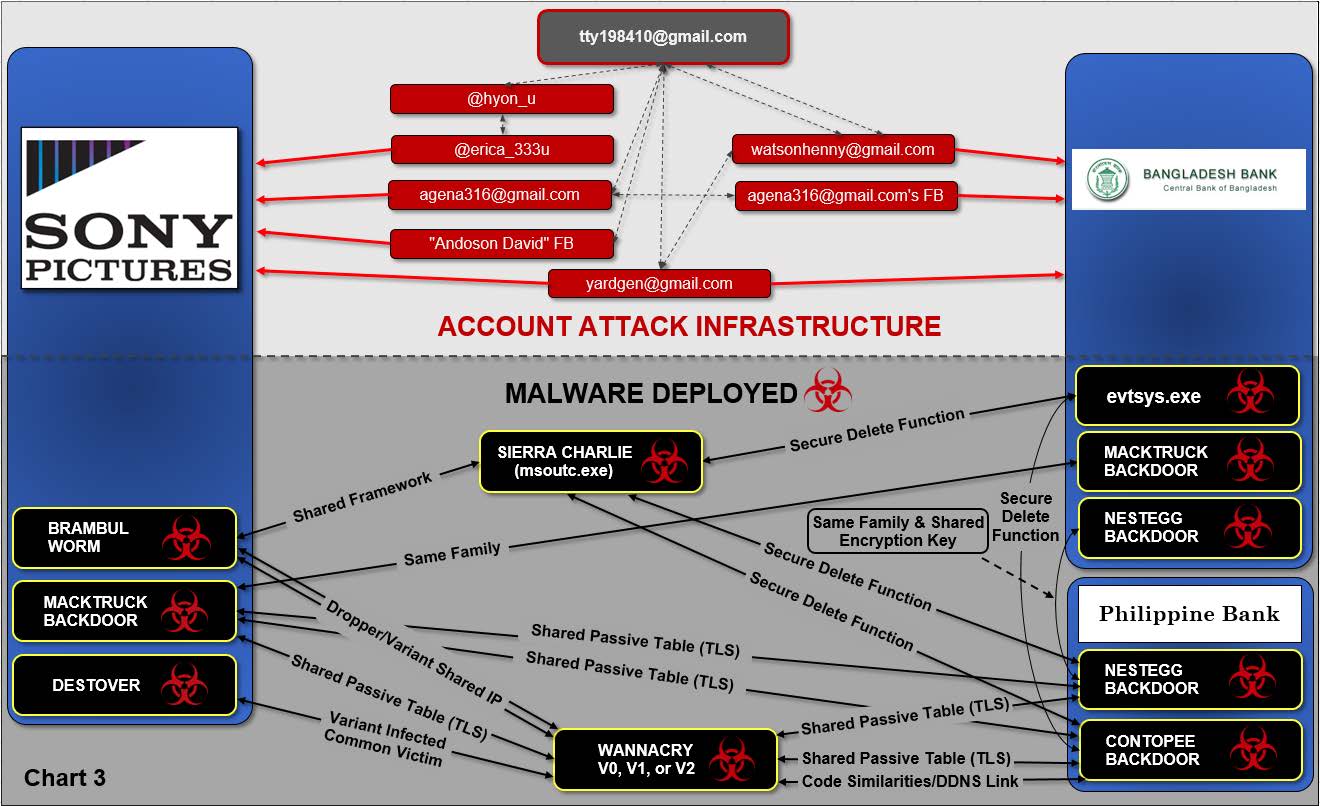
North Korea's cyber operations have evolved significantly over the last decade. Early attacks, such as the 2014 Sony Pictures hack, were often retaliatory or politically motivated. However, following the imposition of severe UN sanctions in 2016, the focus shifted heavily toward financial gain. The regime turned to bank heists, like the $81 million theft from Bangladesh Bank, and eventually became a dominant force in cryptocurrency theft. The Lazarus Group alone has been linked to thefts totaling billions of dollars, including the record-breaking $1.5 billion breach of the Bybit exchange in early 2025.
The Axios hijack represents the latest stage in this evolution: the move toward sophisticated, quiet, and large-scale supply chain compromises. Instead of attacking a single bank, they are attacking the tools used to build the world's digital infrastructure. This "magic weapon," as Kim Jong Un has described cyber warfare, allows North Korea to operate as a global cyber-guerrilla force, inflicting massive economic damage while remaining largely insulated from traditional forms of military or economic retaliation. Their methods are becoming increasingly sophisticated, involving the use of remote IT workers with falsified identities to gain insider access and the exploitation of zero-day vulnerabilities in common software.
| Key Incident Details | Description/Impact |
|---|---|
| Target Library | Axios (JavaScript HTTP client) |
| Attributed Group | UNC1069 (North Korea-linked) |
| Compromised Versions | axios@1.14.1 and axios@0.30.4 |
| Malware Type | Cross-platform Remote Access Trojan (RAT) |
| Impact Scope | Estimated 100 million weekly downloads |
Vulnerabilities in the Open-Source Ecosystem
The Axios hack exposes a critical flaw in how open-source software is managed and distributed. Most open-source projects rely on a small number of maintainers who have full control over the code and the distribution accounts (like npm). If one of these accounts is compromised—whether through phishing, credential stuffing, or other means—the entire project is at risk. There is often a lack of multi-factor authentication (MFA) requirements across all maintainers of a project, and the sheer volume of package updates makes manual auditing impossible for most users.
Furthermore, the culture of open-source development has traditionally prioritized collaboration and ease of use over rigorous security auditing. The "benevolent contributor" model is being exploited by nation-states like North Korea and Russia, who may plant "sleepers" or "insiders" into project maintainer groups. We saw this with the XZ Utils backdoor attempt in 2024, where a user spent years building trust within the community before attempting to plant a vulnerability. The Axios incident shows that even faster, more direct methods—like account hijacking—remain highly effective for compromising the software supply chain.
Mitigation Strategies for Organizations and Developers
In the wake of the North Korea-linked hack hits software that powers online services, organizations must adopt a "trust but verify" approach to their software dependencies. Relying solely on the reputation of a package is no longer sufficient. Key mitigation strategies include implementing Software Composition Analysis (SCA) tools that can automatically detect known vulnerable or malicious packages within a project's dependency tree. These tools can alert developers if they are using a version of a library that has been flagged by the security community.
Additionally, developers should practice "dependency pinning," where they lock their project to specific, audited versions of libraries rather than allowing automatic updates to the latest version. This prevents the immediate, automatic ingestion of a poisoned update. For critical systems, organizations should consider hosting their own internal package registries where they can vet and approve packages before they are used by development teams. Finally, security leaders must prioritize the detection of "anomalous activity" within their networks, such as unusual command-line usage or lateral movement, which could indicate that a developer's system has been compromised via a supply chain attack.
International Response and the Future of Cyber Warfare
The international response to North Korea's cyber activities has been a mix of indictments, sanctions, and technical alerts. The U.S. Department of Justice has charged several North Korean military hackers with involvement in global cyberattacks and financial crimes, while the FBI and CISA frequently release advisories on "Hidden Cobra" (the U.S. government's name for North Korean cyber activity). However, these measures have done little to deter Pyongyang, as the financial rewards of cybercrime far outweigh the impact of existing sanctions, which the regime is already adept at evading.
Looking ahead, we can expect cyber warfare to become an even more central part of North Korea's military strategy. As Kim Jong Un has stated, cyber attacks are like "atomic bombs" in their potential impact. The focus will likely remain on dual-use operations: gathering intelligence and stealing technology for their weapons programs while simultaneously generating the hard currency needed to keep the regime afloat. The move into supply chain attacks signals a new era where the "fifth battlefield" of cyberspace is used to target the fundamental trust that underpins the global digital economy.
FAQ
What is the Axios library and why is it important?
Axios is a popular open-source JavaScript library used by developers to make HTTP requests from web browsers or Node.js. It is a fundamental tool for connecting applications to web services and APIs, used in millions of websites and apps worldwide.
How did the North Korean hackers compromise Axios?
The hackers hijacked the npm (Node Package Manager) account of a lead maintainer for the Axios project. They then published malicious versions of the library that included a remote access trojan, which would install itself when a developer downloaded the update.
What is a supply chain attack?
A supply chain attack occurs when a hacker compromises a third-party software component or service provider to distribute malware to their customers or users "downstream." It is an effective way to reach many targets by attacking a single, trusted source.
Which versions of Axios were affected?
According to security researchers, the malicious versions were identified as axios@1.14.1 and axios@0.30.4. If you used these versions, it is recommended to revert to a known safe version immediately and audit your systems for compromise.
What can developers do to protect themselves from these attacks?
Developers should use Software Composition Analysis (SCA) tools, pin their dependencies to specific audited versions, and enable multi-factor authentication (MFA) on all their development and package management accounts. Monitoring for unusual network behavior is also crucial.
Conclusion
The hack of the Axios library by North Korea-linked actors is a watershed moment for digital security. It highlights that no part of the modern software stack is truly "invisible" or immune to the interests of nation-state adversaries. As North Korea continues to refine its cyber "magic weapon" to fund its nuclear ambitions and bypass global sanctions, the tech industry must undergo a fundamental shift in how it manages open-source dependencies. The resilience of our online services depends on moving away from blind trust and toward a rigorous, intelligence-led approach to software supply chain security. Only by recognizing the severity of this threat and implementing robust, proactive defenses can we hope to protect the integrity of the internet and the data of billions of users around the world.
North Korea-linked hack hits software that powers online services
North Korea-linked hack hits software that powers online services Wallpapers
Collection of north korea-linked hack hits software that powers online services wallpapers for your desktop and mobile devices.
Amazing North Korea-linked Hack Hits Software That Powers Online Services Wallpaper Art
Discover an amazing north korea-linked hack hits software that powers online services background image, ideal for personalizing your devices with vibrant colors and intricate designs.

Detailed North Korea-linked Hack Hits Software That Powers Online Services View Digital Art
Explore this high-quality north korea-linked hack hits software that powers online services image, perfect for enhancing your desktop or mobile wallpaper.
Breathtaking North Korea-linked Hack Hits Software That Powers Online Services Background Art
Experience the crisp clarity of this stunning north korea-linked hack hits software that powers online services image, available in high resolution for all your screens.
Serene North Korea-linked Hack Hits Software That Powers Online Services Image Art
Explore this high-quality north korea-linked hack hits software that powers online services image, perfect for enhancing your desktop or mobile wallpaper.
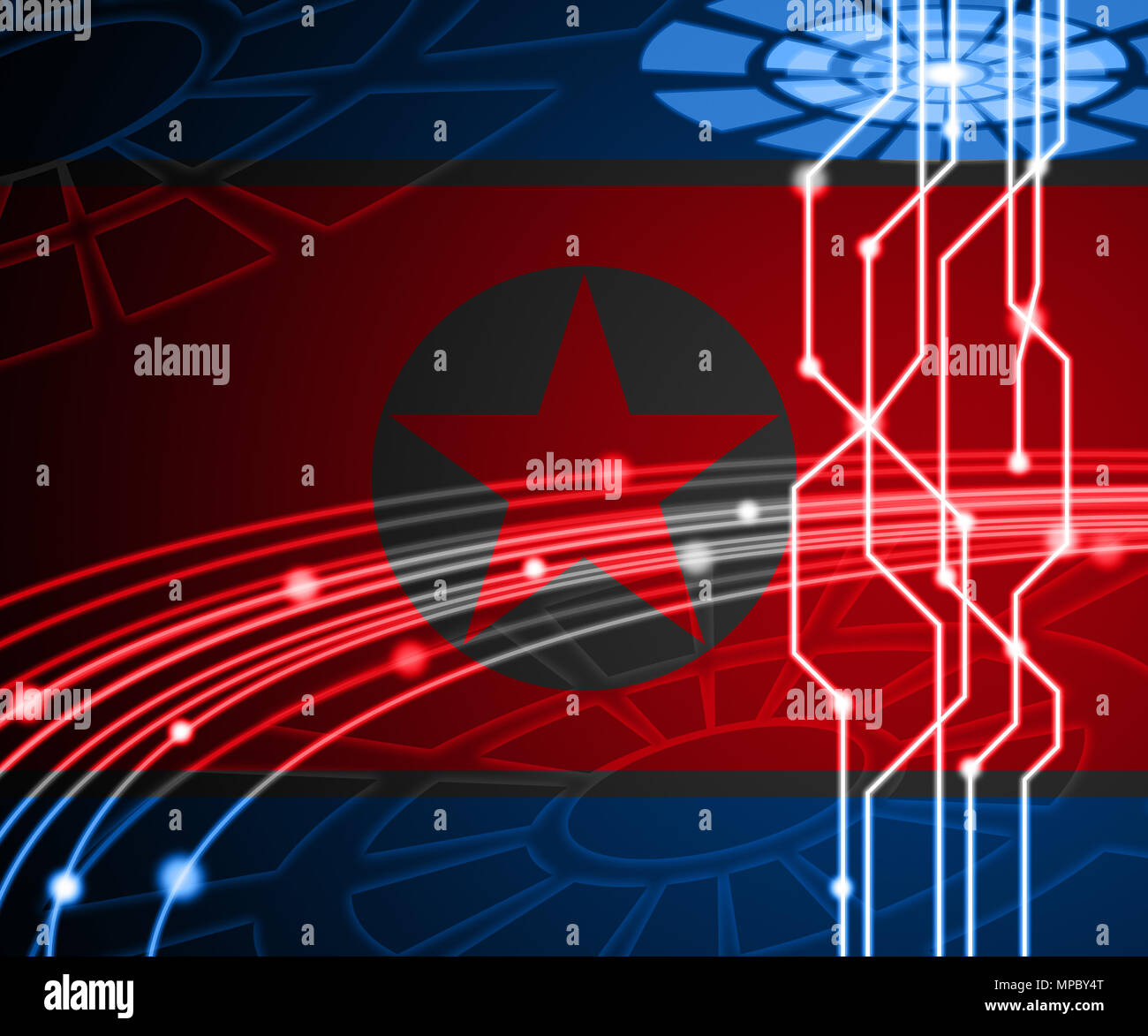
Vivid North Korea-linked Hack Hits Software That Powers Online Services Design Photography
Transform your screen with this vivid north korea-linked hack hits software that powers online services artwork, a true masterpiece of digital design.

Dynamic North Korea-linked Hack Hits Software That Powers Online Services Photo for Desktop
Find inspiration with this unique north korea-linked hack hits software that powers online services illustration, crafted to provide a fresh look for your background.
Vivid North Korea-linked Hack Hits Software That Powers Online Services Image Illustration
Explore this high-quality north korea-linked hack hits software that powers online services image, perfect for enhancing your desktop or mobile wallpaper.

Artistic North Korea-linked Hack Hits Software That Powers Online Services Picture for Desktop
A captivating north korea-linked hack hits software that powers online services scene that brings tranquility and beauty to any device.
Detailed North Korea-linked Hack Hits Software That Powers Online Services View Concept
Explore this high-quality north korea-linked hack hits software that powers online services image, perfect for enhancing your desktop or mobile wallpaper.

Gorgeous North Korea-linked Hack Hits Software That Powers Online Services Background for Mobile
This gorgeous north korea-linked hack hits software that powers online services photo offers a breathtaking view, making it a perfect choice for your next wallpaper.

Gorgeous North Korea-linked Hack Hits Software That Powers Online Services Landscape Collection
Find inspiration with this unique north korea-linked hack hits software that powers online services illustration, crafted to provide a fresh look for your background.
Amazing North Korea-linked Hack Hits Software That Powers Online Services Abstract Art
Explore this high-quality north korea-linked hack hits software that powers online services image, perfect for enhancing your desktop or mobile wallpaper.
Breathtaking North Korea-linked Hack Hits Software That Powers Online Services Wallpaper in 4K
Discover an amazing north korea-linked hack hits software that powers online services background image, ideal for personalizing your devices with vibrant colors and intricate designs.

Exquisite North Korea-linked Hack Hits Software That Powers Online Services Scene for Your Screen
Find inspiration with this unique north korea-linked hack hits software that powers online services illustration, crafted to provide a fresh look for your background.

Vivid North Korea-linked Hack Hits Software That Powers Online Services Wallpaper Art
Experience the crisp clarity of this stunning north korea-linked hack hits software that powers online services image, available in high resolution for all your screens.

Gorgeous North Korea-linked Hack Hits Software That Powers Online Services Moment Art
This gorgeous north korea-linked hack hits software that powers online services photo offers a breathtaking view, making it a perfect choice for your next wallpaper.
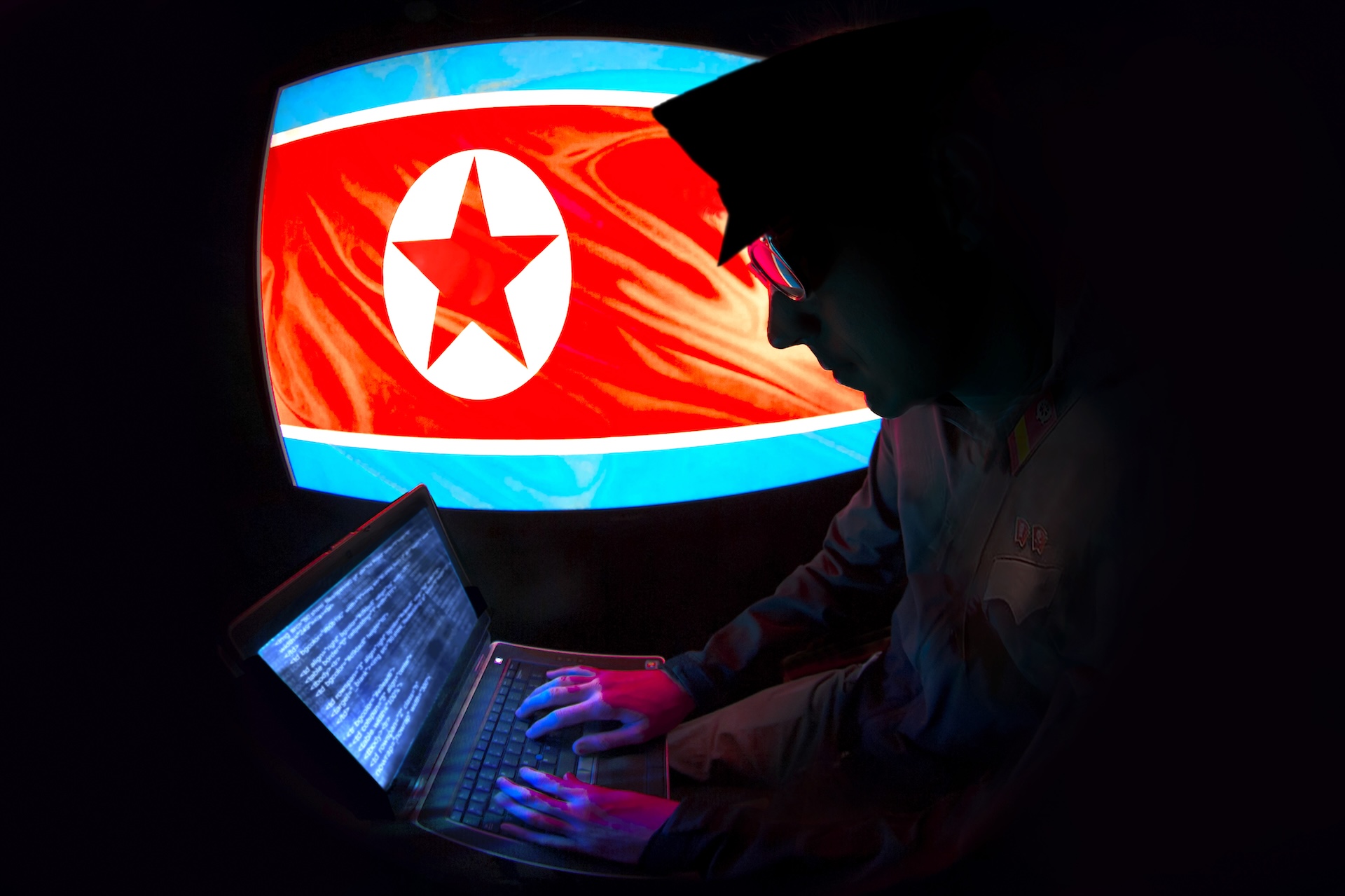
Vibrant North Korea-linked Hack Hits Software That Powers Online Services Image Digital Art
Experience the crisp clarity of this stunning north korea-linked hack hits software that powers online services image, available in high resolution for all your screens.

Beautiful North Korea-linked Hack Hits Software That Powers Online Services Image Illustration
Transform your screen with this vivid north korea-linked hack hits software that powers online services artwork, a true masterpiece of digital design.
Artistic North Korea-linked Hack Hits Software That Powers Online Services Landscape for Your Screen
Find inspiration with this unique north korea-linked hack hits software that powers online services illustration, crafted to provide a fresh look for your background.

Vibrant North Korea-linked Hack Hits Software That Powers Online Services Image Concept
Explore this high-quality north korea-linked hack hits software that powers online services image, perfect for enhancing your desktop or mobile wallpaper.
Download these north korea-linked hack hits software that powers online services wallpapers for free and use them on your desktop or mobile devices.