Passport to funds: why one bank is changing ID rules
Passport to funds: why one bank is changing ID rules
The traditional banking landscape is undergoing a seismic shift as financial institutions move away from rigid, decades-old protocols toward more flexible, data-driven identity verification methods. For years, opening a bank account required a physical presence and the manual submission of sensitive documents like a full Social Security number. However, a series of recent regulatory updates and technological breakthroughs are prompting banks to rewrite their rulebooks. This transition, often referred to as the passport to funds, is designed to streamline the customer experience while simultaneously hardening defenses against an unprecedented wave of digital fraud and identity theft. As banks navigate this new reality, customers are finding that the rules for proving who they are—and how they access their money—are changing in ways that prioritize both speed and security.
Banks are changing ID rules primarily to balance the demand for seamless digital onboarding with the necessity of robust fraud prevention. Recent exemptions from federal regulators now allow many banks to verify customer identities, including Taxpayer Identification Numbers (TINs), through trusted third-party sources rather than requiring customers to provide the information directly. This change aims to reduce the risk of data breaches during the application process, accommodate the rise of fintech partnerships, and meet new industry standards like the 2026 Nacha ACH requirements which mandate better verification of account ownership before moving funds.
The Modernization of the Customer Identification Program
For more than twenty years, the Customer Identification Program (CIP) Rule, born out of the USA PATRIOT Act of 2001, has been the bedrock of banking security. It required financial institutions to obtain a name, date of birth, address, and an identification number—typically a full nine-digit Social Security number (SSN)—directly from every person opening an account. While effective in an era of in-person banking, these rules became a significant point of friction in the digital age. Customers, increasingly wary of sharing their most sensitive data over the internet due to frequent high-profile data breaches, often abandoned digital applications when asked for their full SSN.
In response to these evolving consumer habits and the rise of remote-driven financial interactions, federal regulators including the FDIC, the OCC, and the NCUA issued a landmark exemption in mid-2025. This exemption allows supervised banks and credit unions to collect a customer’s Taxpayer Identification Number from reliable third-party sources, such as credit bureaus or identity verification vendors, rather than the customer themselves. This is not just a minor tweak; it is a fundamental shift in how "identity" is established in the financial world. By allowing banks to confirm a user’s identity behind the scenes, the "passport to funds" becomes more of a digital handshake than a manual inspection.
Combating the Surge in Digital Fraud and Account Takeovers
The move to change ID rules is not solely about convenience; it is a defensive maneuver against increasingly sophisticated criminal networks. Fraudsters today utilize deepfakes, pre-recorded videos, and stolen identity fragments to bypass traditional security. Banking institutions are now implementing "liveness detection" as part of their identity verification process. During a digital signup, a customer might be asked to blink, smile, or move their head. Advanced passive liveness detection can even analyze skin texture and eye movement without requiring a specific action. These measures ensure that the person presenting the ID is physically present and not a digital construct.
Furthermore, banks are responding to a spike in scams targeting specific demographics. Seniors, for instance, are frequently the focus of phishing and account takeover attempts. This has led some institutions to tighten rules for large withdrawals or significant account changes, sometimes requiring an in-person visit even for long-time customers. While this may feel like an inconvenience, banks argue that these heightened identity checks are a direct response to rising fraud attempts. The goal is to prevent the unauthorized movement of funds before it occurs, ensuring the "passport" to those funds remains firmly in the hands of the rightful owner.
The Impact of Nacha 2026 and Real-Time Account Validation
A major catalyst for the changing ID rules is the upcoming 2026 update to Nacha’s ACH Rules. Historically, bank account verification was designed to answer two basic questions: does the account exist, and does the user have control over it? However, this basic "technical check" is no longer considered sufficient. Under the new rules, organizations are expected to take reasonable steps to understand account ownership and risk before initiating debits. This means that bank account verification must now function as a meaningful decision point in the transaction process.
To comply with these stricter standards, banks and fintech companies are moving toward "Smarter Validation." This involves using real-time data to confirm that the account-holder information, such as name and address, matches the records held by the financial institution. Instead of waiting days for micro-deposits to clear, modern systems use secure, credential-based access to verify details in seconds. This shift not only satisfies regulatory requirements but also dramatically improves the conversion rate for businesses by removing the multi-day waiting periods that previously hindered digital transactions.
Why Long-Term Customers are Facing New ID Requests
Many customers are surprised to find that, despite banking with the same institution for decades, they are being asked to provide updated identification. There are several reasons for this "re-verification" trend. First, internal system upgrades often require modern, digital versions of documents that may have been scanned or recorded manually years ago. Second, mergers and acquisitions between banks necessitate the unification of customer databases, often triggering a refresh of "Know Your Customer" (KYC) documentation to ensure full compliance with the current standards of the acquiring institution.
Additionally, regulatory bodies like the Federal Reserve now emphasize a "risk-based approach" to identity. If a customer’s behavior changes—such as a sudden large transfer or an attempt to open a new type of account (like a joint account or business account)—the bank’s internal risk model may trigger a requirement for fresh ID verification. For the bank, it is about maintaining a "reasonable belief" that they still know the true identity of the customer. This ongoing monitoring is a key component of Anti-Money Laundering (AML) efforts, ensuring that the banking system is not being used for illicit activities.
| Verification Method | Primary Benefit |
|---|---|
| Direct TIN Collection | Meets traditional CIP Rule requirements directly from the source. |
| Third-Party TIN Retrieval | Reduces user friction and minimizes exposure of sensitive data. |
| Liveness Detection | Prevents fraud from deepfakes and pre-recorded media. |
| Database Validation | Offers real-time confirmation of account ownership and history. |
The Role of Third-Party Data and Identity Vendors
As banks move away from direct data collection, they are becoming increasingly reliant on specialized third-party vendors. These vendors maintain massive, frequently updated databases that allow banks to cross-check information in real-time. When a user inputs their basic details, these systems can validate the probability that the account is active, the name matches the Social Security record, and the phone number is actually associated with that individual. This "behind-the-scenes" verification is the engine driving the modern digital banking experience.
However, this reliance on third parties comes with its own set of challenges. Banks must ensure that these vendors adhere to strict data protection laws and maintain robust security measures. The 2025 federal exemptions specifically state that while banks have more latitude in how they collect data, they must remain vigilant. Regulators are expected to provide heightened scrutiny to ensure that these alternative processes do not compromise the overall integrity of the identity verification system. For the customer, this means that while they may share less data directly with the bank, their digital footprint is being analyzed more thoroughly than ever before.
Global Standards and the Fight Against Money Laundering
The changes we see in the United States are part of a broader global trend influenced by the Financial Action Task Force (FATF). FATF’s recommendations require banks worldwide to implement a risk-based approach to customer due diligence. This means that higher-risk customers—such as "politically exposed persons" or those involved in large international transfers—face much stricter verification rules. These global standards are designed to create a unified front against money laundering and terrorism financing.
In many jurisdictions, the "passport to funds" now involves looking at beneficial ownership. For business accounts, banks must identify every individual who owns 25 percent or more of the company. This prevents criminals from hiding behind complex corporate structures or "shell companies." By recording the identities of the actual people who control the money, banks can better assist law enforcement in investigations. These rules are non-negotiable legal obligations, and failure to comply can result in massive fines for the financial institution and the immediate closure of the customer's account.
Social Security Administration's Stronger Identity Proofing
The shift in ID rules isn't limited to private banks; government agencies like the Social Security Administration (SSA) are also modernizing. In early 2025, the SSA transitioned to much stronger identity proofing procedures for benefit claims and direct deposit changes. This was a proactive step to safeguard a financial lifeline for millions of Americans against a surge in fraudulent account takeovers. Under the new policy, individuals who cannot use online digital identity proofing must visit a local office to prove their identity in person.
To balance this increased security, the SSA has expedited the processing of direct deposit changes to just one business day, down from the previous 30-day hold. This "security-for-speed" trade-off is a common theme in the modern financial world. By implementing the Department of Treasury's Account Verification Service (AVS), the SSA can provide instant bank verification to prevent fraud. This ensures that benefits are paid to the right person at the right time, while also protecting the overall integrity of the social security program from sophisticated cyber threats.
The Future of Biometrics and Decentralized Identity
Looking ahead, the next phase of identity verification is likely to move beyond government documents entirely. Many experts believe that biometric data—such as palm prints, voice recognition, and advanced facial mapping—will become the primary way we access our funds. Some banks are already experimenting with "decentralized identity," where a customer holds their verified credentials in a digital wallet on their phone. Instead of sharing their full identity with the bank, they simply provide a "proof" that they have been verified by a trusted authority.
This "sovereign identity" model could solve many of the current issues regarding data privacy and security. It would eliminate the need for banks to store massive databases of sensitive customer information, which are prime targets for hackers. Instead, the user remains in control of their data, sharing only what is strictly necessary for a specific transaction. As these technologies mature, the "passport to funds" will become more secure, more private, and almost entirely frictionless, representing the final evolution of the banking ID rulebook.
Conclusion
The evolution of identity verification rules in the banking sector is a direct response to a digital world that moves faster and contains more risks than ever before. From the implementation of federal exemptions for TIN collection to the rise of real-time account validation and biometric liveness checks, banks are fundamentally changing how they grant access to funds. While these new rules may occasionally cause "unintended headaches" or require a visit to a branch for re-verification, they are the necessary infrastructure for a secure financial future. By staying proactive and ensuring their records are updated, customers can navigate these changes confidently, knowing that their financial lifeline is being protected by the most advanced security protocols available today.
Frequently Asked Questions
Q: Why is my bank asking me for ID if I’ve had an account for 20 years?
A: Banks are updating records to comply with modern security standards, system upgrades, or new "Know Your Customer" (KYC) regulations aimed at preventing fraud and money laundering.
Q: Is it safe for banks to get my Social Security number from a third party?
A: Yes, regulators allow this to reduce the risk of you having to send your full SSN over the internet. These third parties are trusted consumer reporting agencies with high security standards.
Q: What is "liveness detection" in banking?
A: It is a security feature used during digital sign-ups to ensure you are a real person and not a photo or video. It usually involves blinking or moving your head in front of your camera.
Q: Can a bank close my account if I don't provide new ID?
A: Yes. Federal law requires financial institutions to verify the identity of account holders. If they cannot verify you, they are legally obligated to refuse or close the account.
Q: Are there alternatives to in-person verification for seniors?
A: Many banks offer alternatives like video calls, notarized documents, or mobile banking app verification. It is best to call your bank directly to ask for these options if travel is difficult.
Passport to funds: why one bank is changing ID rules
Passport to funds: why one bank is changing ID rules Wallpapers
Collection of passport to funds: why one bank is changing id rules wallpapers for your desktop and mobile devices.
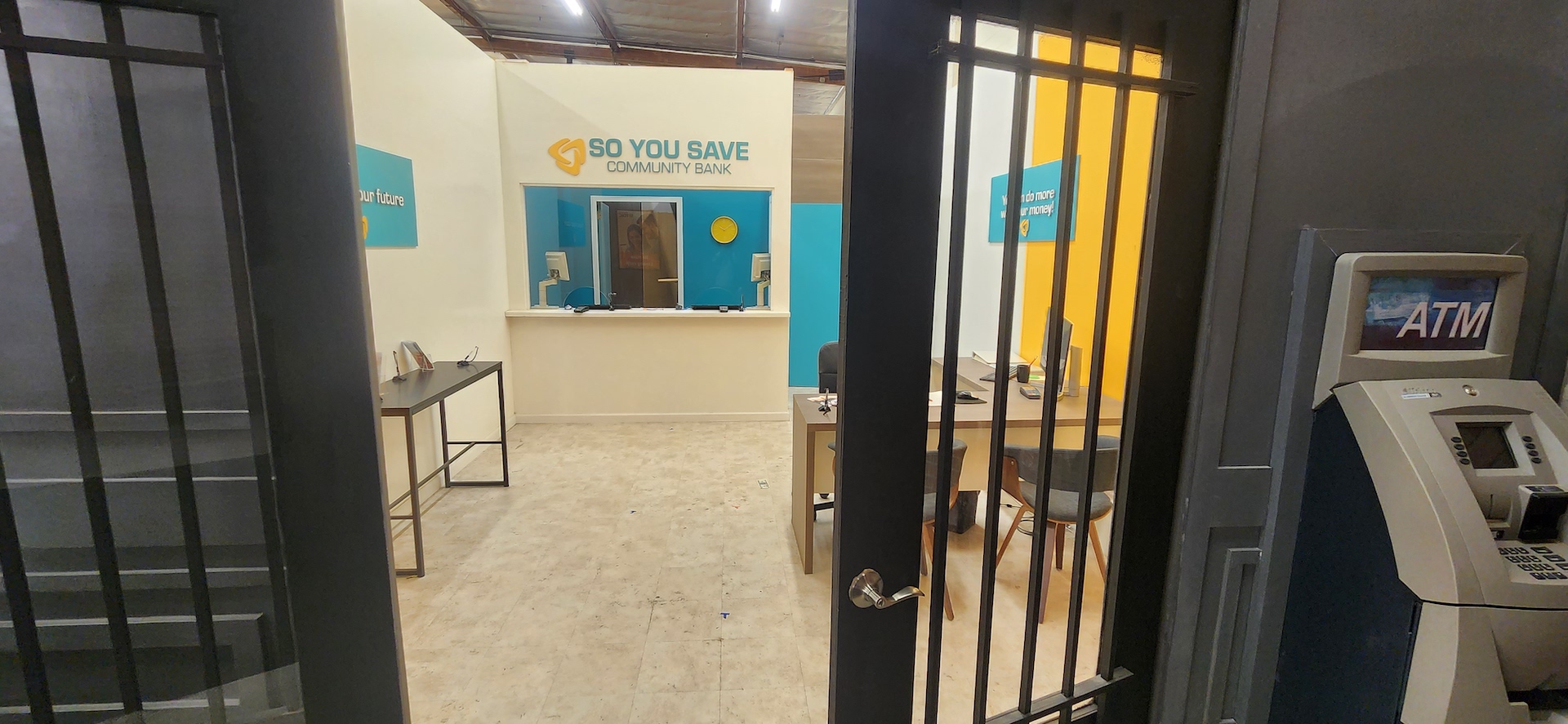
Breathtaking Passport To Funds: Why One Bank Is Changing Id Rules Artwork for Your Screen
Experience the crisp clarity of this stunning passport to funds: why one bank is changing id rules image, available in high resolution for all your screens.

Stunning Passport To Funds: Why One Bank Is Changing Id Rules Artwork Concept
Find inspiration with this unique passport to funds: why one bank is changing id rules illustration, crafted to provide a fresh look for your background.

Breathtaking Passport To Funds: Why One Bank Is Changing Id Rules Capture for Your Screen
Explore this high-quality passport to funds: why one bank is changing id rules image, perfect for enhancing your desktop or mobile wallpaper.

Vivid Passport To Funds: Why One Bank Is Changing Id Rules Abstract Collection
Transform your screen with this vivid passport to funds: why one bank is changing id rules artwork, a true masterpiece of digital design.
Crisp Passport To Funds: Why One Bank Is Changing Id Rules Image for Your Screen
This gorgeous passport to funds: why one bank is changing id rules photo offers a breathtaking view, making it a perfect choice for your next wallpaper.
Lush Passport To Funds: Why One Bank Is Changing Id Rules Image in HD
Immerse yourself in the stunning details of this beautiful passport to funds: why one bank is changing id rules wallpaper, designed for a captivating visual experience.
Detailed Passport To Funds: Why One Bank Is Changing Id Rules Landscape for Desktop
Explore this high-quality passport to funds: why one bank is changing id rules image, perfect for enhancing your desktop or mobile wallpaper.

Mesmerizing Passport To Funds: Why One Bank Is Changing Id Rules Artwork for Your Screen
Experience the crisp clarity of this stunning passport to funds: why one bank is changing id rules image, available in high resolution for all your screens.
Spectacular Passport To Funds: Why One Bank Is Changing Id Rules Photo Nature
This gorgeous passport to funds: why one bank is changing id rules photo offers a breathtaking view, making it a perfect choice for your next wallpaper.

Mesmerizing Passport To Funds: Why One Bank Is Changing Id Rules Image Collection
Transform your screen with this vivid passport to funds: why one bank is changing id rules artwork, a true masterpiece of digital design.

Exquisite Passport To Funds: Why One Bank Is Changing Id Rules Artwork for Desktop
This gorgeous passport to funds: why one bank is changing id rules photo offers a breathtaking view, making it a perfect choice for your next wallpaper.
Dynamic Passport To Funds: Why One Bank Is Changing Id Rules View Photography
Find inspiration with this unique passport to funds: why one bank is changing id rules illustration, crafted to provide a fresh look for your background.

Dynamic Passport To Funds: Why One Bank Is Changing Id Rules Artwork Collection
This gorgeous passport to funds: why one bank is changing id rules photo offers a breathtaking view, making it a perfect choice for your next wallpaper.
Dynamic Passport To Funds: Why One Bank Is Changing Id Rules Photo Art
Find inspiration with this unique passport to funds: why one bank is changing id rules illustration, crafted to provide a fresh look for your background.

Detailed Passport To Funds: Why One Bank Is Changing Id Rules Artwork in 4K
Explore this high-quality passport to funds: why one bank is changing id rules image, perfect for enhancing your desktop or mobile wallpaper.
Detailed Passport To Funds: Why One Bank Is Changing Id Rules Wallpaper Photography
Experience the crisp clarity of this stunning passport to funds: why one bank is changing id rules image, available in high resolution for all your screens.
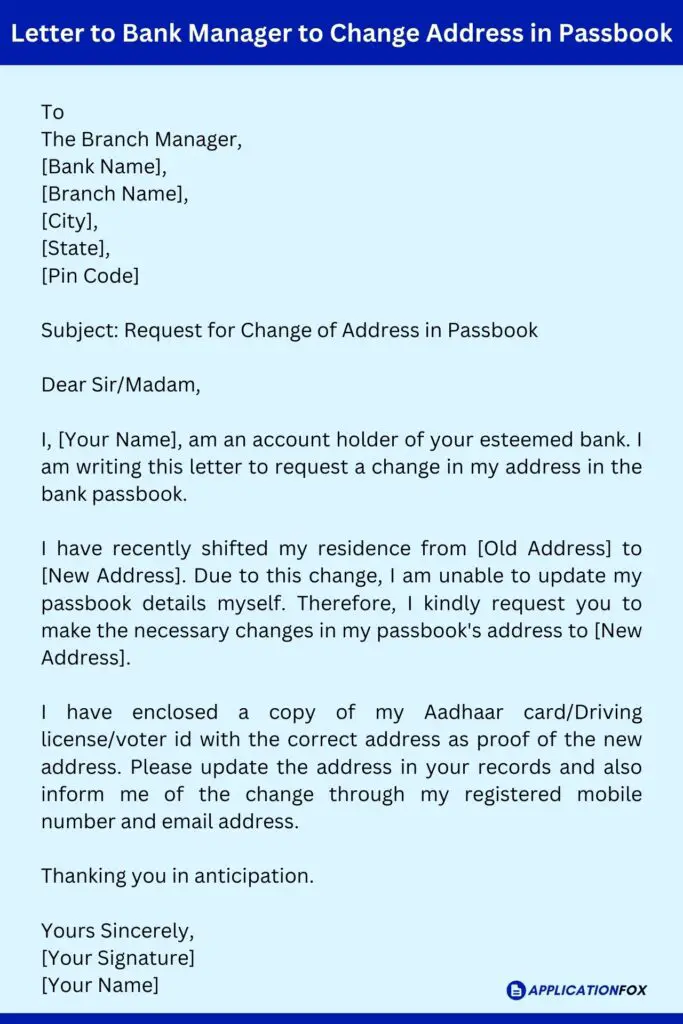
Crisp Passport To Funds: Why One Bank Is Changing Id Rules Photo Illustration
This gorgeous passport to funds: why one bank is changing id rules photo offers a breathtaking view, making it a perfect choice for your next wallpaper.
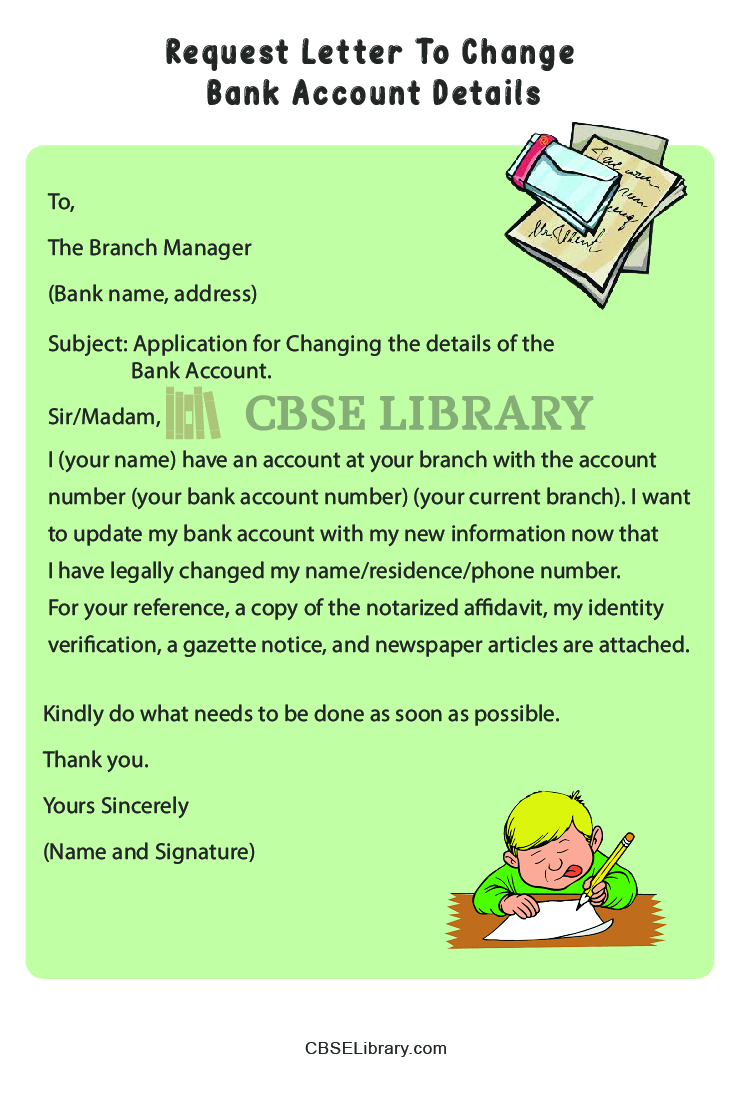
Breathtaking Passport To Funds: Why One Bank Is Changing Id Rules Wallpaper Art
Experience the crisp clarity of this stunning passport to funds: why one bank is changing id rules image, available in high resolution for all your screens.

Vibrant Passport To Funds: Why One Bank Is Changing Id Rules Moment in HD
Experience the crisp clarity of this stunning passport to funds: why one bank is changing id rules image, available in high resolution for all your screens.

Stunning Passport To Funds: Why One Bank Is Changing Id Rules Background Photography
Immerse yourself in the stunning details of this beautiful passport to funds: why one bank is changing id rules wallpaper, designed for a captivating visual experience.
Download these passport to funds: why one bank is changing id rules wallpapers for free and use them on your desktop or mobile devices.