Revolutionary Discovery: World’s Oldest Embryo Fossil in South Africa Proves Mammal Ancestors Laid Eggs
Revolutionary Discovery: World’s Oldest Embryo Fossil in South Africa Proves Mammal Ancestors Laid Eggs
The field of paleontology has been rocked by a groundbreaking discovery emerging from the heart of South Africa. Researchers have identified what is now considered the world’s oldest embryo fossil, providing definitive proof that the distant ancestors of modern mammals were egg-layers. This remarkable find, nestled within the fossil-rich strata of the Karoo Basin, offers a rare glimpse into the reproductive biology of creatures that lived over 200 million years ago. For decades, scientists have theorized about the transition from reptilian egg-laying to the live-birth characteristic of most modern mammals; this discovery provides the "missing link" in understanding that evolutionary journey.
Unearthing History: The Discovery at Golden Gate Highlands National Park
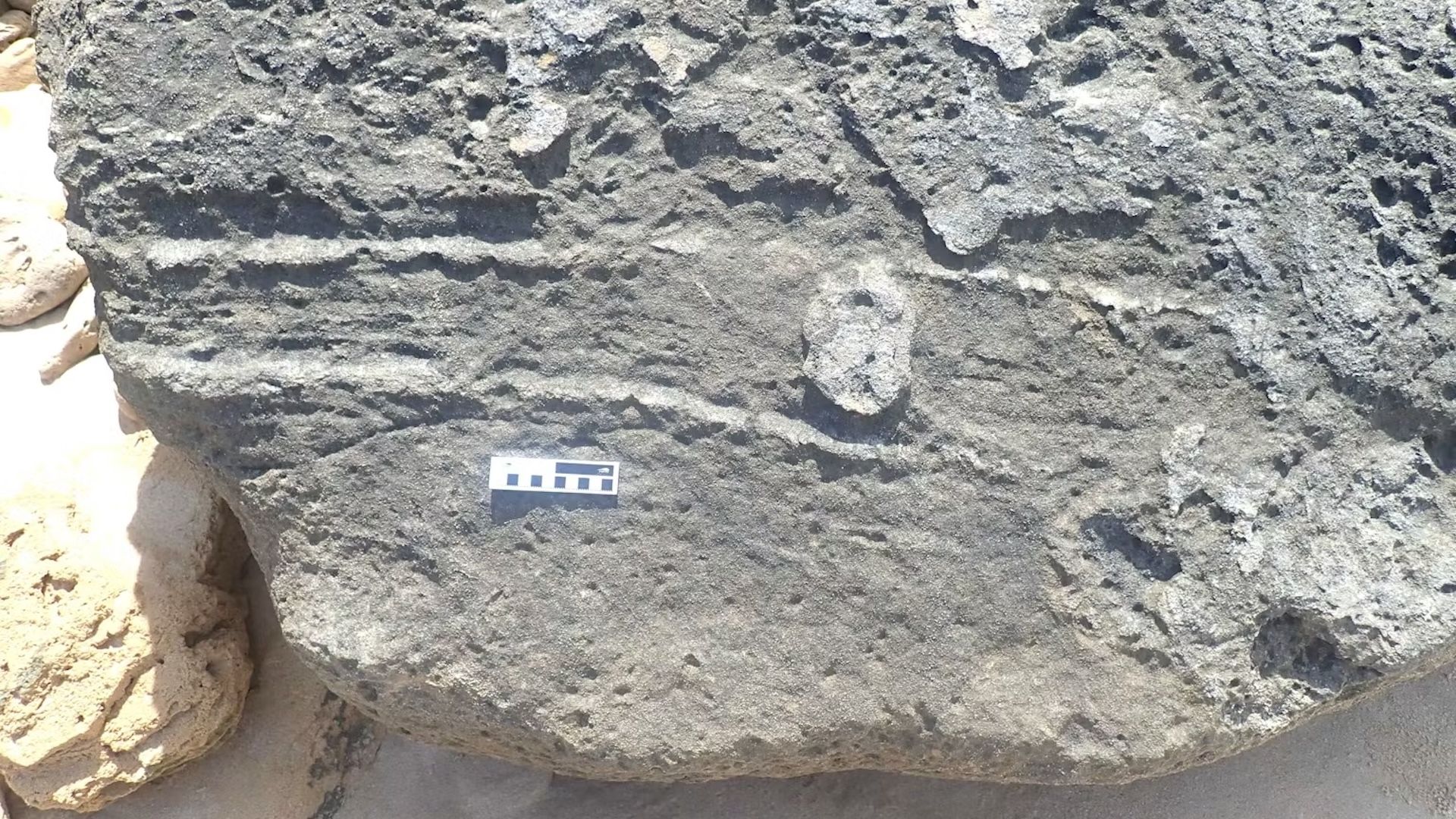
The discovery took place in the Golden Gate Highlands National Park, a region globally renowned for its stunning sandstone cliffs and its wealth of Early Jurassic fossils. The fossilized embryos belong to the genus Massospondylus, a precursor to the giant sauropods, but more importantly, the site has yielded significant data regarding cynodonts—the direct lineage that eventually evolved into mammals. While the Massospondylus eggs were among the first to be discovered, subsequent analysis of smaller, more delicate remains has pointed toward the mammalian ancestral line.
The preservation of these embryos is nothing short of miraculous. Fossilization is a finicky process, especially for soft tissues and delicate embryonic bones. In this instance, a combination of rapid sedimentation and specific mineral conditions allowed the skeletons of these unborn creatures to be preserved in exquisite detail. Scientists utilized high-powered synchrotron scanning—a form of advanced X-ray imaging—to peer inside the eggs without damaging the precious contents. What they found was a skeletal structure that bridges the gap between primitive reptiles and early mammaliaforms.
The Evolutionary Link: From Reptilian Eggs to Mammalian Life
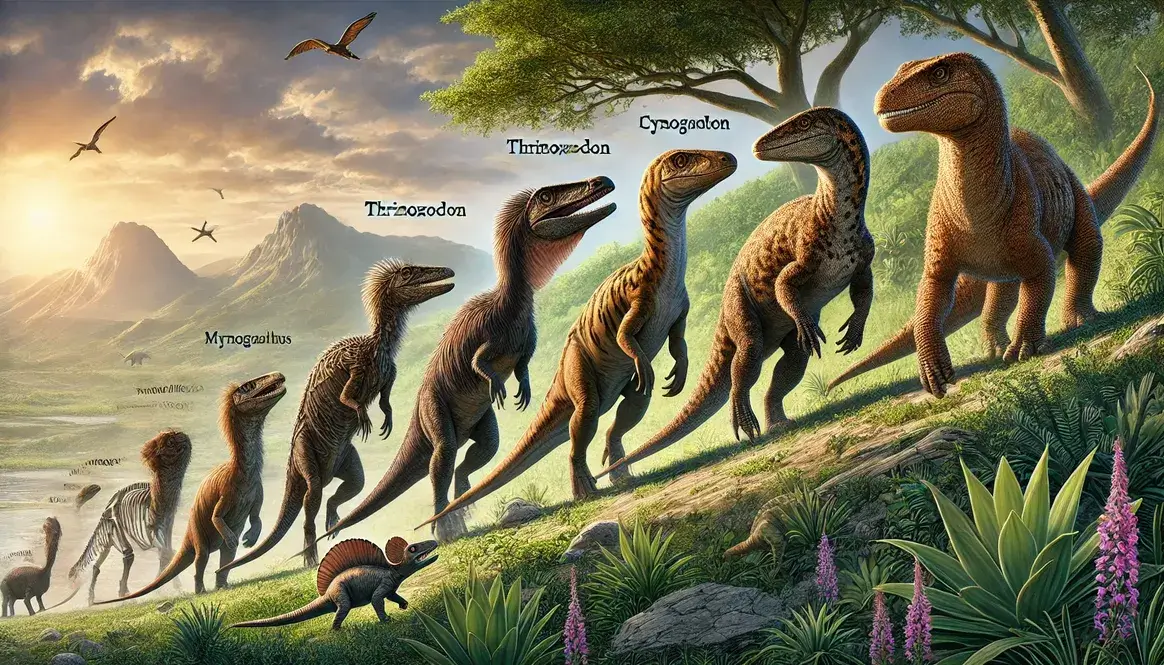
To understand why this discovery is so significant, one must look at the evolutionary tree. Mammals belong to a group called synapsids. Long before the first true mammal appeared, their ancestors, known as non-mammalian cynodonts, exhibited a mix of reptilian and mammalian traits. We have known for some time that these creatures had specialized teeth and perhaps even whiskers or fur, but their reproductive methods remained a subject of intense debate.
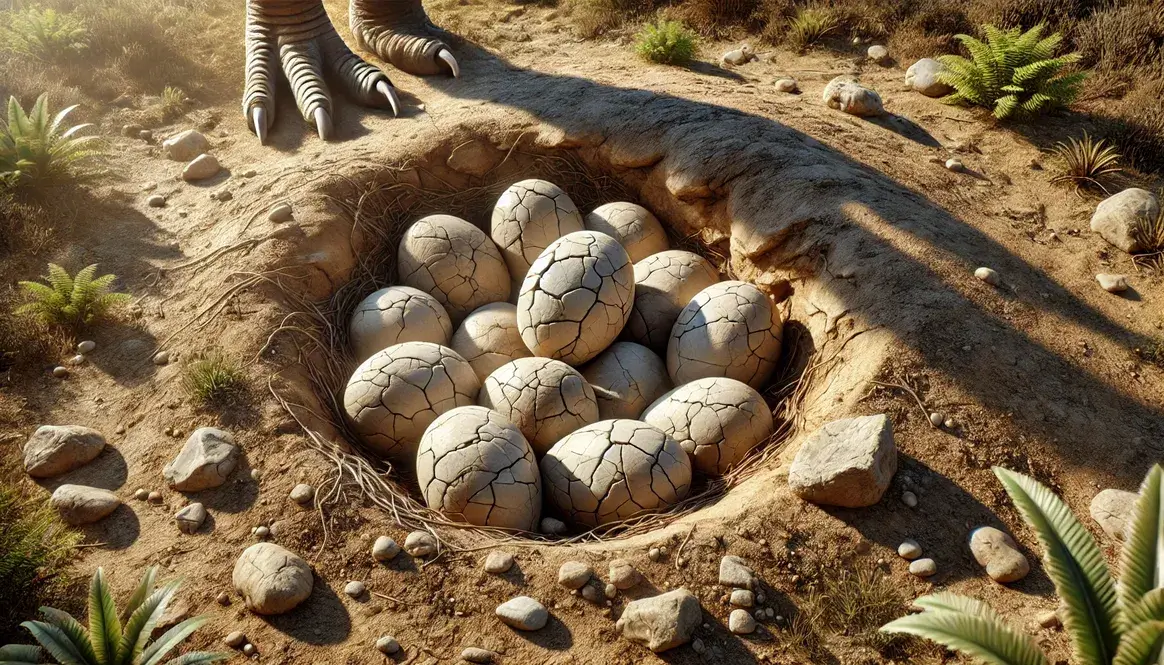
The South African embryo fossil confirms that these ancestors were still laying leathery-shelled eggs, much like modern-day reptiles or the platypus. This find reinforces the fact that the hallmark of mammalian reproduction—giving birth to live young—was a much later adaptation. The embryos show a rapid growth rate, a trait often associated with warm-bloodedness, suggesting that even while they were inside eggs, these "mammal-like" creatures were already developing the high-metabolic characteristics that define mammals today.
| Feature/Aspect | Description |
|---|---|
| Location of Discovery | Golden Gate Highlands National Park, South Africa. |
| Estimated Age | Approximately 190 to 200 million years (Early Jurassic). |
| Scientific Significance | Oldest evidence of embryo development in mammal ancestors. |
| Technology Used | Synchrotron X-ray micro-tomography for non-invasive imaging. |
| Reproductive Method | Oviparous (egg-laying), featuring leathery shells. |
| Key Species Involved | Early Cynodonts and Massospondylus (comparative study). |
Analyzing the Embryo: Advanced X-ray Imaging and Synchrotron Technology
The study of these fossils would have been impossible a few decades ago. The bones of the embryos are thinner than a human hair and incredibly brittle. Physical excavation would have resulted in their destruction. Enter the European Synchrotron Radiation Facility (ESRF) in Grenoble, France, where the fossils were transported for scanning. This facility produces X-rays that are 100 billion times brighter than a standard hospital X-ray.
By using this technology, researchers created 3D reconstructions of the embryos. They were able to observe the skull development, the emergence of teeth, and the ossification of the limbs. These digital models revealed that the embryos were near hatching. Interestingly, the dental development suggested that these creatures might have required parental care after hatching, a behavior deeply rooted in the mammalian lineage. This "extended childhood" or period of vulnerability is a key driver in the social evolution of mammals.
The Significance of the Karoo Basin
South Africa’s Karoo Basin is often described as a "paleontological goldmine." It contains one of the world's most complete sequences of fossil-bearing rocks, covering a period of nearly 100 million years. This specific discovery highlights the basin's importance in tracing the transition from the Permian period through the Triassic and into the Jurassic. It is one of the few places on Earth where we can literally walk through the timeline of mammalian evolution.
Why This Discovery Rewrites the History of Evolution
For a long time, the public perception of the "Age of Dinosaurs" focused purely on the giant reptiles. However, this discovery shifts the spotlight to the smaller, more resilient ancestors of mammals that were thriving in the shadow of the dinosaurs. By proving that mammal ancestors laid eggs 200 million years ago, scientists have clarified the timeline of reproductive evolution.
It also provides context for the Monotremes (the platypus and echidna). For centuries, these Australian animals were seen as biological oddities—mammals that lay eggs. This fossil find proves that the platypus isn't an "oddity" so much as a living fossil that has retained the primitive reproductive state of the very first mammal ancestors. The discovery in South Africa essentially bridges the gap between the fossils of the Jurassic and the strange animals still living in Australia today.
Comparing Ancestral Egg-Laying to Modern Monotremes
While the South African embryos belonged to a different lineage than the modern platypus, the parallels are striking. The eggs found were soft-shelled, which is a significant detail. Hard-shelled eggs (like those of birds) were a specific evolutionary path taken by certain dinosaurs. The soft-shelled egg of the mammal ancestor suggests a different strategy, one that required a moist environment or burial in soil to prevent desiccation. This biological constraint influenced where early mammal-like creatures lived and how they protected their young.
FAQ: Understanding the South African Embryo Discovery
1. How old is the embryo fossil found in South Africa?
The fossils date back approximately 190 to 200 million years, placing them in the Early Jurassic period. This makes them the oldest known embryos of their kind ever discovered.
2. Does this mean all mammals once laid eggs?
Yes, the evolutionary ancestors of all modern mammals (including humans) were originally egg-layers. The transition to giving birth to live young (viviparity) happened much later in the lineage of placental and marsupial mammals.
3. Why is South Africa so important for fossil discoveries?
South Africa's Karoo Basin and its surrounding highlands have unique geological conditions that allowed for the preservation of fossils over millions of years. It offers a continuous record of life during critical evolutionary transitions.
4. What kind of technology was used to see inside the fossilized eggs?
Researchers used Synchrotron X-ray micro-tomography. This high-energy X-ray imaging allows scientists to see internal structures in three dimensions at a microscopic level without breaking the fossil.
The Broader Impact on Modern Biology
The implications of this find extend beyond the pages of history books. By understanding the genetic and physiological hurdles our ancestors faced while transitioning from eggs to live birth, scientists can gain insights into modern reproductive health and developmental biology. The "genomic blueprints" for egg-laying are still buried within the DNA of modern mammals, including humans. Studying these fossils helps us understand when and why certain genes were "switched off" or modified over millions of years.
Furthermore, this discovery underscores the importance of international scientific collaboration. The fossils found in South Africa, analyzed in France, and studied by a global team of experts demonstrate how modern technology can unlock secrets that have been hidden in stone for eons. It also highlights the need for continued conservation of fossil-rich sites, as many more "missing links" likely remain buried in the South African soil.
Conclusion
The discovery of the world’s oldest embryo fossil in South Africa is a monumental achievement in the field of evolutionary biology. It provides the most tangible evidence to date that the ancestors of mammals shared more in common with reptiles than we previously dared to imagine. By confirming the egg-laying nature of these early cynodonts and mammaliaforms, paleontology has successfully mapped another crucial segment of the long, winding road that led to the rise of mammals.
As we continue to explore the Karoo Basin and utilize increasingly sophisticated imaging technologies, the story of our origins becomes clearer. These tiny, 200-million-year-old bones tell a story of survival, adaptation, and the incredible journey of life from a leathery egg in the South African dirt to the diverse array of mammals that dominate the planet today. This discovery isn't just about the past; it’s a profound reminder of the shared heritage of all living things and the deep, ancient roots of the mammalian family tree.
Embryo fossil found in South Africa is world's oldest proof that mammal ancestors laid eggs
Embryo fossil found in South Africa is world's oldest proof that mammal ancestors laid eggs Wallpapers
Collection of embryo fossil found in south africa is world's oldest proof that mammal ancestors laid eggs wallpapers for your desktop and mobile devices.

Dynamic Embryo Fossil Found In South Africa Is World's Oldest Proof That Mammal Ancestors Laid Eggs Image Illustration
Immerse yourself in the stunning details of this beautiful embryo fossil found in south africa is world's oldest proof that mammal ancestors laid eggs wallpaper, designed for a captivating visual experience.
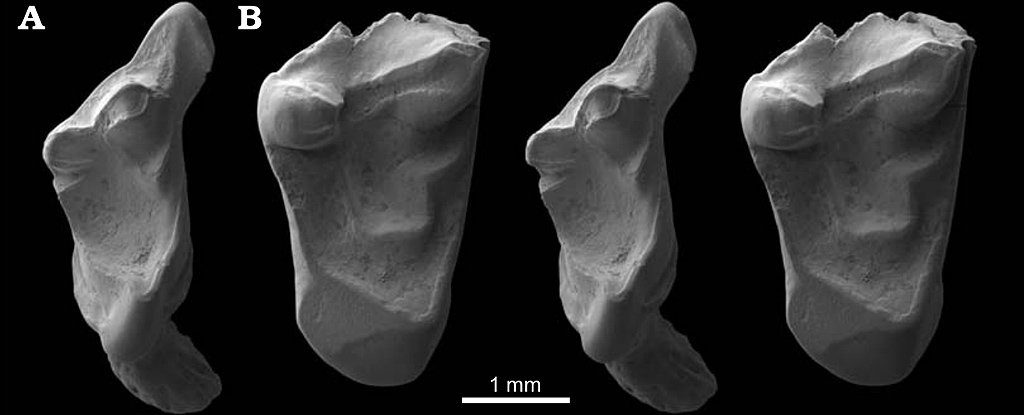
Gorgeous Embryo Fossil Found In South Africa Is World's Oldest Proof That Mammal Ancestors Laid Eggs Artwork in HD
Immerse yourself in the stunning details of this beautiful embryo fossil found in south africa is world's oldest proof that mammal ancestors laid eggs wallpaper, designed for a captivating visual experience.

Captivating Embryo Fossil Found In South Africa Is World's Oldest Proof That Mammal Ancestors Laid Eggs Wallpaper for Your Screen
A captivating embryo fossil found in south africa is world's oldest proof that mammal ancestors laid eggs scene that brings tranquility and beauty to any device.

Lush Embryo Fossil Found In South Africa Is World's Oldest Proof That Mammal Ancestors Laid Eggs Image Nature
Immerse yourself in the stunning details of this beautiful embryo fossil found in south africa is world's oldest proof that mammal ancestors laid eggs wallpaper, designed for a captivating visual experience.

Spectacular Embryo Fossil Found In South Africa Is World's Oldest Proof That Mammal Ancestors Laid Eggs Picture for Mobile
Find inspiration with this unique embryo fossil found in south africa is world's oldest proof that mammal ancestors laid eggs illustration, crafted to provide a fresh look for your background.

Gorgeous Embryo Fossil Found In South Africa Is World's Oldest Proof That Mammal Ancestors Laid Eggs View Illustration
A captivating embryo fossil found in south africa is world's oldest proof that mammal ancestors laid eggs scene that brings tranquility and beauty to any device.

Lush Embryo Fossil Found In South Africa Is World's Oldest Proof That Mammal Ancestors Laid Eggs Landscape Illustration
This gorgeous embryo fossil found in south africa is world's oldest proof that mammal ancestors laid eggs photo offers a breathtaking view, making it a perfect choice for your next wallpaper.

Vivid Embryo Fossil Found In South Africa Is World's Oldest Proof That Mammal Ancestors Laid Eggs Artwork in 4K
Explore this high-quality embryo fossil found in south africa is world's oldest proof that mammal ancestors laid eggs image, perfect for enhancing your desktop or mobile wallpaper.

Vibrant Embryo Fossil Found In South Africa Is World's Oldest Proof That Mammal Ancestors Laid Eggs Background Nature
Discover an amazing embryo fossil found in south africa is world's oldest proof that mammal ancestors laid eggs background image, ideal for personalizing your devices with vibrant colors and intricate designs.

Serene Embryo Fossil Found In South Africa Is World's Oldest Proof That Mammal Ancestors Laid Eggs Landscape Nature
Experience the crisp clarity of this stunning embryo fossil found in south africa is world's oldest proof that mammal ancestors laid eggs image, available in high resolution for all your screens.
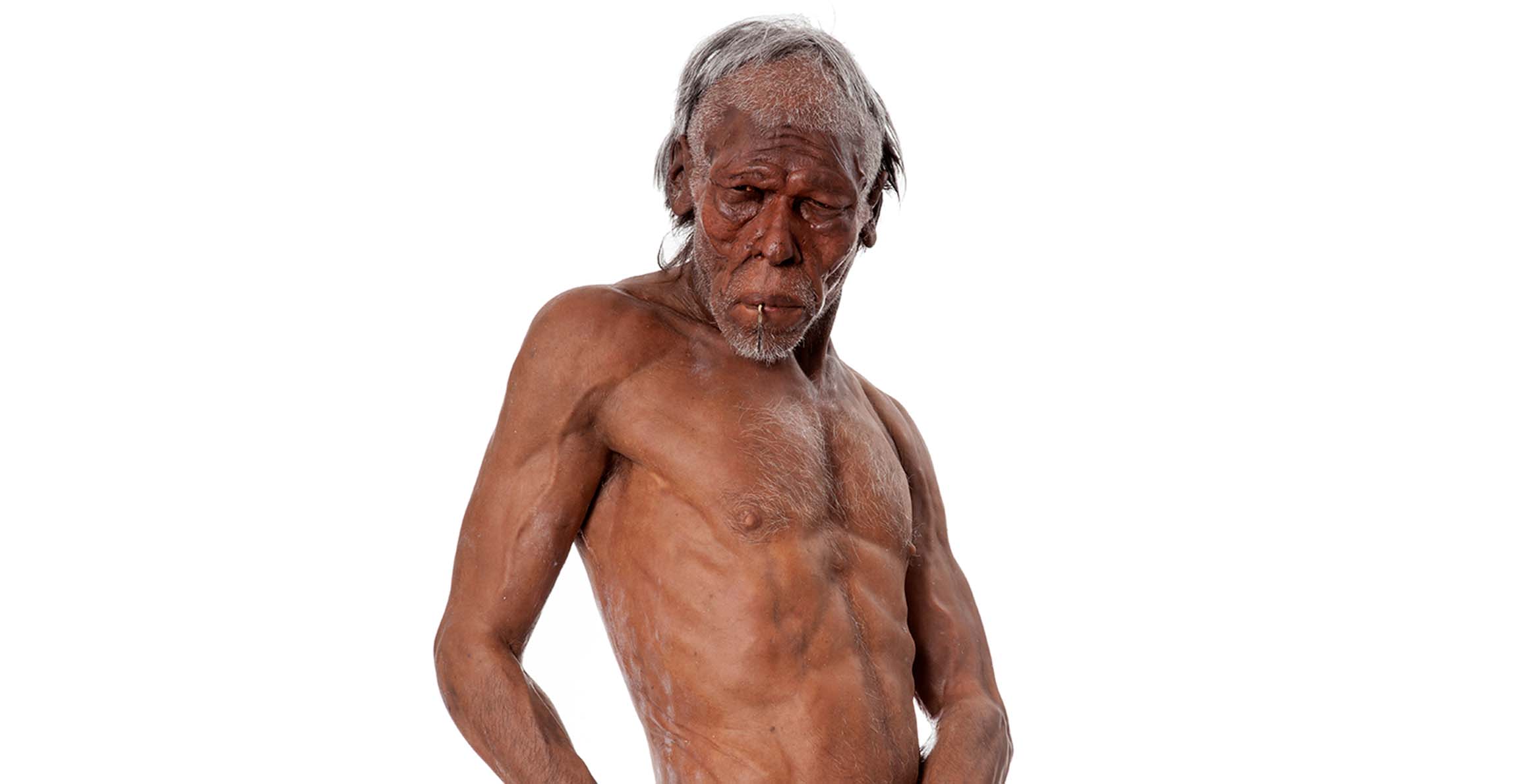
Artistic Embryo Fossil Found In South Africa Is World's Oldest Proof That Mammal Ancestors Laid Eggs Photo Nature
Immerse yourself in the stunning details of this beautiful embryo fossil found in south africa is world's oldest proof that mammal ancestors laid eggs wallpaper, designed for a captivating visual experience.
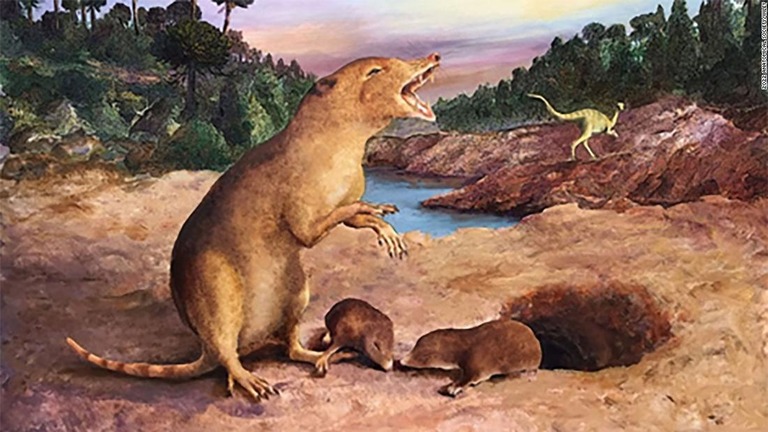
Vivid Embryo Fossil Found In South Africa Is World's Oldest Proof That Mammal Ancestors Laid Eggs Background for Your Screen
Transform your screen with this vivid embryo fossil found in south africa is world's oldest proof that mammal ancestors laid eggs artwork, a true masterpiece of digital design.
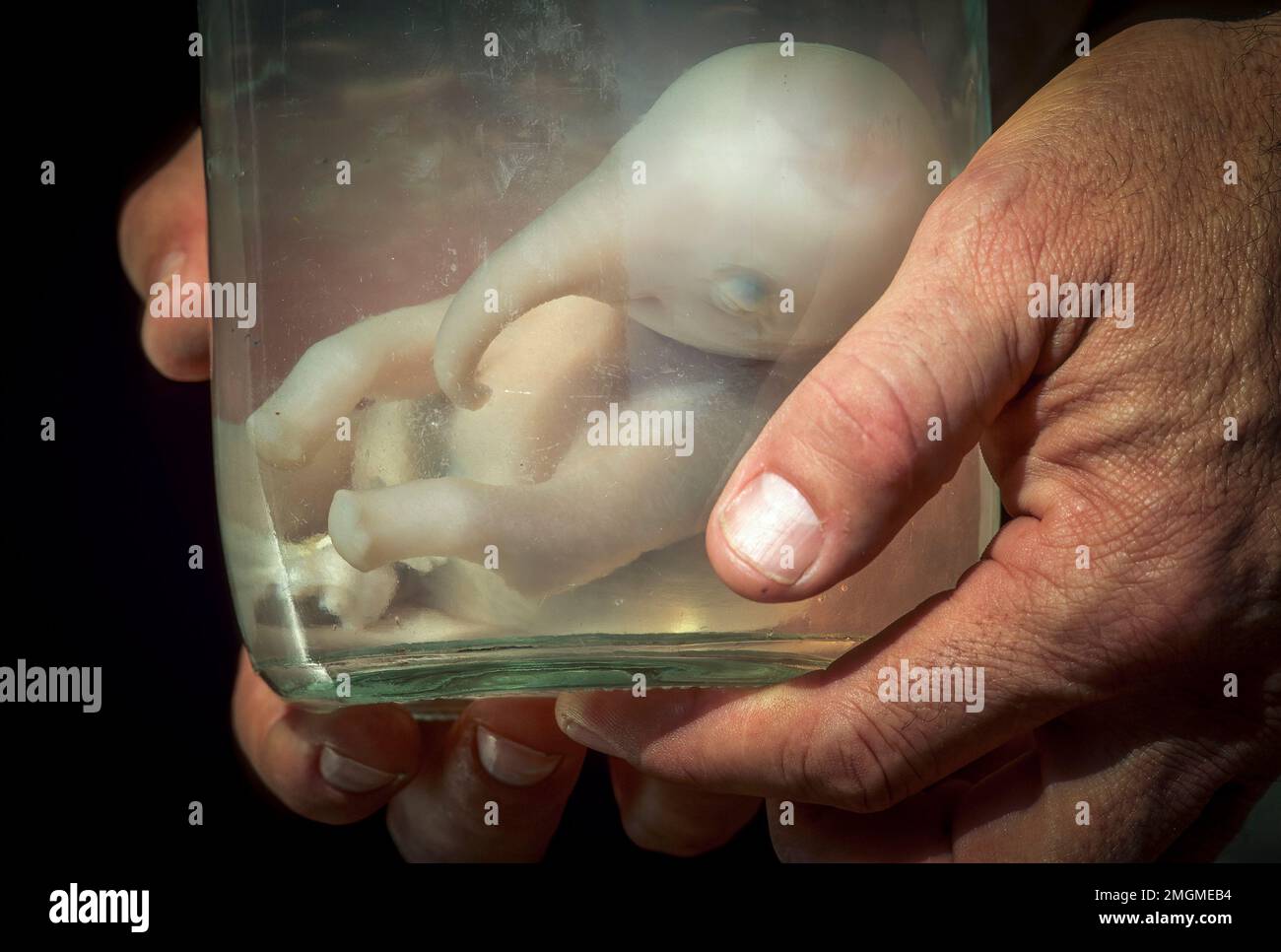
Captivating Embryo Fossil Found In South Africa Is World's Oldest Proof That Mammal Ancestors Laid Eggs Photo Art
Find inspiration with this unique embryo fossil found in south africa is world's oldest proof that mammal ancestors laid eggs illustration, crafted to provide a fresh look for your background.

Lush Embryo Fossil Found In South Africa Is World's Oldest Proof That Mammal Ancestors Laid Eggs Wallpaper Collection
Find inspiration with this unique embryo fossil found in south africa is world's oldest proof that mammal ancestors laid eggs illustration, crafted to provide a fresh look for your background.

Vibrant Embryo Fossil Found In South Africa Is World's Oldest Proof That Mammal Ancestors Laid Eggs Picture Illustration
Explore this high-quality embryo fossil found in south africa is world's oldest proof that mammal ancestors laid eggs image, perfect for enhancing your desktop or mobile wallpaper.
Exquisite Embryo Fossil Found In South Africa Is World's Oldest Proof That Mammal Ancestors Laid Eggs Capture for Your Screen
Immerse yourself in the stunning details of this beautiful embryo fossil found in south africa is world's oldest proof that mammal ancestors laid eggs wallpaper, designed for a captivating visual experience.
Detailed Embryo Fossil Found In South Africa Is World's Oldest Proof That Mammal Ancestors Laid Eggs Artwork for Desktop
Explore this high-quality embryo fossil found in south africa is world's oldest proof that mammal ancestors laid eggs image, perfect for enhancing your desktop or mobile wallpaper.
Mesmerizing Embryo Fossil Found In South Africa Is World's Oldest Proof That Mammal Ancestors Laid Eggs Photo Digital Art
Discover an amazing embryo fossil found in south africa is world's oldest proof that mammal ancestors laid eggs background image, ideal for personalizing your devices with vibrant colors and intricate designs.
Spectacular Embryo Fossil Found In South Africa Is World's Oldest Proof That Mammal Ancestors Laid Eggs Landscape for Your Screen
A captivating embryo fossil found in south africa is world's oldest proof that mammal ancestors laid eggs scene that brings tranquility and beauty to any device.

Stunning Embryo Fossil Found In South Africa Is World's Oldest Proof That Mammal Ancestors Laid Eggs Capture Photography
Immerse yourself in the stunning details of this beautiful embryo fossil found in south africa is world's oldest proof that mammal ancestors laid eggs wallpaper, designed for a captivating visual experience.
Download these embryo fossil found in south africa is world's oldest proof that mammal ancestors laid eggs wallpapers for free and use them on your desktop or mobile devices.